
The Blue Jump Ecodiving
Google 5/5 (708 reviews)
3.5 km away as the crow flies
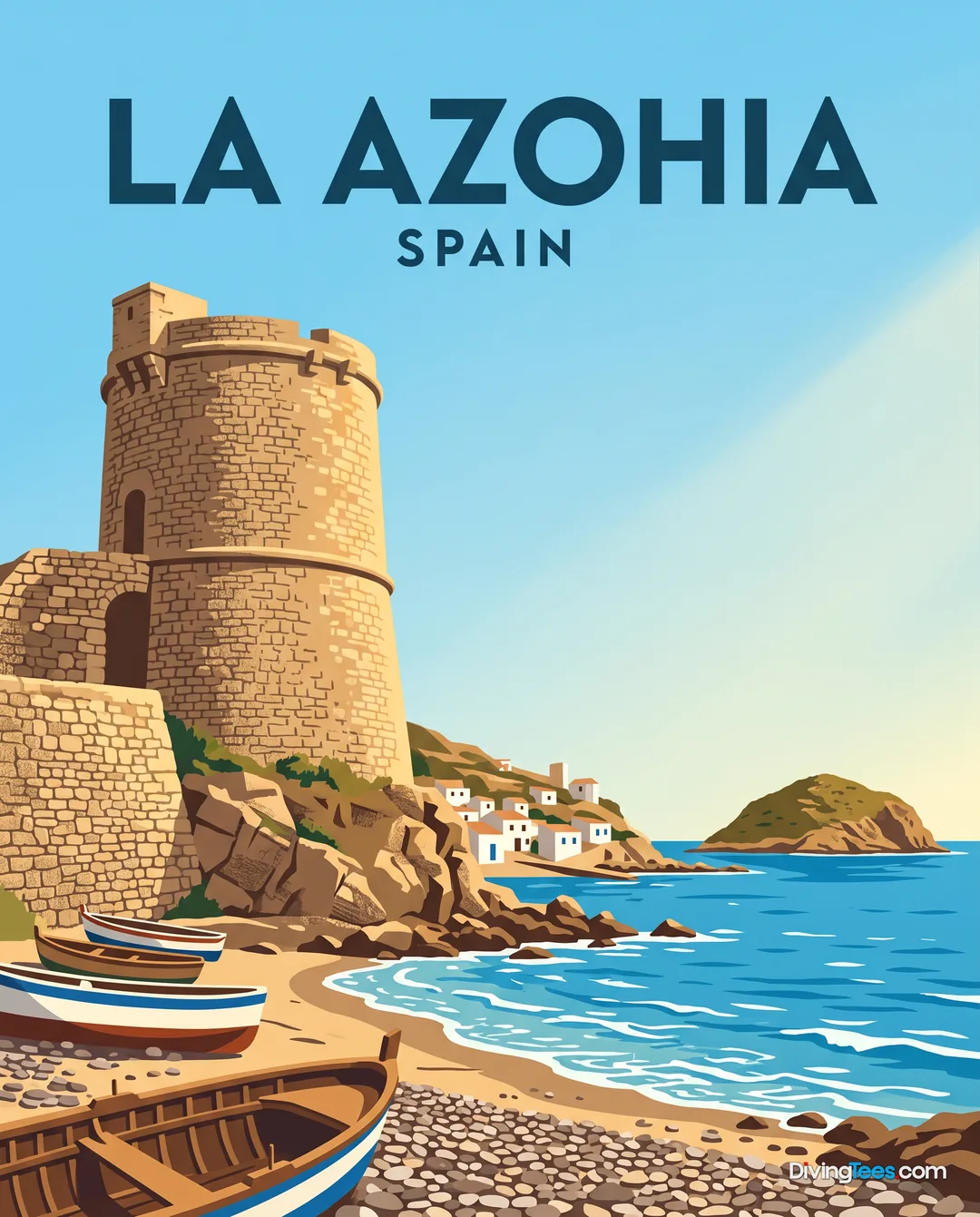
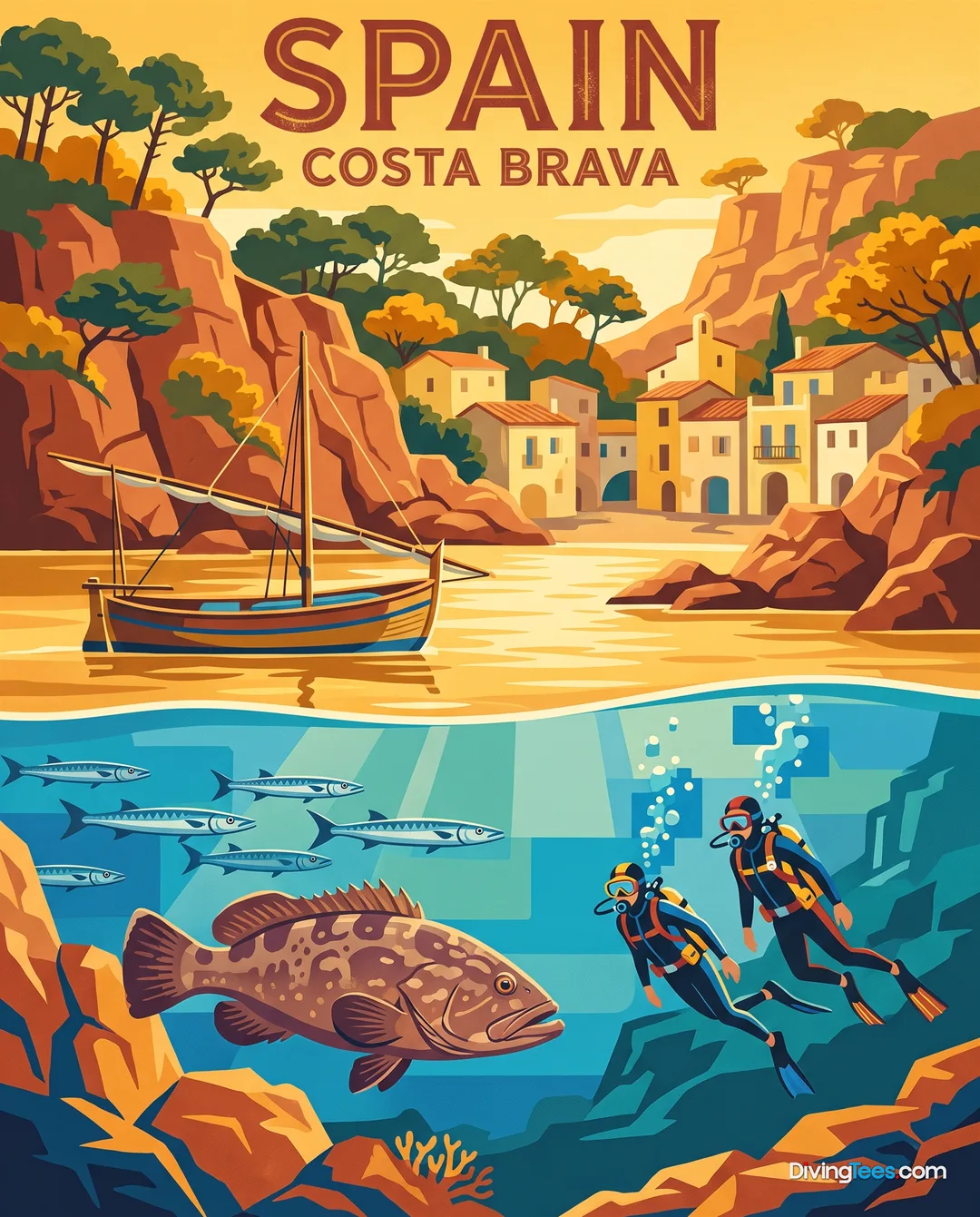
La Azohia · Spain · Mediterranean
Max. depth · 30 mA descent along a striking red cliff face where rockfall debris meets a deep Mediterranean wall.
For subtitles in English: start the video firstthen click the gearat the top right of the video, select “Subtitles/CC”, then “Auto-translate” and choose “English”.
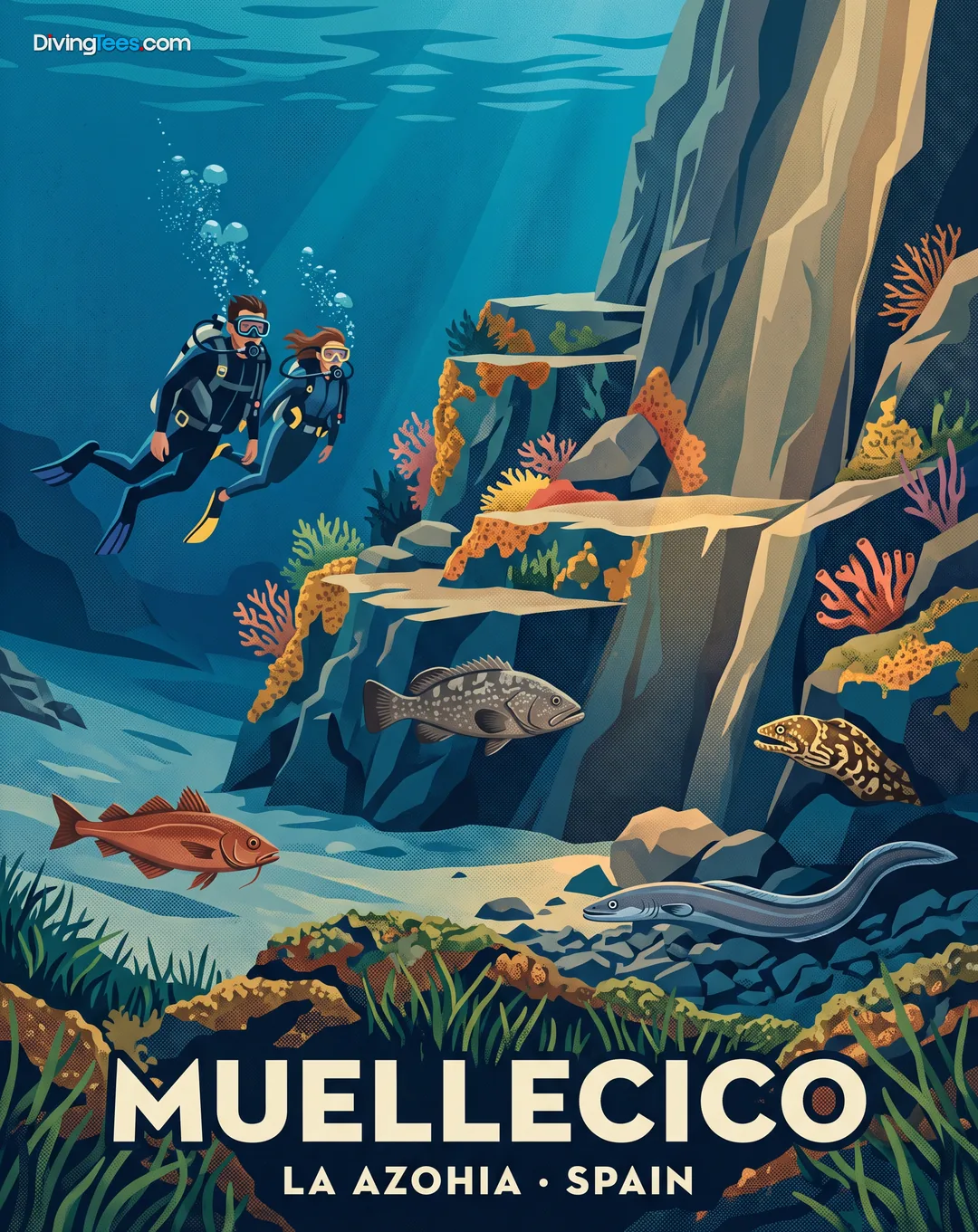
The topography of Tajo Colorado is defined by the steep, reddish cliffs of Cabo Tiñoso that plunge beneath the surface. As you descend, the geology transitions from the sheer verticality of the cliff face into a complex landscape of boulders and rockfall debris. These fallen blocks create a rugged terrain of crevices and overhangs that provide significant structural complexity. This irregular layout is what drives the local ecosystem, offering countless hiding spots for various marine species across the site.
Approaching the site by boat, the descent typically begins alongside the wall, starting at approximately 16 metres. The profile follows the descent of the rock face, which is visually marked by the characteristic red hue of the stone. You will navigate through sections where the wall is interrupted by large rocky ledges and various cavities. This verticality provides a clear sense of scale as the seabed eventually transitions into more sandy areas at the base of the structures.
The mid-depth zones are particularly interesting due to the presence of Posidonia seagrass sectors interspersed with the rocky elements. These areas provide a different texture to the dive, moving from the hard surfaces of the cliff to the softer, more organic structures of the seabed. The interplay between the vertical wall and these horizontal seagrass patches creates diverse micro-habitats. This variety ensures that the site offers different visual experiences depending on where you position your buoyancy.
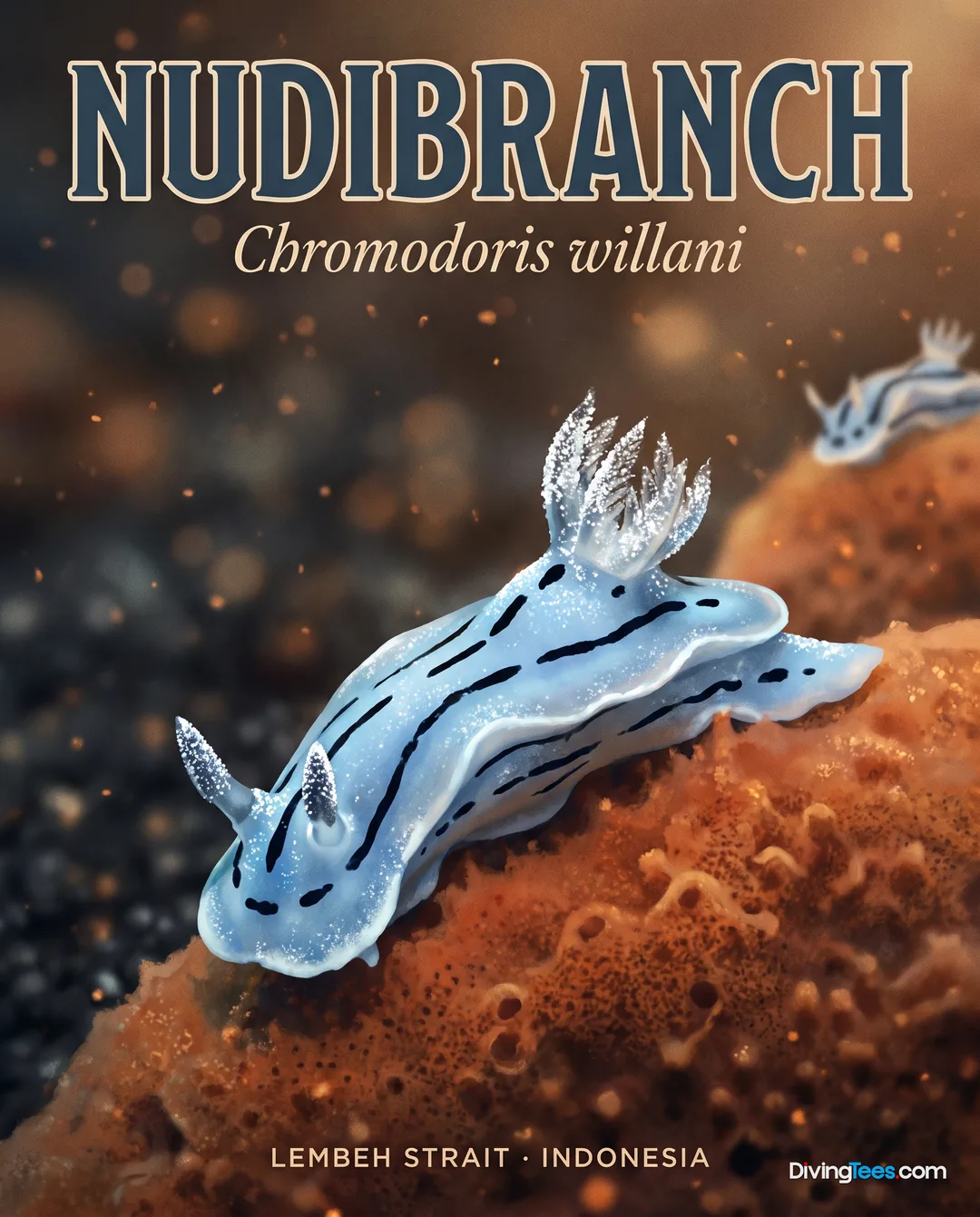
For those interested in macro photography and close-up observations, the site's structural complexity is a primary asset. The numerous fissures, cracks, and deep cavities within the rockfall are inhabited by a wide array of small organisms. You can find various nudibranchs and flatworms moving across the surfaces or tucked into protected corners. The presence of annelid worms in the sediment and rock transitions adds another layer of biological detail for the observant diver.
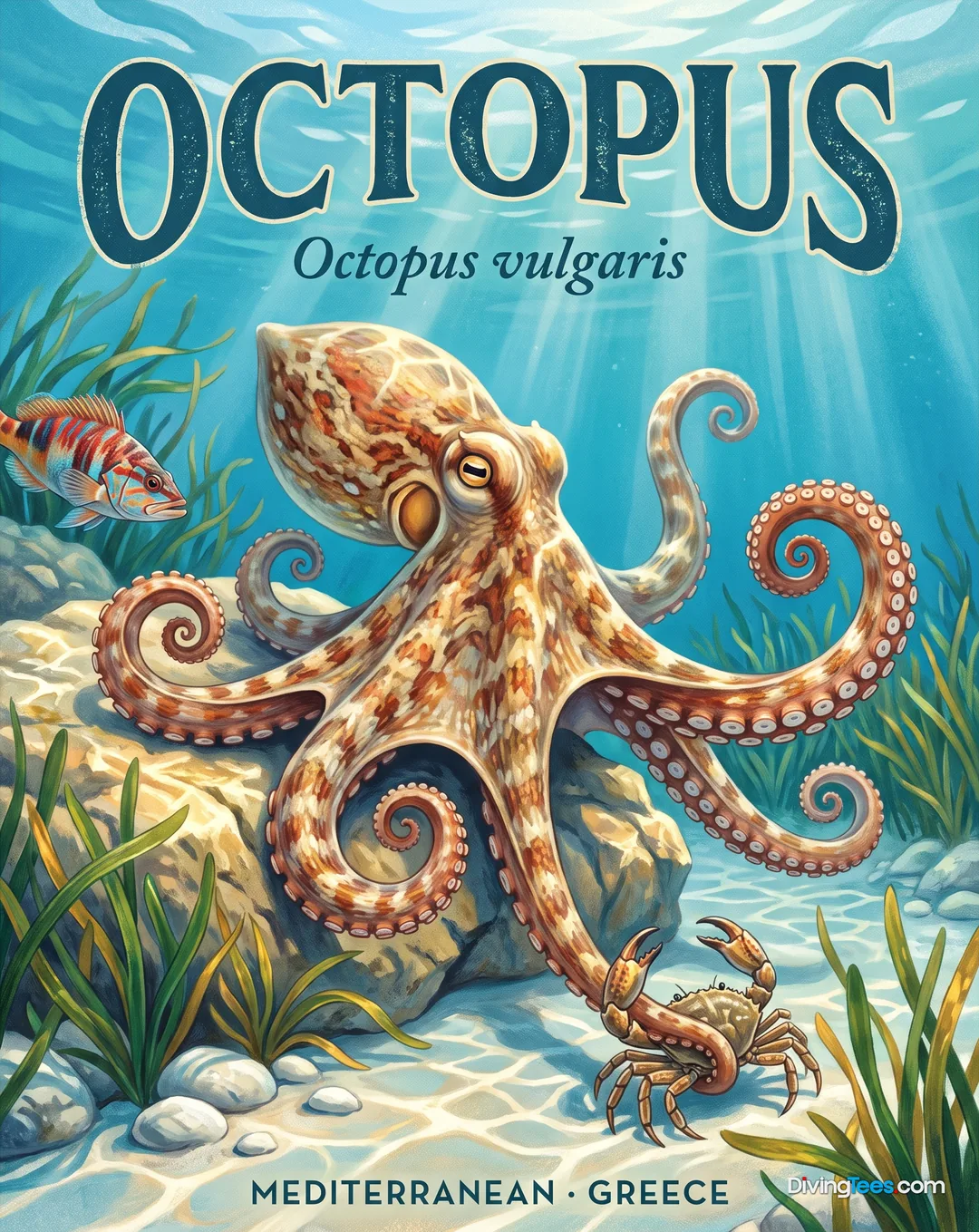
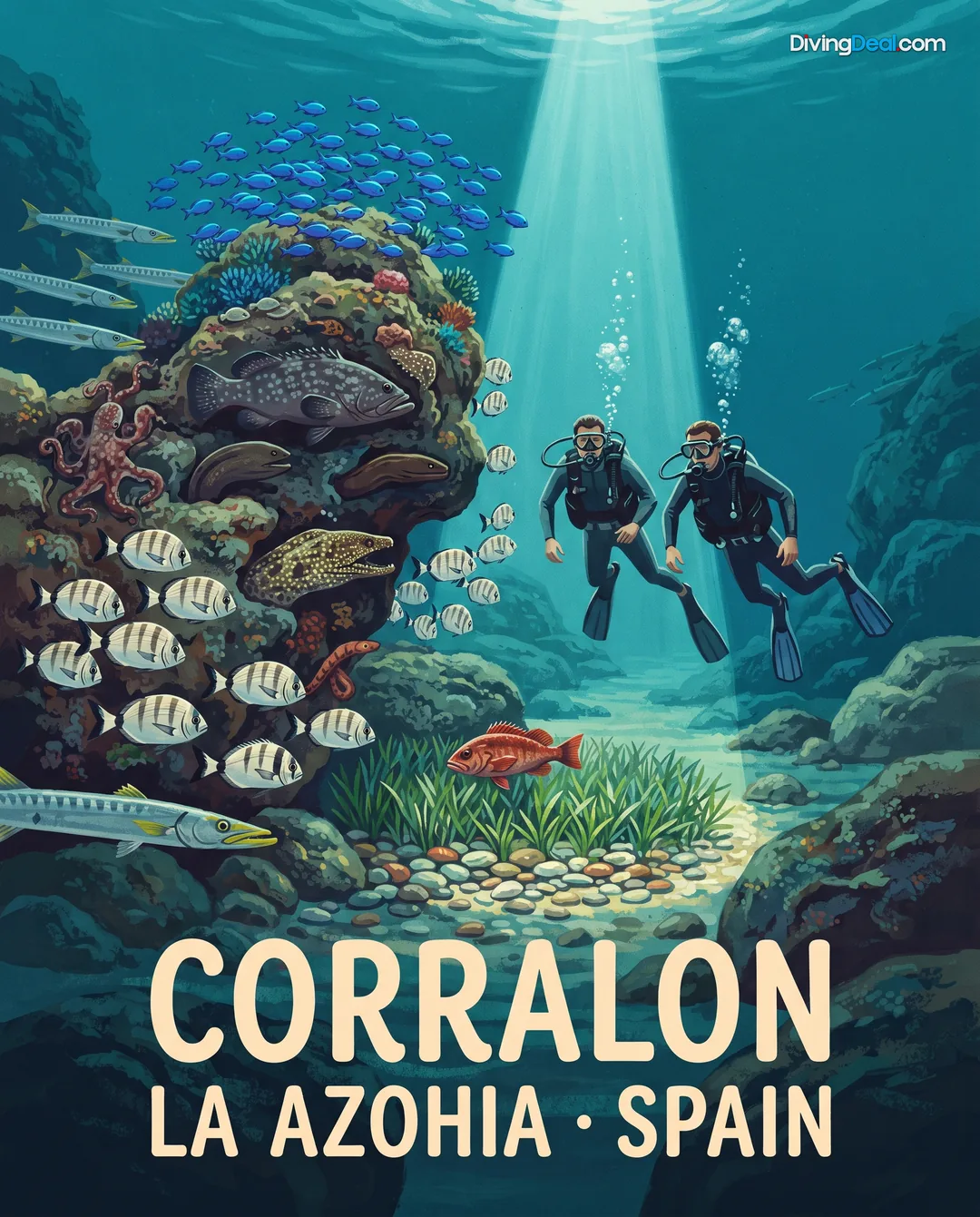
The larger resident fauna are often found patrolling the edges of the rocky structures or resting within the larger holes. Mediterranean moray eels are frequently encountered in the deeper crevices, while common octopus can be found utilizing the various rocky overhangs for cover. Conger eels are also known to inhabit the more sheltered parts of the wall. Watching these predators move through the terrain provides a glimpse into the natural hunting patterns of the Mediterranean reef.
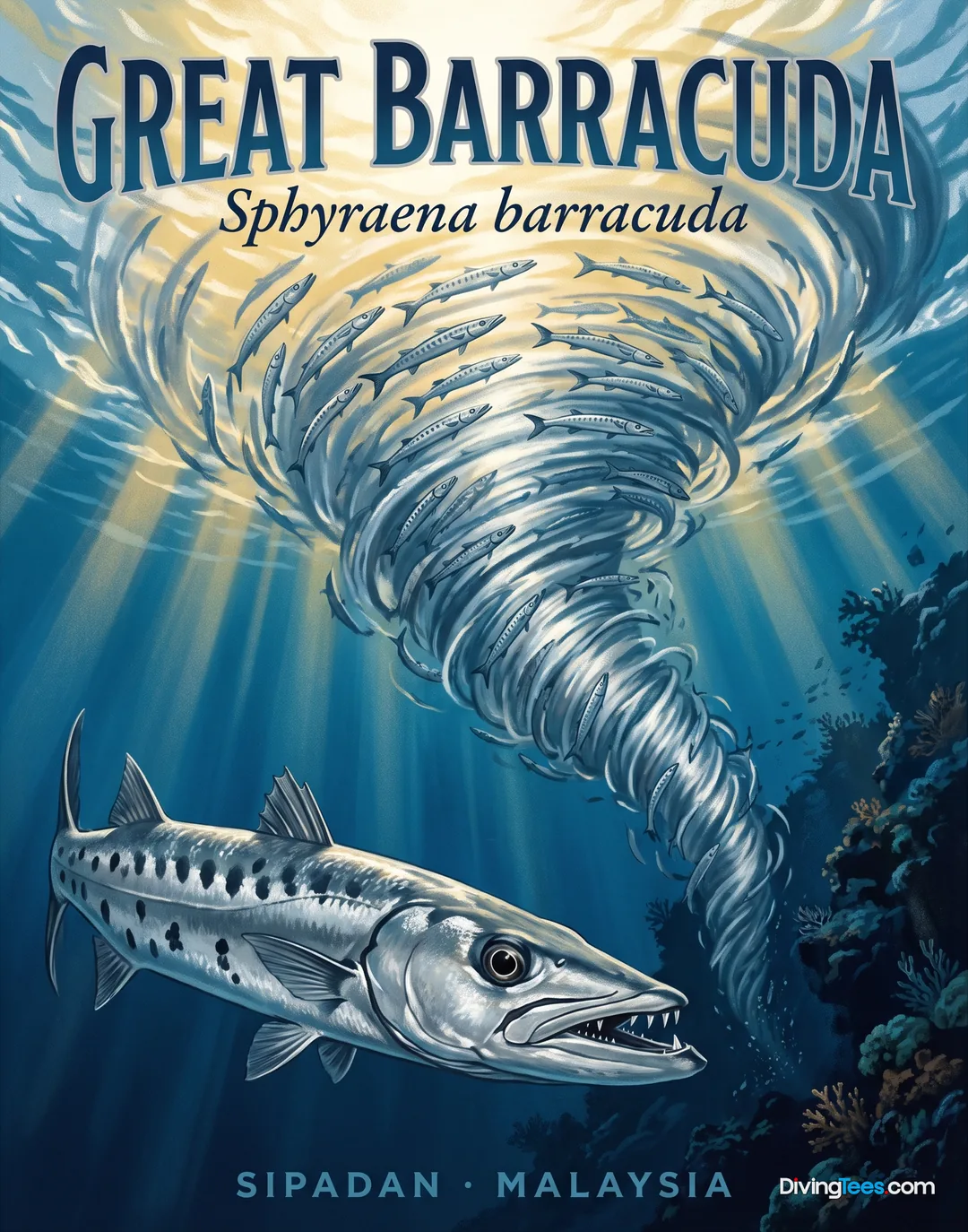
The mid-water column and the edges of the reef structures often host more mobile species. You might encounter yellow barracuda patrolling the currents near the wall or damselfish darting through the shallower sections. Forkbeard can often be spotted amongst the rocky rubble and sandy transitions. These encounters are part of the standard reef experience here, as the site's varied topography supports a stable community of resident fish species.
Visibility at Tajo Colorado is generally reliable, typically ranging between 10 and 25 metres. This clarity allows the red tones of the cliff to remain visible even as you descend deeper toward the 30-metre mark. The light penetration during the day helps highlight the textures of the rock and the subtle colours of the macro life. Maintaining good buoyancy is essential to navigate the uneven terrain without disturbing the silt in the sandy pockets or the delicate organisms on the wall.
The dive depth ranges from 14 to 30 metres. It is accessible from an Open Water Diver level, though the terrain and depth make it suitable for all experience levels. Best diving conditions are found from late spring through autumn, with visibility typically between 10 and 25 metres.
You can dive Tajo Colorao from late spring through autumn, when conditions are generally most suitable. Visibility typically ranges from ten to twenty-five metres, allowing you to see the reddish cliff tones, rock textures, vertical walls, ledges and Posidonia sectors as you descend toward the deeper parts of the site.
Tajo Colorao is accessible from Open Water Diver level and suits divers across experience levels. You should be comfortable with the site’s depth, uneven rockfall terrain, crevices, overhangs and ledges. Good buoyancy helps you move through the irregular landscape while avoiding silt in sandy pockets and delicate organisms on the wall.
Tajo Colorao ranges from fourteen to thirty metres deep. Your descent typically begins alongside the wall at approximately sixteen metres, following reddish cliffs that give way to rocky ledges, cavities, boulders and rockfall debris. The seabed eventually transitions into sandy areas, with Posidonia sectors interspersed among the rocky structures.
You can explore red rock cliffs, vertical walls, ledges, boulders, crevices, overhangs and Posidonia sectors. The site supports nudibranchs, flatworms, annelid worms, Mediterranean moray eels, conger eels, common octopus, yellow barracuda, damselfish and forkbeard. Its varied structure creates habitats for both small organisms and larger resident marine life.