
DeepZen
Google 5/5 (100 reviews)
Raiatea · French Polynesia · Pacific
Max. depth · 29 mNavigate a narrow, deep passage between two motu where green turtles and reef sharks congregate along a coral plateau.
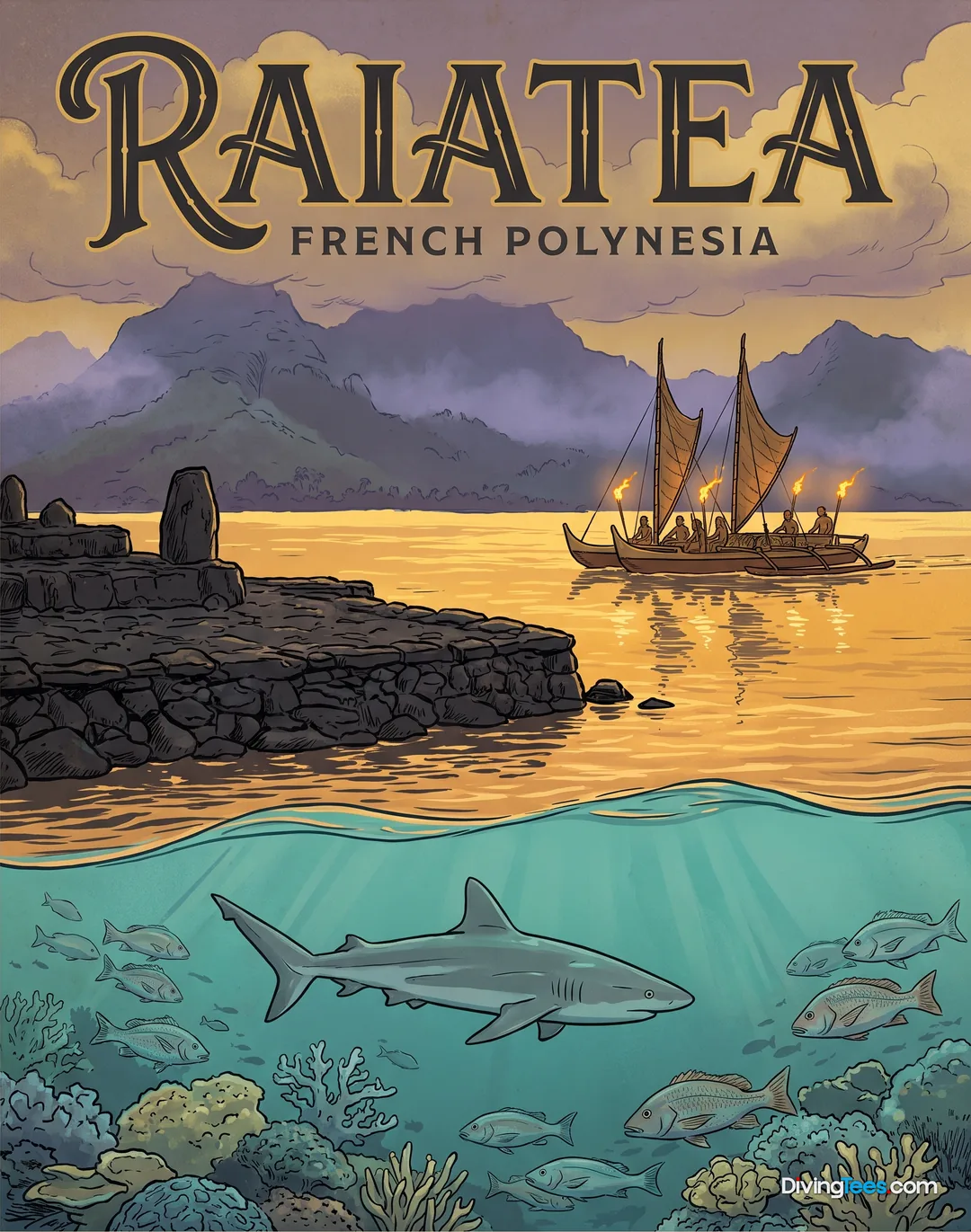
Iriru Pass serves as a vital navigational gateway between the lagoon and the open ocean on the eastern coast of Raiatea. The site is defined by its position between two distinct motu, Tipaemau to the north and Iriru to the south, which creates a narrow but deep channel through the barrier reef. Unlike more enclosed lagoon sites, this pass is directly exposed to oceanic influences, making it a dynamic environment. The topology does not consist of a sheer vertical drop, but rather a combination of a sloping wall and a substantial reef plateau. This transition between the reef edge and the deeper channel provides varied terrain for exploration.
The dive profile typically begins around a reef plateau located at approximately 10 metres. This shallow area acts as a buffer, sheltering part of the pass and providing a stable habitat for extensive hard coral gardens. From this plateau, the terrain descends along a sloping wall toward the deeper sections of the channel, reaching a maximum depth of 29 metres. Divers often find themselves navigating the inside wall, where the structure provides ample surfaces for reef-dwelling species. Moving between the shallower reef edge and the deeper descent allows you to experience different ecological zones within a single dive.
Current management is the defining technical aspect of diving at Iriru Pass. Because it is a narrow channel connecting the lagoon to the open sea, the water movement is heavily dictated by the tidal cycle. The strength and direction of the current change depending on whether the tide is flowing into the lagoon or out toward the ocean. For the most predictable and manageable experience, diving is generally best timed with the incoming tide. Understanding these tidal shifts is essential for planning your bottom time and ensuring you remain within the navigable limits of the channel.
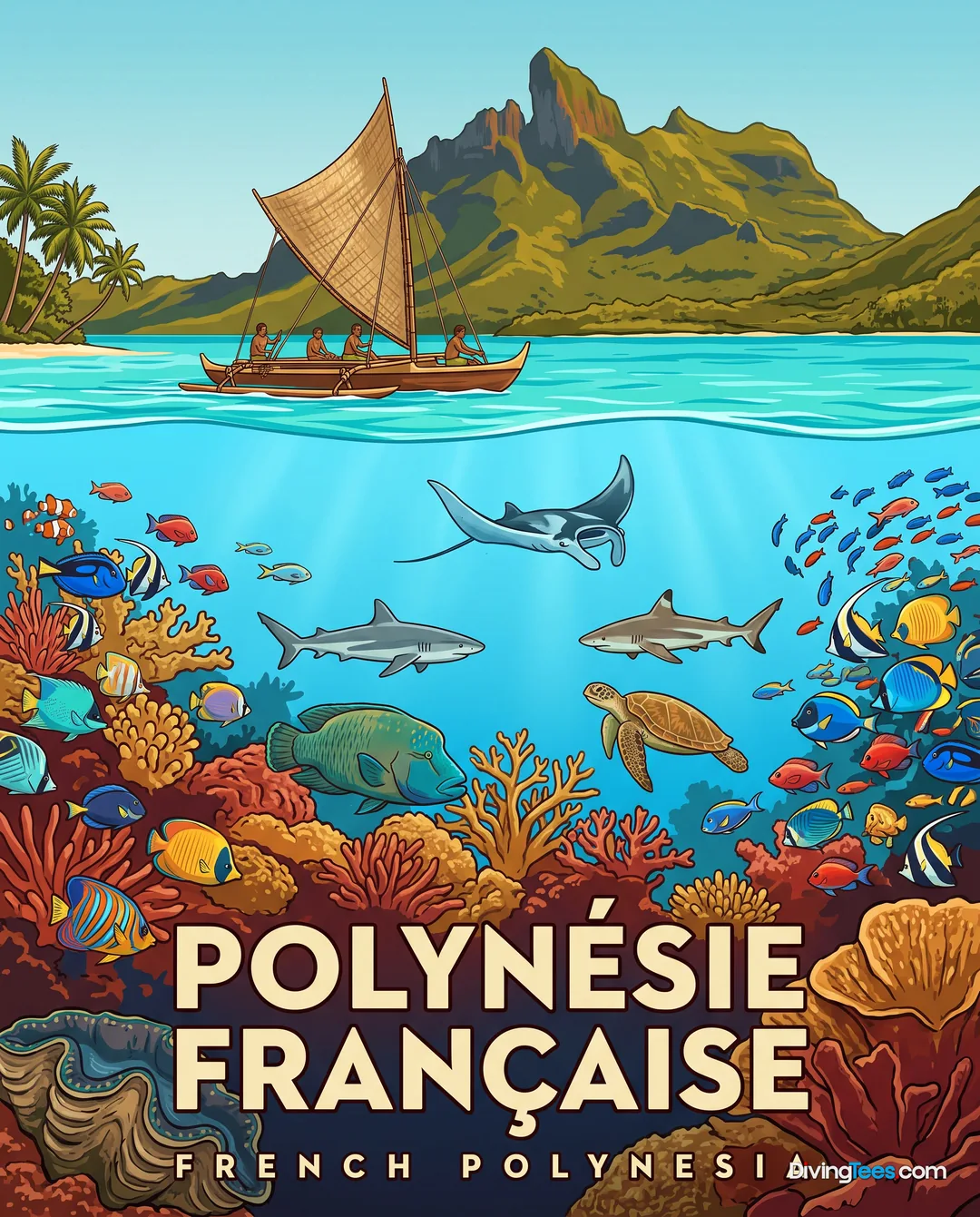
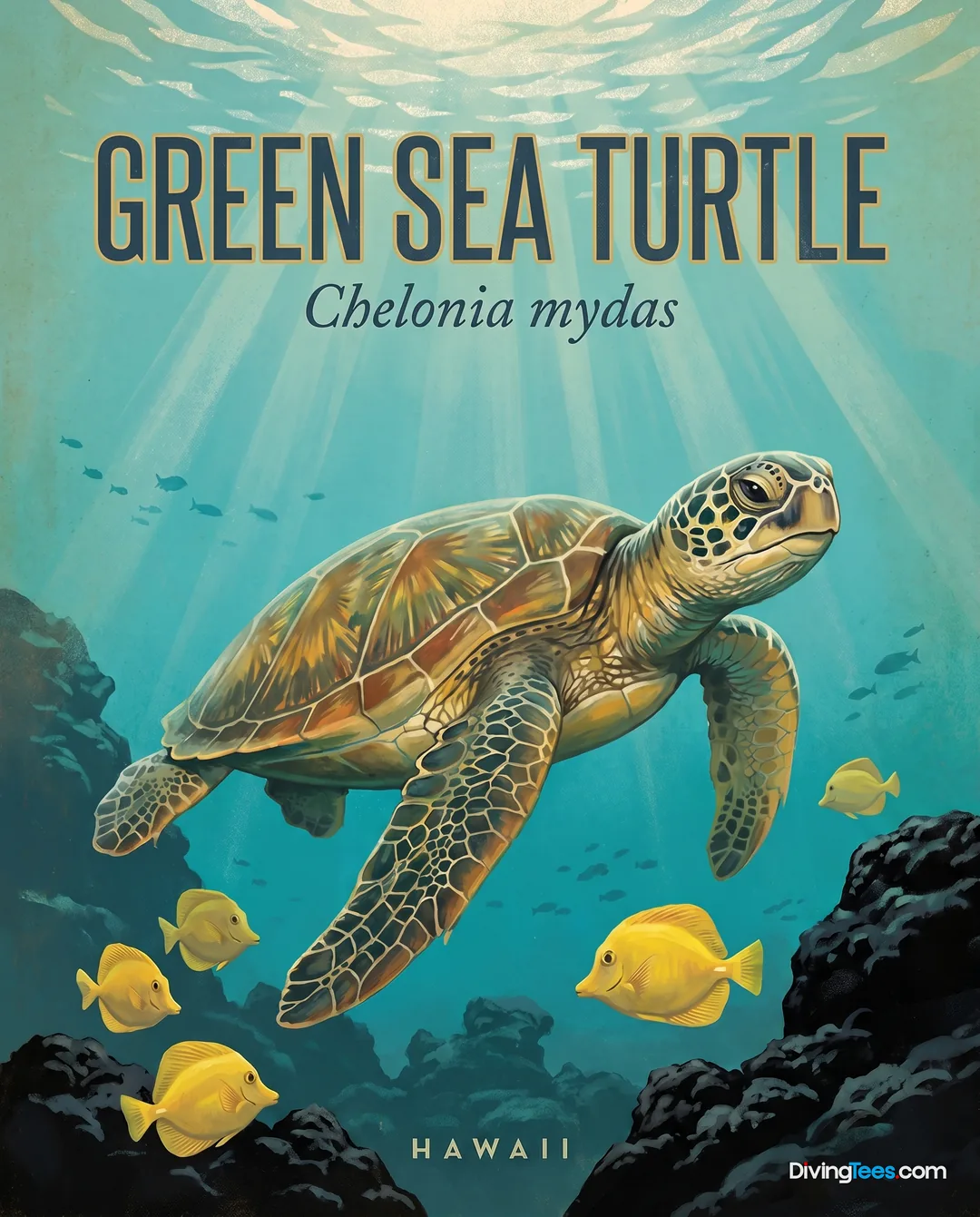
The marine life density at this site is notably high, particularly around the reef edge and the inner walls. You will frequently encounter green turtles (Chelonia mydas) moving along the coral structures and through the water column. The pass is often described by locals as a sanctuary for these animals, who use the sheltered areas of the plateau for resting and feeding. Observing their movement against the backdrop of the coral gardens is a consistent feature of the site. The abundance of these large reptiles makes the pass a focal point for those interested in resident reef megafauna.
Shark activity is another significant component of the Iriru Pass experience. Blacktip reef sharks (Carcharhinus limbatus) and whitetip reef sharks (Triaenodon obesus) are common inhabitants of the channel. These predators are often seen patrolling the deeper edges of the pass or hovering near the reef slopes. Unlike some other sites in the region that focus on large, schooling pelagic groups, the sharks here are frequently observed in smaller numbers, integrated into the natural rhythm of the reef. Their presence is a reliable indicator of the healthy, high-energy ecosystem maintained by the passing currents.
The reef fish population is equally diverse, with triggerfish being a prominent resident species you will encounter along the walls and near the coral heads. These fish are highly active and play a role in the maintenance of the reef structure. The combination of hard coral gardens and the nutrient-rich water flowing through the pass supports a wide array of smaller reef fish that inhabit the crevices. This biological richness is concentrated where the current meets the reef plateau, as the flow brings a constant supply of food to the resident species. The interaction between the moving water and the complex topography creates a highly productive environment.
Navigating the pass requires a focus on the relationship between the two flanking motu. As you move through the channel, the proximity of the landmasses influences the local water movement and can create subtle shifts in current direction. The site is distinct from other passes like Teavapiti because of its specific configuration; while Teavapiti is often sought for schooling sharks on specific contours, Iriru offers a more varied experience centered on the inside wall and the rich coral gardens. This makes it a site that rewards divers who are comfortable with drift diving and those who prefer exploring structured reef environments.
The maximum depth at Iriru Pass is 29 metres. The site is accessible to Open Water Divers, but prior experience with drift diving or navigating ocean passes is strongly recommended due to variable tidal currents. Current strength depends on the tidal state, with the incoming tide generally providing the most manageable conditions.
You should generally time a dive at Iriru Pass with the incoming tide, which provides more manageable conditions than other tidal states. The pass connects the lagoon and open ocean, so current strength and direction change with the tide. Checking the tidal cycle is important when planning your bottom time and route.
Iriru Pass is accessible to Open Water Divers, but prior experience with drift diving or navigating ocean passes is strongly recommended. The narrow channel has variable tidal currents, with movement changing between lagoon flow and ocean flow. You need to understand these shifts and remain within the navigable limits of the channel.
Iriru Pass reaches a maximum depth of 29 metres. The dive typically begins on a reef plateau around 10 metres, where hard coral gardens provide a shallow habitat. From there, you can follow a sloping wall toward the deeper channel and explore the inside wall, reef edge, and changing ecological zones.
At Iriru Pass, you can see blacktip reef sharks around the deeper edges and reef slopes, along with green turtles moving through the coral structures and water column. Hard coral gardens cover the plateau, while triggerfish and varied reef fish inhabit the walls, coral heads, and crevices where currents bring food.