Tikehau - Tikehau Diving
Google 5/5 (448 reviews)
12 km away as the crow flies
Tikehau · French Polynesia · Pacific
Max. depth · 30 mA narrow ocean channel where concentrated tidal exchanges bring large sharks and rays into close proximity with the reef.
Tuheiva serves as the single, critical point of water exchange between the open ocean and the Tikehau lagoon on the atoll's western side. This narrow channel is shaped by a series of reef steps and sloping walls that descend from a shallow plateau into the deep pass. As you approach the site by boat, roughly 20 to 25 minutes from the village, you will notice the change in water movement that defines this location. The geography is characterized by numerous grooves, cavities, and complex coral structures along the sides of the pass. These natural features provide essential shelter for reef fish and create ideal ambush points for larger predators.
The dive profile typically begins on a relatively shallow reef plateau between 5 and 10 metres. From here, the topography follows a gently sloping reef wall that leads you toward the main channel. You will encounter several distinct depth zones, including ledges and furrows situated between 8 and 23 metres. The descent culminates at a deeper step located around 30 metres, where the transition to the open ocean becomes more pronounced. This stepped architecture allows divers to find varying levels of protection from the current depending on their depth and position relative to the pass walls.
Current conditions at Tuheiva are dictated by the tidal exchange and can change the character of the dive significantly. When the current flows from the ocean into the lagoon, it creates a manageable drift that is often suitable for less experienced divers. During these incoming flows, the movement is generally easy to navigate, allowing for a relaxed drift through the channel. However, the site requires careful timing by local operators to ensure safety. The morphology of the pass means that even a moderate flow can feel more concentrated as the water is forced through the narrow opening.
When the tide shifts to an outgoing current or when the tidal exchange becomes stronger, the dive profile must be adjusted. In these high-energy conditions, the main channel can become too powerful for a direct drift, requiring divers to move toward the sides and angles of the pass. These peripheral zones offer more stability and allow you to observe the main flow from a protected position. Experienced divers often prefer these periods because the increased water movement brings a higher concentration of nutrients and predators. Managing your buoyancy and position against these shifting currents is a key skill for this site.
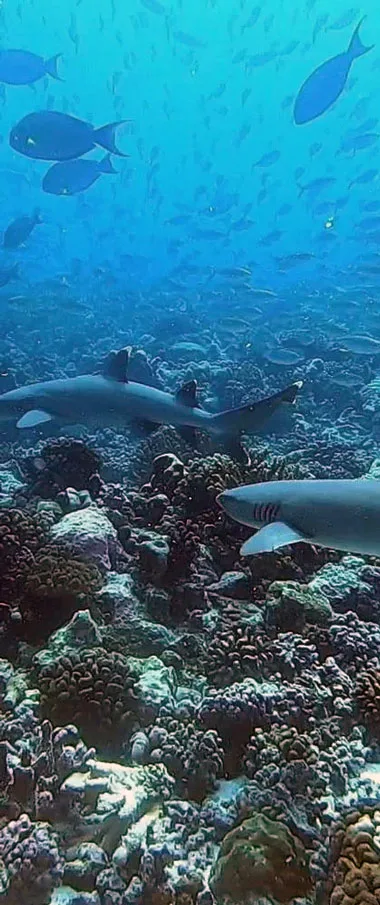
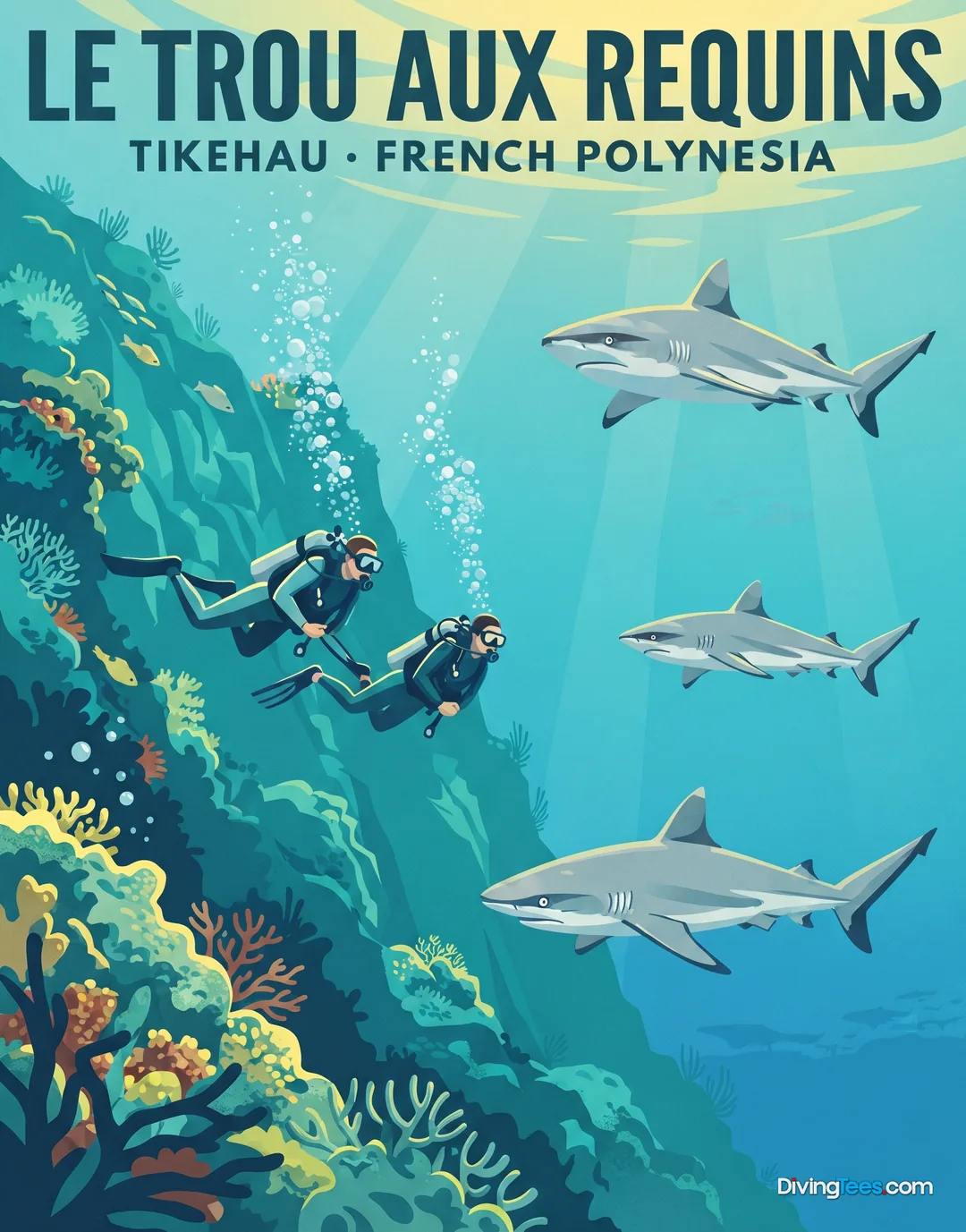
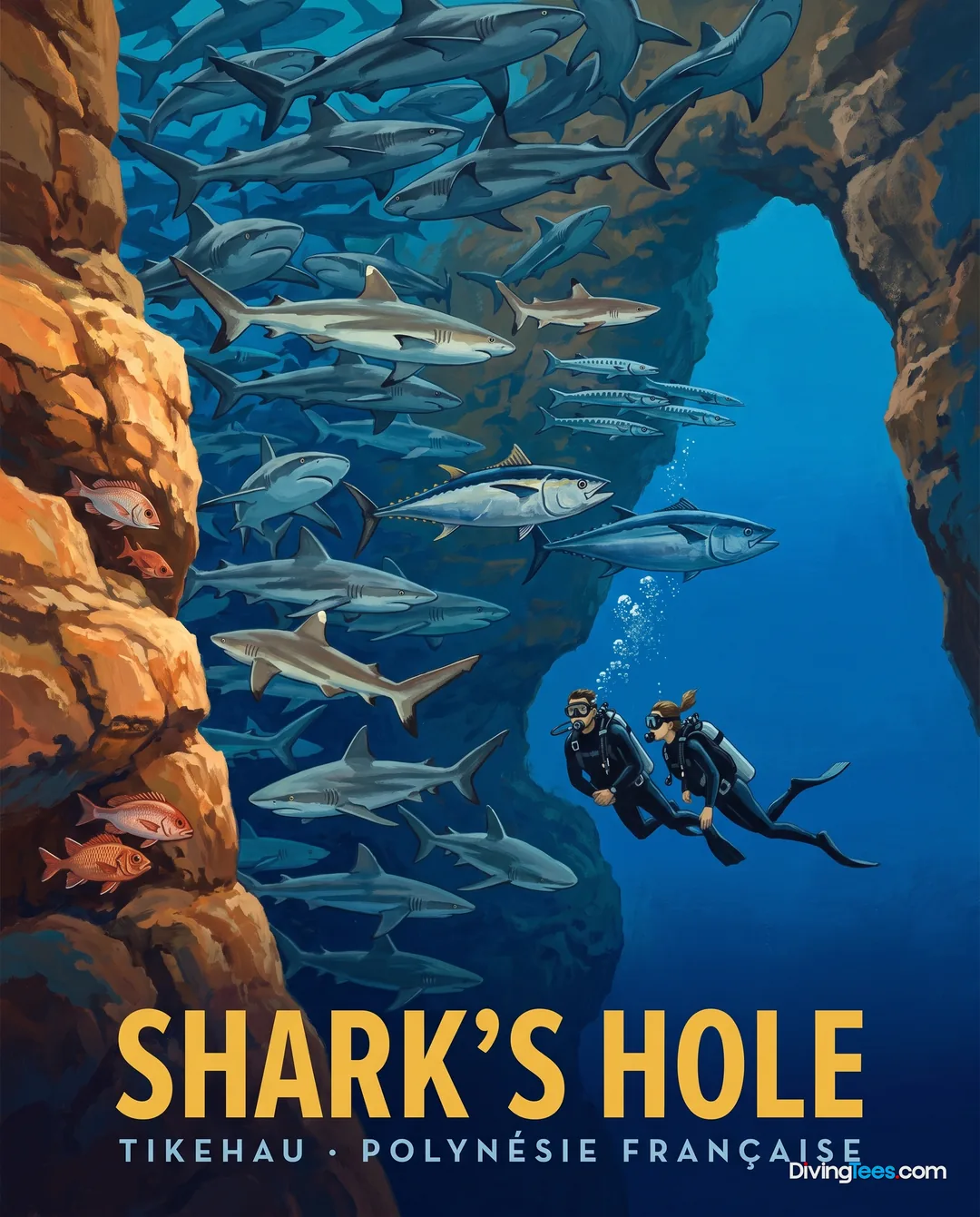
The concentration of large pelagic species is one of the most defining aspects of Tuheiva. Because the pass focuses the lagoon's water exchange into a compact area, it acts as a natural corridor for sharks and rays. You can frequently encounter various species, including grey reef sharks and whitetip reef sharks, patrolling the edges of the channel. Silvertip sharks and blacktip reef sharks are also common residents of these deep, moving waters. The presence of these predators is often a direct result of the high-energy environment created by the pass's unique topography.
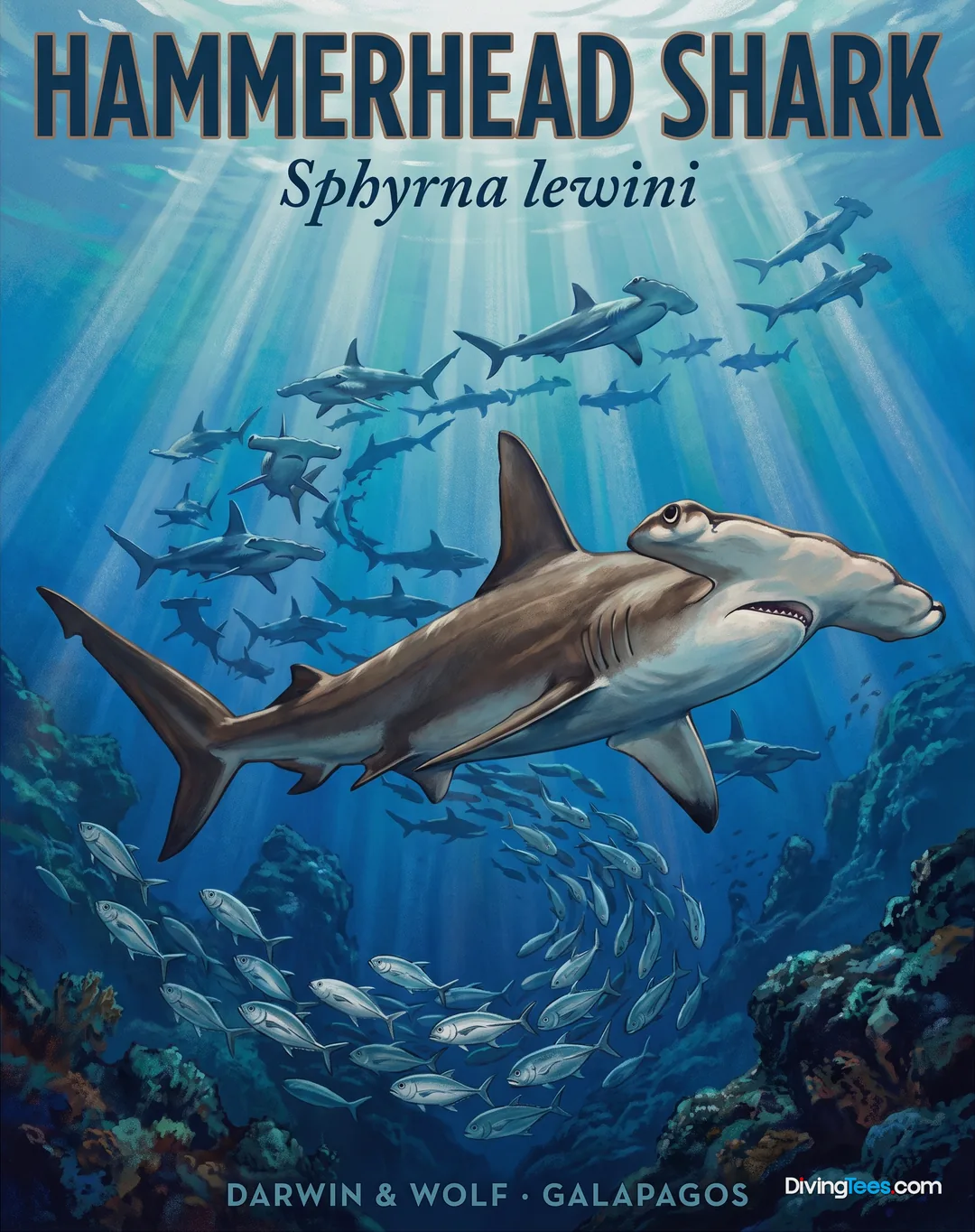
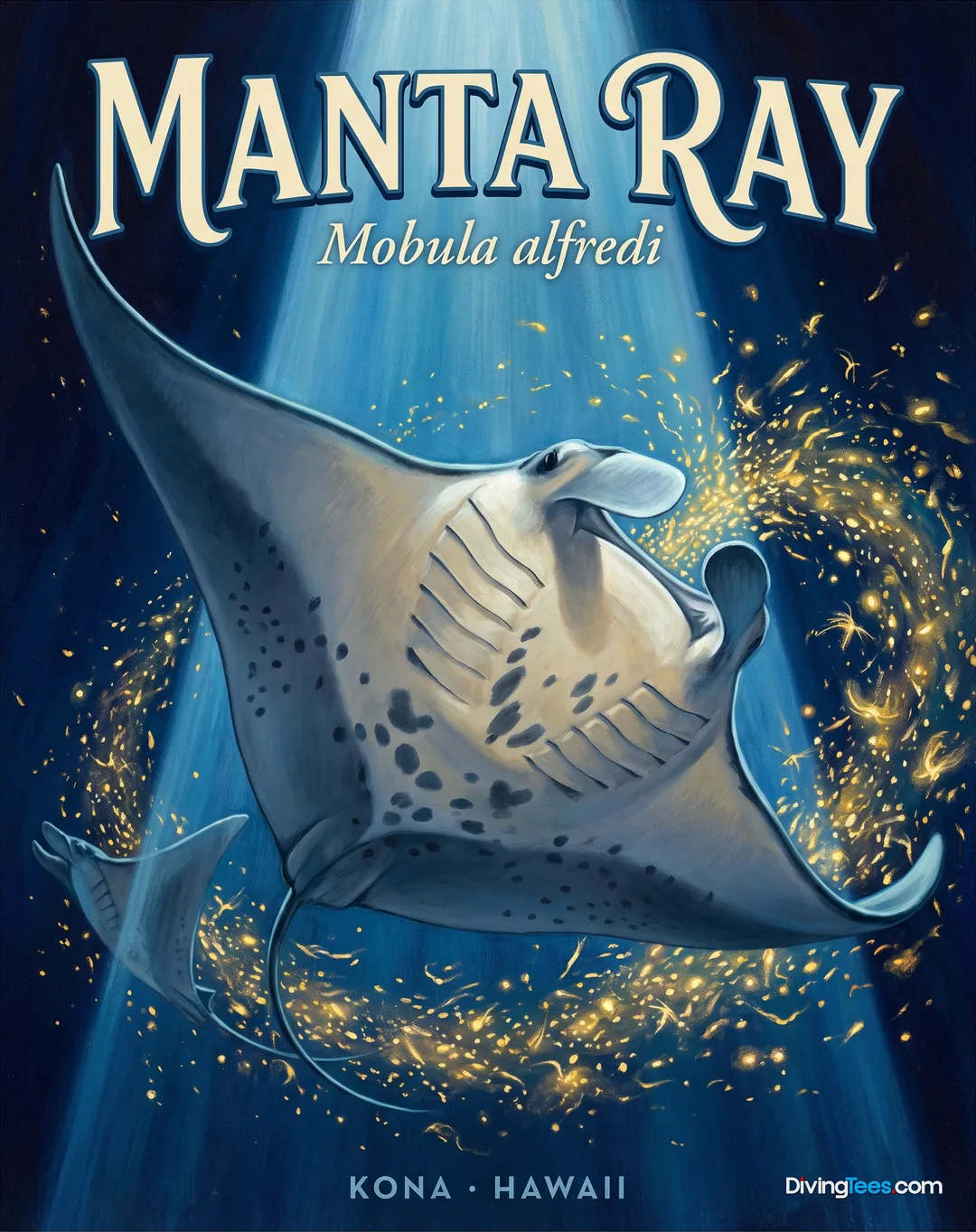
Beyond the reef sharks, the site is known for larger, more impressive pelagic encounters. Great hammerhead sharks are known to visit the area, often appearing in the deeper sections of the pass. You may also see eagle rays and manta rays moving through the water column, drawn by the currents. Large schools of jacks (trevallies) and tuna often patrol the deeper steps, adding to the sense of scale and movement. The combination of depth, current, and structure makes Tuheiva a focal point for these large species within the Tikehau atoll.
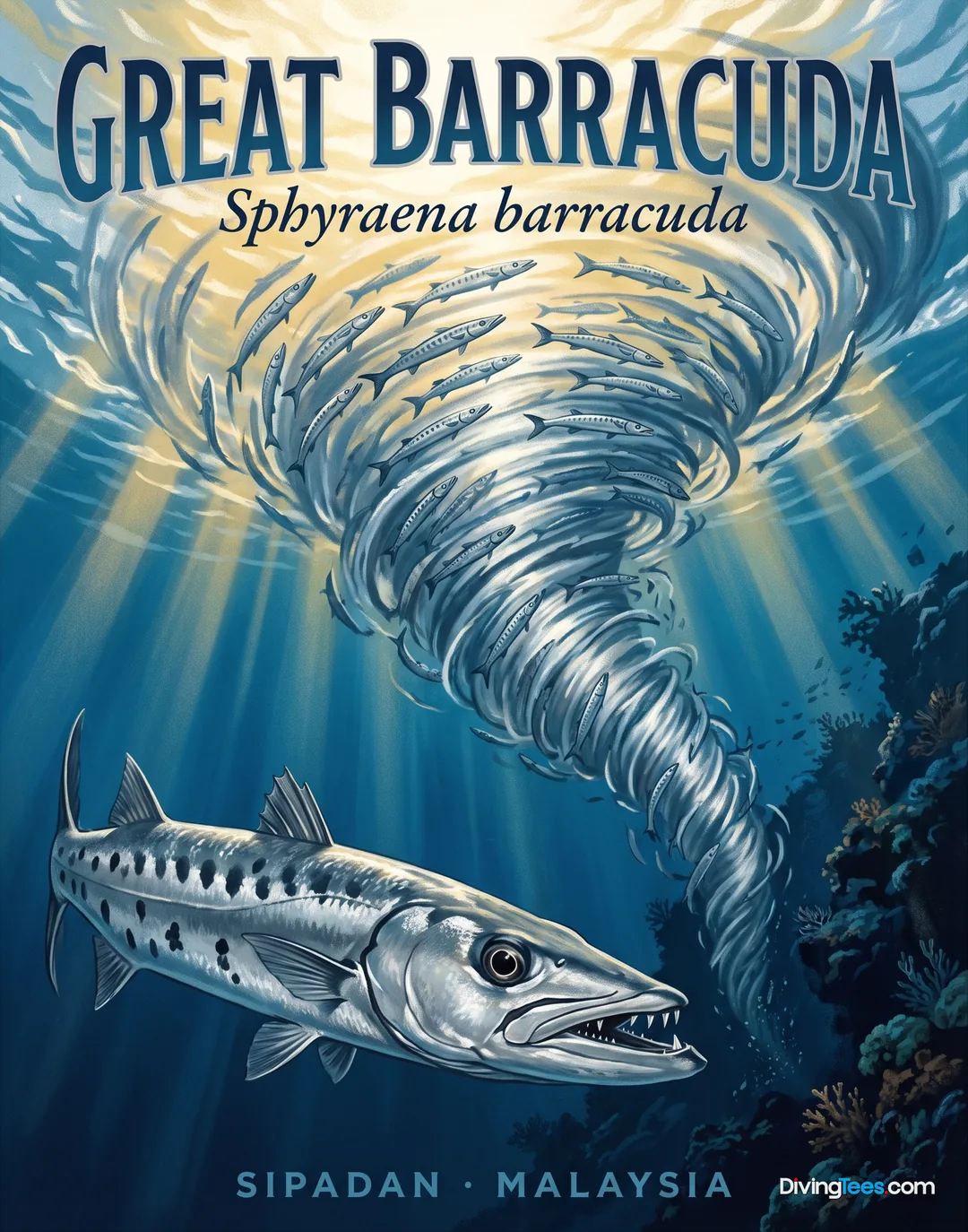
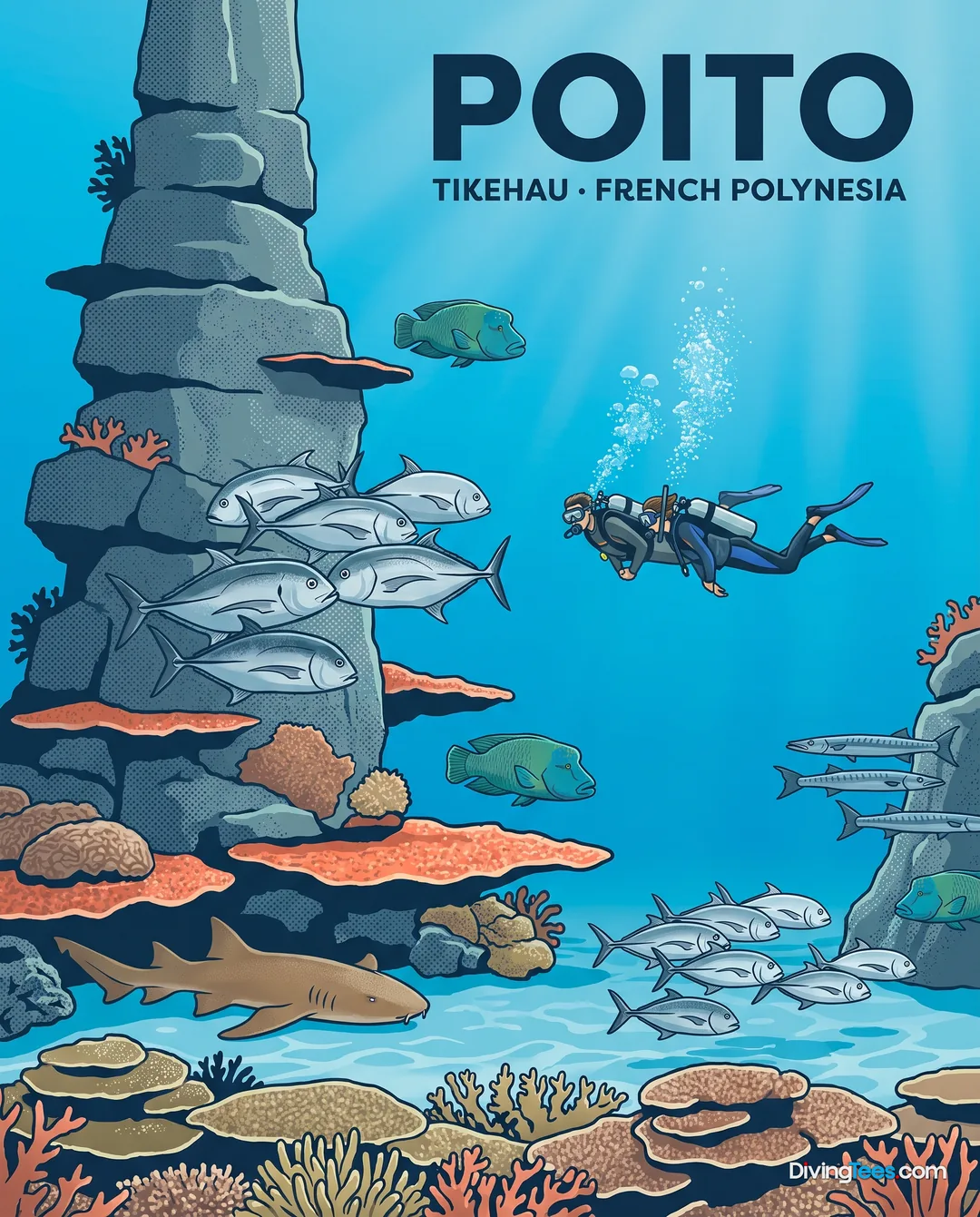
The reef itself is populated by a dense array of resident marine life that inhabits the various ledges and crevices. Napoleon wrasse and various species of moray eels are commonly found tucked into the coral structures and grooves. Large schools of barracuda, including yellowmouth barracuda, often hover in the mid-water columns, waiting for prey to be swept past. You will also observe smaller, more detailed life such as leaffish, stonefish, and various triggerfish among the coral formations. The diversity of the reef fish, including surgeonfish and sea turtles, provides a constant backdrop to the larger predator action.
Visibility at Tuheiva is generally excellent, typically ranging between 20 and 30 metres. This clarity is essential for spotting pelagic species that may be circling at a distance or appearing from the blue beyond the reef edge. The light penetration allows you to see the transitions between the shallow plateau and the deeper steps clearly. Even at the 30-metre mark, the visibility remains sufficient to monitor your surroundings and maintain contact with your buddy during the drift. This visual range is a key factor in the site's reputation for high-quality sightings.
Depths range from 5 to 30 metres. The site is accessible from Open Water Diver level during incoming currents, but Advanced Open Water is recommended for outgoing or stronger tidal conditions due to variable current strength. Expected visibility is between 20 and 30 metres.
Tuheiva is accessible during incoming currents, when the flow from the ocean into the lagoon creates a manageable drift through the channel. Outgoing currents and stronger tidal exchange bring more powerful movement and require a different profile. Local operators must time the dive carefully because the narrow pass can concentrate even moderate flow.
You can dive Tuheiva at Open Water Diver level during incoming currents, when the movement is generally easier to navigate. Advanced Open Water is recommended during outgoing or stronger tidal conditions, when current strength varies and the main channel may become too powerful. Buoyancy and position management are important skills here.
Tuheiva ranges from a shallow reef plateau at 5 to 10 metres to a deeper step around 30 metres. Ledges and furrows lie between 8 and 23 metres. Incoming currents create a manageable drift, while outgoing or stronger tidal flows can become powerful, requiring you to use the pass sides for more stability.
At Tuheiva, you may encounter great hammerhead sharks, grey reef sharks, whitetip reef sharks, silvertip sharks, blacktip reef sharks, eagle rays and manta rays. Large schools of jacks, tuna and barracuda patrol the deeper steps, while Napoleon wrasse, moray eels, turtles, triggerfish, leaffish and stonefish inhabit the reef structures.