Liveaboards · Egypt
Eriny — a modern, dive-focused Red Sea liveaboard
What makes this boat unique
- Eriny was built in 2023 and is renovated every year.
- She carries up to 20 guests in 10 air-conditioned cabins with private bathrooms.
- The dive setup includes Nitrox, DIN adaptors, sidemount support, 15-litre cylinders, a dive platform and two tenders.
- Routes from Sharm El Sheikh include the Sinai Classic, Wrecks & Reefs, and North & Brothers itineraries.
- The strongest feedback is for the boat, food, diving and crew, while value scores lower than the other criteria.
For subtitles in English: start the video firstthen click the gearat the top right of the video, select “Subtitles/CC”, then “Auto-translate” and choose “English”.
The invitation
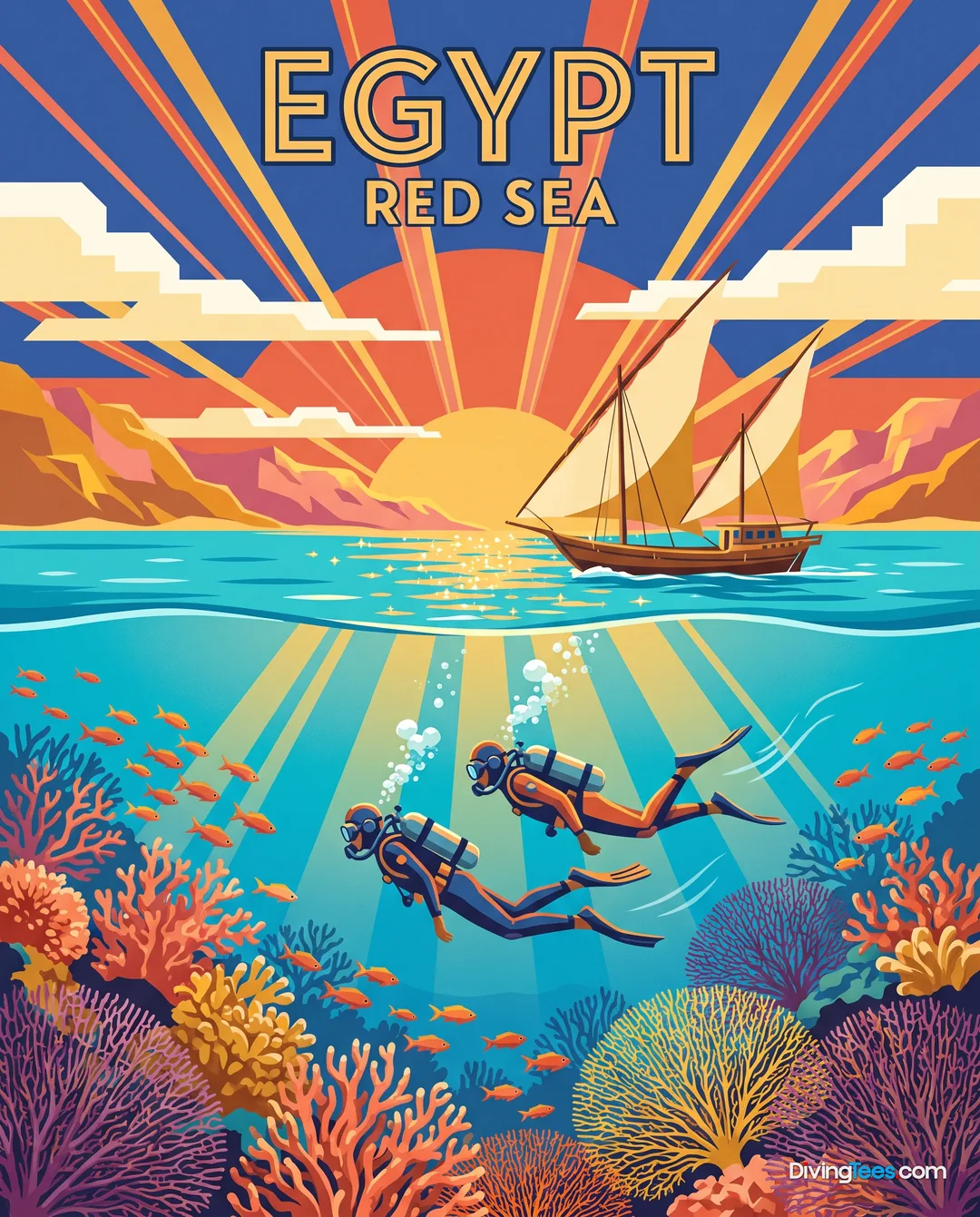
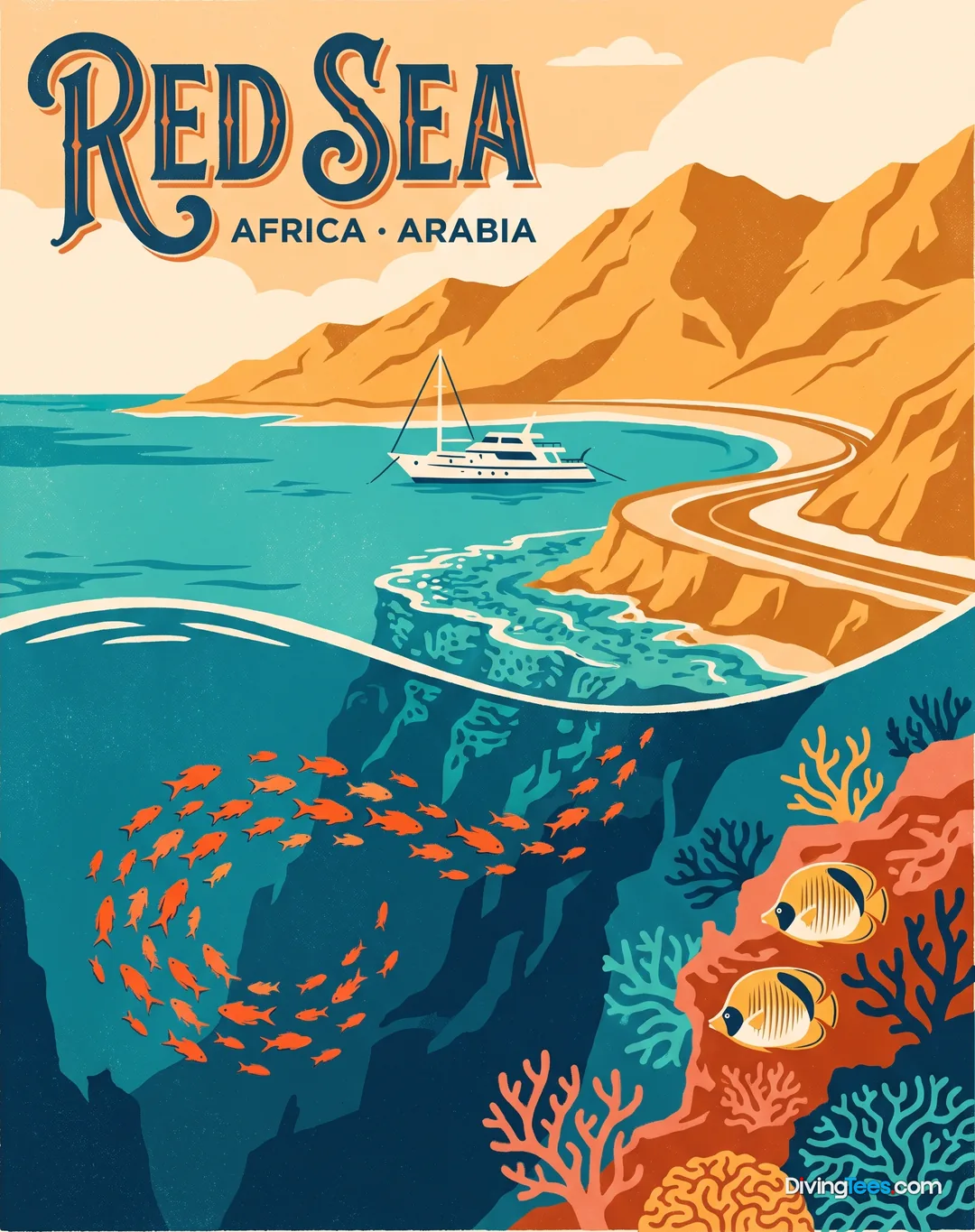
Eriny suits divers who want the northern Red Sea's wrecks and reefs without giving up a newer boat or a properly equipped dive operation. The route can put the SS Thistlegorm, Rosalie Moller, Abu Nuhas, Ras Mohammed and the reefs of Tiran into the same week, depending on the itinerary and conditions. That combination is the reason to choose her: serious wreck diving, current-swept walls and familiar Red Sea fish, all from a boat designed around diving rather than adapted to it later. The boat is also a sensible choice for mixed groups. Non-divers and snorkellers are welcome, while Advanced Open Water divers with 20 logged dives are recommended for most routes. The strongest passenger feedback concerns the boat, food, diving and crew. Value scores lower, so Eriny makes most sense when the diving and the quality of the platform matter more than finding the cheapest bed afloat.
Boarding
Eriny makes a modern first impression at the dock. Built in 2023 and renovated every year, she is a contemporary liveaboard rather than a tired working boat dressed for tourists. Once aboard, the layout is straightforward: air-conditioned indoor spaces, a salon, dining areas and a shaded sun deck lead naturally towards the dive deck. The boat is large enough to spread out after a dive, but the guest number still keeps the group within a size the crew can manage closely. Two tenders support the diving operation, so the main deck is not asked to do every job at once. The details that matter become clear quickly: organised gear stations, charging points, fresh-water showers and a dedicated place to prepare for the next descent. Eriny feels built for a week in which diving is the main event, with the hotel functions kept clean, quiet and useful around it.
The atmosphere on board
The atmosphere is helped by a crew that stays present without hovering. Passengers describe the boat as clean and spacious, with staff who are helpful without becoming overbearing; the dive team is repeatedly experienced as professional, welcoming and safety-minded. Over a week, that changes the group. The same people meet at the gear stations, compare the day's sightings over lunch and learn who wants to chase a wall, who waits for the nudibranch and who is first into the night dive. The crew's role is practical: they help keep the operation moving, look after the details between dives and make the boat feel easy to use. English, German, Spanish, Russian and Italian are spoken among the crew. Evenings are usually less about organised entertainment than about returning to the salon or outside seating, eating, talking through the dives and deciding whether the next day's wreck needs another look.
The sites you’ll dive
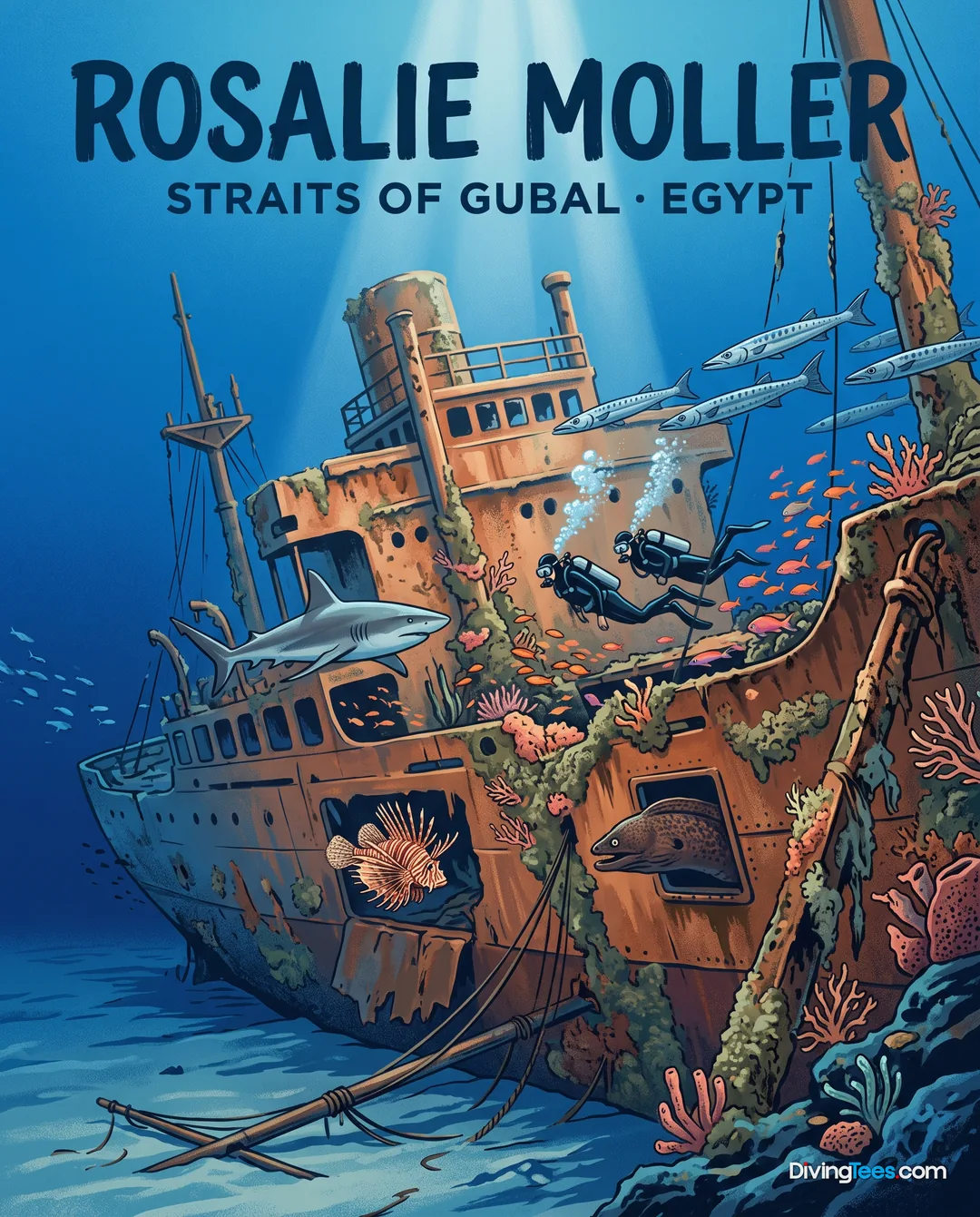
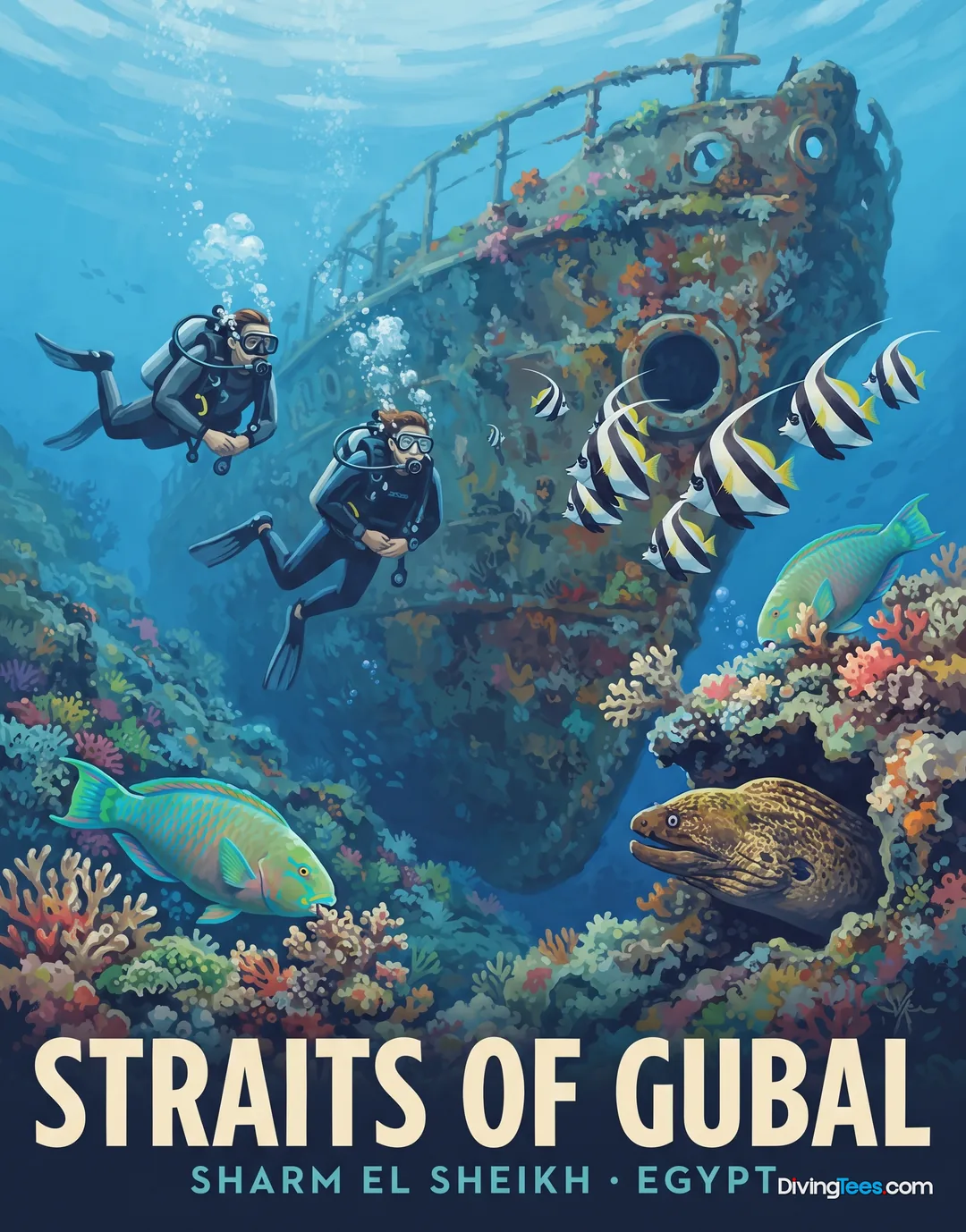
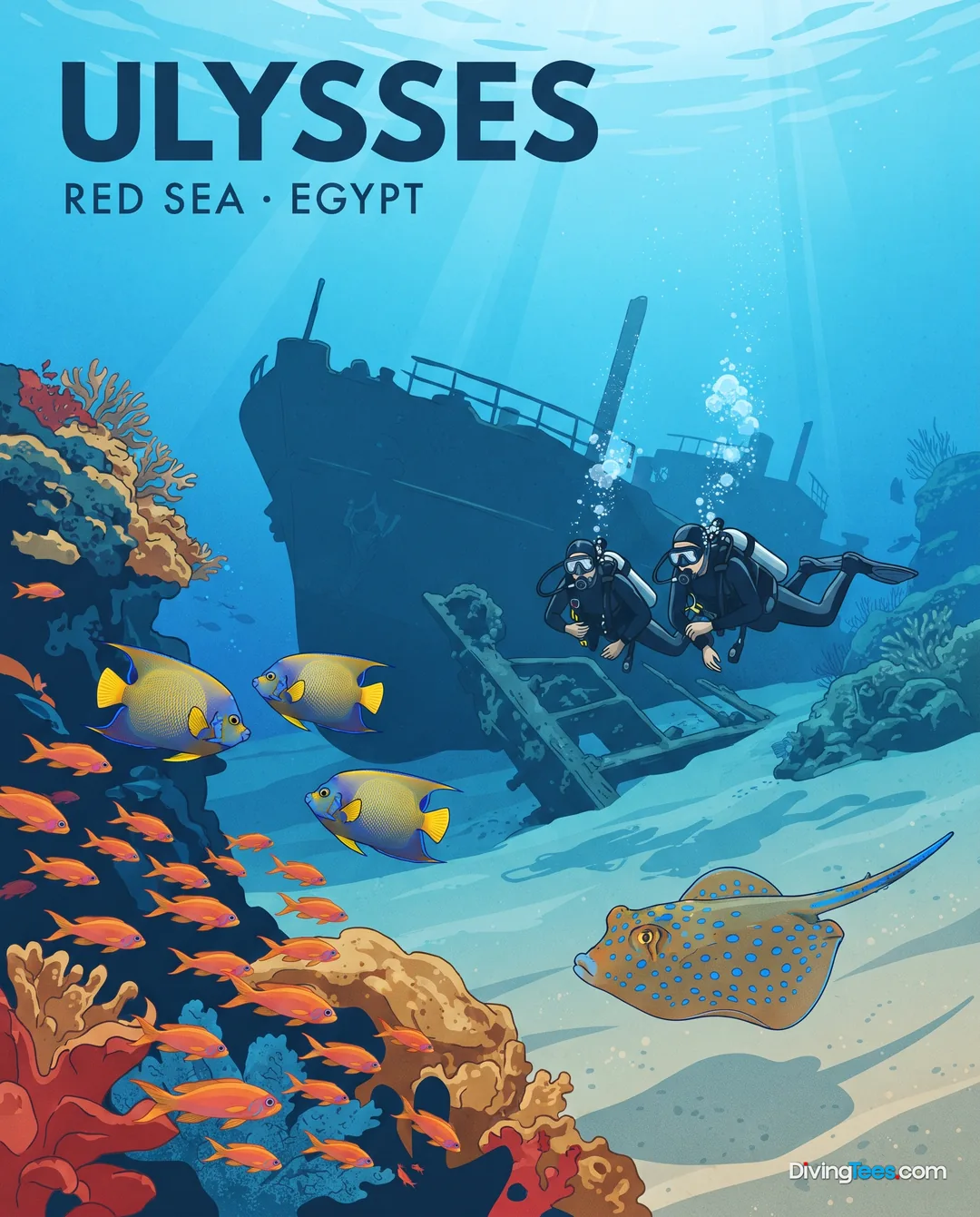
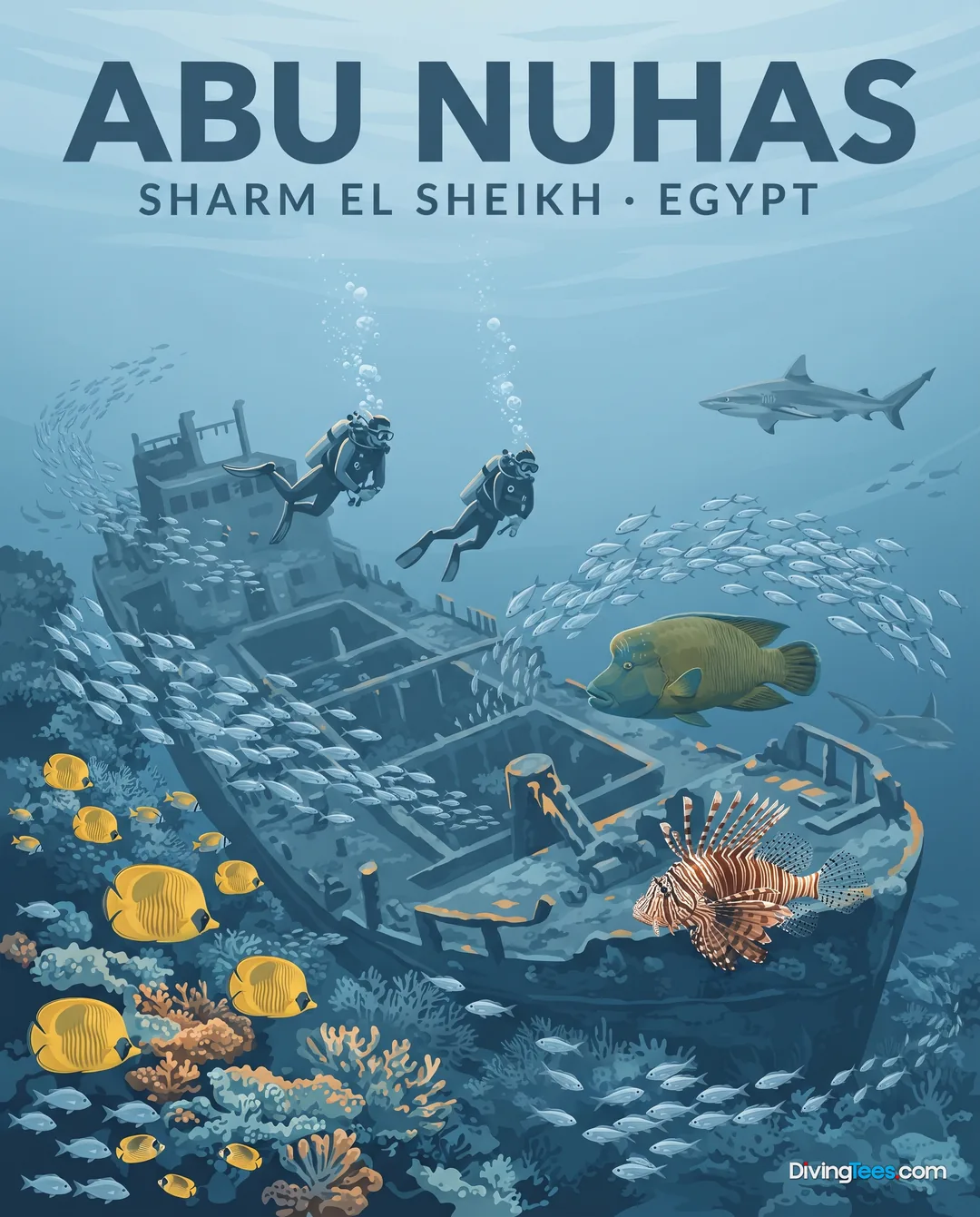
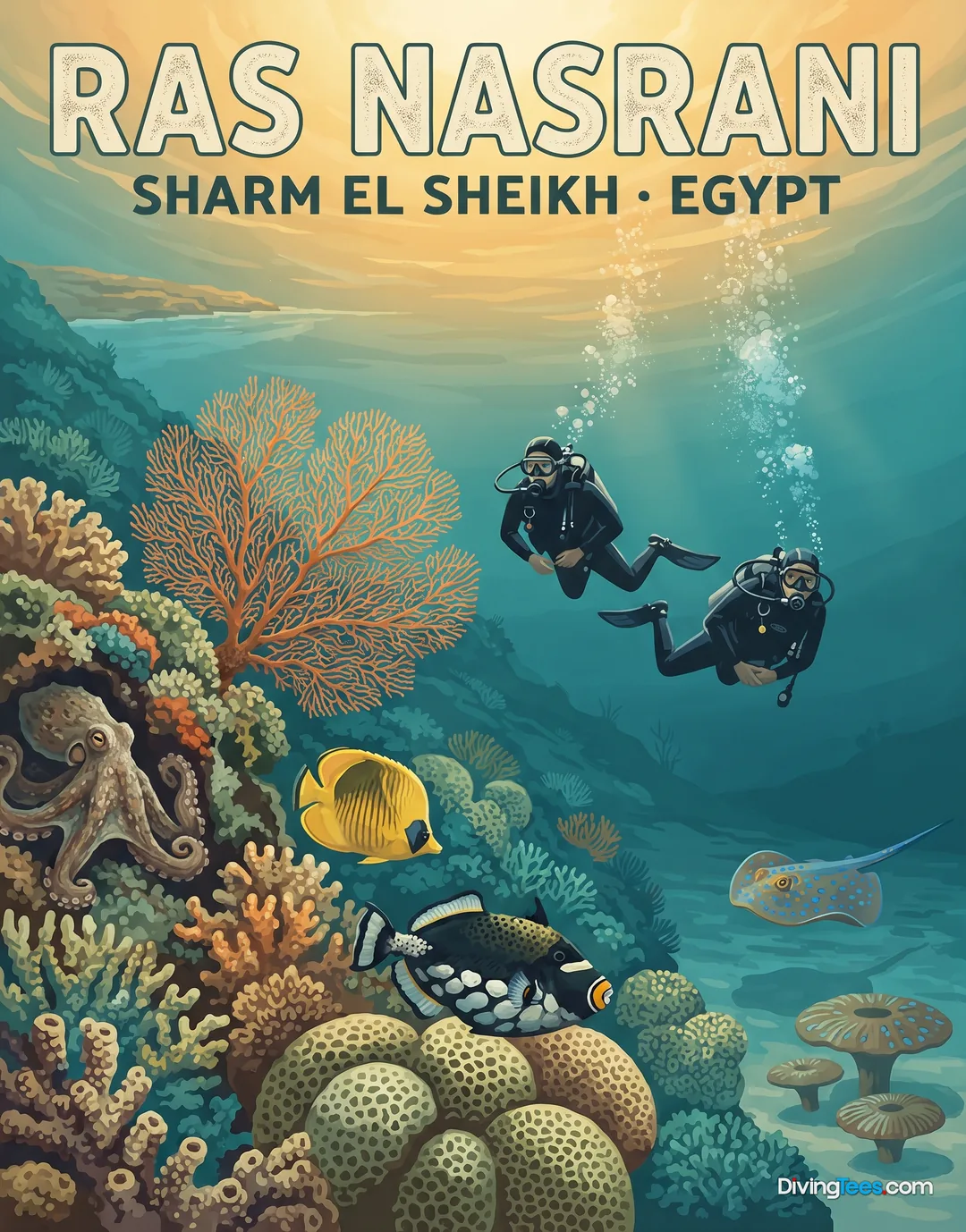
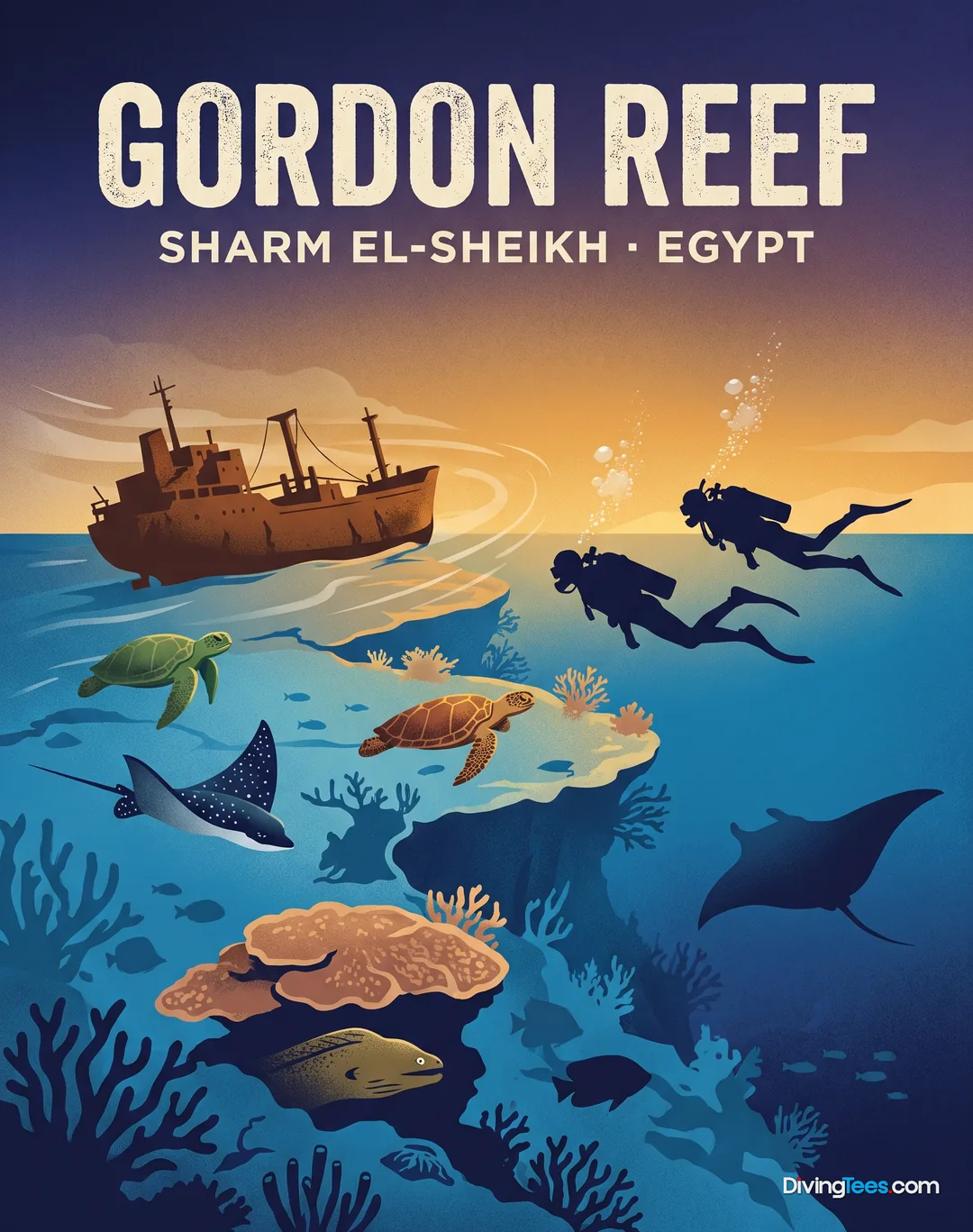
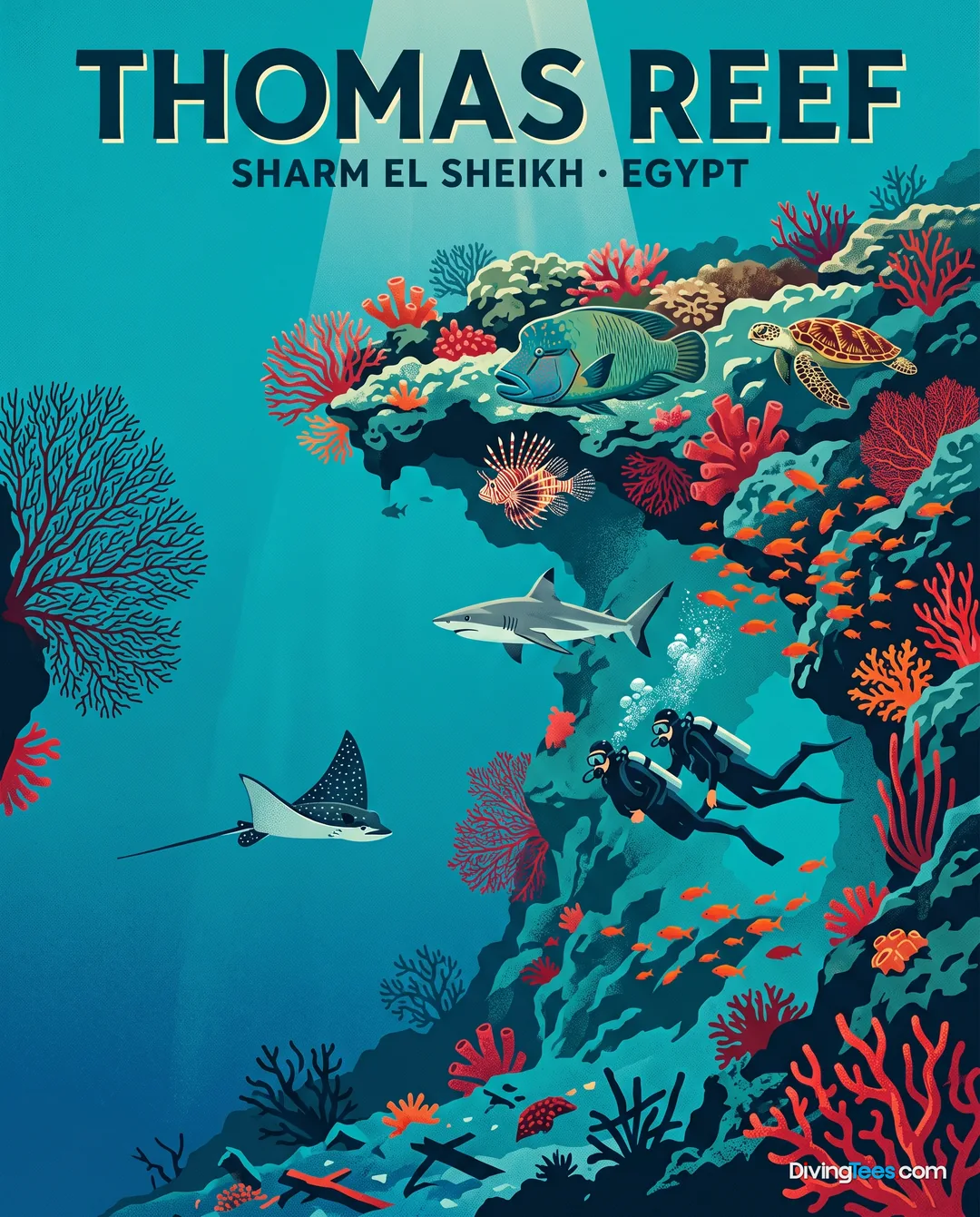
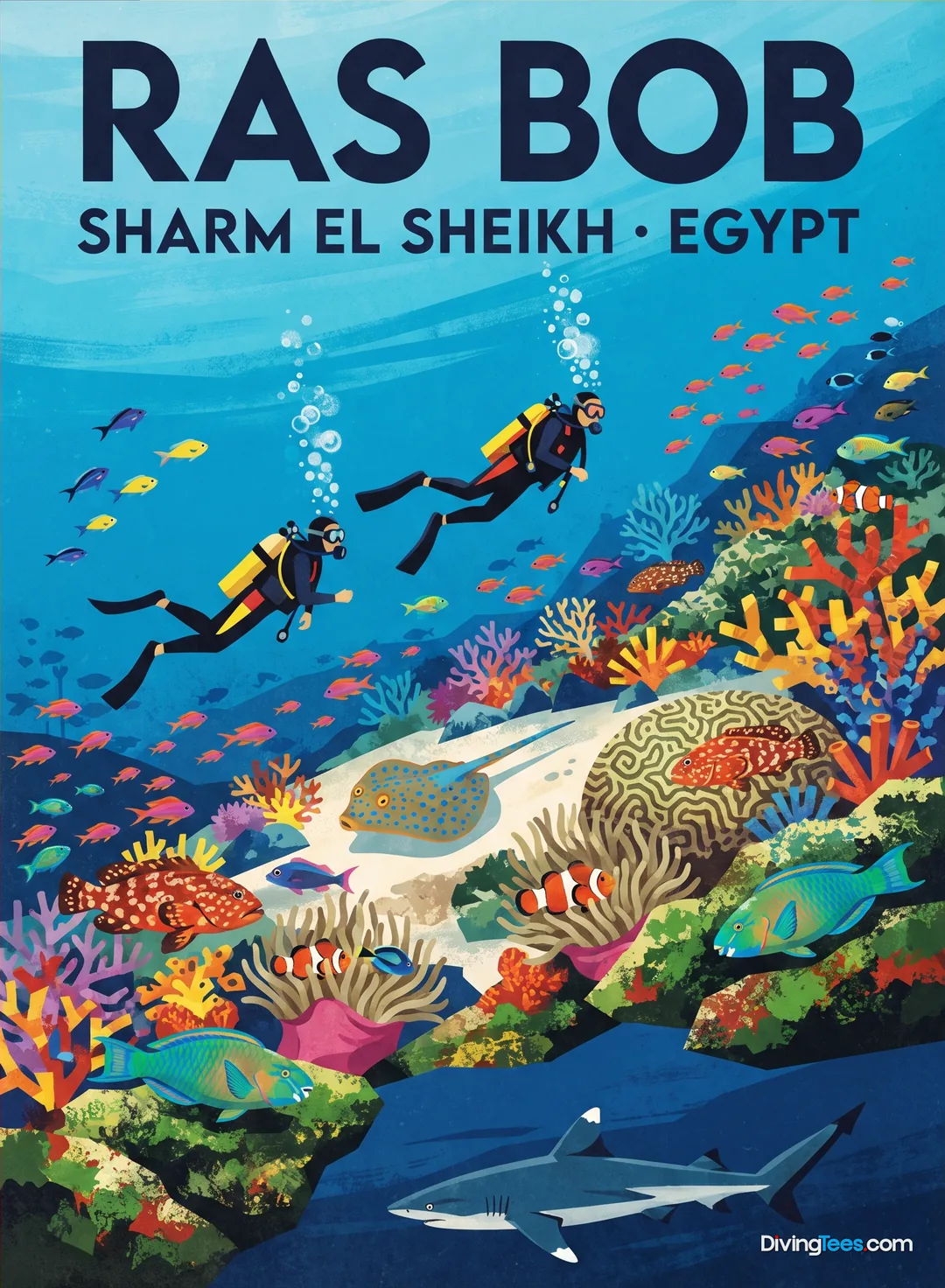
The Sinai Classic and Wrecks & Reefs routes run for 8 days and 7 nights from Sharm El Sheikh back to Sharm El Sheikh; shorter programs cover 4 days and 3 nights or 5 days and 4 nights, while North & Brothers runs for 7 nights. The wrecks are the draw. The Thistlegorm reaches 32 metres and puts wartime cargo holds, barracudas, giant tuna, batfish and large groupers in the same dive. Rosalie Moller lies between 30 and 50 metres in the Straits of Gubal, with trevallies, tuna, barracudas and glassfish around a remarkably intact WWII merchant ship. Ulysses reaches 27 metres and is a merchant wreck often mistaken for a cable layer. Abu Nuhas concentrates four wrecks close together. For reef diving, Ras Nasrani reaches 60 metres, with a current-swept cape, gorgonians and mushroom corals; Gordon Reef reaches 30 metres and combines drift diving with the Loullia wreck. Thomas Reef is the deep-wall option, described to 90 metres, while Ras Bob stays between 5 and 15 metres for a gentler reef dive.
What you’ll meet underwater
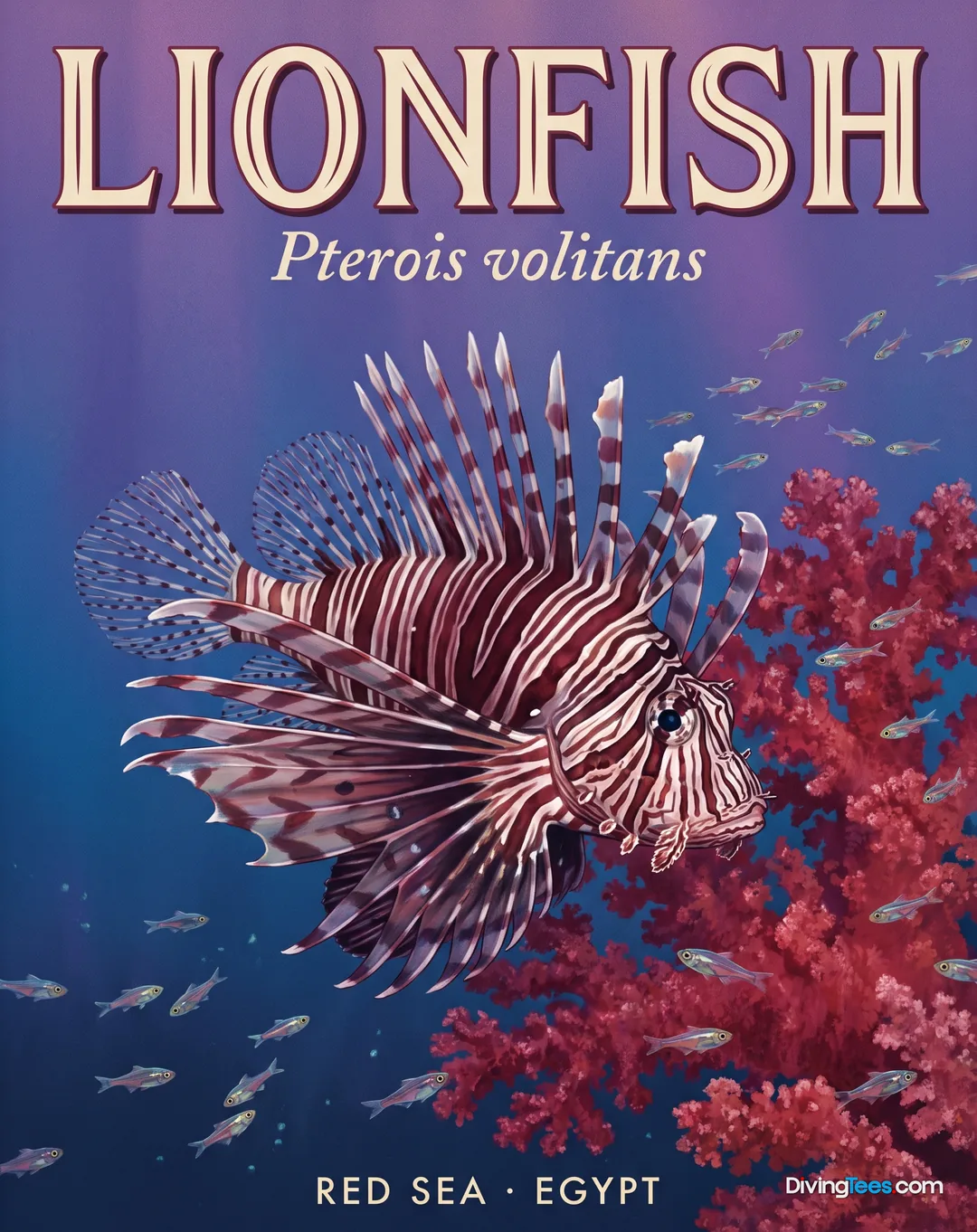
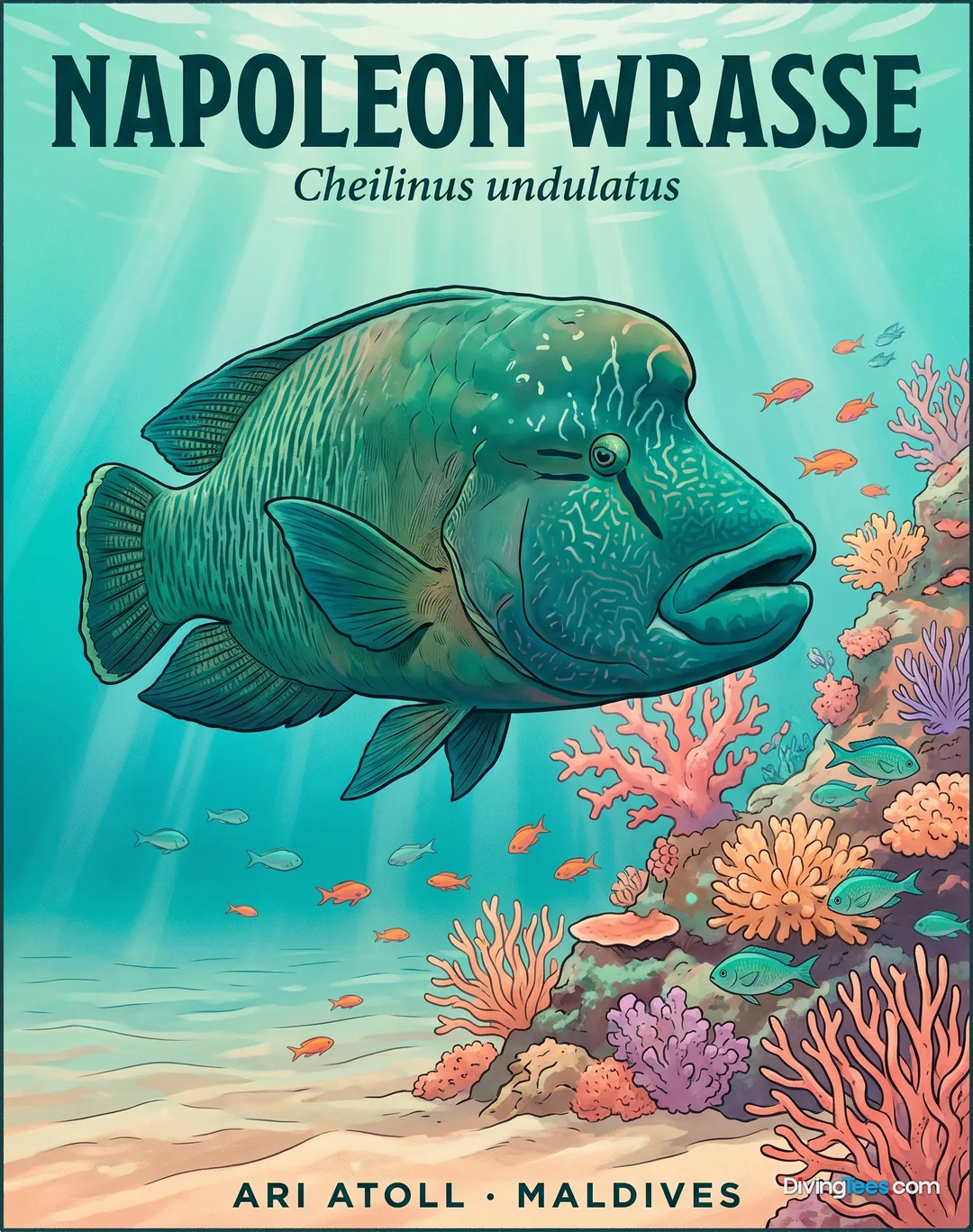
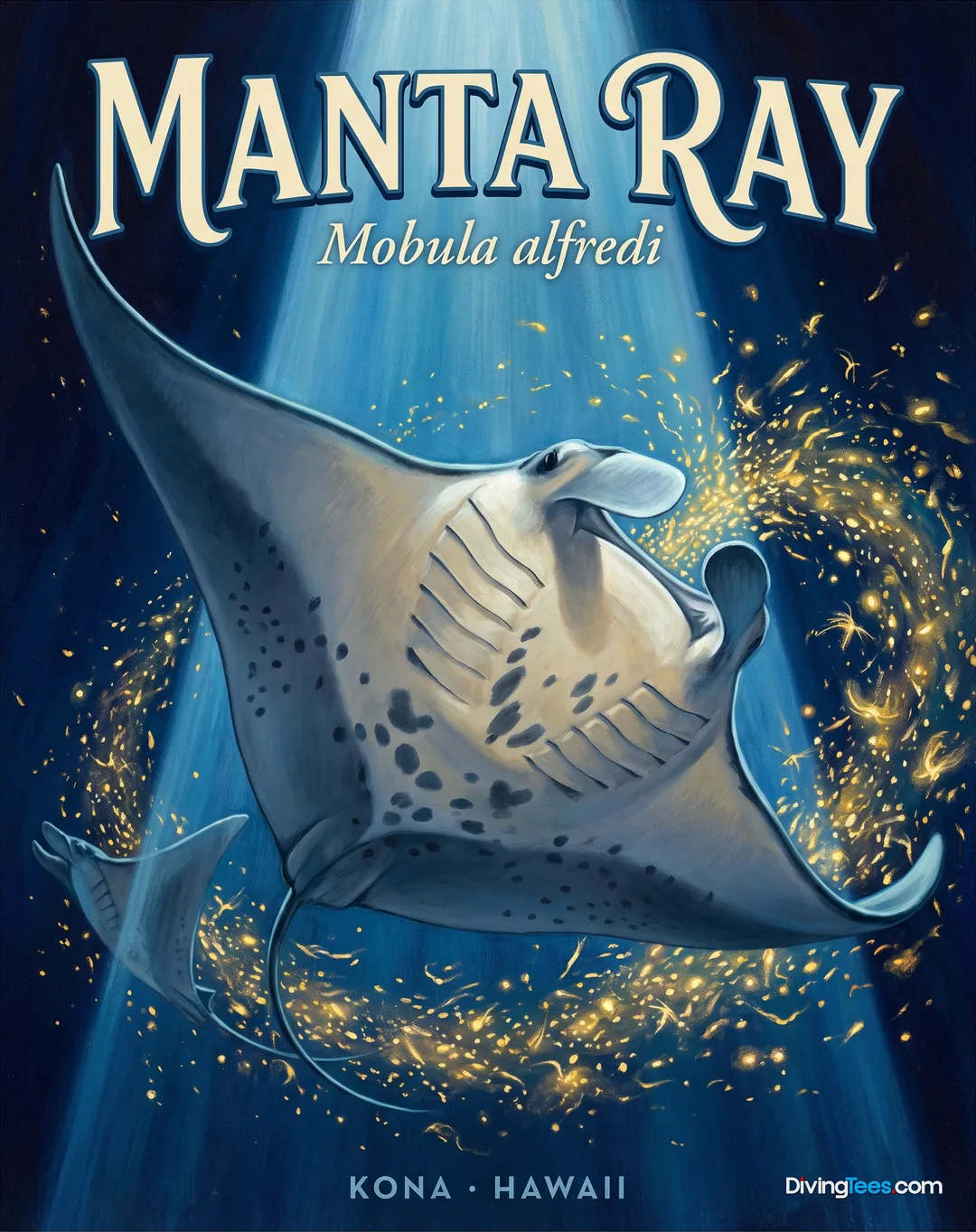
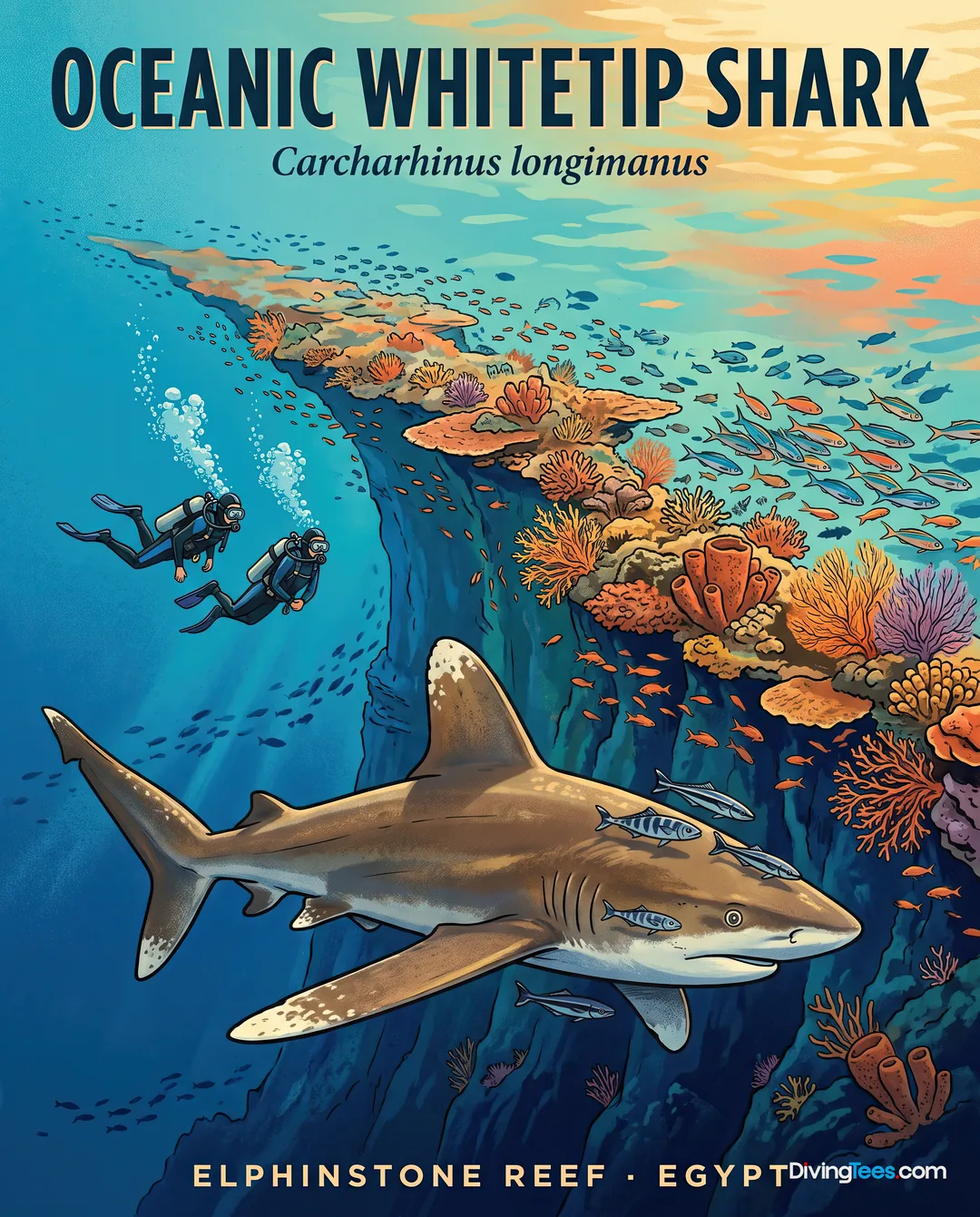
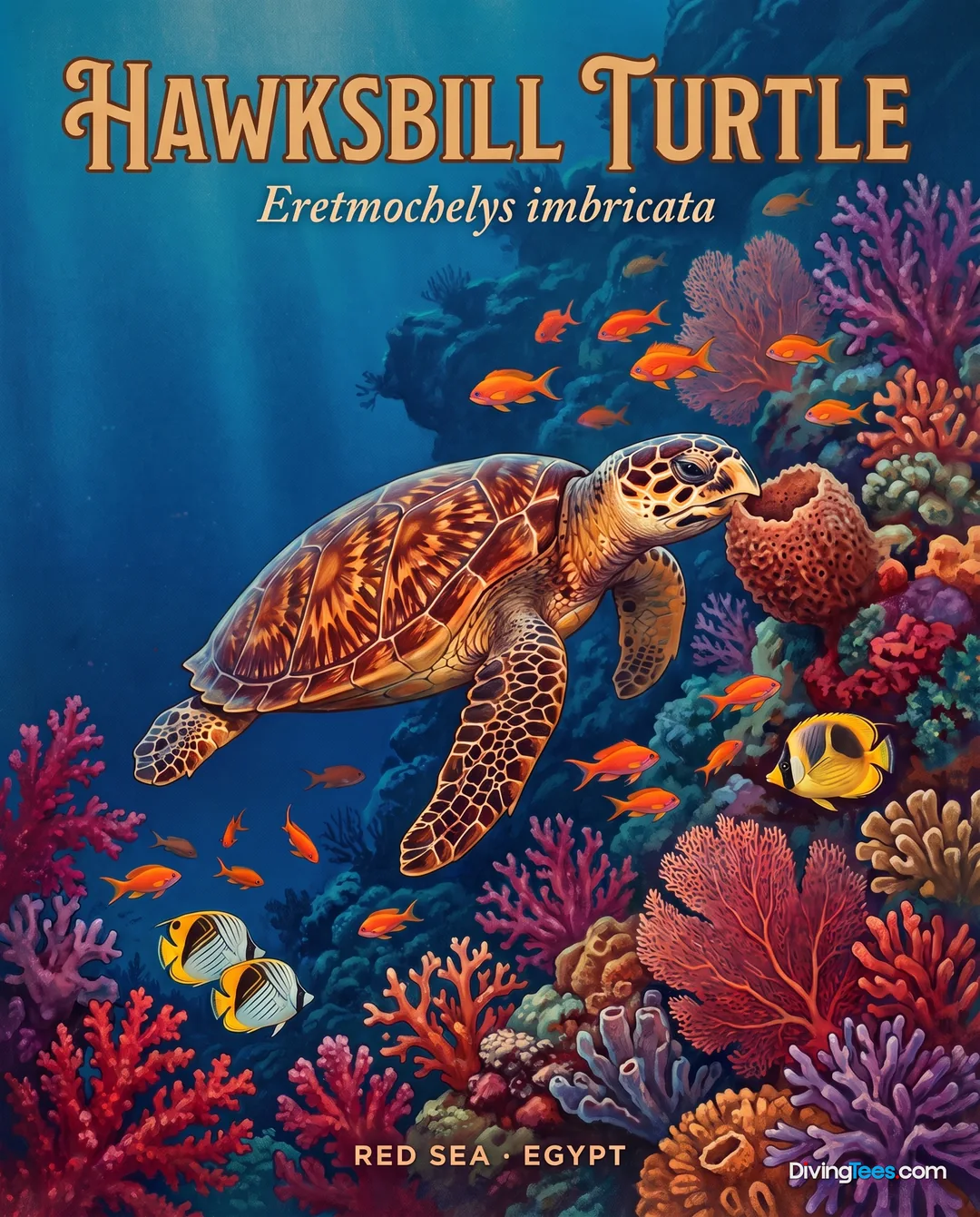
Across the route, the recurring spectacle is large Red Sea life against walls, wrecks and coral plateaus: groupers, reef sharks, barracudas, trevallies and morays are recorded at several sites, along with soft corals, lionfish, scorpionfish and clouds of glassfish. Napoleon wrasse, manta rays, turtles, hammerheads and tuna add the possibility of something bigger when the site and conditions line up. The locations have their own reasons to go. At Rosalie Moller, bigeye trevally is part of the wreck's marine life. Ras Nasrani is the specific site for a possible oceanic whitetip shark and for gorgonians on the current-swept cape. Woodhouse Reef is where a green turtle is recorded, while Gordon Reef is the place for garden eels, stonefish and trumpetfish. Thistlegorm brings the unusual sightings: dolphins, batfish, rays and hawksbill turtles among the wartime cargo. Rocky Island adds strong currents, oceanic sharks, schooling barracudas and possible manta rays.

Who puts you in the water
The guides organise divers in groups of no more than eight to one certified dive guide. That ratio leaves room for a real briefing and for a guide to keep track of a group on a wall, wreck or drift rather than turning the dive into a mass descent. Bella recommends Advanced Open Water certification and 20 logged dives for most itineraries, especially where deeper wrecks or stronger currents are involved. Recreational depth limits follow CDWS rules, with no dive deeper than 40 metres; most dives are in the 18–30-metre range, although this route includes sites described to 90 metres and is not a single-level programme. PADI courses can be taken aboard, including Open Water, Advanced Open Water, Enriched Air Nitrox, Drift, Deep, Night and Wreck specialties. Briefings are matched to experience and conditions. Oxygen, first-aid kits, life rafts, fire equipment, GPS, radar and trained first-aid crew support the operation.
The dive deck and the gear
The dive deck is the centre of Eriny's layout, with organised gear stations, a dedicated platform and two tenders for getting divers to and from the sites. The tender system matters on Red Sea routes: the boat can stay clear of the reef while divers enter from the smaller boats and are collected after the dive. Nitrox is available and included, and DIN adaptors are carried for regulator compatibility. Fifteen-litre cylinders are available as an extra-cost option, and the setup also supports sidemount diving. Fresh-water showers on the dive deck and outside showers make the return from a dive less cumbersome, especially after a current dive or a long wreck penetration. Stations for charging cameras and other equipment are provided. Rental equipment, private guides, extra dives and snorkelling equipment are optional extras. The boat carries oxygen and first-aid kits; the dive deck itself is built to keep the repeated cycle of kit on, water, return and reset orderly.
Between dives
Between dives, Eriny gives people several ways to come down from the water. The shaded sun deck is the natural place to dry off, check a camera and watch the reef disappear astern, while the air-conditioned salon is better when the heat becomes work. The leisure deck, bar and outdoor seating spread the group away from the dive stations, so a surface interval does not have to mean sitting on top of someone else's cylinders. A library of Red Sea reference books gives photographers and fish-watchers something useful to do before the next briefing. Wi-Fi is available, but the boat is better used for the gap between dives: a shower, a drink, a few notes about the last wreck and a quiet look over the rail. On a no-dive afternoon, the value is having both shade and open deck rather than being trapped in one room.
A day on board
A day on Eriny is built around the next descent. Divers wake for the first briefing, eat, kit up and leave the platform or tender for the site; after the return come the shower, breakfast or snacks, and the first proper account of what happened below. The pattern repeats through the morning and afternoon, with lunch placed between dives and something to eat available throughout the day. The guides set the plan around the site, current and group rather than forcing every diver into the same pace. Some routes add a night dive, included in the trip, when the site and conditions allow it. The gaps belong to recovery: rinse salt from the mask, charge a camera, read about a wreck, sit under shade or move into the air-conditioned salon. When the boat is underway, the deck becomes the place to watch the next stretch of Red Sea open up. Then the compressor, briefing and kit stations call everyone back.
What you eat aboard
Meals are served as full board, with buffet service alongside local Egyptian and international cooking. Breakfast, lunch, snacks and dinner arrive around the diving rather than forcing divers to wait hungry after a long surface interval. There are vegetarian and vegan options, and non-alcoholic drinks are included; the bar handles the rest of the social side. The food matters on Eriny because four dives can make a generous lunch as important as a good briefing. Fresh breads, salads, seafood and familiar dishes give the galley room to serve different appetites without turning every meal into a formal event. Dinner can move outside, and a beach barbecue is part of the food offering on suitable trips. The table is where the day gets compared: a wreck hold, a shark passing in blue water, a current that changed the exit. Good food gives everyone enough energy to do it again.
Nights at sea
The cabins are air-conditioned and have private bathrooms, so the basic recovery between dives is handled properly. The upper deck has double sea-view cabins, the main deck has twin cabins with sea views, and the lower deck has twin and bunk-bed cabins. Main-deck sea-view cabins include mini-fridges, a small but useful detail when the day is hot and the surface interval is short. The cabins are non-smoking, and daily housekeeping keeps wet kit and living space from becoming one untidy room. At night, the point is not luxury furniture but a clean berth, a private shower and darkness after a long day in the water. The salon remains air-conditioned when the heat holds outside, while the upper cabins give a more open view of the sea. Eriny's cabin choice matters most to light sleepers and photographers: choose the position and layout that fit the way the diver actually rests between dives.
Double Cabin Upper Deck
Twin Cabin Main Deck
Twin Cabin Lower Deck
Bunk Bed Lower Deck
What to know before boarding
Eriny departs from Sharm El Sheikh and returns to Sharm El Sheikh. Check-in begins at 18:00 on the departure day, and check-out is after lunch on the final day, usually around 13:00. Airport transfers from Sharm El Sheikh International Airport and hotel transfers in Sharm El Sheikh can be arranged separately; boarding instructions with the marina location, boarding time and crew contact are sent in advance. Arriving in Sharm El Sheikh the night before is sensible, especially for a trip built around an evening check-in.
Deck plan
- Year built
- 2023
- Year renovated
- every year
- Length
- 38 m
- Maximum number of passengers
- 20
- Number of cabins
- 10
- Number of bathrooms
- 11
- Engines
- 2
- Cruising speed
- 9 knots
- Tenders
- 2
- Website
- bellaliveaboard.com ↗
Hello, I'm Marina, DivingDeal.com's AI assistant. I answer in detail about hotels, dive centres and liveaboards.

Thinking about the whole trip and the flights? Talk it over with Edith →
Marina is an AI. Some links are affiliate links: DivingDeal may earn a commission, at no extra cost to you. Bookings are made with the partner.