Liveaboards · Egypt
Sea Friend — a personal Red Sea dive boat built around the diving
What makes this boat unique
- Sea Friend carries up to 20 guests in air-conditioned cabins with private bathrooms.
- The boat welcomes snorkelers as well as divers and offers group charters on request.
- Nitrox, DIN adapters, sidemount diving and a dedicated dive platform are available.
- The kitchen serves homemade local food, buffet meals, vegetarian options and snacks throughout the day.
- Departures cover Red Sea routes from Hamata, Marsa Alam and Hurghada.
For subtitles in English: start the video firstthen click the gearat the top right of the video, select “Subtitles/CC”, then “Auto-translate” and choose “English”.
The invitation
Sea Friend suits divers who want a liveaboard small enough for the crew to know who is in the water, what each diver needs and which pace the group can handle. The boat is not presented as a floating resort first and a dive platform second. Its purpose is to reach Red Sea reefs beyond the day-boat circuit, with guides close to the group and a crew that keeps the practical side quiet and reliable. Snorkelers are welcome, so a mixed group can share the route without turning the trip into a compromise for divers. The strongest reasons to choose Sea Friend are the food, the diving organisation and the personal scale of the operation. It is a good fit for a diver looking for Fury Shoals, the southern reefs, Thistlegorm or the Brothers Islands without joining a large anonymous crowd.
Boarding
Boarding Sea Friend gives the impression of a boat arranged for people who spend much of the day moving between cabin, saloon and dive platform rather than staying in one lounge. The interior includes an air-conditioned salon, an outdoor terrace and a separate area for dinner outside, so guests can get out of the cabin without having to retreat to the main room. The layout is practical: the dive platform is part of the daily route through the boat, while the salon remains a cooler place between dives. Sea Friend was built in 2015 and renovated in 2018, which puts the vessel in a relatively recent generation of Red Sea liveaboards. The atmosphere is deliberately informal rather than polished for show. Guests board to dive, eat well and move through the week in a group small enough for personal attention.
The atmosphere on board
Sea Friend's atmosphere is built around a limited guest group and direct attention rather than formal service. The crew's role is visible in the small tasks that make a dive week easier: keeping the house clean, preparing meals, helping around the dive operation and noticing when someone needs assistance. English and German are spoken on board, which helps mixed-language groups settle into the practical parts of the trip. Passenger feedback points to a familiarly run operation, personal care and good contact before and during the safari. By evening, the group has shared the same briefings, entries, exits and meals; that creates conversation without needing entertainment imposed from above. The boat is most convincing for guests who value being looked after personally and who prefer a friendly, close-scale week to a large ship with more distance between divers and crew.
The sites you’ll dive
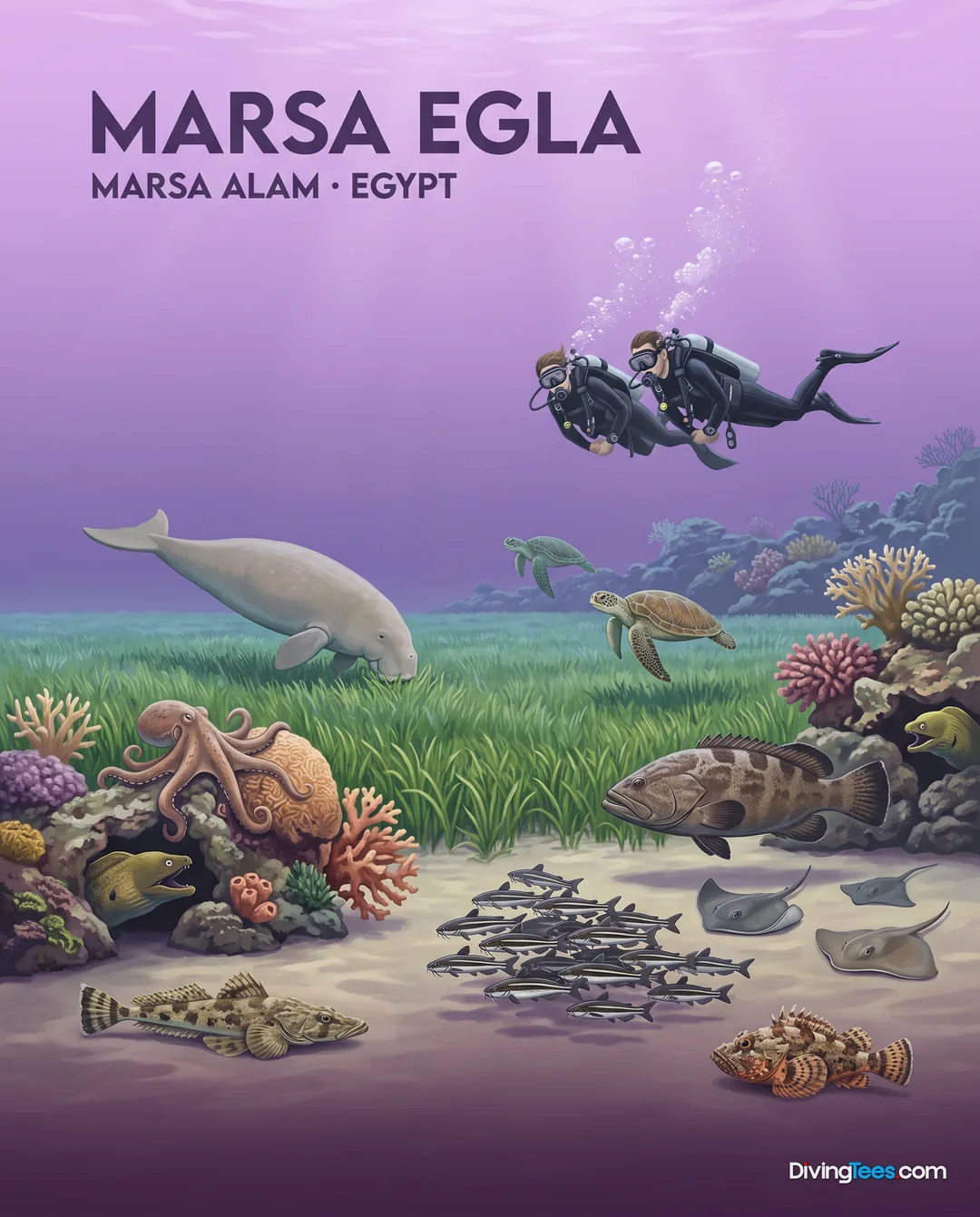
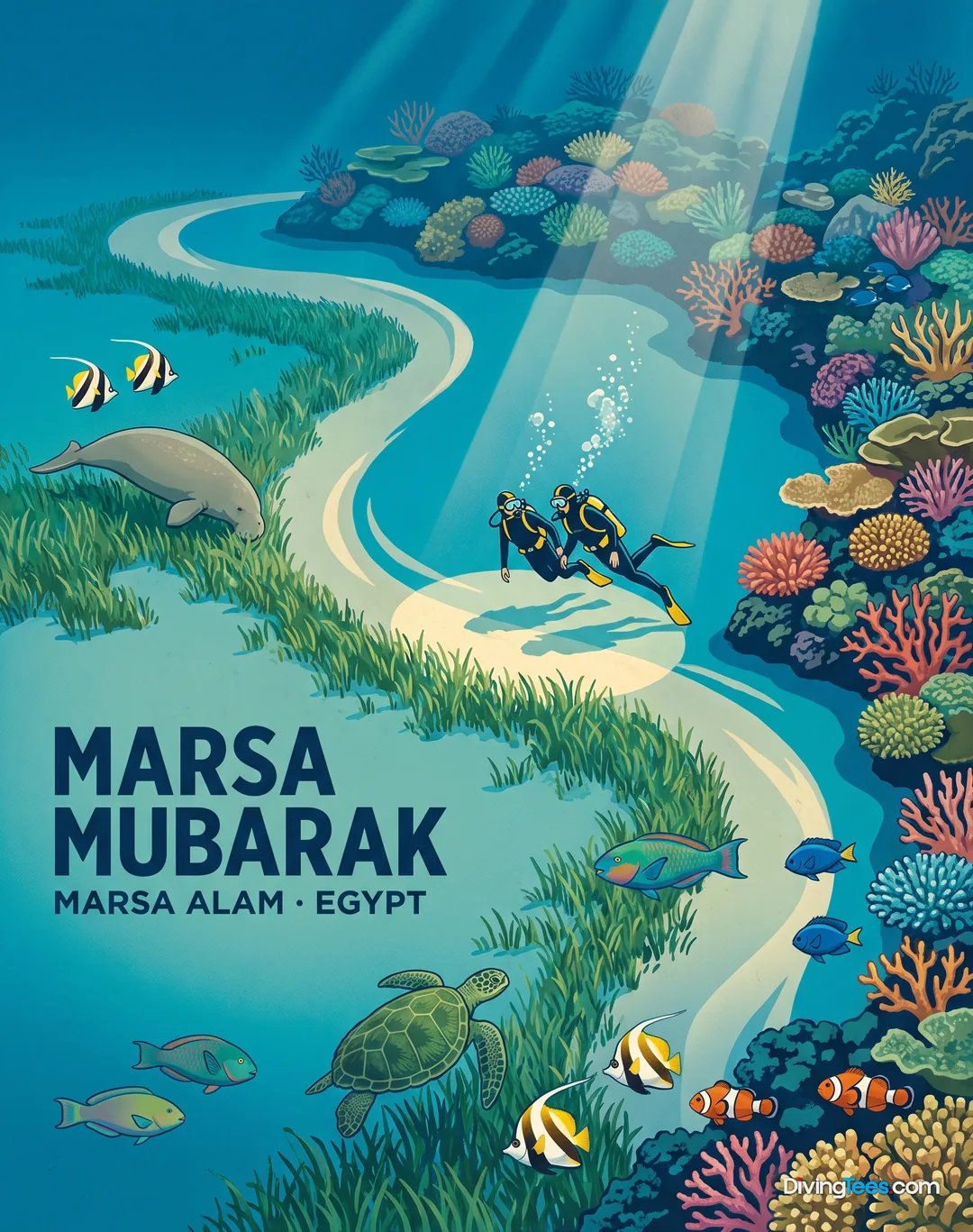
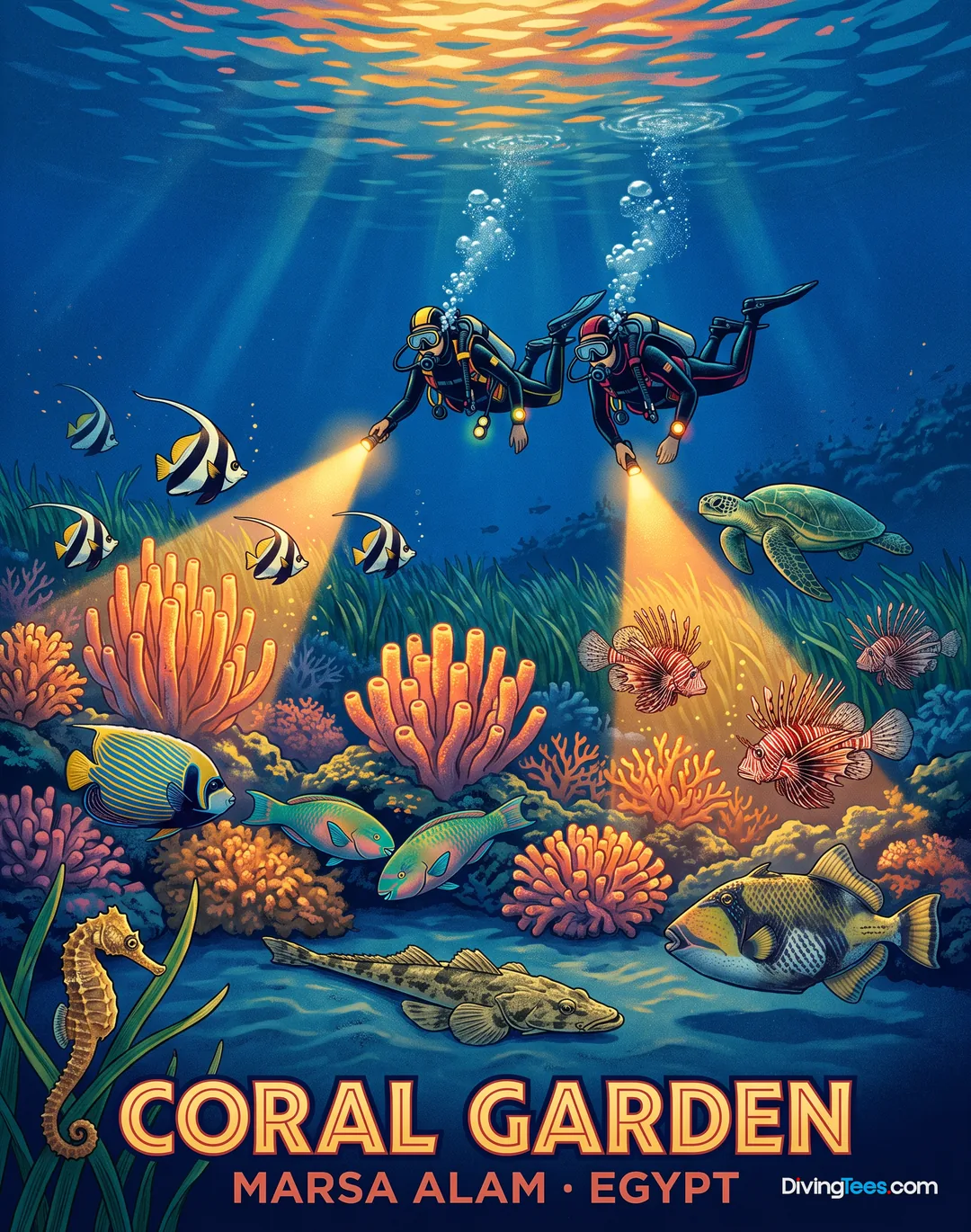
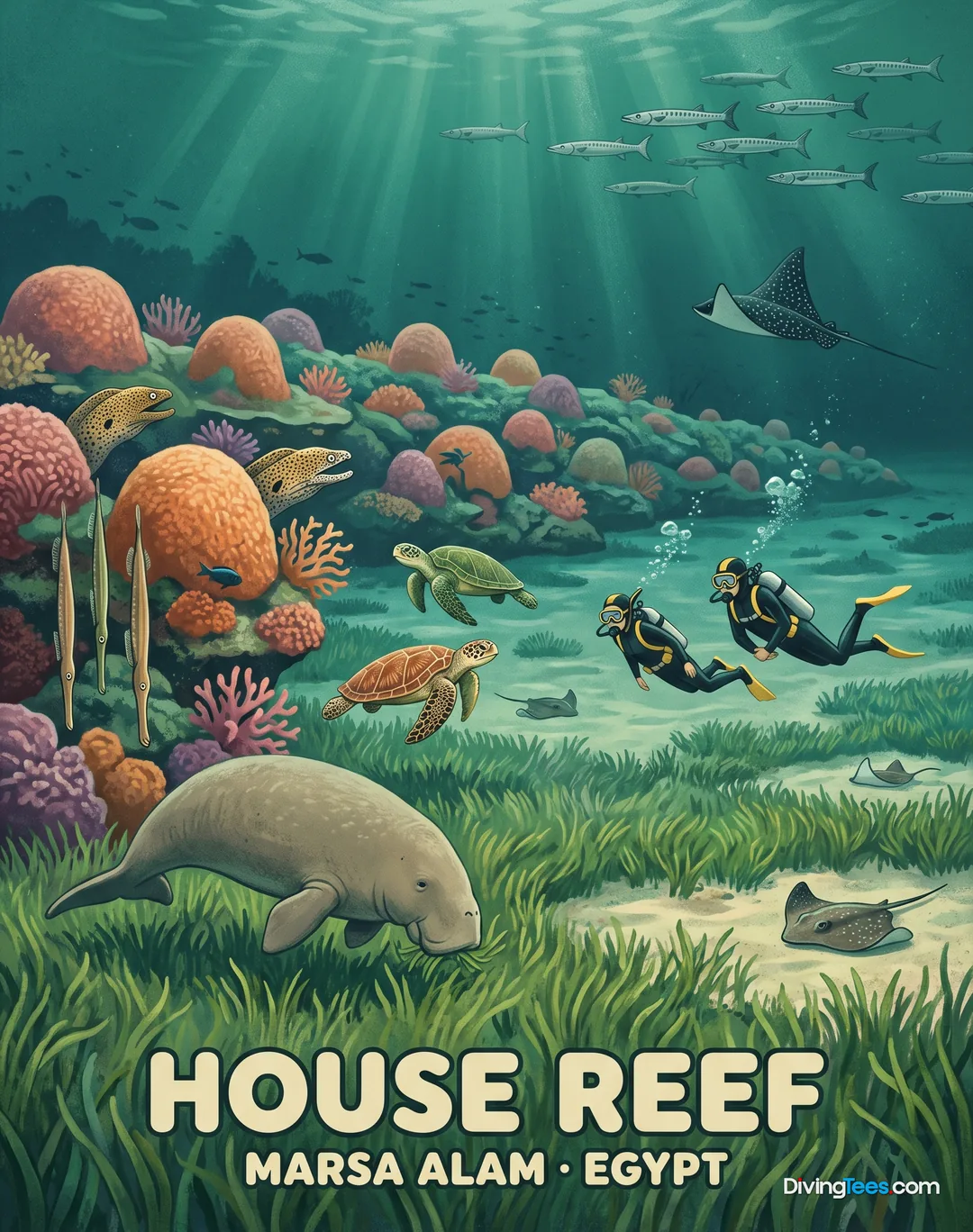
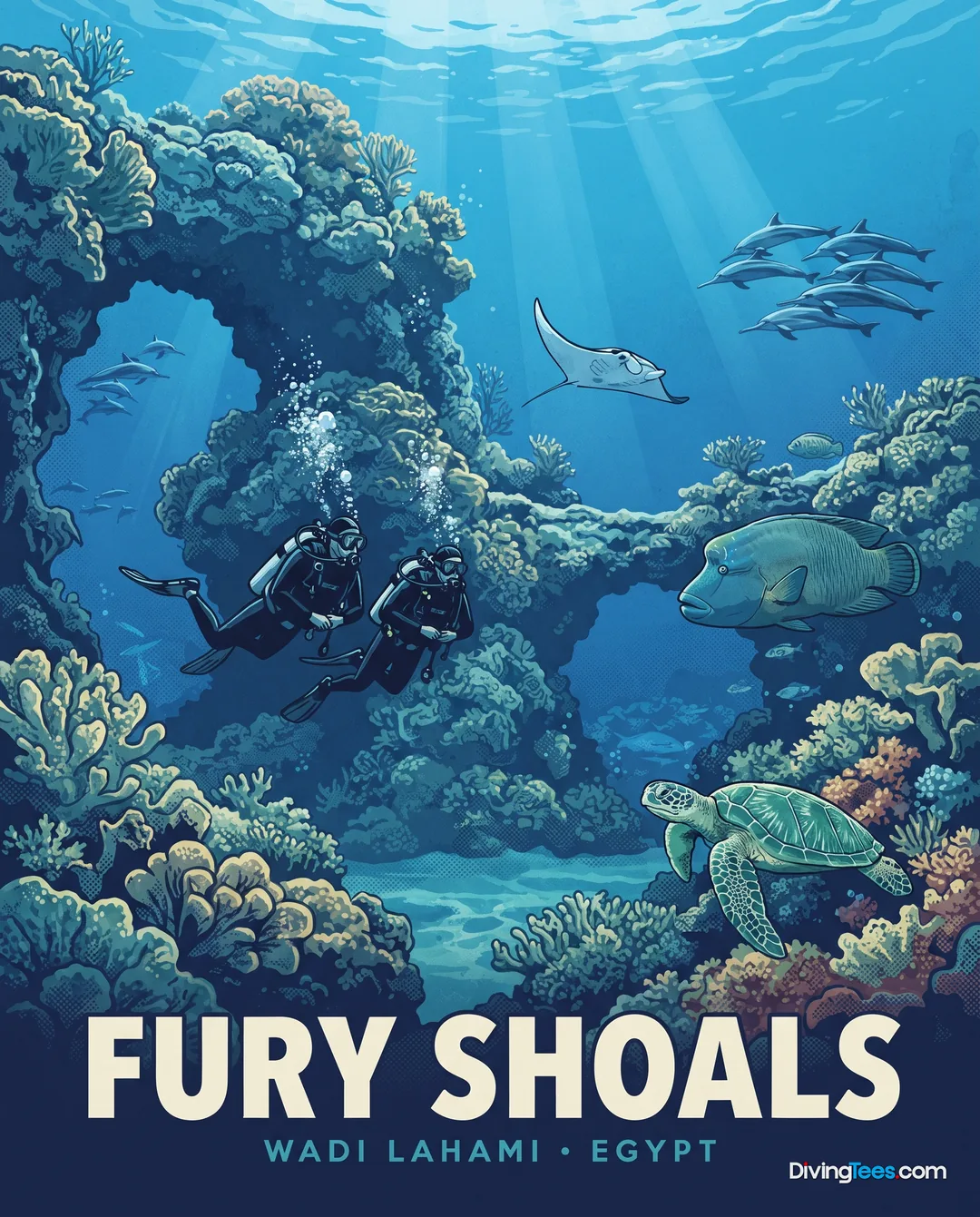
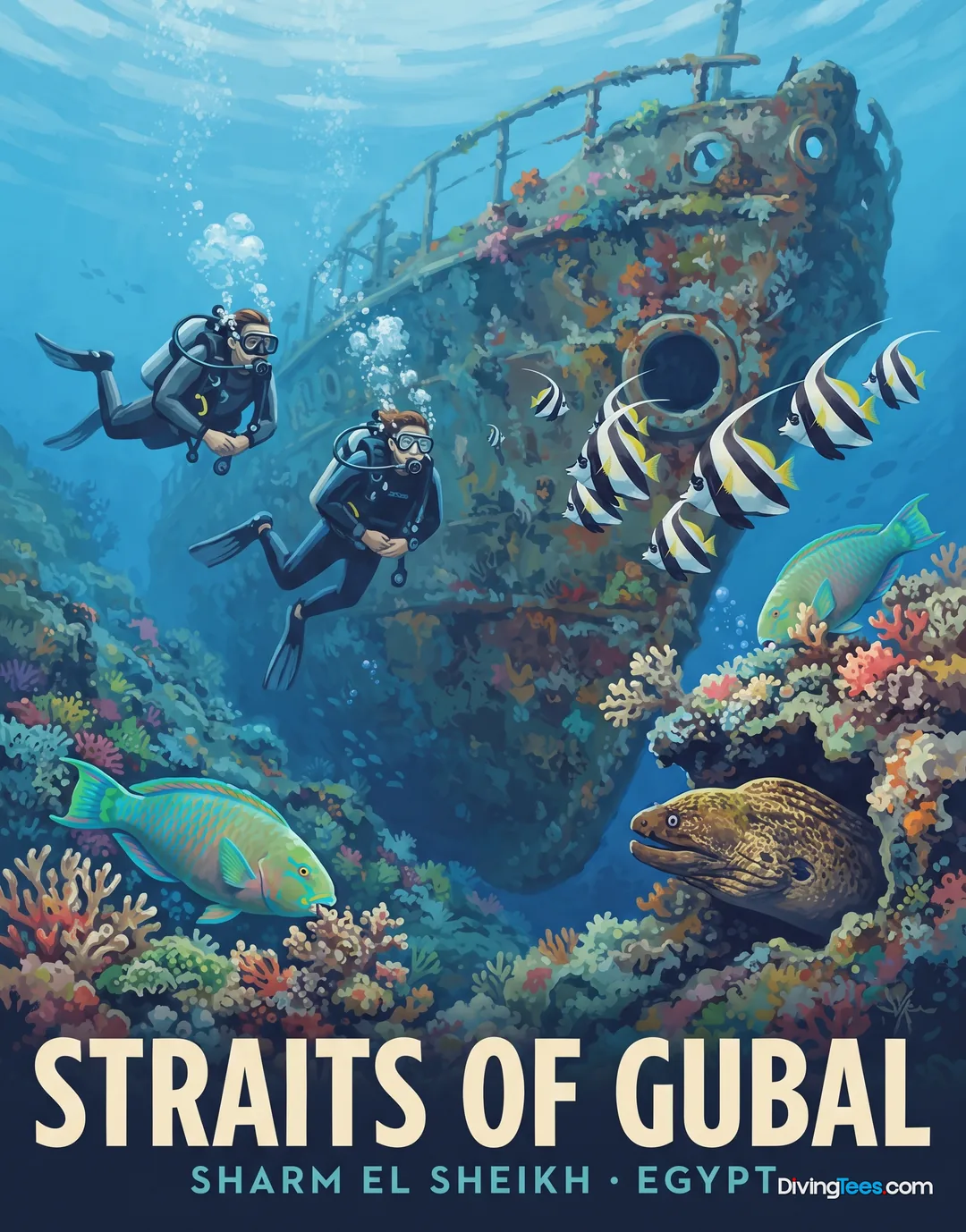
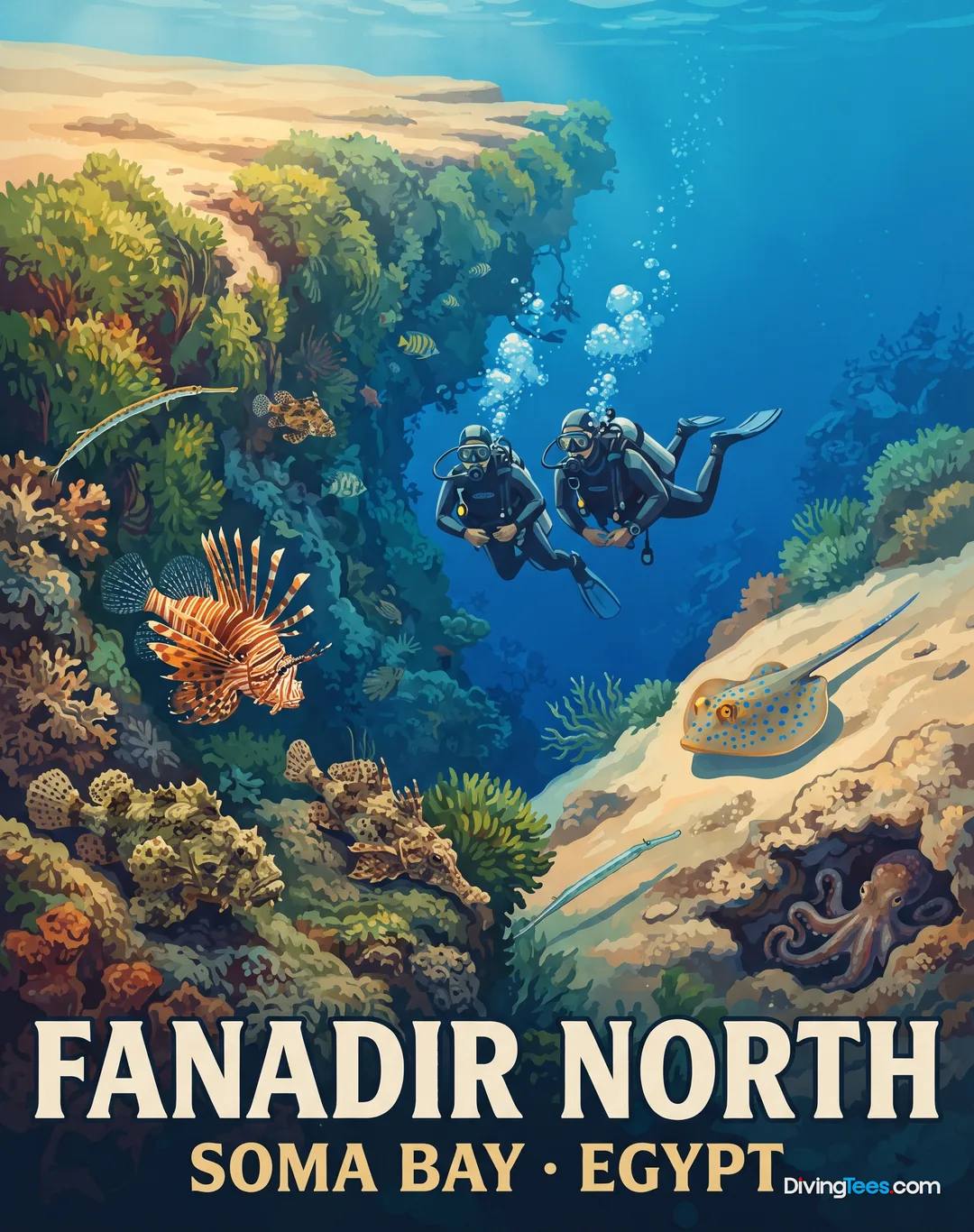
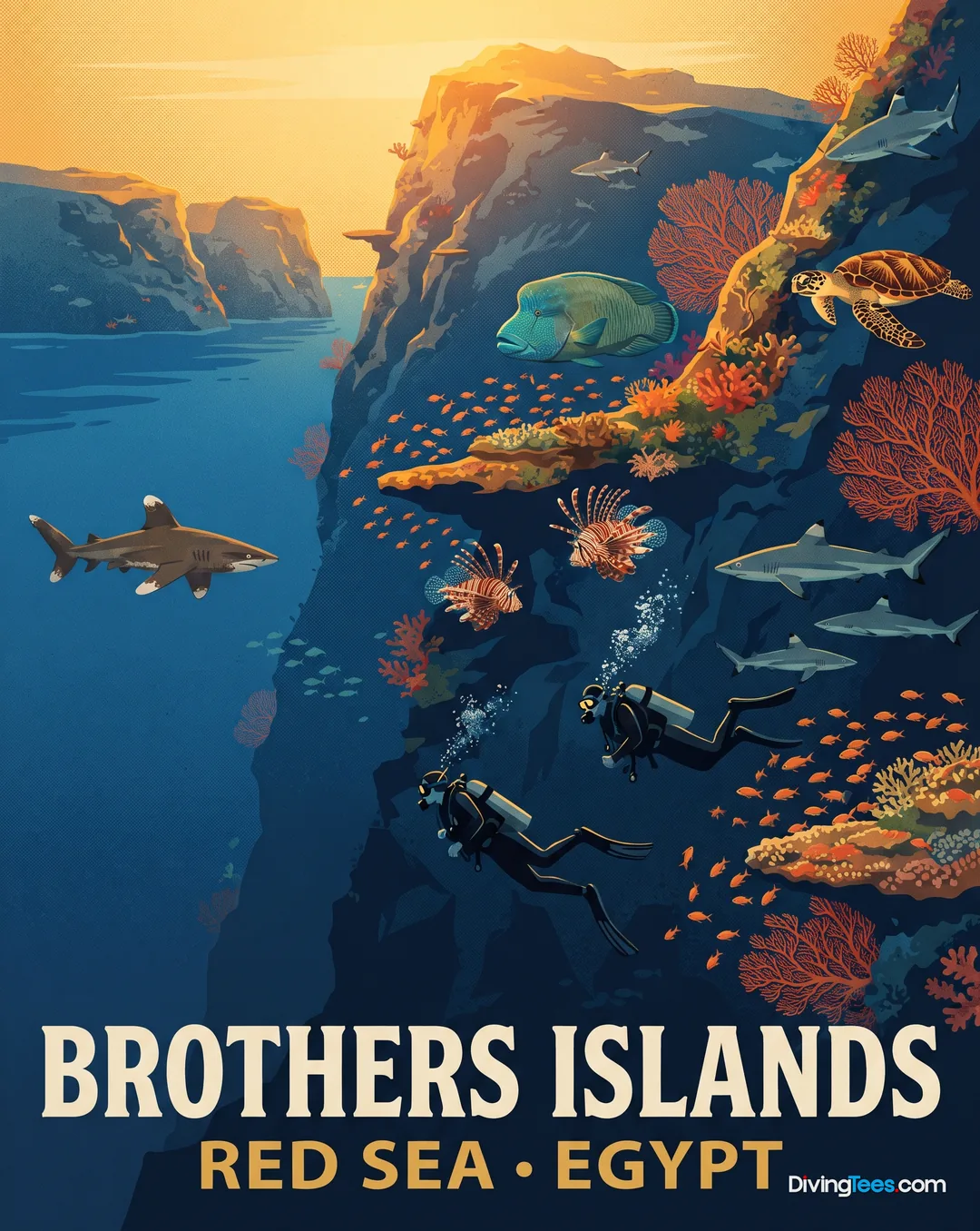
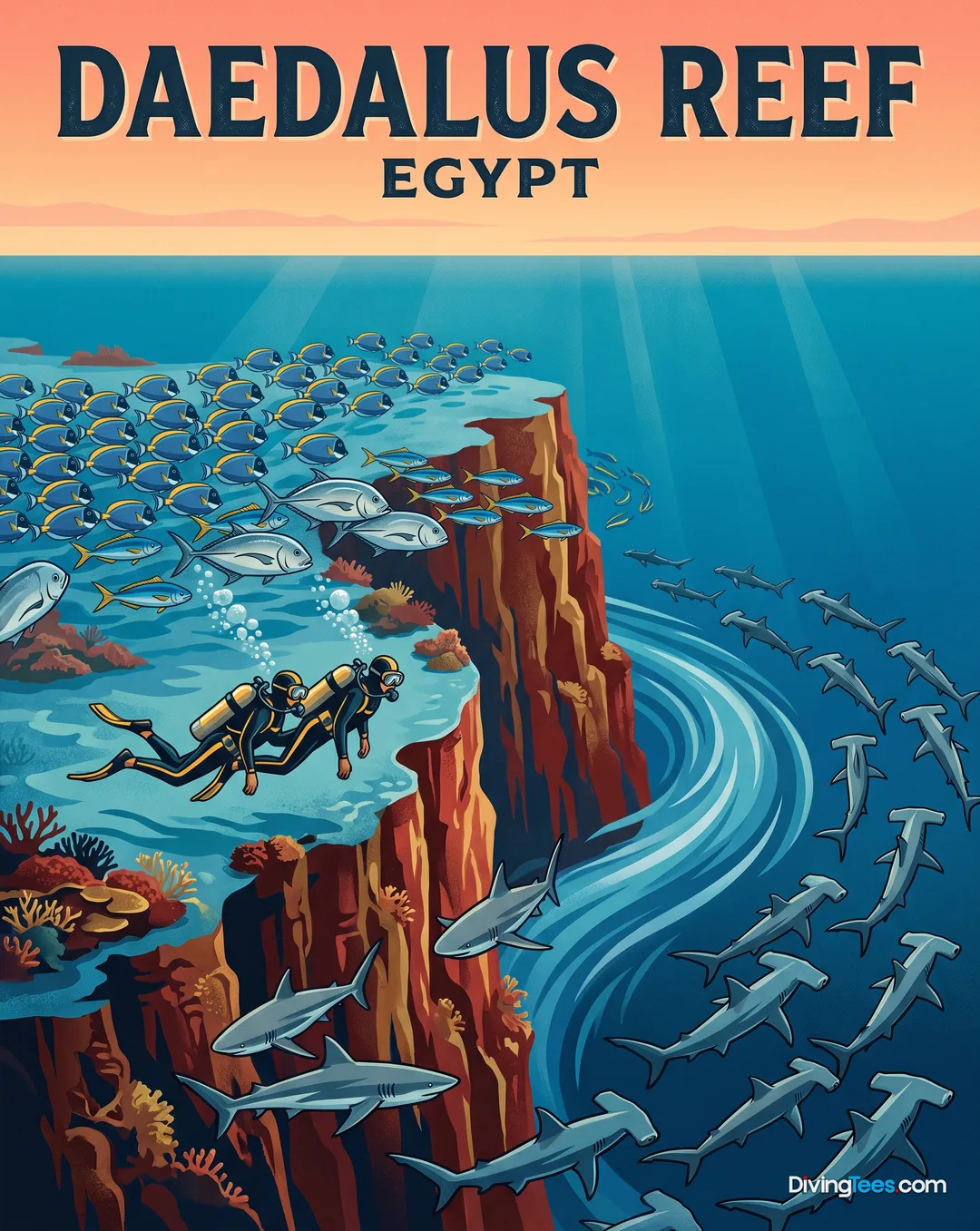
The route catalogue covers several very different Red Sea weeks. Marsa Egla reaches -30m in a natural bay of seagrass where dugongs and green turtles may appear; Marsa Mubarak reaches -25m and combines sheltered seagrass, coral gardens and resident dugongs. House Reef reaches -40m, with rays, schooling barracudas and the possibility of dugongs, while Shaab Alam reaches -30m and combines a submerged wreck, cave systems and coral gardens. Fury Shoals is the large Hamata reef complex, where hard coral formations form canyons and support dolphins, manta rays and pelagic encounters. Farther north, Thistlegorm reaches -32m inside the preserved cargo holds of the British merchant vessel, while the Straits of Gubal reaches -50m among historic wrecks turned into artificial reefs. Fanadir North and South each reach -30m; Gotha Abu Nugar's two sites are shallow at -9m. Brothers Islands reaches -85m and is reserved for experienced routes with isolated oceanic reefs and possible sharks. Safaris generally run 8 days and 7 nights; the Elba and Daedalus programme is listed at 13 days and 12 nights. Departures include Hamata family and southern routes, North itineraries to Thistlegorm, and North/South routes linking Ras Mohamed, the Straits of Tiran and Brothers Islands.
What you’ll meet underwater
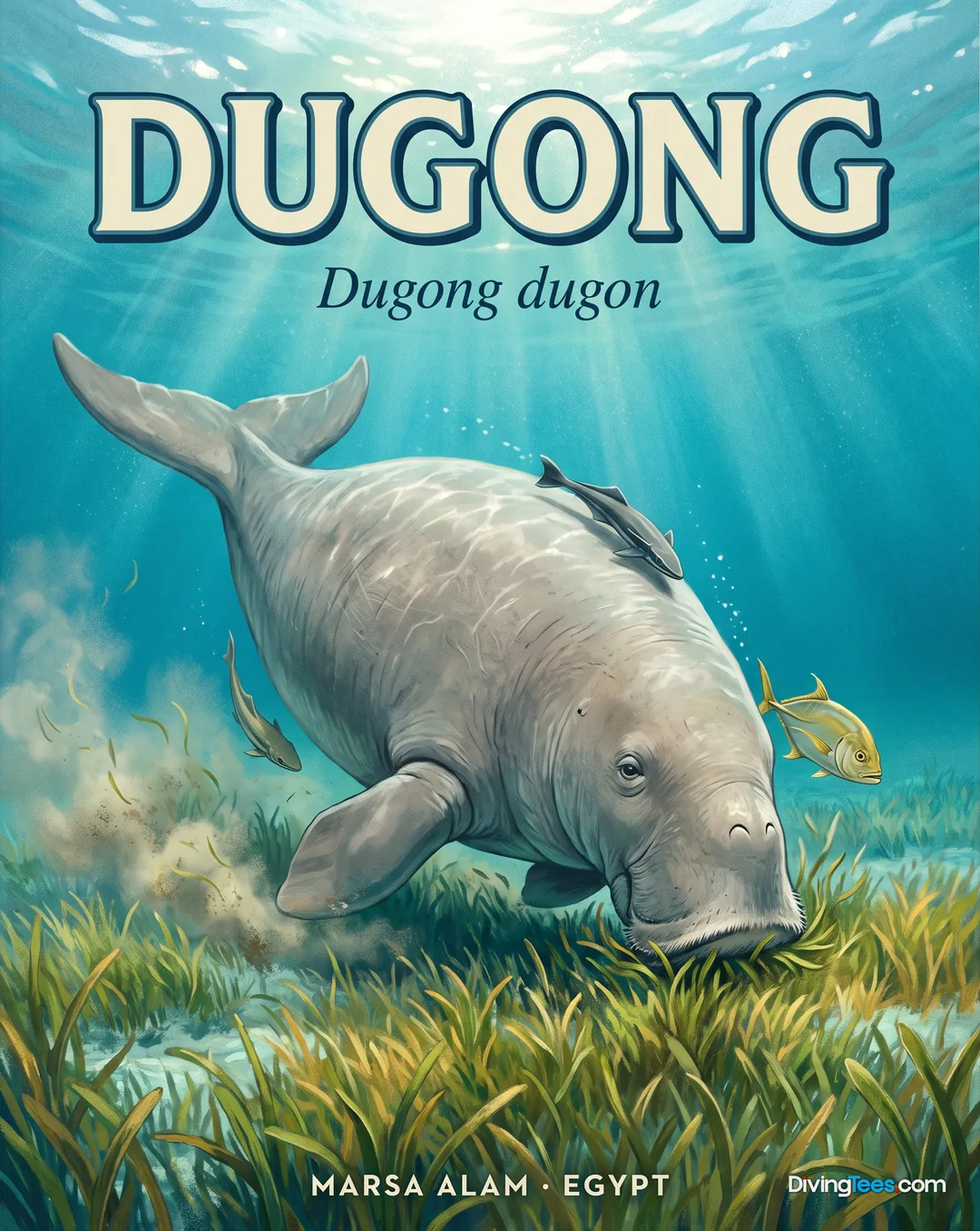
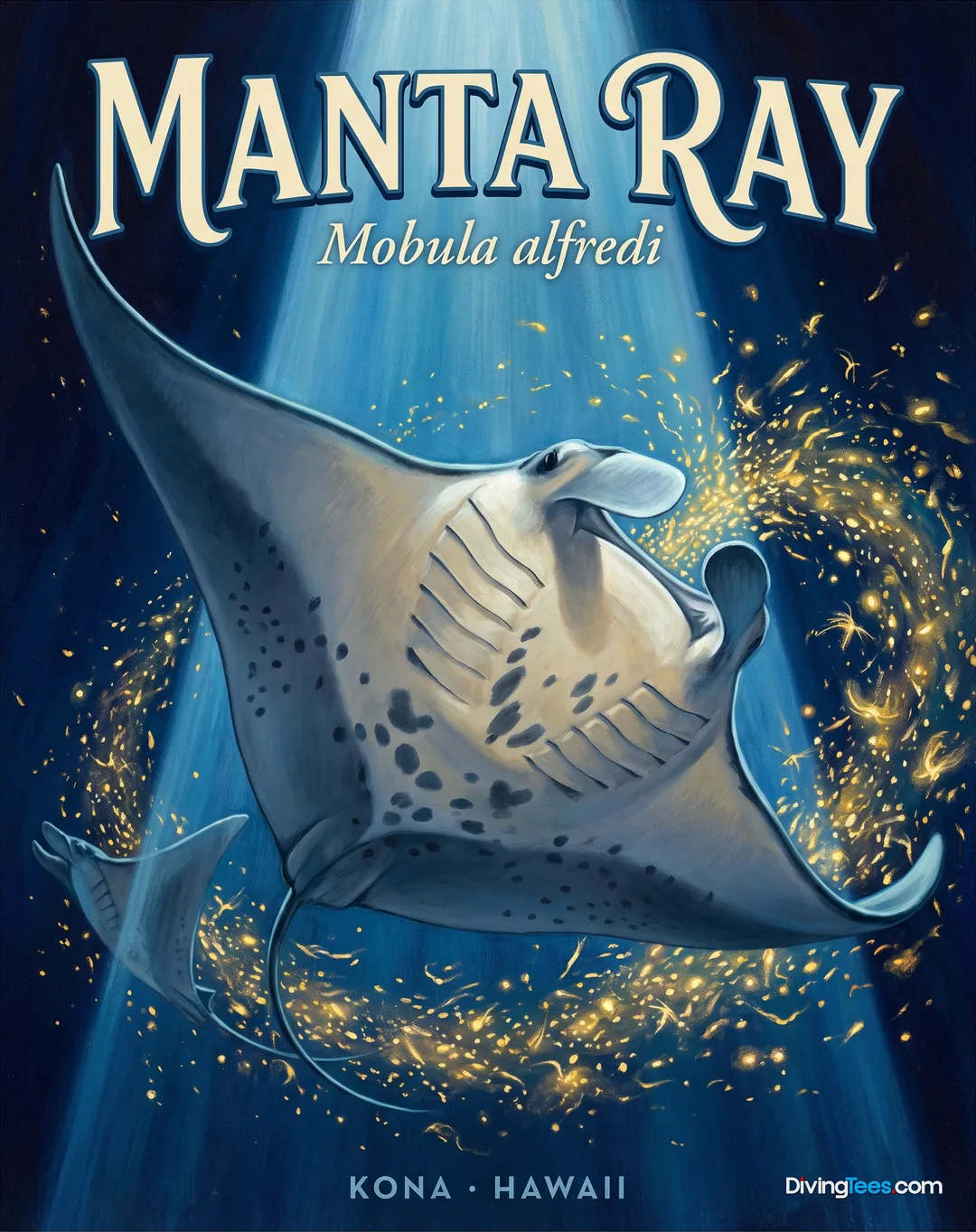
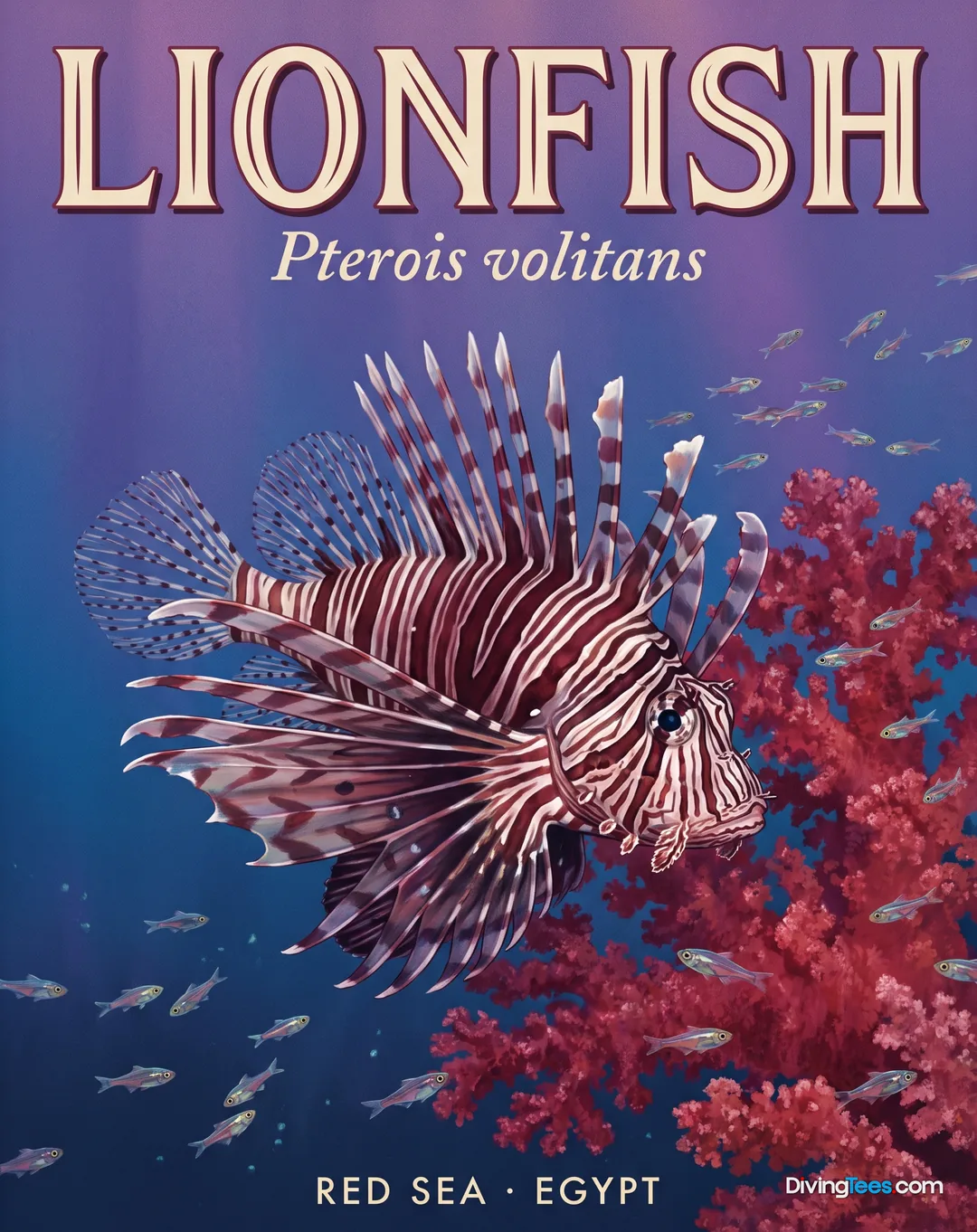
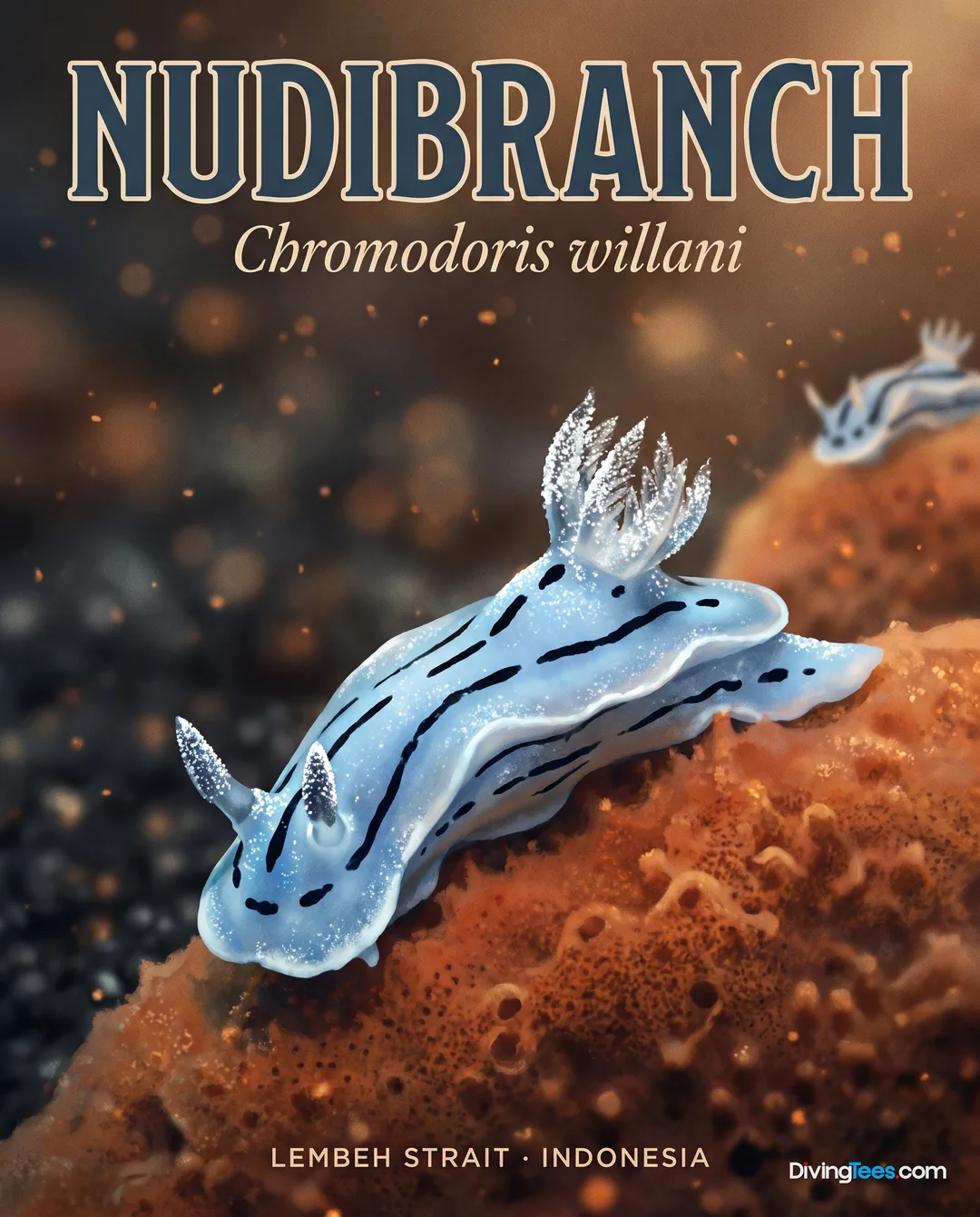
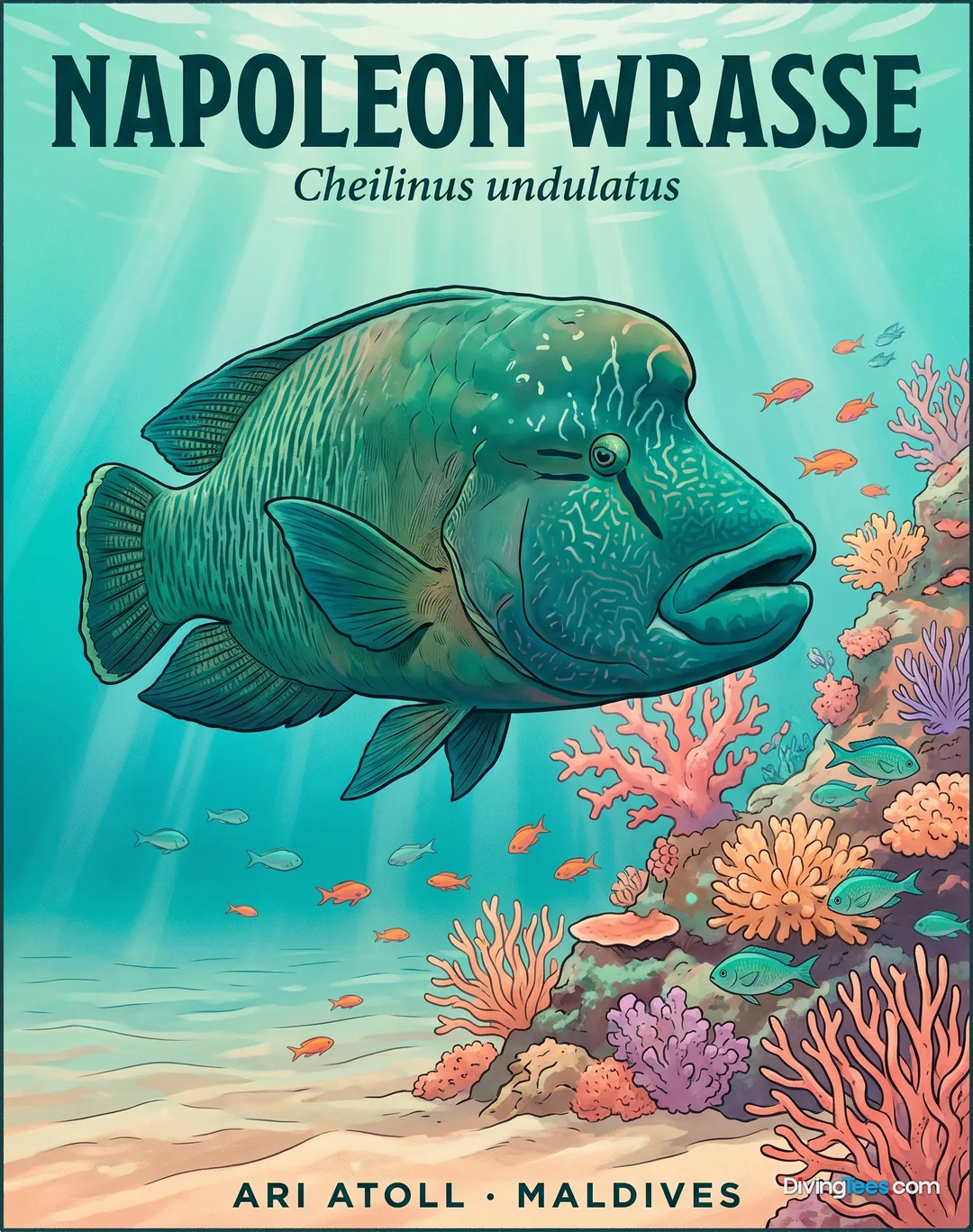
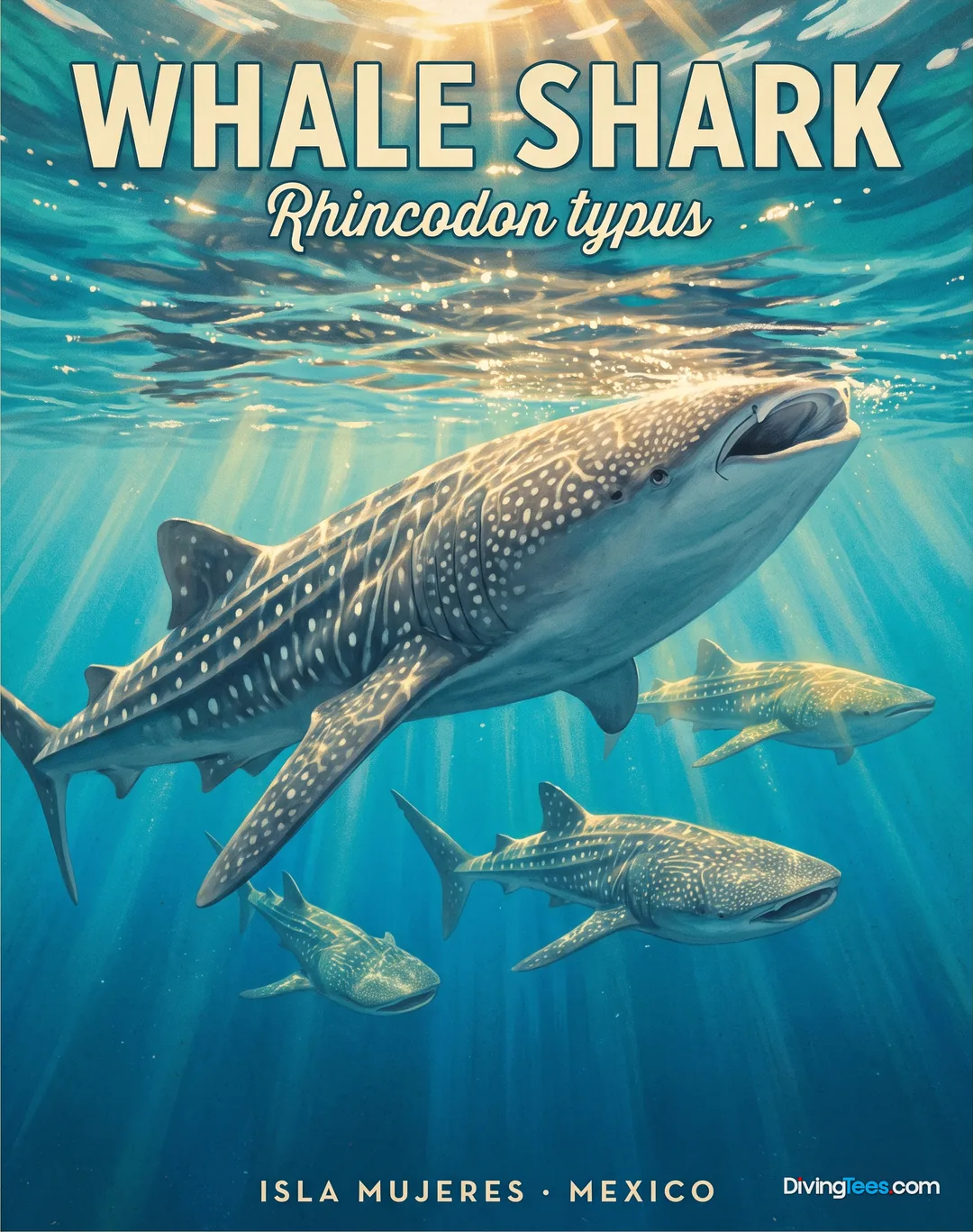
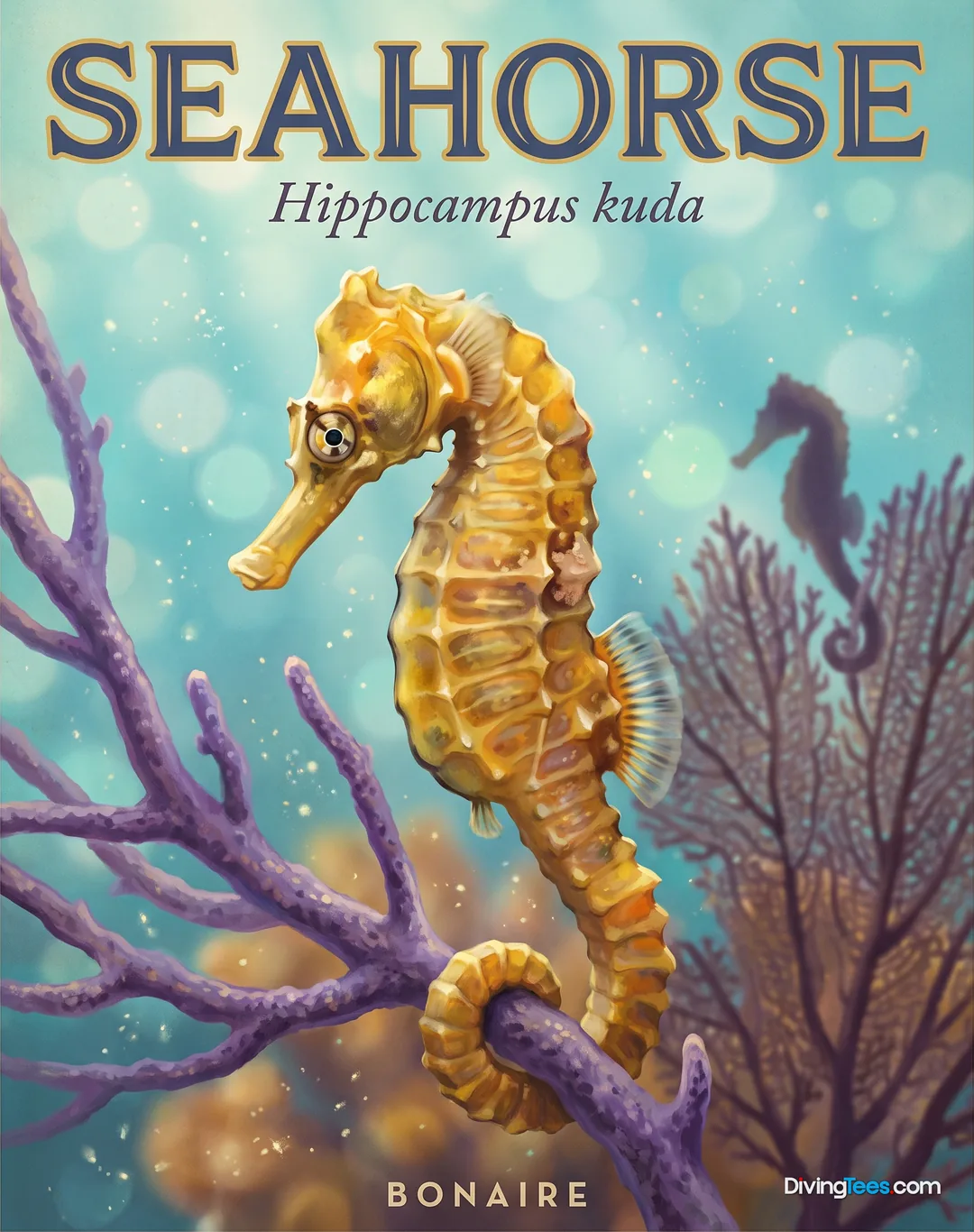
Across this route, the recurring cast is strong: dolphins, sea turtles, barracudas, giant morays, scorpionfish, octopus, lionfish, nudibranchs, groupers, Napoleon wrasse and reef sharks. Dugongs occur at Marsa Egla, Marsa Mubarak and House Reef, where seagrass beds give the animals a reason to be there rather than making them a lucky name on a checklist. The site-specific encounters are what sharpen the itinerary. Brothers Islands is the place for the possibility of grey reef sharks, oceanic whitetips, whale sharks and hammerheads, as well as anemones on its isolated reefs. Fury Shoals adds the chance of balistids and angelfish. Marsa Mubarak is the named site for damselfish, while House Reef is where anthias and seahorses are recorded. Thistlegorm can bring fusiliers and batfish around its wartime cargo holds; the Straits of Gubal is the site for glassfish. None of these animals is guaranteed, but the route gives each encounter a place and a reason.
Who puts you in the water
The diving is supported by professional dive guides and a naturalist guide, with English and German spoken by the crew. The minimum level depends on the route: the South: St. John's itinerary accepts divers from six logged dives and OWD level, while the Into Shark Territory and Elba routes require at least 50 dives, with AOWD and, for Elba, confidence in current. That distinction matters more than a generic claim that every diver is welcome. Nitrox is available, and the Nitrox certification can be arranged as an optional extra; other diving certifications are also available as extras. Briefing style, guide-to-diver ratios, guide qualifications, recall procedures and defibrillator provision are not specified. The safety equipment listed includes oxygen, first-aid kits, fire alarms and extinguishers, life jackets, lifeboats, marine radios, GPS, radar and emergency flares.
The dive deck and the gear
The dive deck is the reason Sea Friend works as a liveaboard rather than simply as a boat with cabins. Divers enter from a dedicated platform, with DIN adapters available and support for sidemount diving. Nitrox is included, while the Nitrox certification itself is an optional extra; rental equipment is also available for an extra charge. Cameras have their own separate rinse area and charging stations, useful when a week involves repeated entries, saltwater and a camera that needs attention between dives. The boat carries hot-water showers on board, including outdoor showers for the return from the water. A naturalist guide is available, and a separate snorkelling guide means non-divers are not left to manage the reef alone. Sea Friend's setup covers the essentials for a camera diver, a Nitrox user or a sidemount diver, but tank size, tank material, compressor type, tender arrangements and camera-table details are not stated here.
Between dives
Between dives, guests can leave the air-conditioned salon for the terrace or the outdoor dining area, depending on the heat and the wind. The boat provides shade, sun and enough separate places to avoid spending every surface of the day in the same seat. A diver may settle with a drink, check a camera after using the separate camera rinse, or stay close to the platform while the next dive is prepared. Snorkelers have a place in the trip too, with a guide available for them. The quiet hours are not filled with a programme. They are there for drying equipment, eating, talking through the last dive and watching the Red Sea pass while the boat moves to the next reef.
A day on board
A day on Sea Friend is organised around the next entry, not around a hotel timetable. A briefing comes before each dive, followed by the return to the platform, the rinse, the shower and food before the next water session. Between dives, guests move between the shaded or air-conditioned spaces, the terrace, the camera area and the outdoor table while the crew prepares the boat and the next meal. On a route with several sites in one week, the boat's movement is part of the day: the group eats, rests and watches the coastline change before the next briefing. Snacks keep the gaps practical rather than ceremonial. The exact number and timing of dives varies by itinerary, weather and site, so Sea Friend should be chosen for its route and diving style rather than an advertised clock. Evenings return to the same simple pattern: wash gear, eat, talk through the day's sightings and sleep before the next departure.
What you eat aboard
Food is one of Sea Friend's clear strengths. The kitchen serves homemade local cooking as a buffet, with vegetarian options, non-alcoholic drinks, tea and coffee, and snacks available throughout the day. Meals land around the dive rhythm rather than forcing the group into a formal restaurant routine: eat, brief, dive, return hungry and find something ready. That is exactly what a diver needs on a multi-dive trip. The table is not an afterthought between briefings; it is where the group gets its energy back and where the day becomes social without requiring an organised evening programme. Welcome cocktails are included, while beer, wine and cocktails are available on board. The food scores particularly well because it provides variety and substance without losing the local character of the galley.
Nights at sea
The cabin choice is more varied than the usual single lower-deck arrangement: Sea Friend has twin and double cabins on the lower deck, twin and standard double cabins on the upper deck, and double cabins on the sun deck, including a suite category. Cabins are air-conditioned, non-smoking and fitted with private bathrooms, hot-water showers, standard windows and daily housekeeping. That matters after several dives: the cabin remains a private place to dry off, sleep and reset rather than just a bunk reached through the dive deck. Towels are supplied for the cabin and the sun deck. The boat also has an air-conditioned indoor salon when the heat outside becomes too much. Internet is available, but the useful luxury here is simpler: a clean cabin, a private bathroom and a choice of deck level.
Twin Cabin - Lower Deck
Suite - Lower Deck
Twin Cabin - Upper Deck
Double Cabin - Lower Deck
Standard Double Cabin - Upper Deck
Double Cabin - Sun Deck
What to know before boarding
Recorded departures and returns use Hamata, Marsa Alam or Hurghada, depending on the itinerary; some routes return to the same port, while others run from Hurghada to Marsa Alam. Airport and hotel transfers are included and are arranged with the booking details. Arriving the night before is sensible, especially for a morning transfer or a departure from a different port.
Deck plan
- Year built
- 2015
- Year renovated
- 2018
- Length
- 40
- Maximum number of passengers
- 20
- Number of cabins
- 12
- Number of bathrooms
- 15
- Engines
- 2
- Website
- hamatamangroves.com ↗
Hello, I'm Marina, DivingDeal.com's AI assistant. I answer in detail about hotels, dive centres and liveaboards.

Thinking about the whole trip and the flights? Talk it over with Edith →
Marina is an AI. Some links are affiliate links: DivingDeal may earn a commission, at no extra cost to you. Bookings are made with the partner.