Liveaboards · Egypt
Sea Serpent — a fast, dive-focused Red Sea liveaboard
What makes this boat unique
- The hydrodynamic hull is designed to improve speed and stability in the Red Sea.
- The 2024 renovation supports a clean, modern interior across 11 private cabins.
- The dive setup includes free nitrox, three compressors, DIN adapters, rebreather support and two diver tenders.
- Eight-day, seven-night departures from Port Ghalib reach Fury Shoals, the Brothers, Daedalus, Zabargad, Rocky and Elphinstone.
For subtitles in English: start the video firstthen click the gearat the top right of the video, select “Subtitles/CC”, then “Auto-translate” and choose “English”.
The invitation
Sea Serpent suits divers who want recognised southern Red Sea sites without choosing between a purposeful dive boat and a comfortable place to sleep. Its hull is built for speed and stability, which matters when the route links exposed reefs rather than staying close to shore. The real draw is the combination of itineraries: Fury Shoals for coral canyons and dolphins, the Brothers and Daedalus for walls and pelagics, and Elphinstone for one of the Red Sea’s classic shark encounters. The boat’s diving scores well, but its crew and food score higher still; that balance tells the useful story. Sea Serpent is not being sold as a floating resort detached from the diving. It is a practical liveaboard with a recently refreshed interior, a serious dive platform and a crew that keeps the week organised. Step aboard for the reefs first. The comfortable evenings are what make four dives a day sustainable.
Boarding
From the dock, Sea Serpent presents as a purpose-built liveaboard rather than a converted passenger vessel. The hydrodynamic hull gives the boat a clean, deliberate profile, while the 2024 renovation shows in the refreshed cabin and saloon finish. Inside, the layout is straightforward: cabins occupy the upper and lower accommodation levels, the air-conditioned saloon provides the indoor meeting point, and the dive area keeps the route from sleeping spaces to water simple. The boat carries enough open deck for sun, shade and kit movement without turning the week into a scramble. Once aboard, the useful impression is order. Luggage has somewhere to go, the crew gives guests a safety tour, and a fire drill is conducted during check-in. Sea Serpent’s appearance is modern, but its character comes from the way the spaces serve diving rather than from decoration alone.
The atmosphere on board
Sea Serpent’s atmosphere is shaped by a crew that keeps the practical details moving. Divers describe clean cabins, an orderly deck, strong food and guides who make the boat feel manageable even when the group includes different experience levels. The crew’s role is visible in the small transitions: equipment is handled without fuss, tenders are ready, meals arrive between dives, and the safety routine is treated as part of the trip rather than an interruption. The multilingual team speaks English, German, French, Spanish, Russian, Portuguese, Polish and Italian, which helps briefings and everyday requests stay clear. With 22 passengers, the boat is large enough for a real mix of divers but not anonymous. By the middle of the week, the same people are sharing surface intervals, comparing shark sightings and gathering in the saloon after dinner. The mood is sociable, organised and more comfortable than showy.
The sites you’ll dive
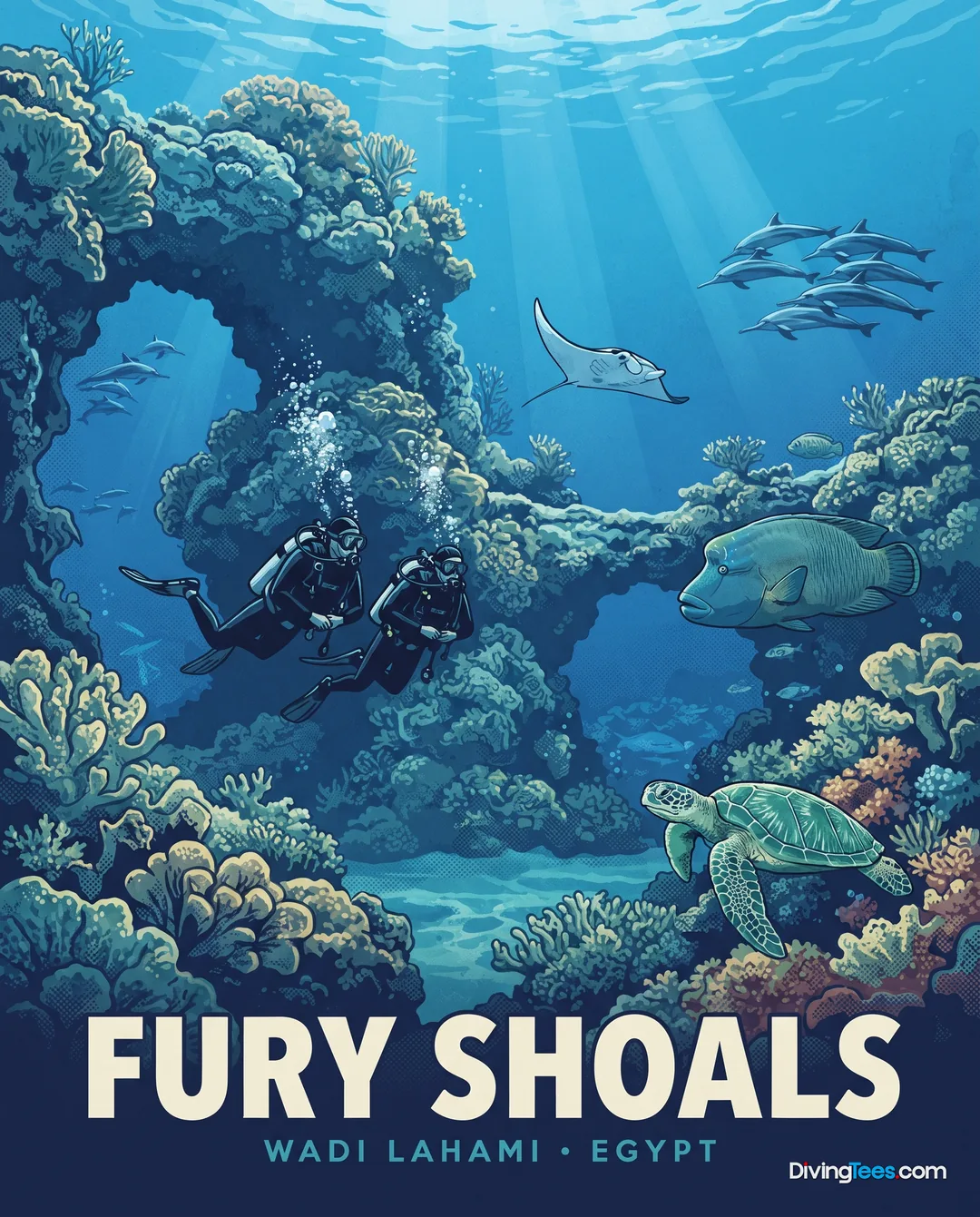
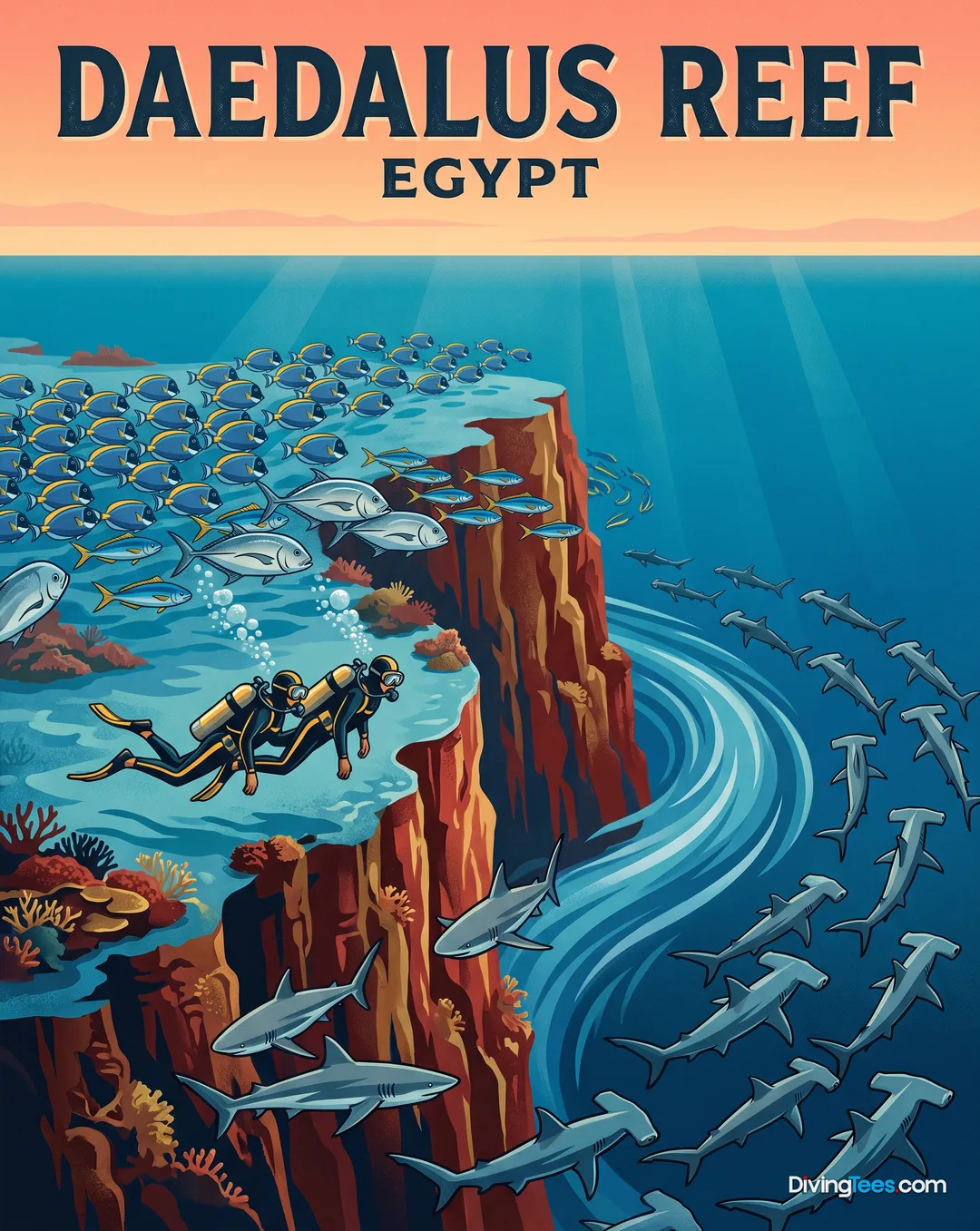
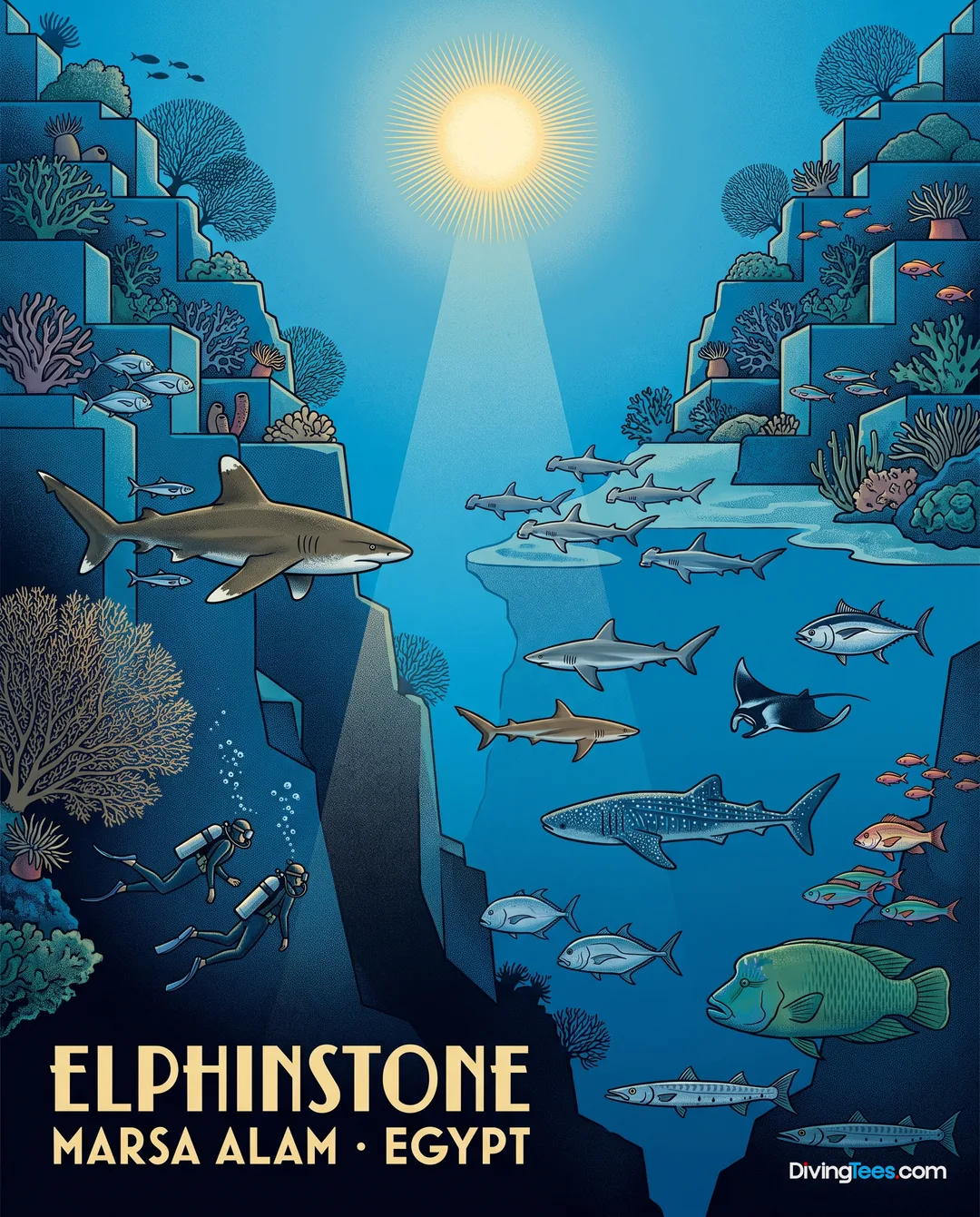
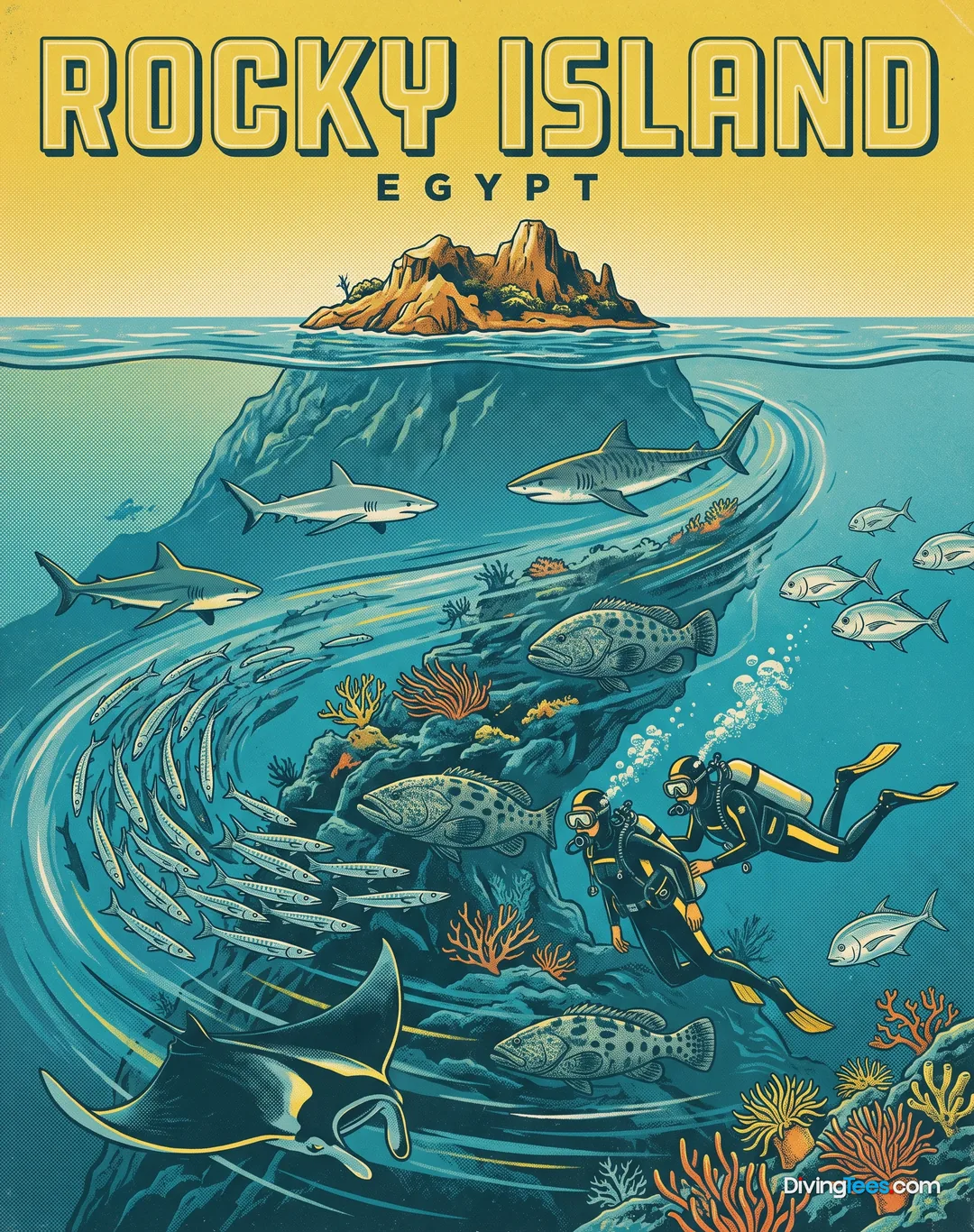
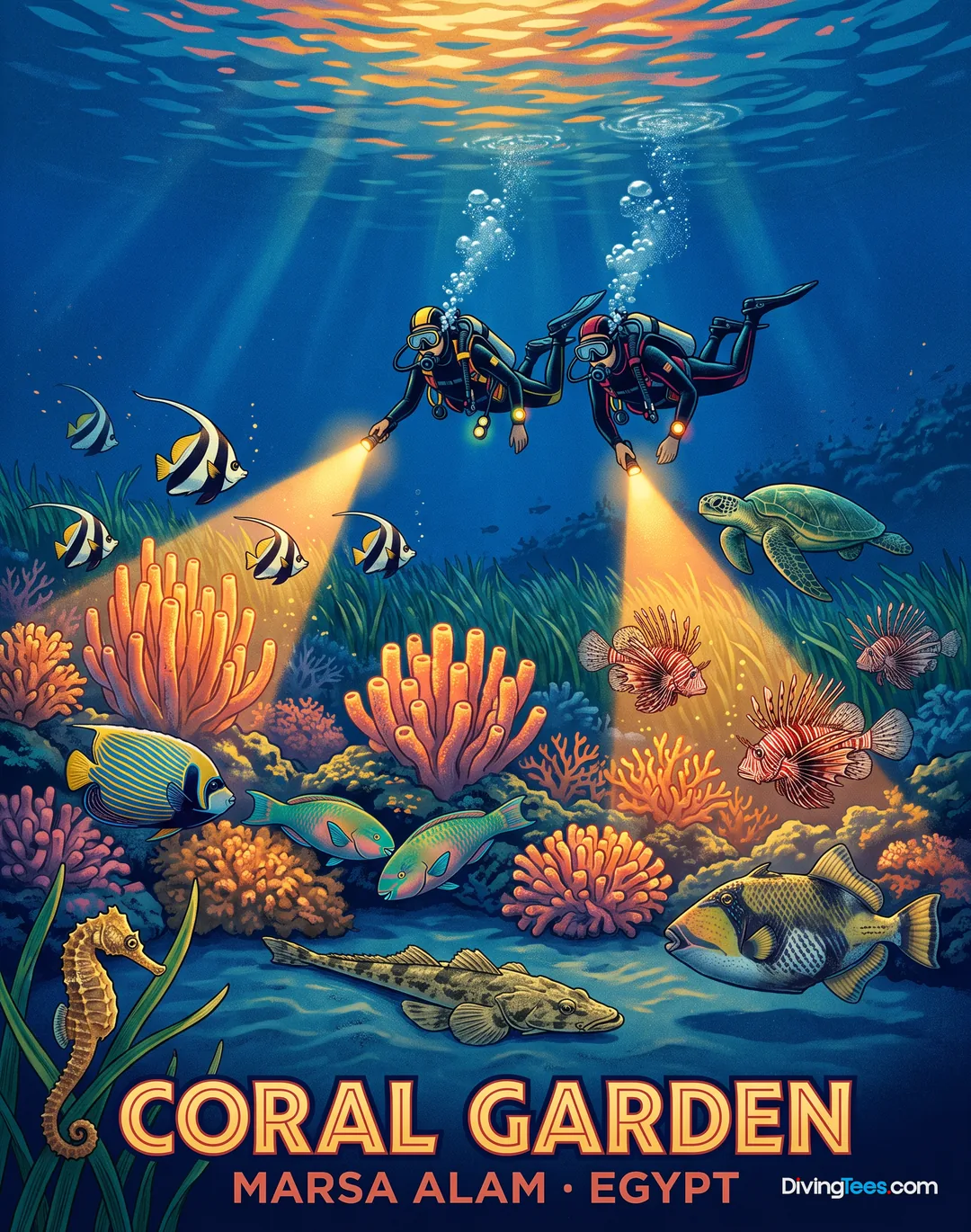
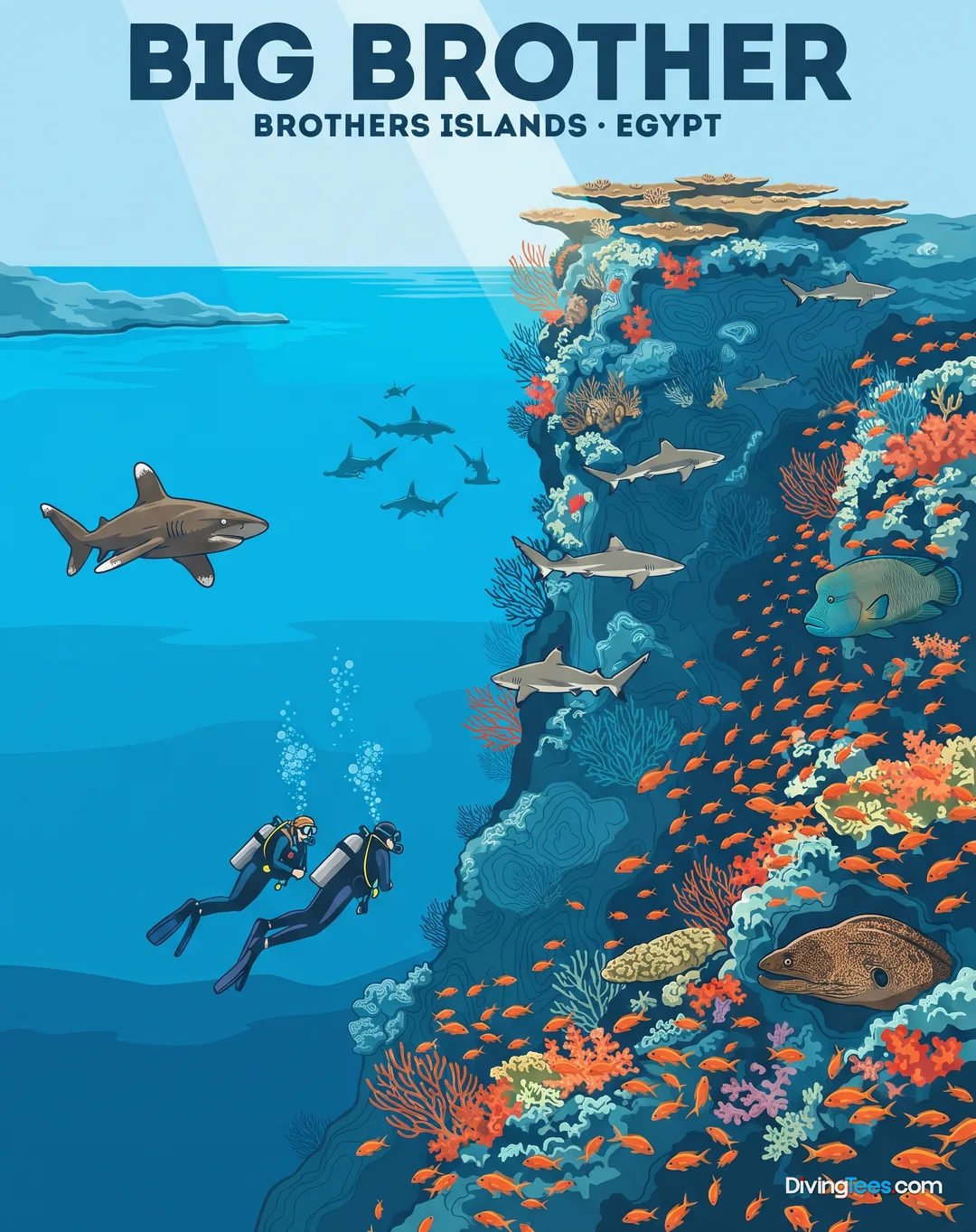
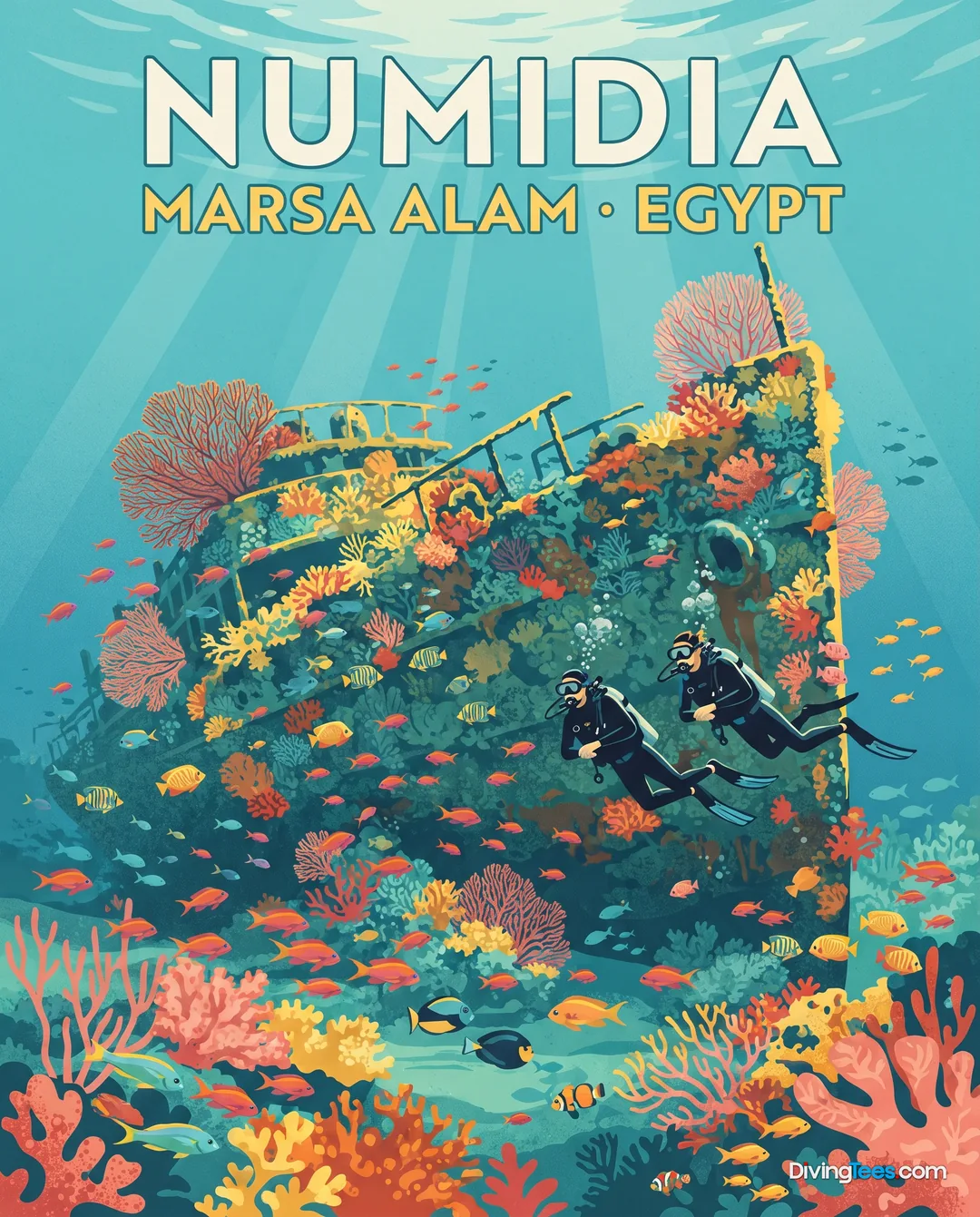
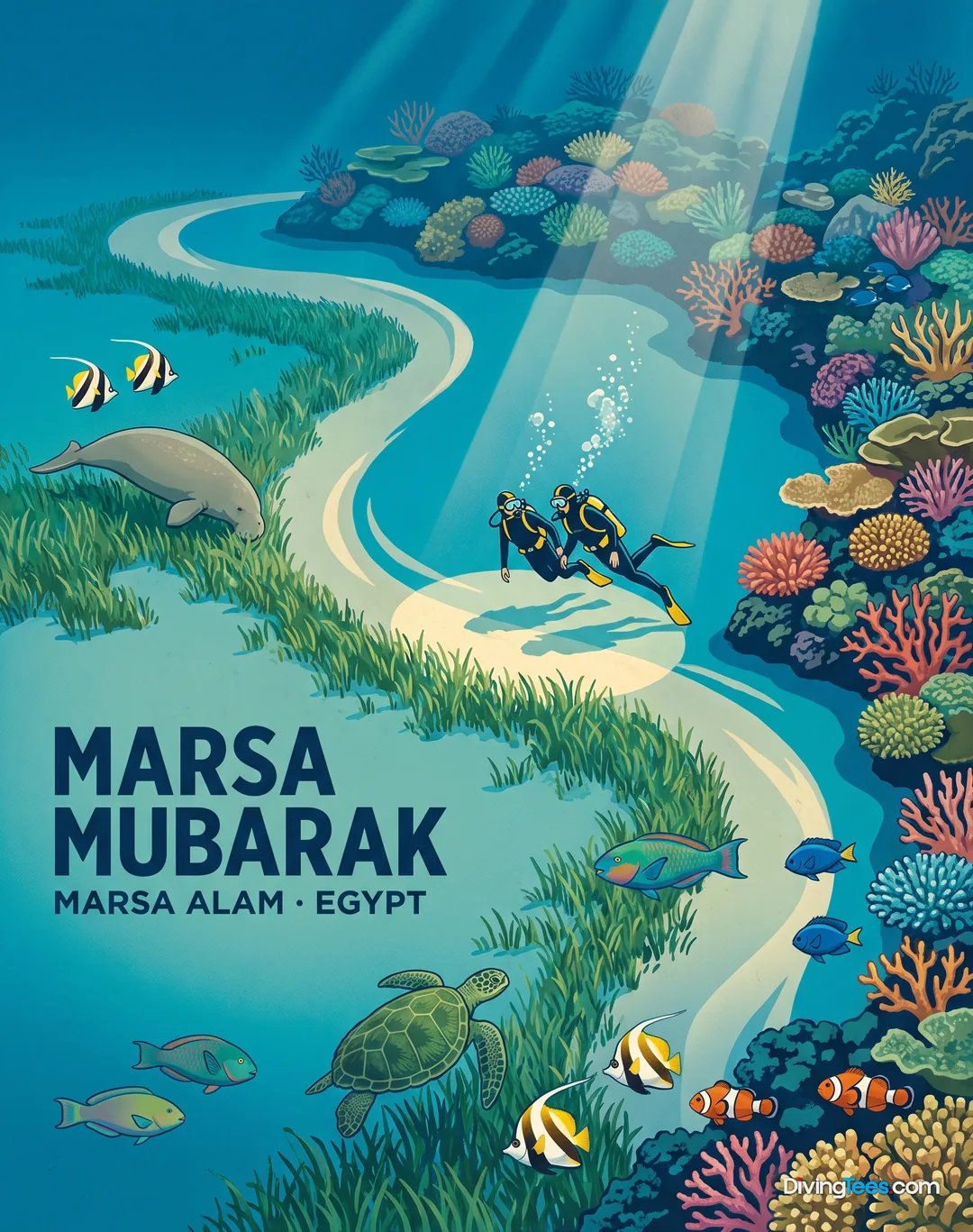
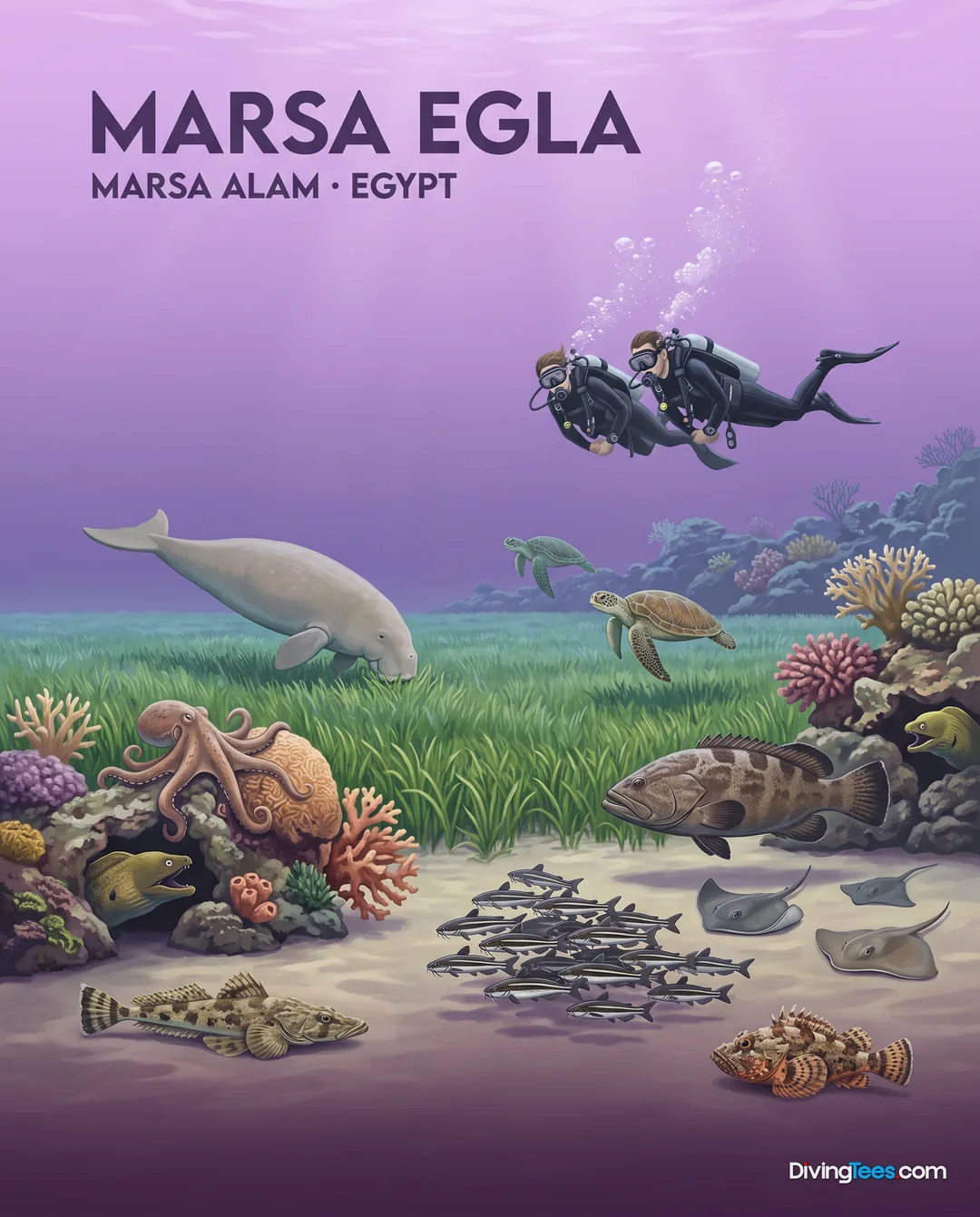
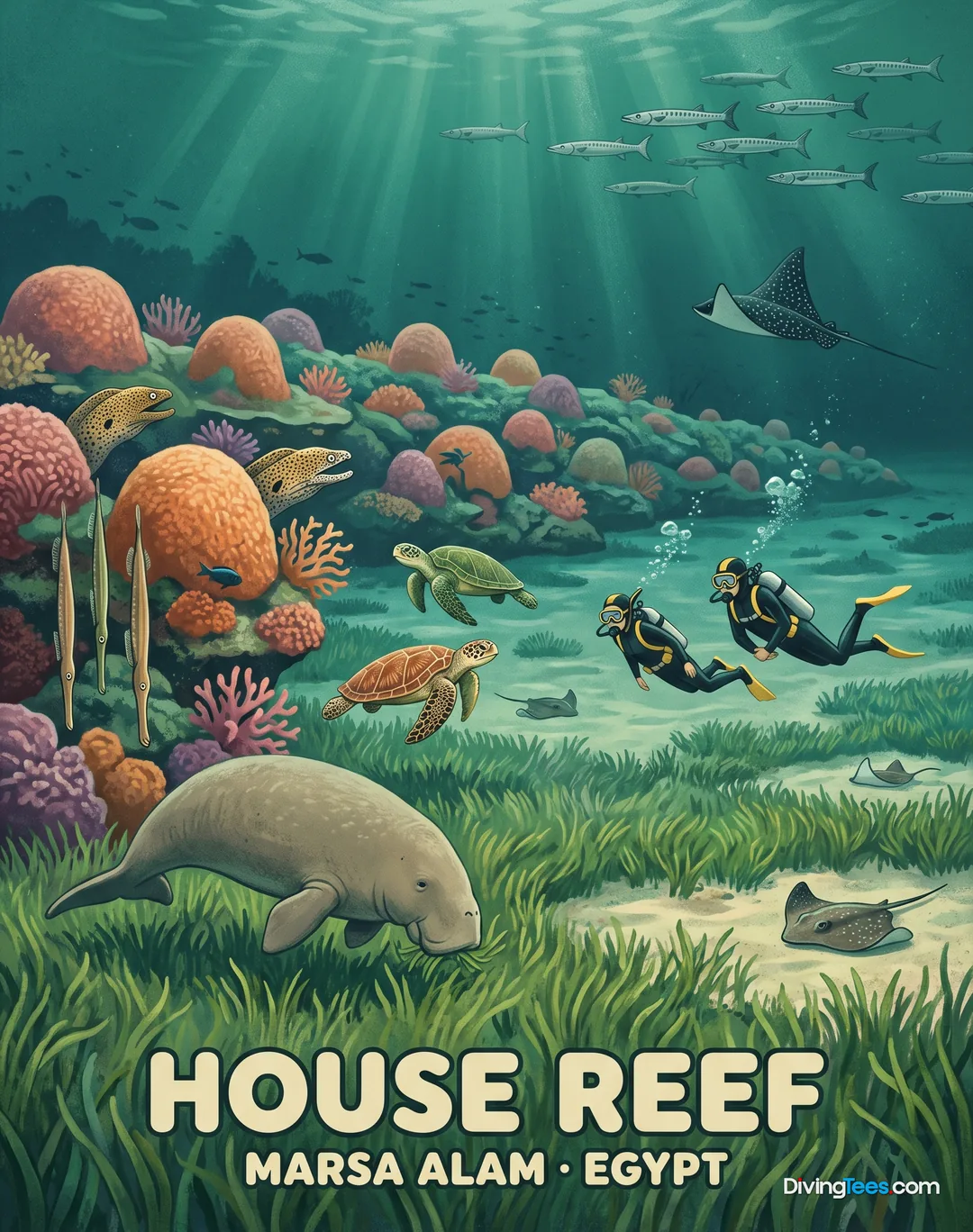
The route menu is the reason to choose Sea Serpent: every listed departure runs for 8 days and 7 nights from Port Ghalib, with variations through Fury Shoals, Brothers, Daedalus, Zabargad, Rocky, St. John’s and Elphinstone. Fury Shoals brings hard-coral formations, canyons and passages, with dolphins possible among the reef system. Rocky Island is a current-affected advanced site where manta rays, barracudas and sharks can pass over coral and sand. Zabargad adds remote walls, pelagic water and nesting turtles. St. John’s mixes coral gardens, caverns and swim-throughs. The offshore sequence becomes more serious at Daedalus, whose remote walls reach max -40m, and the Brothers, where Big Brother reaches max -40m and combines walls with the Aida and Numidia wrecks. Elphinstone finishes the story with steep walls and pelagic encounters to max -60m. For shallower days, Marsa Mubarak reaches max -25m, Marsa Egla max -30m and the House Reef max -40m, giving the guides room to balance the itinerary.
What you’ll meet underwater
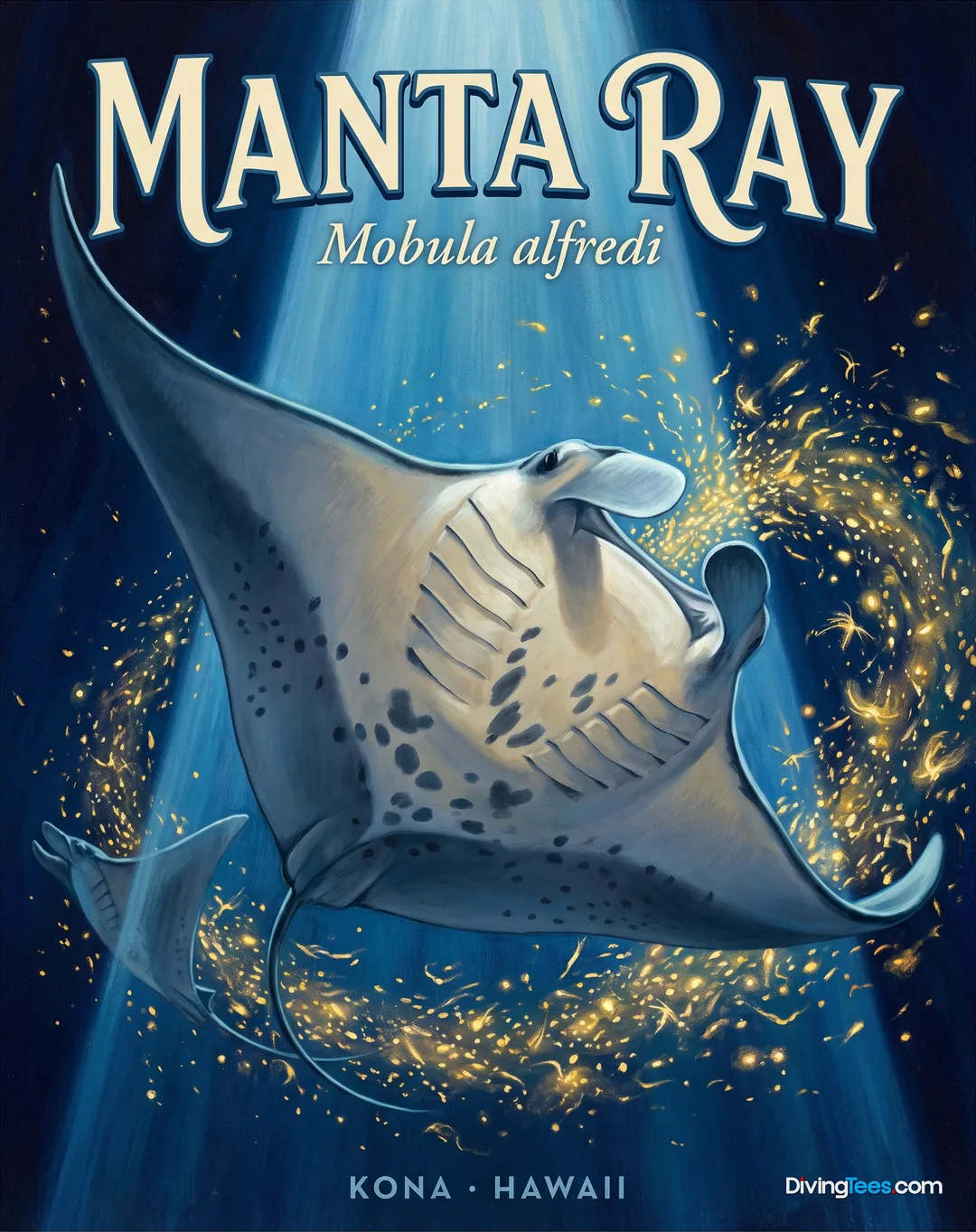
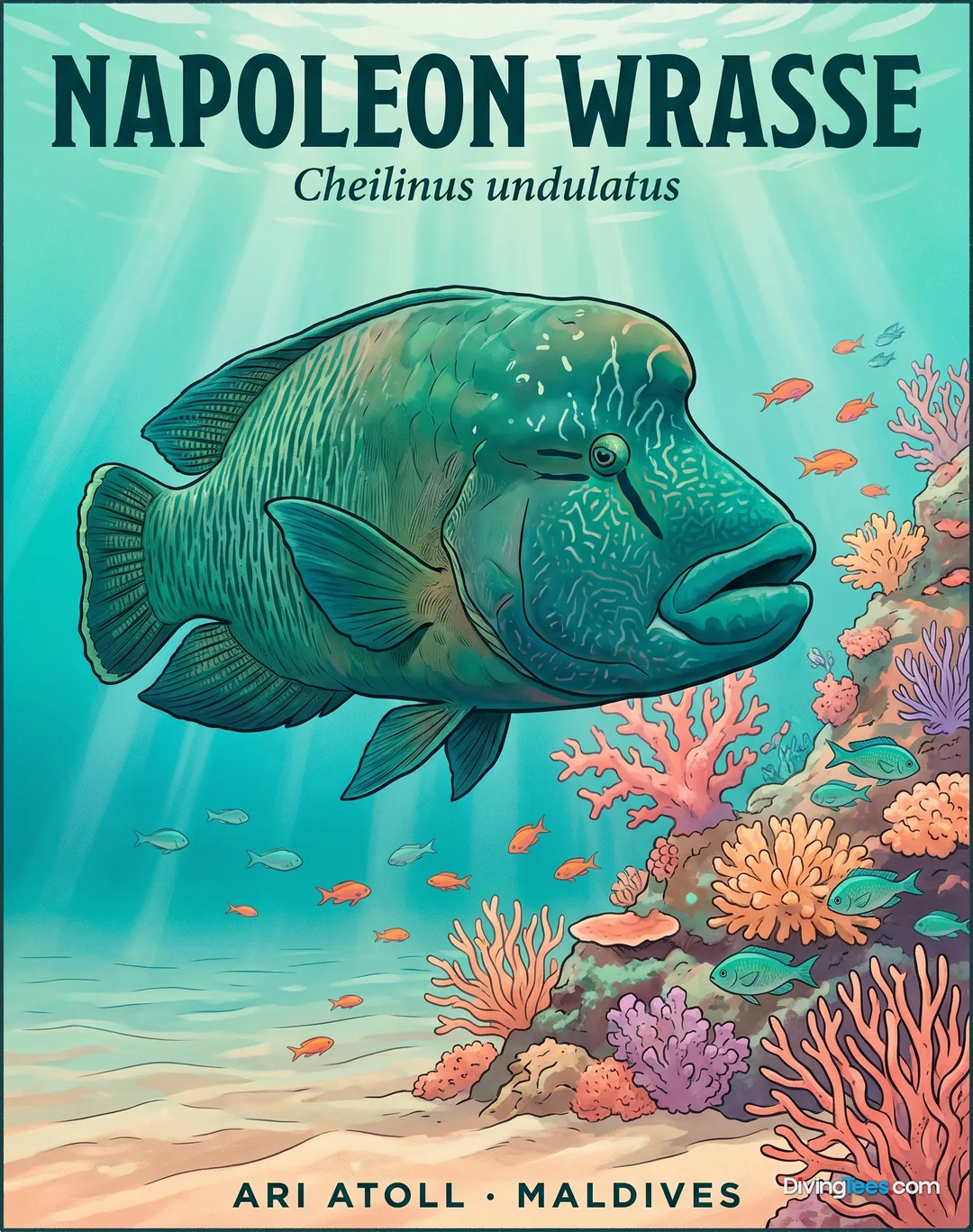
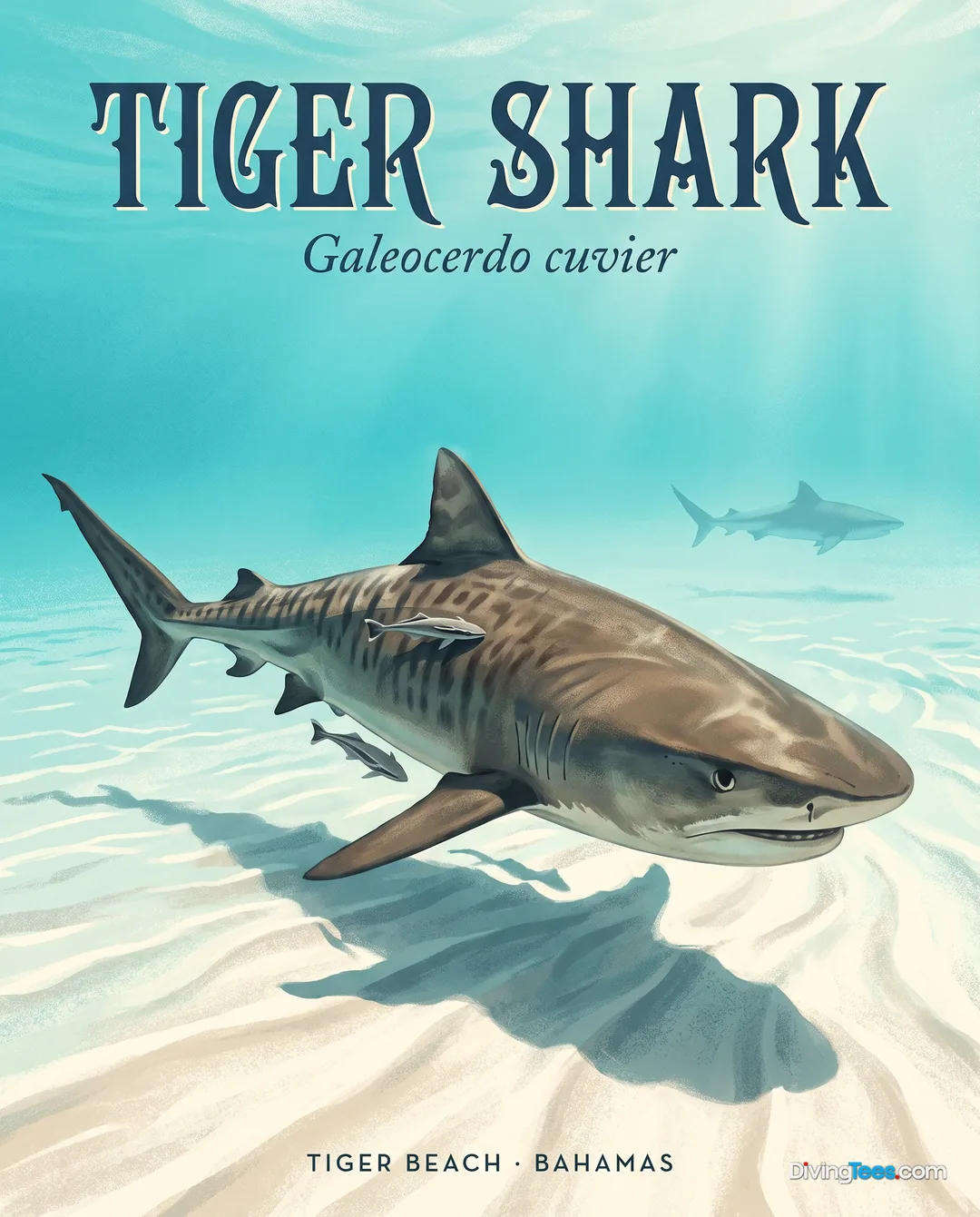
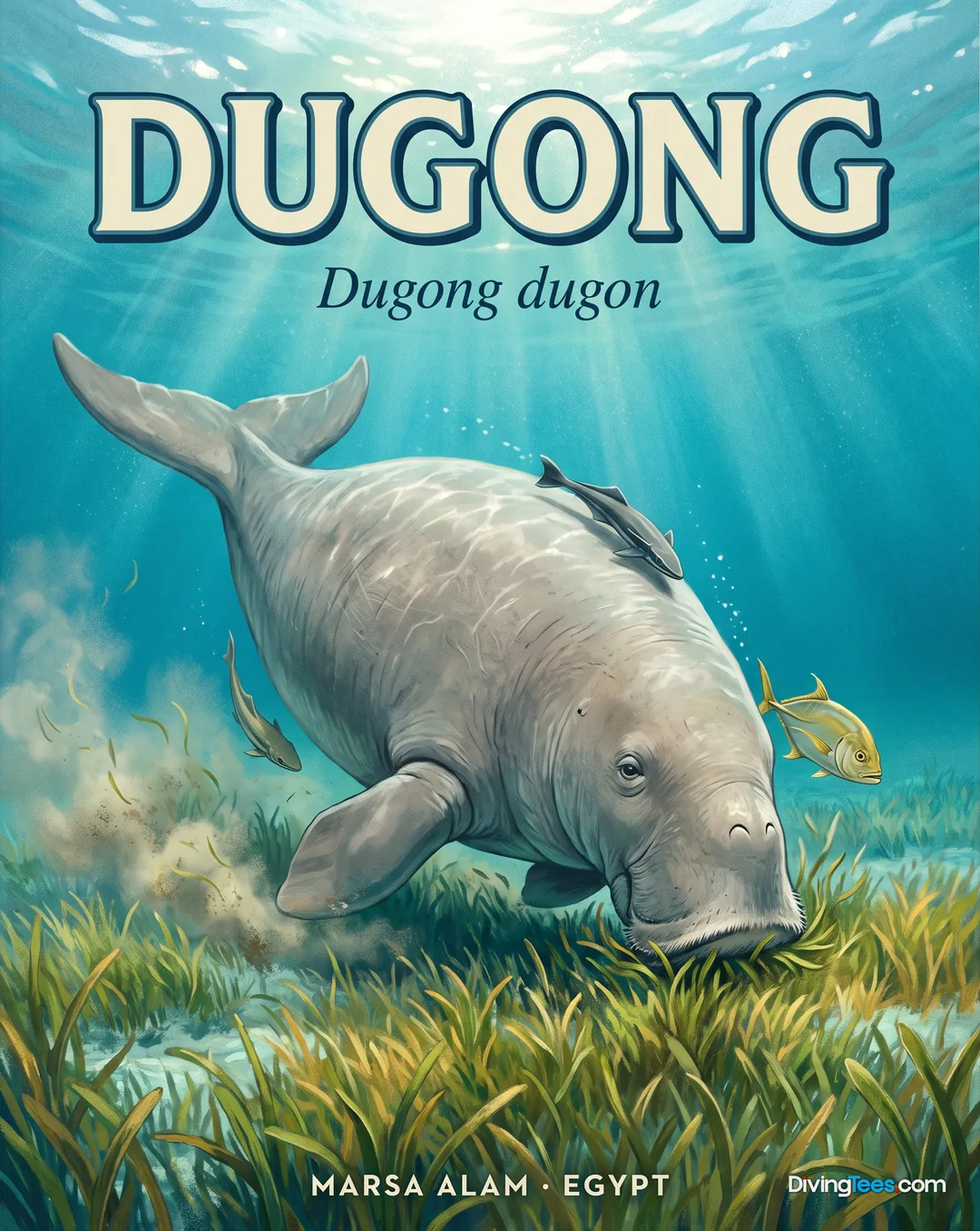
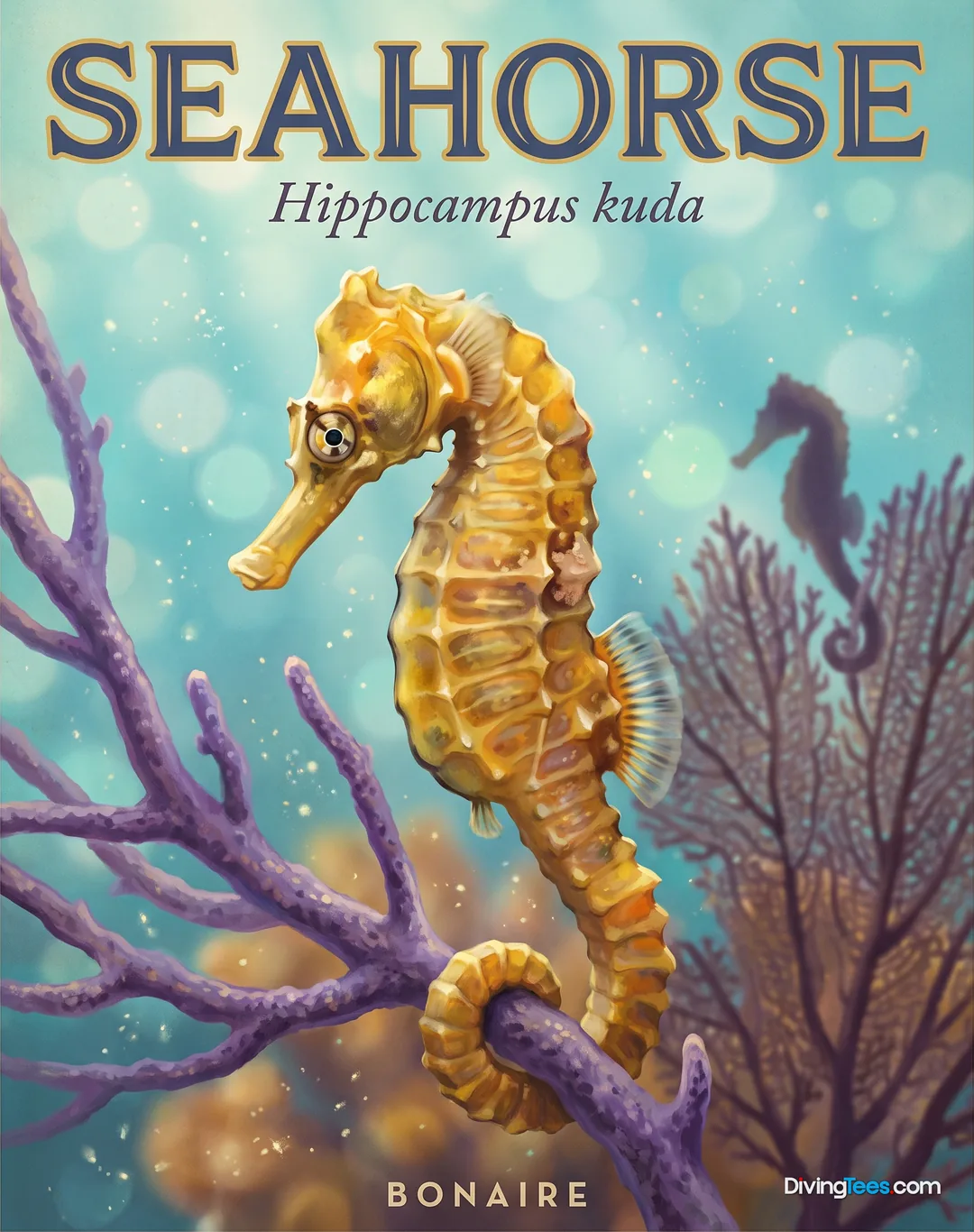
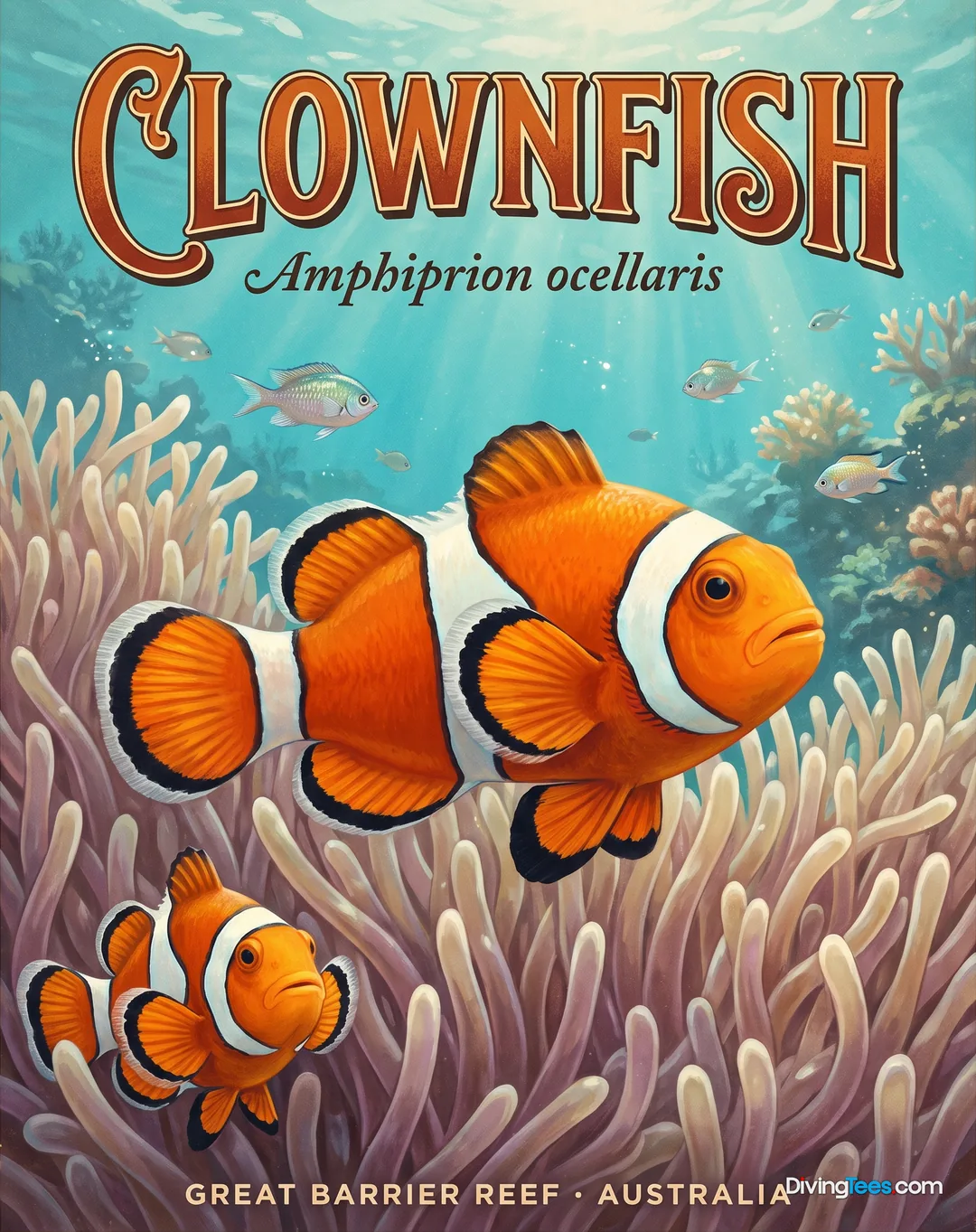
Across this route, barracuda, manta rays, reef sharks, hammerheads, trevally, dolphins, Napoleon wrasse, tuna, turtles and soft coral form the recurring cast. Currents and exposed walls are what bring the larger animals into view, but none of them is guaranteed; the attraction is the chance to meet them in the right water at the right moment. The site-specific animals give each stop its own reason to exist. Elphinstone is the place to look for blacktip reef sharks, tiger sharks, gorgonians and labrids. Brothers Islands add anemones, while Fury Shoals is the listed site for triggerfish. A dugong may be encountered at Marsa Egla, Marsa Mubarak or the House Reef; the House Reef is also where seahorses and trumpetfish are recorded. Marsa Mubarak is the stop for clownfish and damselfish, Abu Nuhas for butterflyfish, and Marsa Egla for crocodilefish. The animal list is broad, but the memorable dives are specific.
Who puts you in the water
The guides and instructors work across a multilingual crew speaking English, German, French, Spanish, Russian, Portuguese, Polish and Italian. SSI courses can be run on board, including Nitrox, Advanced Open Water, deep and wreck specialties, so the boat can support training as well as guided diving. The route determines the level required: Fury Shoals and sheltered reef sites can suit less experienced divers, while the Brothers, Daedalus, Rocky Island and Elphinstone demand appropriate certification, experience and comfort in current. Marine-park conditions can also change the routing or prevent a guide from taking a diver on a particular dive. Each guest receives a safety briefing, an equipment and emergency-systems tour, and a fire drill during check-in. Oxygen, first-aid equipment and an ENOS diver-location system are carried on board. The diving is organised by guides, but no fixed guide-to-diver ratio or minimum logged-dive requirement is published for this boat.
The dive deck and the gear
The dive setup is built around repeated diving. Nitrox at 28–32% is available free of charge, provided the diver brings the appropriate certification, and three compressors support filling on board. DIN adapters are available. Technical diving, single-cylinder sidemount, rebreather diving and oxygen-supported technical setups are catered for, with a booster pump available on request. Tank volume and tank material are not stated, so divers with a specific gas or cylinder requirement should arrange it before sailing. The shaded dive platform has camera facilities, separate camera rinse water and standard rinse tanks, while hot and outside showers make the return from the water less punishing. Two Yamaha 65 HP tenders carry divers to and from the sites, leaving the main boat free for the next group. Rental equipment is an optional arrangement rather than something to assume is waiting on the rack; it should be pre-ordered.
Between dives
Between dives, the shaded areas are the working heart of the boat. Divers can leave wet gear behind, spread out camera equipment at the dedicated photo space, then move to the air-conditioned saloon when the heat becomes too much. The sun deck and observation areas give the surface interval a choice of shade, breeze or open sky rather than forcing everyone into one crowded room. A library, audio-video entertainment and free Wi-Fi cover the quieter gaps, but the better use of the time is often simpler: dry off, eat, check a camera housing and watch the reef disappear behind the tender. Outdoor dining and the barbecue area change the feel of an evening without turning the boat into a party venue. Sea Serpent works best for divers who want useful space between descents, not a long list of distractions.
A day on board
A Sea Serpent day is built around the next descent. The first briefing and equipment checks come before the opening dive, followed by food, hydration and enough surface time to reset before the next site. Most days allow three or four dives, with the gaps divided between meals, showers, camera work, shaded rest and movement between reefs. On an itinerary that enters a marine park, night dives are prohibited, so the evening belongs to the boat rather than another descent: dinner, a drink, a review of the day’s photographs and an early return to the cabin. When the boat is underway, the change is felt in the background rather than announced; the next reef is being reached while divers eat or sleep. The rhythm is demanding but clear. Nothing needs to be invented to fill it: descend, return, refuel, repeat, then let the crew prepare the next morning’s water.
What you eat aboard
Food is one of Sea Serpent’s strongest points, with buffet meals, snacks throughout the day and a choice that reaches beyond standard Egyptian liveaboard fare. Vegetarian and vegan options are available, and non-alcoholic drinks are included; beer is available on board. Fresh local seafood, European and Egyptian dishes, fruit, tea and coffee fit the long gaps between dives without making every meal a formal event. Barbecue meals can move outside when conditions allow, adding a change of setting after a day spent in wetsuits. The table becomes part of the dive routine: eat, hydrate, brief, dive, return hungry and find something ready. That consistency is why the food matters here. A varied buffet does not merely fill the space between dives; it keeps the boat’s demanding southern routes manageable without asking divers to organise their own recovery.
Nights at sea
The cabin choice is simple: Standard Twin cabins on the lower or upper deck, and Double Bed cabins on the upper deck. All have air-conditioning and a private bathroom, while sea-view cabins and standard windows give the upper levels a little more connection with the outside. The renovated interiors are clean and modern, with daily housekeeping keeping salt and wet gear from taking over the sleeping space. A cabin safe, towels and toiletries remove a few practical irritations from the week. The important point is not luxury wording but recovery: after a deep wall, a current or a long tender ride, the cabin gives each diver a private, cooled place to close the door. The shared areas do the social work; the cabin lets the body switch off. That division matters more than a larger lounge when the boat is running three or four dives a day.
Standard Twin Lower Deck Cabins
Double Bed Upper Deck Cabins
Standard Twin Upper Deck Cabins
What to know before boarding
These departures leave from and return to Port Ghalib. Airport transfers are included, with Marsa Alam Airport close to Port Ghalib and Hurghada Airport requiring a much longer road transfer. The transfer details and meeting arrangements are provided for the specific departure, so arriving the night before is the sensible way to protect the first day from flight or road delays.
Deck plan
- Year built
- 2003
- Year renovated
- 2024
- Length
- 34 m
- Beam
- 7.5 m
- Maximum number of passengers
- 22
- Number of cabins
- 11
- Number of bathrooms
- 13
- Engines
- 2 × 1150 hp Man
- Cruising speed
- 9 knots
- Tenders
- 2 × Yamaha 65 hp
- Website
- seaserpentfleet.com ↗
Hello, I'm Marina, DivingDeal.com's AI assistant. I answer in detail about hotels, dive centres and liveaboards.

Thinking about the whole trip and the flights? Talk it over with Edith →
Marina is an AI. Some links are affiliate links: DivingDeal may earn a commission, at no extra cost to you. Bookings are made with the partner.