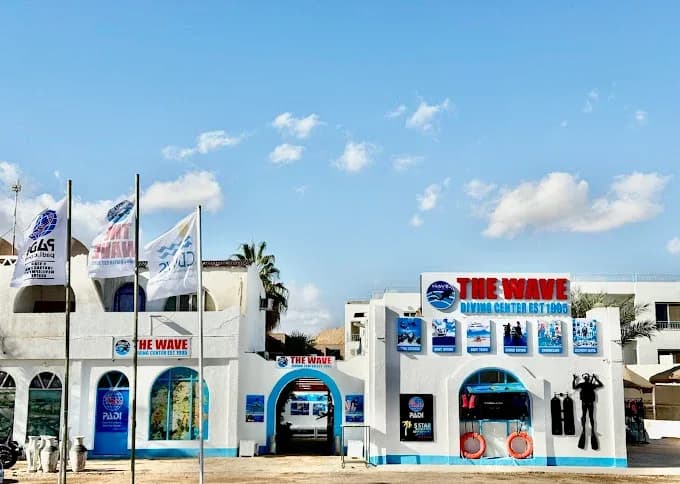

The Wave Diving Center
★ 4.9/5 (1,338 reviews)
14 km away as the crow flies
Sharm El Sheikh · Egypt · Red Sea
Max. depth · 40 mEel Garden offers a unique dive experience centered around vast colonies of swaying garden eels and a vibrant reef that transitions from sandy slopes to deep walls.
For subtitles in English: start the video firstthen click the gearat the top right of the video, select “Subtitles/CC”, then “Auto-translate” and choose “English”.
Eel Garden is a unique dive site, conveniently located a short boat ride from Shark Observatory and Jackfish Alley, with entry directly from a small beach. Divers begin with a gentle descent into a shallow sandy lagoon, which transitions smoothly to a sandy plateau situated at approximately 12 meters. This welcoming entry point allows for an unhurried start to the dive, setting the stage for the distinctive features that lie ahead.
The sandy plain continues its gentle slope downwards, leading to the site's most iconic feature: hundreds of garden eels, specifically Gorgasia sillneri. These fascinating creatures emerge from their burrows, swaying rhythmically from the sandy bottom to create a mesmerizing living carpet. They are highly sensitive to movement and sound, retracting timidly into their burrows upon approach, only to reappear shortly after, making patient observation key to witnessing their synchronized behavior.
To fully appreciate the garden eels, which can stretch nearly a meter to feed in the current, divers must maintain a slow, controlled swim and a careful distance. This approach allows for extended observation of their graceful movements, as the soft light filters through the water, illuminating the expansive sandy areas. The experience is about settling in and letting the marine life adapt to your presence, rather than actively pursuing it, requiring good buoyancy control to avoid disturbing them or kicking up sand.
The sandy slope eventually gives way to the main drop-off, a wall that plunges deeper, reaching beyond 35 meters. The deepest point of the site extends to 40 meters within a canyon and an arch, marking a significant change in the underwater landscape. This transition moves from the open, sandy habitat of the eels to a more vertical, reef-like structure, offering a different type of exploration for those qualified to descend further.
These deeper areas, particularly during the summer months, are subject to stronger Red Sea currents and can reveal pelagic species such as trevally, grey sharks, and whitetip sharks. Marine turtles are also sometimes spotted navigating along the reef, taking advantage of these currents. The overall topography of Eel Garden, with its distinct sandy slope evolving into a deeper wall, defines a dive profile that contrasts with many other Red Sea sites.
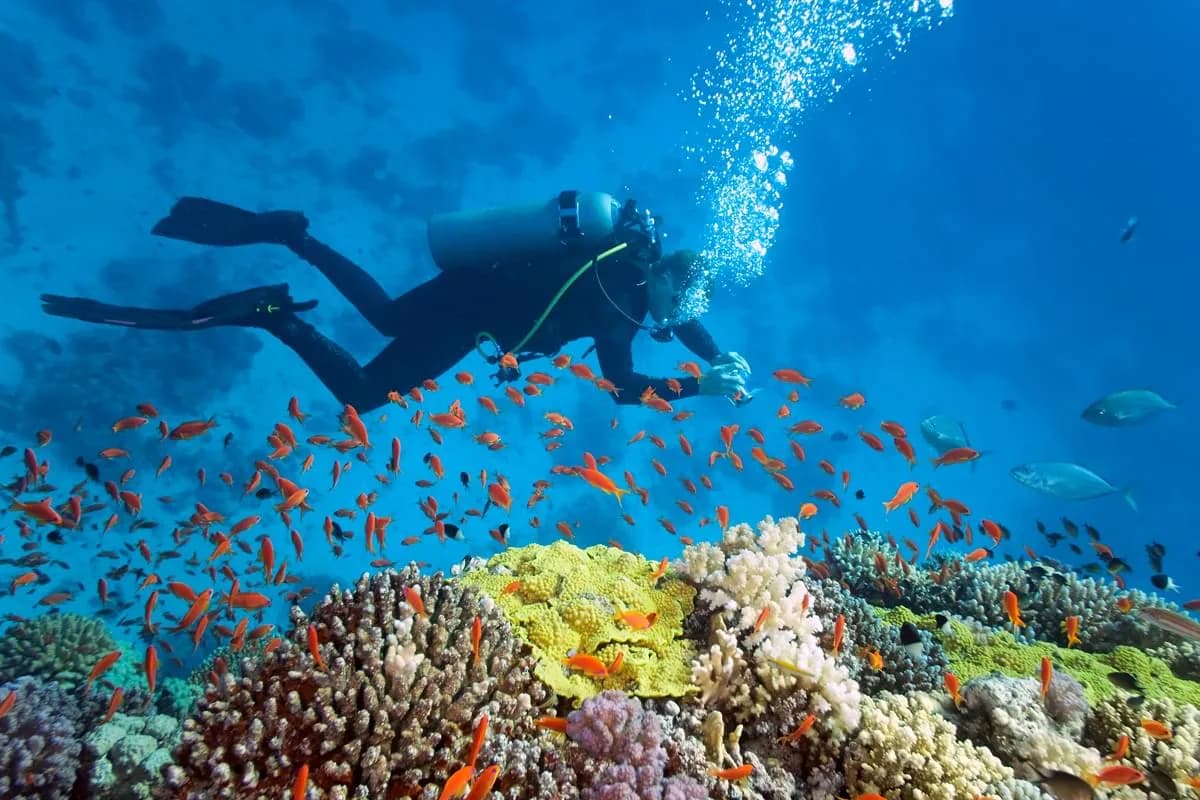
Beyond the vast colonies of garden eels, the reef flourishes as a vibrant ecosystem. The transition from the sandy plain to a rich coral environment is striking, with dense formations of hard and soft corals forming colorful gardens. This area, especially lively during the day, harbors a diverse array of marine life, including cleverly camouflaged lionfish and well-hidden scorpionfish among the corals.
Giant moray eels lurk in crevices, while octopuses ingeniously blend into their surroundings by changing texture and color. Butterflyfish, angelfish, and shimmering anthias are common sights, and divers can also look for pipefish and nudibranchs on the reef structures. The occasional blue-spotted stingray gracefully glides over sandy areas, and pufferfish and boxfish can be observed within the coral gardens, with the Spanish dancer potentially spotted during night dives.
Early morning or late afternoon dives are recommended for optimal light and increased observation of fish feeding activity. The Red Sea currents, sometimes intense, sculpt the underwater landscape and influence the movements of marine life, contributing to the vitality of these ecosystems. This makes Eel Garden a quieter, more focused dive experience dedicated to its unique resident population, offering a calm yet engaging encounter.
This site is accessible to Open Water certified divers, with a minimum depth of 12 meters and the main drop-off extending to 35 meters, reaching a maximum depth of 40 meters in the canyon and arch areas. While Open Water divers can enjoy the shallower parts, potentially strong currents in deeper sections necessitate an Advanced Open Water certification for greater ease and expertise in exploring the deeper zones. Surface conditions can be challenging with strong winds, so always consult your guide. Visibility is consistently excellent.
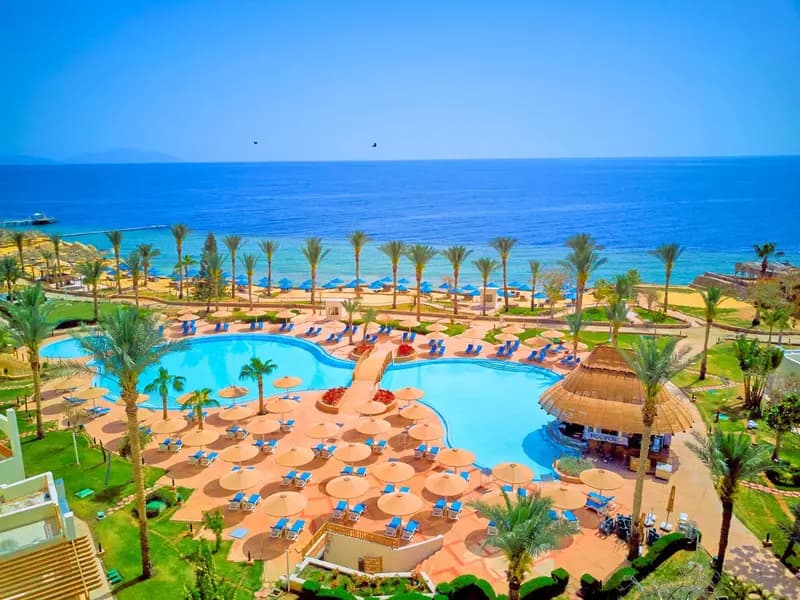
★★★★★
★ 9.3/10 (7,068 reviews)
15 km away as the crow flies
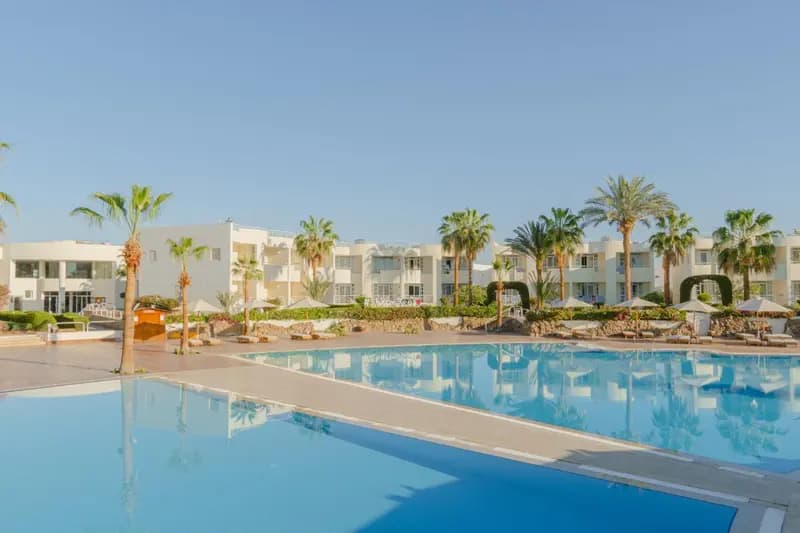
★★★★
★ 8.9/10 (1,341 reviews)
15 km away as the crow flies
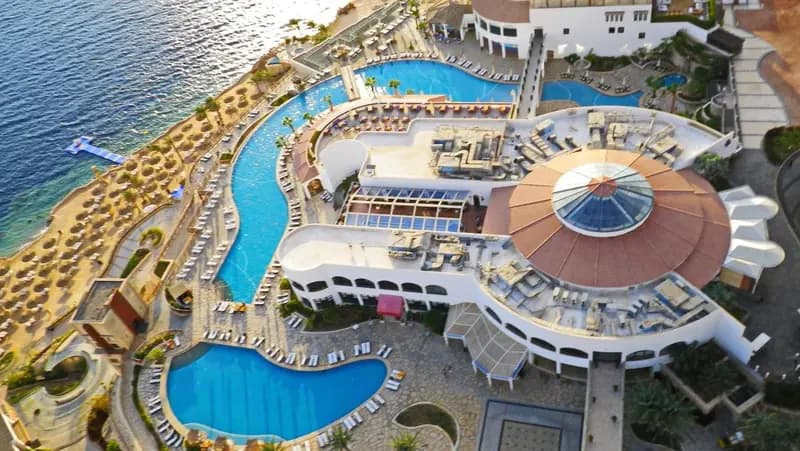
★★★★★
★ 9.1/10 (2,260 reviews)
23 km away as the crow flies
★★★★★
★ 9.3/10 (5,468 reviews)
29 km away as the crow flies
12 liveaboards depart from Sharm El Sheikh another way to explore the region, over several days at sea.

Departing from Sharm El Sheikh Marina
★ 9.3/10 (308 reviews)
from 130 €/day
Discover this boat →
Departing from Sharm El Sheikh Marina
★ 9.2/10 (70 reviews)
from 115 €/day
Discover this boat →

Departing from Sharm El Sheikh Marina
★ 9.1/10 (48 reviews)
from 154 €/day
Discover this boat →
Departing from Sharm El Sheikh Marina
★ 9.1/10 (36 reviews)
from 146 €/day
Discover this boat →