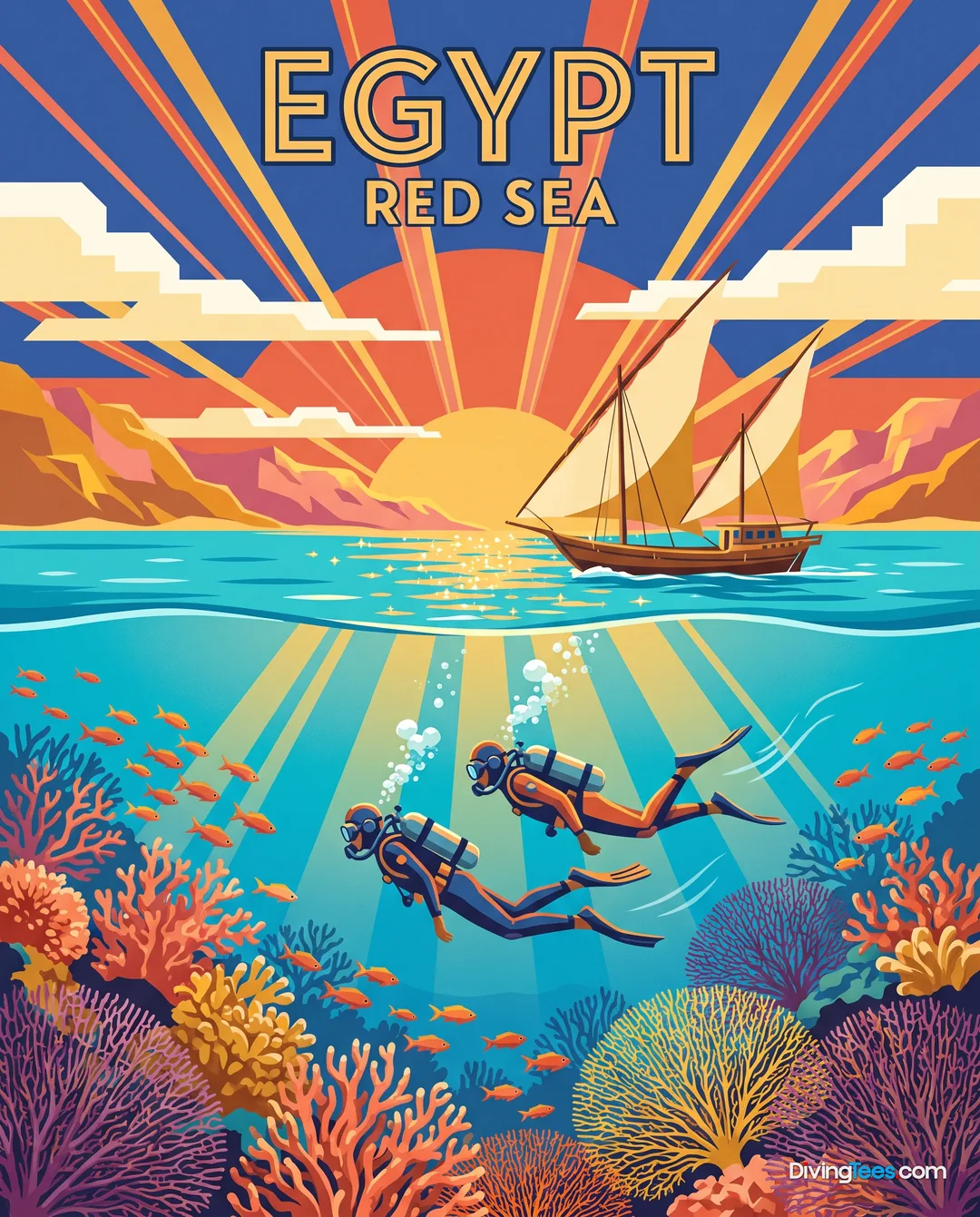
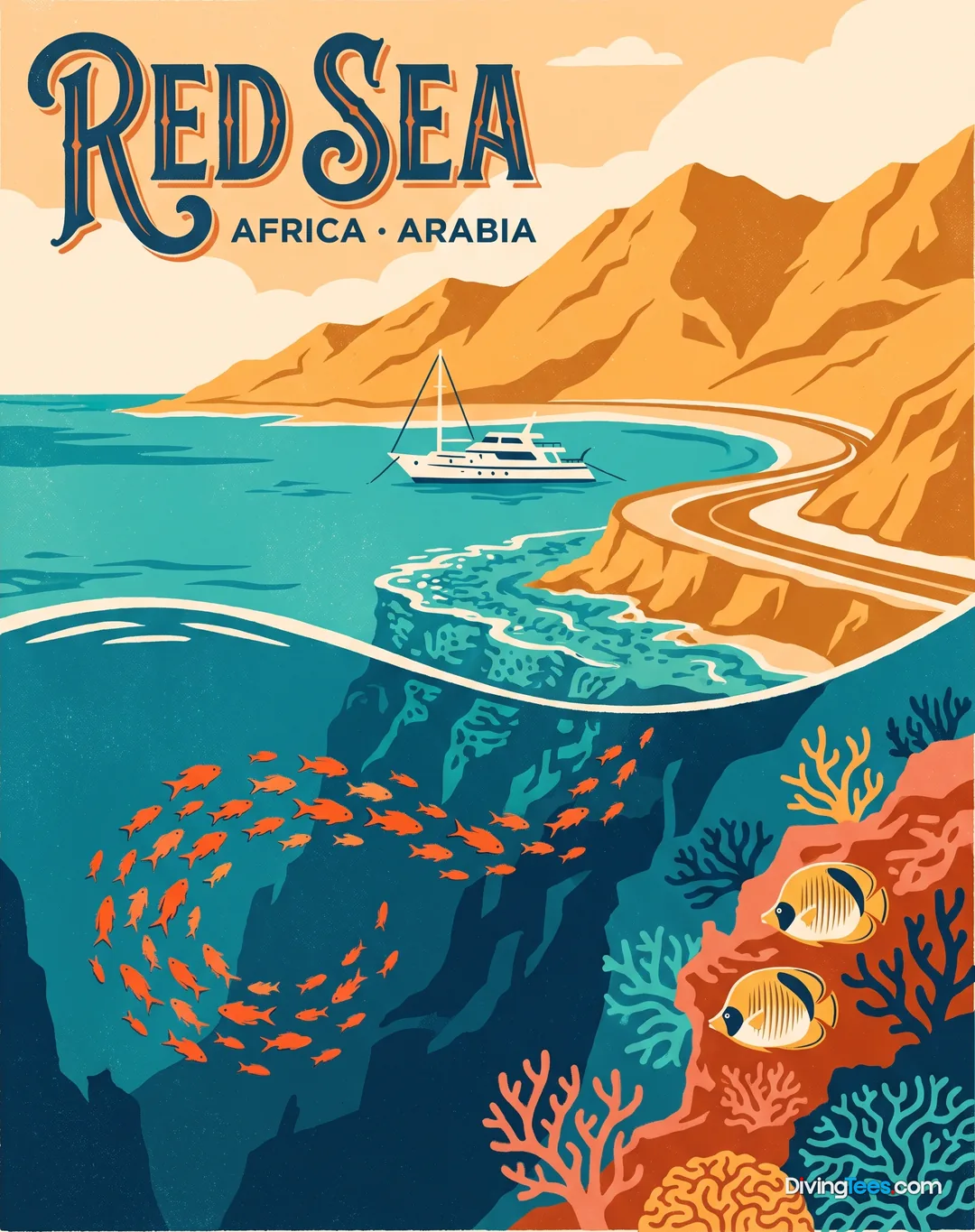
Liveaboards · Egypt
All Star Scuba Scene — a purpose-built Red Sea dive boat for serious weeks underwater
Deal on this boat
Per person
£1,716$2,293€2,049 £1,253$1,674€1,496
Discount calculated by us, against the boat's usual price for a trip of the same length.
See all discounted dates ↓What makes this boat unique
- Built and renovated in 2023, the All Star Scuba Scene is designed specifically for diving and carries up to four dives a day, including night dives.
- The shaded dive deck has personal gear stations, camera facilities, rinse tanks, hot showers and a platform served by three diver tenders.
- Its Red Sea itineraries include Brothers, Daedalus, Elphinstone, the northern reefs and Tiran, with every recorded trip lasting 8 days and 7 nights.
- Nitrox, technical diving, rebreathers and sidemount are supported, while the crew speaks English and German.
For subtitles in English: start the video firstthen click the gearat the top right of the video, select “Subtitles/CC”, then “Auto-translate” and choose “English”.
The invitation
The All Star Scuba Scene is for the diver who wants the Red Sea to stay at the centre of the trip. It is a new, purpose-built vessel rather than a boat adapted around diving, with the deck, tenders and onboard systems arranged for long days in the water. That matters on a route built around Brothers, Daedalus and Elphinstone, where the reason to come is not simply warm water and coral but walls, current and the possibility of pelagic sharks. Northern and Tiran itineraries add a different profile, with reef gardens, pinnacles and wreck remains. The boat suits divers who want up to four dives a day, a serious range of diving styles and enough space to recover between them. The pool, jacuzzi and upper decks are useful; they are not the point. The point is getting back in for the next dive.
Boarding
The first impression is of a large, recently built liveaboard arranged around its working purpose. The dive operation is not hidden away: the platform, shaded deck, gear stations and tenders form the practical heart of the boat. Inside, the atmosphere shifts to air-conditioned lounges, a dining room and a bar, while the upper areas open onto a terrace and observation deck. Movement between cabin, meal and dive station is straightforward, which is exactly what helps after several dives in one day. The boat carries enough technical and photographic equipment to accommodate more than a basic holiday setup, without turning the rest of the vessel into a workshop. It feels made for divers who want an organised base in the Red Sea, then a comfortable place to eat, dry off and talk through the dive.
The atmosphere on board
The atmosphere is shaped by a close crew-to-passenger ratio and by the fact that the crew handles the small transitions that can otherwise wear a diver down: moving equipment, preparing the platform and keeping the boat running between dives. English and German are spoken. The shared spaces are built for the usual liveaboard exchange—meals, camera work, dive stories and the quiet sorting-out of the day after the night dive. With 28 passengers at full capacity, this is not an intimate six-diver expedition boat, but the working layout keeps the group connected to the dive operation rather than scattered through a hotel-like vessel. The crew's role is felt most clearly when the day is busy: the boat lets divers concentrate on the water, then gives them a cool lounge, a bar or the open deck when the talking starts.
The sites you’ll dive
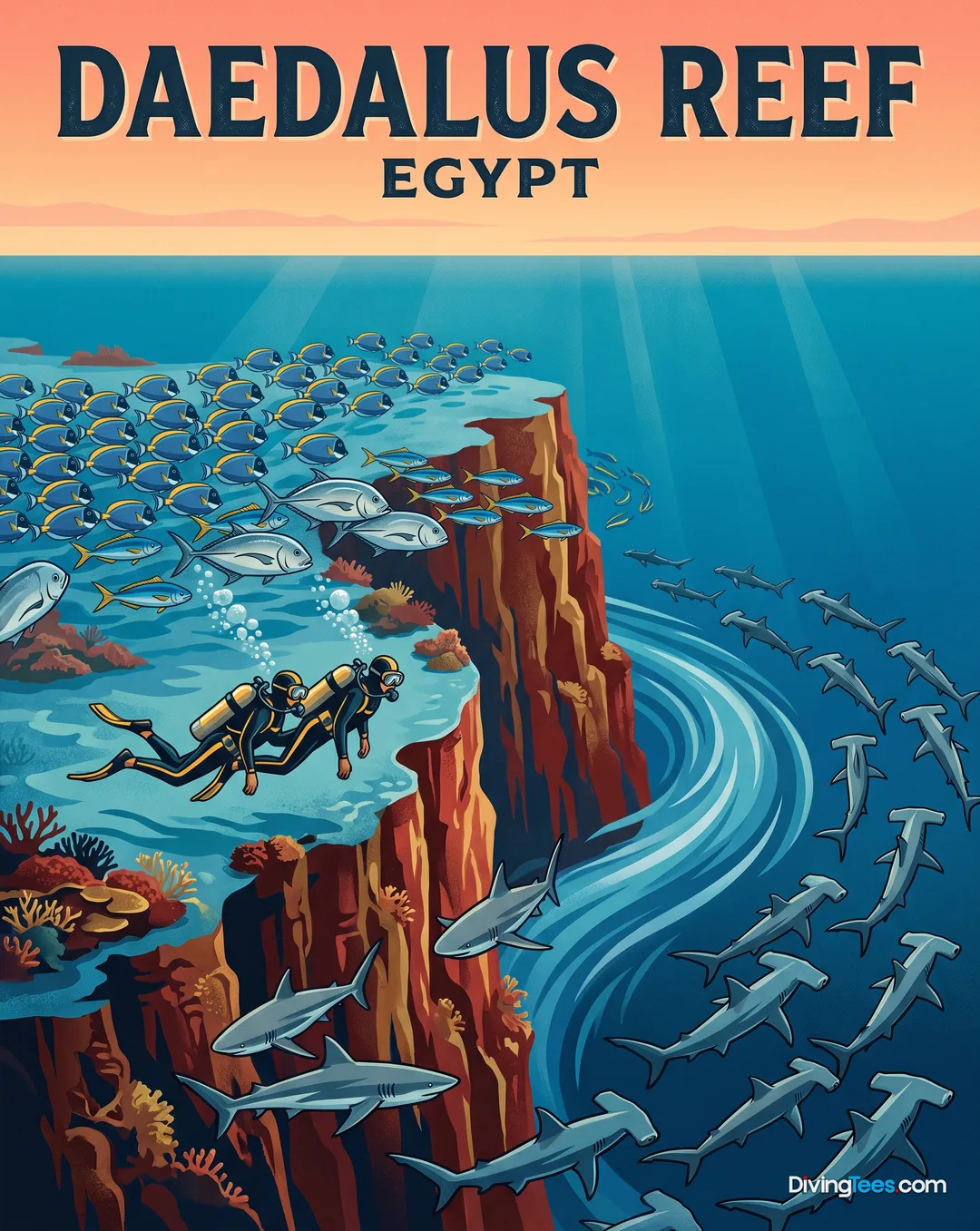
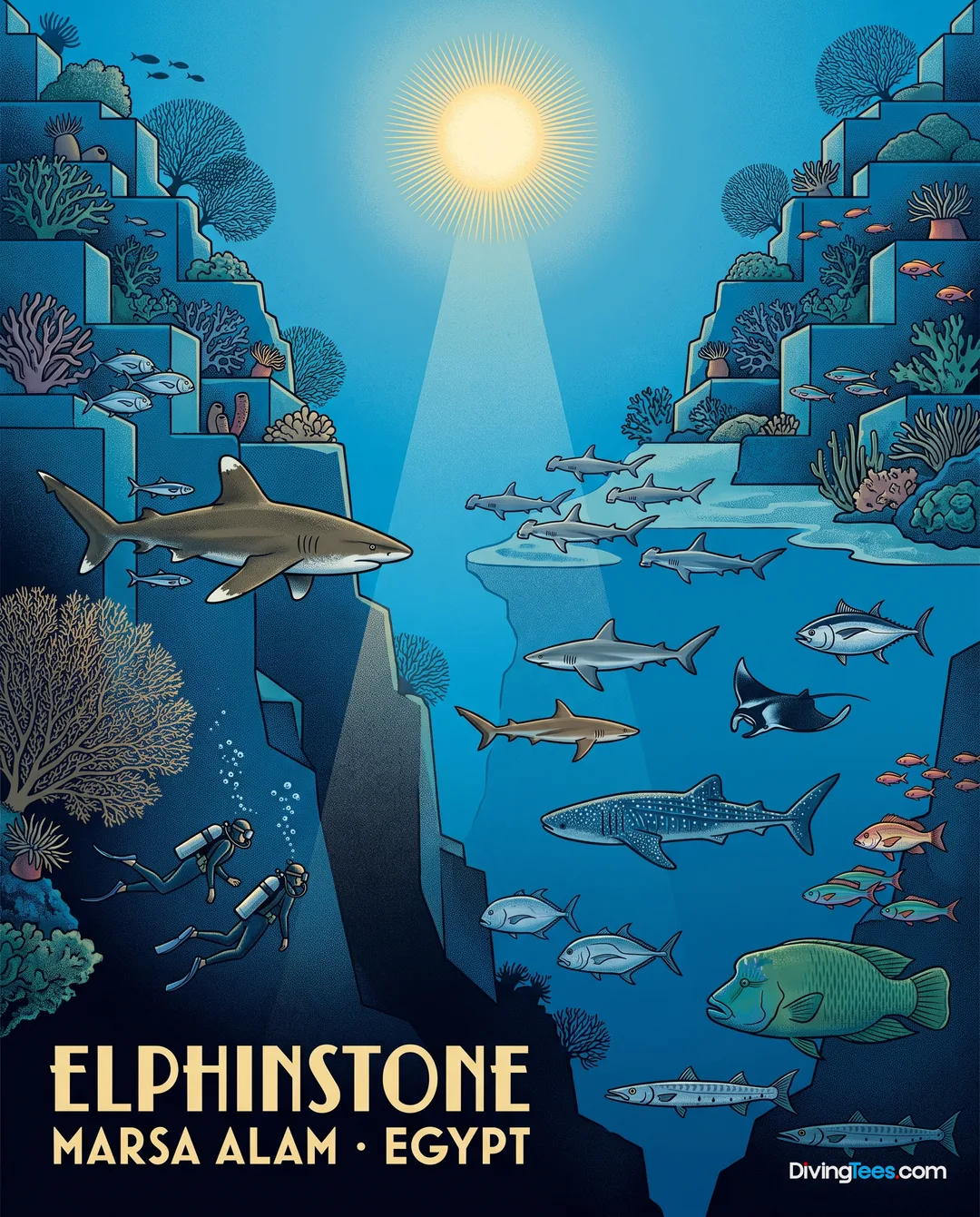
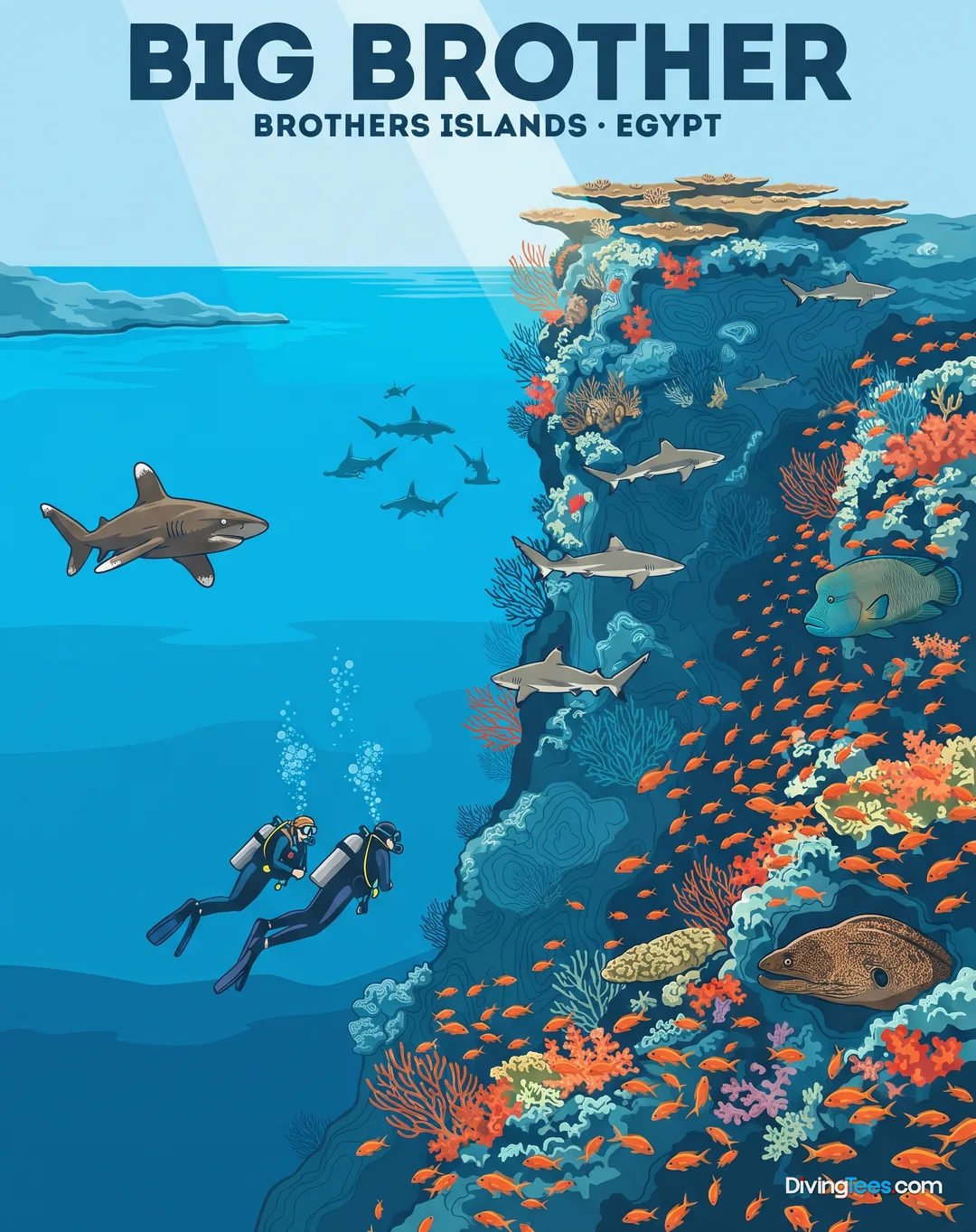
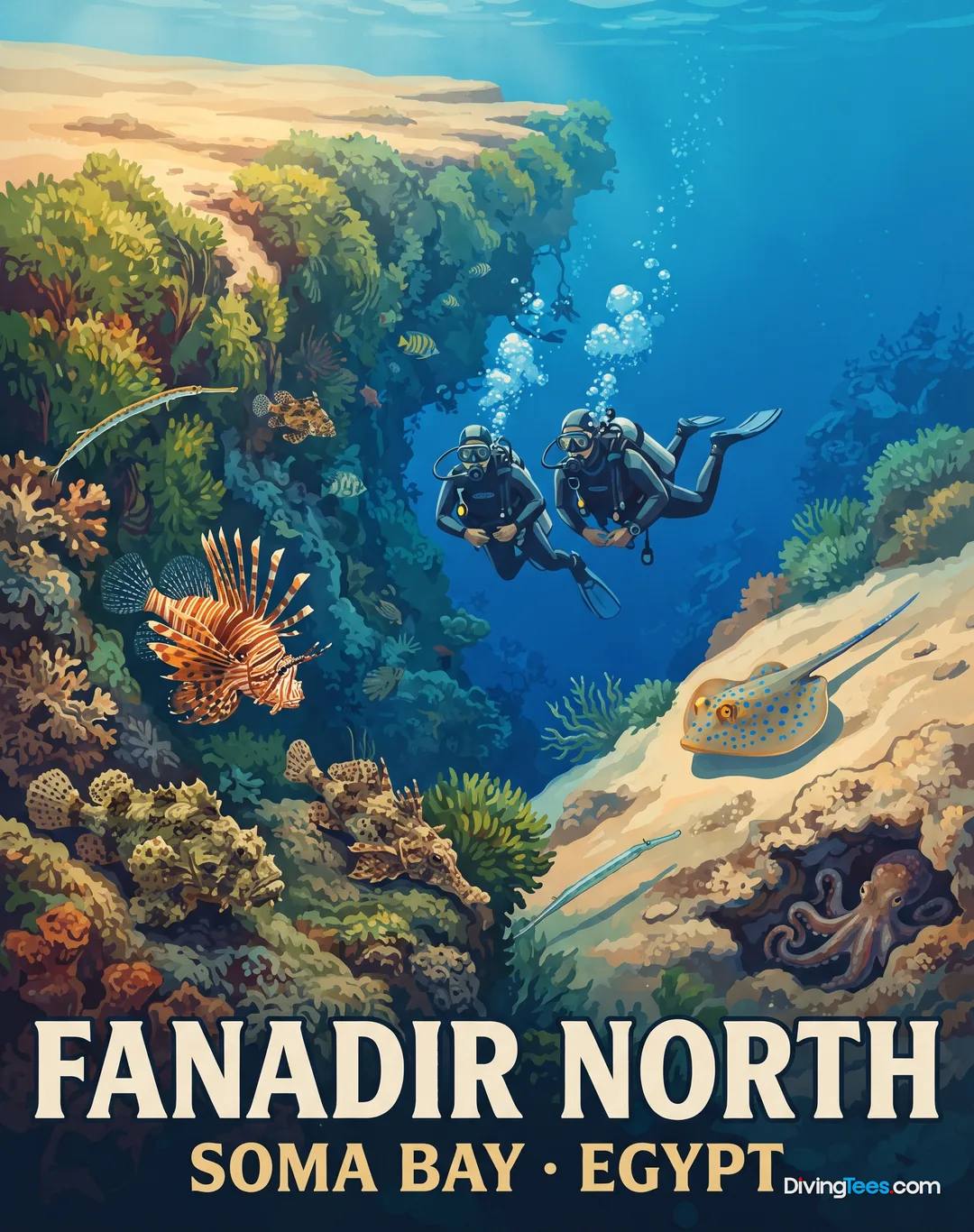
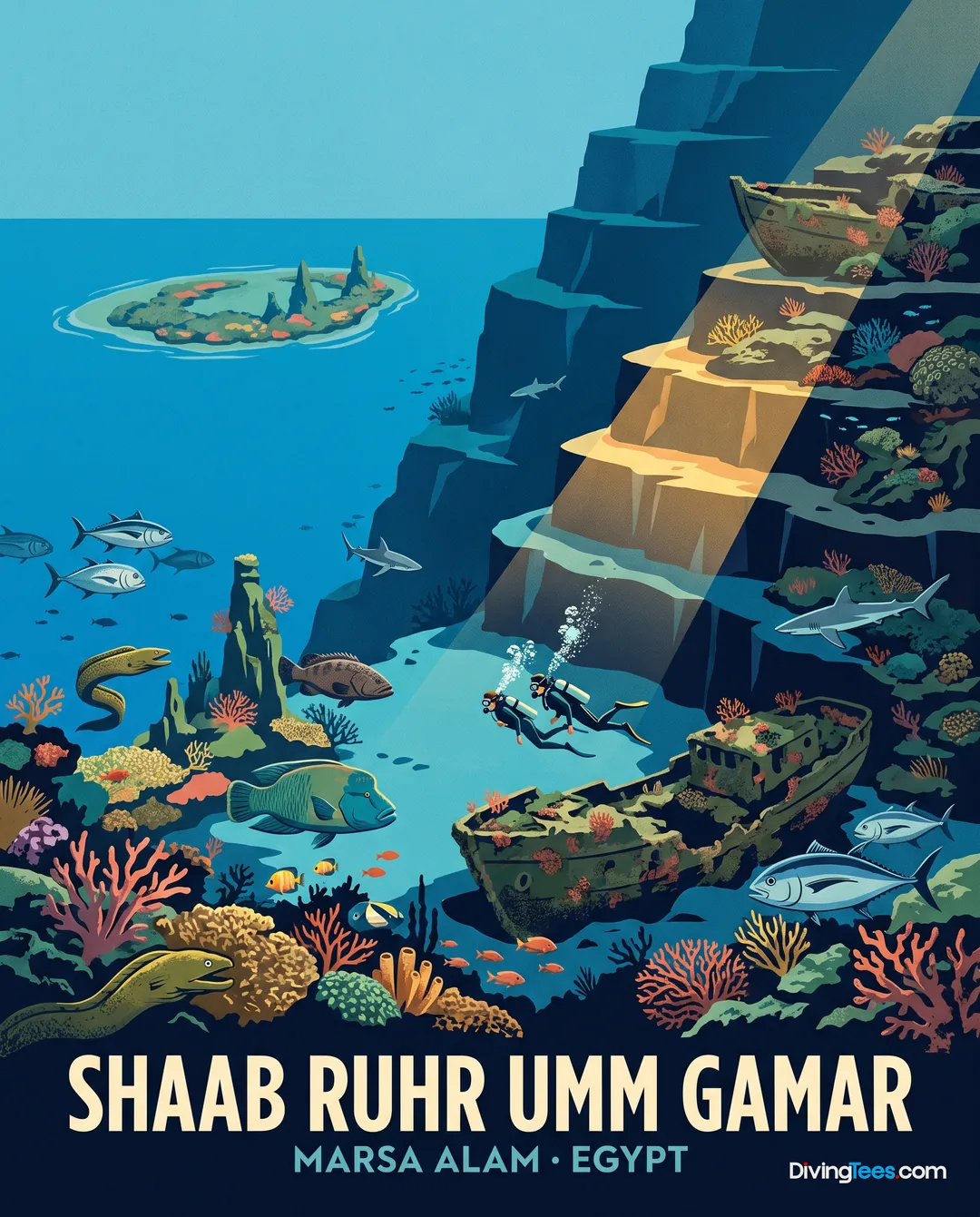
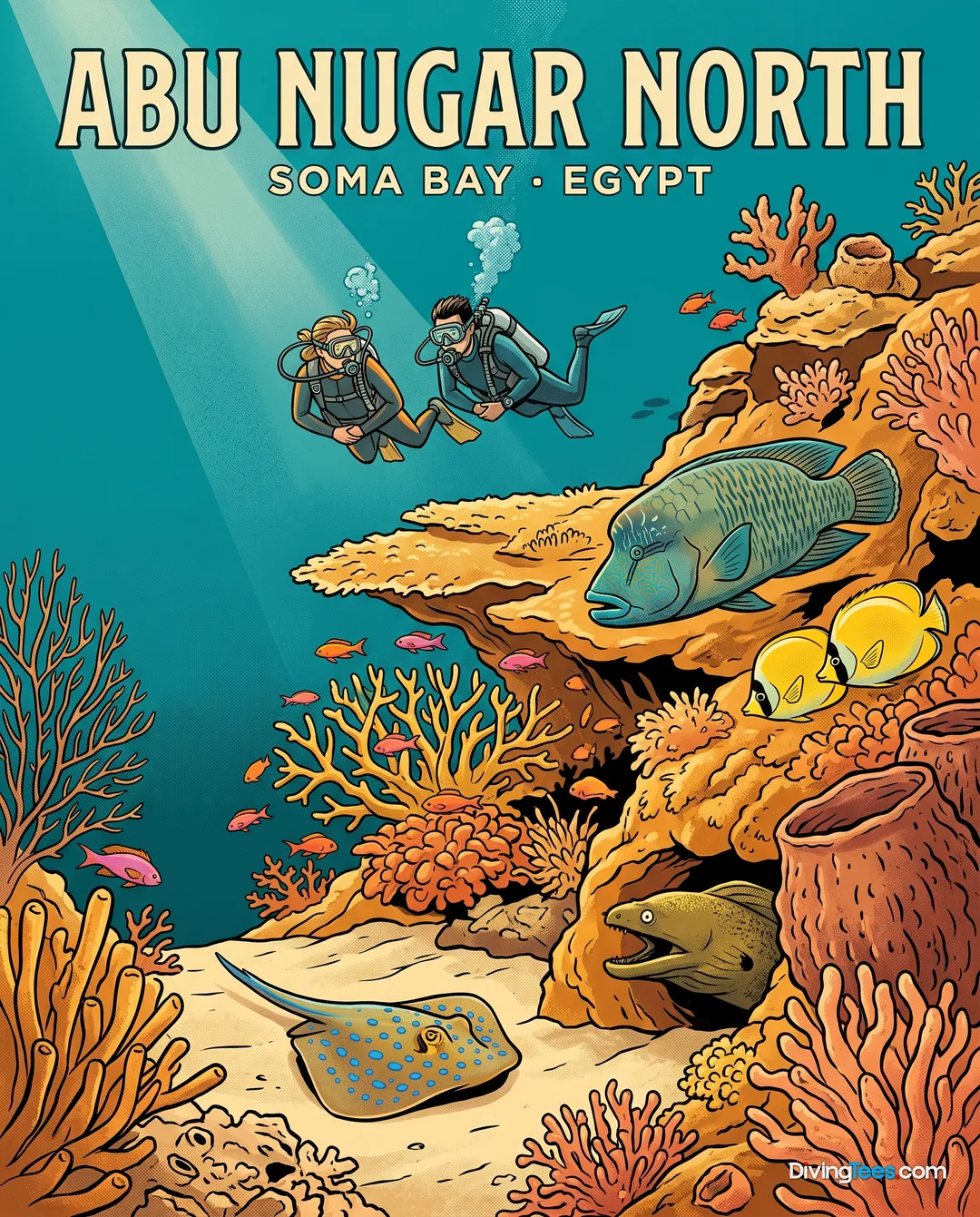
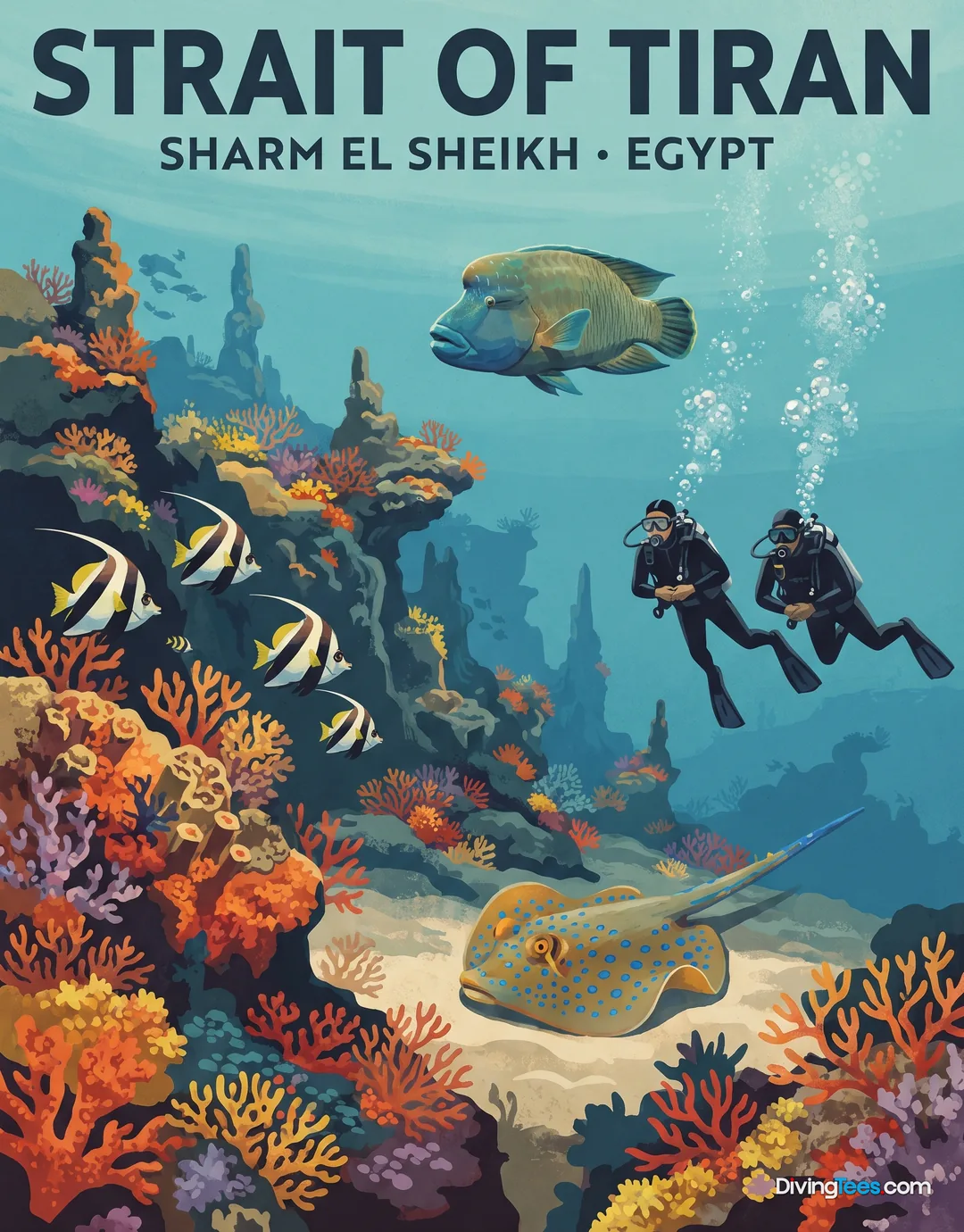
The strongest route is the Brothers, Daedalus and Elphinstone circuit, an 8-day, 7-night voyage from Hurghada to Hurghada. Elphinstone reaches -60m, with steep walls and the chance of oceanic whitetips, hammerheads, grey and silky sharks, mantas and whale sharks. The Brothers are more remote and drop to -85m: isolated oceanic reefs, hard and soft corals, gorgonians and pelagic encounters, including the possibility of grey, hammerhead, silvertip and whitetip reef sharks. Big Brother adds dramatic walls, current and two iconic wrecks, down to -40m. Daedalus reaches -40m around a remote pinnacle known for pelagics, including hammerheads, threshers, silky sharks and mantas. North itineraries include Fanadir North, a wall to -30m; Shaab Ruhr Umm Gamar, where an oval reef gives way to pinnacles and at least three wreck remains, to -40m; and shallow coral gardens such as Gotha Abu Nugar North at -9m. North & Tiran trips add reefs in the Strait of Tiran to -40m, while North & Brothers combines northern reefs with the Brothers.
Itineraries, dates and prices
Prices per person. Each month shows its lowest price: click a month, or pick an itinerary.
Next departures · 78 departuresfrom £1,211$1,619€1,446
November 2026
December 2026
Green dot: a discounted departure that month. Discount calculated by us, against the boat's usual price for a trip of the same length.
See dates and prices
If you click these links and make a purchase on the partner site, DivingDeal may earn a commission, at no extra cost to you.
Dates and prices taken from Divebooker and liveaboard.com, updated 25 October 2026
What you’ll meet underwater
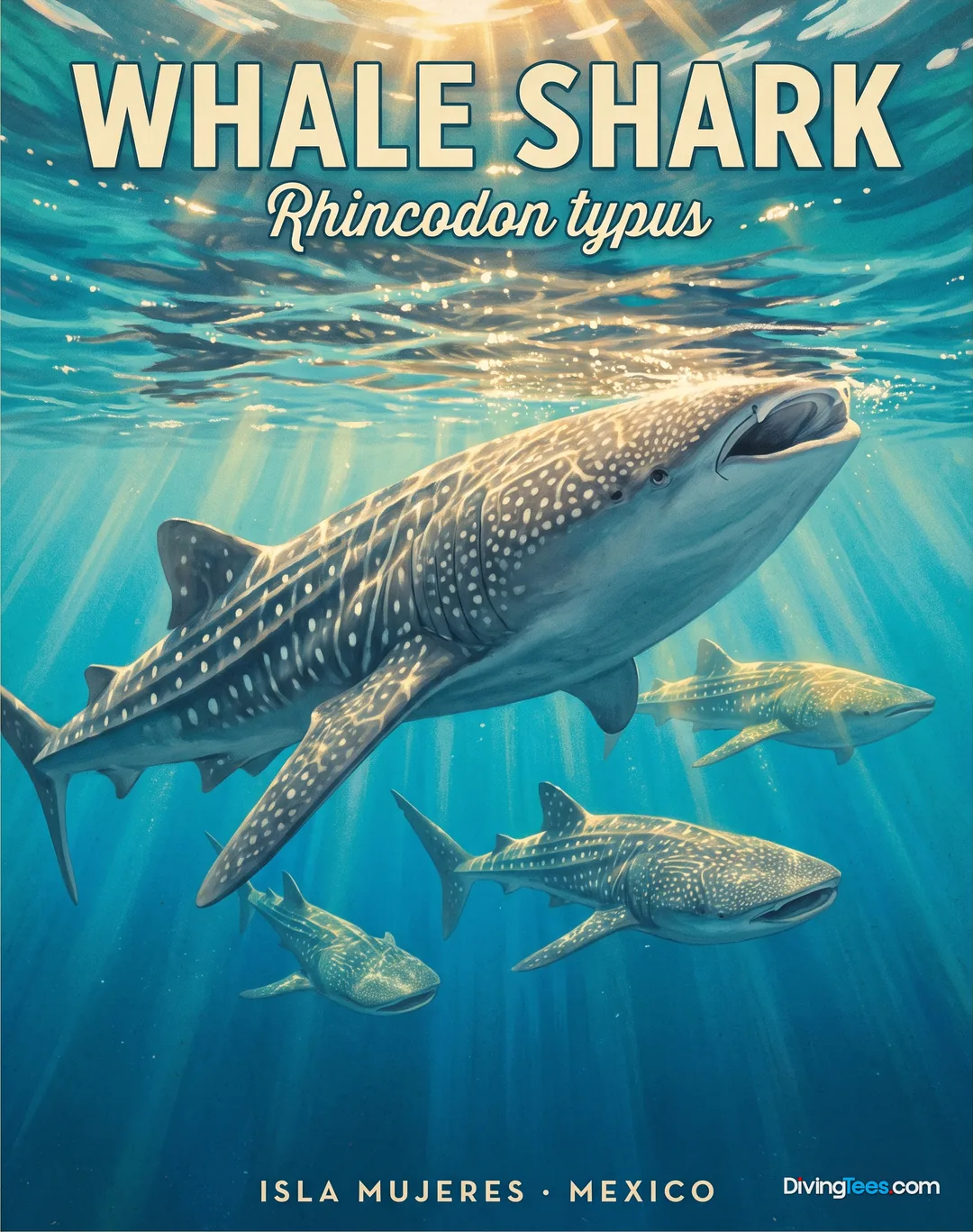
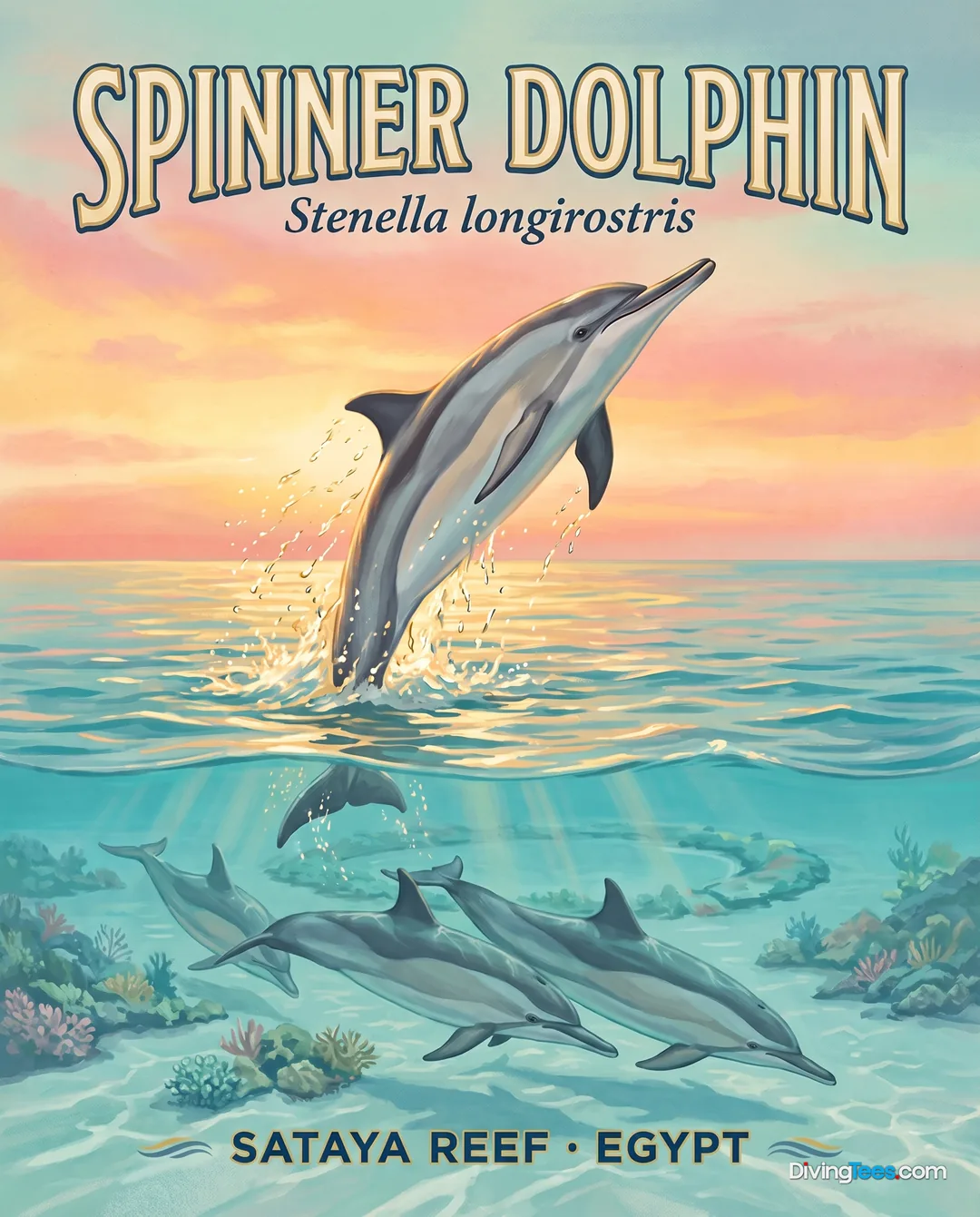
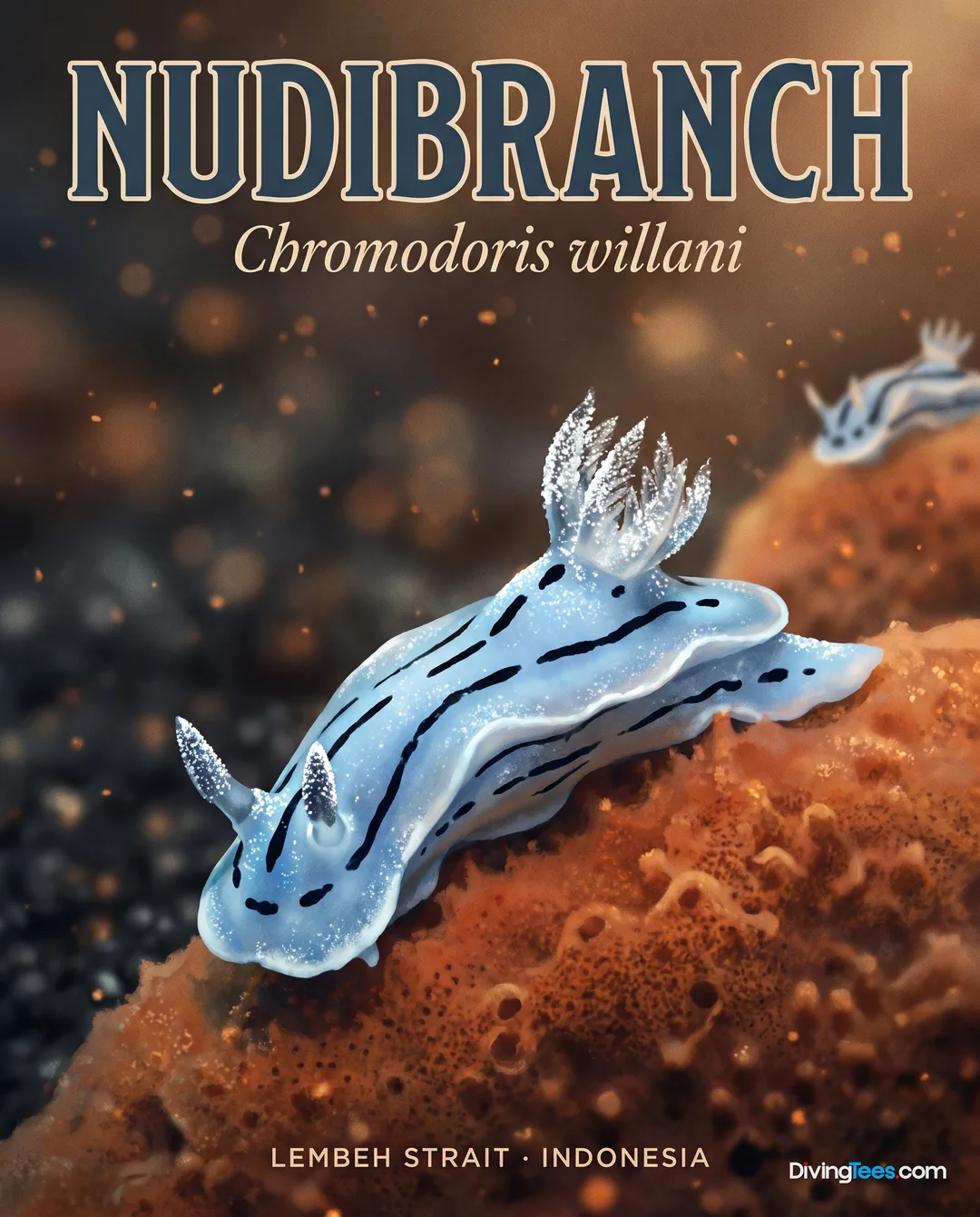
Turtles, anthias, carangids, reef sharks, grey reef sharks, barracuda, tuna, morays, soft and hard corals are the recurring cast across this route, with dolphins recorded at several Hurghada sites. The larger encounters depend on the site and conditions: currents and exposed walls at the Brothers, Daedalus and Elphinstone are where hammerheads, grey sharks, silvertips, oceanic whitetips and mantas may appear. Some animals give a different reason to slow down. El Fanadir has a cleaning station, while Shaab Sabina is a shallow coral labyrinth filled with reef fish. El Fanous West and El Fanous East are protected shallow reefs where dolphins, turtles and rays may pass. The site-specific records are what keep the route from becoming one long shark list: giant grouper at Shaab Ruhr Umm Gamar, white-tip reef sharks and anemones at the Brothers, blacktip reef sharks and gorgonians at Elphinstone, giant-eye trevally at Daedalus, and spinner dolphins, nudibranchs and glassfish at Shaab El Erg.
Who puts you in the water
The dive crew speaks English and German, with a crew-to-passenger ratio close to one member per passenger. The operation supports guided Red Sea diving, technical diving and rebreather work, with naturalist guiding included on the listed trips. Advanced Open Water or equivalent certification is required, and marine-park diving requires at least 30 logged dives. Subject to instructor availability, Open Water, Advanced Open Water, Nitrox, Deep Diver, Night Diver and Naturalist courses, along with checkout dives, can be completed on board. Safety equipment includes oxygen, first-aid kits, fire equipment, radios, GPS, radar, sonar and emergency beacons.
The dive deck and the gear
The shaded dive deck is organised around personal gear stations, with a camera table, air blower and separate rinse tanks for equipment and cameras. Hot showers are available on deck, so divers can rinse off after a tender ride before heading inside. Three tenders serve the platform, giving the operation flexibility when groups move to and from the sites. DIN adapters are available. The boat supports recreational, technical, rebreather and sidemount diving. Nitrox is available as an extra, and rental equipment can be arranged.
Between dives
Between dives, the shaded dive deck is the natural place to sit, especially when gear is already set at the station and the next tender departure is being prepared. The terrace, observation deck and upper outdoor areas give the boat several ways to find sun or shade, while the air-conditioned lounge offers a cooler retreat for reading, downloading photos or simply getting out of the heat. There is also a pool and jacuzzi on board, plus a separate space for underwater photography. Those choices make the surface interval useful without forcing it to become entertainment. A diver can shower, check a camera, eat something, sleep for a while or watch the water from above. Wi-Fi is available in port; offshore, the better connection is usually the one made around the dive table.
A day on board
The day is built around the next dive. It starts with a briefing, equipment checks and the first entry into the water, then moves through further daytime dives with meals and snacks filling the surface intervals. On the busiest programmes, the boat offers up to four dives in a day, including a night dive when the itinerary allows. The shaded deck becomes the place to dry off, check a camera and wait for the next tender; the lounge and cabins are there when sleep is the better choice. Between sites, the boat is underway, and the meal table becomes the point where the day's walls, sharks, current and small reef life are compared. After the final dive, dinner and the evening briefing close the cycle. Then the boat settles into the night and the diver starts again.
What you eat aboard
Food is one of the boat's strongest points. Meals combine Western and local cooking, with buffet service and à la carte options, while snacks remain available through the day for divers working through a four-dive programme. The kitchen also handles vegan and vegetarian diets. Non-alcoholic drinks, water, tea and coffee are included; beer and wine are available separately. The dining setup includes outdoor meals, so the table can move from the air-conditioned dining room to the open air when conditions allow. That variety matters more than it sounds. A liveaboard meal is not a restaurant visit between dives: it has to arrive without slowing the day, offer enough choice for different appetites and leave a diver ready to get wet again. Here, the combination of substantial meals, local flavours and all-day snacks serves that rhythm well.
Nights at sea
The cabins are on the main deck and have air conditioning, private bathrooms and standard windows; sea views are available from the cabins. Suite Cabins provide the more spacious option, while Single Cabins 7 and 8 let solo travellers avoid sharing a room. The useful detail is not decoration but recovery: a private bathroom, hot water and a cool room after a demanding wall dive or a long tender ride. The interior lounge is air-conditioned, and the boat also has an outdoor terrace and observation deck when the light is better outside. Cabins are non-smoking, and daily housekeeping, cabin towels and beach towels are included. These are practical diving quarters rather than theatrical suites, with the boat's real luxury found in returning from the platform, rinsing off under a hot shower and having somewhere private to sleep before the next briefing.
Suite Cabin
Single Cabin (7 & 8)
What to know before boarding
The All Star Scuba Scene departs from and returns to Hurghada. Boarding begins at 6:00pm, and disembarkation is after breakfast by 9:00am. Airport and hotel transfers to and from the vessel are included. Arriving in Hurghada the night before is the sensible choice, leaving room for delays before boarding.
Deck plan
- Year built
- 2023
- Year renovated
- 2023
- Length
- 48.5 m
- Beam
- 10.5 m
- Maximum number of passengers
- 28
- Number of cabins
- 14
- Number of bathrooms
- 17
- Engines
- 2 × Mantrac 1300 hp
- Cruising speed
- 10 knots
- Tenders
- 3
- Website
- allstarliveaboards.com ↗
Hello, I'm Marina, DivingDeal.com's AI assistant. I answer in detail about hotels, dive centres and liveaboards.
Thinking about the whole trip and the flights? Talk it over with Edith →
Marina is an AI. Some links are affiliate links: DivingDeal may earn a commission, at no extra cost to you. Bookings are made with the partner.