Liveaboards · Egypt
MV Sunlight — A seasoned Red Sea liveaboard built around serious diving
What makes this boat unique
- MV Sunlight is a wooden Red Sea liveaboard renovated in 2019, with space for 20 divers in 10 air-conditioned cabins.
- Three recorded routes range from North–Tiran to Brothers–Daedalus–Elphinstone and Daedalus–Fury Shoals, all running for 8 days and 7 nights.
- The shaded dive deck has DIN adapters, rinse tanks, a dive platform, two tenders and free nitrox.
- The crew scores higher than the boat itself, while the food and diving are among the strongest parts of the trip.
For subtitles in English: start the video firstthen click the gearat the top right of the video, select “Subtitles/CC”, then “Auto-translate” and choose “English”.
The invitation
MV Sunlight is for divers choosing the Red Sea for its sites rather than for a polished floating resort. The reason to step aboard is access: southern routes reach Brothers, Daedalus, Elphinstone and Fury Shoals, while the northern itinerary runs towards Tiran and the wreck country beyond. Three route choices make the boat useful for different ambitions, from pelagic walls and drift dives to coral gardens and shallower reefs. The yacht is a working dive platform with enough comfort for a week, not a luxury yacht pretending to be one. That distinction matters. The boat itself is rated below the crew, but the balance is clear: the vessel gives divers a practical base, while the people on board make the week run well. The strongest reasons to choose it are the route options, the diving logistics, the free nitrox and a crew that passengers consistently experience as present and helpful.
Boarding
At the dock, MV Sunlight presents as a substantial wooden safari yacht rather than a new-build catamaran. The hull has been in service since 1999 and was renovated in 2019, so its character comes from use and upkeep rather than showroom gloss. On board, movement is straightforward: cabins sit below, the saloon and open decks provide the social centre, and the dive deck keeps the equipment and water entry in one place. The teak decking suits a boat that spends its life carrying wet divers, tanks and tenders. It is not the quiet, minimalist feel of a luxury yacht; it is a practical Red Sea boat whose value becomes clearer once the first dive is being prepared. The accommodation and shared spaces are comfortable, but the crew is what lifts the experience above the hull itself.
The atmosphere on board
MV Sunlight develops the kind of liveaboard atmosphere that comes from a crew staying visible throughout the day. The deckhands help with the practical work, the steward keeps the service moving, and the guides and captain adjust the route to sea conditions and guest preferences when needed. Passengers describe a lively group atmosphere rather than a formal hotel service: meals become shared territory, dive stories carry into the saloon, and evenings can turn social without being forced. The crew’s score is notably higher than the boat’s, which says something useful. The hull has age and working-boat character; the people compensate with attention, energy and familiarity with the routine. By the end of a week, the memorable part is likely to be who handed over the camera, found the missing fin strap or made the next coffee—not the upholstery.
The sites you’ll dive
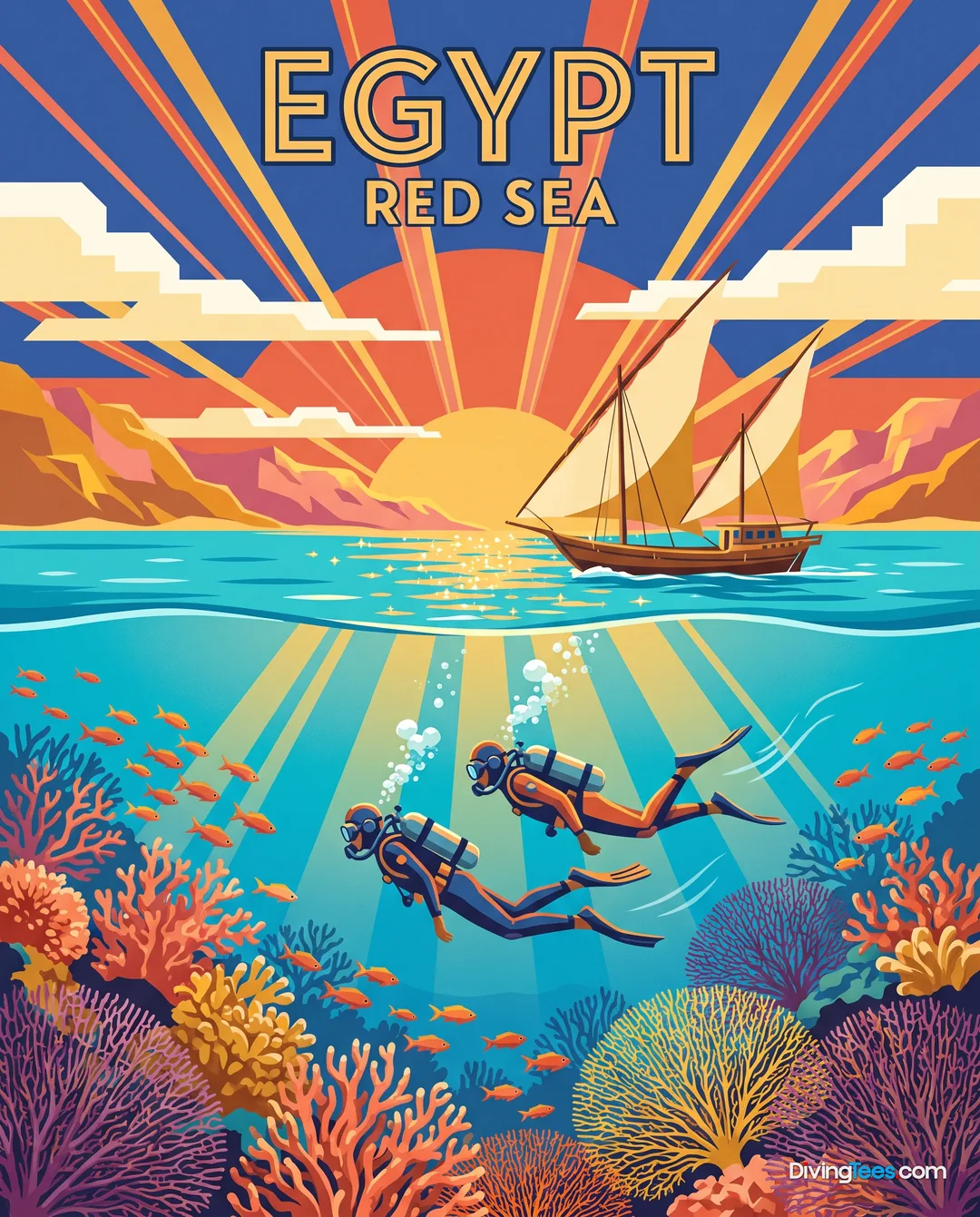
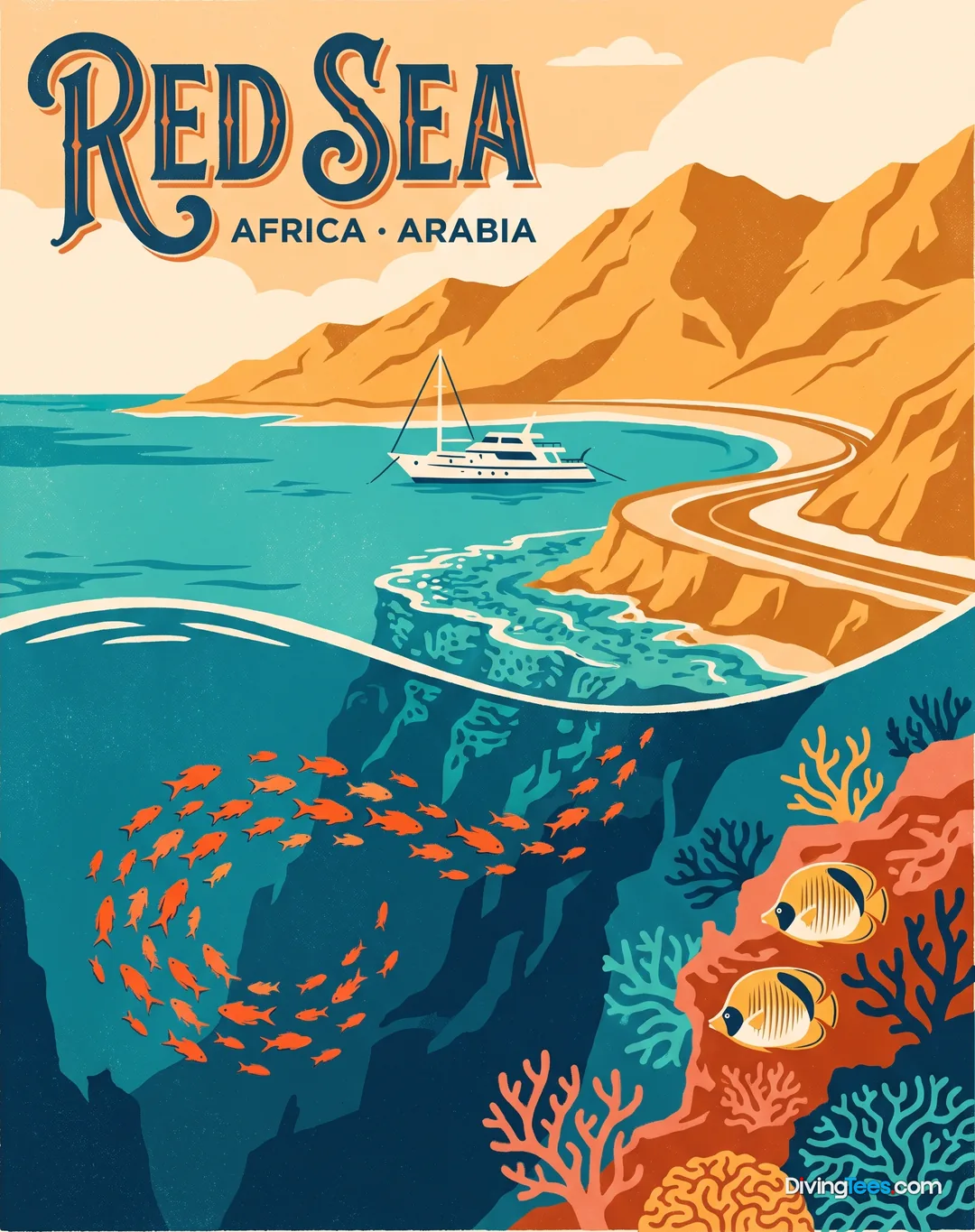
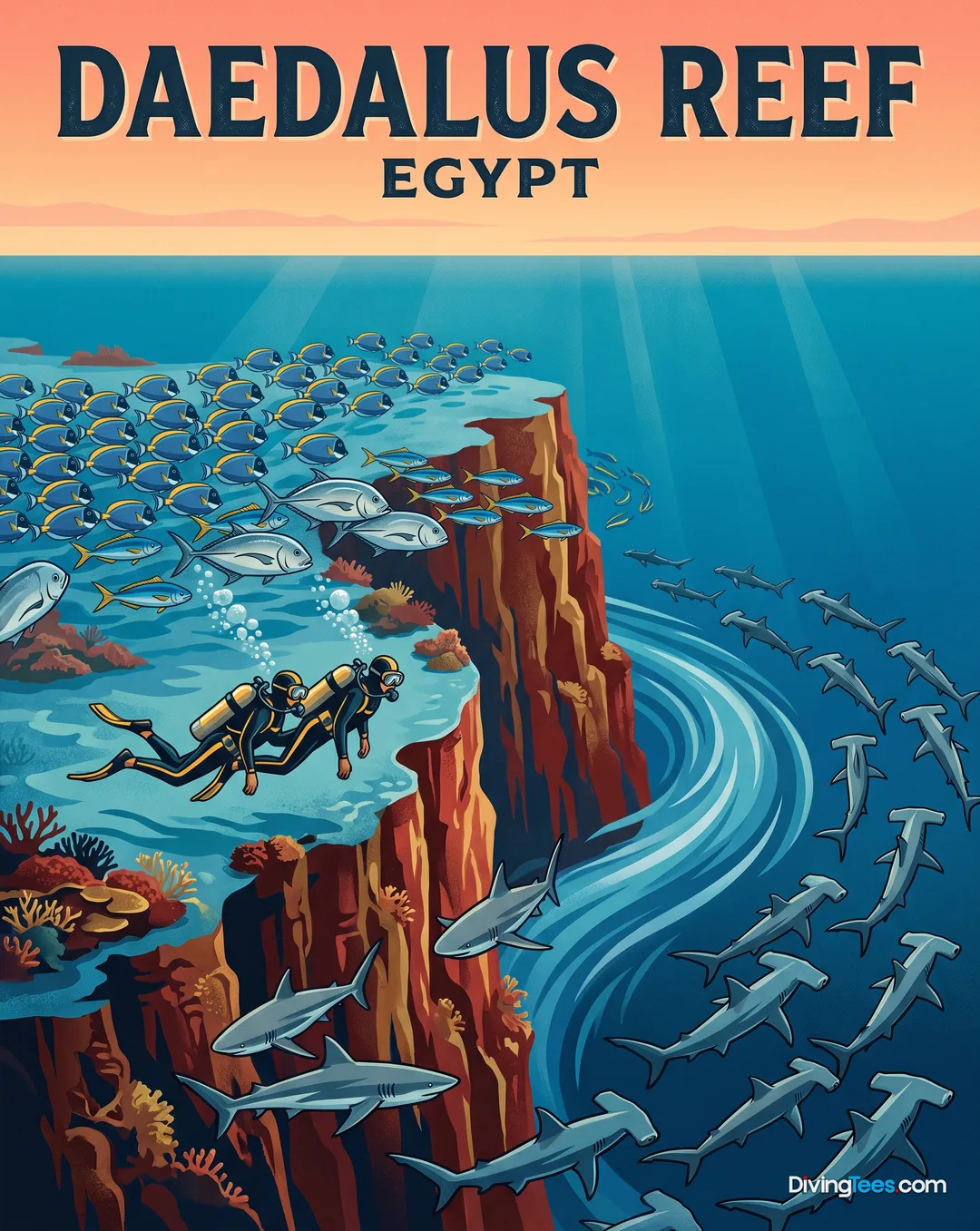
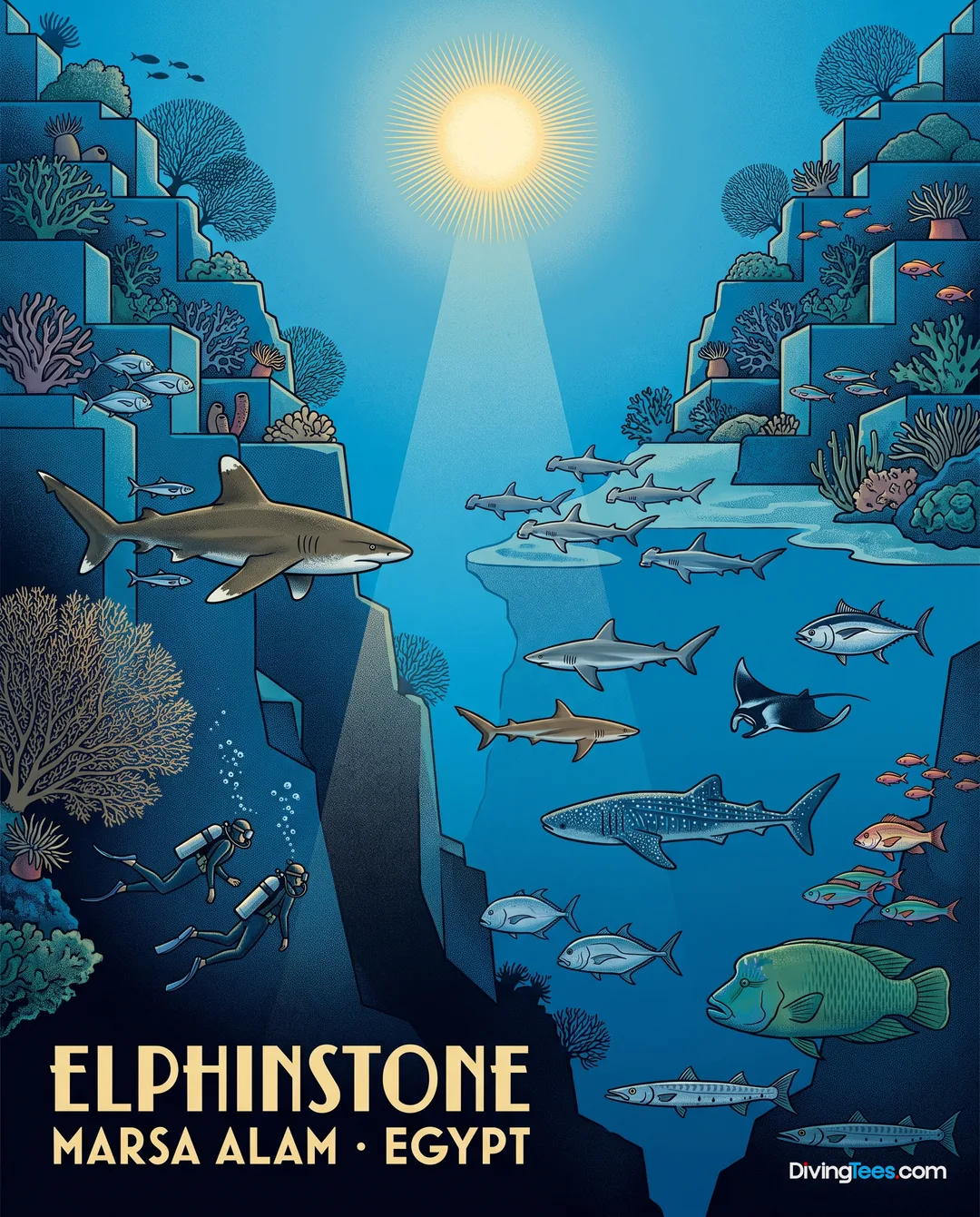
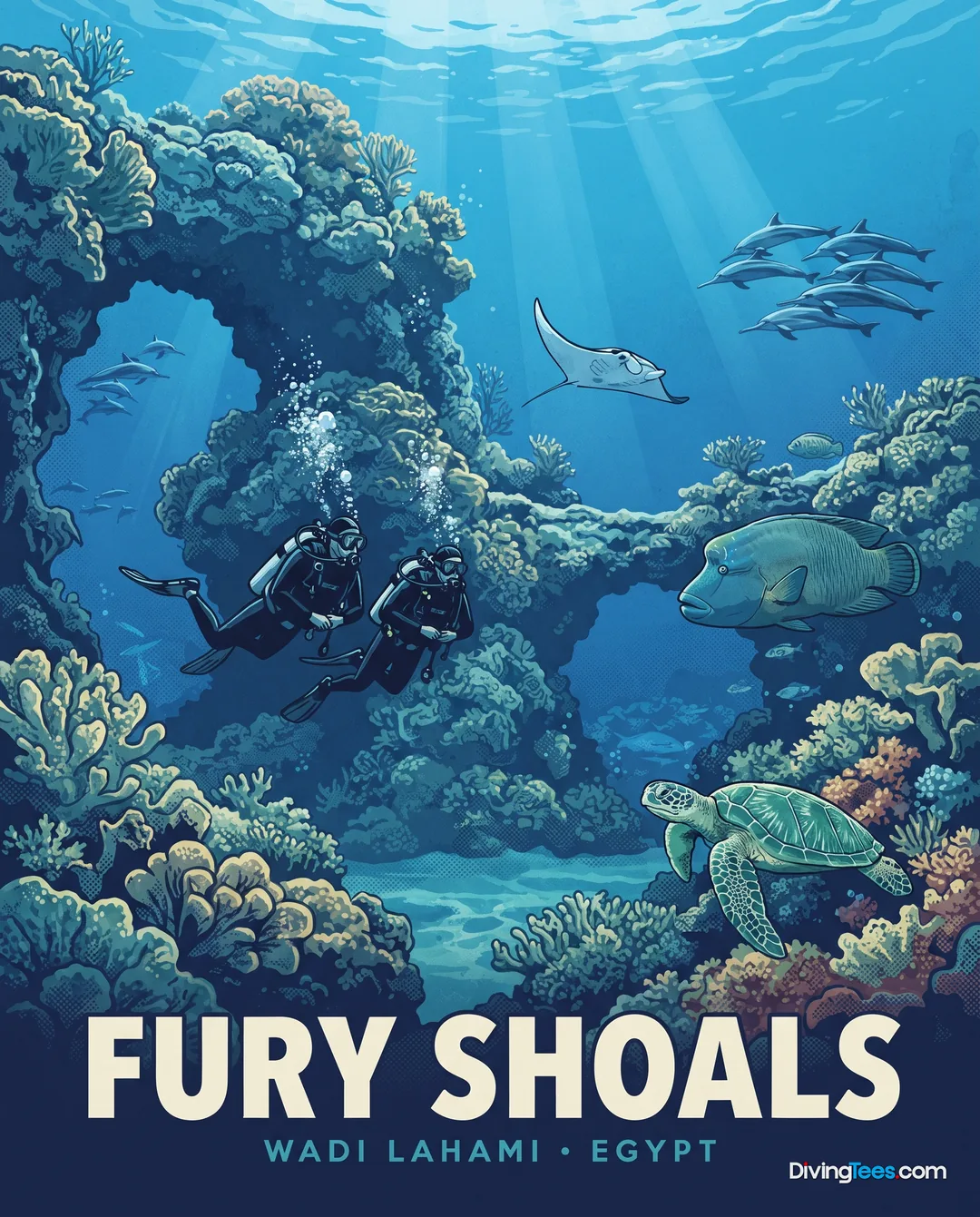
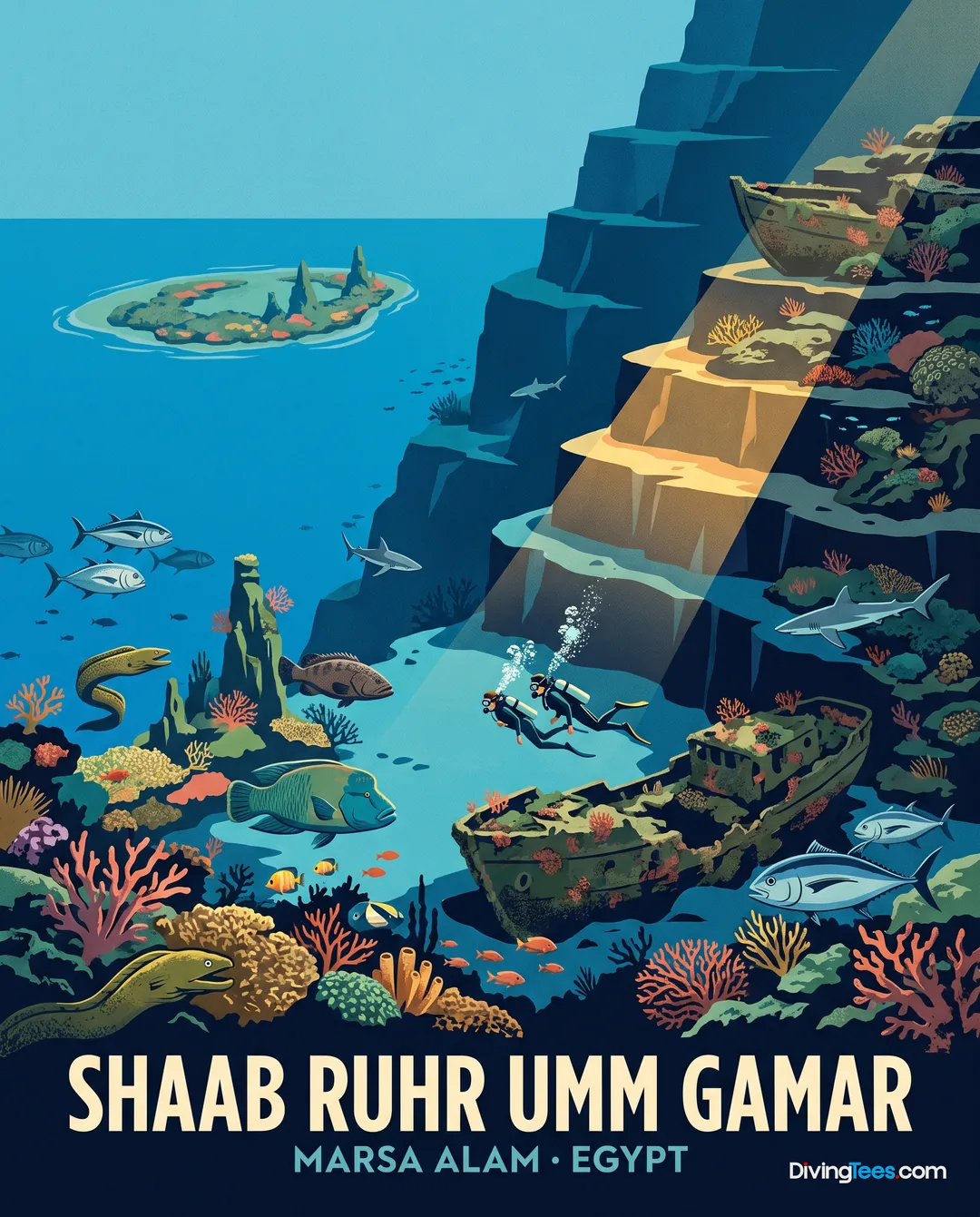
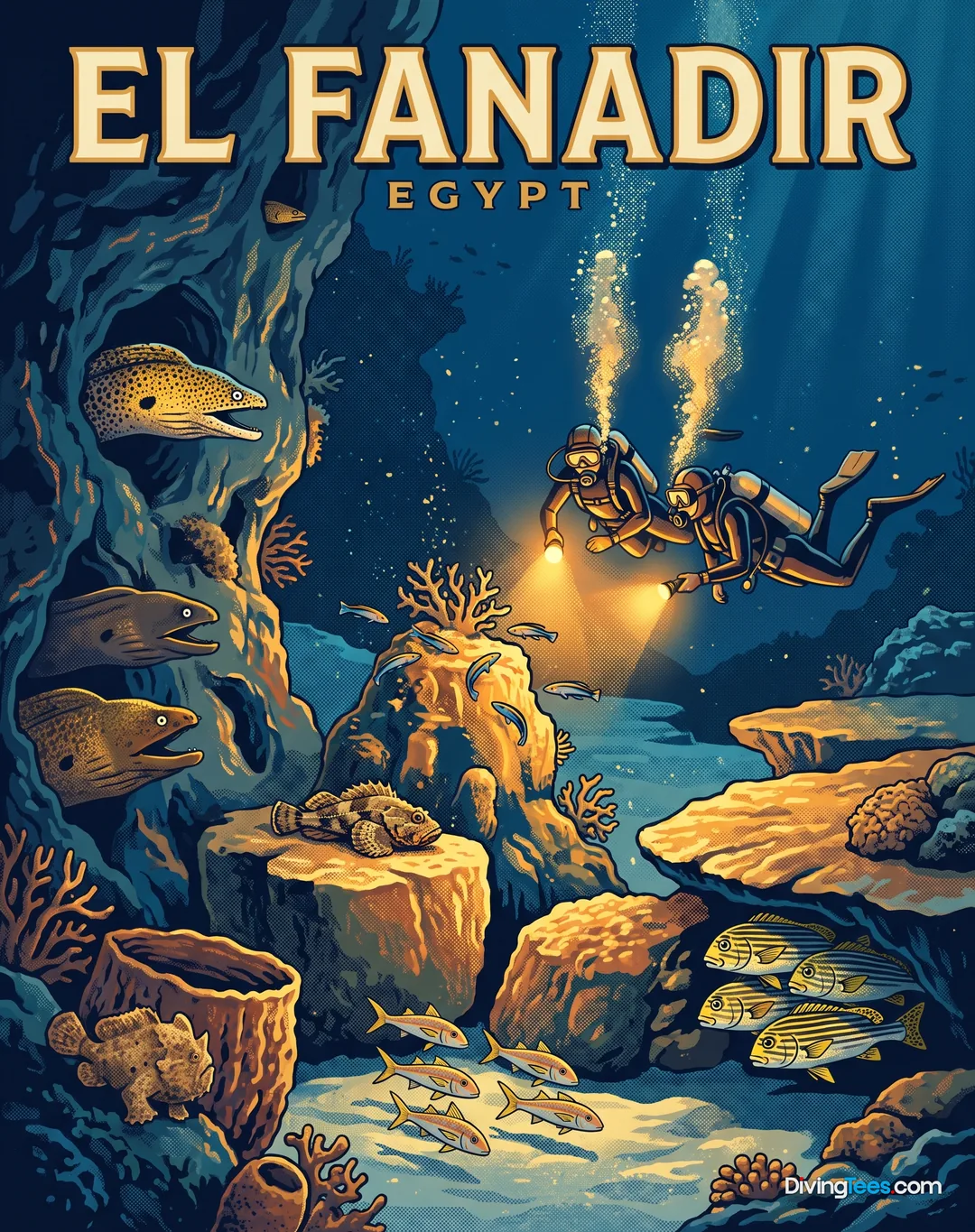
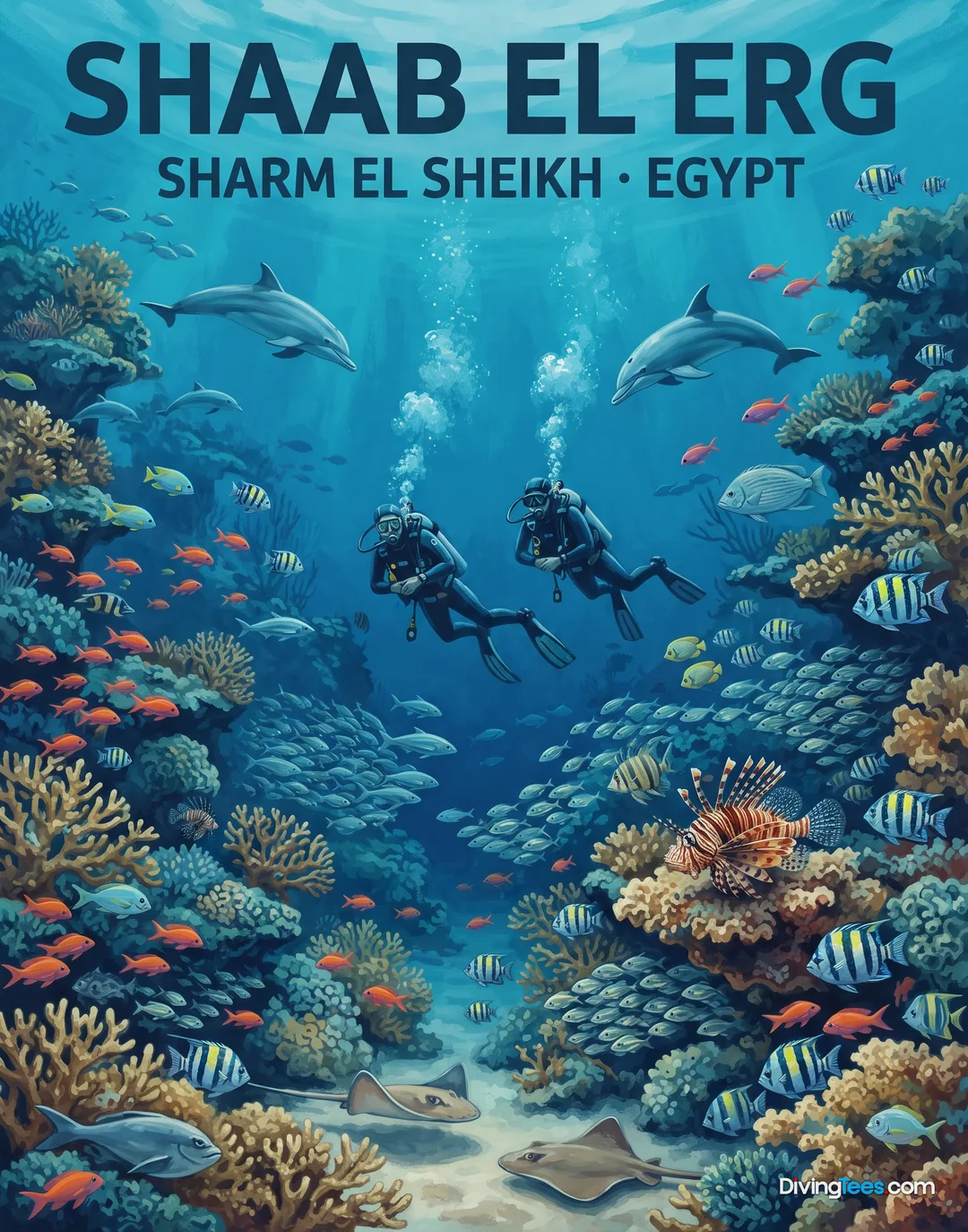
The routes are the main reason to book MV Sunlight. The Brothers–Daedalus–Elphinstone itinerary runs between Hurghada and Hurghada, or south to Port Ghalib; the North–Tiran route returns to Hurghada; Daedalus–Fury Shoals runs from Port Ghalib and back. Each recorded departure lasts 8 days and 7 nights. On the southern route, Brothers reaches a maximum of -85m, with isolated oceanic walls, sharks and pelagic water; Daedalus drops to -40m and is known for hammerheads, silky sharks, oceanic whitetips and manta rays. Elphinstone reaches -60m, where steep walls and open-water encounters create the headline dives. Fury Shoals has hard-coral canyons and thriving reef life, with no maximum depth stated here. Northern and coastal sites add variety: Shaab Ruhr Umm Gamar reaches -40m and shifts from fish-filled reef to pinnacles and the remains of at least three wrecks; El Fanadir reaches -40m with a wall, a cleaning station and venomous fish; Shaab El Erg, at 9–18m, is the dolphin site. Tiran’s four offshore reefs combine current-fed coral systems, walls and pelagic possibilities to -40m.
Itineraries, dates and prices
Prices per person. Each month shows its lowest price: click a month, or pick an itinerary.
Next departures · 41 departuresfrom £641$856€765
November 2026
December 2026
January 2027
March 2027
See dates and prices
If you click these links and make a purchase on the partner site, DivingDeal may earn a commission, at no extra cost to you.
Dates and prices taken from liveaboard.com, updated 24 October 2026
What you’ll meet underwater
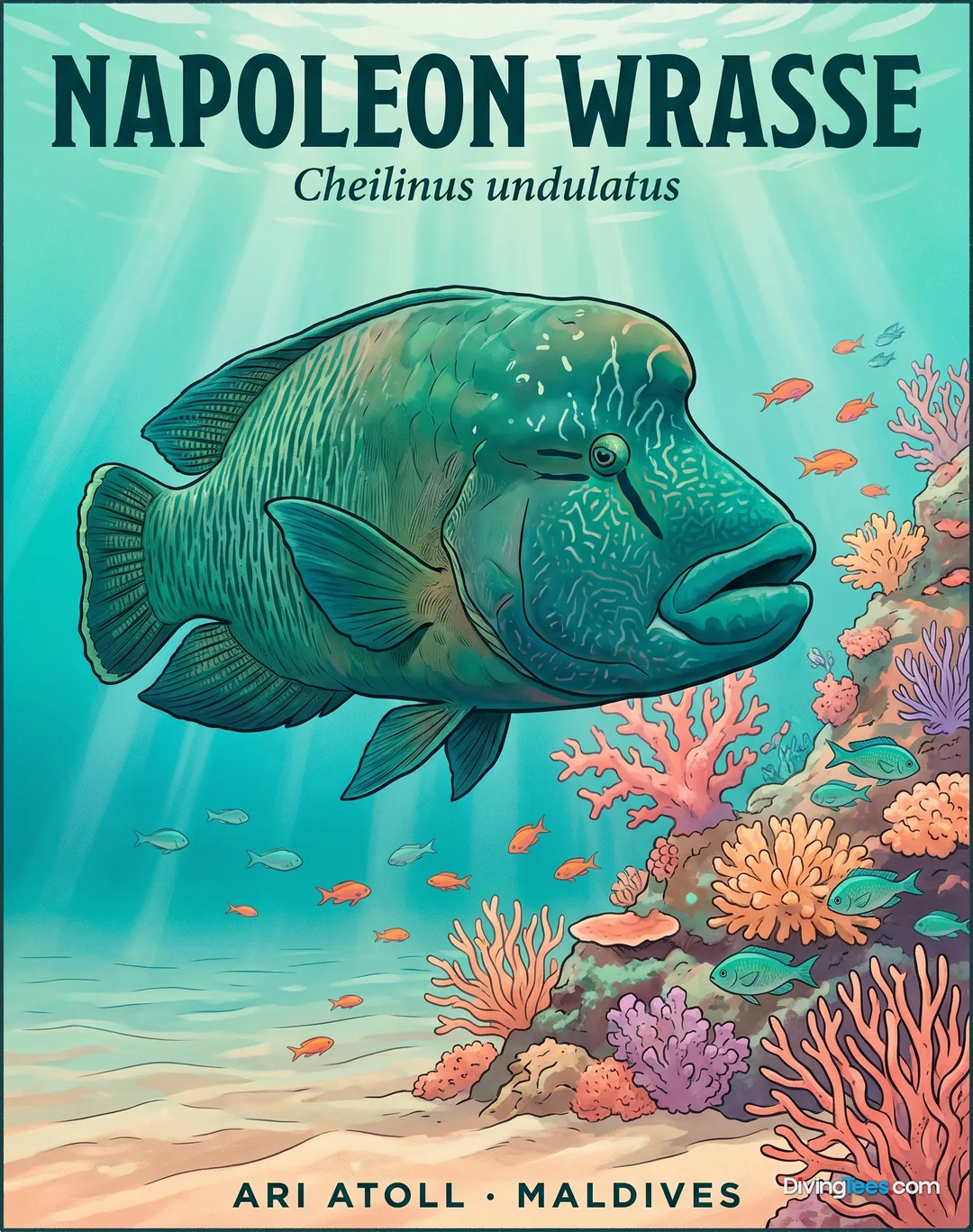
Turtles, dolphins, reef sharks, grey reef sharks and hammerheads form the recurring cast across this route, with anthias, jacks, morays, parrotfish, barracuda, Napoleon wrasse, tuna, manta rays, soft corals, scorpionfish and snapper filling out the reef scenes. The sites change how those animals appear: current and exposure pull larger fish into the blue, while walls and cleaning stations reward a slower, closer search. Some encounters belong to one place in particular. Brothers Islands is the site associated with anemones; Fury Shoals is where a balist and angelfish are recorded; Daedalus is the place for bigeye trevally. Elphinstone combines a blacktip reef shark, gorgonians and wrasse with its pelagic walls. Shaab Ruhr Umm Gamar is the recorded site for giant grouper, while Strait of Tiran is the one linked with green turtle. At Shaab El Erg, glassfish are part of the reef picture as dolphins move through the surrounding water. None of these sightings is guaranteed. That is why the sites matter.

Who puts you in the water
English is the working language on board. The crew includes the captain, dive guides, deckhands, engineer, chef and steward, with the dive team responsible for route planning, briefings and getting groups to the sites. The itinerary can be adjusted to sea conditions and guest preferences, and the tender work is treated as part of the dive rather than an afterthought. Oxygen, first-aid kits and trained first-aid crew are carried on board, alongside the vessel’s navigation and emergency systems. Divers should judge the trip by its route and site requirements, especially where current, depth or remote offshore walls are involved.
The dive deck and the gear
The diving is organised around a shaded working deck, a platform for water entry, rinse tanks and two tenders. DIN adapters are available, sidemount diving is supported, and nitrox is free, which matters on routes built around repeated dives and remote pelagic sites. The tenders take divers away from the mother ship and collect them after the dive, particularly useful for drift profiles where the boat cannot remain directly above the group. Hot showers are available, and the dive area includes space for photography and equipment charging. Rental equipment is optional rather than automatically included. The available details do not establish tank volume or whether tanks are aluminium or steel, nor do they describe the compressor or a specific SMB system, so those are not reasons to choose the boat on the page alone. The clear strengths are the tenders, nitrox, platform and practical deck layout.
Between dives
Between dives, the shaded dive deck is the natural base: wet kit stays close, while the upper decks provide sun and open air when the surface interval calls for less equipment and more space. The air-conditioned saloon gives divers somewhere cooler to sit, eat, sort photographs or disappear into a book. A dedicated photo area and charging stations suit cameras and lights, and the vessel also carries a library and audio-video entertainment for the longer gaps. When the boat is moving between sites, the point is not to manufacture activities. It is to let the crew reset the dive deck while divers dry off, review what they saw and wait for the next briefing. Non-divers and snorkellers are welcome, so surface time need not be organised around diving alone.
A day on board
A day begins with the first dive briefing, then the boat and crew move through a sequence of dives separated by meals, snacks and surface intervals. The shaded deck becomes a cycle of checking gas, clipping on cameras, rinsing gear and handing the tender its next group. After a wall or drift dive, the return to the boat is followed by food and the quieter work of drying off before the next briefing. On suitable itineraries and conditions, night dives are part of the programme, changing the same reef from a daytime landscape into a search for nocturnal life. The route may be adjusted around sea state and guest preferences, so the order is more useful than a rigid clock. Between dives, the boat travels, the deck is reset and divers move between the saloon, shade and upper deck. Then the call comes again.
What you eat aboard
Chef Rashidy runs the galley, supported by his team, and has been cooking for the operator for more than 15 years. Meals are served buffet-style, with fresh local ingredients used across seafood, meat, poultry, vegetarian dishes, fruit, snacks and desserts. Vegan and gluten-free requests can be accommodated, and the menu combines Egyptian food with Western dishes rather than forcing every meal into one style. Non-alcoholic drinks, tea, coffee, soft drinks, water and snacks are included; beer and local wine require pre-ordering, while Nespresso carries an extra charge. On a diving safari, the table has a job to do. Food arrives as the practical punctuation between dives, and the consistently high food feedback suggests that Rashidy understands appetite better than most galley descriptions do.
Nights at sea
The cabins are on the lower deck, with portholes, individual air conditioning and private bathrooms. Categories range from standard and deluxe lower-deck cabins to deluxe twin/double cabins and suites, with twin beds, bunk arrangements and convertible twin-to-double layouts depending on the cabin. The important point after a long dive day is simple: there is a private shower, a cooled room and a place to shut the door. Lower-deck cabins keep the night closer to the machinery and the movement of the hull than an upper-deck room would, so light sleepers should choose with that in mind. Above, the lounge and decks give the boat its air and social space. The nights are less about hotel silence than about returning to a clean berth, rinsing salt away and hearing the vessel settle around the next day’s route.
Deluxe Suite
Deluxe Twin/Double
Standard Lower Deck Cabin
Lower Deck Double Cabin
What to know before boarding
Recorded departures and returns use Hurghada, with some southern routes departing from or returning to Port Ghalib. Airport transfers are included. Arrive the night before departure so a delayed flight does not put the boat or the first dive at risk.
- Year built
- 1999
- Year renovated
- 2019
- Length
- 34
- Beam
- 7
- Maximum number of passengers
- 20
- Number of cabins
- 10
- Number of bathrooms
- 12
- Engines
- 2 × Mercedes MTU Marine 650 hp
- Cruising speed
- 13 knots
- Tenders
- 2
- Website
- sadko-safarifleet.com ↗
Hello, I'm Marina, DivingDeal.com's AI assistant. I answer in detail about hotels, dive centres and liveaboards.
Thinking about the whole trip and the flights? Talk it over with Edith →
Marina is an AI. Some links are affiliate links: DivingDeal may earn a commission, at no extra cost to you. Bookings are made with the partner.