
San Jose Divers
Google 4.9/5 (150 reviews)
17 km away as the crow flies
Cabo San Lucas · Mexico · Americas
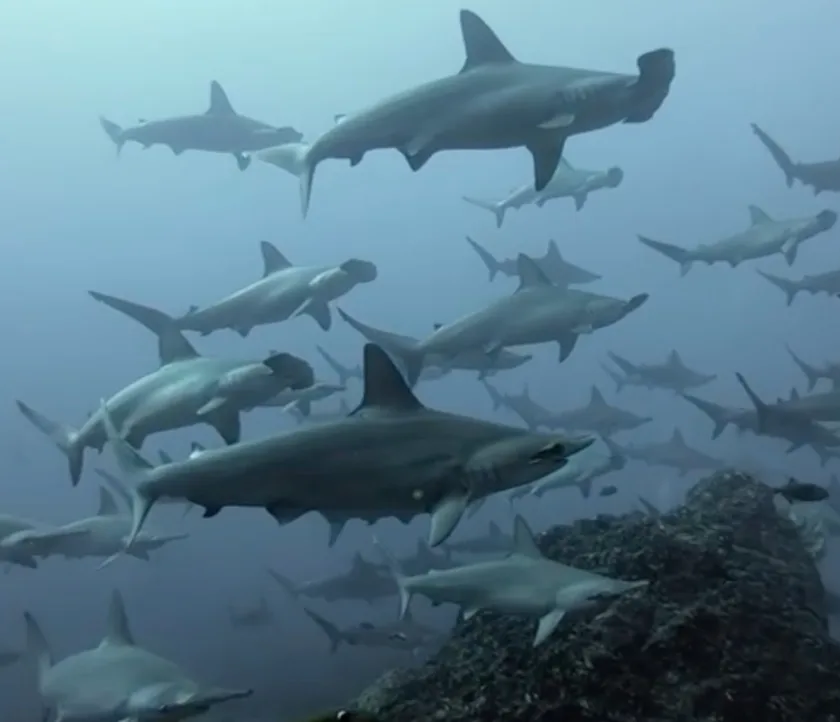
Max. depth · 40 mGordo Banks offers consistent opportunities for large pelagic encounters, with groups of hammerheads often patrolling its deep pinnacles.
For subtitles in English: start the video firstthen click the gearat the top right of the video, select “Subtitles/CC”, then “Auto-translate” and choose “English”.
Gordo Banks is an offshore seamount, or more accurately, a pair of deep pinnacles rising from the seafloor off the coast of San José del Cabo, near Cabo San Lucas. The site’s topography, an underwater mountain reaching within diveable depths, acts as a magnet for open-ocean life. Getting there involves a boat ride, which is generally calm but can be exposed to ocean swell, especially during certain seasons. Once you're at the site, the dive unfolds in blue water, often with the main features of the seamount remaining deep below.
The seamount itself starts around 30 meters (100 feet) and drops from there, making this a deep dive from the outset. You’ll typically begin your descent over the deeper sections, keeping an eye on the blue for larger animals. The site's reputation hinges on these pelagic encounters, which are less about exploring a coral garden and more about being a part of a larger, dynamic ecosystem. The dive here is often a drift, moving with the prevailing currents over and around the seamount structure.
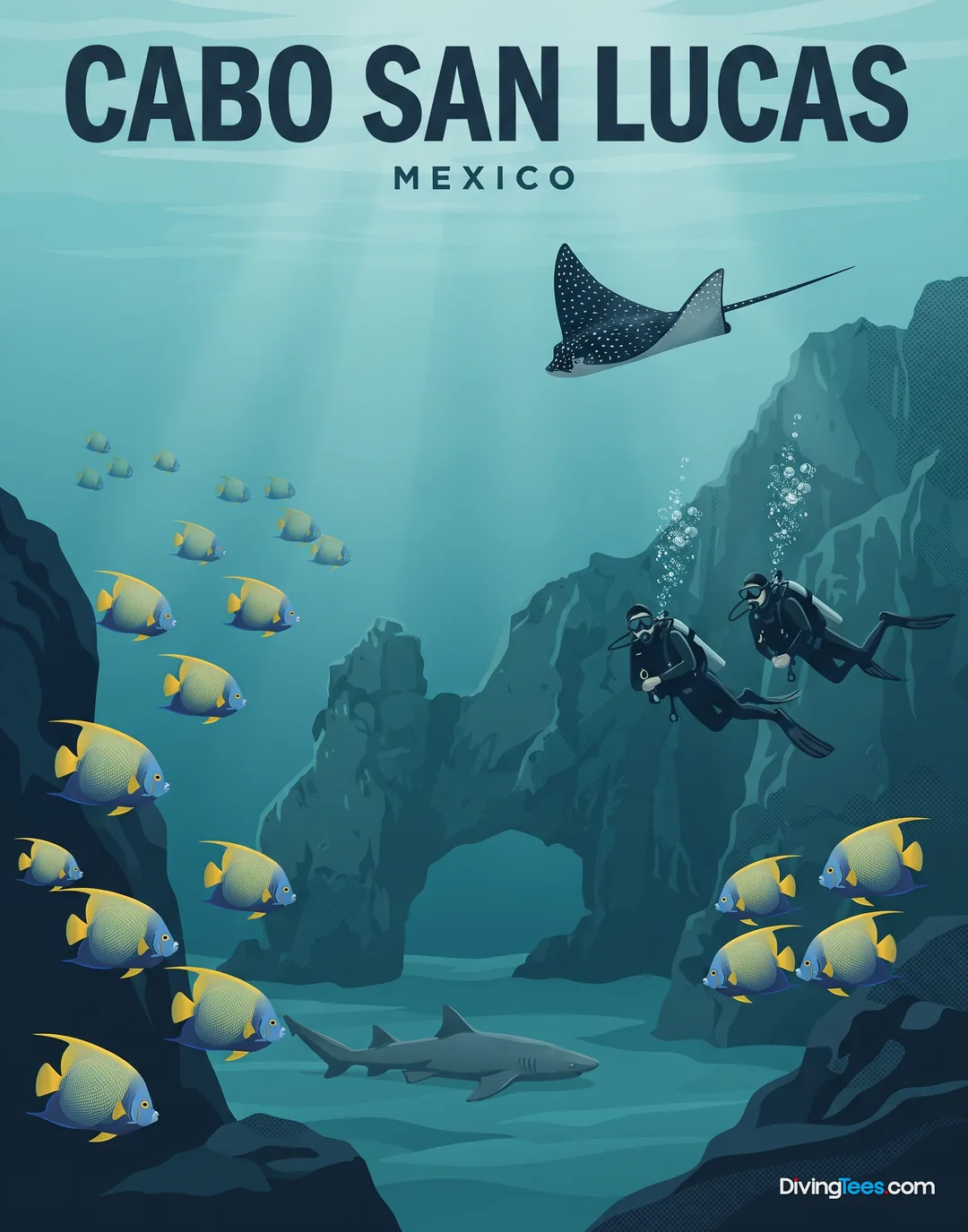
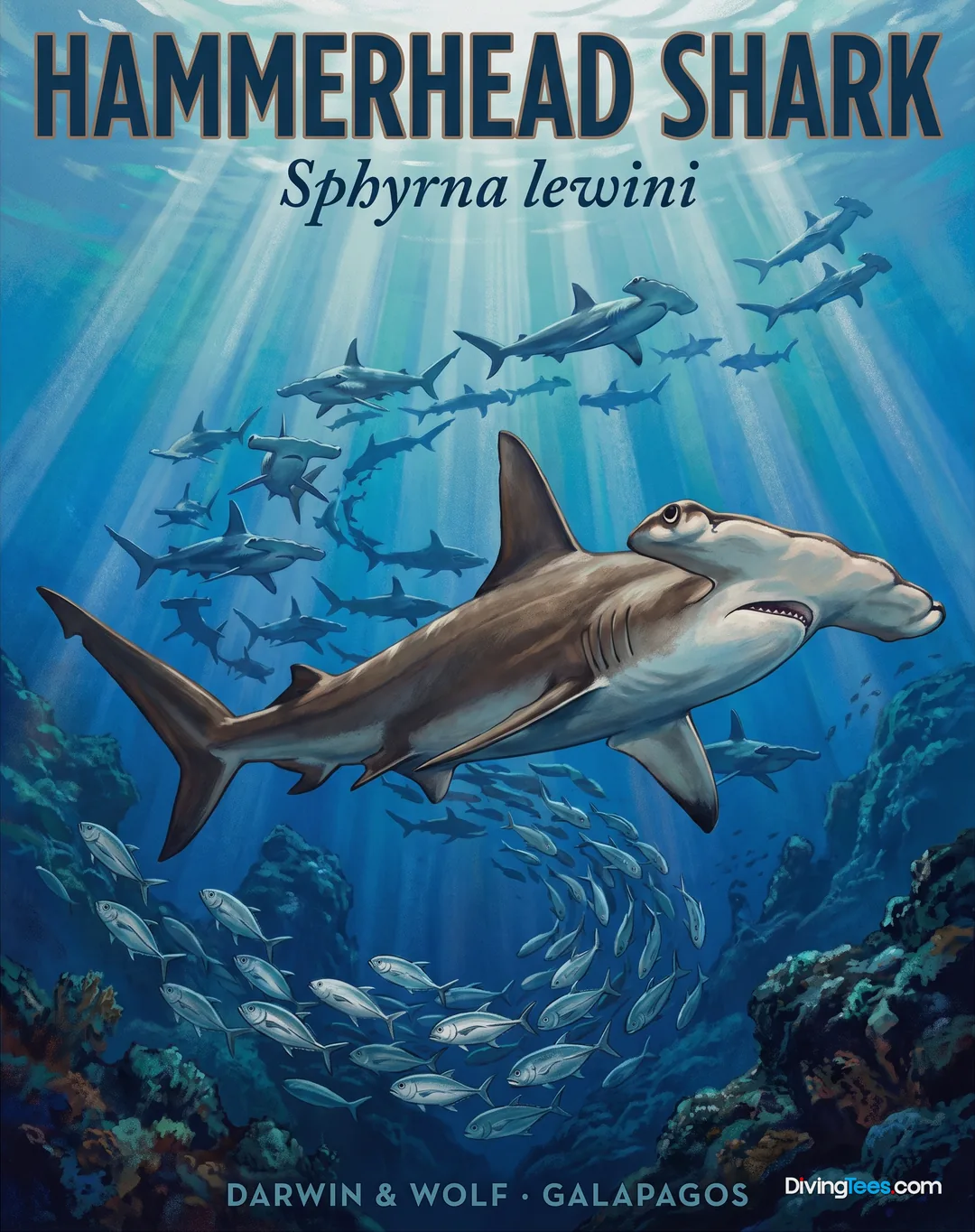
This is a prime location for observing hammerhead sharks (Sphyrna lewini), which are frequently seen in groups. While individual sightings are common, divers have reported groups exceeding 50 individuals, circling the seamount's upper structure. Silky sharks are also regular visitors, often accompanying the tuna and wahoos that school around the banks. These pelagic sharks and fish are the primary draw, making each dive a different experience as you never know what the ocean currents will bring.
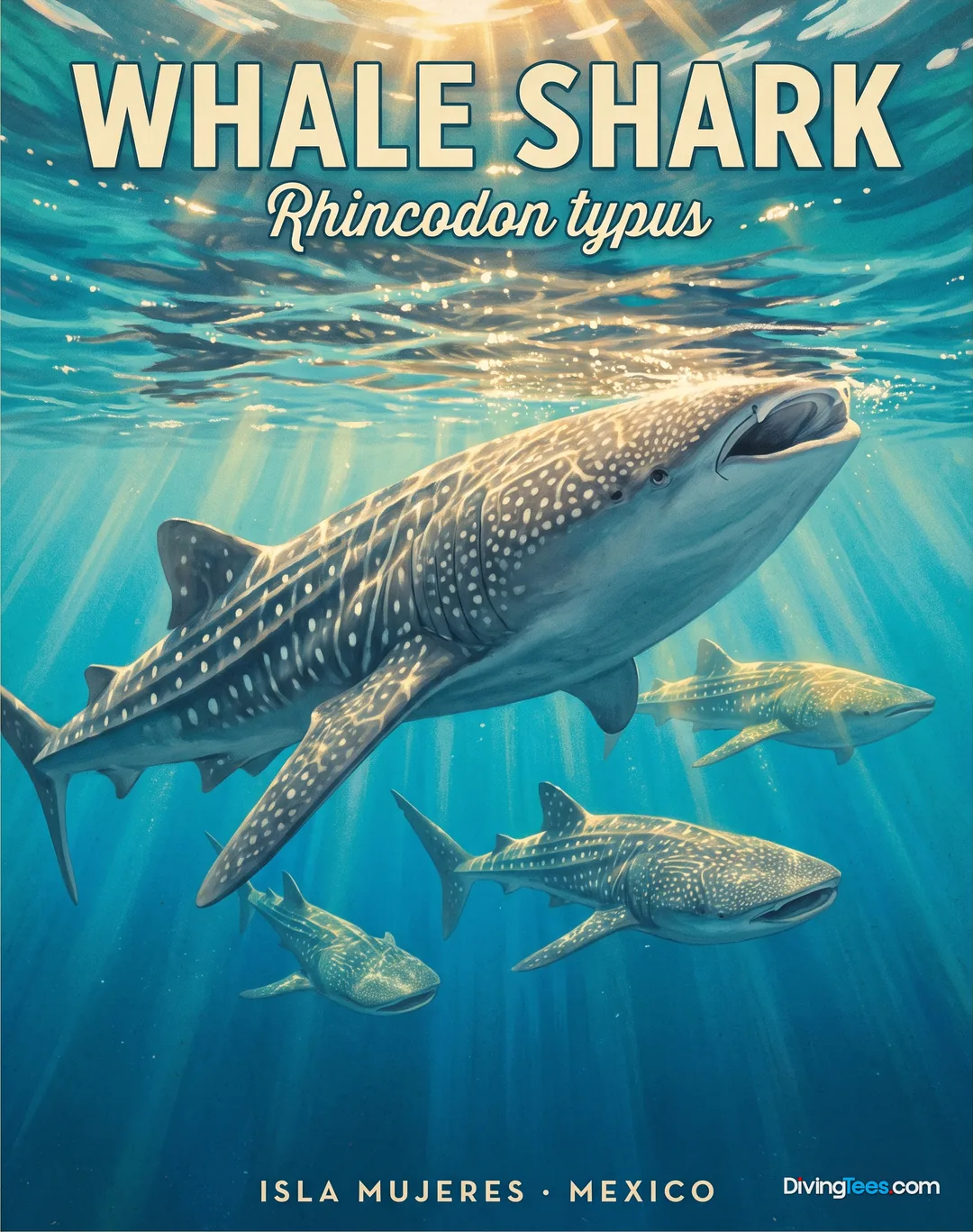
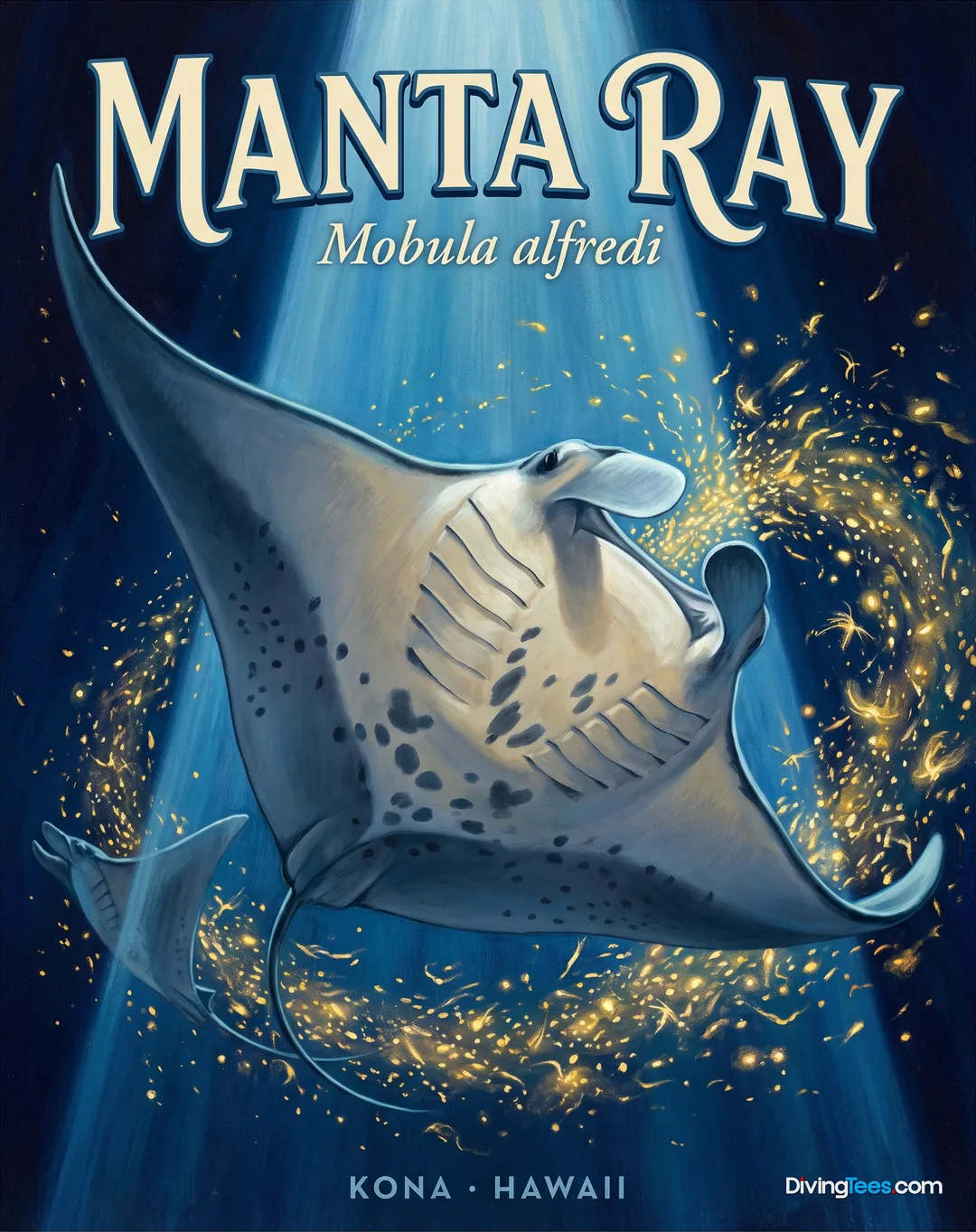
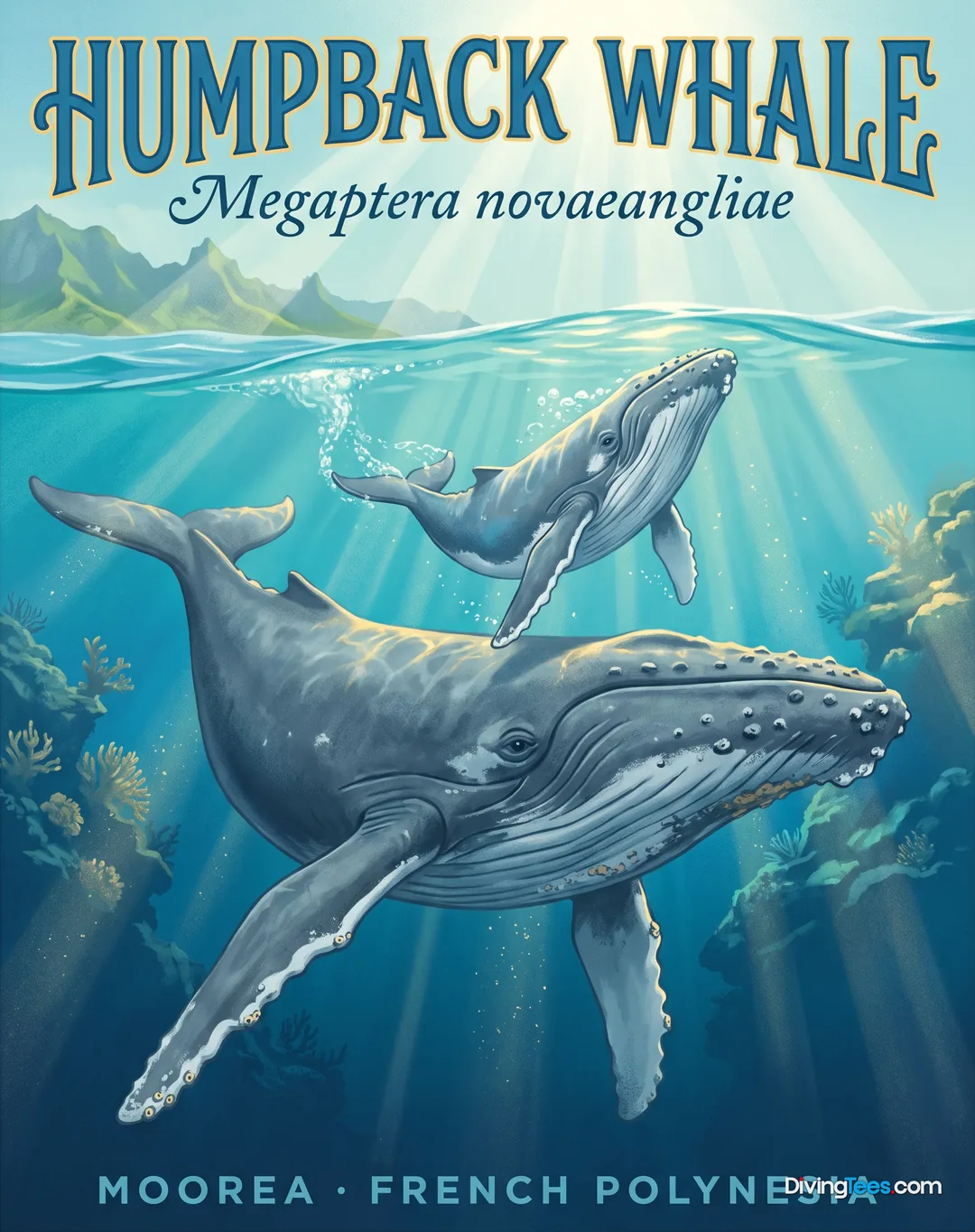
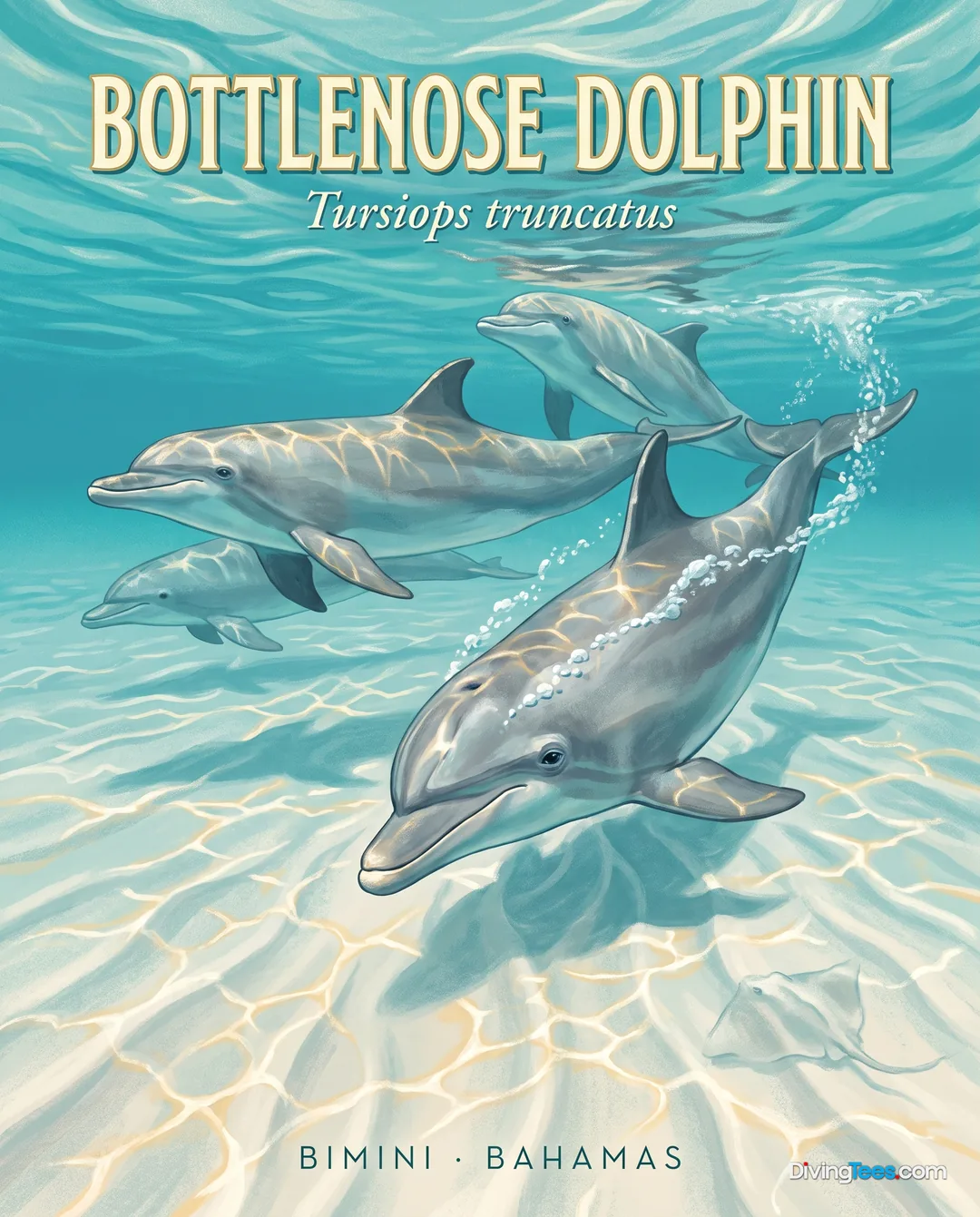
Beyond the sharks, the pelagic diversity at Gordo Banks includes manta rays (Manta birostris), mobula rays, and whale sharks (Rhincodon typus), particularly during their migratory seasons. Humpback whales (Megaptera novaeangliae) and dolphins (Tursiops truncatus) are also observed in the vicinity, sometimes close enough to the dive site to be a focus during the surface interval. While the soft corals like black coral and wire coral provide some habitat on the seamount, the main action is in the open water surrounding it.
Visibility here is generally excellent, allowing for clear views of the schools of jacks and snappers that gather closer to the seamount's structure. These schools provide a food source that attracts larger predators, completing the food chain. The constant movement of water over the seamount continually brings in nutrients, supporting this concentration of marine life and making it a vital feeding ground in the region.
Diving Gordo Banks means understanding you're in open water, far from sheltered coves. The conditions can shift; while you might start in calm conditions, the ocean swell can build. Maintaining good buoyancy control is crucial for managing your depth during a drift dive and for ascending slowly from deeper profiles. Your focus here will be scanning the blue, anticipating what the currents might deliver into view.
What sets Gordo Banks apart is its consistent draw for significant pelagic activity in an offshore environment. It's a site where you truly dive in the blue, relying on good surface support and careful planning. The structure of the seamount, without strong reef development in the shallows, forces the focus on oceanic encounters. Each dive is a chance to interact with transient species, making it a different experience every time you descend.
The journey back to Cabo San Lucas can take around 1.5 hours, so prepare for the transit time. The beauty of offshore seamounts like Gordo Banks is that they are dynamic environments, always offering a different picture depending on the time of day, the season, and the specific currents. This constant change is what keeps divers coming back, knowing there's always something new to encounter in its waters.
Gordo Banks is an advanced dive, requiring at least an Advanced Open Water certification, with many operators also recommending a NITROX specialty due to the typical dive depths. The seamount's top ranges from 30 to 40 meters, making deeper profiles common. Expect a drift dive in open water. While current information isn't always consistent, the nature of an offshore seamount means conditions can vary; always be prepared for a solid drift and plan your ascent accordingly. The best period for hammerhead sharks is generally from July to January, with a broader pelagic season extending from May to January.
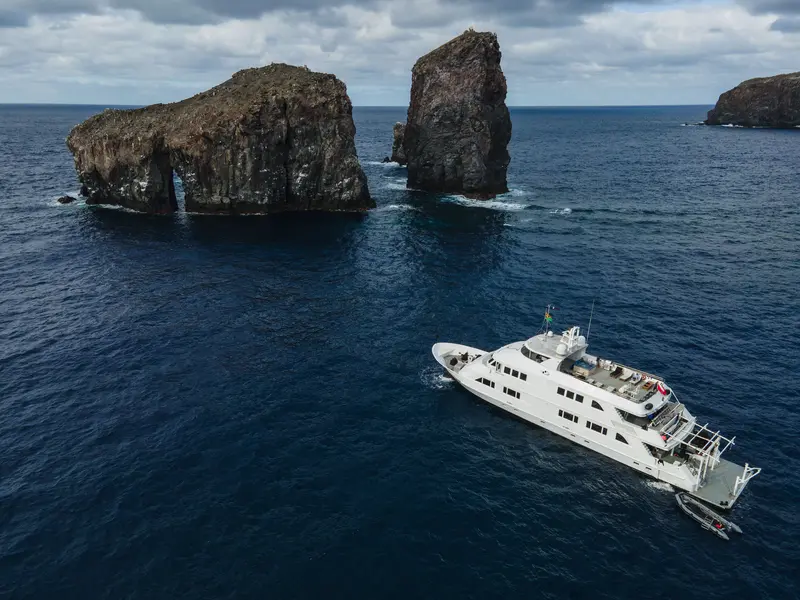
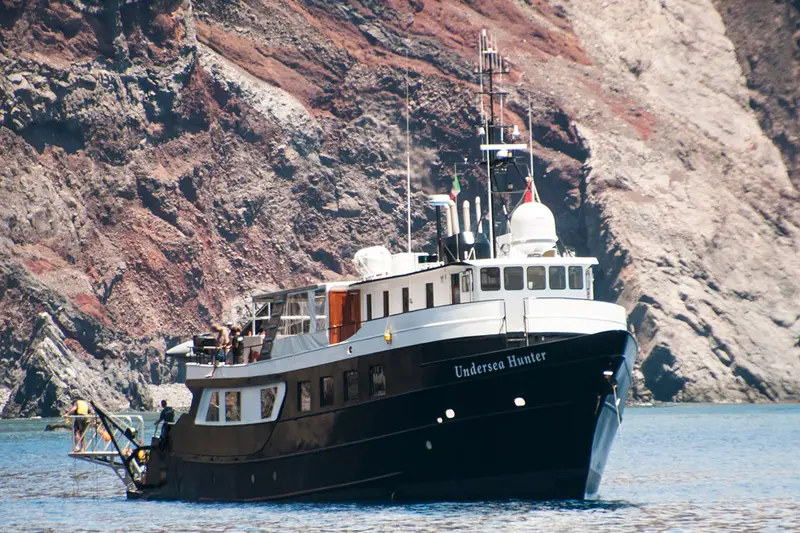
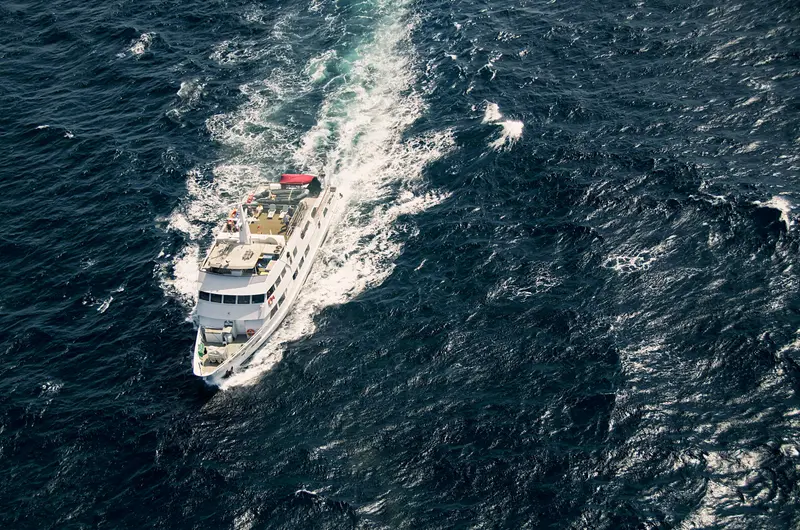
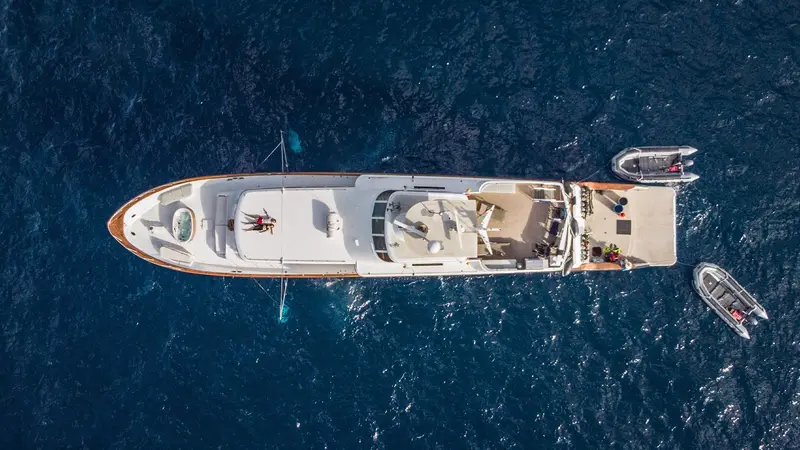
4 liveaboards depart from Cabo San Lucas another way to explore the region, over several days at sea.
Hammerhead sharks are generally seen from July to January. The broader pelagic season extends from May to January, when the offshore seamount may attract large oceanic animals. Encounters can include hammerheads, silky sharks, manta rays, mobula rays, whale sharks, tuna, wahoos, dolphins, and humpback whales.
Gordo Banks is an advanced dive requiring at least an Advanced Open Water certification. You should be comfortable in open water and able to manage a drift dive, deep profiles, changing conditions, and a controlled ascent. Many operators also recommend a NITROX specialty because typical dives reach considerable depth.
Gordo Banks ranges from ten to forty meters, with the seamount top commonly around thirty to forty meters. The dive starts deep, often over the deeper sections of the pinnacles, and follows a blue-water profile. Good buoyancy control helps you maintain depth and ascend slowly from the seamount.
Expect an open-water drift dive over an offshore seamount, with conditions that can vary and may include a solid current or building ocean swell. You should scan the blue while moving with the prevailing flow. The site may reveal hammerhead groups, silky sharks, tuna, wahoos, rays, whale sharks, jacks, and snappers.