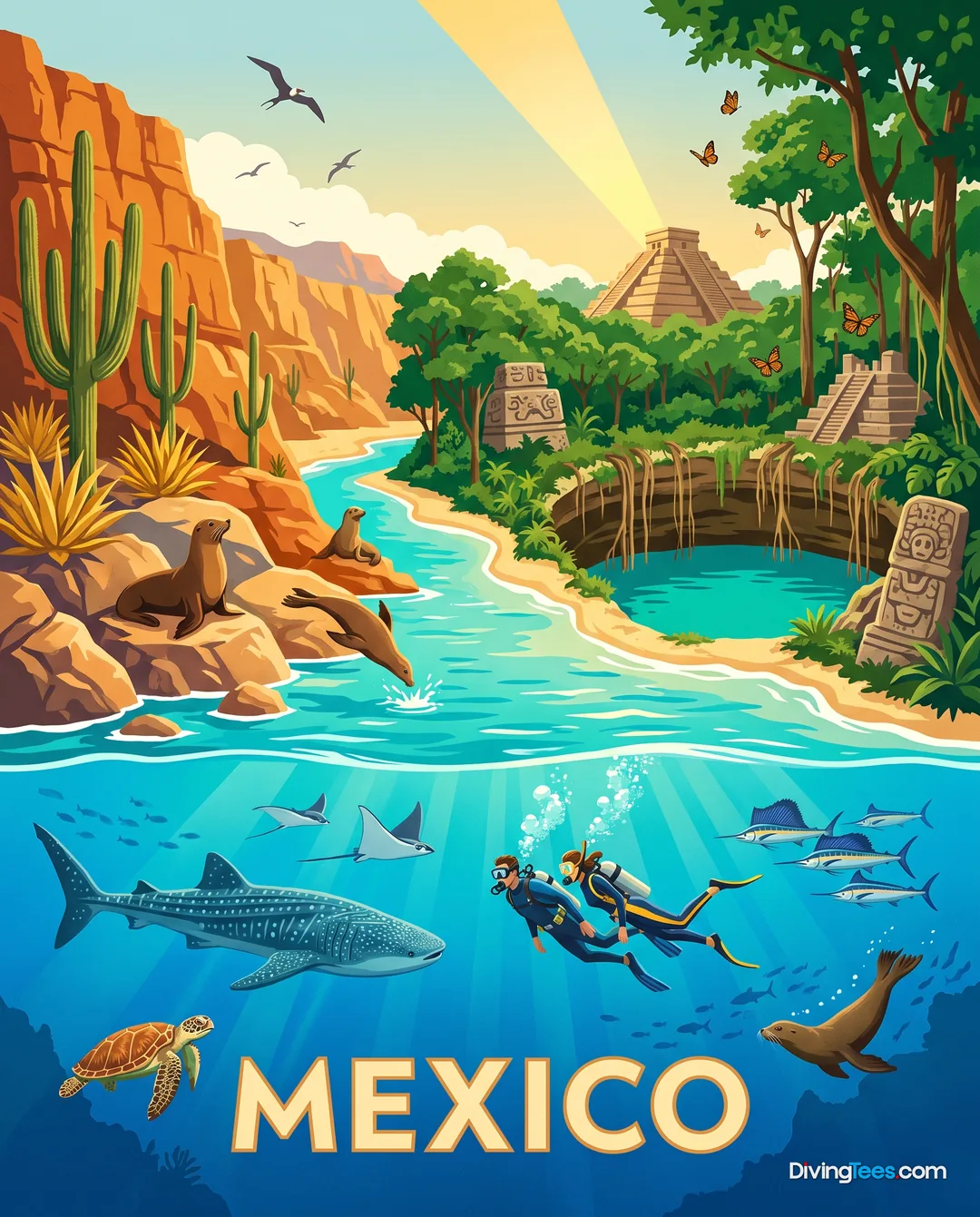
Liveaboards · Mexico
Nautilus Gallant Lady — a yacht-sized dive boat for small-group Sea of Cortez expeditions
What makes this boat unique
- The Gallant Lady carries up to 12 passengers in six air-conditioned suites, each with a private bathroom and porthole.
- Her dive setup includes a shaded dive area, water-level platform, tenders, DIN adapters, nitrox, rebreather support and sidemount diving.
- Sea of Cortez trips run from Cabo San Lucas or La Paz and last six to eight days.
- Mexican and West Coast North American food, snacks, non-alcoholic drinks and full board are included.
For subtitles in English: start the video firstthen click the gearat the top right of the video, select “Subtitles/CC”, then “Auto-translate” and choose “English”.
The invitation
The Gallant Lady is for divers who want the Sea of Cortez without giving up space at the end of the day. Twelve passengers share a yacht built around six large suites, not a crowded dormitory with a dive platform added later. The useful distinction is the balance: small groups, a proper water-level platform, a sky lounge, open wheelhouse access and enough deck space to move between dives without climbing over someone else's kit. The route brings together sea lions, wrecks, reef life and the possibility of larger pelagic encounters, with kayaks and stand-up paddleboards for the hours when nobody wants another tank. It suits divers who value comfort but still want the trip organised around getting in the water, not around being waited on in a floating hotel.
Boarding
From the dock, the Gallant Lady presents herself as a private yacht rather than a converted passenger vessel: a long, low profile, open decks and a wheelhouse that remains part of the living space. Once aboard, the route between the main lounge, dining room, dive deck and water-level platform is straightforward. There is no need to carry a fully assembled rig through a maze of corridors. Her stabilisers and Caterpillar power support longer runs between the islands, while the limited passenger count keeps the common areas from feeling anonymous. The boat was rebuilt in 2018, and that matters less as a date than as a clue to her character: an older yacht kept in service with a layout adapted to modern liveaboard diving. The result is polished but practical.
The atmosphere on board
The Gallant Lady's atmosphere is shaped by the size of the group: twelve guests are enough for a lively saloon, but few enough that the crew can notice when someone needs help with a camera, a meal or a stubborn piece of kit. Passenger feedback consistently points to the crew as one of the boat's strongest assets, with the hostess and guides singled out for attentiveness and site knowledge. The crew speaks English and Spanish. The boat scores well, but not as highly as the crew and food; that is a fair description of the trade-off. The yacht offers comfort and thoughtful diving spaces, while the people are what turn the cabins and decks into a functioning expedition. Evenings naturally collect around the bar, the lounge and the day's photographs, with the next dive plan still close at hand.
The sites you’ll dive
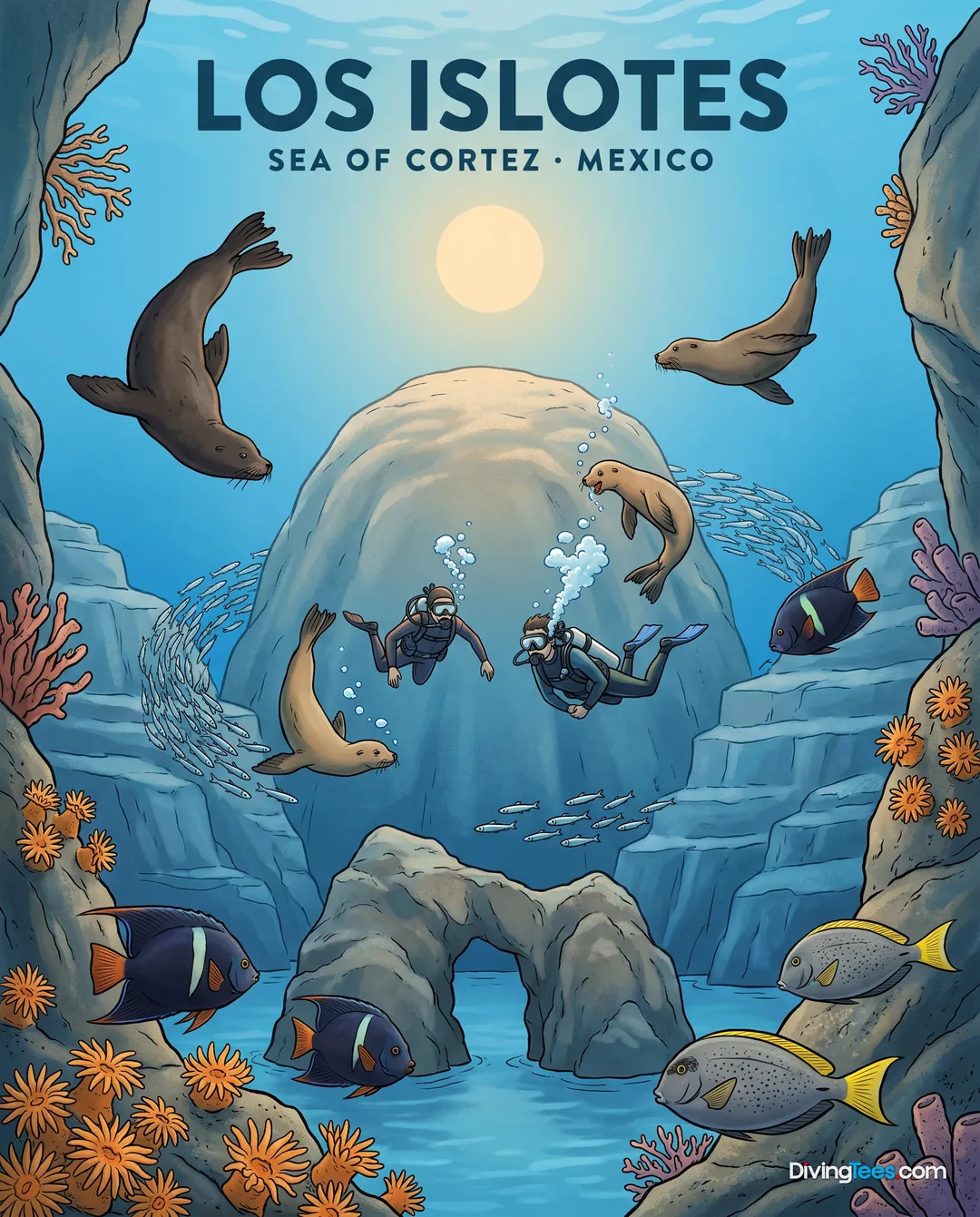
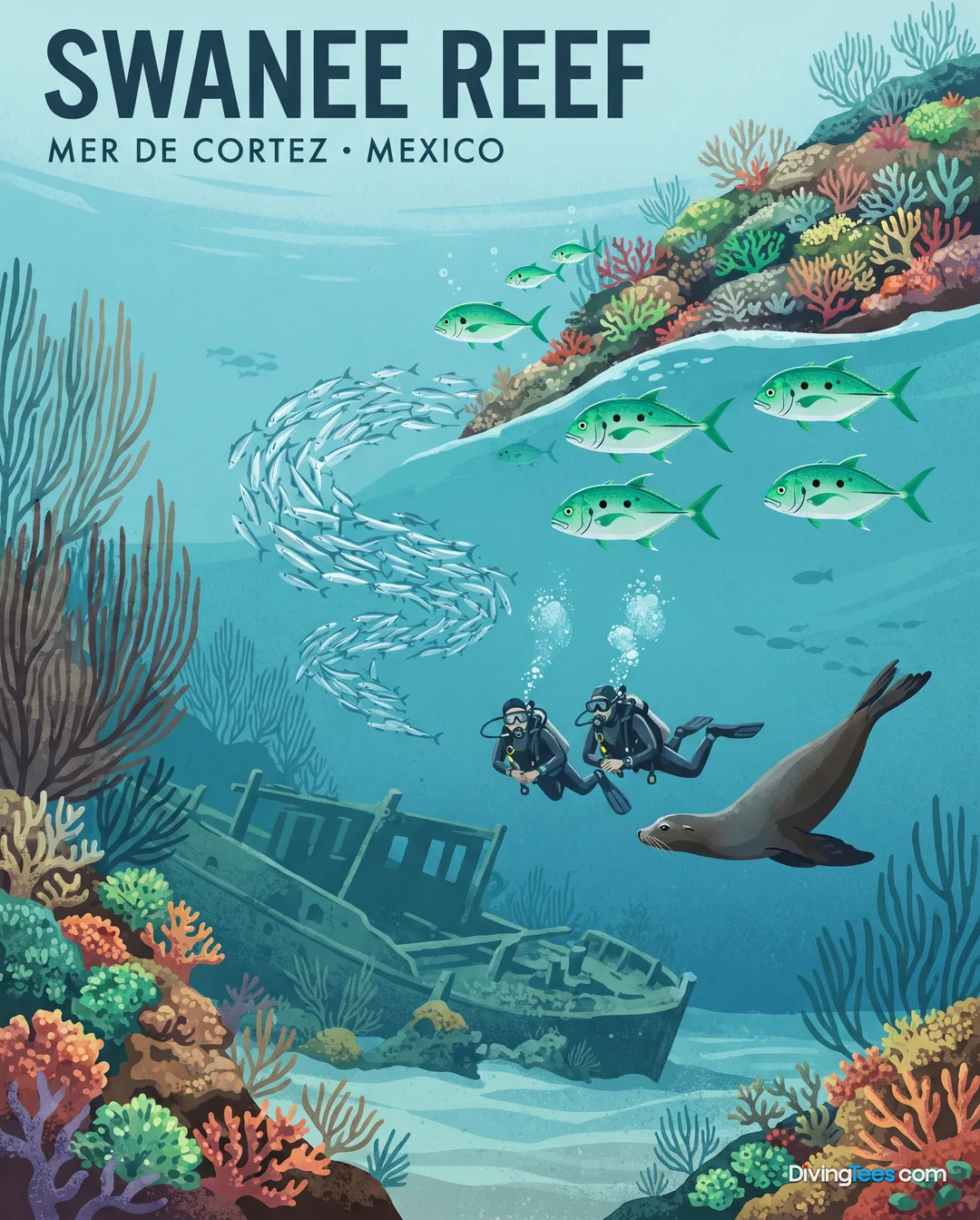
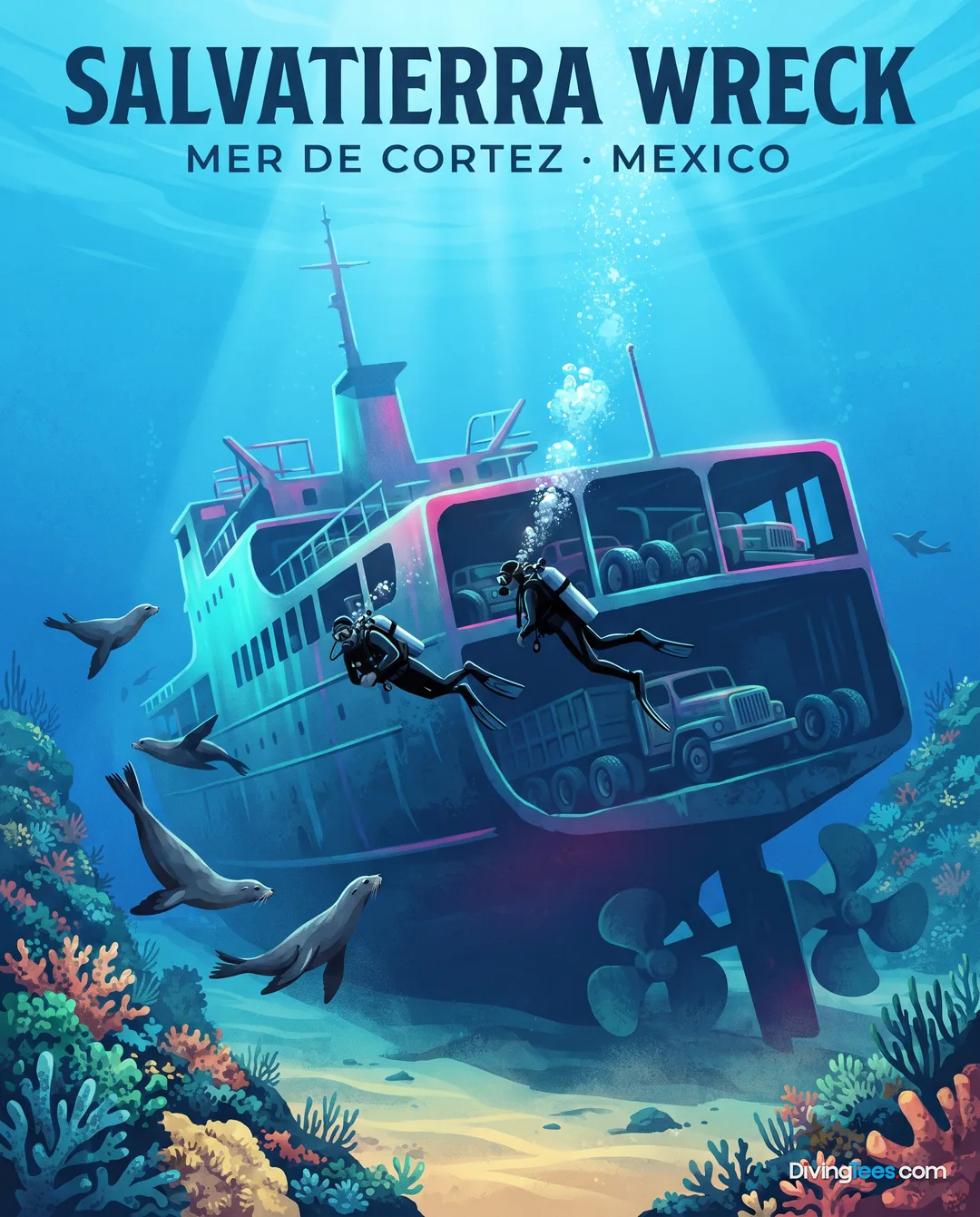
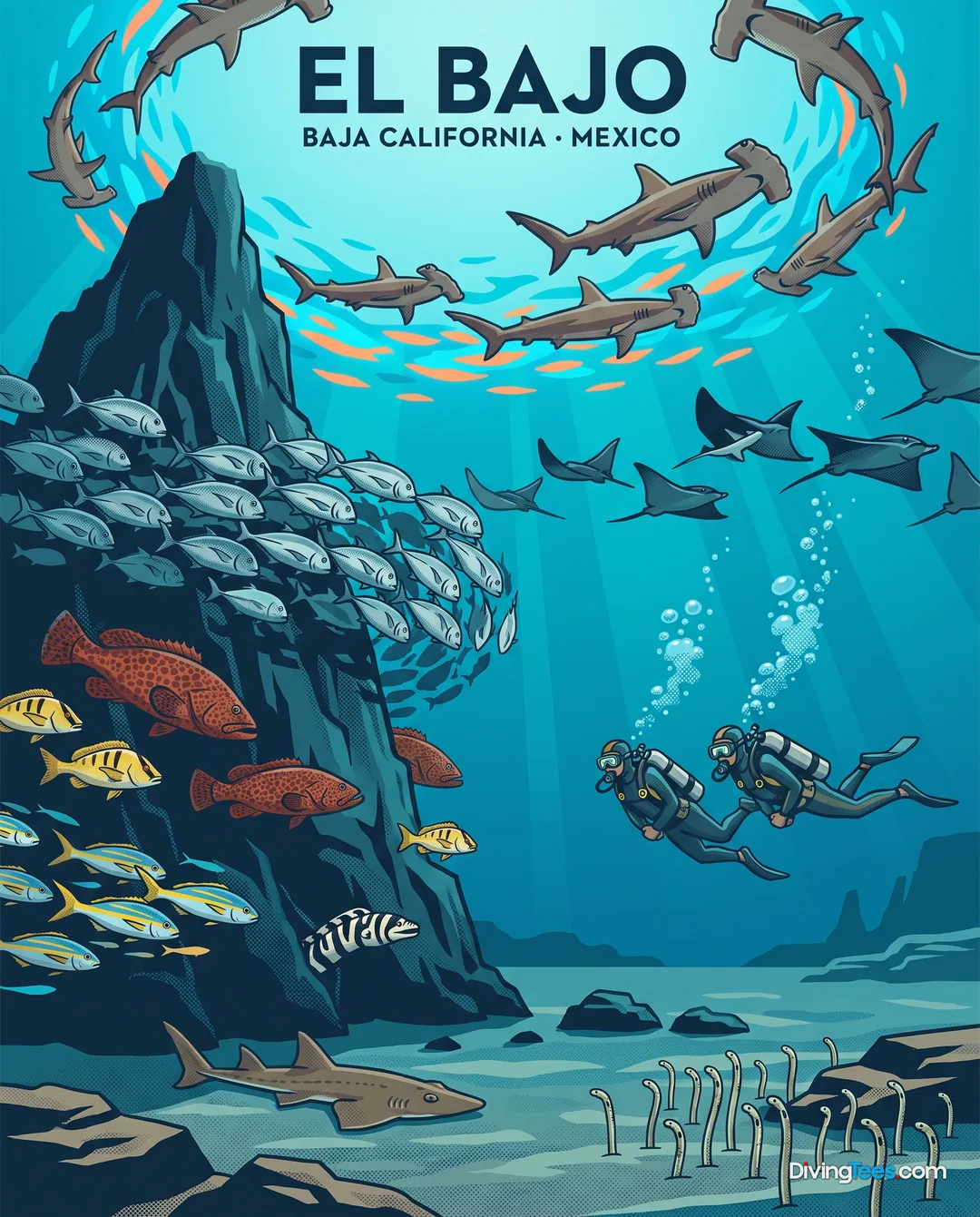
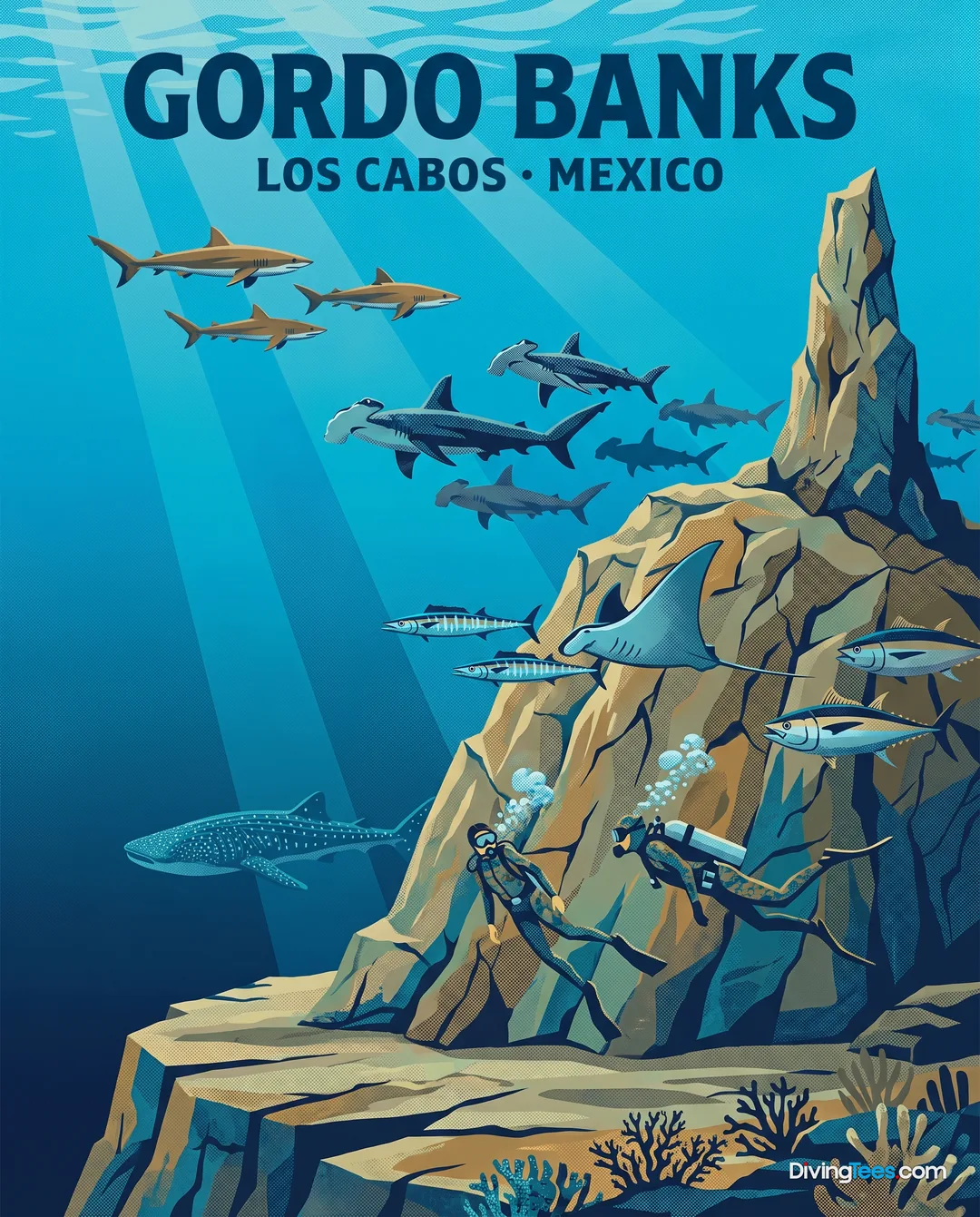
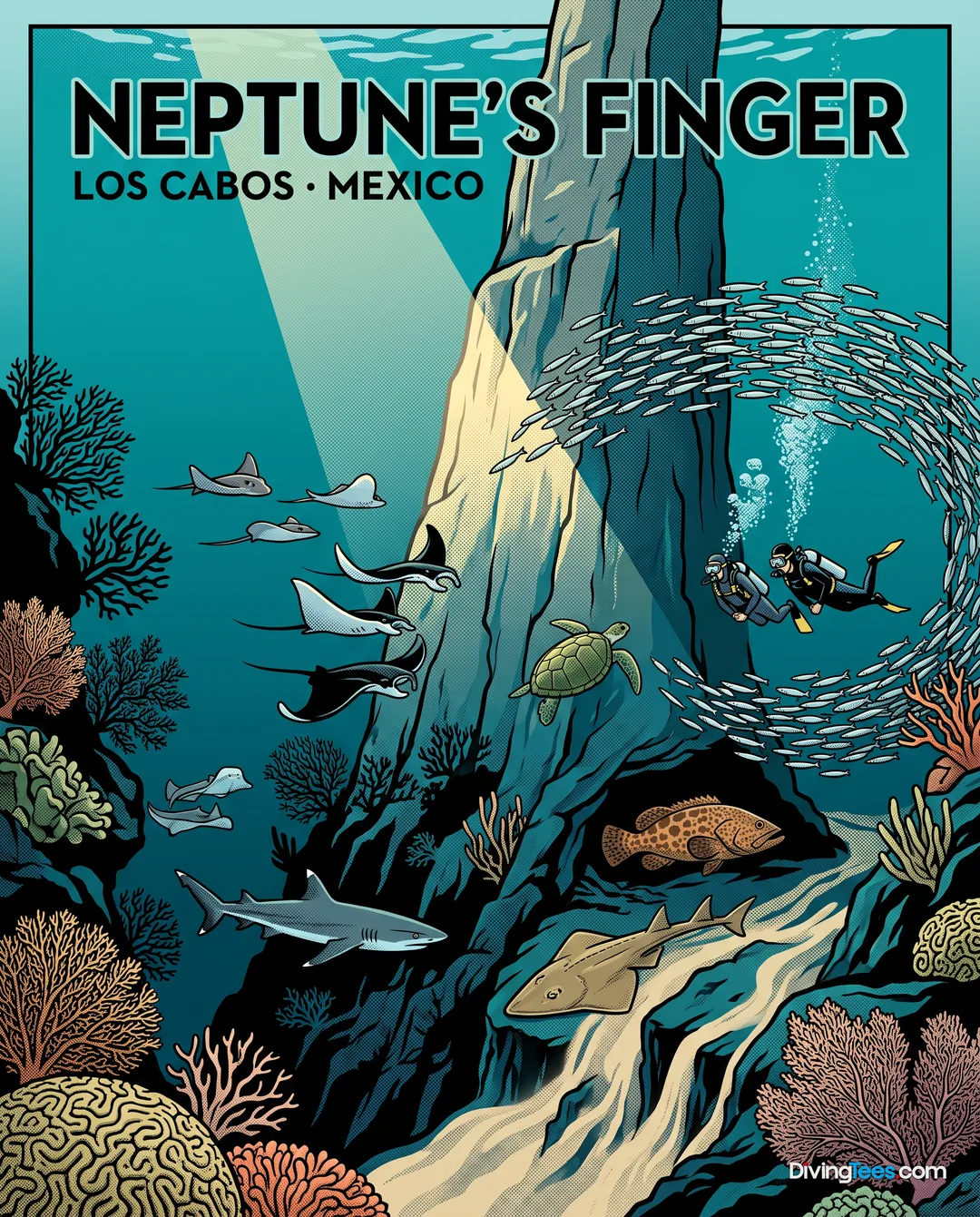
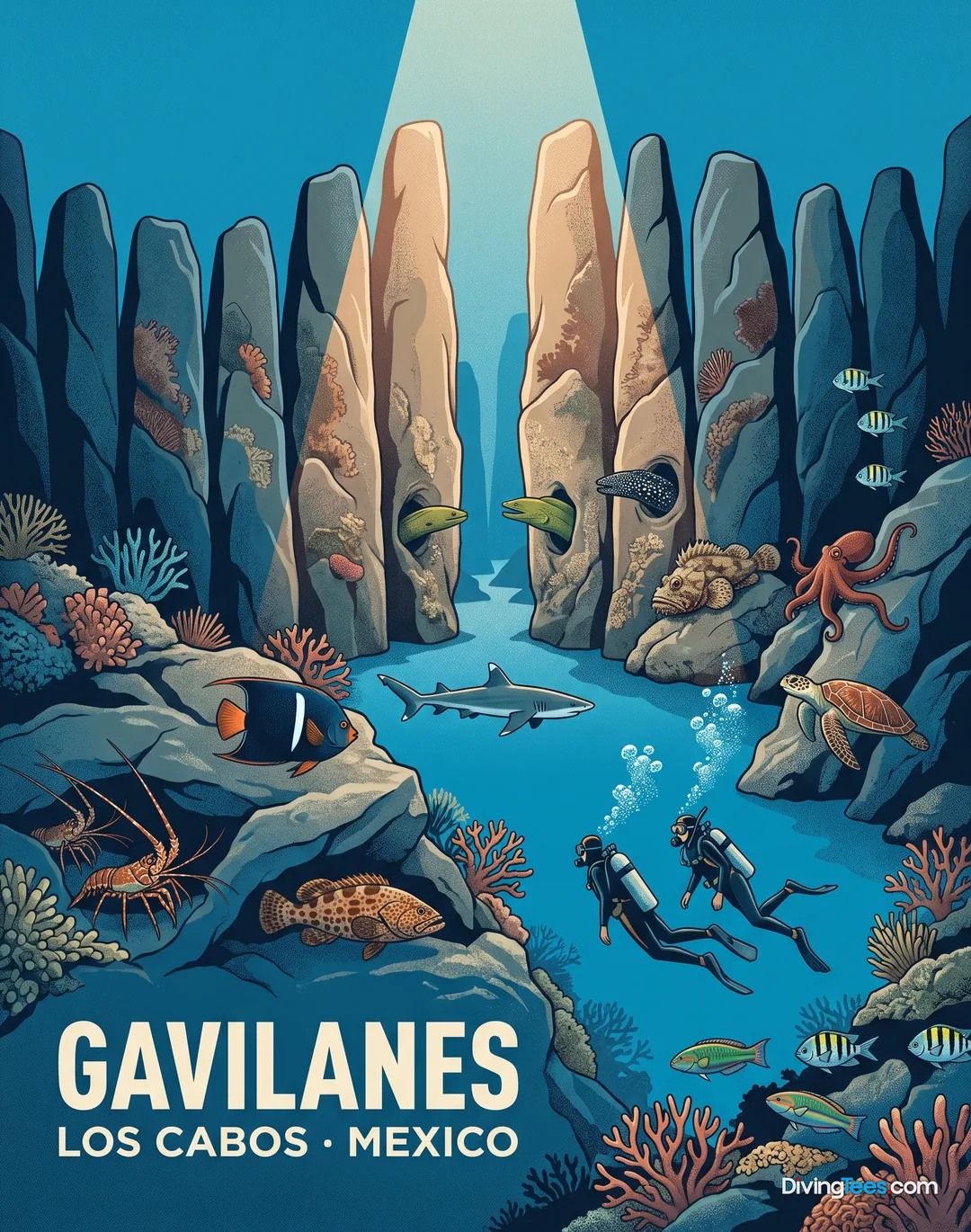
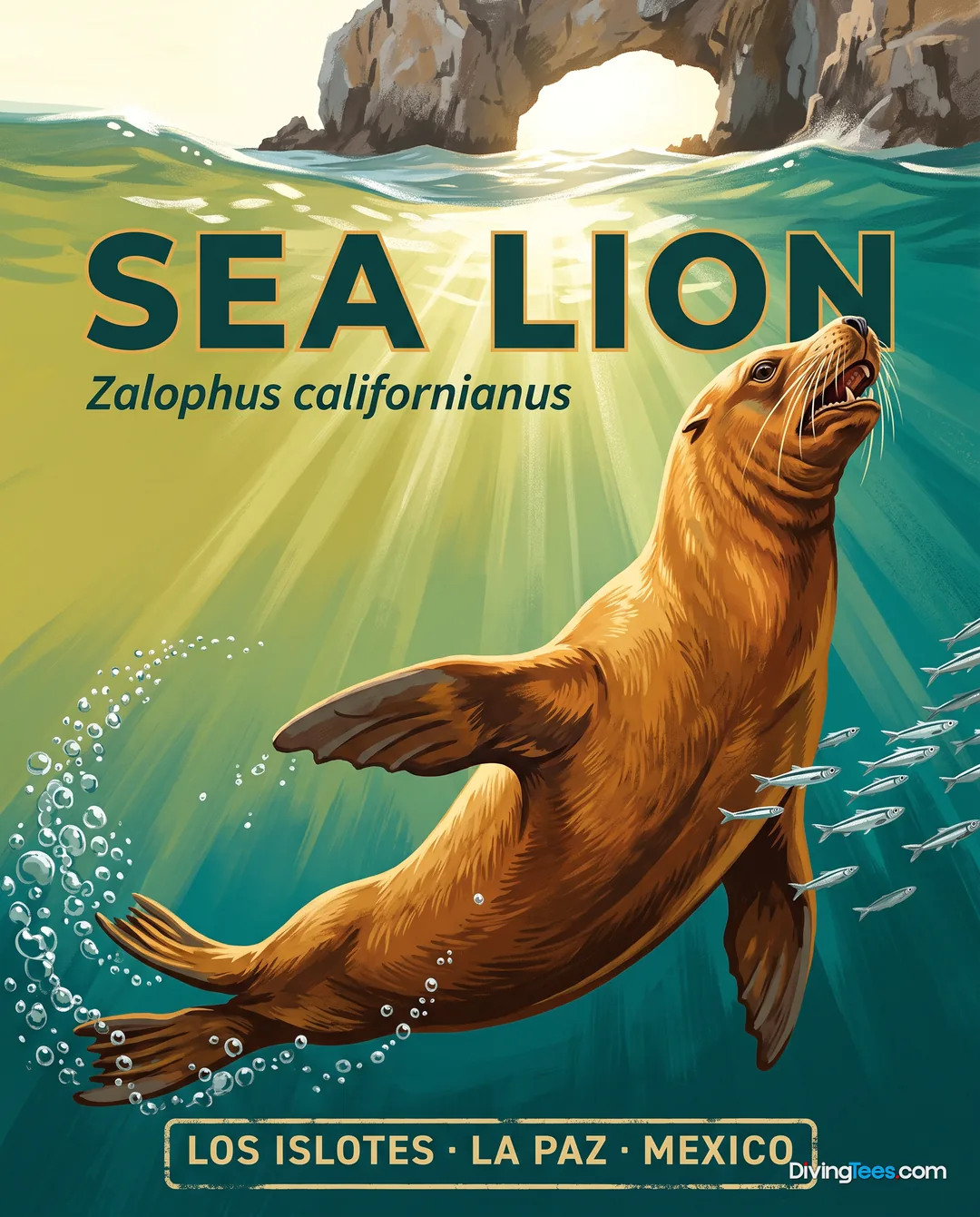
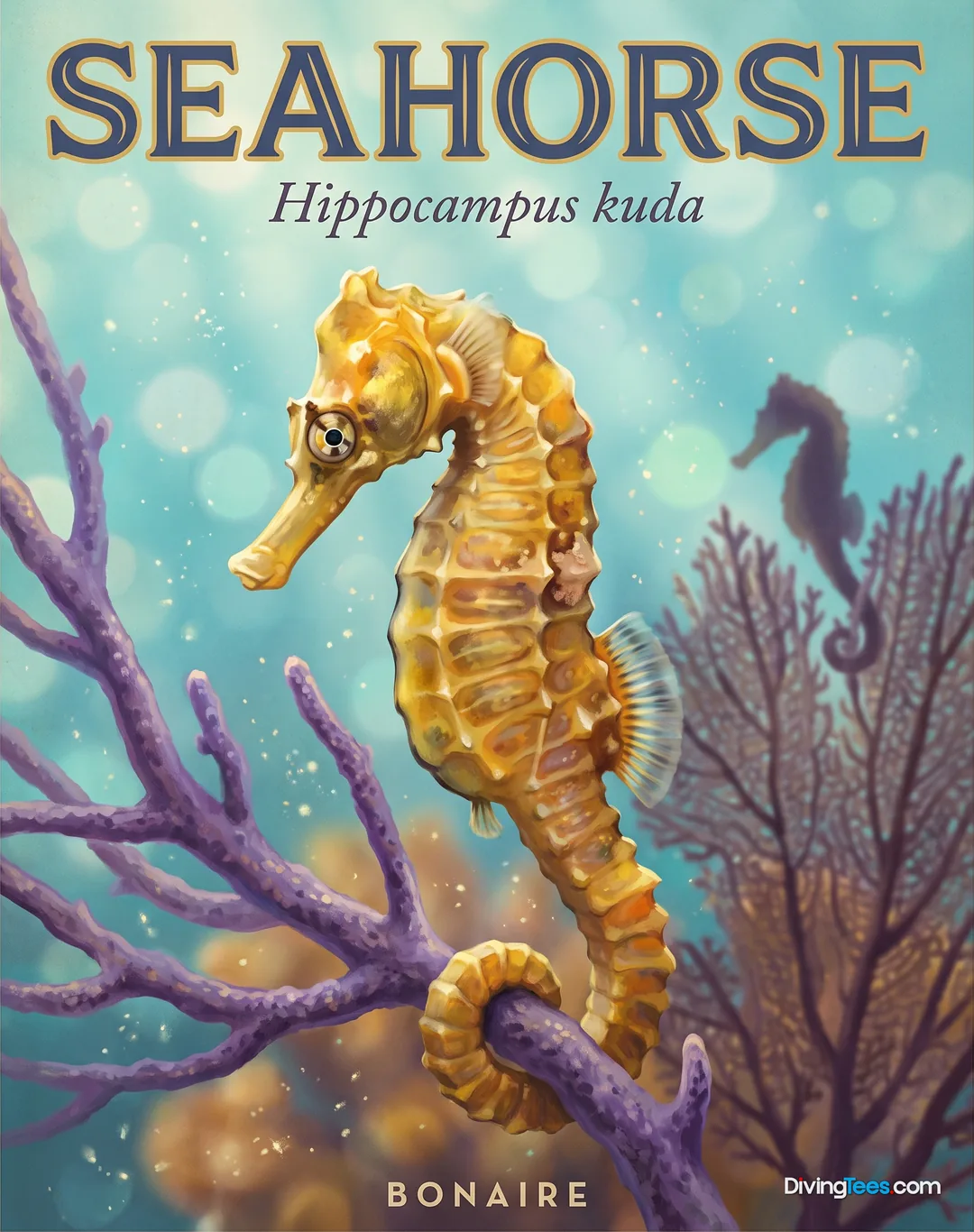
The routes are not one fixed circuit. Six-day, five-night departures run from Cabo San Lucas back to Cabo San Lucas, while eight-day, seven-night itineraries link Cabo San Lucas and La Paz in either direction and may extend north toward Loreto. Each cruise visits a selection of sites. Los Islotes is the sea-lion dive: California sea lions move through reef, sardines and reef fish. Swanee Reef stays shallow at max -11m and combines schooling fish with the Salvatierra wreck. The wreck itself reaches max -18m, where cargo trucks still sit with their tyres inflated beneath the water. Fang Ming reaches max -21m and includes the deliberately scuttled Lapas03, now covered in reef life. La Reynita and San Rafaelito both reach max -30m; one is a current-swept rocky pinnacle with schooling fish and groupers, the other combines coral heads, small caves and resting parrotfish. Isla Ballena reaches max -18m, with caves, a hidden air pocket and sandy garden-eel beds. Punta Lobos reaches max -27m and slopes into a rocky wall where giant seahorses and octopus may appear. La Reyna reaches max -25m and is a rocky islet where reef life meets open ocean. El Bajo reaches max -18m; Gordo Banks and Neptune's Finger both reach max -40m, with deep pinnacles, walls and the possibility of hammerheads and other pelagics. Gavilanes reaches max -18m, with canyons, coral ridges, lobsters and white-tip reef sharks.
What you’ll meet underwater
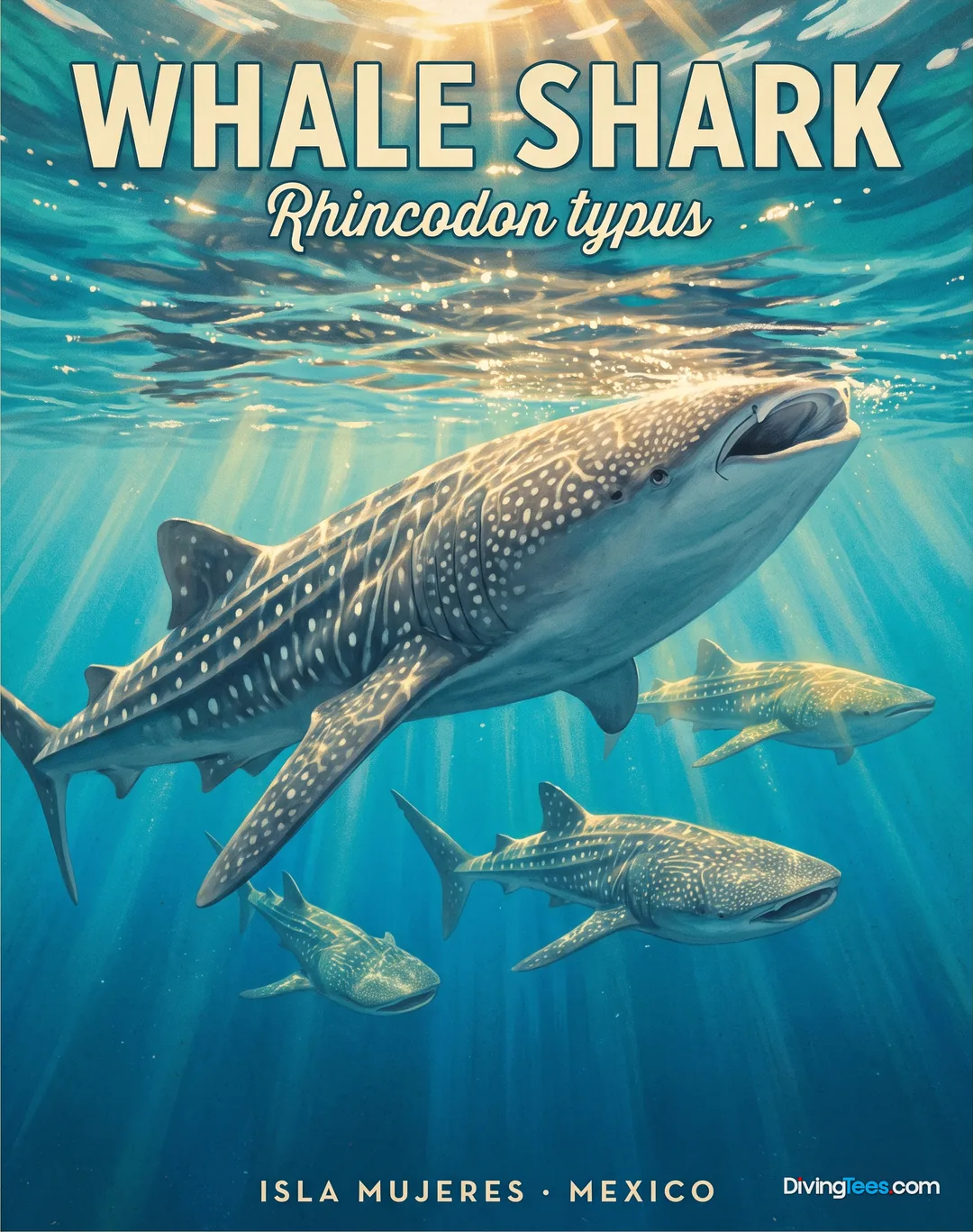
Across the route, turtles, groupers, morays, octopus, rays and snappers provide the recurring cast, with reef fish filling the spaces between the larger encounters. The character changes from site to site. Los Islotes is about California sea lions and baitfish; the Salvatierra can put a barracuda beside trucks on an artificial reef. Fang Ming is the place for soft and hard corals, nudibranchs, reef sharks and turtles. Swanee Reef is the only listed site for green turtles, blennies and seahorses. La Reyna is where a green moray stands out among the reef life. Gordo Banks is the special-purpose dive: deep pinnacles where giant mantas, whale sharks and hammerheads are recorded, along with striped bonito and large schools of jacks. The route can also produce dolphins, mobula rays and surface whales, but the Sea of Cortez remains a wild system rather than a wildlife performance. The animals decide when they appear.

Who puts you in the water
The guides put divers into the water from the main platform and tenders, with an in-water dive guide included in the diving package. The operating languages are English and Spanish. The close crew-to-passenger ratio gives the team room to support divers who want a guided group while leaving experienced divers more independence where the dive plan allows it. That flexibility is useful in the Sea of Cortez, where a sea-lion encounter, a wreck or a current can reward a diver who is watching rather than following a fixed route. No minimum logged-dive count or formal experience threshold is stated for this boat. Nitrox certification, private guiding and additional diving certificates are optional extras. Oxygen, first-aid kits, trained first-aid crew, fire systems, radio communications and satellite phones are carried for the risks that come with remote diving.
The dive deck and the gear
The dive deck is built around a large water-level platform, so entering and exiting the water does not require a high climb or a difficult transfer with a full rig. Tenders support the diving away from the hull and bring divers back to the boat after surfacing. The working area is shaded and includes camera space and rinse tanks; stations and charging points matter if the trip is built around photographs rather than occasional snapshots. Tanks can be used with DIN adapters, and the boat supports sidemount and rebreather diving. Nitrox is available as an optional extra, not as a default inclusion. Rental equipment is also optional. The setup includes air fills, though the available information does not give tank volume or tank material. That is the one practical point to check if a personal tank choice is central to the trip.
Between dives
Between dives, the Gallant Lady gives guests several ways to get out of the working part of the boat. The shaded dive area is useful when the sun is strong; the terrace and observation deck open the view, and the sky lounge gives the upper part of the boat a quieter place to sit. The freshwater hot tub is there for the cold hours after a dive, while kayaks and stand-up paddleboards make the surface time active rather than merely waiting for the next briefing. On a long crossing, the open wheelhouse and upper decks are the places to watch the coastline fall away or scan for animals. The boat also welcomes non-divers and snorkellers, so a partner does not have to follow the same underwater schedule to have a full trip.
A day on board
A diving day begins with the first briefing, followed by the first descent and the practical sequence that makes a liveaboard work: back on deck, rinse the gear, eat, rest, and prepare for the next call to the platform. The exact number of dives depends on the itinerary, site conditions and the boat's position, but the trip is structured around repeated daytime dives rather than one morning outing. Meals punctuate the gaps, snacks keep the longer intervals simple, and the deck becomes a place to dry off, compare sightings and check cameras. When the boat is underway, the view changes from reef and island to open water; kayaks, stand-up paddleboards or the hot tub fill the surface hours. Sea of Cortez itineraries also make room for night dives, when the same reef can show octopus, morays and hunting fish in a different light. By evening, the day's photographs and sightings take over the lounge before the cycle starts again.
What you eat aboard
The galley works in two directions: fresh Mexican cooking and North American food from the West Coast. Meals are made from scratch, with full board, snacks throughout the day and a choice that includes vegetarian and vegan options. The important part on a diving trip is not the label of fine dining but the timing and usefulness of the food: breakfast, lunch and dinner replace calories after the water, while snacks bridge the gaps without turning every surface into a buffet station. The bar is well stocked with beer, wine and cocktails, while non-alcoholic drinks, water, tea and coffee are included. Guests who spend much of the day wet, hungry and handling gear will notice the galley before they notice the décor.
Nights at sea
The six cabins are arranged as Superior Suites and a Premium Suite, with the latter on the lower deck. Four Superior Suites can be set up with a California king or two doubles, while the twin-bed Superior Suite covers the simpler option. Every cabin has individual air conditioning, a private bathroom and shower, and a porthole rather than a large picture window. That makes the cabins comfortable, but not bright hotel rooms. The sea is present as a glimpse and as movement beyond the hull, while the air conditioning gives the bunk a reliable retreat after repeated dives. The larger suites offer more room to spread out; the lower-deck position of some cabins means the boat's motion and machinery are part of the night in a way they are not on the upper deck. Six cabins for twelve guests keeps the accommodation side unusually personal.
Superior Suite
Premium Suite
Twin Bed Superior Suite
What to know before boarding
Cabo San Lucas is the departure and return port for the six-day Cabo-to-Cabo trips. Other recorded itineraries run between Cabo San Lucas and La Paz, including routes toward Loreto. Airport and hotel transfers are optional rather than included, and can be arranged through the operator. Arriving in the area the night before gives sensible margin for a trip that depends on reaching the port on time.
Deck plan
- Length
- 35.4 m
- Beam
- 6.7 m
- Maximum number of passengers
- 12
- Number of cabins
- 6
- Number of bathrooms
- 6
- Engines
- Caterpillar power
- Website
- nautilusliveaboards.com ↗
Hello, I'm Marina, DivingDeal.com's AI assistant. I answer in detail about hotels, dive centres and liveaboards.

Thinking about the whole trip and the flights? Talk it over with Edith →
Marina is an AI. Some links are affiliate links: DivingDeal may earn a commission, at no extra cost to you. Bookings are made with the partner.