

Maratua - Extra Divers
★ 4.6/5 (81 reviews)
Derawan Islands · Indonesia · Asia
Max. depth · 40 mMuaras Atoll offers a genuine frontier dive experience, with steep walls dropping beyond 40 metres and frequent encounters with pelagic species in moderate currents.
For subtitles in English: start the video firstthen click the gearat the top right of the video, select “Subtitles/CC”, then “Auto-translate” and choose “English”.
Muaras Atoll, or Karang Muaras, lies just south of Maratua Island within the Derawan Archipelago in East Kalimantan. This ring-shaped reef system rises from the deep waters of the Celebes Sea, presenting a distinct topography shaped by oceanic forces. As you descend, the sheer scale of the atoll becomes apparent, with an outer slope facing the open ocean and a calmer lagoon side, though most diving focuses on the more exposed outer sections. The undeveloped character of Muaras offers a raw and authentic dive experience, far from crowded sites.
The atoll features a healthy fringing reef that transitions between gentle coral slopes and steep reef walls. These walls drop beyond 40 metres, eventually giving way to sandy bottoms in the deeper areas. This varied topography creates diverse habitats, from the sunlit shallows to the deeper, darker zones where larger pelagic species often cruise. The contours of the atoll hint at vast underwater realms, with many sections still offering the chance for genuine exploration and discovery.
Dives at Muaras Atoll are often conducted along these reef walls, where moderate, nutrient-rich currents are a defining feature. These currents are typically sufficient to attract pelagic life without being extreme, making for manageable drift dives. While current strength can vary with tides and specific locations around the atoll, understanding these movements is key to appreciating the site. These water movements are the lifeblood of the atoll, bringing in the nutrients that sustain its vibrant ecosystem.
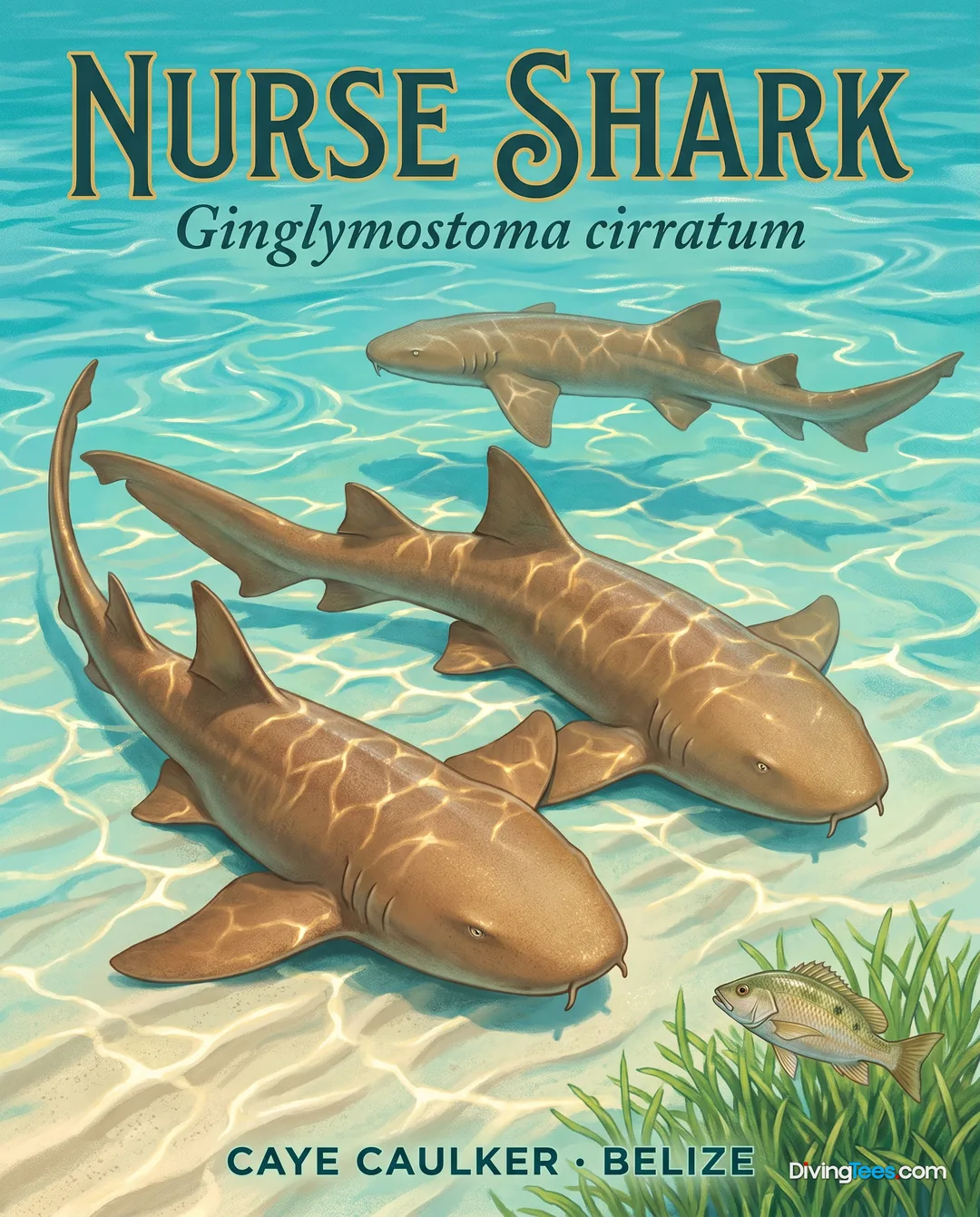
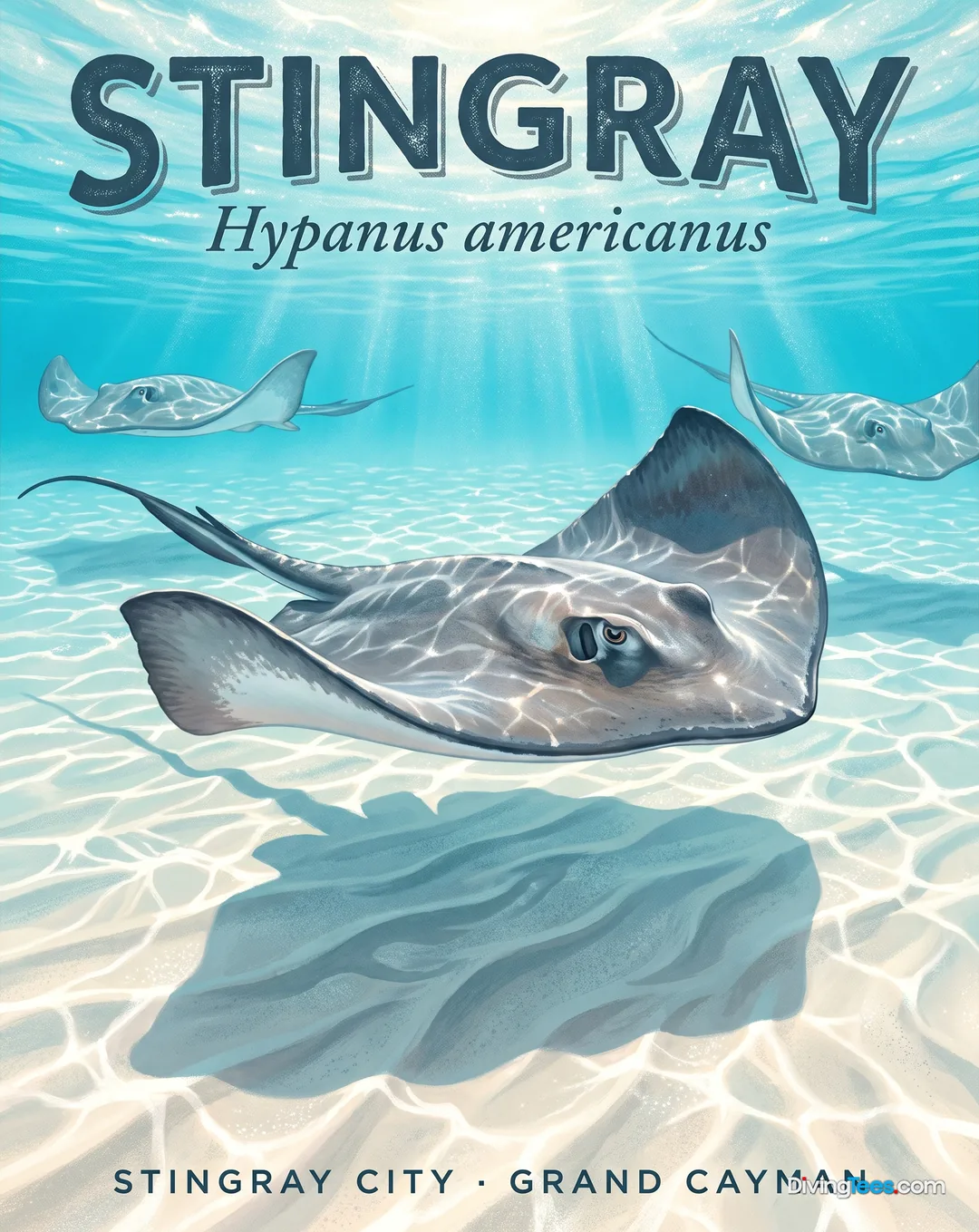
The atoll is known for its abundant marine life, particularly at named sites like Turtle Point and Stingray City. Here, you can expect frequent encounters with green sea turtles (Chelonia mydas) and hawksbill turtles (Eretmochelys imbricata). Along the reef walls, whitetip reef sharks (Triaenodon obesus) and nurse sharks (Ginglymostoma cirratum) are common sightings. On the sandy bottoms, numerous stingrays, including bluetooth stingrays, are often observed, adding to the rich biodiversity of the site.
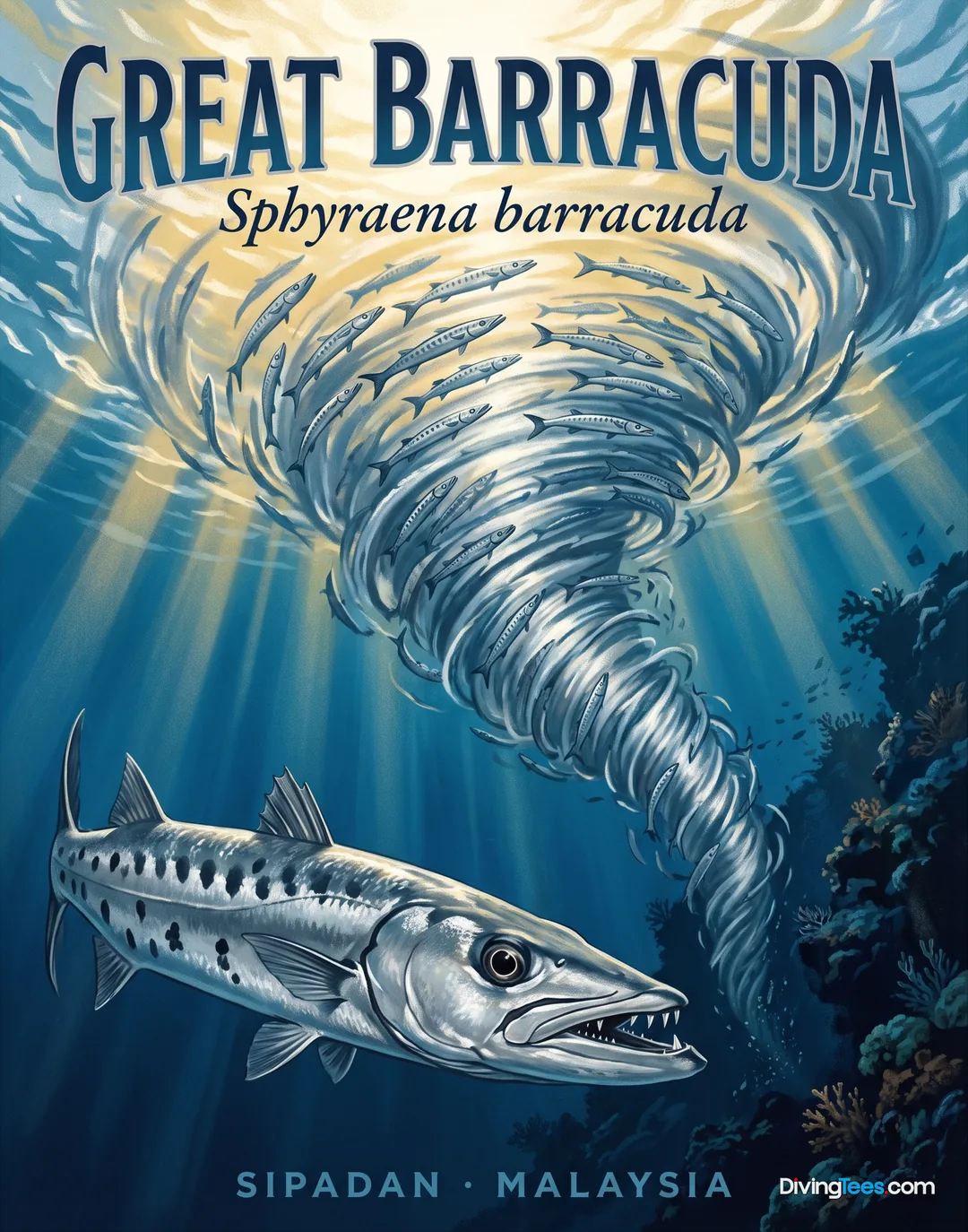
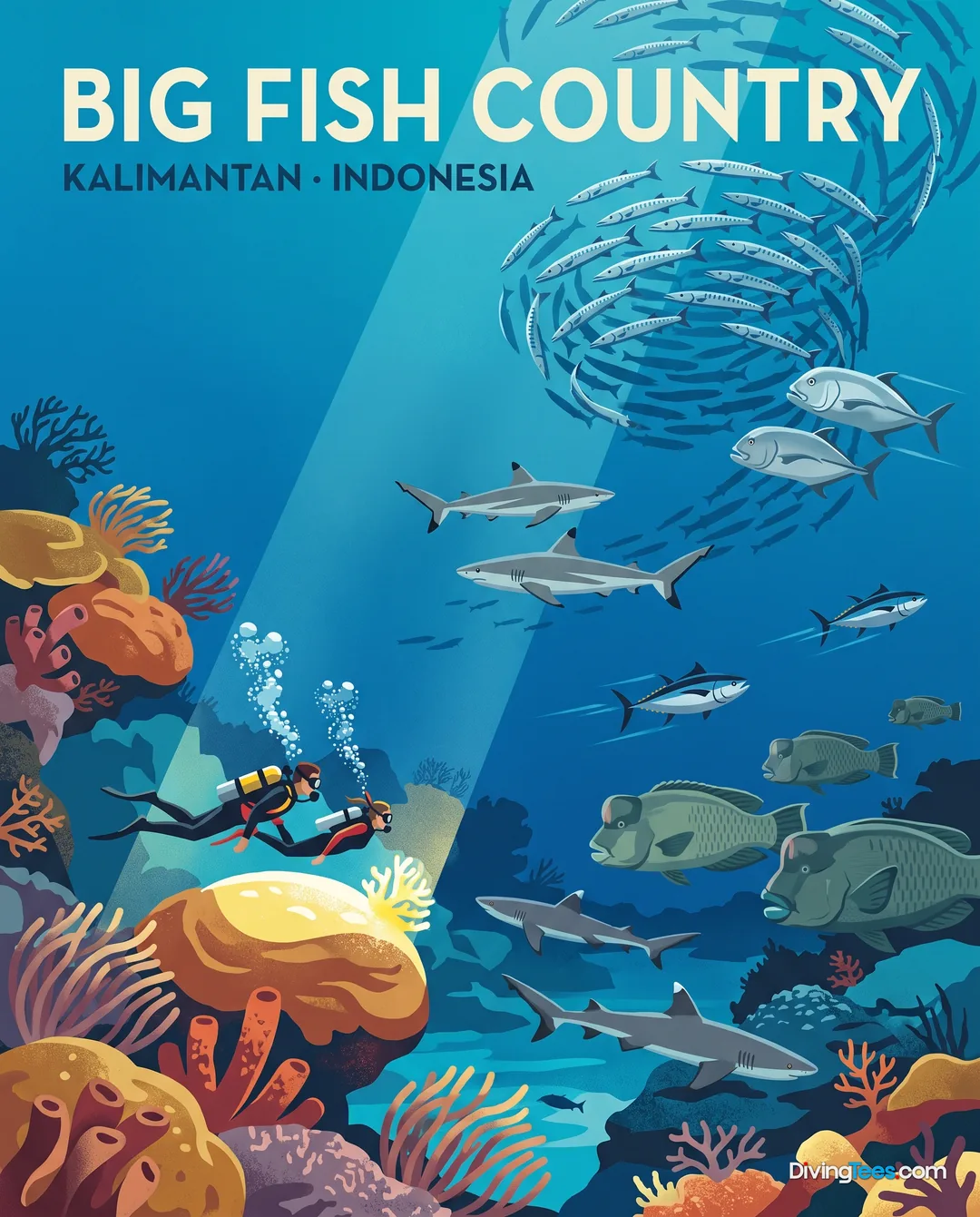
Beyond the resident reef inhabitants, Muaras Atoll is a notable destination for big-fish encounters. Barracuda (Sphyraena barracuda) and various species of trevally (Carangidae) are often seen schooling in the currents, particularly along the deeper sections of the walls. Eagle rays (Myliobatis aquila) are also present, gliding gracefully through the open water. The combination of clear water, moderate current, and the steep wall structure creates an ideal environment for these larger predators.
The reef itself is home to a wide array of smaller reef fish, including parrotfish (Scaridae), butterflyfish (Chaetodontidae), and triggerfish (Balistidae). These species populate the coral slopes and walls, contributing to the vibrant colours and constant activity of the reef. The pristine condition of the environment means you'll witness marine life behaving naturally, largely undisturbed by frequent human presence, offering a rare glimpse into an untouched underwater world.
What truly sets Muaras Atoll apart is its status as a little-explored frontier. This isn't a site where every coral head has been cataloged or every shark sighting documented. Instead, it offers the rare opportunity to be among the few to witness its unspoiled environment. You dive here not just to observe, but to discover, becoming part of the ongoing exploration of Indonesia's vast and diverse underwater landscapes, making each descent a unique experience.
Diving at Muaras Atoll is accessible from a minimum of Advanced Open Water Diver certification, with at least 50 logged dives recommended due to the potential for moderate currents and wall diving profiles. Depths range from 5 metres on the reef top down to beyond 40 metres along the walls. Visibility typically ranges from 15 to over 30 metres, with clearer conditions generally found during the dry season. The best time to dive is from March to October, which offers calmer seas and better visibility, though diving is possible year-round, avoiding occasional weather interruptions around January.