Tubbataha · Philippines · Asia
Max. depth · 30 mStaghorn Point, Palawan: a coral-rich pelagic hotspot
Staghorn Point offers a dynamic dive along a sloping coral reef that transforms into a wall, frequently visited by large pelagics.
What makes this site special
- Dense fields of staghorn coral from 7 metres.
- Frequent encounters with manta rays.
- Opportunity for whale shark sightings.
- Schools of trevally and striped barracuda.
- Fan-encrusted wall sections at deeper depths.
- Good visibility, ranging from 24 to 46 metres.
For subtitles in English: start the video firstthen click the gearat the top right of the video, select “Subtitles/CC”, then “Auto-translate” and choose “English”.
Staghorn Point about the site
Diving Staghorn Point means starting on a vibrant coral plateau that forms the southern tip of South Atoll. From seven metres, you’ll find yourself surrounded by extensive fields of staghorn coral, which create an undulating landscape. As you follow the contour, these coral gardens gradually slope downward, eventually transitioning into a more pronounced wall section.
The topography here shifts from a gentle descent to a steeper drop-off, a characteristic of many exposed reef points. Along this deeper section, the wall becomes encrusted with various fan corals. This transition from a sloping reef to a vertical face creates diverse habitats, offering different experiences as you progress through the dive.
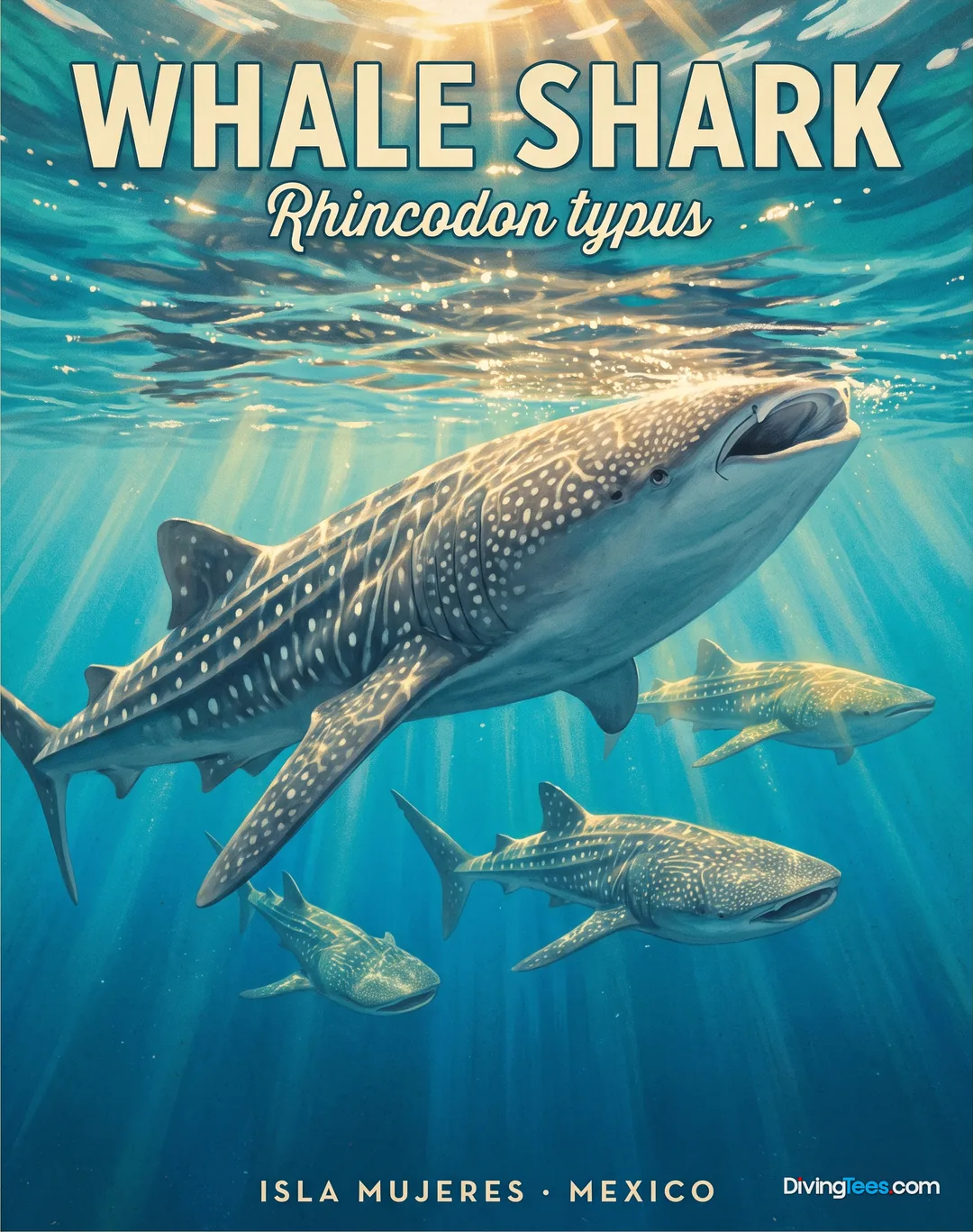
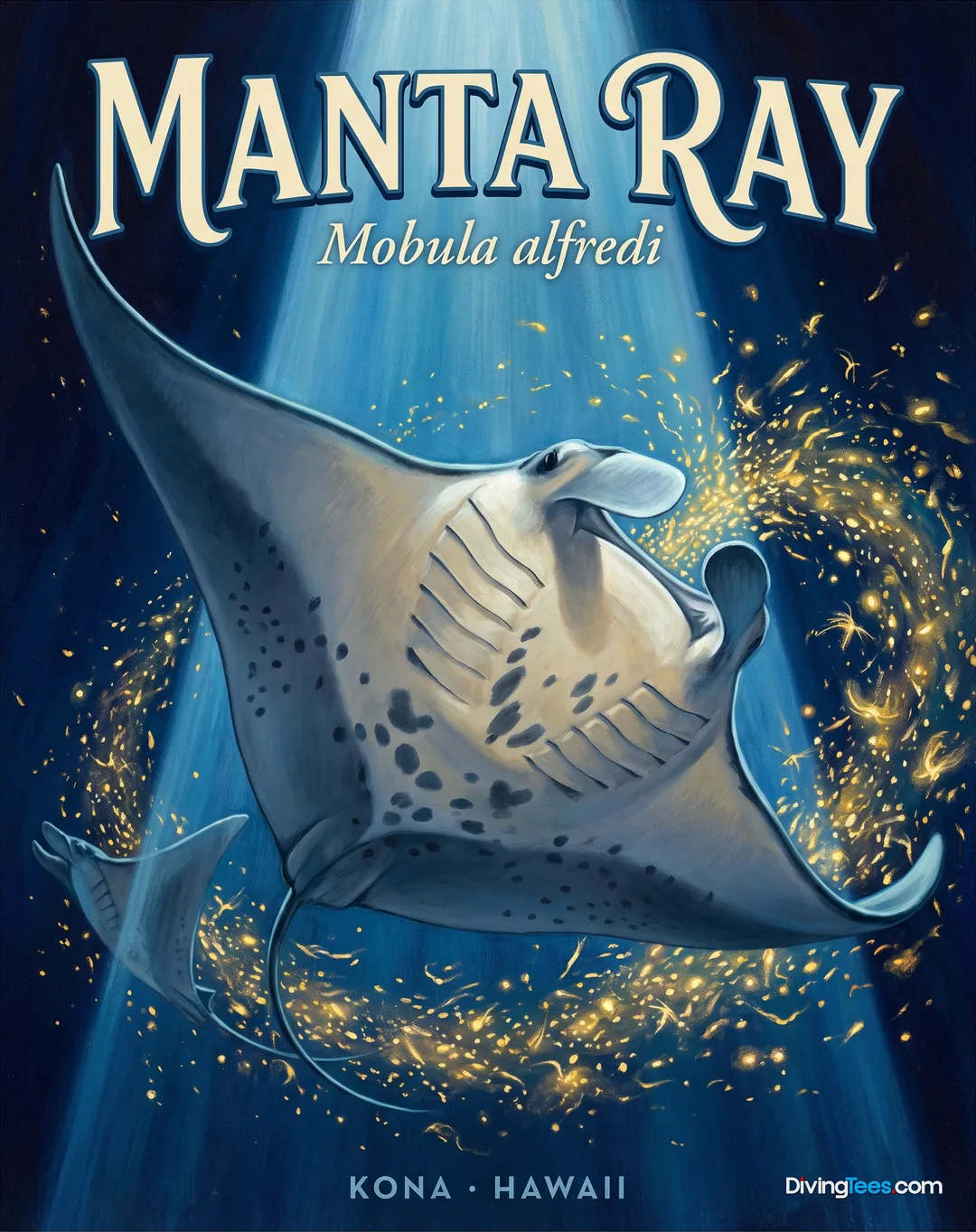
This location acts as a natural aggregation point for larger marine life due to its position on the outer edge of South Atoll and the prevailing currents. It’s well-known for regular sightings of manta rays (Mobula birostris), often observed gracefully cruising near the reef. Whale sharks (Rhincodon typus) are also reported, adding to the anticipation during a dive here.
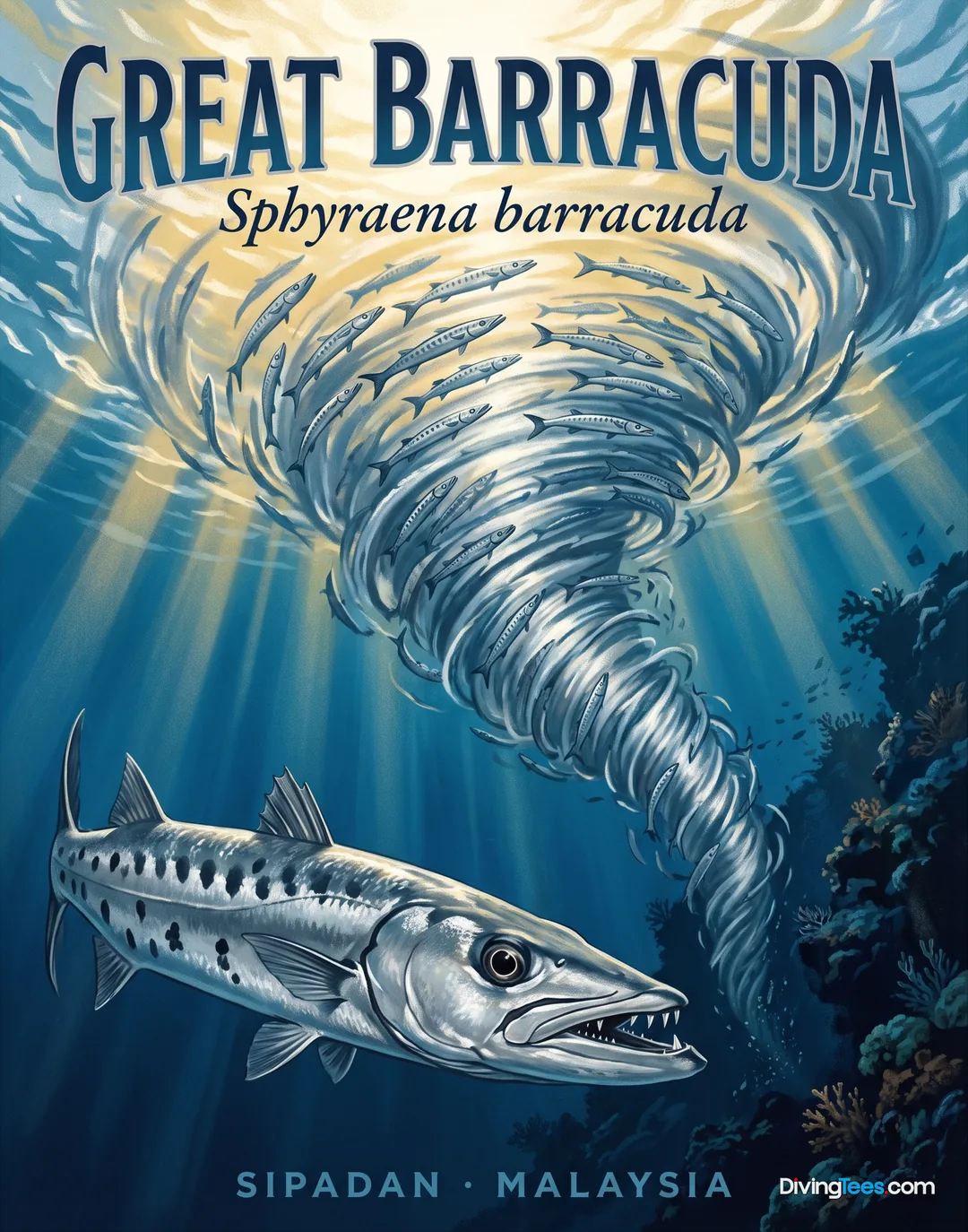
Beyond the prominent pelagics, the reef sustains a busy ecosystem. You’ll encounter schools of sweetlips (Plectorhinchus vittatus) congregating, often alongside schools of trevally (Carangoides gymnostethus) and striped barracuda (Sphyraena jello) that move through the open water. These larger schooling fish add a sense of scale and activity to the reef environment.
Look closer along the coral structures and within crevices to find resident reef inhabitants. Turtles (Chelonia mydas) are a common sight, navigating the reef with ease. Snowflake morays (Echidna nebulosa) peek from their hiding spots, while spiny lobsters (Panulirus interruptus) can be found tucked into rocky overhangs. The reef top also hosts numerous anthias (Pseudanthias squamipinnis), their bright colours creating a vivid contrast against the corals.
The dynamic nature of Staghorn Point means conditions can vary. Its location as a cleaning station and an exposed point on the atoll’s edge often dictates the pace of the dive. While it's frequently dived during calm sea conditions, the current can be variable, sometimes providing a drift along the reef, which can enhance pelagic encounters.
What truly sets Staghorn Point apart is the combination of its dense, healthy staghorn coral terrain and the consistent presence of pelagic species. While many sites in the region feature walls, the extensive coral fields here, coupled with the reliable sightings of mantas and occasional whale sharks, give it a distinct character. It’s this blend of vibrant reef and open-water action that makes it a memorable dive.
Diving Staghorn Point: the marine life you’ll meet
Diving conditions
This is an Advanced level dive. Divers should be comfortable with currents, as conditions can be variable depending on tides and exposure. Depths range from a minimum of 7 metres down to 30 metres. Visibility is typically good, generally holding between 24 and 46 metres. The optimal season for diving Staghorn Point is from mid-March to mid-June, when sea conditions are generally calmer.