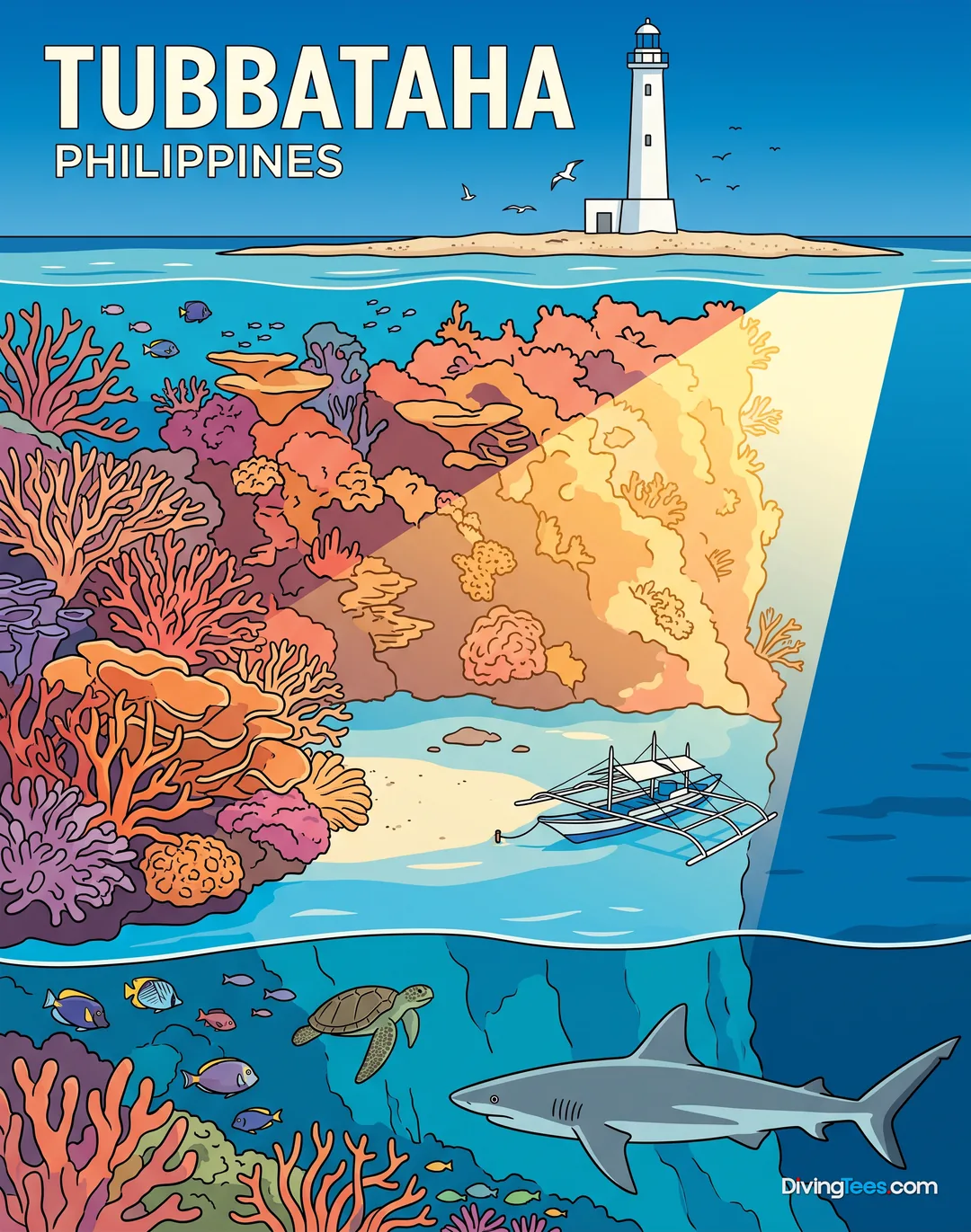
Tubbataha · Philippines · Asia
Max. depth · 30 mDelsan Wreck, Tubbataha: Drifting the South Atoll's Wall
Beyond the minimal scattered wreckage, Delsan is defined by its current-swept wall, 'The Cut', and consistent pelagic encounters.
What makes this site special
- Drift dive along a steep, current-swept wall
- Large V-shaped crevasse known as 'The Cut'
- Frequent encounters with grey reef sharks
- Sightings of dogtooth tuna and giant trevally schools
- Occasional tiger and hammerhead shark observations
- Excellent visibility of 30 to 40 metres
- One of Tubbataha's best pelagic sites
For subtitles in English: start the video firstthen click the gearat the top right of the video, select “Subtitles/CC”, then “Auto-translate” and choose “English”.
Delsan Wreck about the site
Diving Delsan Wreck means heading to the southeastern edge of Tubbataha's South Atoll, where the visible remains of a small freighter or barge are largely overgrown and scattered across a shallow reef top, starting around 5 metres. While the wreck itself offers little structure beyond coral-encrusted fragments, it serves as a point of reference for a dive defined by the dramatic reef topography. The dive generally begins upstream of these remnants, allowing a gentle drift over the initial shallow slope.
The main feature of this site is a large, V-shaped crevasse in the reef wall, locally known as 'The Cut'. This geological formation descends to about 30 metres and spans approximately 20 metres across, creating a natural channel that funnels water. As you drift along the upper slope, the reef transitions sharply into a steep wall that plunges into deeper water, with the crevasse acting as a focal point for both current and marine life.
Currents at Delsan are often moderate to strong, particularly as water is channeled through 'The Cut' and along the dog-leg sections of the wall. These conditions can exceed 2 knots, concentrating significant schools of fish. This dynamic environment attracts larger predators, making encounters with hunting grey reef sharks (Carcharhinus amblyrhynchos) a common occurrence. The dive profile typically involves a drift along the drop-off, allowing you to cover substantial ground with the current.
The strong currents and strategic location make Delsan one of the South Atoll's premier sites for pelagic encounters. Beyond the numerous grey reef sharks, you can expect to see whitetip reef sharks (Triaenodon obesus) patrolling the reef, alongside impressive schools of dogtooth tuna (Gymnosarda unicolor) and giant trevally (Caranx ignobilis). Great barracuda (Sphyraena barracuda) and yellowtail barracuda (Sphyraena flavicauda) are also frequently observed, often holding formation against the current.
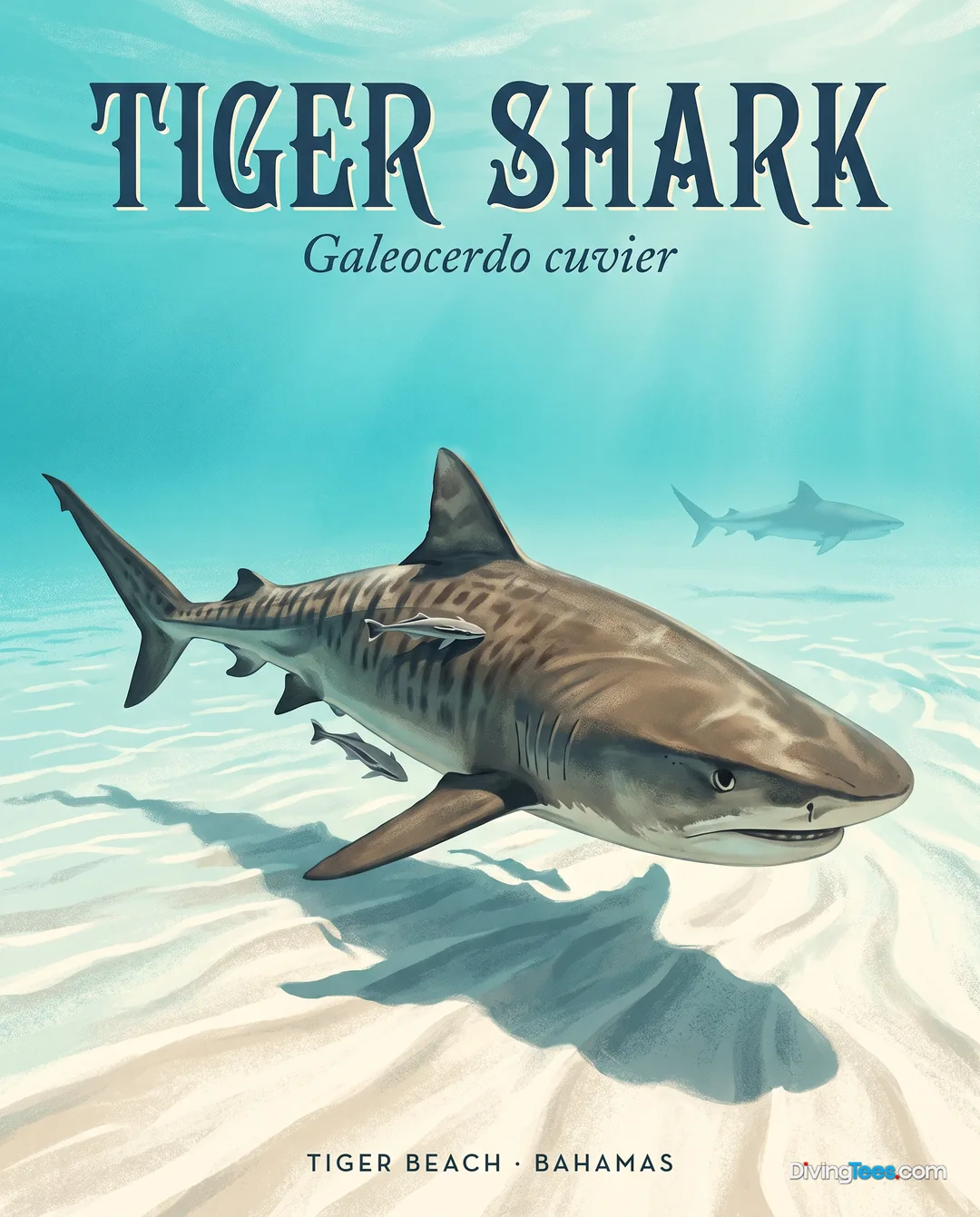
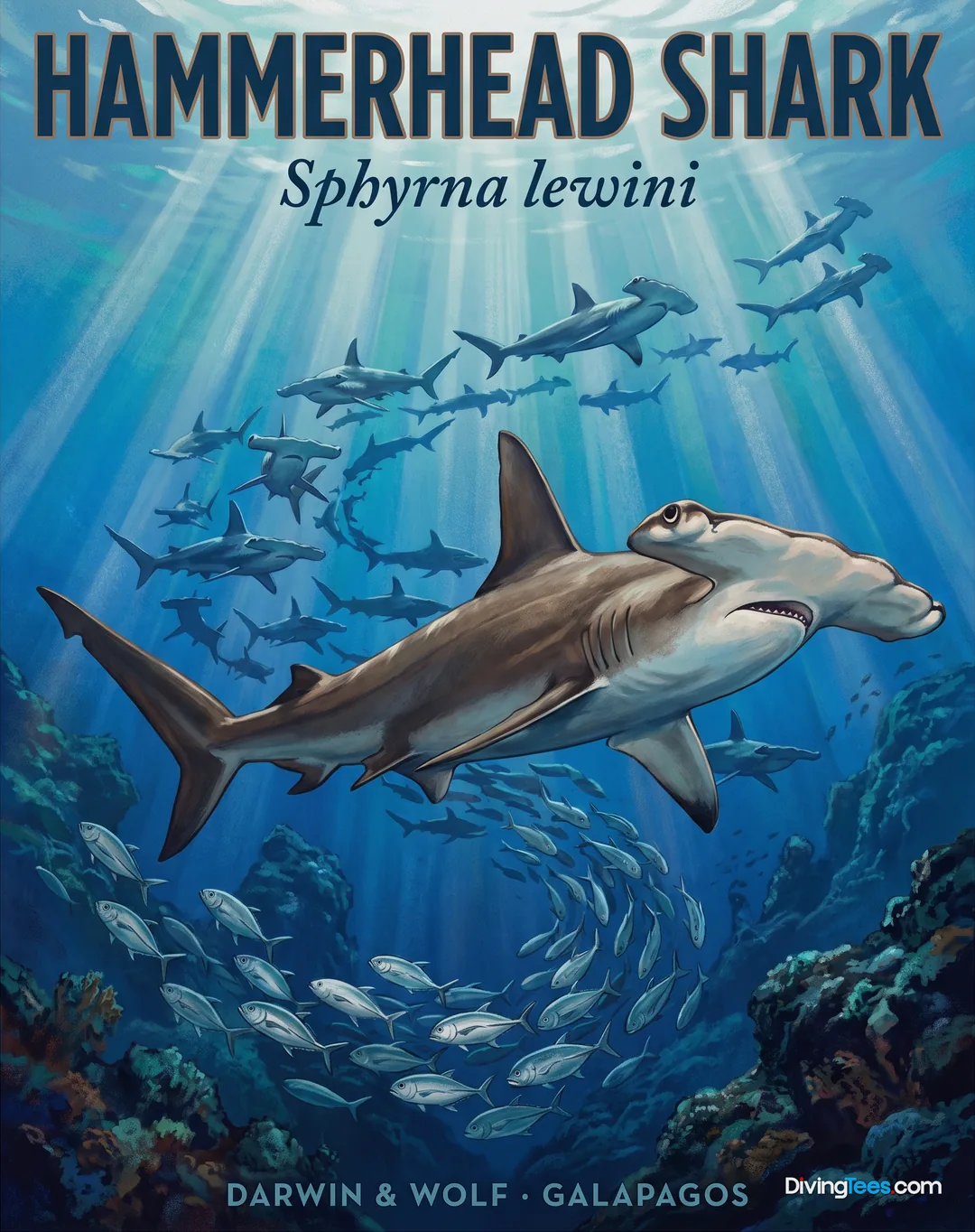
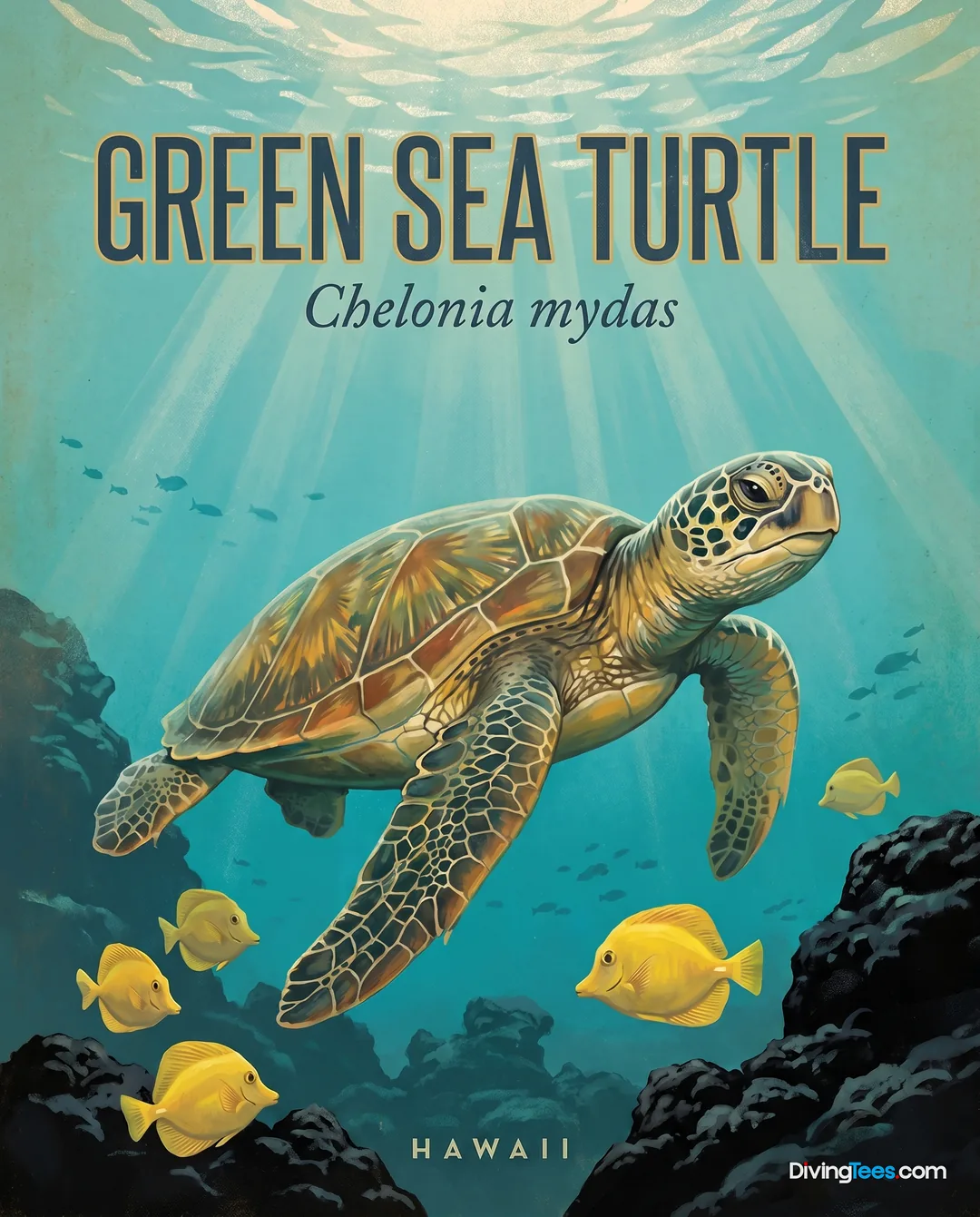
Further enhancing the pelagic experience, the site is known for occasional sightings of tiger sharks (Galeocerdo cuvier) and hammerhead sharks (Sphyrna spp.), particularly during the peak season from March to May. These larger predators are drawn to the abundant schooling fish and the rich ecosystem sustained by the currents. Snapper (Lutjanidae family) and grouper (Epinephelinae subfamily) inhabit the wall and crevices, while green turtles (Chelonia mydas) are regularly encountered along the reef.
The visibility at Delsan is consistently good, ranging from 30 to 40 metres, offering clear views of the expansive wall and the pelagic action. This excellent visibility, combined with the often-present current, means careful buoyancy and positioning are key to fully appreciating the site. Maintaining a comfortable distance from the wall while observing the open water for passing pelagics defines the experience here.
What sets Delsan Wreck apart from other sites in Tubbataha is not its scattered wreckage, but its reputation as a consistent 'big fish' destination. The combination of its geological features, strong currents, and a healthy reef ecosystem creates a reliable environment for diverse pelagic species. It offers a distinct experience compared to purely reef-focused dives, demanding a different approach to current management and open-water awareness.
Diving Delsan Wreck: the marine life you’ll meet

Diving conditions
This is an Advanced dive requiring comfort in strong current and drift conditions. Depths range from 5 metres on the shallow reef flat to 30 metres along the main wall and within 'The Cut'. Currents are often moderate to strong, frequently exceeding 2 knots, and vary with tides and seasonal conditions between March and May. Visibility typically holds between 30 and 40 metres. Access is exclusively by liveaboard, with entries planned for a drift over the slope and wall.
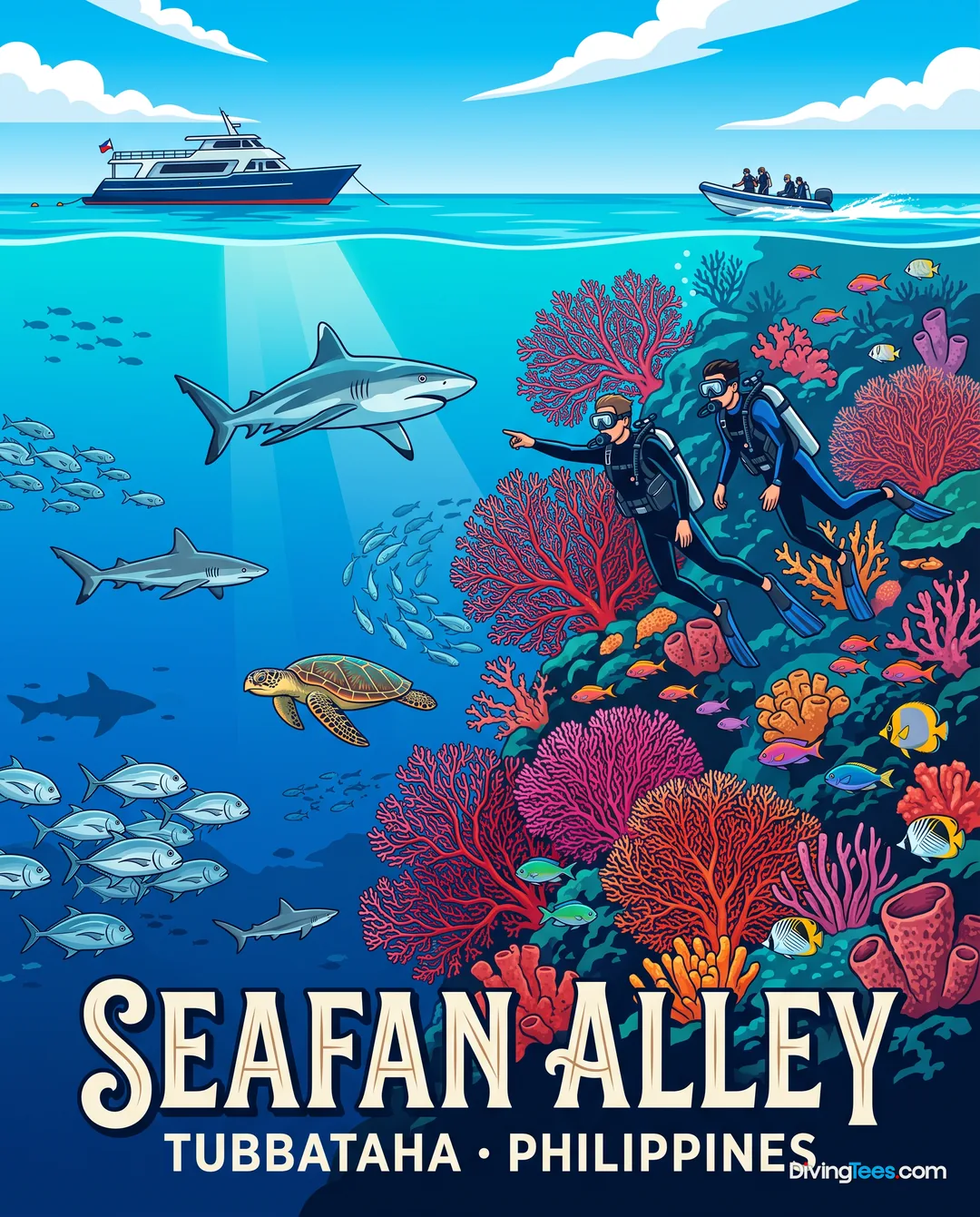
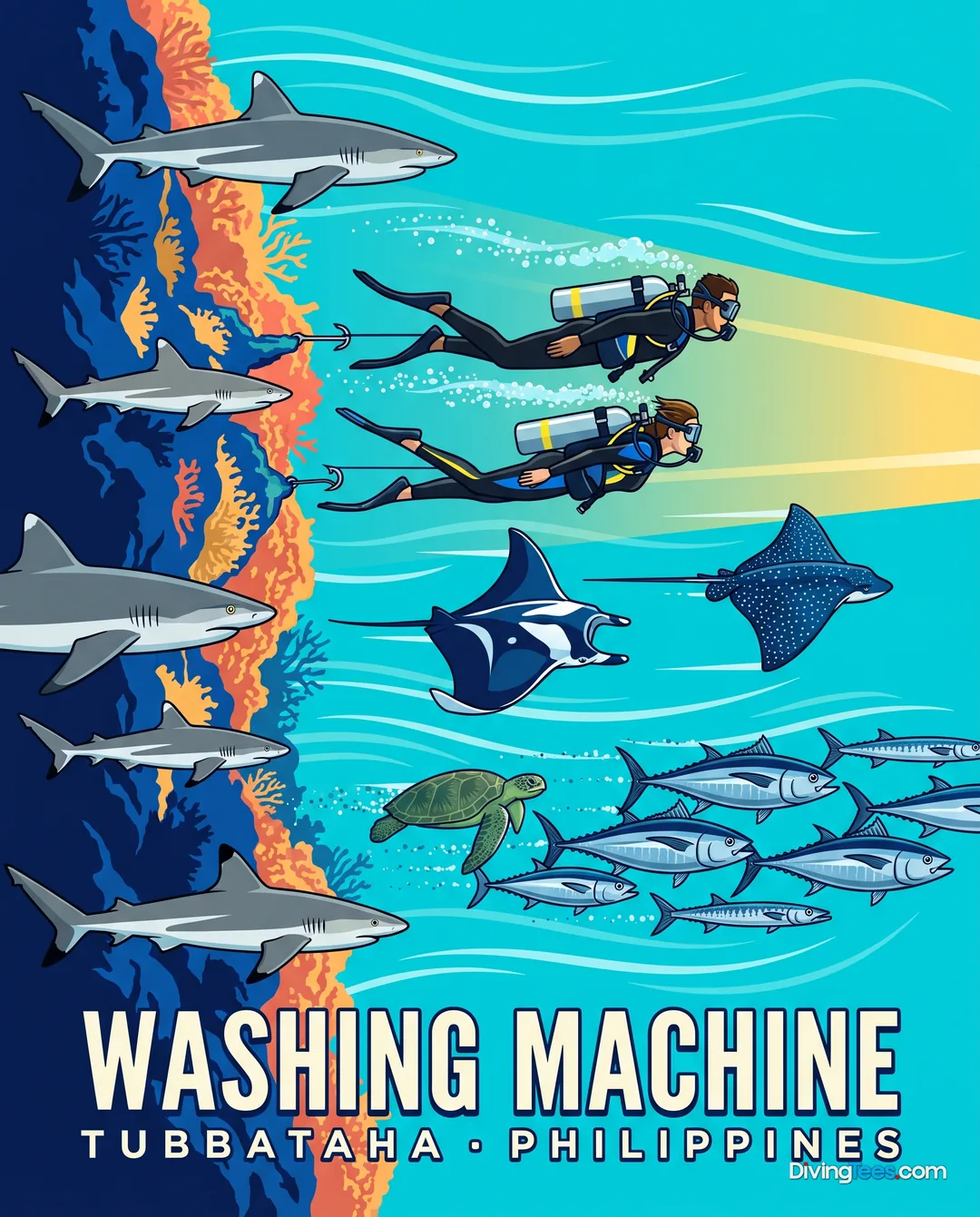
Three dives not to miss

Map of dive sites in Tubbataha
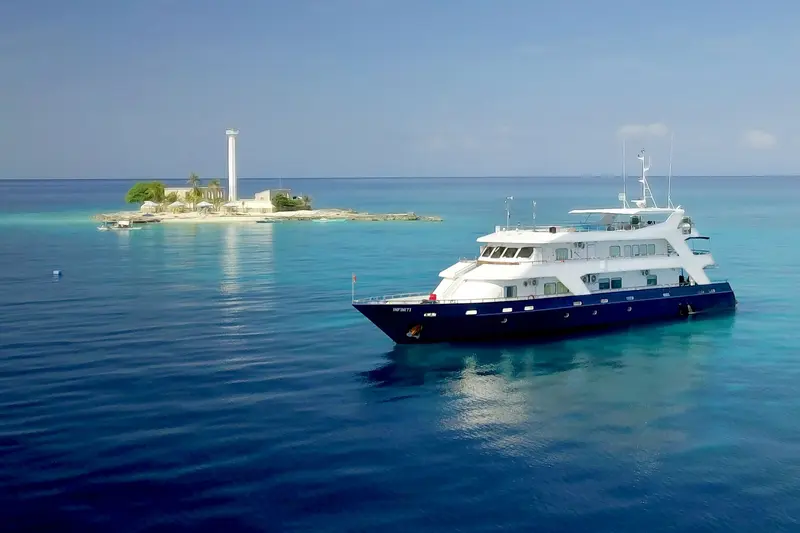
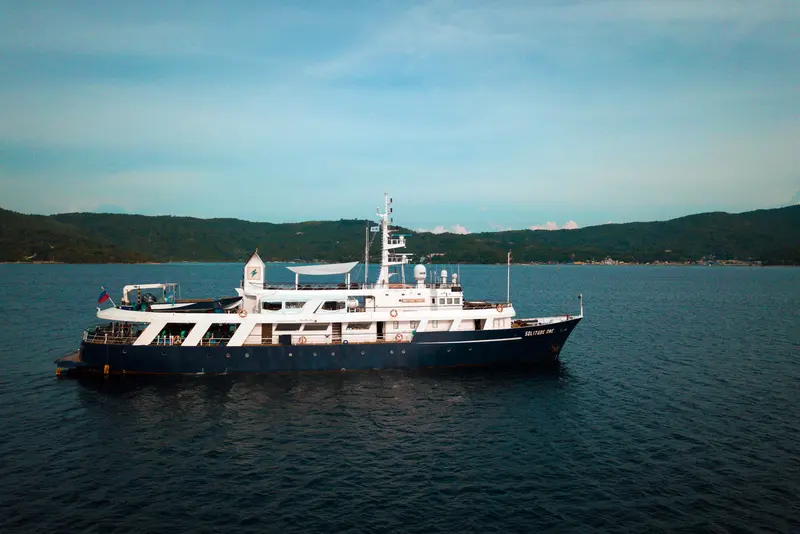
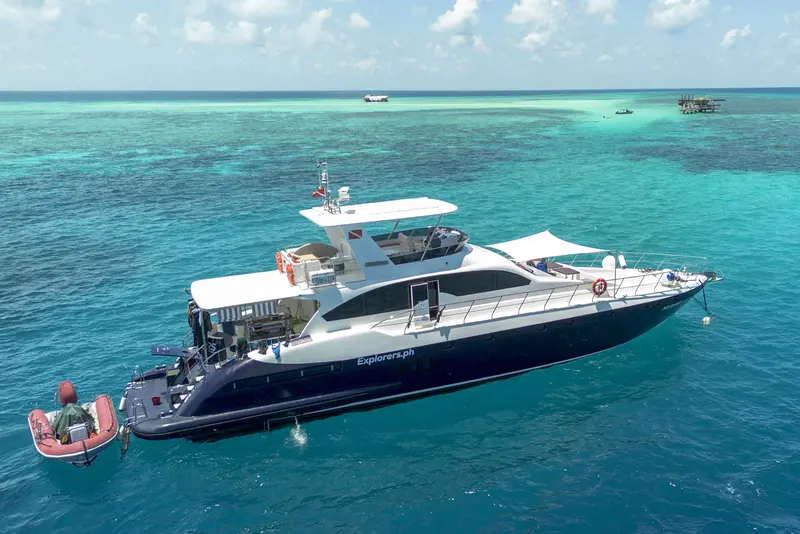
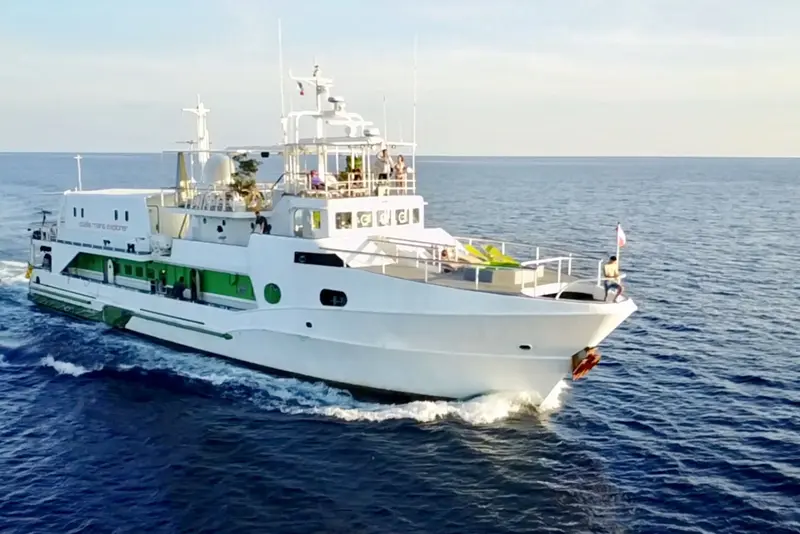
Dive liveaboards Tubbataha
14 liveaboards run trips to Tubbataha.
Frequently asked questions about Delsan Wreck
When should you dive Delsan Wreck?
Delsan Wreck is dived between March and May, when seasonal conditions influence the currents and tiger and hammerhead shark sightings are particularly noted. Access is exclusively by liveaboard, with entries planned upstream for a drift over the shallow slope, steep wall and open water around The Cut.
What experience and current skills do you need for Delsan Wreck?
Delsan Wreck is an Advanced dive requiring you to be comfortable in strong currents and drift conditions. Currents are often moderate to strong, frequently exceeding 2 knots, and can change with tides and seasonal conditions. You need careful buoyancy, positioning and open-water awareness while drifting along the wall and through current-swept sections.
How deep is Delsan Wreck, and what parts of the site can you explore?
At Delsan Wreck, you can begin on the shallow reef flat and scattered wreck remains around 5 metres. The main wall and the V-shaped crevasse called The Cut descend to about 30 metres. The dive follows a drift over the slope and wall, with The Cut forming a natural channel through the reef.
What can you see at Delsan Wreck?
At Delsan Wreck, you can encounter grey reef sharks, whitetip reef sharks, dogtooth tuna, giant trevally, great barracuda and yellowtail barracuda. Green turtles, snapper and grouper inhabit the reef and wall, while tiger sharks and hammerheads are seen occasionally. Visibility typically ranges from 30 to 40 metres, giving clear views of pelagic activity.