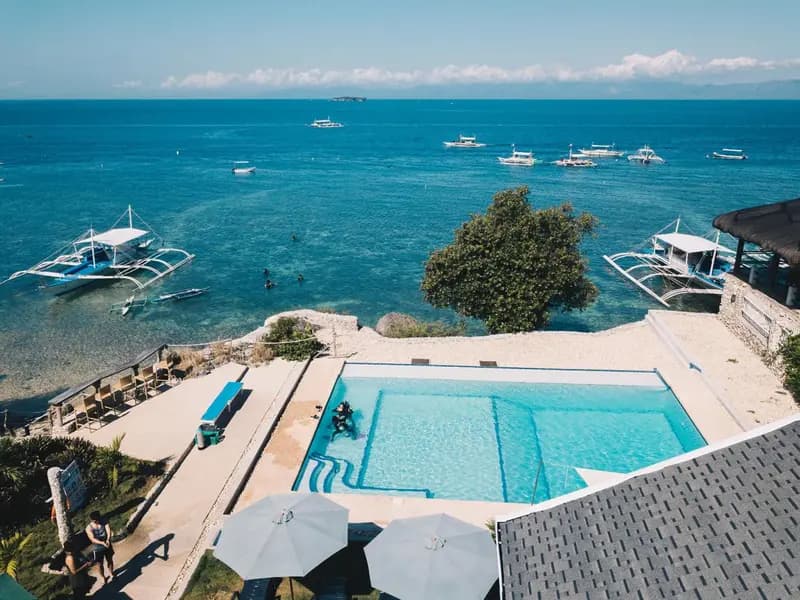
Cebu Seaview Dive Resort
★ 8.9/10 (394 reviews)
4.1 km away as the crow flies
Dive centre · Moalboal · Philippines
4.1278 Google reviewsDive the famous sardine run and explore a biodiverse house reef located directly in front of the resort.
For subtitles in English: start the video firstthen click the gearat the top right of the video, select “Subtitles/CC”, then “Auto-translate” and choose “English”.
Located in Moalboal, Cebu, Dolphin-House operates as both a dedicated dive centre and a tropical resort. The facility is built around a philosophy of ecological symbiosis, aiming to minimise the human footprint on the local reef ecosystem. This commitment is reflected in their refusal to participate in shark feeding excursions in Oslob.
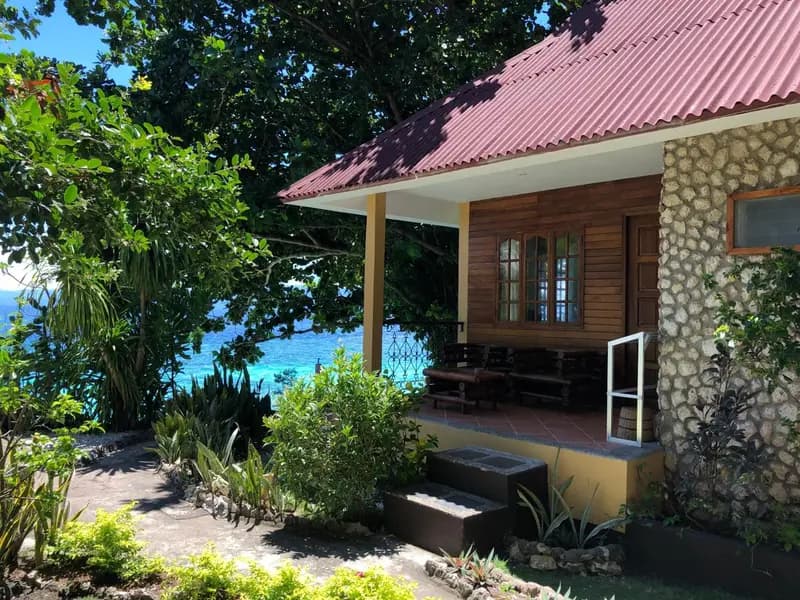
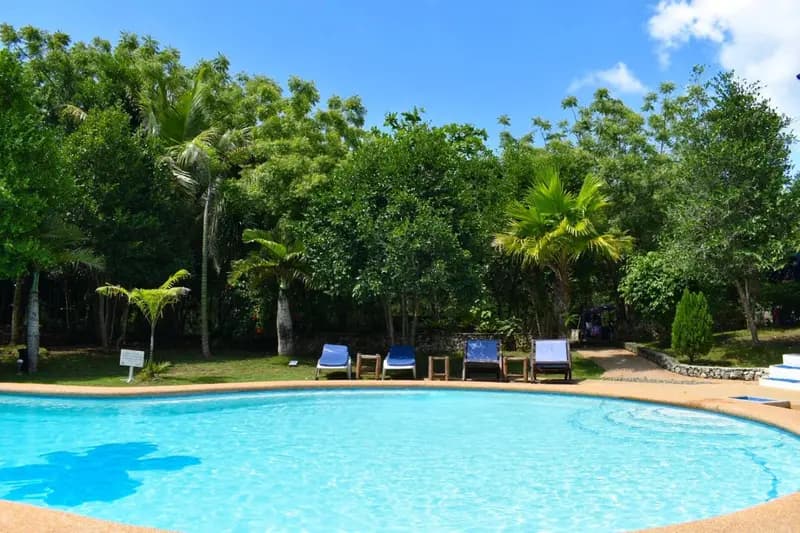
The dive centre, known as Dive College, is situated directly on the beach. It provides a complete infrastructure for divers, including a marine biology station, a dedicated equipment shop, and a repair workshop. The resort itself is set within a 40,000 m² tropical garden, offering bungalows that wrap around a central swimming pool.
The centre is affiliated with NAUI and CMAS, providing a structured pathway for divers from entry-level training through to professional certifications. A key feature of the operation is the presence of marine biologists who conduct regular seminars to help divers better understand the local ecosystem.
Instruction is provided for a wide range of levels, including the Discover Scuba Program for those new to the water. The team focuses on environmental education, often incorporating marine biology into the diving experience to foster a deeper connection with the reef.
Training is conducted under the NAUI and CMAS frameworks, covering everything from the initial Discover Scuba Program to professional-level certifications. Whether you are starting your journey or looking to advance your technical skills, the curriculum is designed to meet international standards.
The centre also hosts marine biology seminars, allowing divers to combine their certification training with academic insights into the local marine life.
The dive centre provides a full range of equipment for hire, including 20 complete sets. For those who prefer to use their own kit, the shop and repair workshop are available on-site to handle any necessary maintenance.
Shore-based facilities include dedicated drying rooms and a battery charging station. Safety is prioritised with an oxygen unit, an EFR kit, and an emergency radio and mobile phone available for all trips.
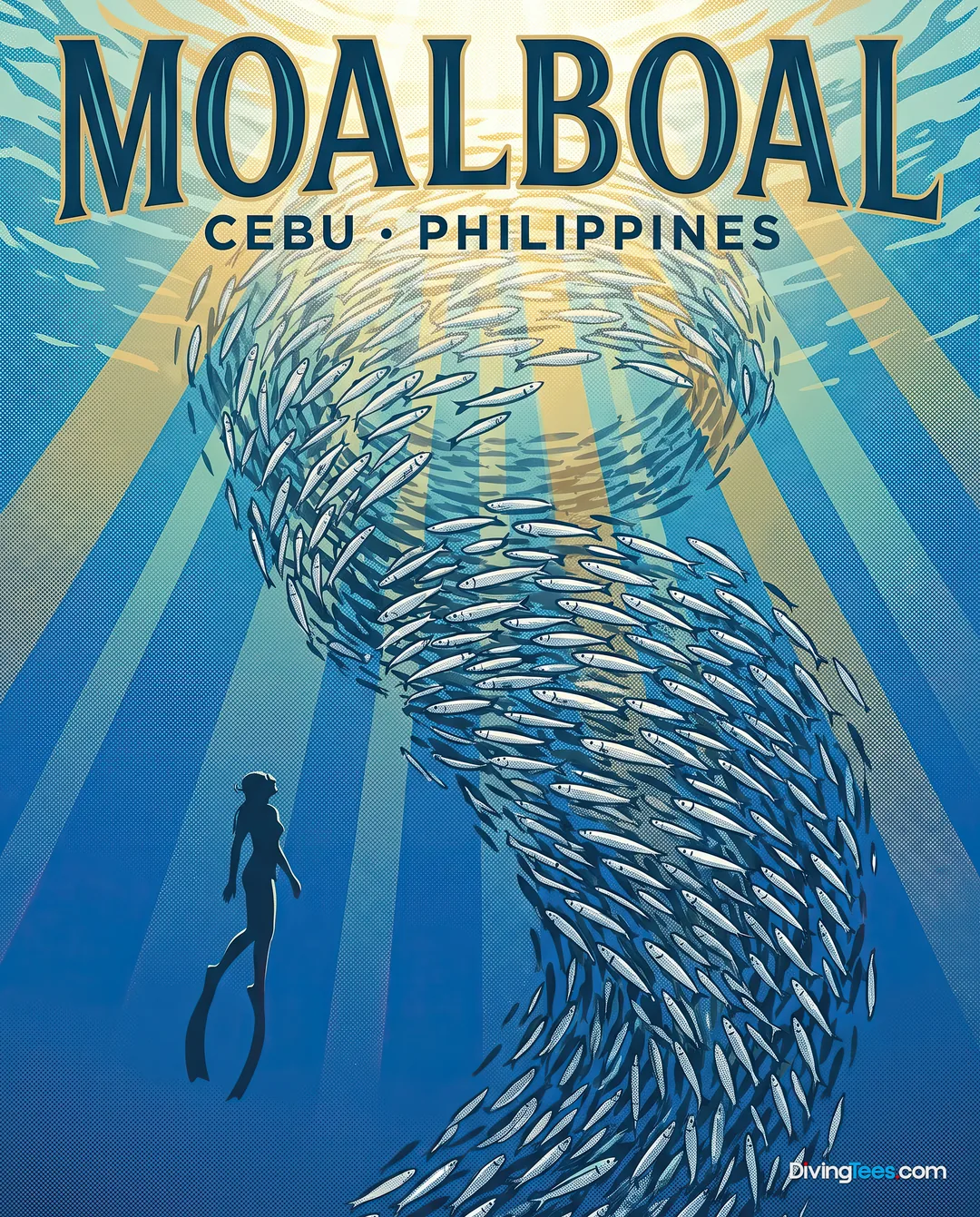
The House Reef, also known as the Dolphin-House reef, is located just 130 metres from the centre. This reef is accessible to all levels, with depths ranging between 6 and 12 metres, and is famous for its massive sardine run.
Pescador Island offers both East and West dive sites for exploration. These locations provide varied topography for divers looking to move beyond the shallow reef flats.
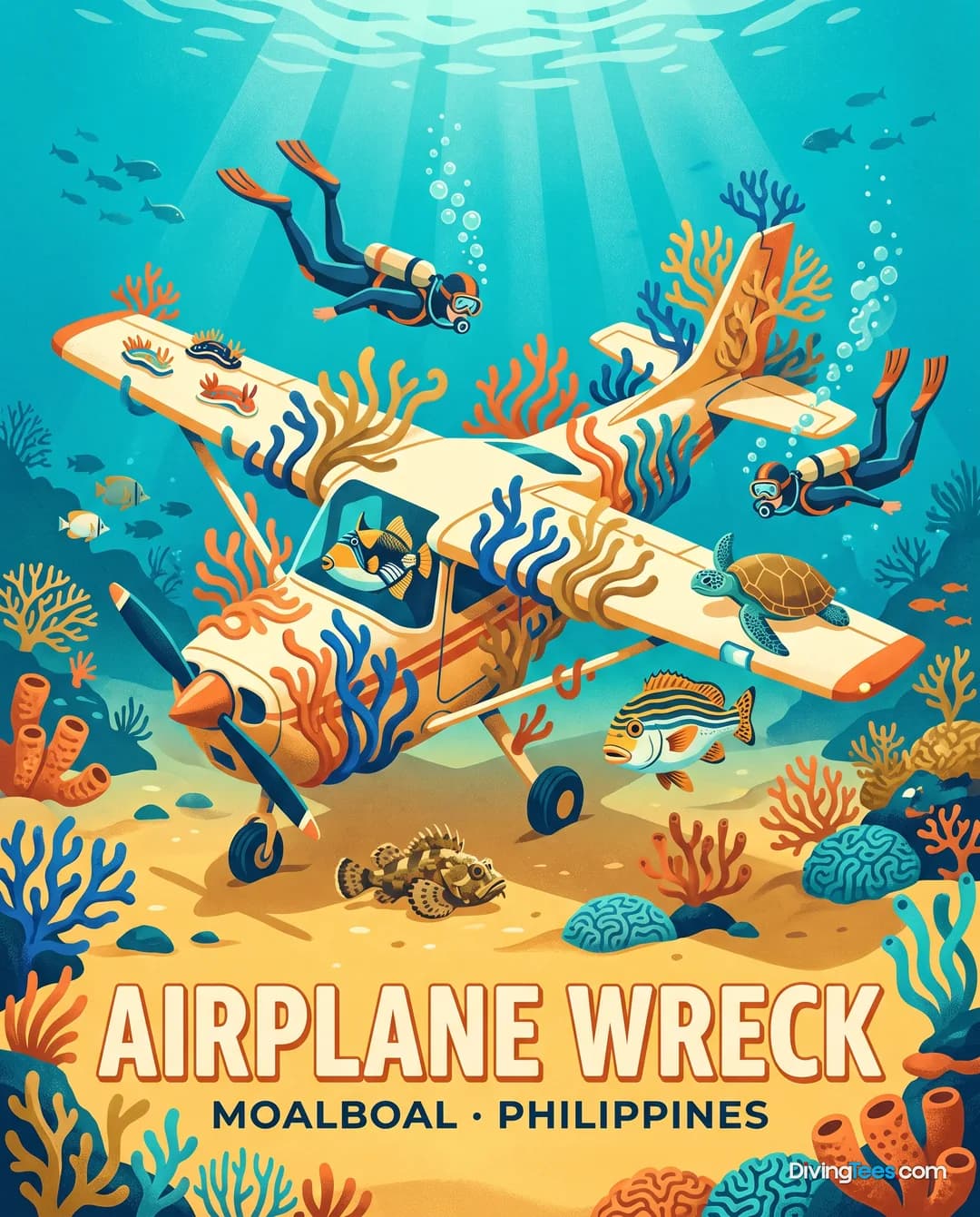
The Airplane Wreck provides an opportunity to explore a submerged structure, offering a different type of environment compared to the local coral reefs.
Tongo Sanctuary and the Marine Sanctuary provide protected areas where the biodiversity is particularly high, ideal for observing a wide range of reef species.
And some of the dive sites the centre runs.
The house reef is a highly productive environment, particularly known for the massive sardine run. You will frequently encounter sea turtles, specifically green sea turtles, cruising between 6 and 12 metres. Other common sightings include sea snakes (Hydrophiinae), sharks, and various species of reef fish.
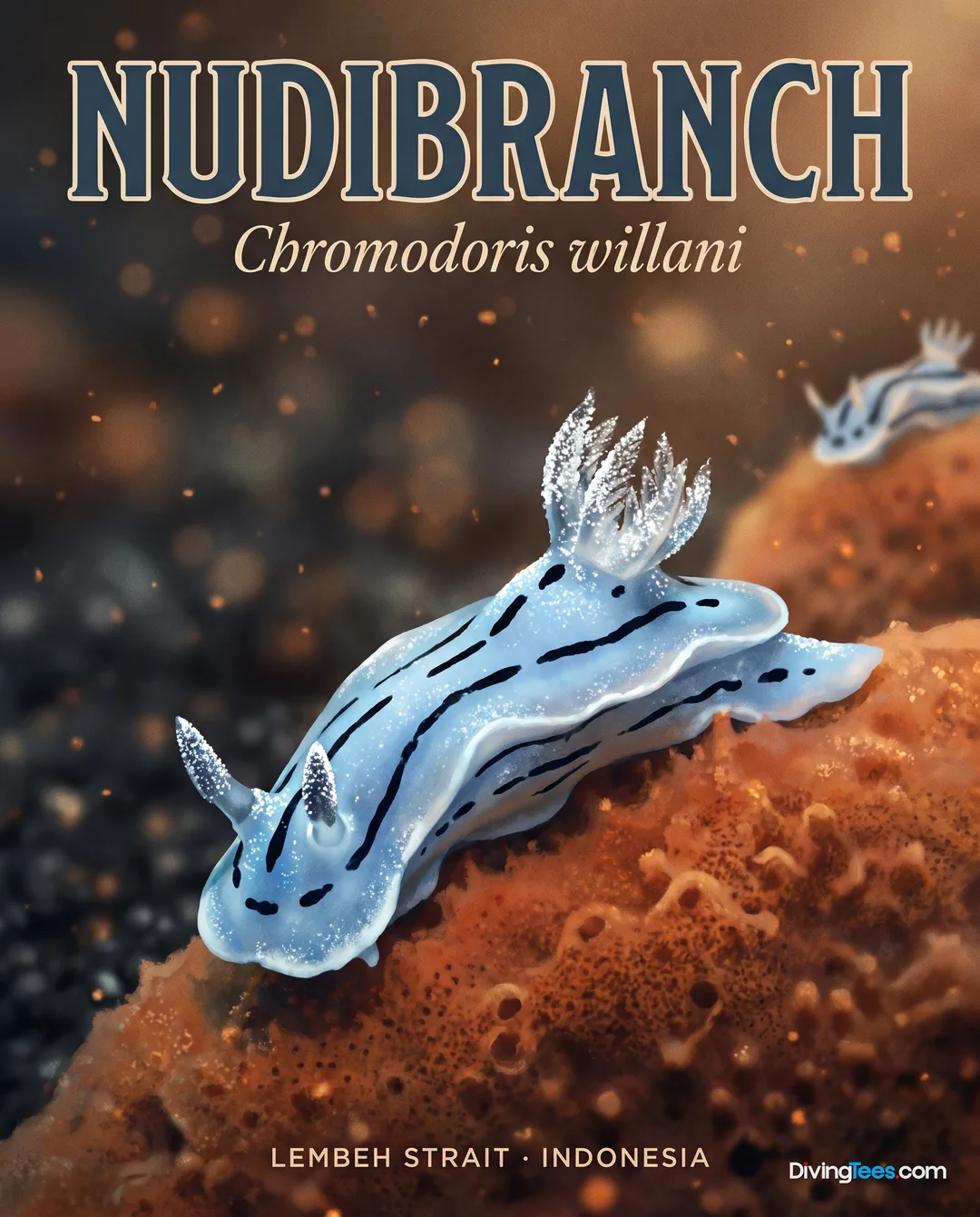
For those interested in macro life, the area is rich with detail. You can find nudibranch (Chromodoris willani), ghost pipefish (Solenostomidae), seahorses, and various species of shrimp (Caridea), including boxer shrimp. Look closely at the corals to find decorator crabs, coral crabs, and small species of anemone fish.
The reef structure itself is built upon a foundation of hard corals and soft corals, providing a home for triggerfish (Balistidae), sweetlips (Plectorhinchus), and various scorpionfish. You may also spot pufferfish (Arothron hispidus), lionfish, and cuttlefish (Sepiidae) amongst the crevices.
Diving in Moalboal is generally characterised by calm conditions, as strong currents are almost unknown on most of the local dive sites. This makes the area highly accessible for a wide range of divers.
The reef flats and sanctuaries offer stable environments, though divers should always be aware of local conditions when heading out to sites like Pescador Island.
Hello, I'm Marina, DivingDeal.com's AI assistant. I answer in detail about hotels, dive centres and liveaboards.

Thinking about the whole trip and the flights? Talk it over with Edith →
Marina is an AI. Some links are affiliate links: DivingDeal may earn a commission, at no extra cost to you. Bookings are made with the partner.