
Cebu Fun Divers
Google 4.9/5 (481 reviews)
less than 1 km away as the crow flies
Moalboal · Philippines · Asia
Max. depth · 10 mMoalboal Bay offers a unique shallow muck diving experience, perfect for macro enthusiasts seeking rare and unusual bottom dwellers.
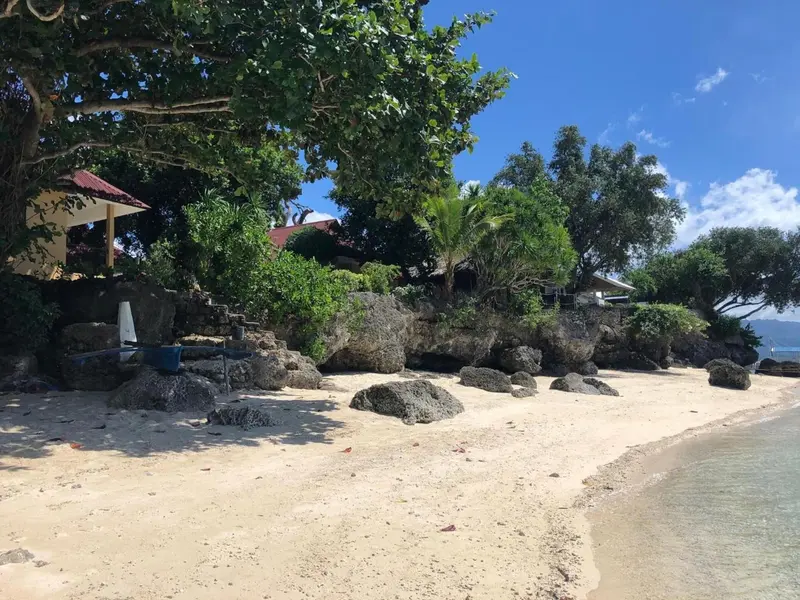
Moalboal Bay provides a distinct shallow dive profile, primarily characterized by sandy slopes and a seabed peppered with larger rocks. This environment, often referred to as a 'muck dive' site, encourages a slower pace, enabling you to focus on the smaller, often camouflaged inhabitants. The topography here differs from the more common coral walls found elsewhere, presenting a different kind of exploration tailored to macro photography and detailed observation of bottom-dwelling species.
The dive unfolds within a shallow depth range, typically between 5 and 10 metres. This limited depth allows for extended bottom times, providing ample opportunity to thoroughly scan the sand and rock formations for hidden marine life. The descent is generally straightforward, placing you directly into the habitat of creatures adapted to these silty, nutrient-rich environments. Light penetration is excellent at these depths, illuminating the subtle colours and textures of the substrate.
Expect to encounter a diversity of small, often overlooked marine organisms that thrive in this specific habitat. You will find various species of shrimp, including boxer shrimps (Stenopus hispidus), along with signal gobies and a wide array of nudibranchs. Keep a sharp eye out for pipefishes, particularly pegasuses, blending into the detritus, and chocolate chip sea stars (Protoreaster nodosus) scattered across the sandy bottom. This site rewards patience, as many of its residents are masters of camouflage.
Beyond the common macro subjects, Moalboal Bay is home to more unusual finds. Experienced divers specifically seek out frogfish (Antennariidae), which are often perfectly disguised among sponges or rubble. Another rare resident encountered here is the stargazer (Uranoscopus), a benthic predator that buries itself in the sand with only its eyes protruding, waiting for prey. These unique sightings underscore the specialized biodiversity supported by the bay's particular ecosystem.
The conditions in Moalboal Bay are generally calm, with minimal current, which is a significant advantage for macro photography and extended observation. This placid environment means you can maintain position over interesting subjects without battling strong flow. Visibility is consistently good, allowing for clear views of the often cryptic faunal elements and enhancing the experience of searching for distinct species across the sandy terrain. This stability makes it an accessible site for divers focused on detailed exploration.
Moalboal Bay is a shallow dive, with depths ranging from 5 to 10 metres. The site is suitable for all levels, and Open Water Diver certification is sufficient. Current is minimal, making it an ideal location for relaxed exploration and training dives. Visibility is generally good. The best period to dive here is from December to May.
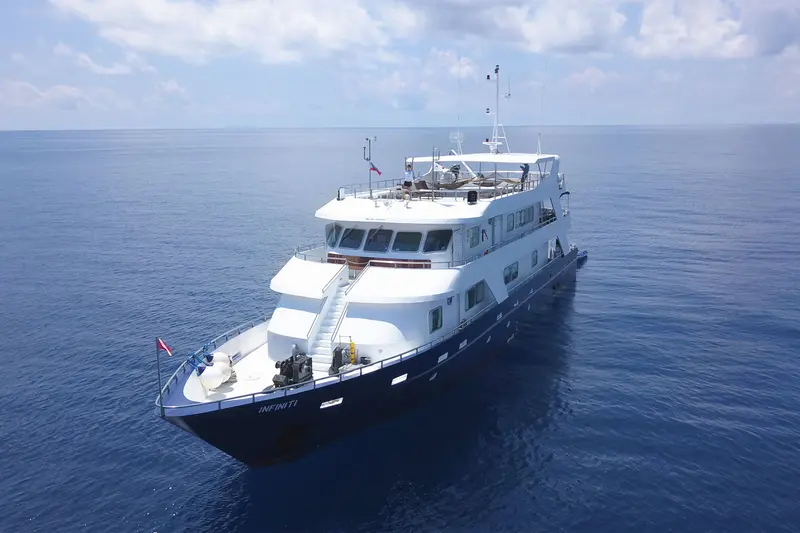
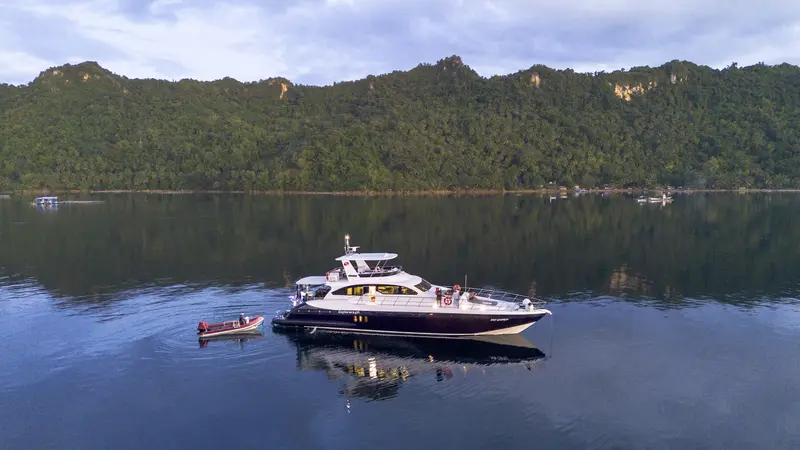
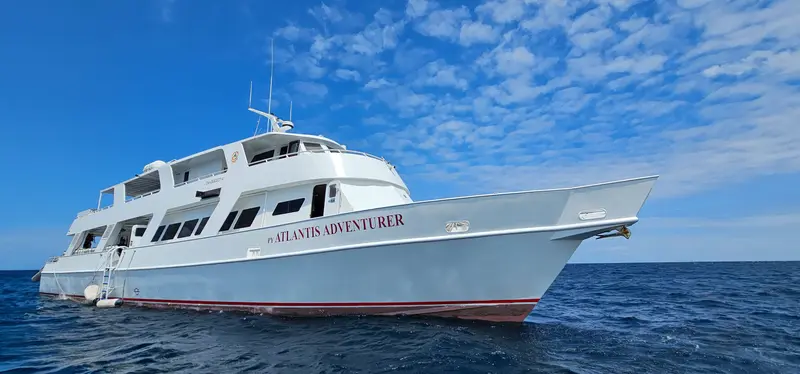
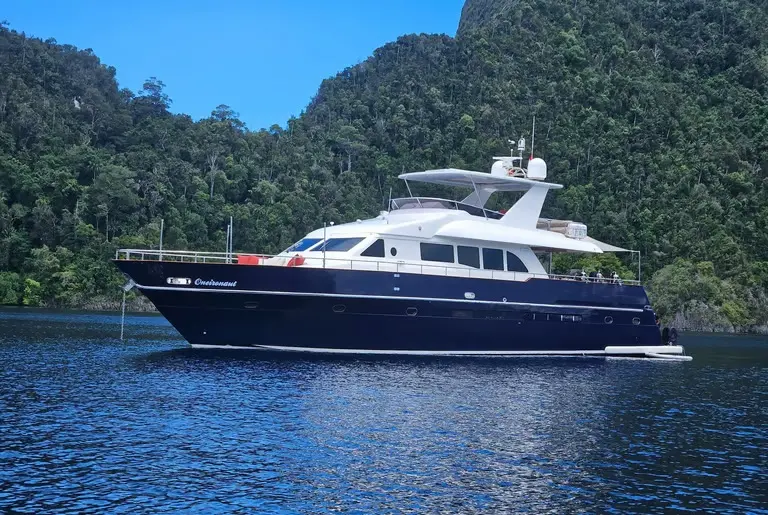
4 liveaboards run trips to Moalboal.
You should plan your dive at Moalboal Bay between December and May. The site is generally calm, with minimal current and good visibility, creating suitable conditions for relaxed exploration, training dives, macro photography, and patient observation of small, camouflaged animals across the sandy slopes and rocky seabed.
Moalboal Bay is suitable for divers of all levels, and Open Water Diver certification is sufficient. Its shallow profile, minimal current, and stable conditions support relaxed exploration and training dives, while the sandy slopes and larger rocks provide a setting for careful observation and macro photography.
Moalboal Bay ranges from 5 to 10 metres deep and has minimal current. These shallow, calm conditions make it easier for you to maintain position while examining the seabed, spending time on detailed searches, and observing small bottom-dwelling animals along sandy slopes and around larger rocks.
At Moalboal Bay, you can look for diverse shrimp species, including boxer shrimp, signal gobies, nudibranchs, pegasus pipefishes, and chocolate chip sea stars. With patience, you may also encounter frogfish hidden among sponges or rubble and stargazers buried in the sand, along with other camouflaged macro life.