

Pura Vida Koh Tao
Google 5/5 (3,754 reviews)
2.8 km away as the crow flies
Koh Tao · Thailand · Asia
Max. depth · 20 mExplore Hin Ngam's varied underwater topography where natural rock formations meet dedicated artificial reef structures, fostering a diverse marine ecosystem just south of Aow Leuk.
For subtitles in English: start the video firstthen click the gearat the top right of the video, select “Subtitles/CC”, then “Auto-translate” and choose “English”.
Hin Ngam, located just south of Aow Leuk on Koh Tao, is a dive site that presents an interesting blend of natural rock formations and targeted conservation work. The site's topography features underwater slopes and reef structures, creating varied habitats. While often considered a quieter spot, its features and the ongoing efforts to enhance its marine environment make it a unique dive. Entry points are typically straightforward, allowing divers to descend directly into the main reef area to begin exploration.
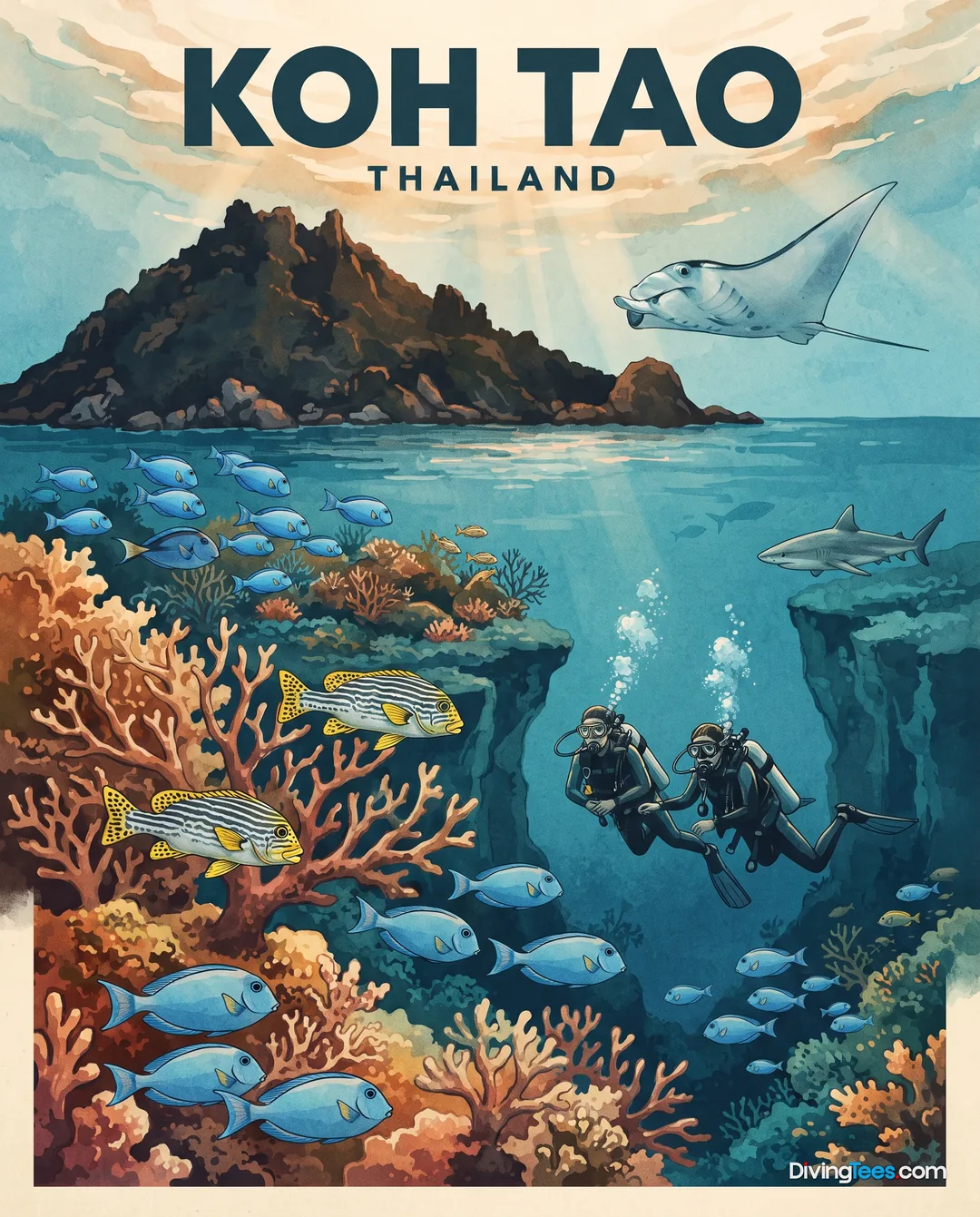
The journey through Hin Ngam takes you across rocky slopes and into coral gardens. You'll encounter active artificial reef installations that are part of the New Heaven Reef Conservation Program, demonstrating how human intervention can successfully augment natural habitats. These structures provide complex shelters and surfaces for marine growth, increasing the density and variety of species found here. The interaction between these installations and the natural reef creates a dynamic environment for observation.
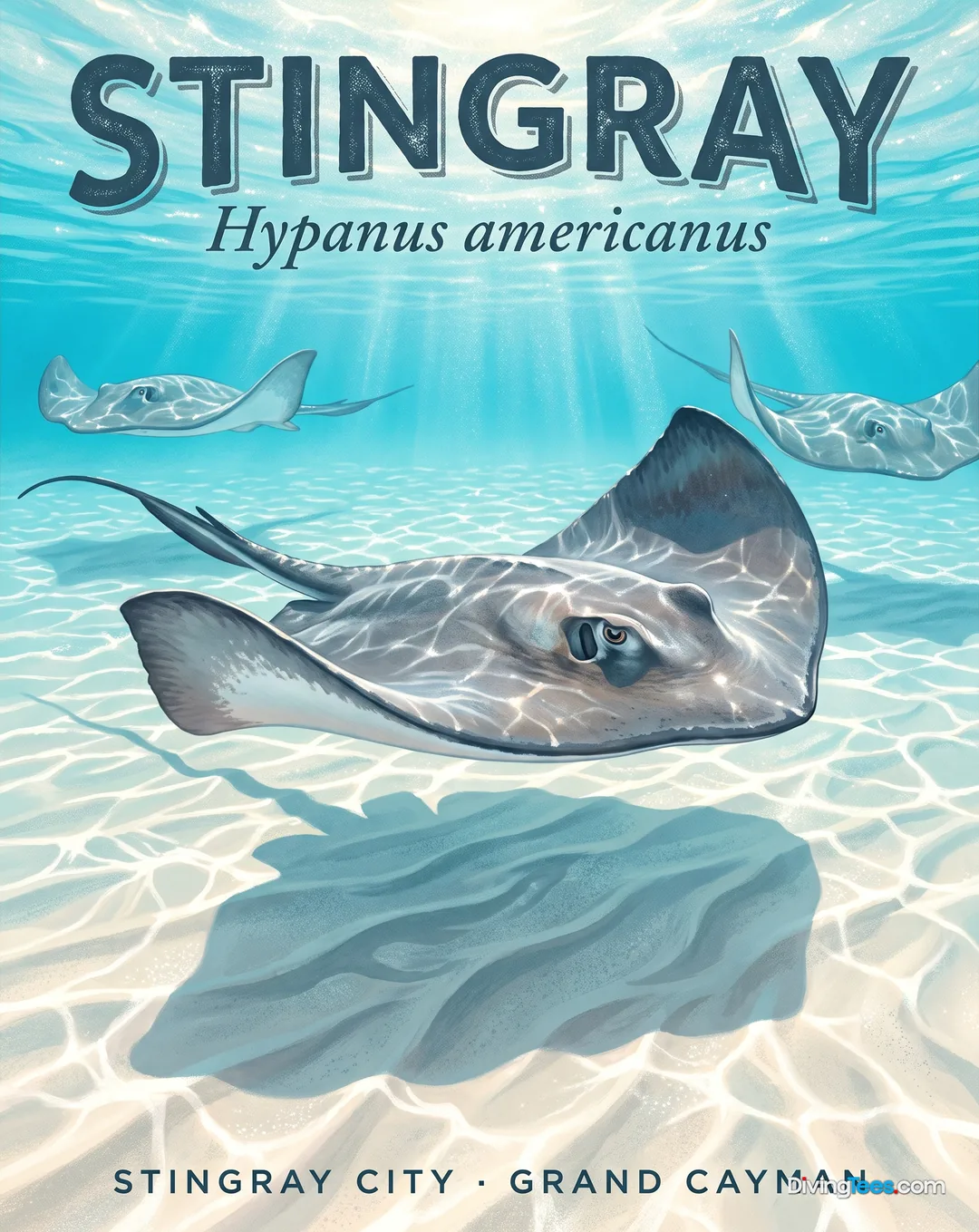
When moving along the reef, keep an eye out for residents like rabbitfish, goatfish, and wrasse, often seen foraging across the coral and sand. The longface emperorfish add to the visual diversity of the reef fish. Closer to the sandy patches and under ledges, you might find blue-spotted stingrays (Neotrygon kuhlii) settled on the bottom, often partially covered, waiting out the day. Their patient approach allows for careful observation without disturbance.
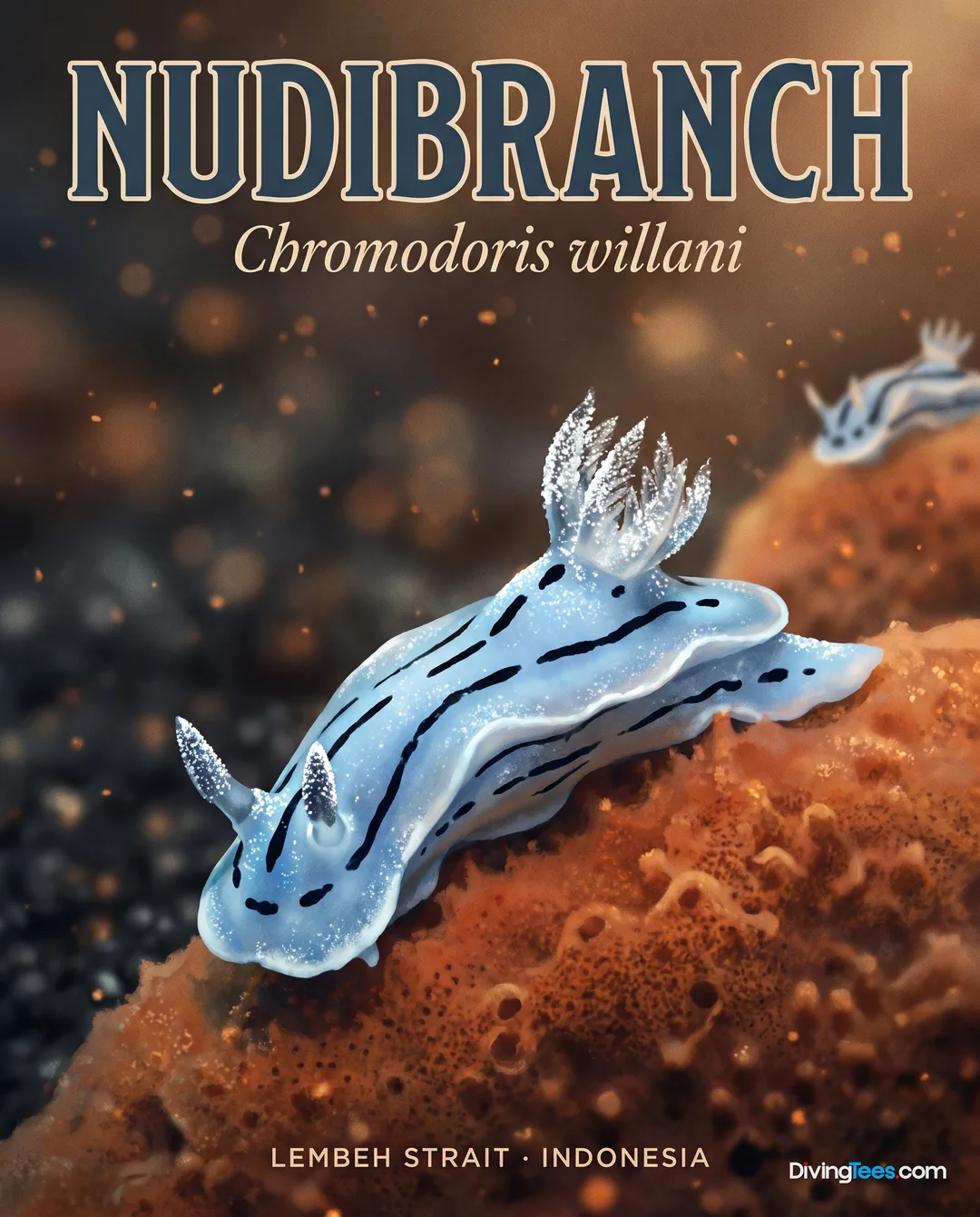
Hin Ngam also rewards those who take the time for detailed inspection. The crevices and debris in certain areas host a range of smaller invertebrates. You can spot various nudibranch species, their vibrant colours often contrasting with their surroundings. Alongside them, crabs and the busy cleaner shrimps (Lysmata amboinensis) are frequently found tucked into sheltered spots, performing their symbiotic roles within the reef community. Patience here often reveals more than a hurried pass.
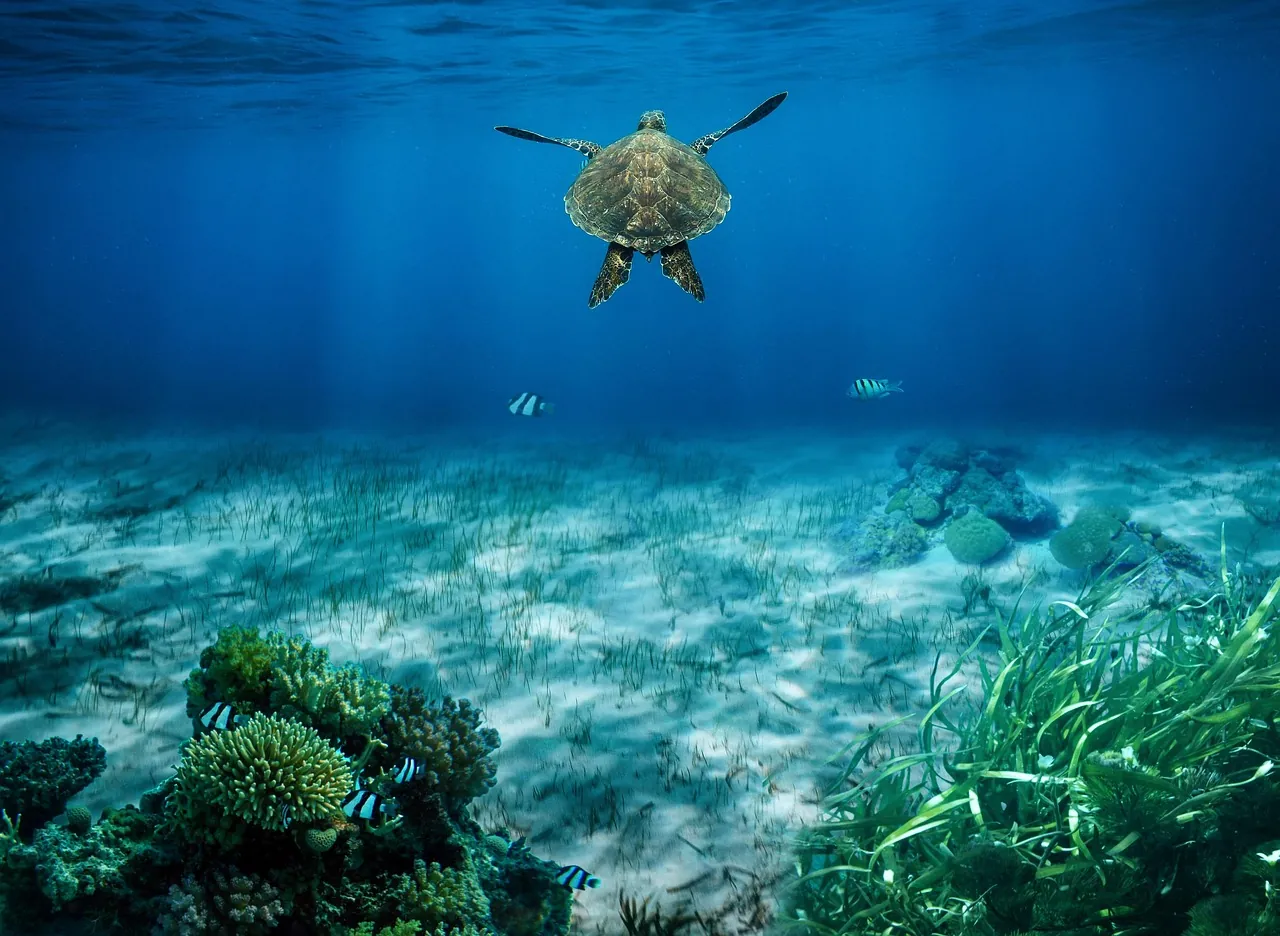
The site topology naturally channels current in certain areas, though it's generally considered calm. However, understanding the site's natural features helps in planning a comfortable dive profile. The slopes allow for a gradual descent and ascent, making navigation straightforward. The interplay of light filtering through the water onto the varied bottom structures enhances the visual experience, particularly in the shallower sections where coral colours are most vivid. It's a site that rewards multiple dives to appreciate its distinct facets.
One of the distinguishing features of Hin Ngam is its varied depth profile, accommodating different dive experiences. The site ranges from shallower sections ideal for extended bottom times to deeper areas with more intricate rock formations. This variability means you can explore different ecosystems within a single dive, from sunlit coral gardens to deeper rocky slopes that host a different assemblage of marine life. This stratified environment offers continuous discovery regardless of the specific depth you choose to explore.
Hin Ngam is accessible across a depth range of 3 to 20 metres. Diving here is classified as advanced due to the varied site characteristics and potential conditions. While often calm, an advanced certification is recommended, along with a reasonable number of logged dives, to comfortably navigate its terrain. The site offers good visibility, aligning with regional conditions, typically allowing for clear views of the artificial reefs and natural rock structures. Diving is possible year-round, with the January to April period generally offering the best chance for excellent visibility.
You can dive Hin Ngam year-round, while January to April generally offers the best chance of excellent visibility. The site is often calm, and clear water can help you appreciate the artificial reef installations, natural rock structures, coral gardens, and marine life across its varied underwater terrain.
Hin Ngam is classified as an advanced dive site because of its varied characteristics and potential conditions. An advanced certification is recommended, along with a reasonable number of logged dives, so you can comfortably navigate the rocky slopes, reef structures, artificial installations, and areas where the topography channels current.
Hin Ngam ranges from 3 to 20 metres, giving you a varied depth profile within one site. Shallower sections include sunlit coral gardens and allow extended bottom times, while deeper areas feature more intricate rock formations. Slopes provide a gradual descent and ascent through different habitats.
Hin Ngam is generally considered calm, although its topography channels current in certain areas. You can explore artificial reefs, rocky slopes, coral gardens, and sandy patches while looking for blue-spotted stingrays, rabbitfish, goatfish, wrasse, nudibranchs, crabs, cleaner shrimp, and longface emperorfish.