
Big Blue Diving, Koh Tao
Google 5/5 (5,713 reviews)
2.9 km away as the crow flies
Koh Tao · Thailand · Asia
Max. depth · 18 mMango Bay offers a consistently calm and sheltered environment, making it an ideal dive site for all levels, from beginners to certified divers seeking diverse marine life and varied topography.
For subtitles in English: start the video firstthen click the gearat the top right of the video, select “Subtitles/CC”, then “Auto-translate” and choose “English”.
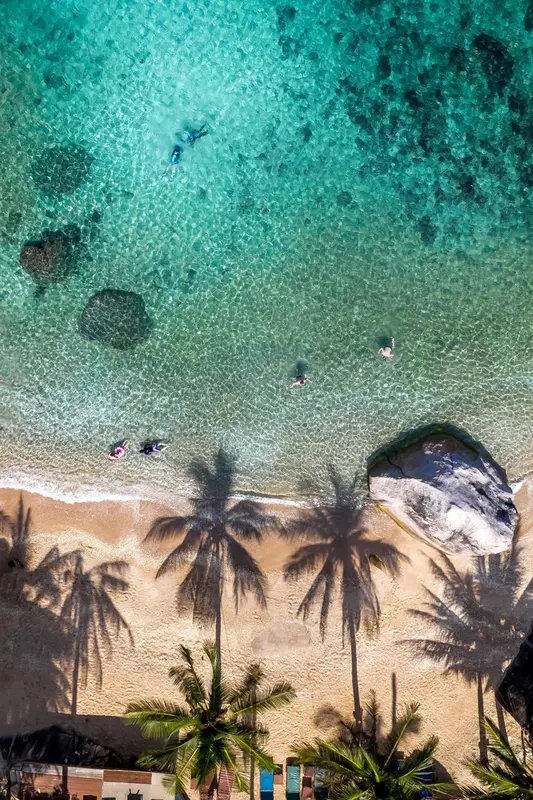
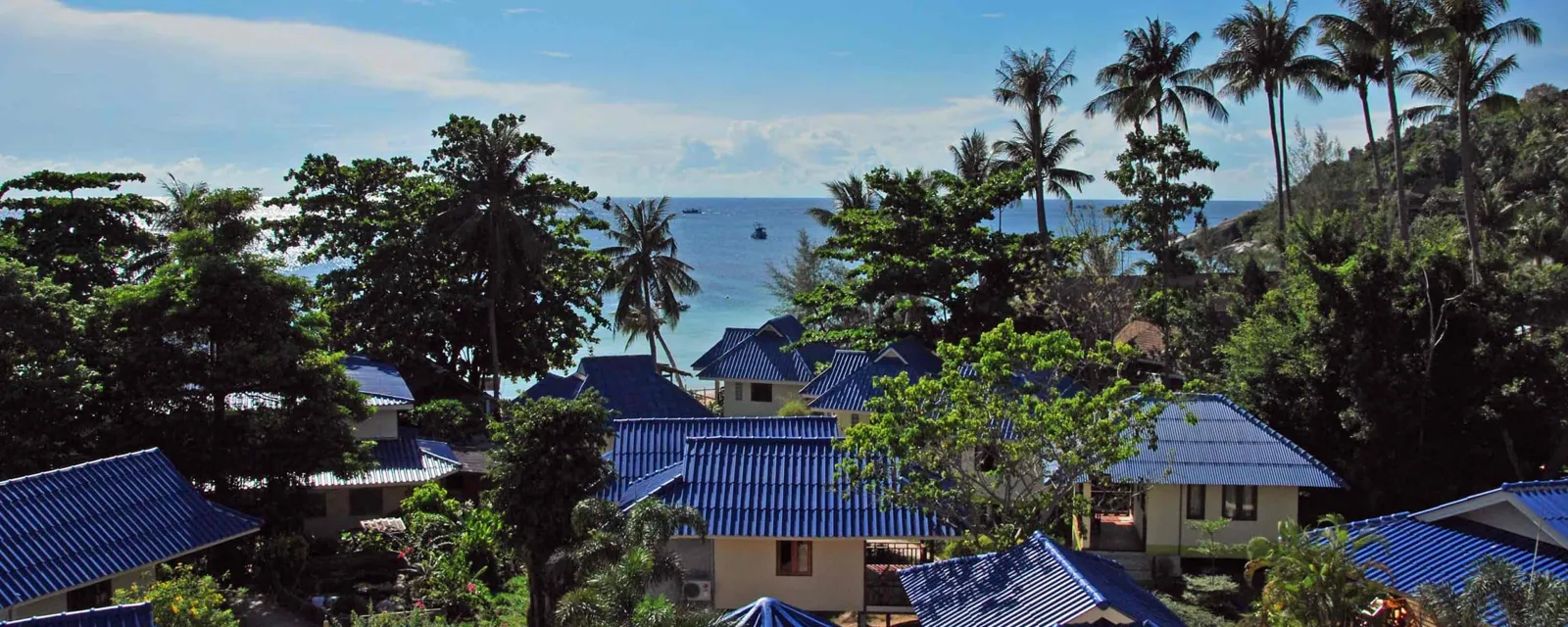
Mango Bay, nestled on the northern side of Koh Tao, presents itself as a natural amphitheater, its calm waters cradled by the surrounding landmass. This large, sheltered bay serves as a reliable dive and snorkel site, its protected nature making it a frequent fallback location when conditions are less ideal elsewhere, providing consistently calm waters. This natural protection shields the bay from the open sea's surge, creating an environment where the reef thrives undisturbed by strong currents. The topography includes sandy areas scattered with large coral heads, particularly on the western side, offering diverse exploration within its relatively shallow depths.
Entry into the bay reveals a gentle slope before transitioning to more dramatic underwater features. The shallow areas, starting at around 2 metres, are rich with marine growth, ideal for initial dives or refreshers. As you descend, the sensation is one of quietude, the light filtering through the clear water illuminating the vibrant coral formations below. The absence of significant current allows for a relaxed pace, giving you ample time to observe the intricate details of the reef system. As you move further into the bay or along its perimeters, the seafloor gradually deepens, eventually meeting a distinct drop-off that takes you down to 18 metres. This allows for varied dive profiles within a single site.
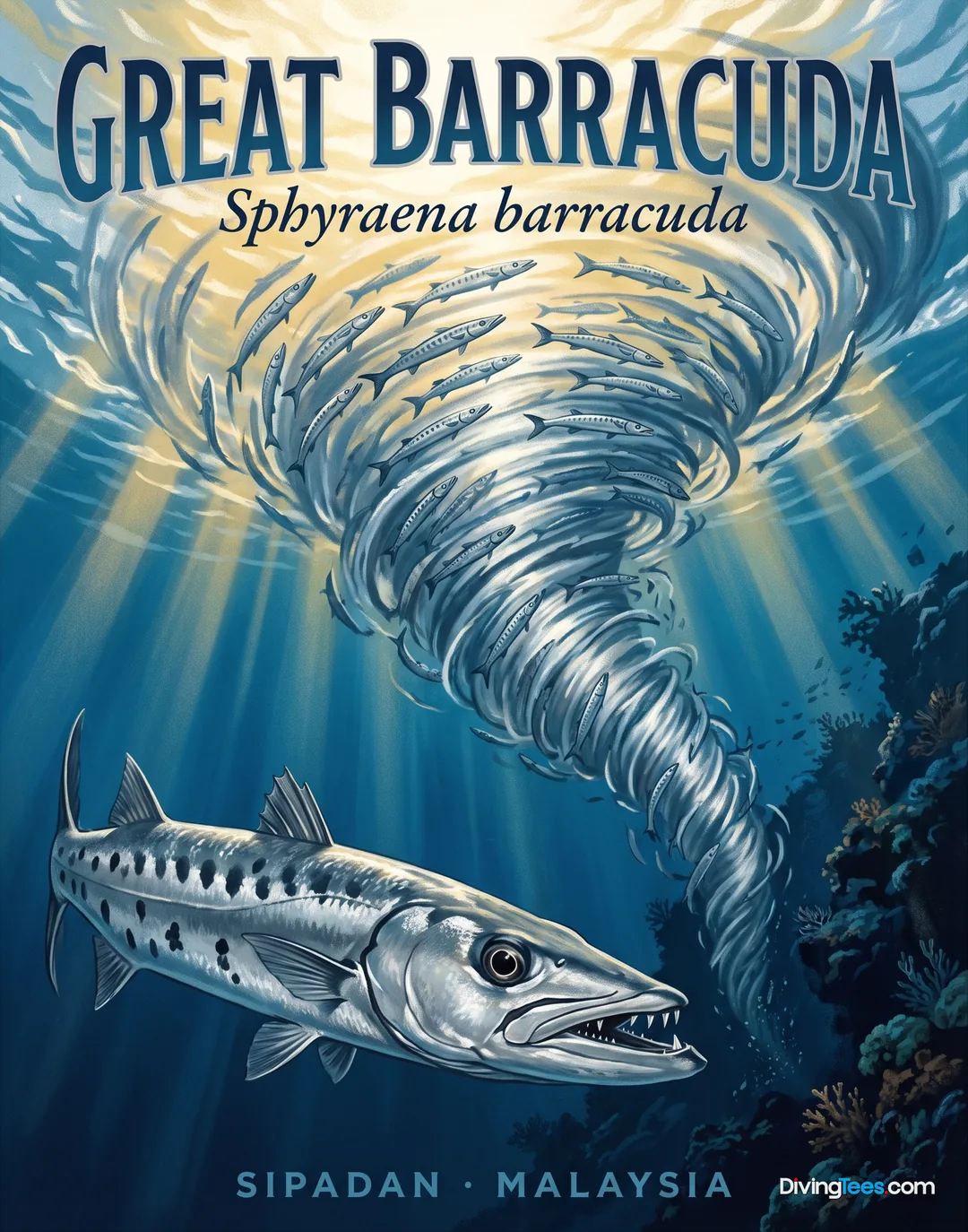
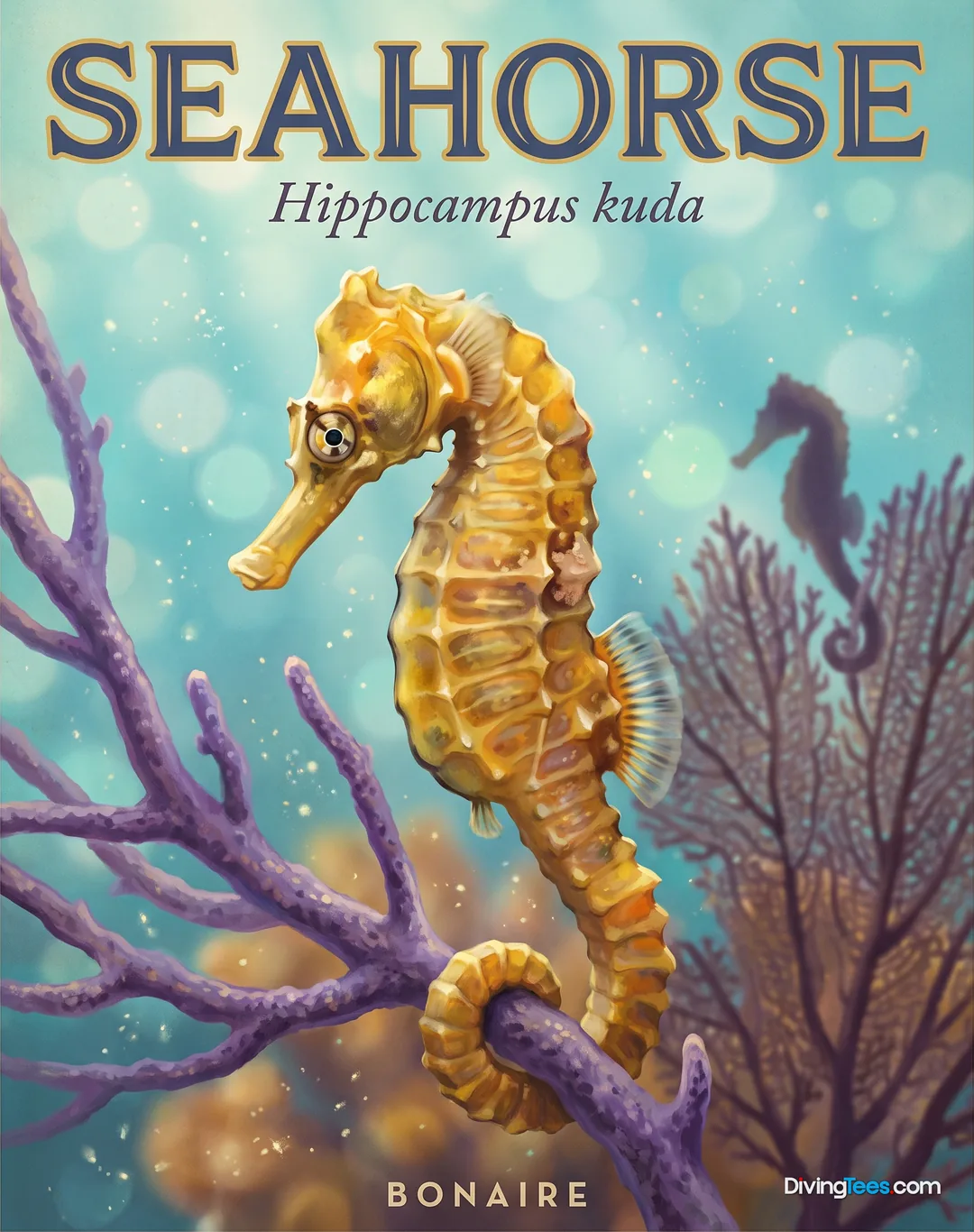
The dive unfolds across expansive coral formations, where you can observe a variety of reef fish. Look for aggregations of fusiliers (Caesionidae) and barracudas (Sphyraenidae) moving through the water column, often in large schools. Moray eels (Muraenidae) are commonly found tucked into gaps within the coral, and you might spot butterflyfish (Chaetodontidae) and angelfish (Pomacanthidae) navigating the reef structure. Closer inspection of the sandy patches and the base of the coral heads often reveals smaller, more elusive inhabitants. Keep an eye out for seahorses (Hippocampus) and gobies (Gobiidae) demonstrating their symbiotic relationships with various critters. Blue-spotted stingrays (Neotrygon kuhlii) often rest in the sand, blending in until stirred, adding another layer of observation to your dive.
The deeper sections near the drop-off provide opportunities to encounter larger species, including Giant Groupers (Epinephelus lanceolatus) and larger barracudas (Sphyraenidae). The transition zone between the shallow reef and the drop-off also attracts juvenile barracudas (Sphyraenidae) near the surface, hinting at oceanic life that frequents the bay's periphery.
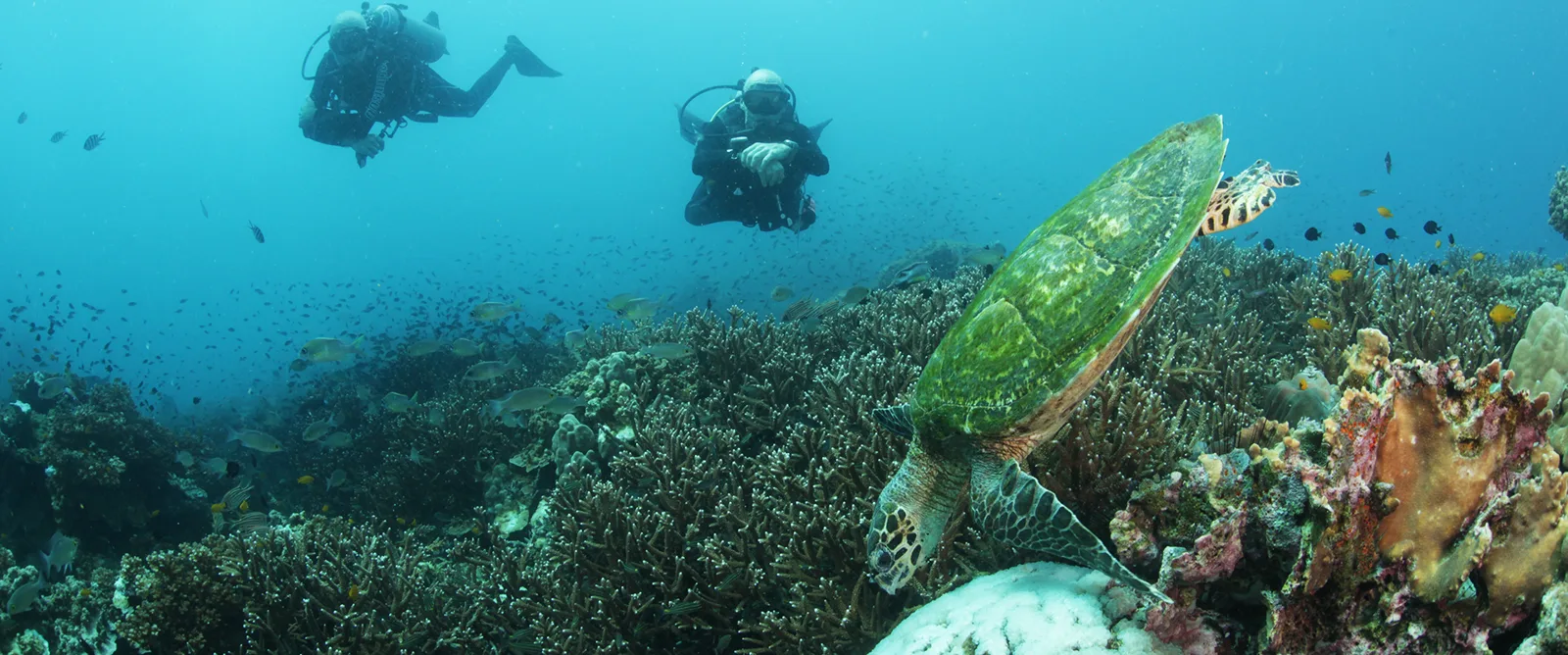
Visibility in Mango Bay is generally good, allowing for clear views of the reef and its inhabitants. The calm conditions within the sheltered bay mean that disruptions to visibility from current-stirred sediment are minimal. This steady environment supports a healthy marine ecosystem, from the smallest nudibranchs up to the occasional turtle. The site caters to a wide range of divers. Its shallow, protected areas are excellent for Open Water Diver training and first dives, while the deeper drop-off provides enough interest and depth for certified divers. The ease of access by boat makes it a convenient option, especially considering the challenging road access from land. This accessibility, combined with the site's varied topography and marine life, marks Mango Bay as a consistent and productive dive.
Mango Bay offers a maximum dive depth of 18 metres, with shallow areas starting at 2 metres. It is accessible for divers certified to Open Water Diver level and above, including those undertaking initial training or refresher dives. Current is typically very light to nonexistent within the bay, contributing to its calm and sheltered diving conditions. Visibility is generally good due to the calm conditions. The best time to dive here aligns with the general regional conditions, typically from January to April for the most tranquil conditions, extending to May and June for clear water.
You can dive Mango Bay in generally good conditions throughout the year. The regional period from January to April typically brings the calmest conditions, while May and June can also offer clear water. Its sheltered setting supports calm diving and makes the site useful when conditions elsewhere are less suitable.
You can dive Mango Bay if you are certified to Open Water Diver level or above. The shallow, protected areas suit initial training, first boat dives, and refresher dives. More experienced certified divers can explore the deeper drop-off and choose varied profiles across the bay’s coral formations and sandy areas.
Mango Bay ranges from shallow areas at 2 metres to a drop-off reaching 18 metres. You can begin on the gently sloping reef, explore coral heads and sandy patches, then continue toward deeper sections. This range allows varied dive profiles within one sheltered site, including suitable areas for training and refreshers.
Mango Bay typically has very light or nonexistent current because the bay is sheltered from the open sea. You can usually enjoy good visibility while looking for large coral heads, fusiliers, barracudas, moray eels, seahorses, gobies, blue-spotted stingrays, giant groupers, and occasional turtles.