
Big Blue Diving, Koh Tao
Google 5/5 (5,713 reviews)
2.8 km away as the crow flies
Koh Tao · Thailand · Asia
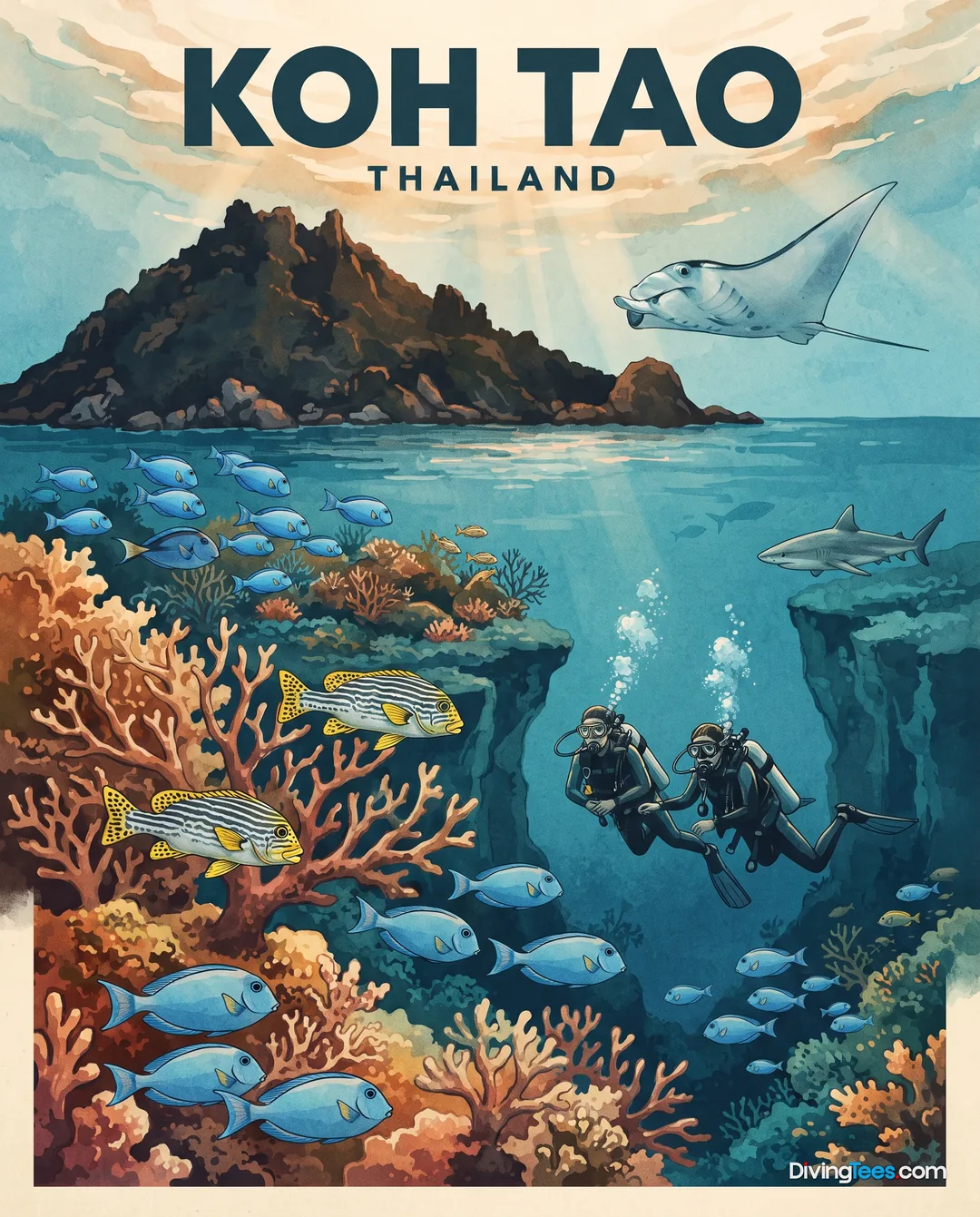
Max. depth · 20 mDescend into Tanote Bay's 18-meter depth to explore a vibrant mix of coral gardens, granite blocks, and artificial structures, home to schooling fusiliers and resident turtles.
For subtitles in English: start the video firstthen click the gearat the top right of the video, select “Subtitles/CC”, then “Auto-translate” and choose “English”.
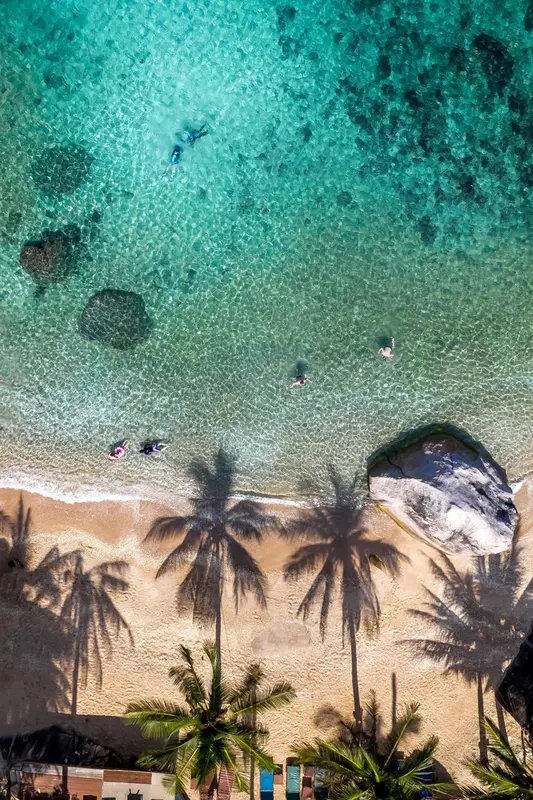
Tanote Bay is situated on Koh Tao's eastern coast, a prominent bay known for its sheltered conditions. Your descent starts in shallow waters, often used for snorkeling, before transitioning into a dynamic underwater environment. The topography beneath blends natural coral gardens with large, distinctive granite blocks, forming a varied terrain that is a signature of this site. This combination creates numerous hiding spots and thriving surfaces for different marine species.
As you explore, the site presents a mixture of natural formations and artificial structures, including a sunken catamaran wreck and purpose-placed reef blocks. These elements collectively form a complex habitat, attracting a wide range of resident fish. You'll navigate through areas where these structures create interesting swim-throughs and overhangs, inviting closer inspection. The depth ranges consistently between 2 meters in the shallows and extends to a maximum of 18 meters further out, accommodating varied dive profiles.
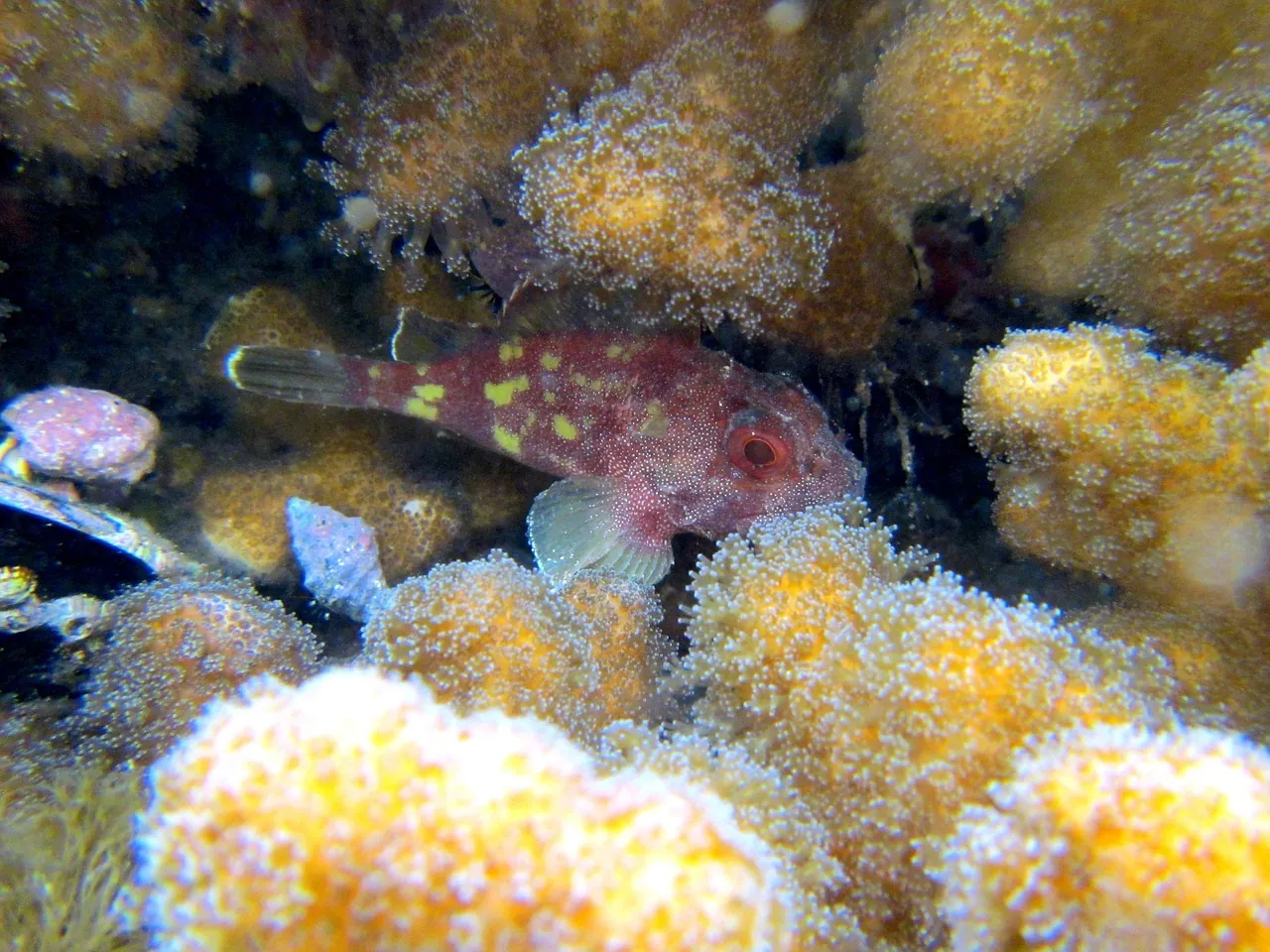
One of Tanote Bay's notable features is the presence of large schools of fusiliers, which often hang in the blue, creating a vibrant spectacle. These active schools can be an immersive experience as you move through them. Around the coral gardens and the granite blocks, you will observe angelfish, butterflyfish, and groupers. Look closely near the reef to spot moray eels (Muraenidae) and other colorful reef fish concealed within the crevices.
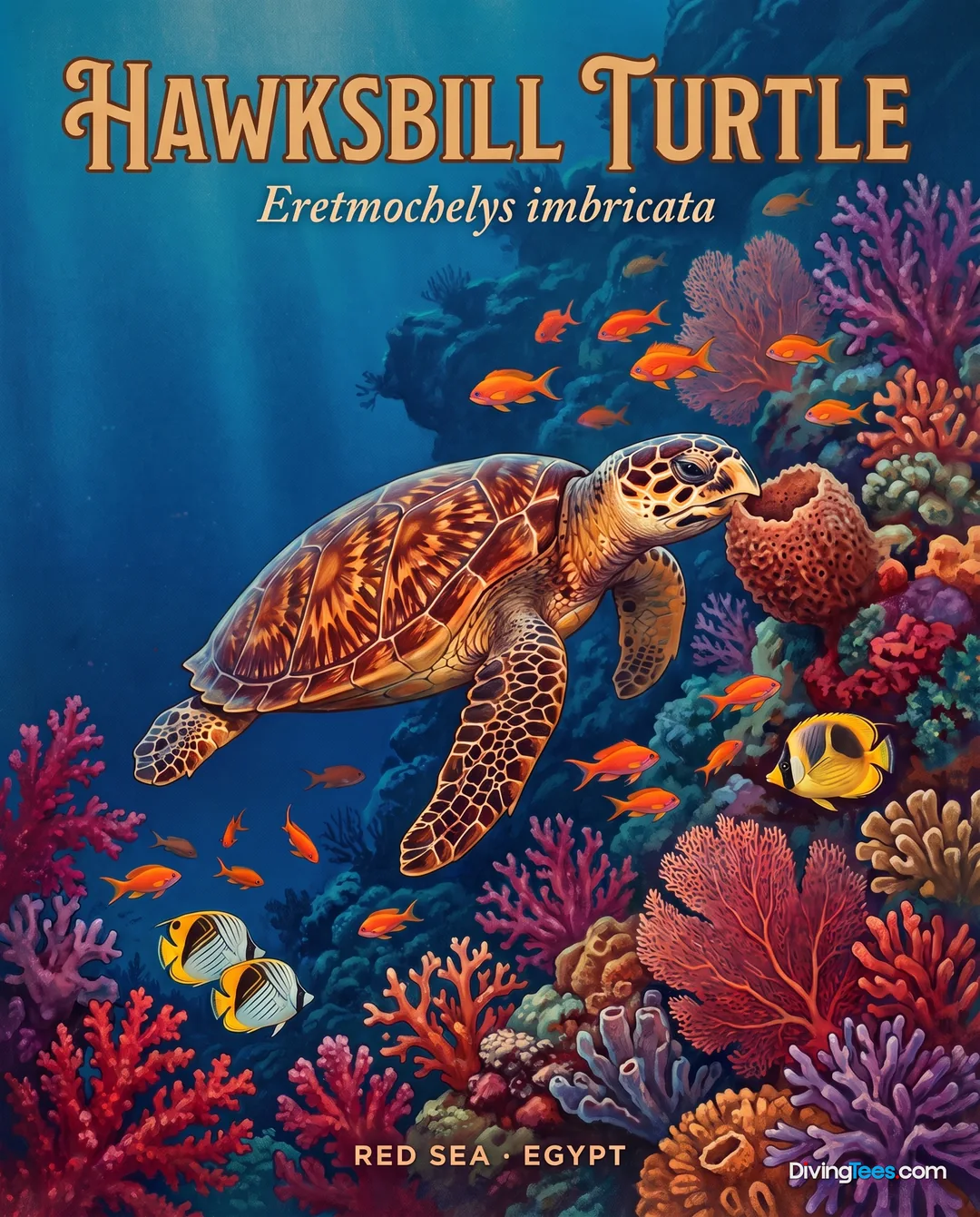
The site is a reliable location for turtle encounters, particularly with hawksbill turtles (Eretmochelys imbricata). These animals are often seen grazing among the corals or resting on the sandy patches. Beyond the turtles and fusiliers, other species like batfish (Platax), rabbitfish, and surgeonfish are commonly observed, navigating the diverse habitats provided by the bay's natural and artificial elements. Occasionally, you may also spot pufferfish (Tetraodontidae) and unicornfish.
Tanote Bay offers a different underwater landscape compared to many of the island's western dive sites. The combination of its granite blocks, healthy coral gardens, and artificial reef structures fosters a unique ecosystem. The site's varied terrain means you are always moving between different environments, from open areas with schooling fish to more intricate sections where smaller reef dwellers hide. This diversity in seascape helps maintain a varied population of marine life.
Conditions at Tanote Bay are typically calm, especially within the sheltered parts of the bay. Visibility can be excellent, particularly during the island's quieter seasons. The clear waters and varied light penetration at different depths create good opportunities for underwater photography, highlighting the vibrant colors of the corals (including bubble coral and staghorn coral) and the diverse fish populations. The site's environment feels protected, making it an ideal setting for extended bottom times.
The site's accessibility and relatively calm demeanor make it a consistent choice for divers developing their skills. While the shallower parts are open for snorkeling, the deeper sections provide ample scope for exploration for certified divers. The blend of natural and artificial structures ensures that every dive offers something new to discover, whether it's a particular species or a new section of the reef.
Tanote Bay is suitable for all diver levels, including beginners and Open Water Divers, with depths ranging from a minimum of 2 meters up to a maximum of 18 meters. Current is typically minimal within the sheltered bay. While generally calm, swell and waves can increase at certain times of the year, particularly outside the calm season, which typically offers excellent visibility. The best periods to dive here for optimal conditions are generally May to June, and April, when exceptional visibility and calm waters are most common.
Tanote Bay is generally most suitable for diving in April and from May to June, when calm waters and exceptional visibility are common. Outside the calm season, swell and waves may increase. The sheltered bay can still offer a calm setting, with visibility known to be excellent during quieter seasons.
Tanote Bay suits all diver levels, including beginners and Open Water Divers. You begin in shallow water, then can explore farther sections as a certified diver. Depths range from two to eighteen meters, offering profiles that move from snorkeling areas and coral gardens to deeper artificial structures and the wreck.
Tanote Bay is sheltered, and current is typically minimal within the bay. Conditions are generally calm, although swell and waves can increase at certain times of year, particularly outside the calm season. The protected setting supports extended bottom times, while changing surface conditions are worth considering when planning your dive.
At Tanote Bay, you can see distinctive granite blocks, coral gardens, artificial reef structures, and a sunken catamaran wreck. Hawksbill turtles are frequently encountered, while large schools of fusiliers gather in open water. Angelfish, butterflyfish, groupers, moray eels, batfish, rabbitfish, surgeonfish, pufferfish, and unicornfish also inhabit the site.