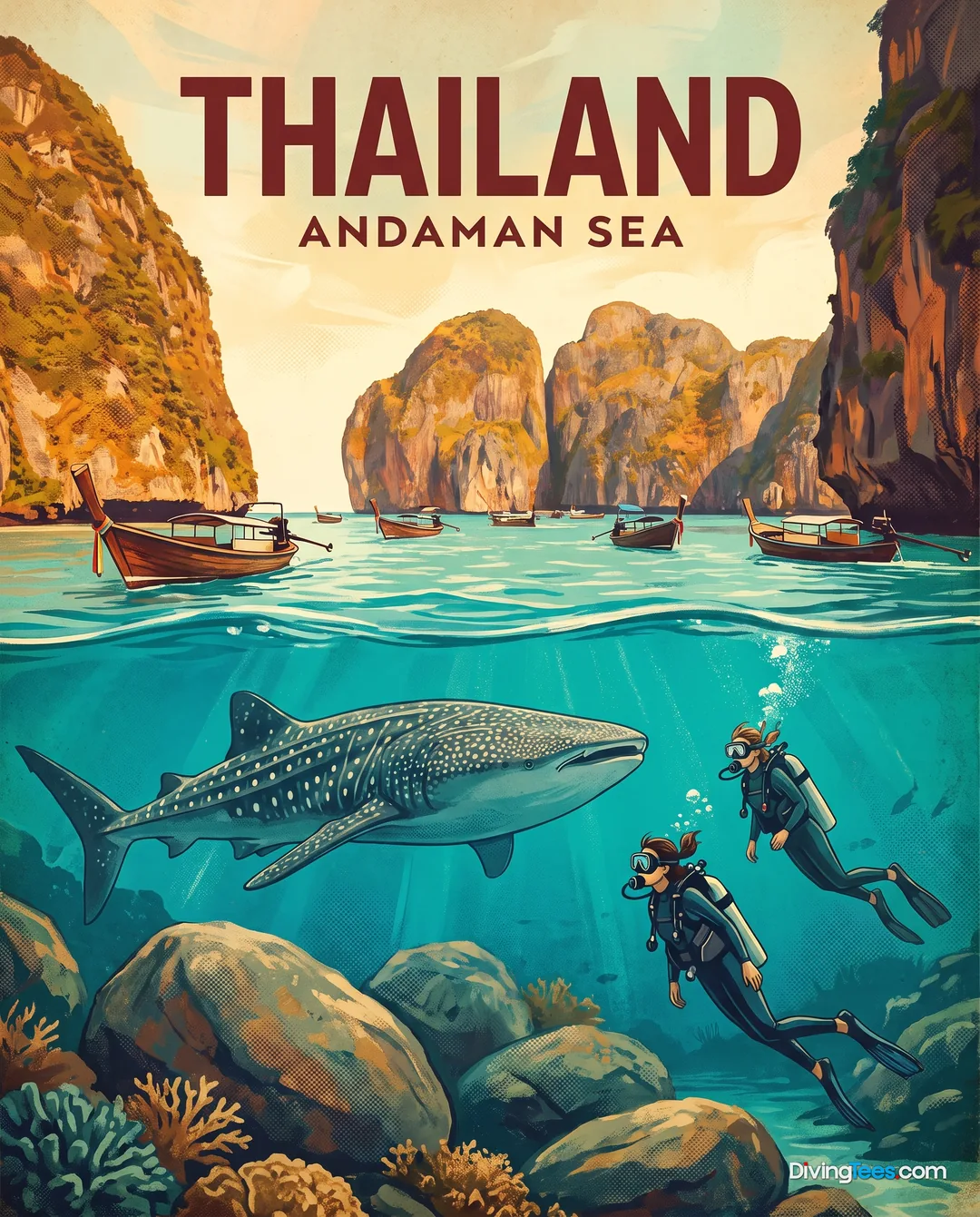
Liveaboards · Thailand
MV Lapat — a compact, dive-first Similan liveaboard
What makes this boat unique
- Refitted in 2024, MV Lapat carries up to 16 guests in eight air-conditioned cabins.
- The boat runs 2-day, 3-day and 4-day Similan liveaboards from Thap Lamu, with 6, 10 or 14 dives.
- The dive setup includes a platform, diver tenders, DIN adapters, nitrox and night dives.
- Two Master Cabins have double beds and private bathrooms; six Twin Cabins have twin beds.
- Hotel and airport transfers, full-board meals, snacks, non-alcoholic drinks and snorkeling equipment are included.
For subtitles in English: start the video firstthen click the gearat the top right of the video, select “Subtitles/CC”, then “Auto-translate” and choose “English”.
The invitation
MV Lapat makes sense for divers who want the Similan Islands without committing to a long expedition or paying for a polished luxury yacht. The available trips are short and clear: 2 days and 1 night for 6 dives, 3 days and 2 nights for 10, or 4 days and 3 nights for 14. That makes the boat useful for a first liveaboard, a family group with mixed interests, or an experienced diver fitting the Similans into a wider Thailand trip. The boat is built around diving rather than ceremony. The crew gives detailed briefings, runs a tight operation, and keeps the day moving from one dive to the next. When the diving stops, the upper deck gives non-divers and snorkelers somewhere to spend the afternoon. It is a practical choice for reaching Similan and Surin sites from Khao Lak, with enough onboard comfort to make repeated dives easier without turning the trip into a floating resort.
Boarding
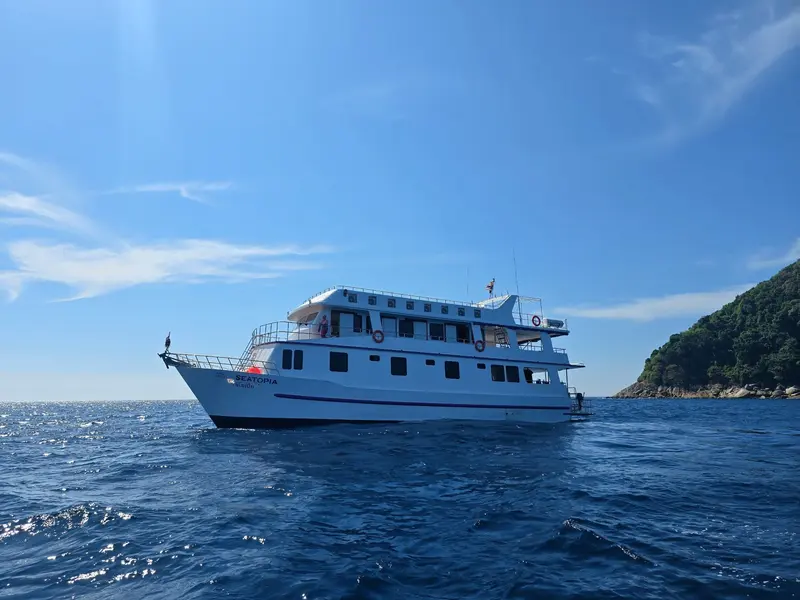
MV Lapat arrives as a working dive boat rather than a showroom yacht. The 2024 renovation matters here: it gives a vessel built in 2012 a more current feel where guests spend the most time, while the layout remains compact and easy to understand. From the dock, the boat’s purpose is obvious. Guests move between cabins, the dining area and the dive platform without crossing a maze of separate spaces. Once aboard, the sounds are those of a liveaboard operation: equipment being prepared, briefings being called, meals being set out and the tender moving divers to the site. With space for 16 guests, the group is large enough for a social trip but small enough for the crew to recognise who is ready and who needs help. The boat suits divers who value access to the water and a straightforward rhythm over wide passageways or hotel-style seclusion.
The atmosphere on board
MV Lapat’s strongest character comes from the operation around the boat. Briefings are thorough and practical, with the crew making sure divers are prepared before entering the water rather than trying to solve uncertainty at the platform. The atmosphere is warm without becoming loose: the dive operation is kept under control, and the crew remains attentive to safety throughout the day. Guests describe the food as a real part of the trip, and the crew has been known to mark a birthday with a cake after a day of diving. That detail says more than a claim about friendliness. People are noticed here. The crew combines Thai and international staff, and communication is available in English, German, French, Chinese, Spanish and Swedish. Evenings are therefore less about formal entertainment than about eating together, comparing sightings and letting the day’s dives carry the conversation.
The sites you’ll dive
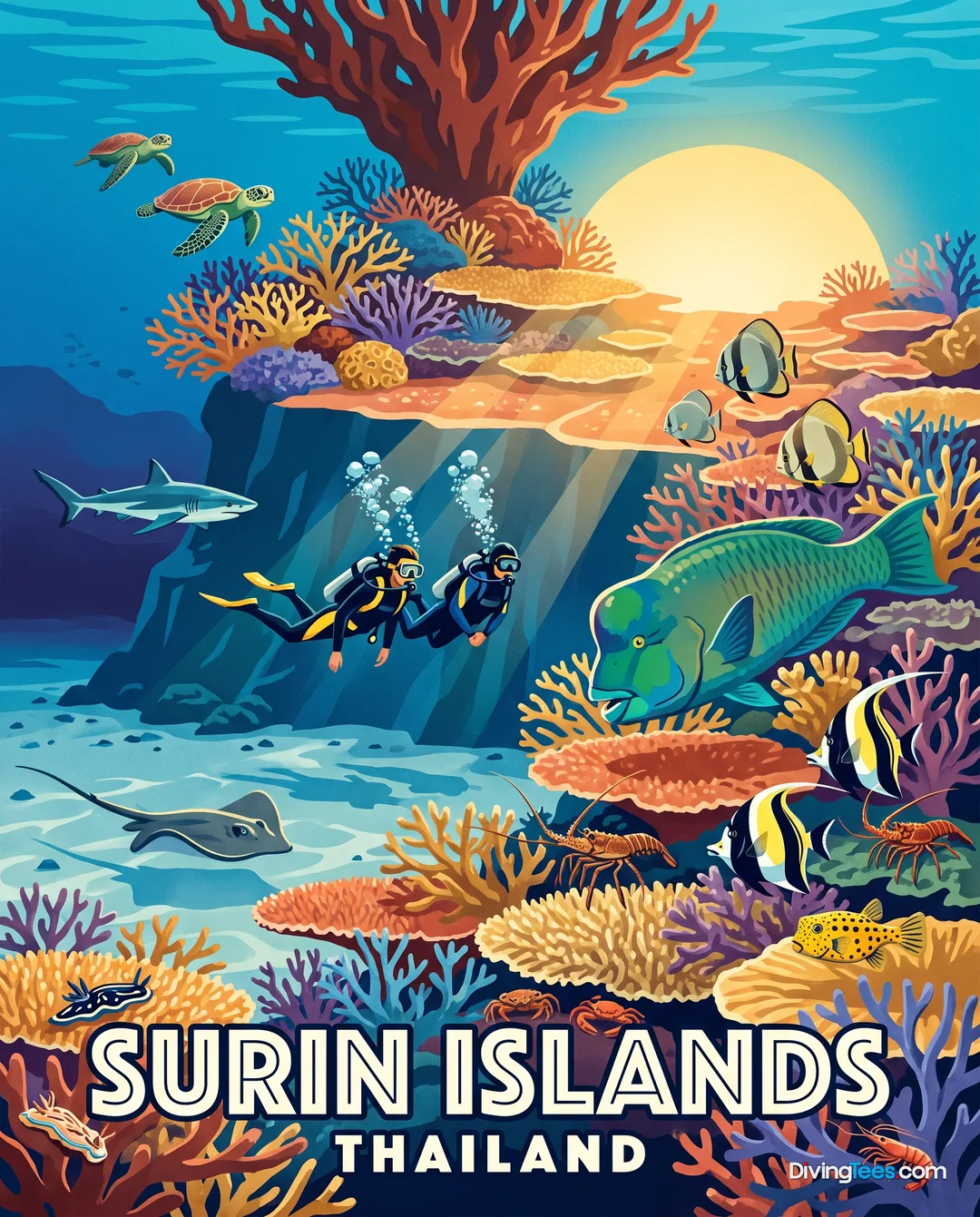
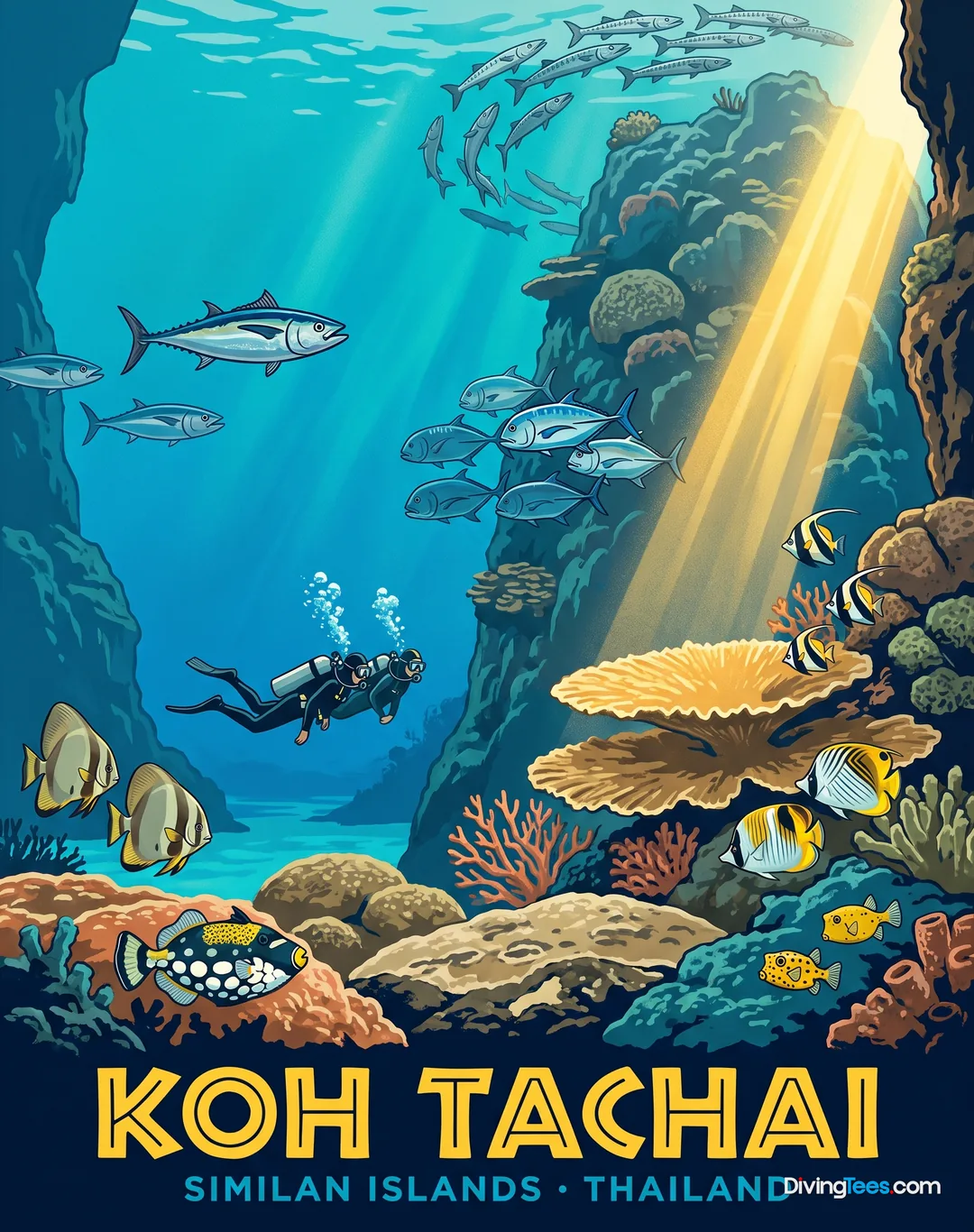
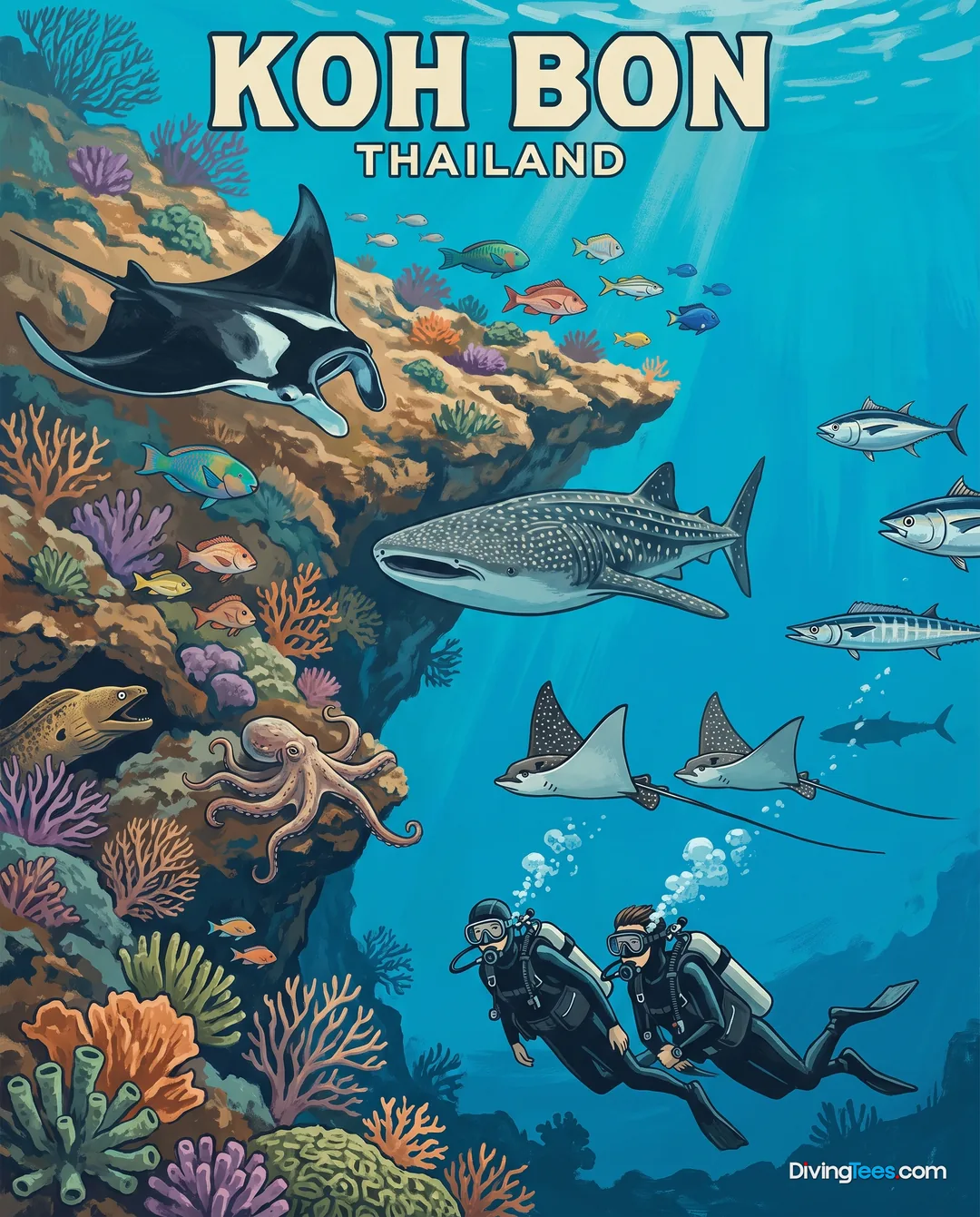
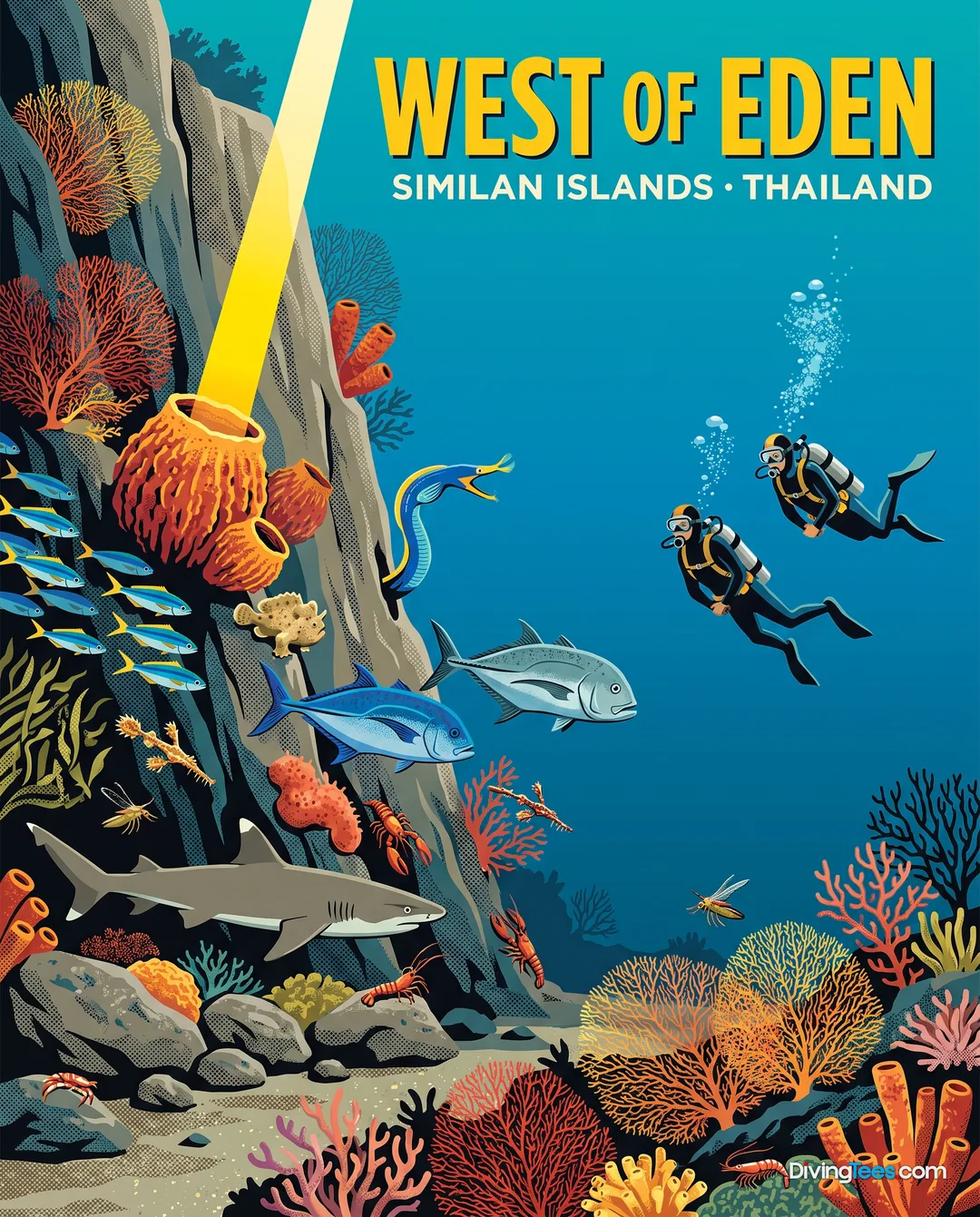
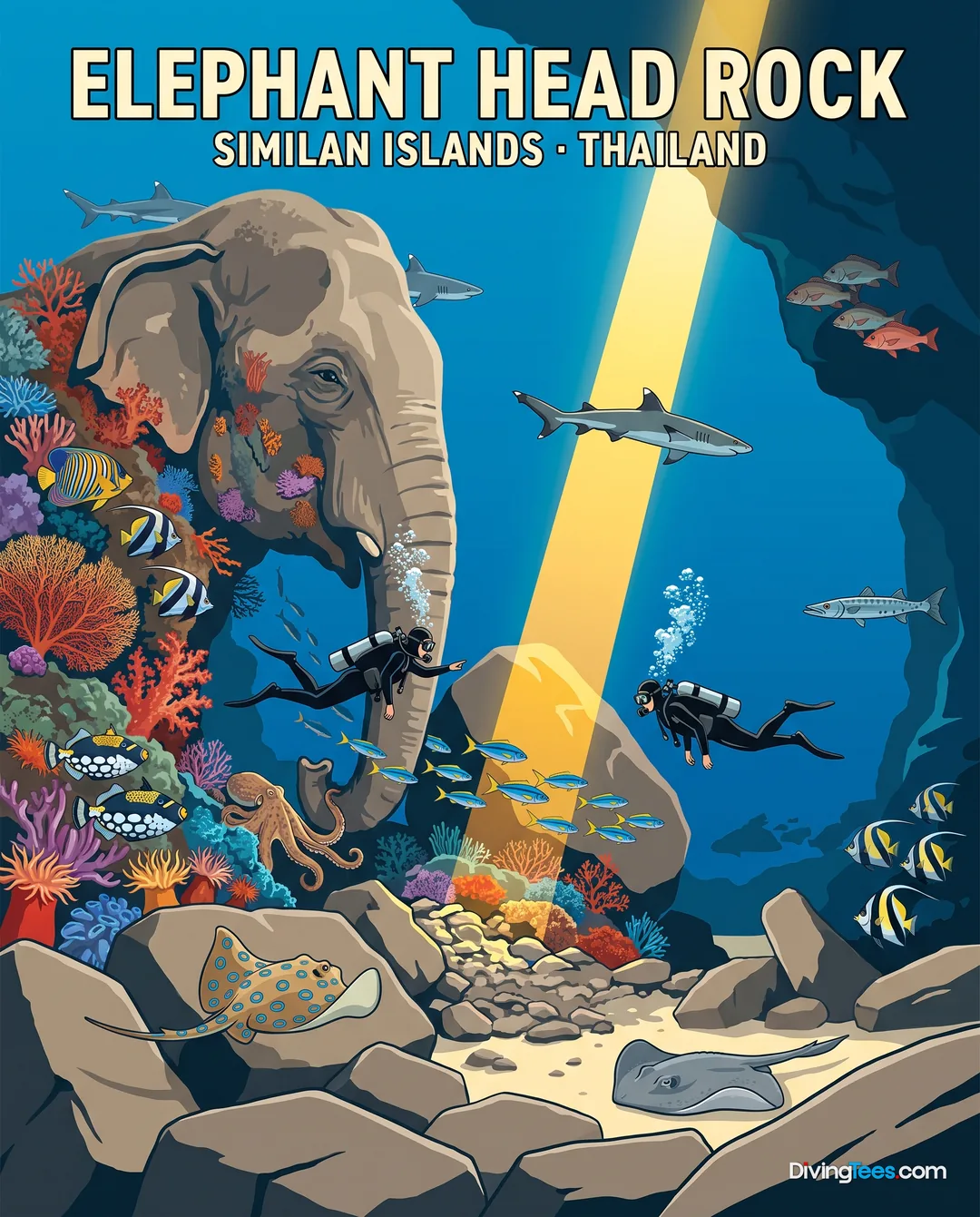
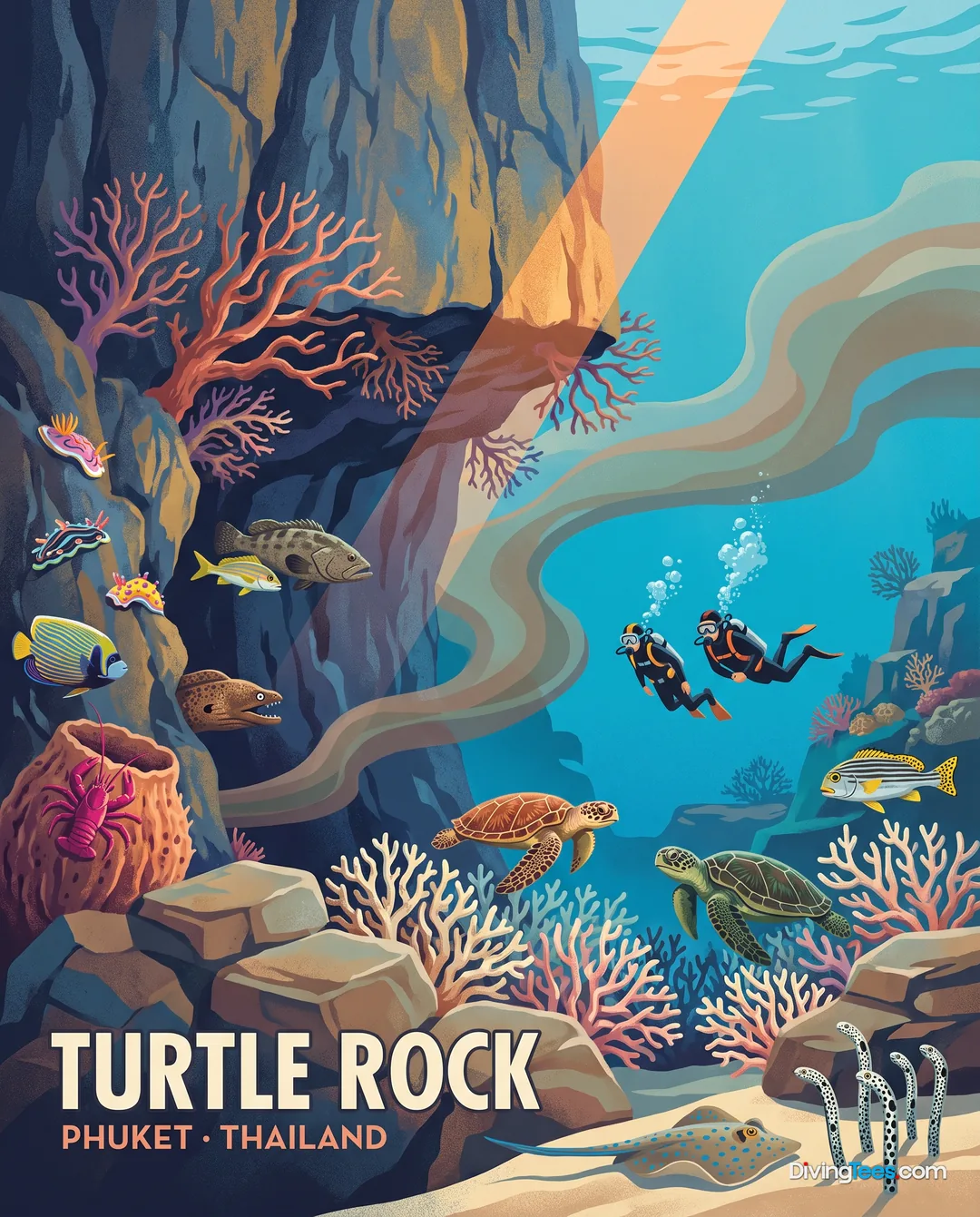
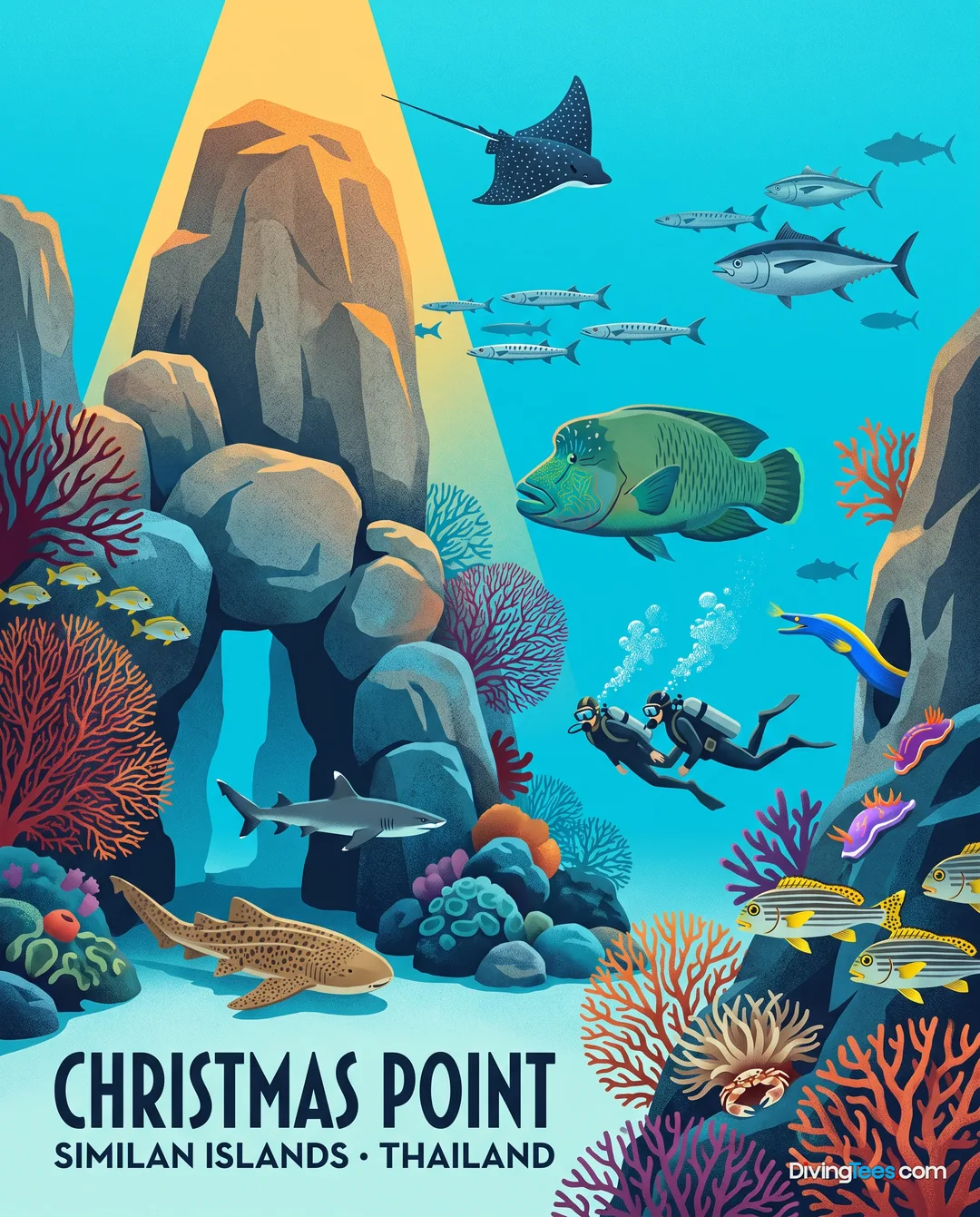
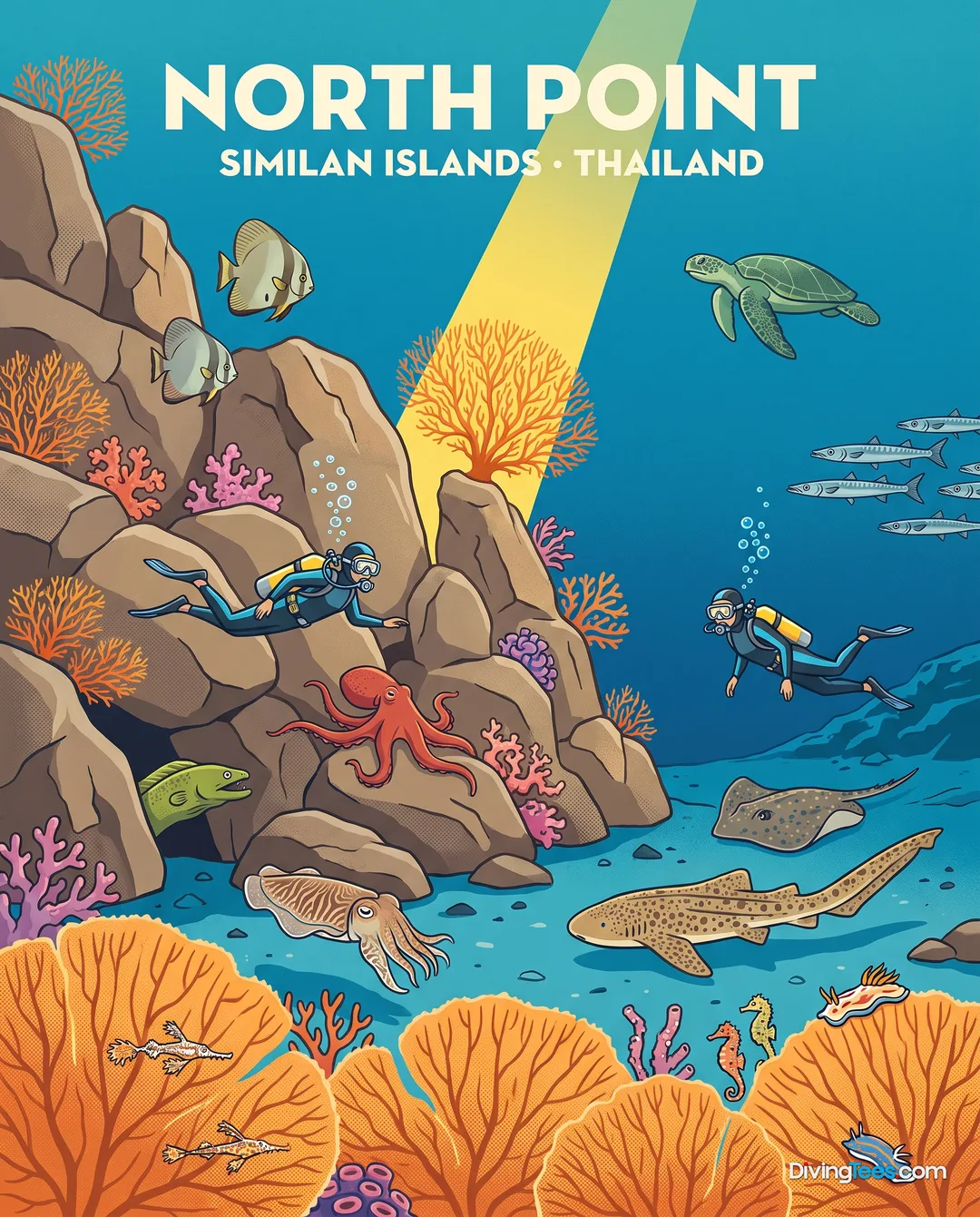
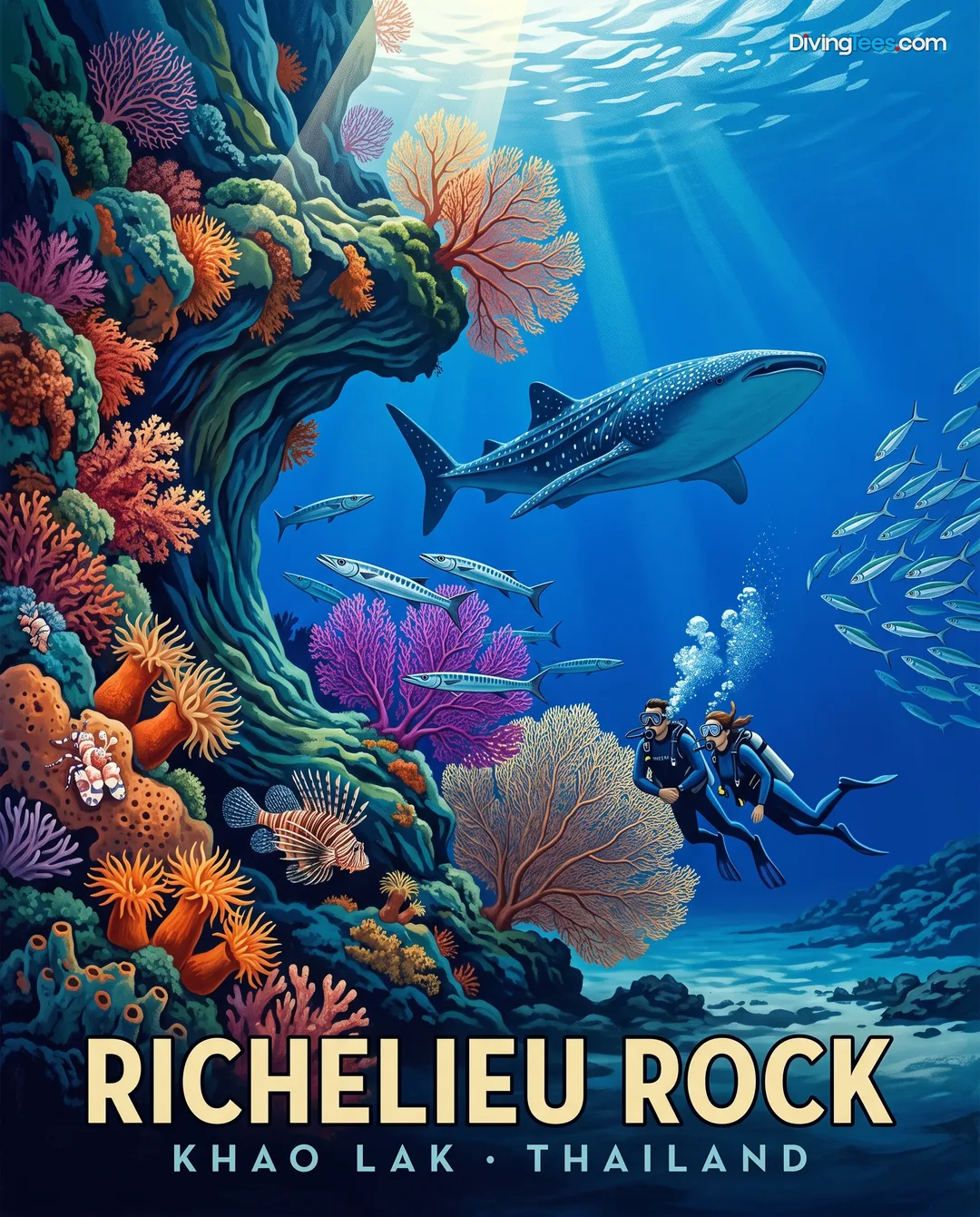
MV Lapat’s recorded routes cover the Similan and Surin Islands, departing from and returning to Thap Lamu. The 2-day/1-night trip carries 6 dives, the 3-day/2-night trip 10 dives, and the 4-day/3-night trip 14 dives. The weekly schedule includes Koh Tachai, Koh Bon, Honeymoon Bay, West of Eden, Elephant Head Rock, Turtle Rock, Christmas Point, Three Tree, North Point, Koh Che, Torinla, Pakkard Bay, Turtle Bay, Pineapple Bay and Richelieu Rock. Some days are built around repeated dives at the same site, particularly Koh Bon and Richelieu Rock; others move through several Similan sites in one day. The site descriptions, depths and marine-life profiles are not available for this itinerary, so the page cannot responsibly assign a depth or claim that a particular animal will be seen at any one stop. The route is best suited to divers who want several days in the Similan area and the option to reach Surin sites on the longer programs.
Itineraries, dates and prices
Prices per person. Each month shows its lowest price: click a month, or pick an itinerary.
Next departures · 930 departuresfrom £298$398€356
October 2026
See dates and prices
If you click these links and make a purchase on the partner site, DivingDeal may earn a commission, at no extra cost to you.
Dates and prices taken from Divebooker and liveaboard.com, updated 21 October 2026
Who puts you in the water
The crew includes local Thai staff, international instructors and divemasters, with communication in English, German, French, Chinese, Spanish and Swedish. Dive briefings are detailed, covering the plan and the safety points before the group moves to the platform. The operation is tightly managed, with divers checked for preparation rather than left to work out the sequence alone. Emergency oxygen, first-aid kits, life rafts, life jackets, fire extinguishers and trained first-aid crew are onboard. PADI training can be completed through the operator, including Discover Scuba Diving, Scuba Diver, Open Water, Advanced Open Water, Rescue Diver, Enriched Air and professional Divemaster training. Course requirements vary: an Open Water course is available from age 10, while the Divemaster pathway requires professional prerequisites and logged dives.
The dive deck and the gear
The dive deck is set up for repeated entries and returns, with a dedicated platform and a Yamaha 50HP tender for taking divers to and from the sites. The layout keeps the transfer between deck, tender and water central to the day rather than treating it as an occasional excursion. DIN adapters are available, and nitrox can be arranged as an optional extra. Rental equipment is also available. The boat provides tanks and weights as part of the diving package, while 15-litre tanks and nitrox fills are paid extras. Emergency oxygen is carried onboard. The practical advantage is simple: the dive team works from a proper platform, with the tender ready to collect divers where the operation places them.
Between dives
Between dives, the natural place to settle is the upper sun deck, where shaded and open areas give a choice between cooling off and lying in the sun. Mattresses make it possible to stretch out rather than remain perched on a bench, and the observation deck keeps the sea in view while the crew prepares the next move. Snorkelers can join guided sessions, swim around the boat or explore nearby beaches and reefs when conditions allow. Divers usually use the same gap to eat, rinse off, check equipment and let the body come down before the next briefing. The space is useful because it supports both kinds of passenger: someone who wants to talk through the last dive with a camera in hand, and someone who wants a quiet hour under cover. On a short itinerary, that distinction matters. Not every guest has come aboard to make all the same dives.
A day on board
The boat day begins on shore, with hotel pickup in the Bangsak area at 06:00 and Bang Niang at 07:00, followed by the transfer to Andaman Pier. After the speedboat crossing, guests reach MV Lapat at 08:00, settle in and attend the trip and safety briefings before the first dive. On the first day of the 4-day itinerary, the water sequence starts at 10:00, with lunch at 10:30, a second dive at 12:00, a snack break at 13:30 and a third dive at 15:00. Dinner follows at 17:00. Later days use the published 07:00, 10:30, 13:30 and 17:00 dive slots, depending on the route and site plan. Night dives are included in the diving package, so the day can continue after sunset when the schedule and conditions allow. Between entries, the boat’s routine is food, equipment checks, briefings and time on the sun deck. Then the process starts again.
What you eat aboard
Meals are served buffet-style, with Thai and Western dishes and options for vegetarian and vegan diets. Non-alcoholic drinks, drinking water and snacks are included, while beer and other alcoholic drinks are available separately. Food is not an afterthought on a boat that may put divers in the water several times in a day: breakfast starts the recovery cycle, lunch arrives between dives, and dinner closes the working part of the day. Snacks and fruit fill the gaps when a full meal would come too soon after surfacing. The kitchen combines familiar Western food with local Thai cooking, which is the right balance for a mixed group living aboard. Guests can eat in the upper-deck dining area, then carry coffee or a cold drink to the shade without leaving the social centre of the boat.
Nights at sea
The eight cabins sit on the cabin deck and are air-conditioned, with standard windows rather than large panoramic glazing. Two Master Cabins have double beds and private bathrooms; six Twin Cabins use a twin-bed layout. The remaining bathrooms are shared, and outdoor showers are available for rinsing salt and gear after a swim or snorkel. These are compact liveaboard rooms: enough to sleep, wash and stow the essentials, but not designed for spending the whole day inside. The upper deck changes the feel of the boat. It carries the dining area, while the sun deck above has both shaded and open sections with mattresses for lying down between dives. At night, the cabins give a cool, private retreat after a full day in the water. Guests choosing a Master Cabin gain privacy; guests in a Twin Cabin gain the simpler, more social liveaboard arrangement.
Master Cabin
Twin Cabin
What to know before boarding
The diving trips depart from and return to Thap Lamu, reached through Andaman Pier. Hotel and airport transfers are included, with pickups arranged from the Khao Lak area; the recorded itineraries specify Bangsak and Bang Niang pickup times. Guests staying elsewhere should confirm the transfer arrangement before departure. Arriving in Khao Lak the night before is the sensible way to avoid turning the pier transfer into the first stress of the trip.
Deck plan
What the boat does for the ocean
MV Lapat provides eco-friendly bathroom products intended to reduce the impact of toiletries on the reefs around the islands. That is the concrete environmental measure stated for the boat.
- Year built
- 2012
- Year renovated
- 2024
- Length
- 23.9 m
- Beam
- 6 m
- Maximum number of passengers
- 16
- Number of cabins
- 8
- Number of bathrooms
- 5
- Engines
- Nissan V10
- Cruising speed
- 7 knots
- Tenders
- Yamaha 50 hp
- Website
- similansevenseaclub.com ↗
Hello, I'm Marina, DivingDeal.com's AI assistant. I answer in detail about hotels, dive centres and liveaboards.
Thinking about the whole trip and the flights? Talk it over with Edith →
Marina is an AI. Some links are affiliate links: DivingDeal may earn a commission, at no extra cost to you. Bookings are made with the partner.