



Scubadeep Patong
Google 5/5 (835 reviews)
4.2 km away as the crow flies
Phuket · Thailand · Asia
Max. depth · 25 mA sheltered bay offering shallow reef slopes and diverse macro life protected from eastern swells.
For subtitles in English: start the video firstthen click the gearat the top right of the video, select “Subtitles/CC”, then “Auto-translate” and choose “English”.
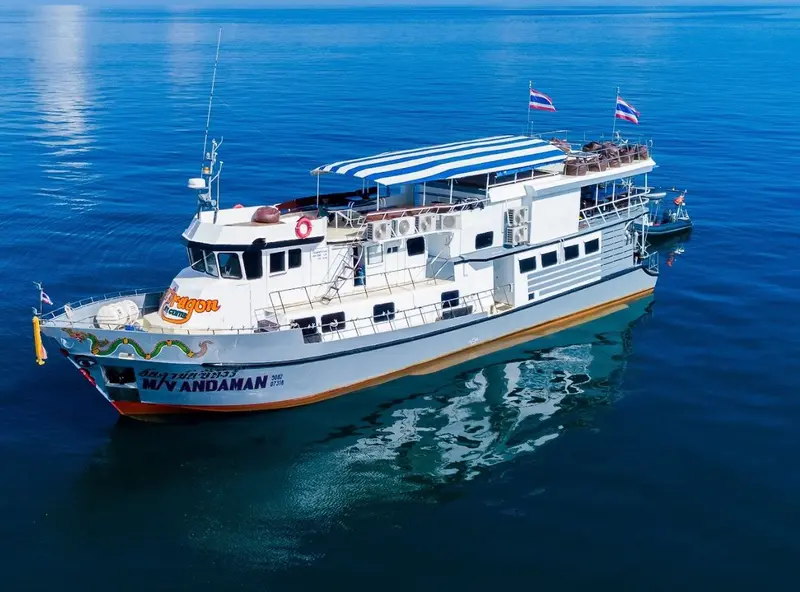
Bungalow Bay, often referred to as Patok Bay, is situated on the northwest side of Racha Yai island. The site is a relatively shallow reef system that benefits from its specific orientation, which provides natural protection against the prevailing winds and swells coming from the east. This makes the bay a preferred choice during the high season when conditions elsewhere in the Phuket region might be more turbulent. You will typically arrive by boat from Phuket or Chalong, making for a transit of approximately 90 to 105 minutes.
The topography of the site is divided into two distinct areas: a northern plateau and a southern section. The northern area offers a more consistent, flatter profile that is highly conducive to buoyancy practice and formation training. As you move toward the southern sector, the reef structure becomes more complex, characterized by large rock blocks and varied relief. Both sectors transition from coral-covered slopes into sandy bottoms, providing a classic reef environment that accommodates different diving styles.
The reef structure itself is dominated by hard corals, specifically staghorn and pore corals. These formations create a complex three-dimensional habitat that supports a wide variety of smaller organisms. As you descend the slopes, you will notice the terrain shifting from shallow, sunlit coral heads to deeper sections reaching approximately 25 metres. The interplay between the hard coral structures and the sandy patches allows for a diverse range of micro-habitats within a relatively small area.
For those interested in macro photography or close-up observation, the site offers significant rewards. The sandy floor and the crevices within the coral and rock formations are home to several cryptic species. You can find various types of ghost pipefish, including the ornate ghost pipefish and the seagrass ghost pipefish, often camouflaged against their surroundings. The presence of frogfish and stonefish in the rocky and coral areas requires a slow, observant approach to spotting them.
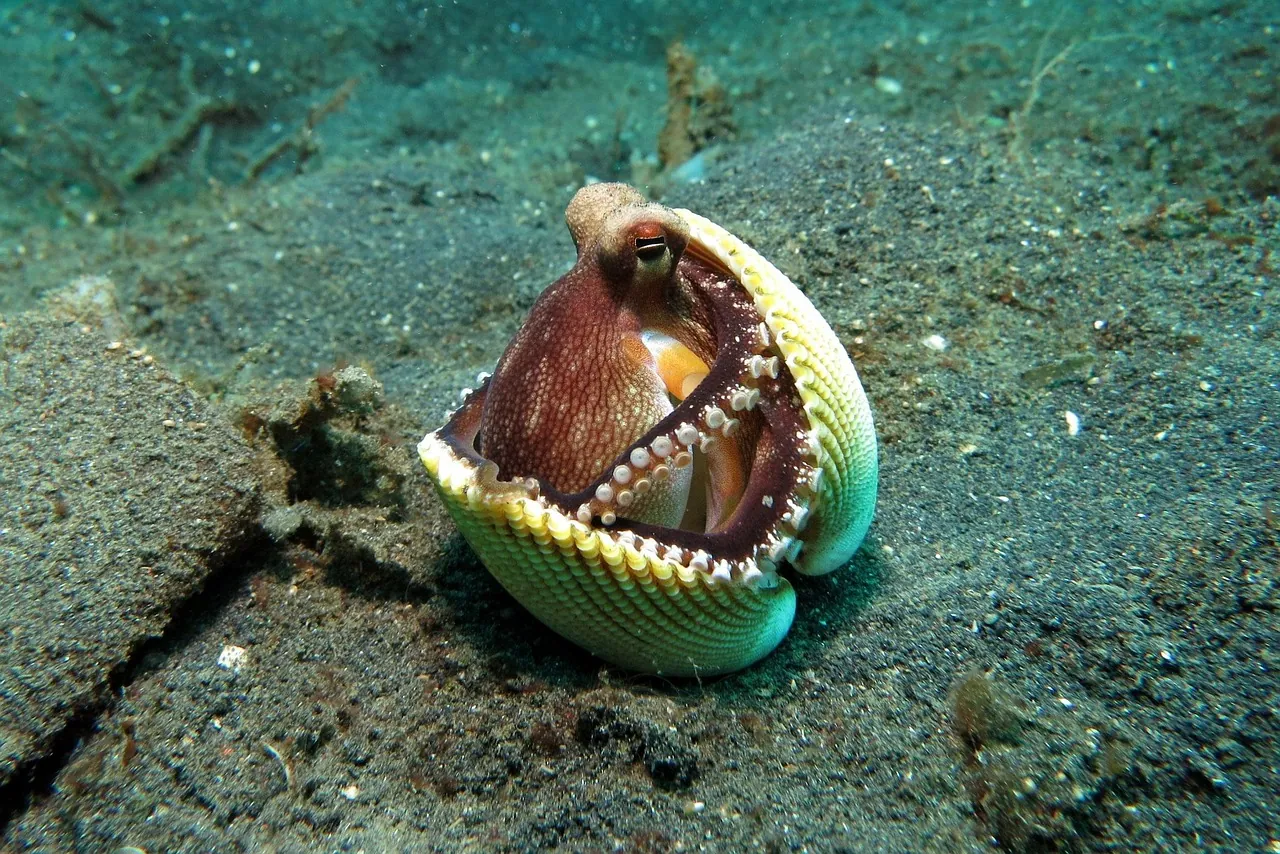
The benthic environment is also a productive zone for larger invertebrates and mobile species. It is common to encounter octopus and cuttlefish navigating the reef, as well as moray eels tucked into the crevices of the southern rock blocks. If you keep a close eye on the sandy stretches, you might spot flounder or various nudibranchs. The presence of Kuhl's stingray is another highlight for divers looking to observe bottom-dwelling species in a calm setting.
While the site is known for its stability, the marine life remains active across the different depth zones. You may see barracuda cruising in the mid-water columns or turtles moving along the reef edges. The visibility at Bungalow Bay is generally good, ranging from 10 to 25 metres, which allows for clear sightlines when observing the transition from the reef to the sandy patches. This clarity is a key factor in making the site a successful location for both novice and experienced divers.
The southern sector, in particular, offers a more rugged experience due to the presence of large rock formations. These blocks provide essential shelter for species like the stonefish and offer more interesting topography for navigating. While the northern part remains the go-to for those needing a controlled environment, the southern side provides the visual interest that experienced divers look for when exploring the Racha Yai area. Both zones remain well within the reachable depth limits of most recreational divers.
The site has a depth range of 5 to 25 metres and is accessible from the Open Water Diver level, making it suitable for beginners and training dives. Current is generally absent or very light, though conditions can vary depending on the weather. Visibility typically ranges between 10 and 25 metres. The best time to dive is during the high season when the bay is protected from eastern winds.
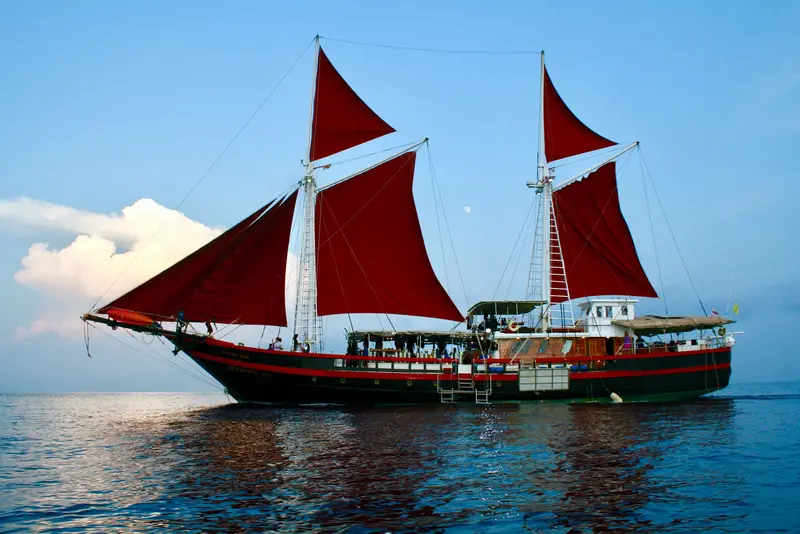
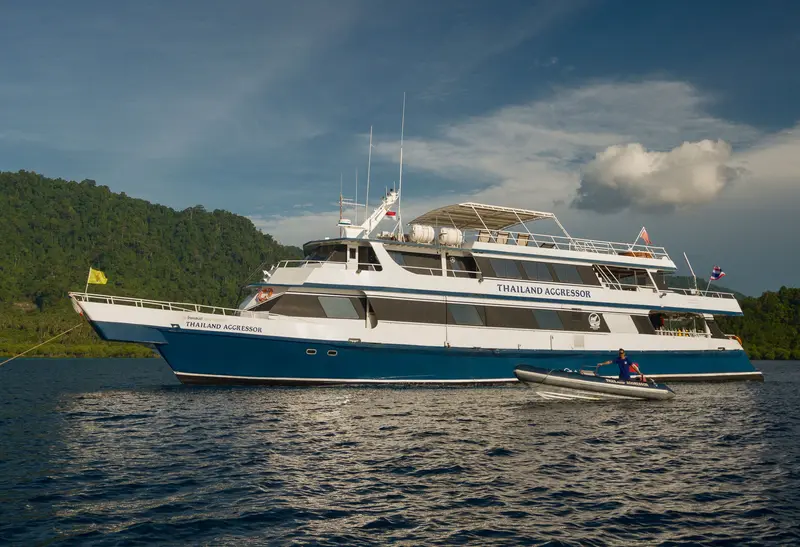
9 liveaboards depart from Phuket another way to explore the region, over several days at sea.
You can dive Bungalow Bay throughout the high season, when the bay is protected from eastern winds and swells. Its sheltered orientation helps provide calmer conditions than more exposed sites in the Phuket region. Weather can still affect conditions, so the generally protected bay is especially suitable during this period.
Bungalow Bay is accessible from the Open Water Diver level and suits beginners and training dives. The northern plateau has a flatter profile that supports buoyancy practice and formation training. The calm conditions, shallow reef slopes, sandy patches, and generally light current also accommodate different recreational diving styles.
Bungalow Bay ranges from five to twenty-five metres, with shallow coral slopes leading to deeper reef sections and sandy bottoms. The current is generally absent or very light, although weather can change conditions. The sheltered bay supports calm diving, while the southern sector adds larger rock blocks and varied relief.
You can explore staghorn and pore corals, large rock blocks, sandy patches, and a range of macro life. Look for ghost pipefish, frogfish, stonefish, octopus, cuttlefish, moray eels, flounder, nudibranchs, and Kuhl's stingrays. Barracuda and turtles may also appear around the reef and mid-water.