

Buceo Norte
Google 5/5 (649 reviews)
6.3 km away as the crow flies
Gran Canaria · Canary Islands · Atlantic
Max. depth · 6 mA calm, shallow entry from the beach at Puerto de las Nieves, ideal for training or first dives in the Atlantic.
For subtitles in English: start the video firstthen click the gearat the top right of the video, select “Subtitles/CC”, then “Auto-translate” and choose “English”.
The dive site at Agaete begins directly from the beach in Puerto de las Nieves, providing an accessible entry point for those looking to dive from the shore. The terrain is characterized by a gently sloping seabed that transitions from sand to rocky outcrops. Unlike the dramatic drop-offs found further north, the topography here is relatively flat and shallow. This layout makes the site particularly suited for those building buoyancy control or completing initial training sessions.
As you move away from the shoreline, you will navigate over small reef patches and various rocky structures. The seabed does not feature steep walls, which allows for a predictable and manageable profile during the descent. The depth remains quite shallow, making it easy to maintain visual contact with the surface if necessary. This simplicity is the site's primary advantage for divers who prefer a low-stress environment.
Visibility at the site is generally good, typically ranging between 10 and 20 metres. This clarity allows you to observe the local marine life and the structure of the reef patches from the moment you descend. Even in the shallow zones, the light penetration is strong, enhancing the colours of the rocky surroundings. It is a practical location for practicing navigation along a consistent, sloping bottom.
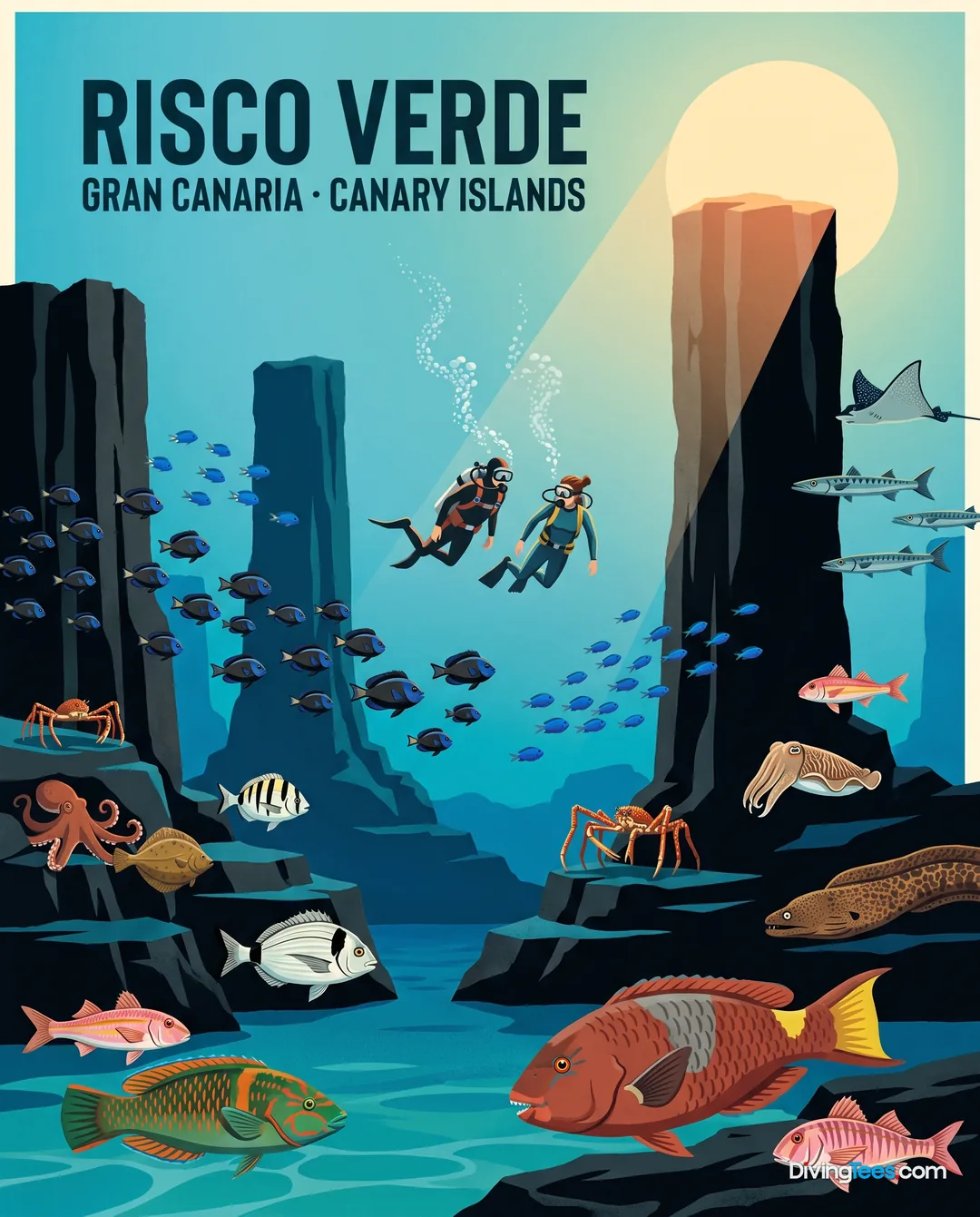
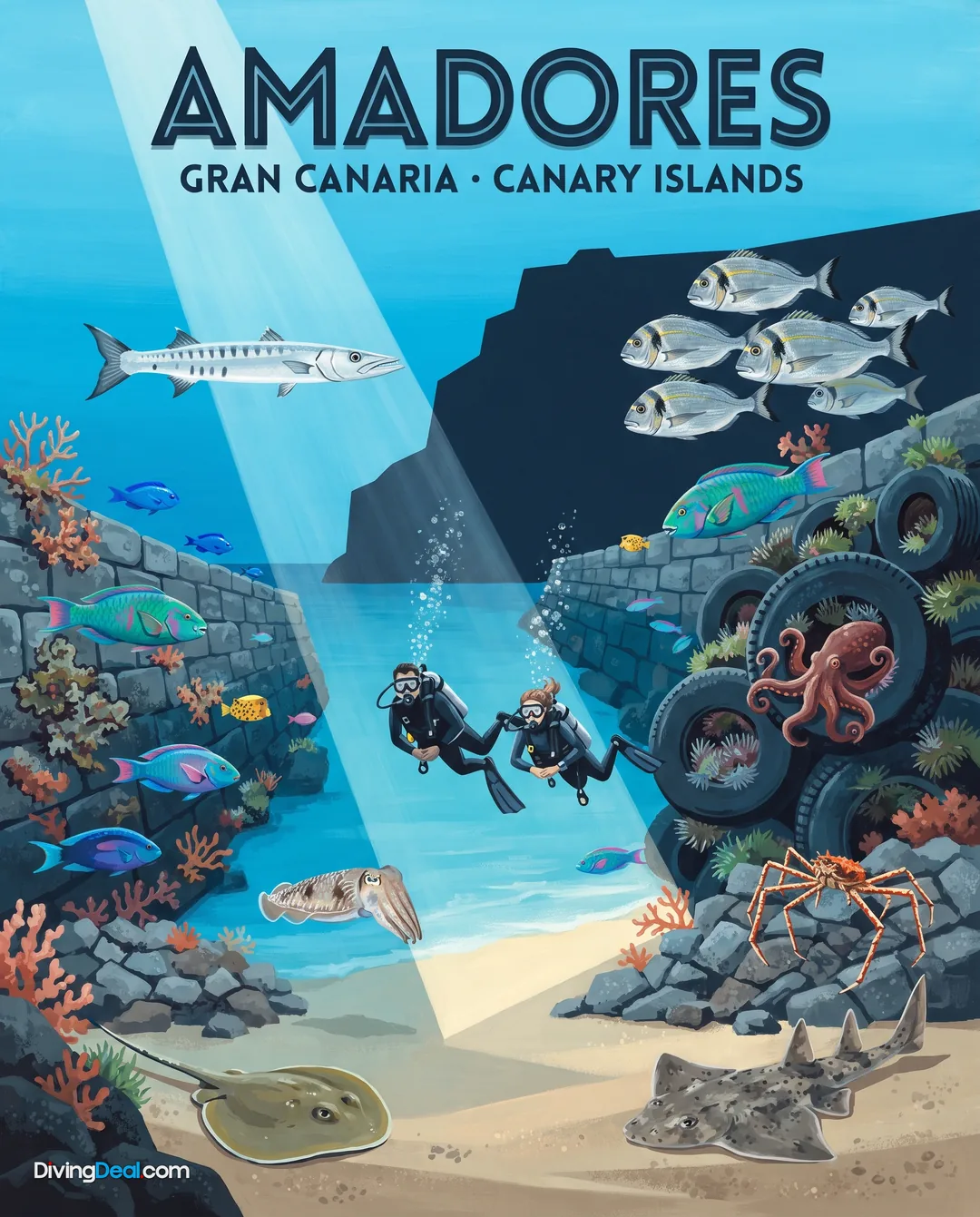
The resident fauna includes several common Atlantic species that frequent these rocky habitats. You can expect to see parrotfish and various species of wrasse moving among the rocks. Smaller fish like damselfish and bream are also common sights throughout the shallow areas. These species are well-adapted to the reef patches that dot the sandy floor near the shore.
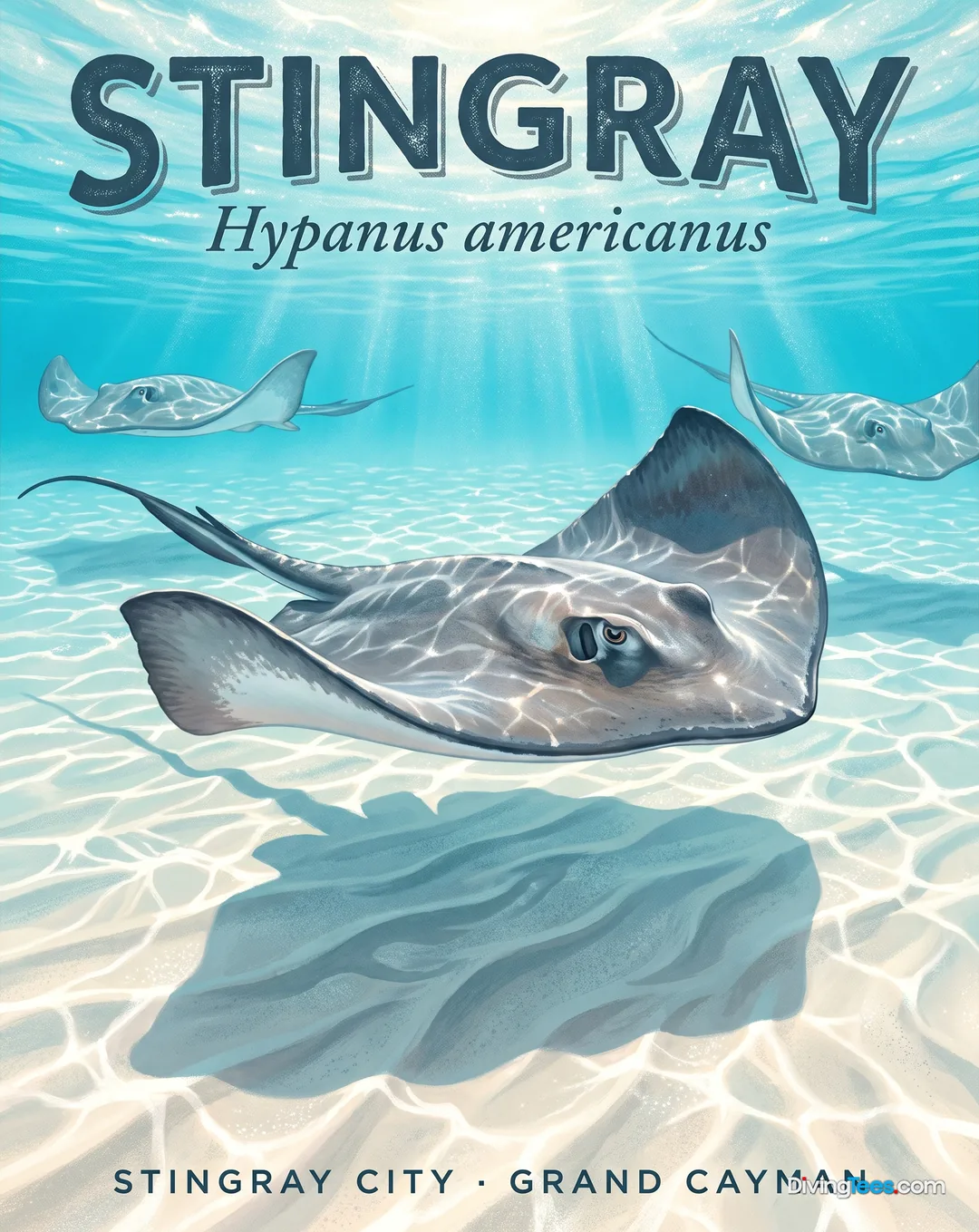
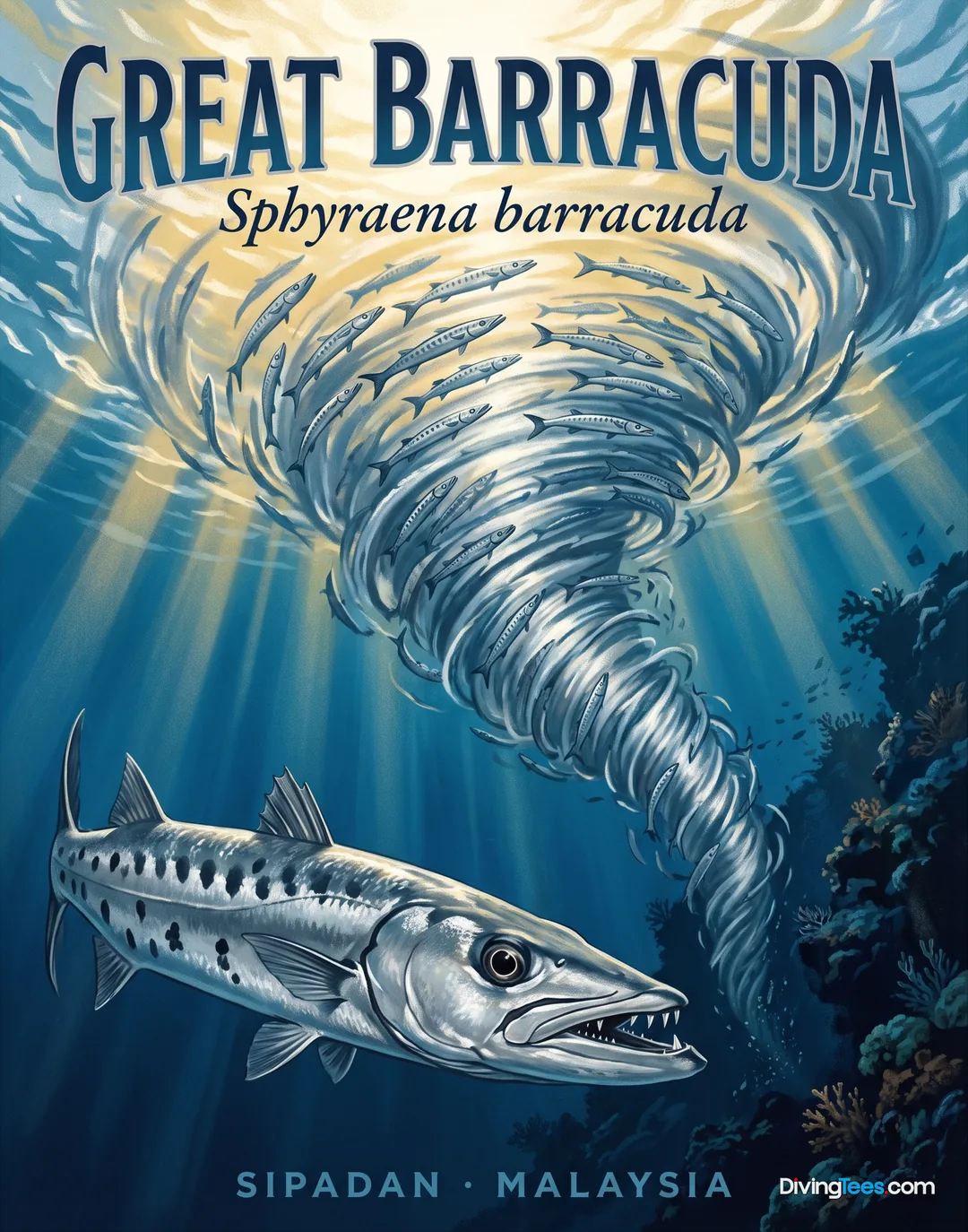
More substantial marine life can be found looking closely at the seabed or near the larger rocky outcrops. Atlantic stingrays may be seen resting on the sand, while octopus often hide within the crevices of the rocks. If you keep a steady eye on the surroundings, you might also encounter a dusky grouper or a barracuda passing through the area. These encounters occur within a very manageable depth range.
Conditions at this site are defined by the open Atlantic coastline, meaning local swell and wind can influence the surface conditions. However, the underwater environment remains generally calm with only light current or surge. This makes the site significantly different from the more challenging, high-current sites located near the cliffs of El Juncal. For a diver seeking a controlled entry without the complexity of heavy surge, this area is a reliable choice.
The site serves as a functional contrast to the deeper, more technical dives available in the north of Gran Canaria. While it lacks the complexity of a deep wall or a heavy current channel, it offers a stable platform for observing local biodiversity. It is a location where the focus remains on the immediate environment and the comfort of the dive profile. This makes it a consistent option for those focusing on fundamental skills.
The site is accessible from Open Water Diver level with a maximum depth of 6 metres. You can expect visibility between 10 and 20 metres. Currents are typically light, though local swell and wind exposure on this open coastline can cause minor variations in surface conditions.
Agaete is accessible from Open Water Diver level and suits beginners developing buoyancy control or completing initial training sessions. The easy shore entry from Puerto de las Nieves beach leads to a gently sloping seabed of sand, rocky outcrops, and small reef patches, creating a predictable, manageable profile.
Agaete remains shallow, with a maximum depth of 6 metres. Its gently sloping bottom transitions from sand to rocky outcrops without steep walls or dramatic drop-offs. You can maintain visual contact with the surface if necessary, making the site practical for training, navigation practice, and a low-stress dive profile.
At Agaete, the underwater environment is generally calm, with light current or surge. Because the site lies on an open Atlantic coastline, local swell and wind exposure can cause minor variations in surface conditions. The controlled shore entry and manageable underwater conditions make it different from nearby high-current sites.
At Agaete, you can look for parrotfish and wrasse moving among the rocky reef patches, along with damselfish and bream in the shallow areas. Atlantic stingrays may rest on the sand, while octopus hide in rock crevices. You might also encounter a dusky grouper or barracuda passing through.