

Leagues Ahead Diving
Google 5/5 (645 reviews)
9.3 km away as the crow flies
Gran Canaria · Canary Islands · Atlantic
Max. depth · 22 mAn oval basaltic reef rising from the sandy bottom to offer sightings of eagle rays and stingrays.
For subtitles in English: start the video firstthen click the gearat the top right of the video, select “Subtitles/CC”, then “Auto-translate” and choose “English”.
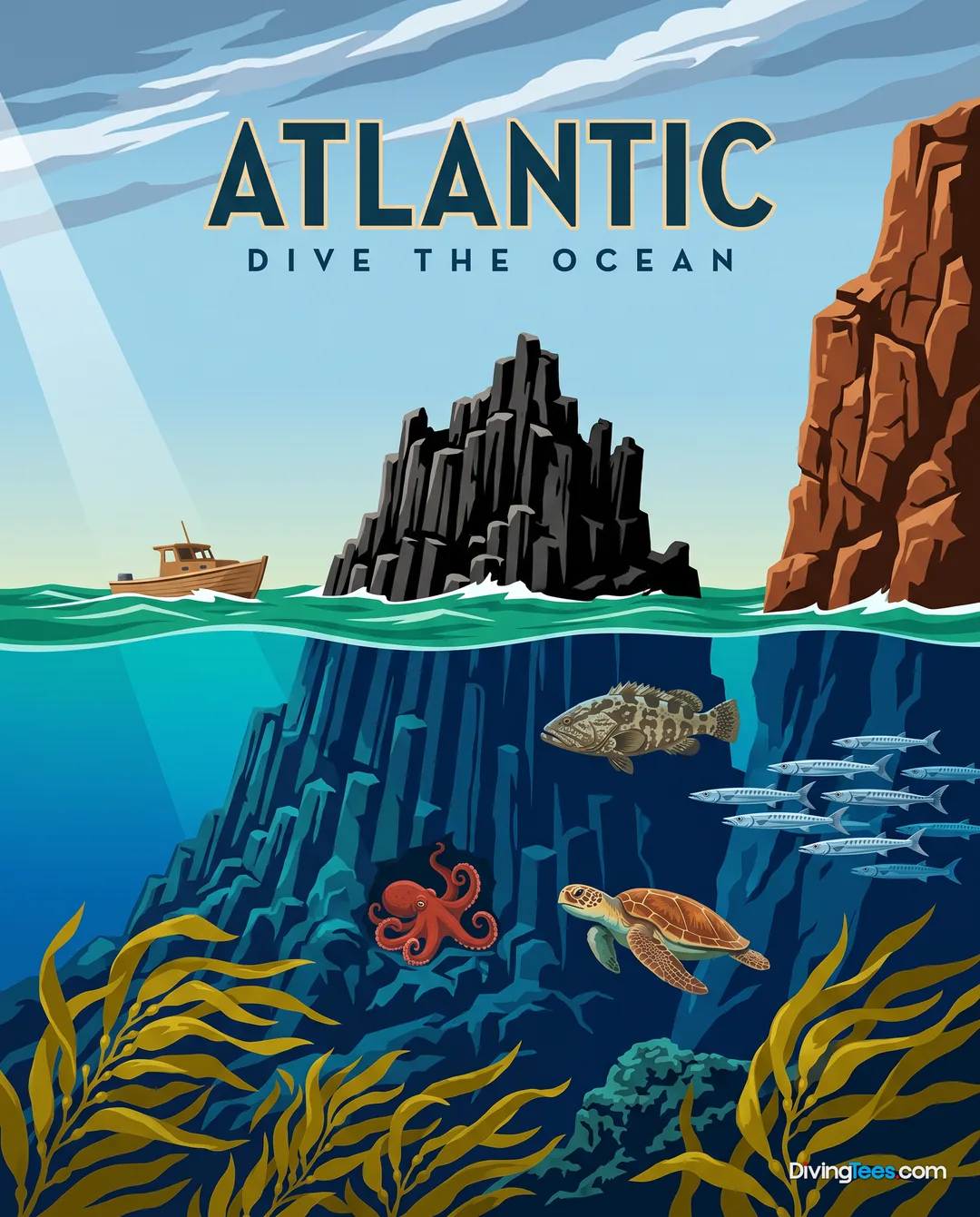
Pasito Blanco is an oval-shaped volcanic reef that rises from the surrounding sandy seabed. This formation is primarily composed of basalt and lava, creating a structure defined by flat-topped ledges and various rock plateaus. Unlike the steep drop-offs found elsewhere, the relief here is modest, with the reef structure standing only a few metres above the sand in most sections. This topography creates a varied underwater landscape of low ridges and subtle overhangs.
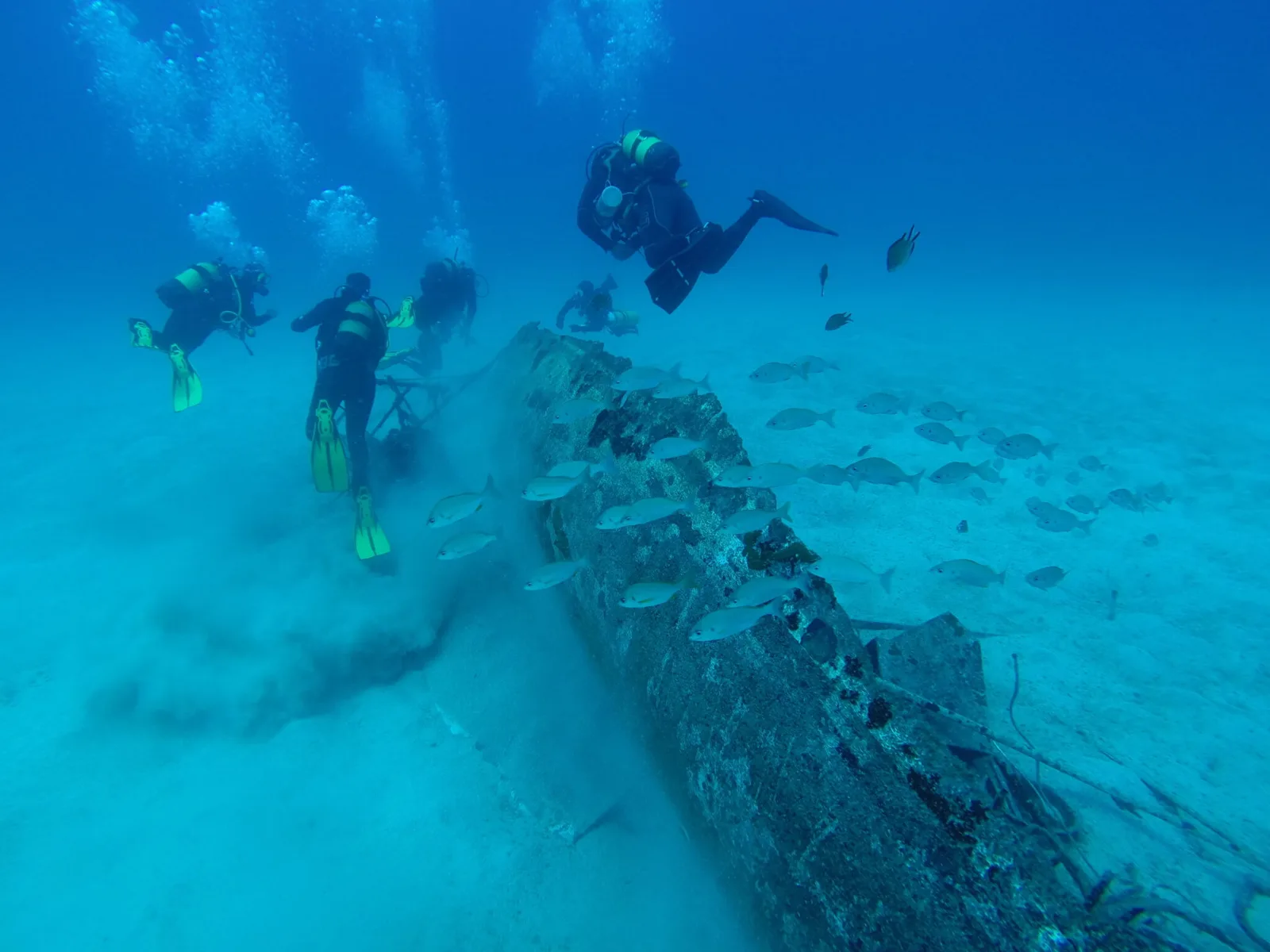
The site is often experienced as a dual environment, frequently referred to as a combined area including both a natural volcanic reef and an associated artificial reef. This combination increases the complexity of the habitat, providing more surface area for life to colonize. You will find that the transition from the deep sand to the reef crest is quite gradual. This layout makes the site particularly accessible for those who prefer working along a plateau rather than a vertical wall.
When you descend, you will notice the depth settles between 15 and 22 metres. The profile is characterized by these flat-topped ledges which allow for easy navigation along the reef edge. These plateaus provide stable surfaces for various marine life to settle, and the geological structure offers several small crevices and overhangs. These features are ideal for observing how different species utilize the rocky terrain for shelter.
The currents at Pasito Blanco are generally mild, which makes the site a more accessible offshore option compared to more exposed sites in the region. The water movement is influenced by the site's open-water location and the general sea state of the south coast of Gran Canaria. Because the reef is relatively shallow and the topography is not overly jagged, you can expect a stable environment for most of the dive.
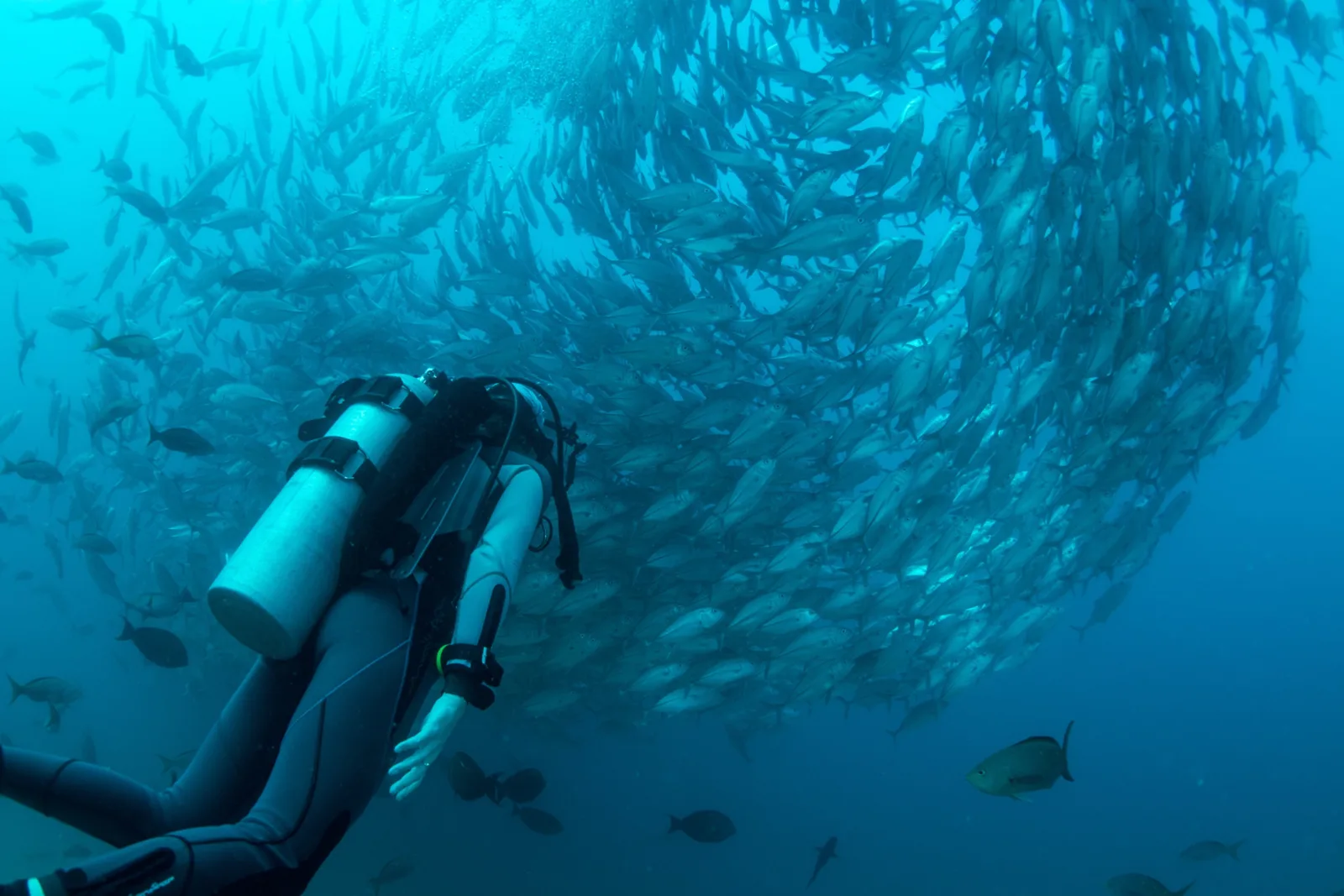
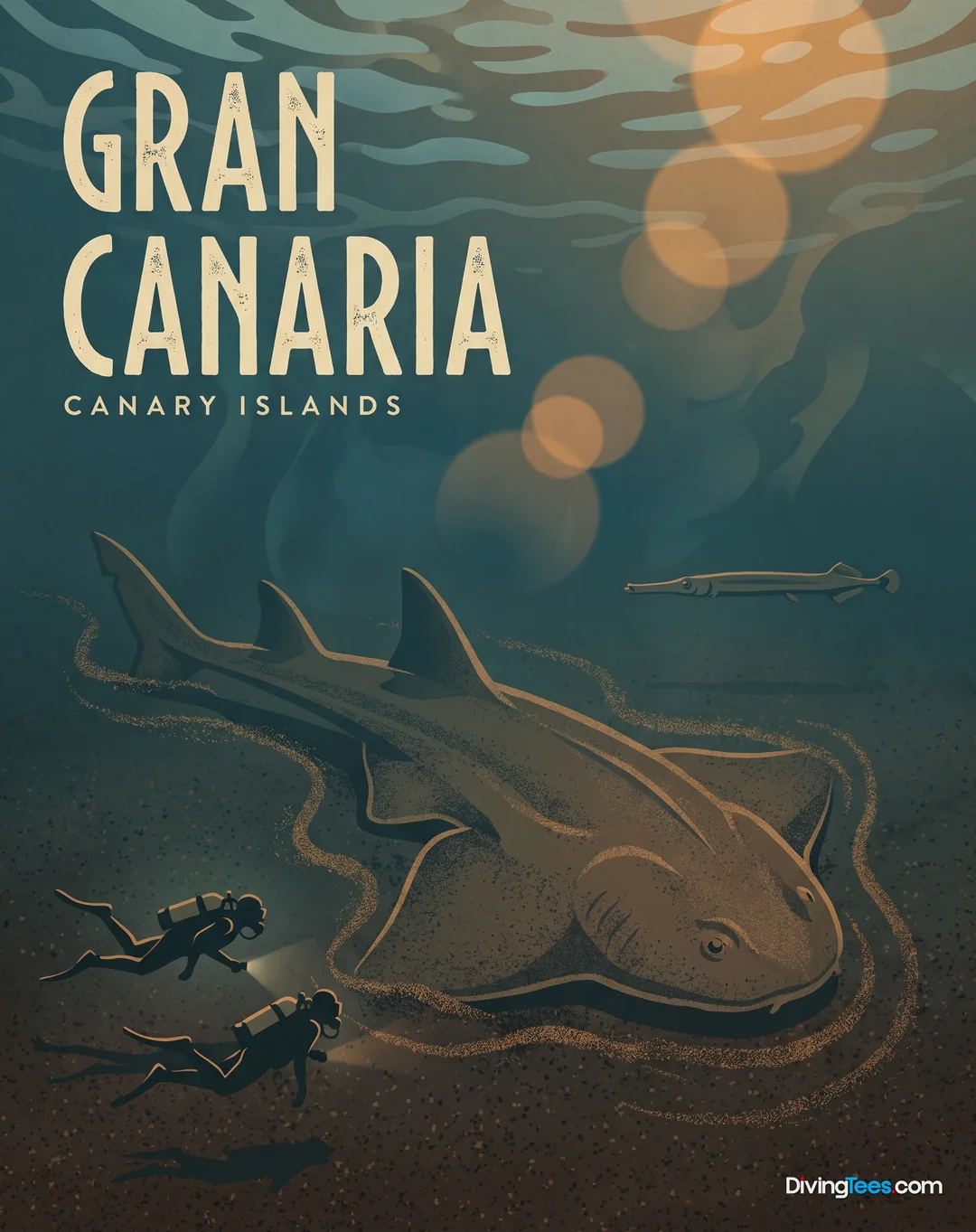
The fauna at Pasito Blanco is heavily influenced by the interaction between the reef structure and the surrounding sandy plains. You can often find stingrays and eagle rays moving across the sandy stretches between the basaltic outcrops. These large rays use the open spaces to glide, often appearing as you transit from the reef edge back toward the deeper sand. This movement is a characteristic feature of the site's ecosystem.
In the more protected crevices and under the small overhangs, you will encounter resident reef species. Moray eels are frequently seen guarding their territories within the rocky holes, alongside various species of grunts. You might also spot barracuda patrolling the edges of the plateau, often moving through the water column in search of smaller prey. The variety of life is a direct result of the hard substrate provided by the volcanic rock.
Visibility at this site typically ranges between 15 and 30 metres, depending on the local conditions. The clarity is generally good, making it easier to spot species like angelsharks resting on the sandy patches surrounding the reef. This high visibility, combined with the moderate depths, allows you to maintain good situational awareness as you navigate the different levels of the plateau.
The dive depth ranges from 15 to 22 metres. It is accessible for Open Water Diver level, though light currents can be present depending on the sea state. Visibility is typically between 15 and 30 metres, and the site is accessible year-round.
You can dive Pasito Blanco Reef year-round. Visibility typically ranges from 15 to 30 metres, depending on local conditions. Its moderate depth and open-water setting allow you to explore the basaltic reef, flat-topped ledges and surrounding sandy seabed in different seasons, while visibility may vary with conditions.
Pasito Blanco Reef is accessible to you as an Open Water Diver. The reef has a gradual transition from sandy seabed to its crest, with low ridges, flat-topped ledges, small crevices and modest overhangs rather than steep walls. This layout supports navigation along a plateau at an accessible depth.
Pasito Blanco Reef ranges from 15 to 22 metres deep. Currents are generally mild, although light currents can appear depending on the sea state. Its open-water location and south-coast conditions influence water movement, while the relatively shallow reef and modest relief provide a stable environment for most of your dive.
At Pasito Blanco Reef, you can look for eagle rays and stingrays crossing the sandy seabed, moray eels sheltering in rock crevices, and barracuda and grunts in the water column. The basaltic plateau includes flat-topped ledges and small overhangs, while angelsharks may rest on sandy patches around the reef.