
Buceo Norte
Google 5/5 (649 reviews)
1.3 km away as the crow flies
Gran Canaria · Canary Islands · Atlantic
Max. depth · 18 mSardina del Norte offers a sheltered bay dive with easy access, famed for its abundant marine life including rays, moray eels, and large barracuda schools.
For subtitles in English: start the video firstthen click the gearat the top right of the video, select “Subtitles/CC”, then “Auto-translate” and choose “English”.
Sardina del Norte, nestled in the municipality of Gáldar on Gran Canaria's northern coast, presents a dive profile that begins almost immediately from the shore. Entry is straightforward, typically made via the old stairs at the port or directly from the quay, offering a protected area largely shielded from the open ocean's surge and prevailing winds. This calm, sheltered approach makes it comfortable from the moment you gear up, setting the stage for a relaxed exploration of its underwater landscape.
Once submerged, the dive unfolds across varied reef and rock structures that define the seabed of Sardina. The topography here provides ample hiding spots and foraging grounds, supporting a concentrated ecosystem. As you navigate the site, you'll find the terrain gently sloping, allowing for leisurely progression and detailed observation of the smaller inhabitants that blend into the reef formations. This structure naturally creates an environment where marine life congregates rather than disperses.
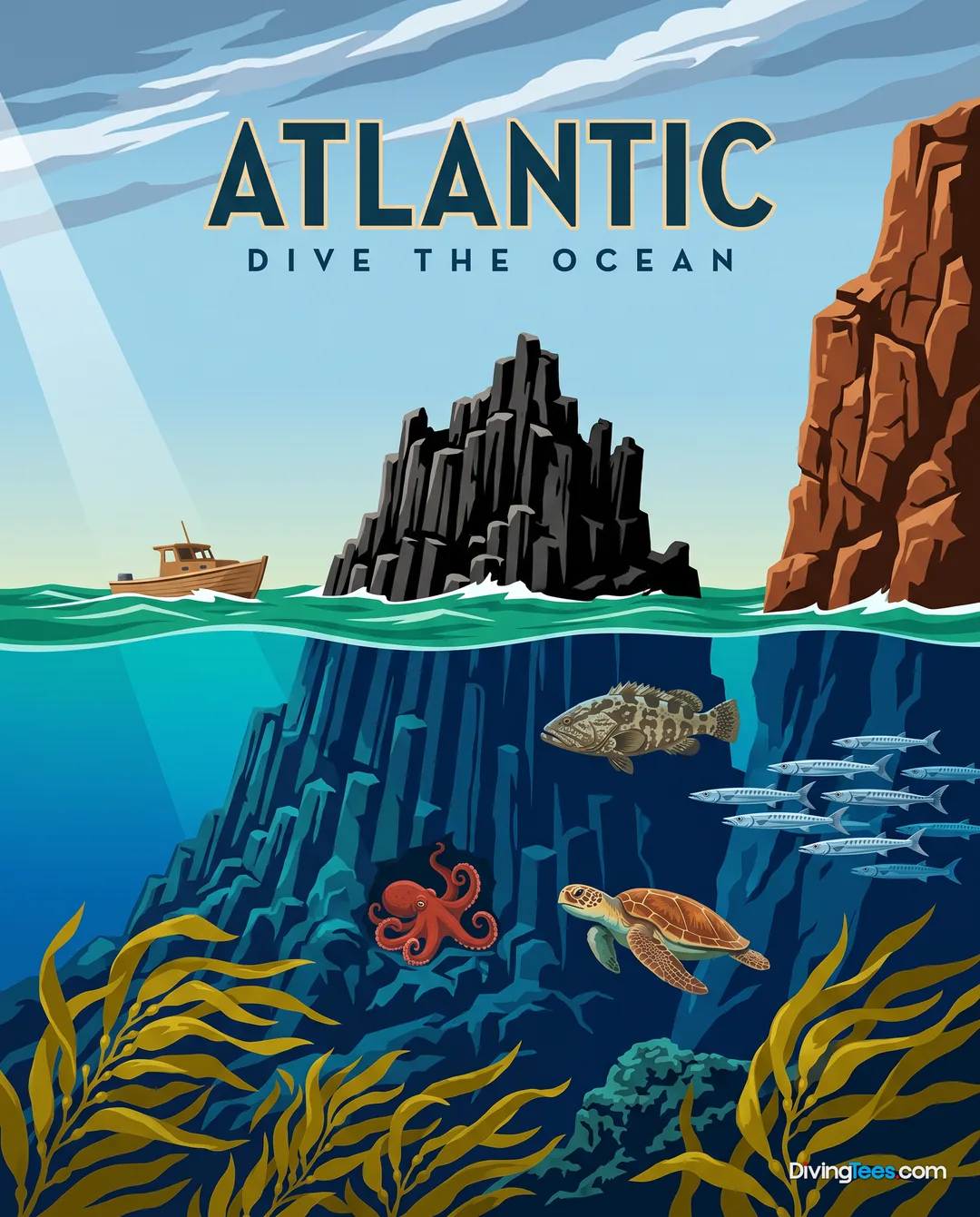
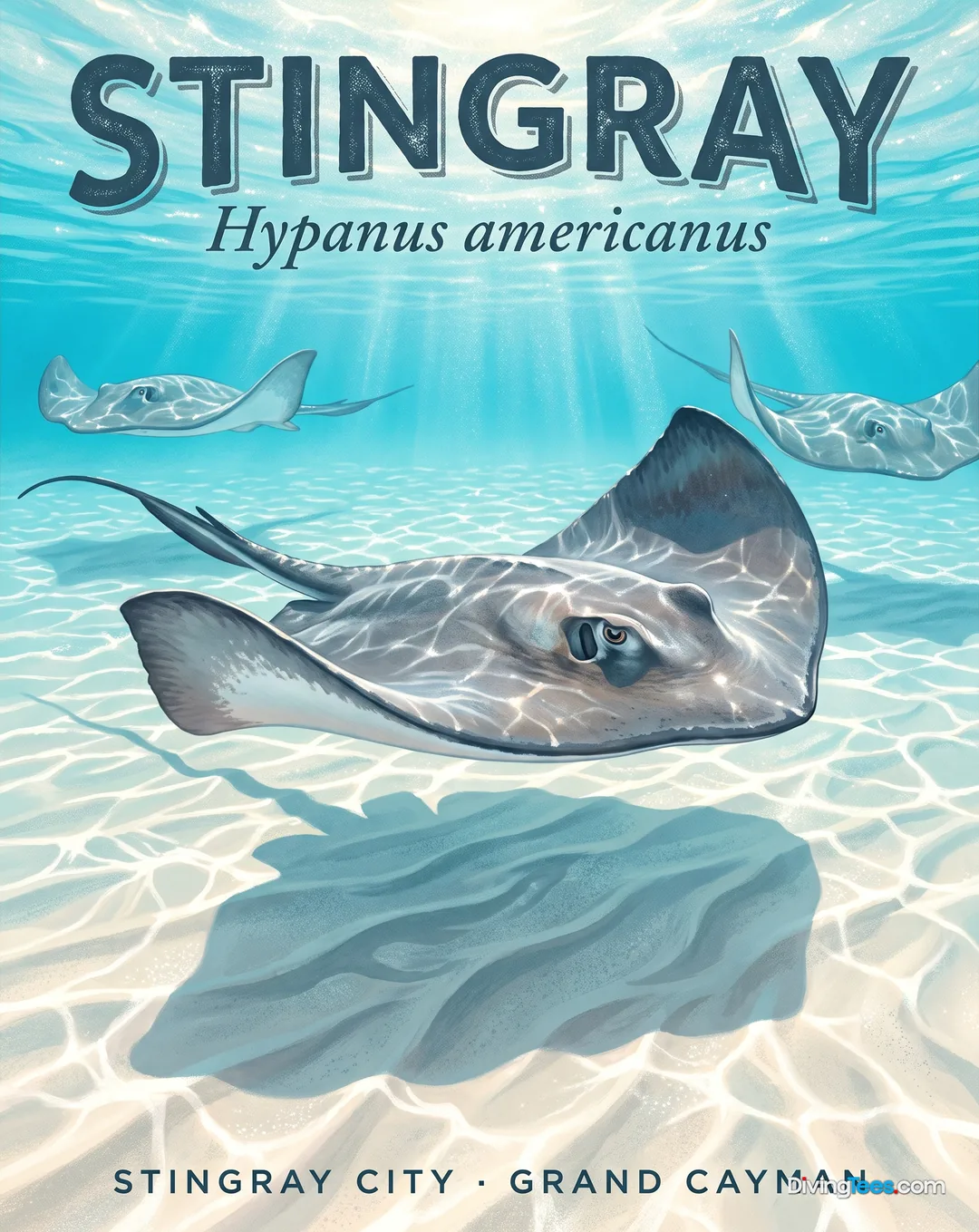
The resident fauna is a primary draw to Sardina del Norte. You can expect encounters with a variety of rays, often moving gracefully across the sandy patches between rocky outcrops. Moray eels (Muraena helena) are frequently sighted, their heads peering from crevices, while garden eels (Heteroconger longissimus) sway rhythmically from the sand, retracting as you approach. These species are integrated into the reef structure, inhabiting specific zones and adding a consistent layer of activity to the dive.
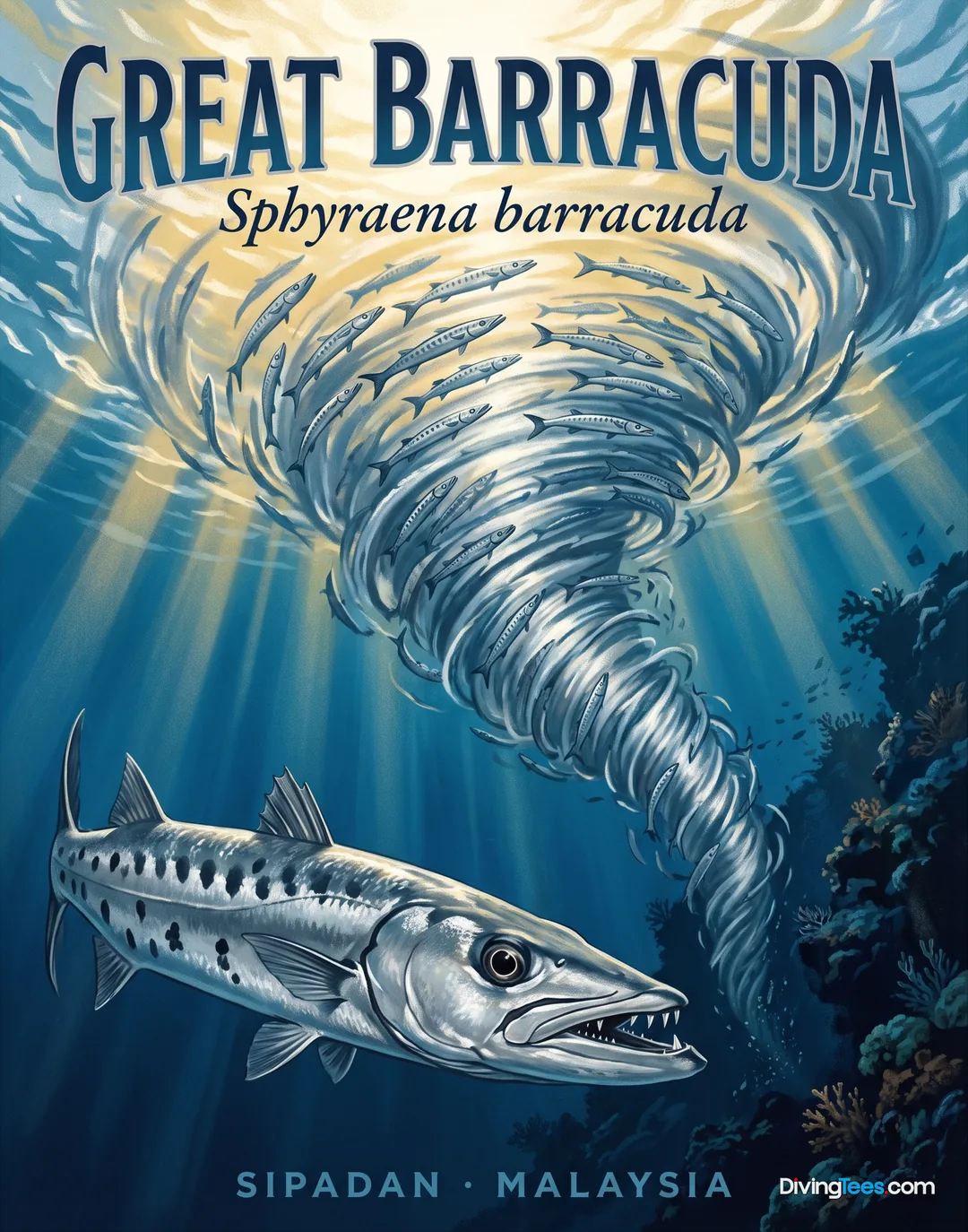
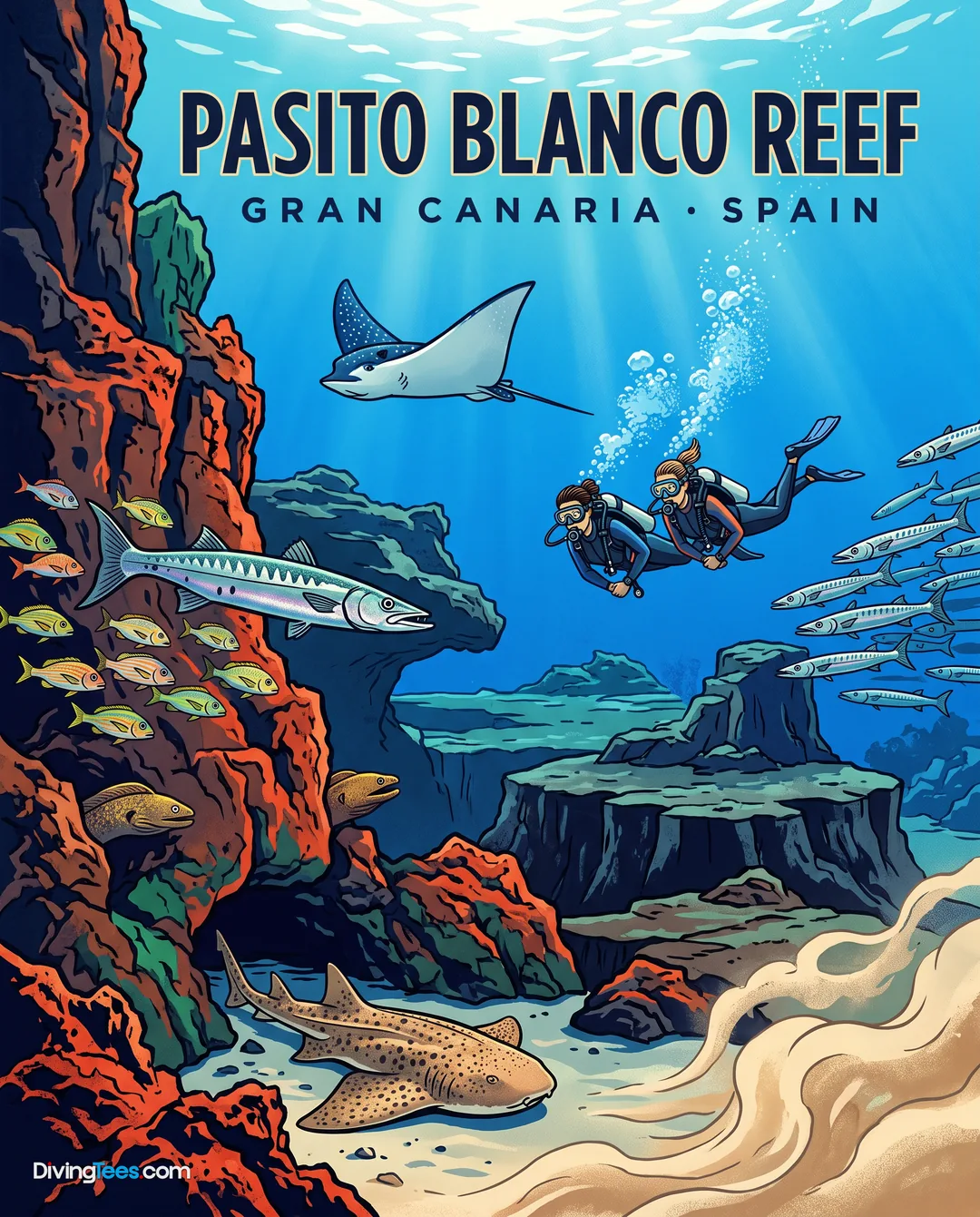
Further into the site, especially towards the bay's entrance, the marine activity often shifts from individual residents to schooling pelagic species. Large aggregations of barracudas (Sphyraena barracuda) are a consistent feature, often forming compact schools that move with a unified rhythm, creating a dynamic visual experience. Breams (Diplodus sargus) also contribute to the active schooling behavior, frequently seen in numbers that enhance the sense of an abundant ecosystem.
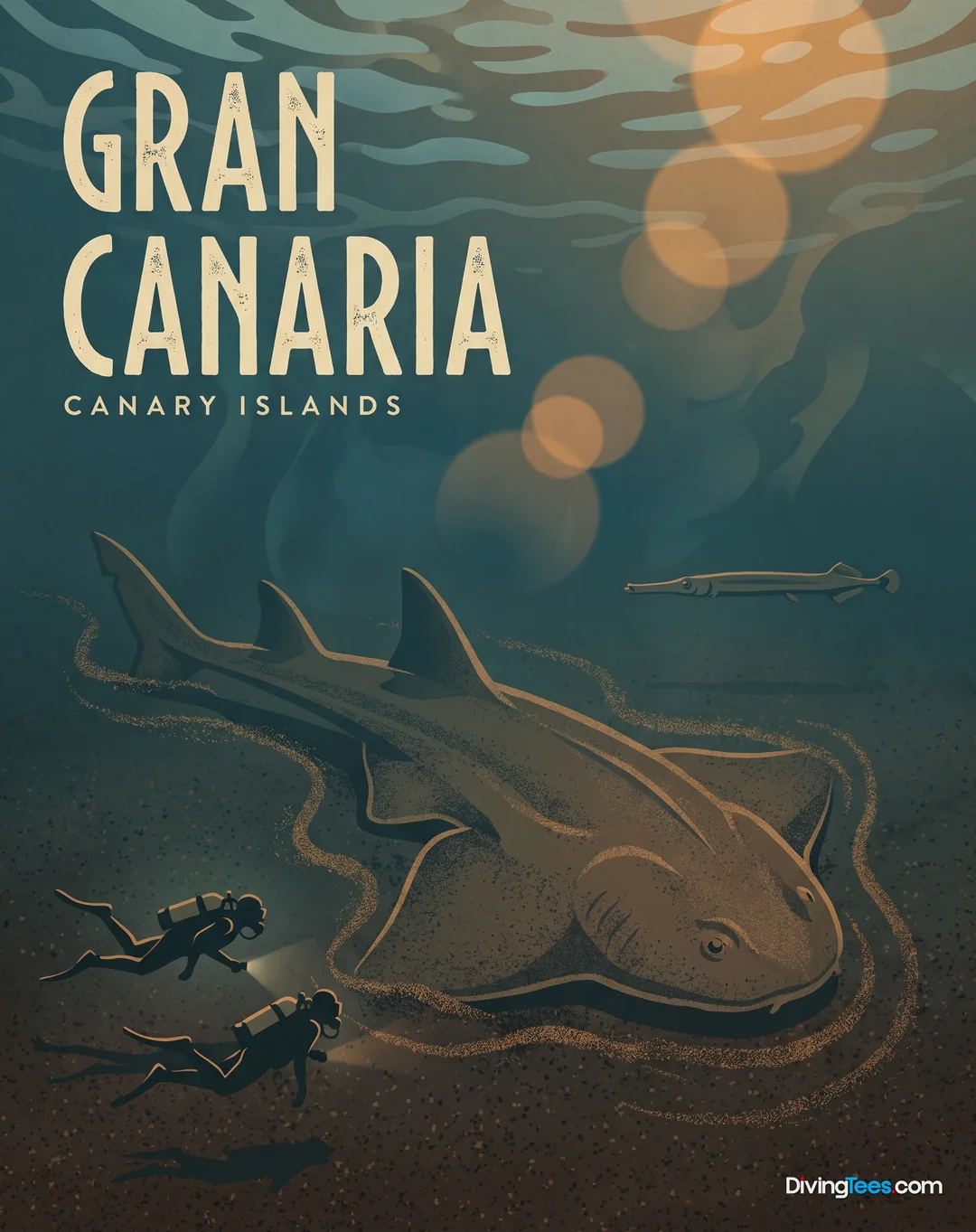
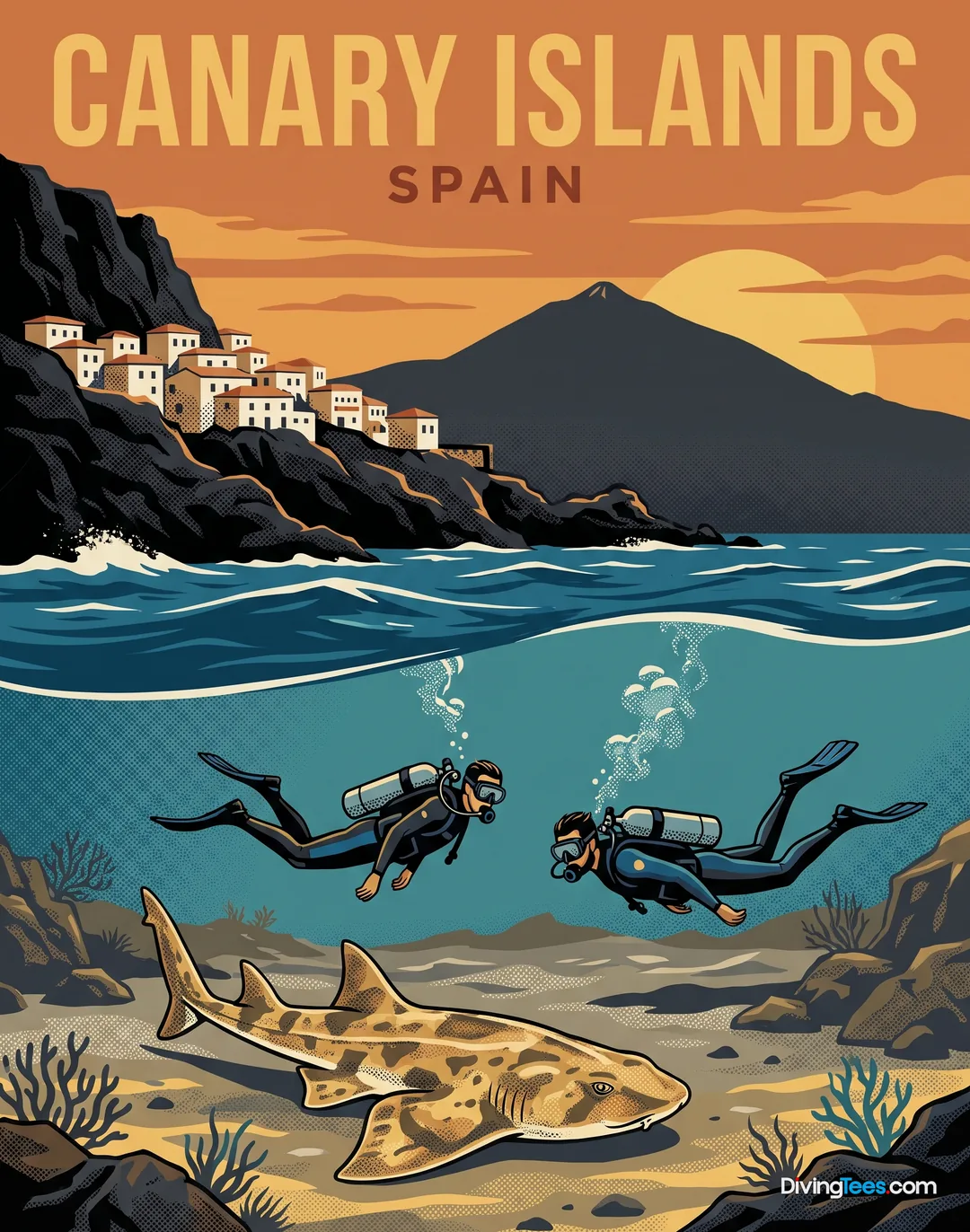
Sardina del Norte also stands out for the presence of angel sharks (Squatina squatina). These bottom dwellers, masters of camouflage, are often found resting on the sandy bottom, particularly well-camouflaged against the substrate. Locating them requires a keen eye and a slow, methodical approach, as their flattened bodies allow them to blend seamlessly until disturbed. This makes each sighting a rewarding experience, highlighting the site's rich biodiversity.
Beyond the larger species, the site maintains a constant, underlying layer of activity from various smaller reef fish that move among the rocks and corals. This continuous presence contributes to the overall vibrancy of the dive. The shelter provided by the bay allows for conditions that support a thriving and visible community, from the smallest invertebrates to the larger predatory fish, without the disruptive influence of strong currents that can scatter marine life.
This location is particularly favored by underwater photographers due to its consistent light conditions in the shallower areas and the behavior of the marine life, which is often less skittish than in more exposed sites. The combination of easy access, gentle conditions, and a diverse, visible ecosystem ensures that divers have ample opportunities to observe and document the underwater world without significant environmental challenges. It's a site designed for thorough exploration and close-up marine observation.
Sardina del Norte is suitable for Open Water Diver (OWD) level, with depths typically ranging from 12 to 18 metres. Access is simple, often from the shore, providing a calm entry into the water. Current is generally weak within the sheltered bay, making for comfortable conditions throughout the dive.
Sardina del Norte is suitable for Open Water Diver level. You can usually enter simply from the shore, using the old stairs at the port or going directly from the quay. The protected bay provides a calm approach into the water, making preparation and entry comfortable before you begin exploring the reef.
Sardina del Norte typically ranges from 12 to 18 metres deep. The seabed slopes gently across varied reef and rock structures, allowing you to progress leisurely while observing marine life among the formations. Sandy patches between rocky outcrops also provide areas where rays and angel sharks may be found.
At Sardina del Norte, the bay is sheltered and the current is generally weak. The site is largely protected from open-ocean surge and prevailing winds, creating comfortable conditions throughout the dive. This calmer environment supports a relaxed exploration of the reef and helps keep marine life visible among the rocks.
At Sardina del Norte, you may see rays over sandy patches, moray eels in crevices, garden eels in the sand, and large schools of barracudas and breams. Angel sharks often rest camouflaged on the seabed. Varied reef and rock structures also shelter smaller reef fish and other invertebrates.