
Margullar Diving
Google 5/5 (693 reviews)
2.3 km away as the crow flies
Gran Canaria · Canary Islands · Atlantic
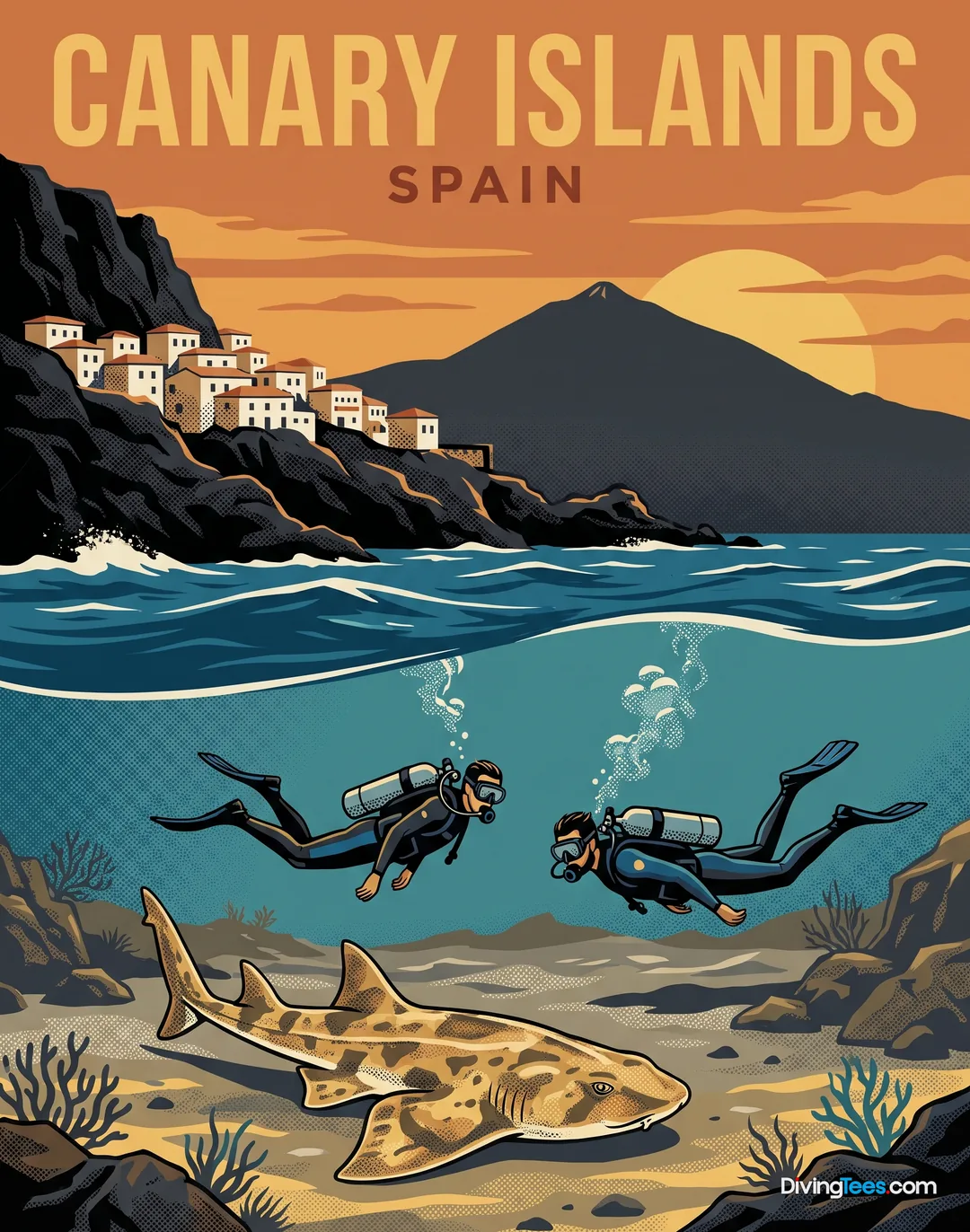
Max. depth · 30 mExplore a dense volcanic reef system known for its intricate topography and frequent sightings of angelsharks on the adjacent sandy plains.
For subtitles in English: start the video firstthen click the gearat the top right of the video, select “Subtitles/CC”, then “Auto-translate” and choose “English”.
The topography of El Cabrón is defined by a rugged volcanic structure that begins with a relatively shallow plateau. This upper section sits at approximately 10 to 12 metres and serves as a platform before the seabed reaches a pronounced drop-off. As you move toward the edge, the reef falls steeply to a depth of 22 to 23 metres, though some routes extend further down to 30 metres. This vertical transition creates a high-energy environment where nutrient-rich water interacts with the rock surfaces.
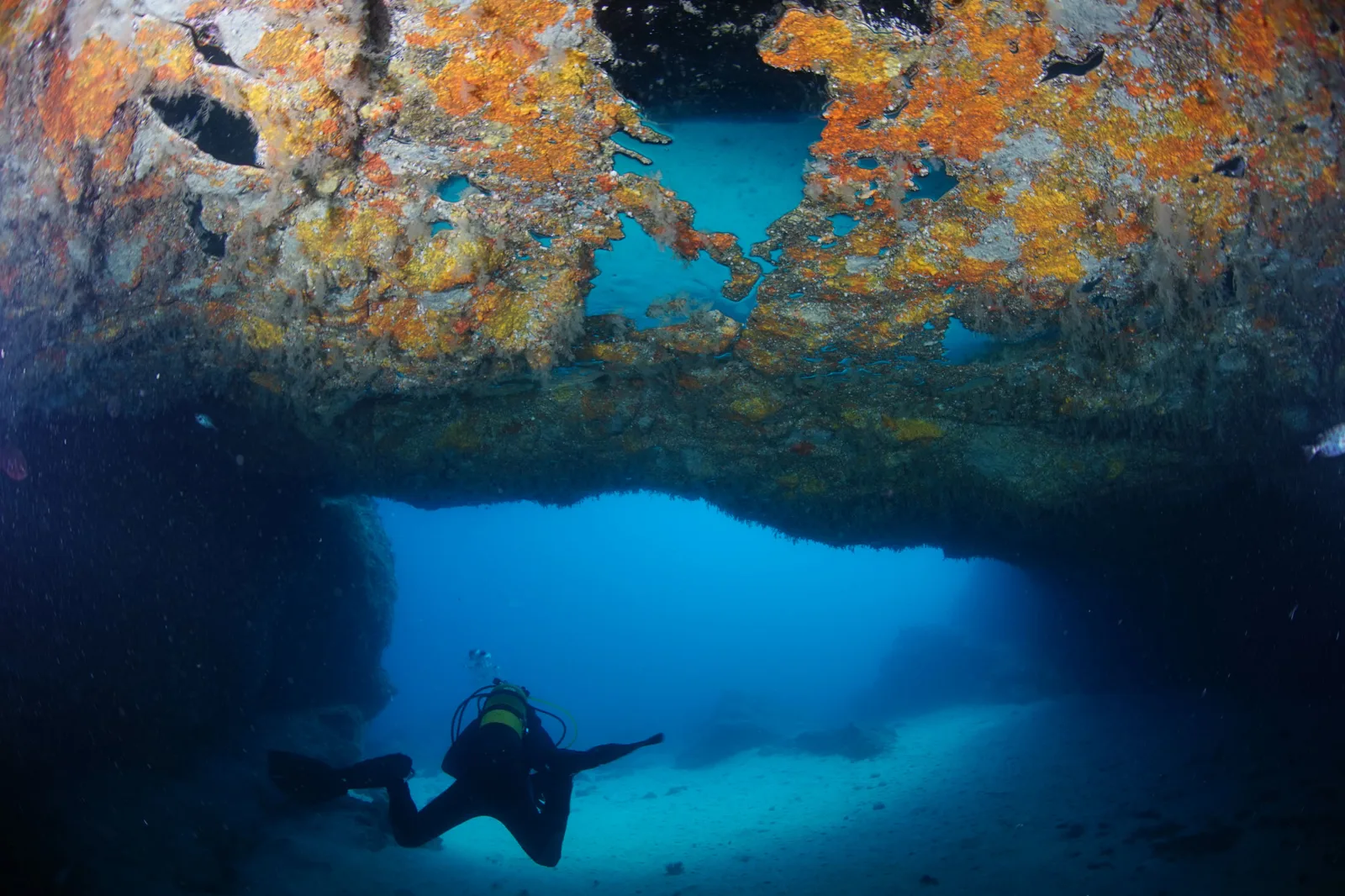
Navigating the reef requires awareness of the diverse geological features scattered along the slope. The drop-off is heavily modified by a series of caves, deep crevices, overhangs, and natural arches. These swim-throughs create a labyrinthine environment that provides essential shelter for a vast array of resident species. For those comfortable with technical terrain, these structures offer intricate routes through the volcanic rock, moving between the shallow plateau and the deeper wall.
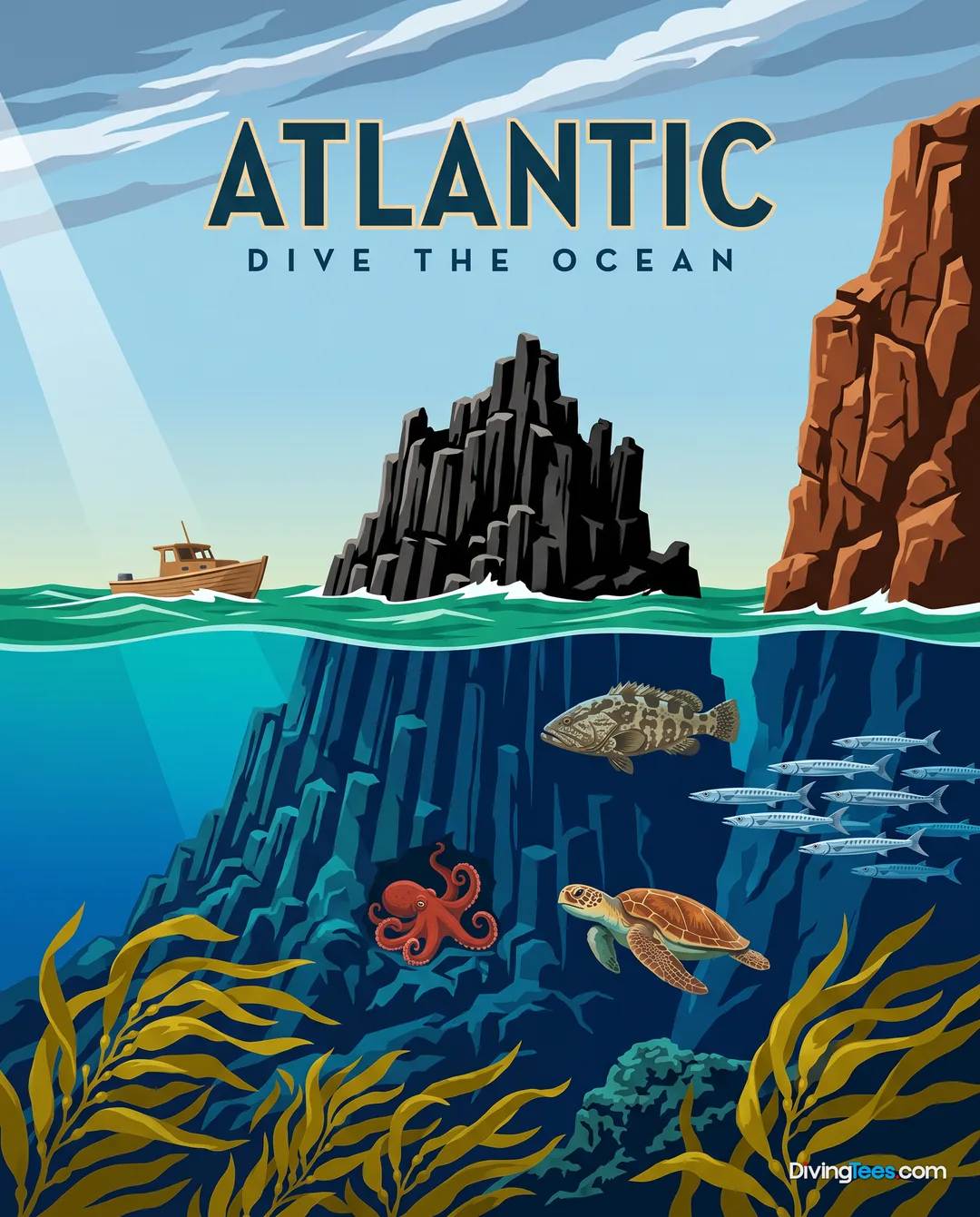
The biological density of this marine reserve is significant, hosting over 400 recorded species within a compact area. You will frequently encounter large, schooling groups of bastard grunts and roncadores moving across the reef face. The combination of Mediterranean, Macaronesian, and Atlantic fauna creates a unique ecological intersection. This concentration of life is most visible where the reef structures provide cover for larger predatory fish, such as the dusky grouper.
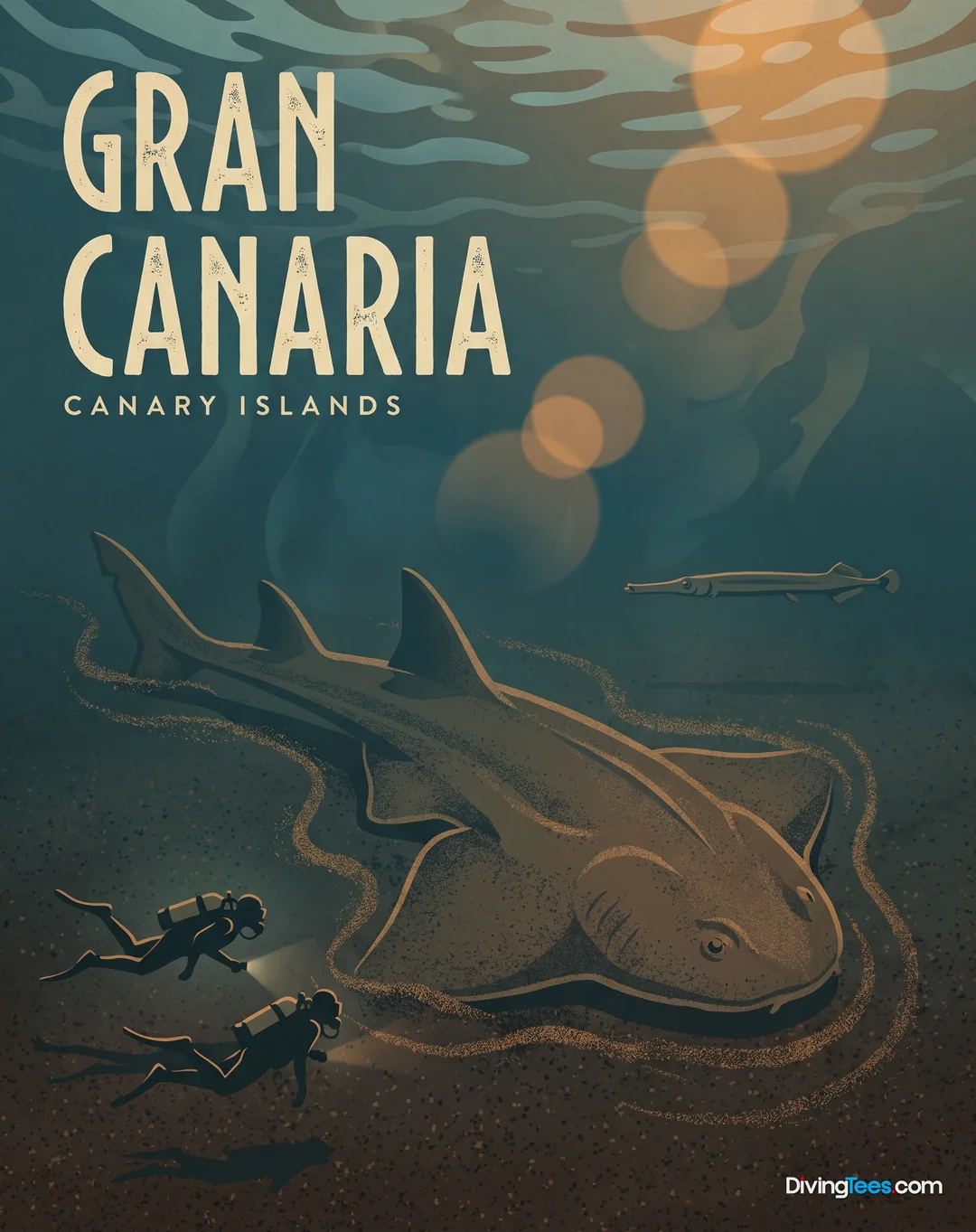
Beyond the rocky edges, the terrain transitions into open sandy plains. These stretches of sand are a primary habitat for bottom-dwelling species like the angelshark and various types of rays, including the round stingray and common stingray. Finding these creatures requires a steady eye on the seabed, as they often remain camouflaged against the sand. Watching the interaction between the reef and the sandy perimeter is a central part of the experience here.
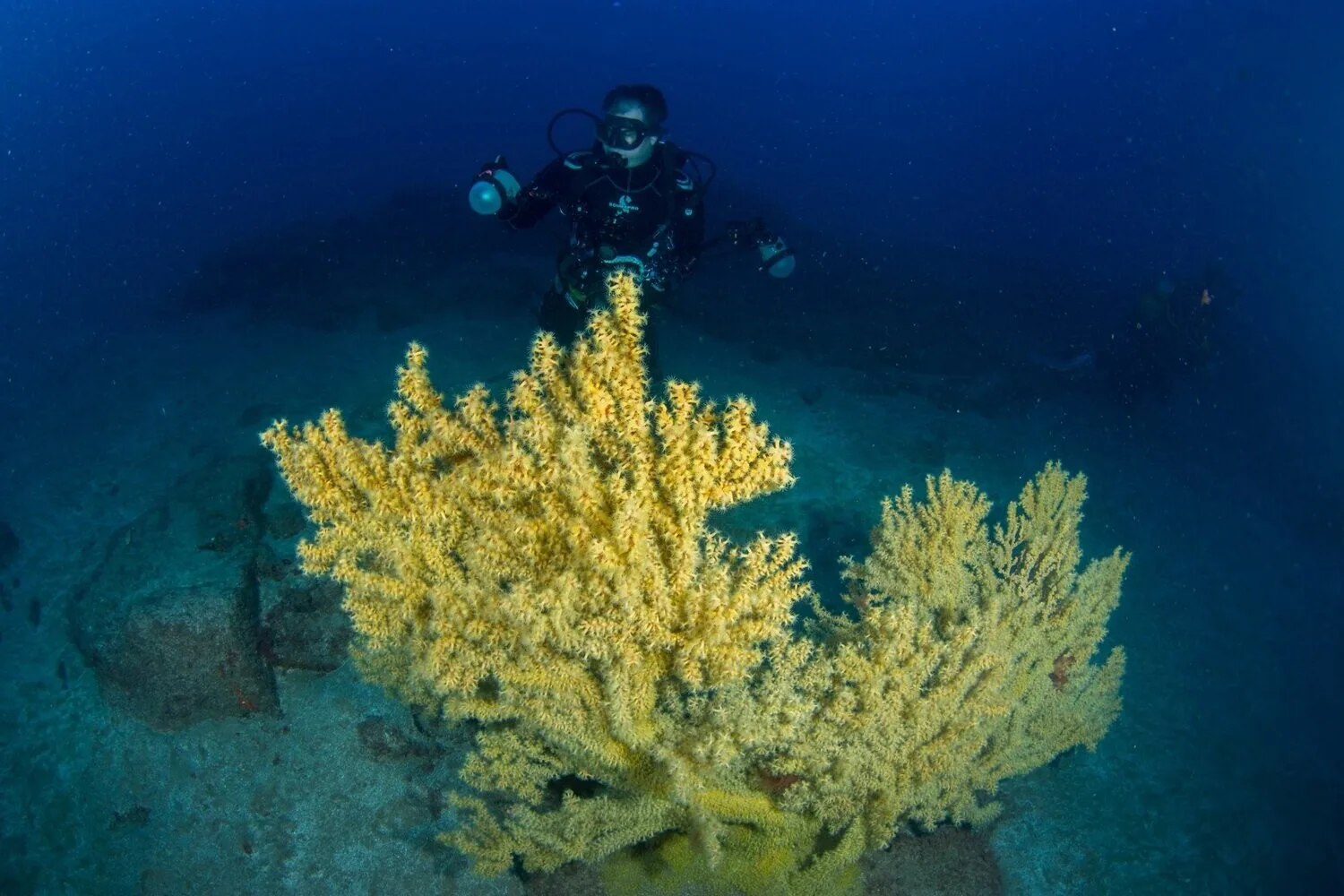
The vertical structure of the site also hosts diverse reef inhabitants. You can observe parrotfish and Atlantic trumpetfish moving amongst the sponges and coral growth. Moray eels are a common sight within the many crevices and holes that penetrate the volcanic wall. Larger species, including yellowmouth barracuda and amberjack, are often found patrolling the deeper sections or patrolling the edge of the reef where the water movement is most consistent.
Water movement at El Cabrón is a defining factor for the dive experience. While currents are generally light to moderate, they can become stronger depending on the swell and wind conditions affecting the exposed rocky points. The site's exposure means that sea state can change the ease of navigation quickly. It is essential to assess the surface conditions and plan your entry and exit accordingly to account for any surge or localized flow.
Visibility at this site is generally reliable, typically ranging from 15 to 30 metres. The clarity allows for a clear view of the transition from the shallow volcanic plateau to the deeper drop-off. This transparency is particularly beneficial when scanning the sandy plains for rays or when navigating through the intricate swim-throughs. The light penetration on the shallower sections provides excellent detail for observing the varied textures of the volcanic rock and the resident fauna.
Depth ranges from 5 to 30 metres. This site is intended for Advanced divers with significant experience (at least 50 logged dives) who are comfortable with shore entries, surf, and variable currents. Currents are usually light to moderate but can increase depending on swell and wind conditions. Visibility ranges between 15 and 30 metres. The best period for diving is from May to October.
El Cabrón is best dived from May to October. During this period, you can explore its volcanic reef, caves, arches, and sandy plains, with visibility generally ranging from 15 to 30 metres and access to varied reef habitats throughout the site.
El Cabrón is intended for advanced divers with significant experience, including at least 50 logged dives. You should be comfortable with shore entries, surf, variable currents, and the site’s rugged volcanic terrain, including caves, deep crevices, overhangs, arches, and steep routes between the plateau and drop-off.
El Cabrón ranges from 5 to 30 metres. The volcanic reef begins with a shallow plateau, with the upper section at approximately 10 to 12 metres. The seabed then drops steeply to 22 to 23 metres, while some routes continue farther down to 30 metres.
At El Cabrón, currents are usually light to moderate but can increase with swell and wind, especially around exposed rocky points. You can see schools of bastard grunts and roncadores, angelsharks, rays, moray eels, parrotfish, trumpetfish, barracuda, amberjack, and dusky grouper.