
Dive Community La Palma
Google 5/5 (548 reviews)
17 km away as the crow flies
La Palma · Canary Islands · Atlantic
Max. depth · 28 mExplore underwater lava arches and basaltic formations within a sheltered volcanic cove.
For subtitles in English: start the video firstthen click the gearat the top right of the video, select “Subtitles/CC”, then “Auto-translate” and choose “English”.
Charco Verde is defined by its unique volcanic topography, situated around a cove of black sand and pebbles. Unlike many sites in the region that focus on deep vertical walls, this site is characterized by a series of basaltic terraces and underwater overhangs. The terrain consists of volcanic debris and rock formations that create a complex, textured environment for exploration. You will find the seabed descending progressively from the shoreline toward sandy channels and deeper reef sections. This transition between the shallow volcanic structures and the deeper zones provides a diverse landscape for a single dive.
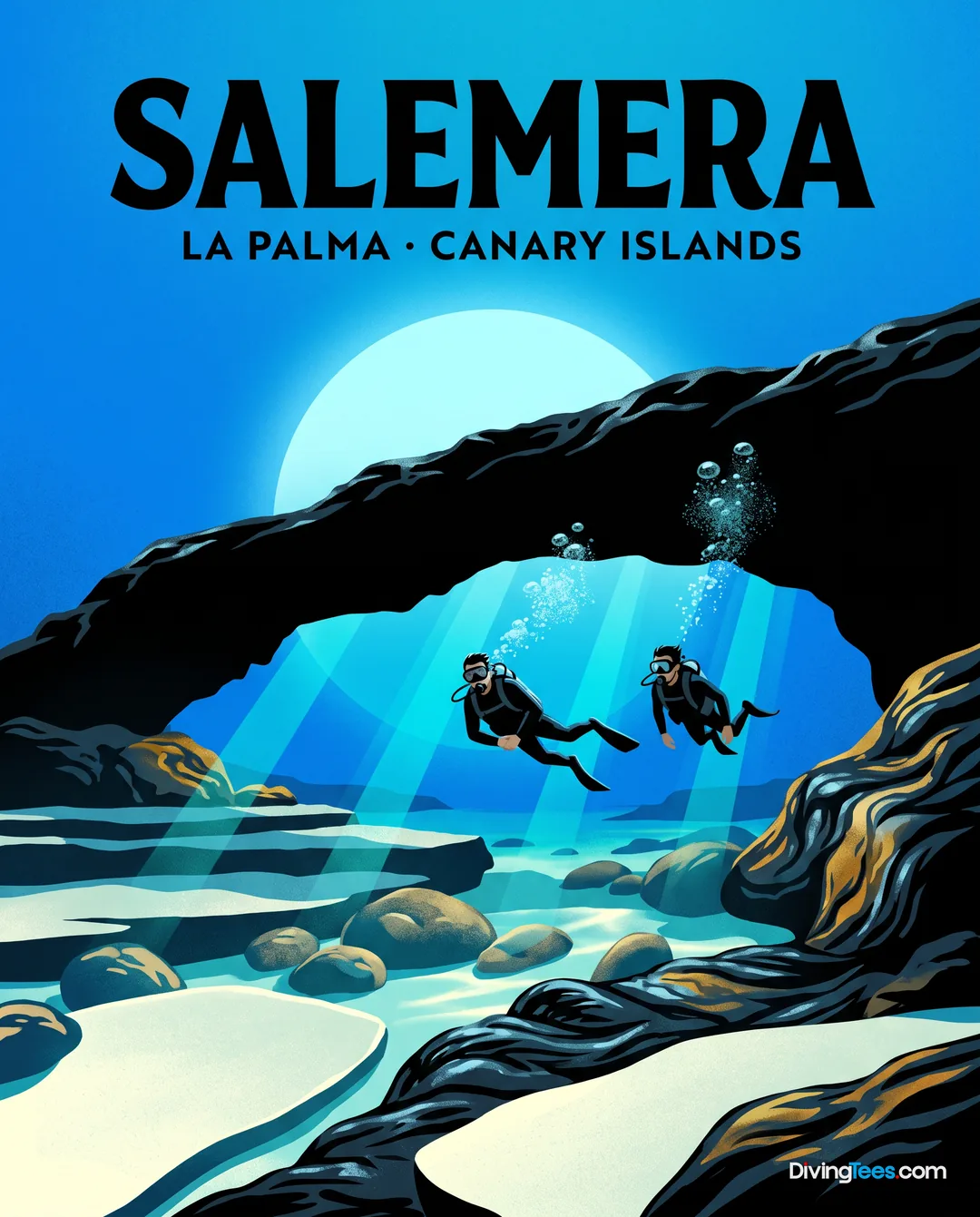
The most significant feature of the site is the presence of underwater lava arches. These formations are a direct result of the island's volcanic history and offer interesting geometry for divers to navigate. The largest and most prominent arch is located at a depth of approximately 16 metres. Swimming through these structures allows you to experience the different ways light interacts with the volcanic rock. These arches serve as the primary focal point for the site, distinguishing it from the more uniform reef structures found elsewhere in the archipelago.
The dive profile starts shallow, making it accessible for those who prefer to stay closer to the surface. As you move away from the black sand beach, the topography shifts into small drop-offs and basaltic ledges. The depth reaches a maximum of 28 metres in the deeper sections of the reef. This depth range allows for a varied experience, moving from the sheltered, sunlit terraces to the more shaded areas beneath the volcanic overhangs. Navigating between the different levels of the reef provides a sense of scale and depth throughout the descent.
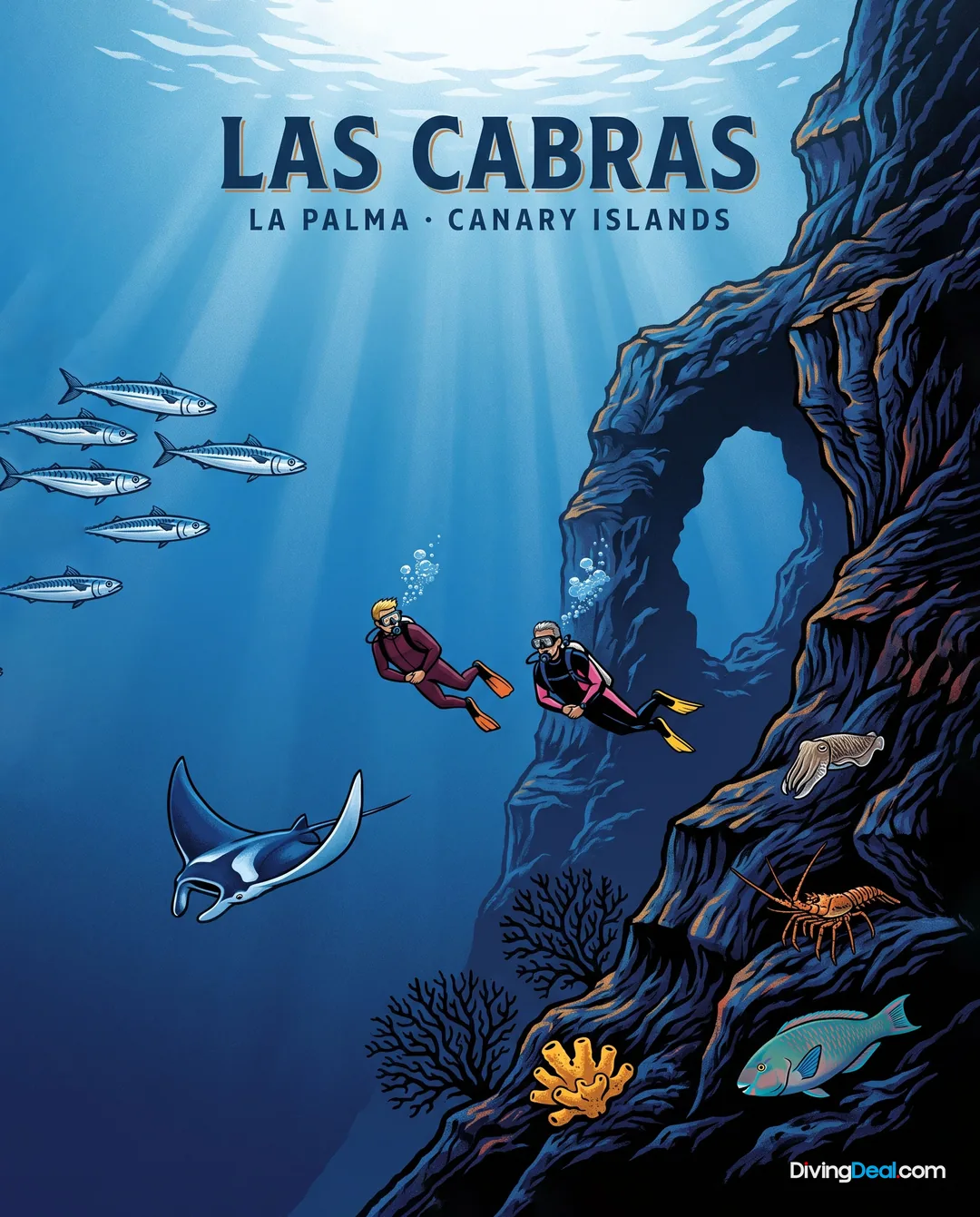
Marine life at Charco Verde is well-integrated into the cracks and crevices of the basaltic rock. You can frequently encounter the Canary Island parrotfish (Scarus ovifrons) grazing on the reef surfaces. The complex structure of the lava formations also provides ideal hiding spots for the Canary lobster (Palinurus elephas) and various rays. Small species like the Canary shrimp are often found tucked away in the more protected nooks of the volcanic debris. The presence of these residents makes the geological exploration even more engaging as you scan the textures of the rock.
The seabed also hosts various flatfish and trumpetfish, which blend effectively with the sandy channels and volcanic rubble. These species often inhabit the transition zones where the basaltic terraces meet the sandy floor. Observing their camouflage requires a slow, methodical swim along the bottom. The interplay between the hard volcanic structures and the softer sandy areas creates a varied habitat that supports a steady population of local fauna. This diversity ensures that even a short dive provides multiple opportunities for observation.
Light conditions at the site are influenced by the shallow depth and the overhead structures. When swimming under the arches or beneath the volcanic overhangs, the light becomes diffused, creating a different atmosphere compared to the open terraces. These shaded areas are often where you will find more reclusive species seeking cover. The visibility in the area is typically good, ranging between 15 and 30 metres, which allows for clear sightlines through the arches. This clarity is essential for navigating the complex basaltic terrain safely.
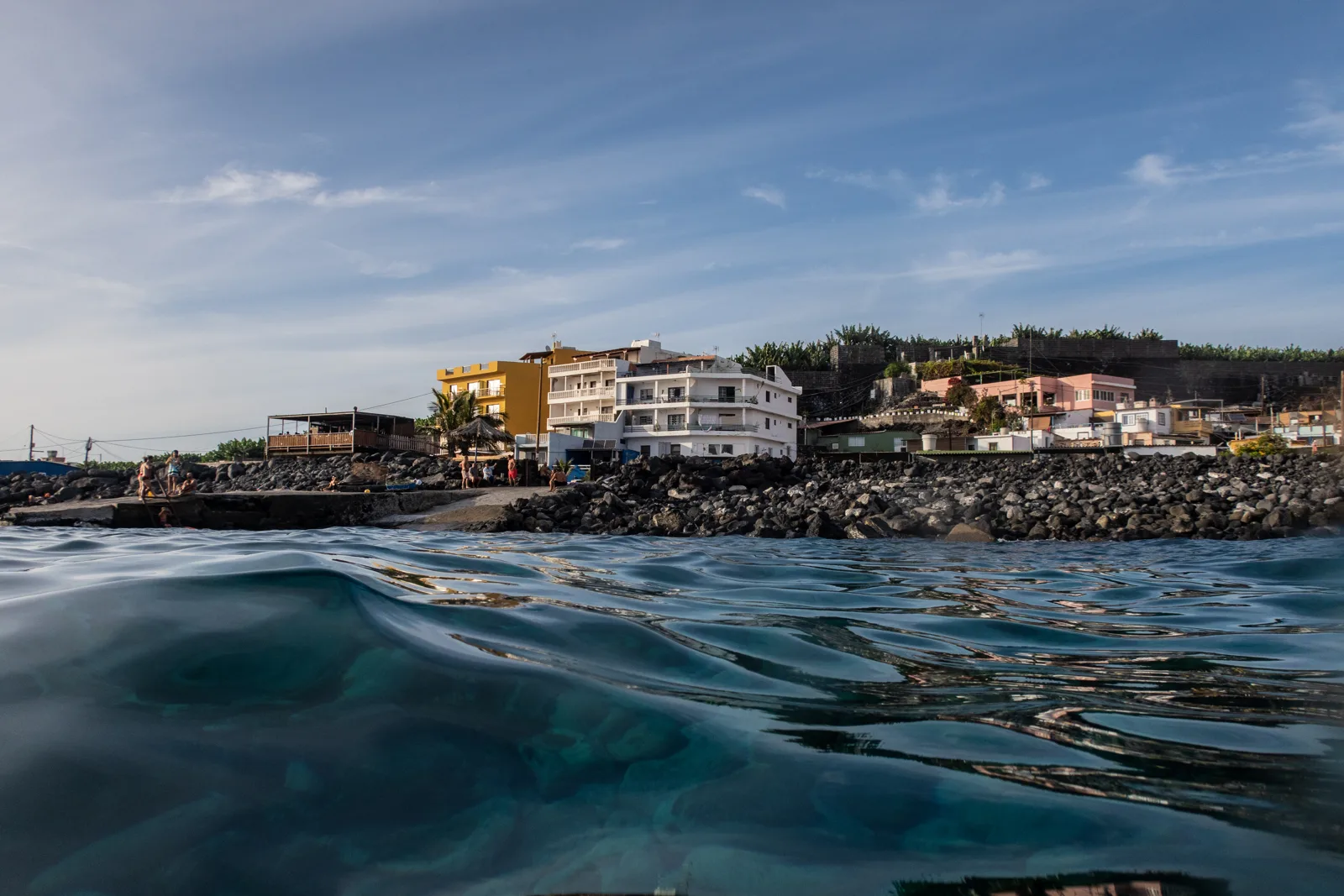
Accessing the site can be done either by boat or directly from the shore. A shore entry involves walking through the black sand and pebble beach, which is a characteristic element of the Charco Verde cove. This direct access makes the site easy to reach for many divers. However, the entry point must be assessed based on the current sea state. The cove itself offers some protection, but the way you approach the reef depends heavily on the swell and the Atlantic conditions on the day of your dive.
Depth ranges from 4 to 28 metres. Accessible from Open Water Diver level. Visibility is typically 15 to 30 metres. The cove is relatively sheltered, but entry from the beach can become difficult during strong westerly swells. The best time to visit is during late summer and autumn.
The best time to visit Charco Verde is during late summer and autumn. You can explore a black sand and pebble volcanic cove, with shallow volcanic structures leading toward sandy channels and deeper reef sections. The sheltered setting and varied terrain support a changing dive profile throughout the site.
Charco Verde is accessible from Open Water Diver level and offers depths from four to twenty-eight metres. You can begin close to the shoreline, then follow basaltic terraces, small drop-offs, ledges, sandy channels, and deeper reef sections. The largest underwater lava arch is located at approximately sixteen metres.
Charco Verde is relatively sheltered, and you can access it by boat or directly from the black sand and pebble beach. Shore entry can become difficult during strong westerly swells, so assess the sea state before walking into the cove. The approach to the reef depends on Atlantic conditions that day.
At Charco Verde, you can explore distinctive underwater lava arches, basaltic terraces, overhangs, volcanic debris, and sandy channels. Canary Island parrotfish graze on the rock, while Canary lobster, rays, Canary shrimp, flatfish, and trumpetfish inhabit cracks, crevices, and transition zones. Visibility is typically fifteen to thirty metres.