

Dive Community La Palma
Google 5/5 (548 reviews)
17 km away as the crow flies
La Palma · Canary Islands · Atlantic
Max. depth · 15 mA sheltered volcanic landscape featuring narrow canyons and a gentle slope perfect for observing diverse reef life.
For subtitles in English: start the video firstthen click the gearat the top right of the video, select “Subtitles/CC”, then “Auto-translate” and choose “English”.
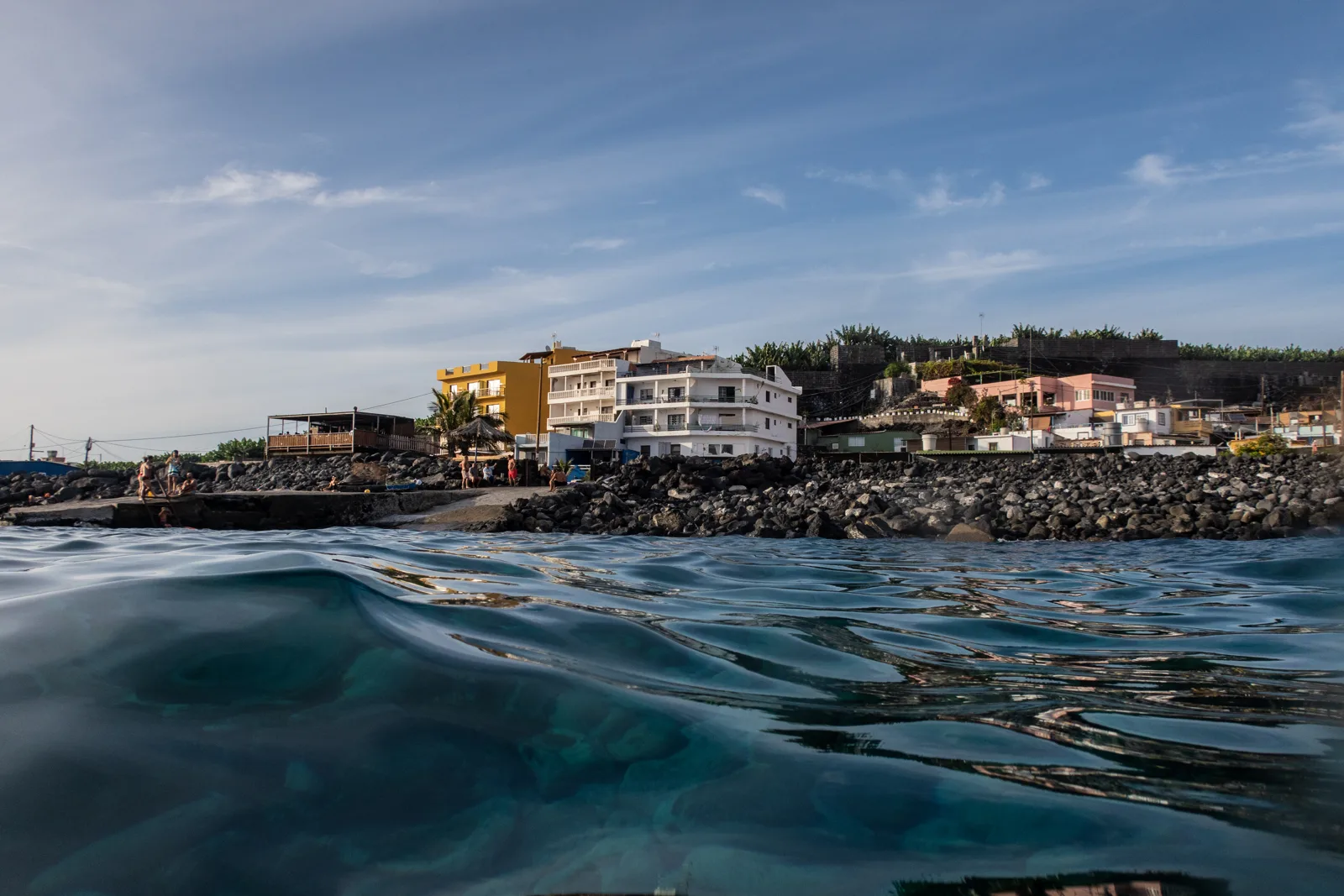
The dive site at Puerto Naos begins with an easy shore entry from the black sand of Playa Chica. The topography is defined by a volcanic seabed that descends gradually from the shoreline, creating a relatively shallow plateau. As you move away from the beach, the terrain becomes a complex arrangement of lava rocks, small volcanic peaks, and narrow canyons. This structural variety provides numerous crevices and hiding spots that support a high density of marine life within the first few metres of the descent.
The dive profile is characterized by a progressive slope that stays relatively shallow, typically between 7 and 15 metres, before reaching a significant drop-off into much deeper water. For those looking to explore more varied terrain, the landscape offers several itineraries that run parallel to the coast. You can navigate through the small mountains and ridges of the volcanic floor, which provide a sense of depth and scale even at shallow depths. The transition from the sandy coastal sectors to the rugged rock formations makes for a diverse underwater walk.
Visibility at Puerto Naos is generally consistent, often ranging between 20 and 30 metres, which allows for clear sightlines through the underwater canyons. The light penetrates well to the bottom, highlighting the textures of the volcanic rock and the movements of the resident fauna. Because the site is relatively sheltered from the prevailing east winds, the water surface remains stable, making the shore entry and exit predictable. This stability is a key feature for maintaining buoyancy while navigating the tighter rocky passages.
The reef is home to a wide array of resident species that utilize the volcanic structure for protection and hunting. You will frequently encounter parrotfish and common two-banded seabream moving across the rocky surfaces. Smaller organisms, such as damselfish and ornate wrasse, are common throughout the shallower sections. The presence of various starfish and scorpionfish among the rocks adds to the detail found when observing the seabed closely. These species are well-integrated into the complex ecosystem of the shallow plateau.
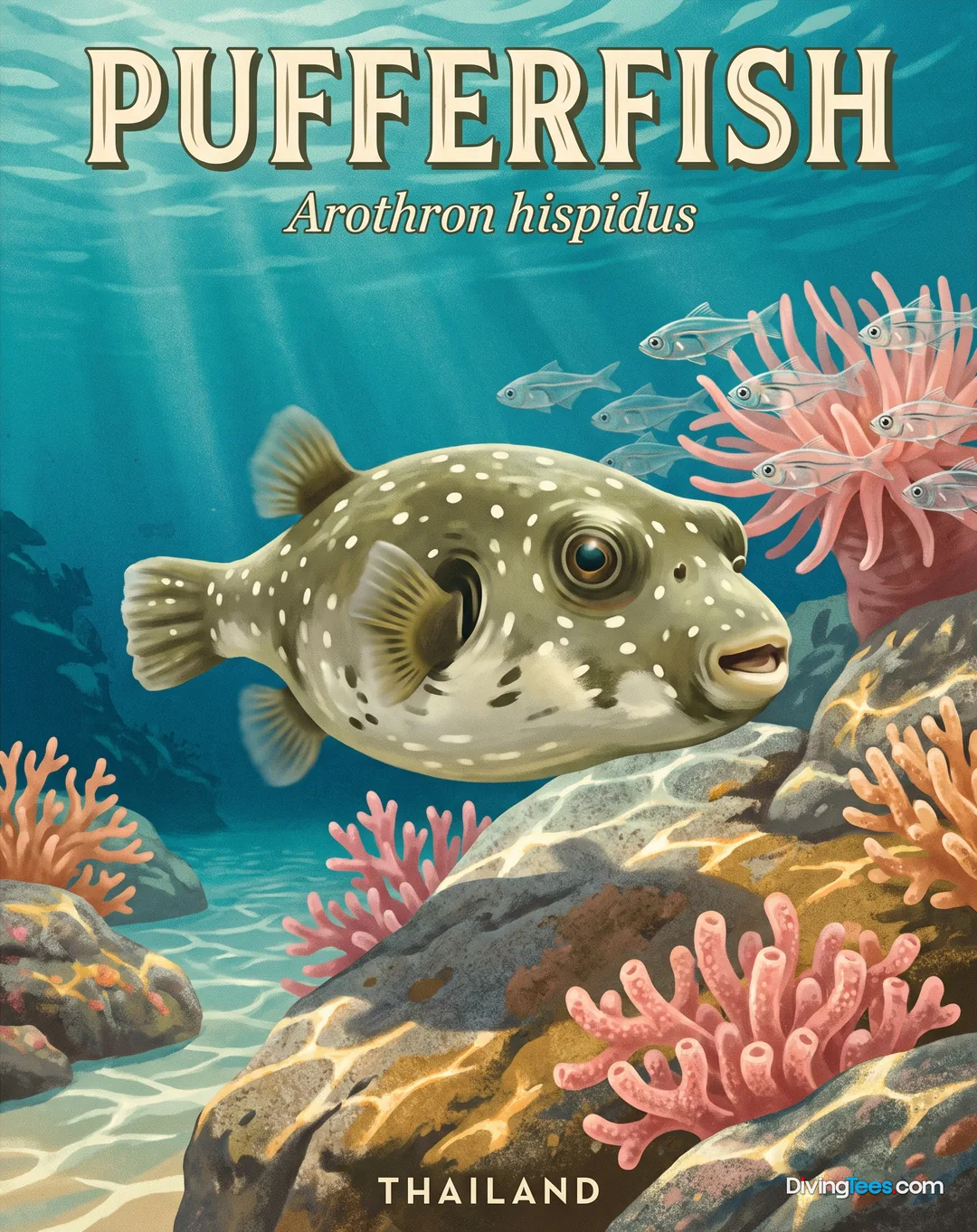
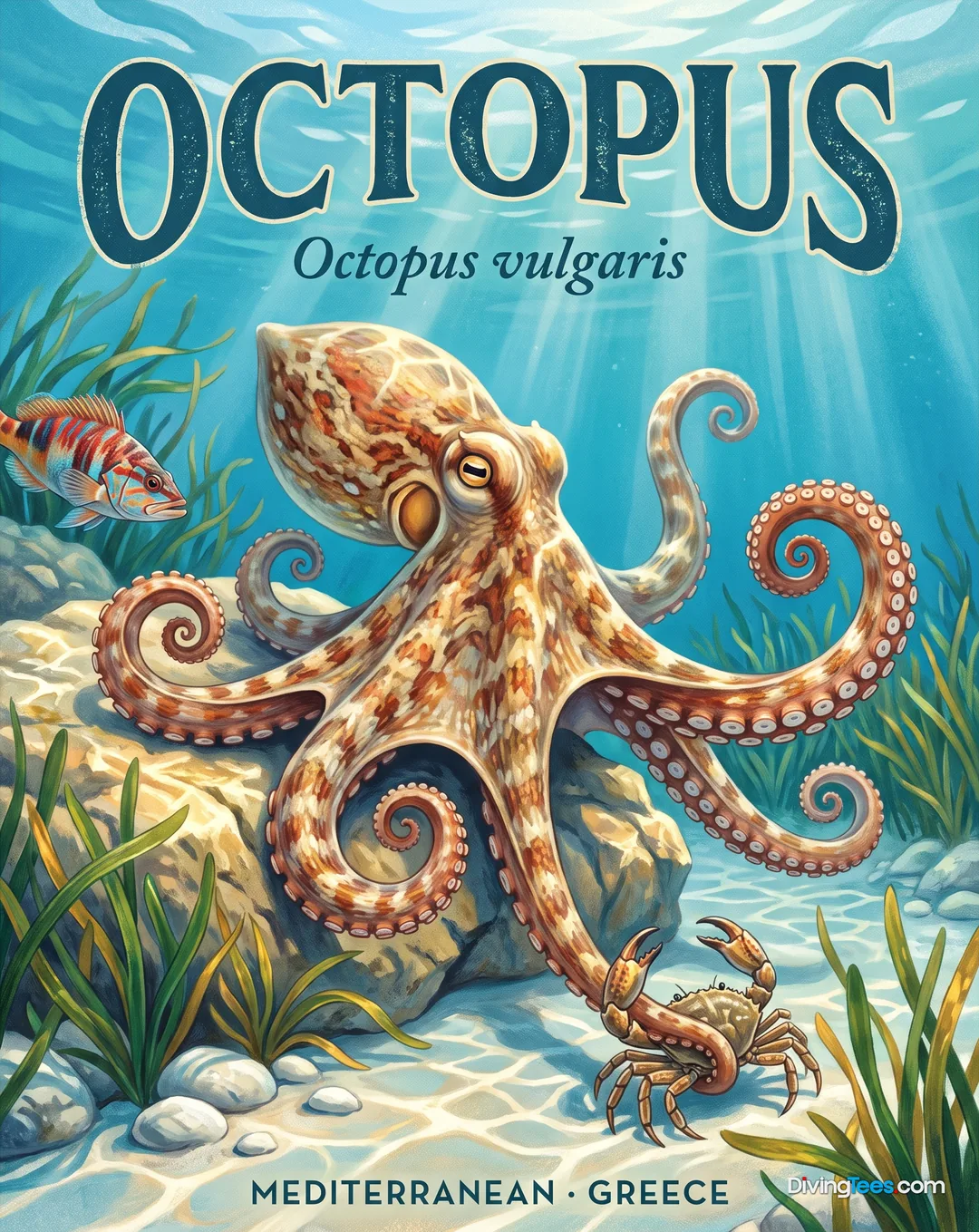
For those interested in more elusive species, the rocky crevices and canyons offer excellent opportunities for observation. Moray eels and conger eels are often found tucked into the volcanic formations, waiting for prey to pass by. You may also spot octopus or cuttlefish using the natural camouflage provided by the dark lava rocks. If you keep a close eye on the water column and the surrounding rocks, you might see trumpetfish or pufferfish drifting near the reef edge. These encounters are a direct result of the site's high biodiversity and complex habitat.
Larger resident fish, such as the dusky grouper, can often be found near the deeper parts of the plateau or within the larger rock structures. The site's proximity to a marine natural reserve contributes to the abundance and health of the local populations. While the site is largely characterized by its reef inhabitants, the sheer variety of life—from salema to various types of wrasse—ensures that there is always something to observe. The interaction between the different species creates a dynamic environment even in the absence of strong currents.
Navigating the site requires attention to the local topography, as the narrow canyons can restrict movement if you are not mindful of your buoyancy. The mixture of sandy patches and rugged volcanic peaks requires constant adjustment to stay on course. However, the lack of significant current makes this an accessible site for those looking to practice precise maneuvering. You can explore the different sectors, from the northern plateau to the southern wall, to find the specific habitats that interest you most.
The site is accessible from Open Water Diver level, with the deeper sections of the plateau suitable for more experienced divers. Depths range from 7 to 15 metres before a steep drop-off occurs. There is no significant current reported, although conditions can be influenced by local weather and swell. Expected visibility is between 20 and 30 metres.
Puerto Naos suits a dive when local weather and swell allow comfortable conditions. The site is relatively sheltered from east winds, helping keep the surface stable for shore entry and exit. Visibility is generally between 20 and 30 metres, providing clear views through the volcanic canyons and over the seabed.
Puerto Naos is accessible to Open Water Divers, with a gradual underwater slope and generally calm conditions. The deeper sections of the plateau are more suitable for experienced divers. You should also pay attention to buoyancy while moving through narrow canyons and around the rugged volcanic formations.
Puerto Naos reaches from 7 to 15 metres across its gently sloping plateau before a steep drop-off into much deeper water. No significant current is reported, although local weather and swell can influence conditions. Sandy patches, lava rocks, ridges, and canyons create varied routes along the coast.
At Puerto Naos, you can explore lava rocks, volcanic peaks, ridges, and narrow canyons supporting varied marine life. Common sightings include parrotfish, two-banded seabream, damselfish, ornate wrasse, starfish, scorpionfish, moray and conger eels, octopus, cuttlefish, trumpetfish, pufferfish, and dusky grouper.