
Aquarius Dive Center SL
Google 5/5 (389 reviews)
less than 1 km away as the crow flies
Tenerife · Canary Islands · Atlantic
Max. depth · 38 mDescend into Palm Mar Cave to witness Atlantic stingrays in winter or traverse the volcanic wall teeming with morays, all beneath the watchful eye of the underwater Madonna.
For subtitles in English: start the video firstthen click the gearat the top right of the video, select “Subtitles/CC”, then “Auto-translate” and choose “English”.
Palm Mar Cave is a site defined by its dramatic volcanic topography, presenting a range of exploration from a shallow plateau to deeper cave systems and walls. Your dive often begins on a plateau at 15 to 17 meters, serving as a natural starting point to orient yourself before descending further. This upper section offers a gentler introduction to the site's environment and can provide a comfortable area for initial exploration or safety stops, depending on your dive plan. The transition from the plateau leads to the beginnings of the site's deeper features.
As you move further, the site unfolds into a rugged wall dropping from the plateau, where you'll find various morays tucked into crevices. This wall gradually extends into deeper water, eventually reaching a maximum reported depth of 38 meters. The main cave entrance itself is situated at approximately 27 to 28 meters. Within this depth range, another notable feature is a crucifix and a statue of Madonna with the baby, placed at 27 meters to offer a blessing to fishermen. This adds a unique, serene element to the underwater landscape before one considers the cavern itself.
The cave system at Palm Mar is a series of galleries and intricate lava tunnels, extending between 16 and 38 meters. While the entrance presents clear photographic opportunities with shafts of light when the sun angle allows, deep penetration into the complex network of tunnels is not advised due to significant risk of disorientation. A small cross at the entrance serves as a reminder, reinforcing the need for caution and respect for the environment. The focus for most divers remains at the entrance and the immediate, well-lit sections.
Beyond the cave entrance, you're likely to encounter a sandy seabed interspersed with rock formations and imposing pinnacles. This area is known for species like garden eels swaying gently in the current, and you might spot angel sharks or various rays resting on the sand, particularly during winter. The walls surrounding the cave are covered in small holes, offering shelter to numerous moray eels, making careful observation worthwhile. Loggerhead turtles are occasionally sighted gliding through these deeper sections of the site.
Visibility at Palm Mar Cave is consistently good, often reaching 30 to 40 meters, which enhances the appreciation of the site's scale and topography. The clear water allows for excellent observation of the light shafts penetrating the cave entrance, creating photographic moments. This stable visibility allows for effective planning and execution of dives, even at greater depths, without concerns about sudden changes in conditions obscuring your path or points of interest.
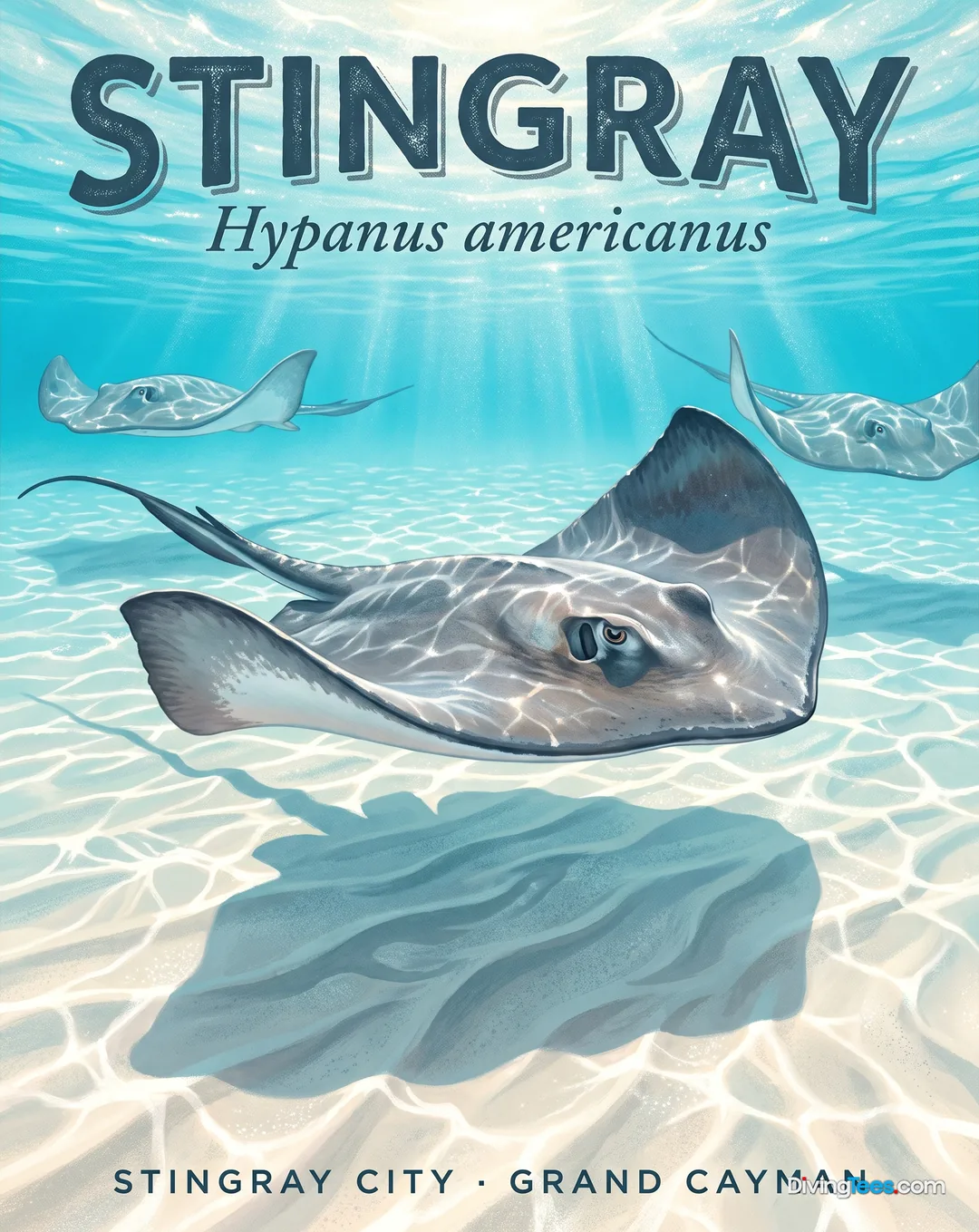
The marine life here includes several species of rays, such as the Atlantic stingray, which frequent the cave, especially in winter for mating. This seasonal gathering provides a unique opportunity to observe their natural behaviors. While the site is a significant attraction for diverse marine fauna, it’s critical to remember that this is a natural environment. The presence of specific species is never guaranteed, but the general biodiversity supports consistent opportunities for marine encounters.
This site is accessible to divers with an Advanced Open Water Diver certification or equivalent experience, reaching depths between 15 and 38 meters. While some areas are suitable for less experienced divers, deeper sections, especially around the cave entrance at 27-28 meters and the volcanic wall, require comfort and proficiency at depth. Visibility is generally excellent, often reaching 30-40 meters. The best time to experience specific marine life, especially Atlantic stingrays, is during the winter period.
Winter is the most suitable period if you want to look for Atlantic stingrays, which frequent the cave during that season for mating. You may also encounter angel sharks and other rays resting on sandy areas, while loggerhead turtles are seen occasionally. Visibility is generally excellent, often reaching 30 to 40 meters.
Palm Mar Cave is accessible to divers with an Advanced Open Water Diver certification or equivalent experience. Some areas suit less experienced divers, particularly the volcanic plateau, but the deeper sections require comfort and proficiency at depth. The cave entrance and volcanic wall are especially relevant when planning your experience and dive plan.
Palm Mar Cave ranges from a volcanic plateau at 15 to 17 meters to deeper cave systems and walls reaching 38 meters. The cave entrance lies at 27 to 28 meters, while the statue of Madonna and the crucifix are positioned at 27 meters. The galleries and lava tunnels extend between 16 and 38 meters.
You can see volcanic walls, pinnacles, sandy seabed, lava tunnels and light shafts at the cave entrance when the sun angle allows. Morays shelter in wall crevices, while garden eels move in the current. Angel sharks, rays and occasional loggerhead turtles may appear, with Atlantic stingrays especially associated with winter.