
Deep Divers Center
Google 5/5 (405 reviews)
2.2 km away as the crow flies
Tenerife · Canary Islands · Atlantic
Max. depth · 30 mNavigate through volcanic rock channels to reach a series of deep terraces and vertical walls.
For subtitles in English: start the video firstthen click the gearat the top right of the video, select “Subtitles/CC”, then “Auto-translate” and choose “English”.
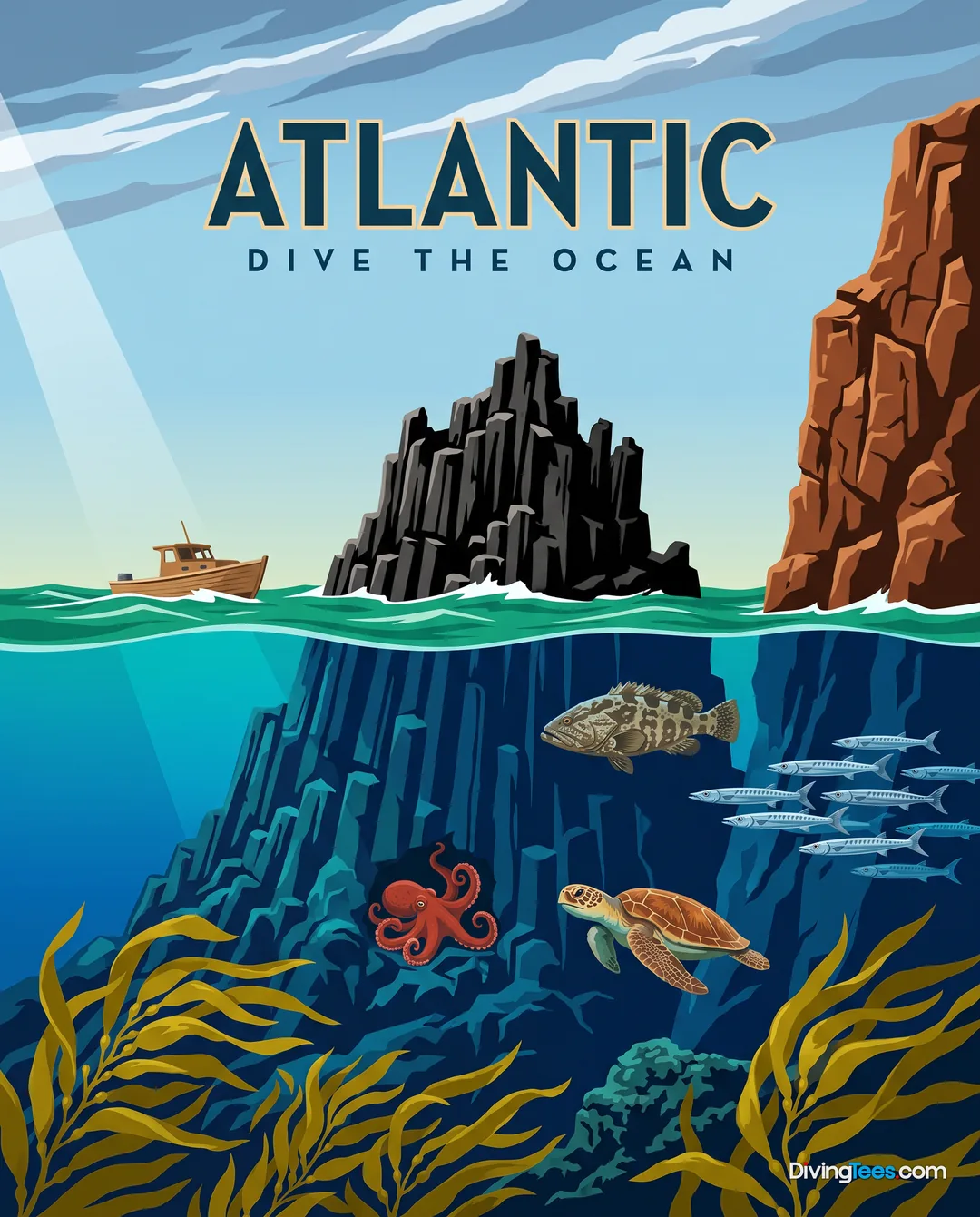
Punta Negra is defined by its rugged volcanic architecture, shaped by the geological history of Tenerife. The site does not present a single uniform wall, but rather a complex landscape of rock formations, ledges, and terraces. You will descend from shallow areas around 8 to 12 metres onto stable platforms located between 15 and 20 metres. From these terraces, the topography drops more sharply toward the deeper sections of the site, reaching depths of 25 to 30 metres.
The topography offers several ways to explore the site, utilizing the natural structure of the volcanic rock. There are distinct passages between formations that allow you to move through the reef, providing a sense of depth and scale. These rocky channels are a key feature, separating the shallower upper zones from the deeper, more vertical sections. Navigating these features requires attention to your buoyancy and orientation as you move between the different levels of the basaltic structure.
Approaching the site requires precision, as it is accessed directly from the coast. You will need to time your entry to coincide with a lull in the swell to avoid being pushed by the waves. Once in the water, you must navigate through shallow rocky channels to reach the main dive area. This entry method requires experience with surf conditions and the ability to manage gear while moving through confined spaces before reaching the deeper, more stable environment.
The current at Punta Negra is influenced by its exposure to the southwest currents of Tenerife. You may encounter upwelling, where nutrient-rich water is pushed upward, which often brings more life to the area. The intensity of the water movement can change depending on the sea state and local conditions. Because the site is an exposed cape, it is important to monitor the current as you move between the sheltered terraces and the more exposed vertical sections.
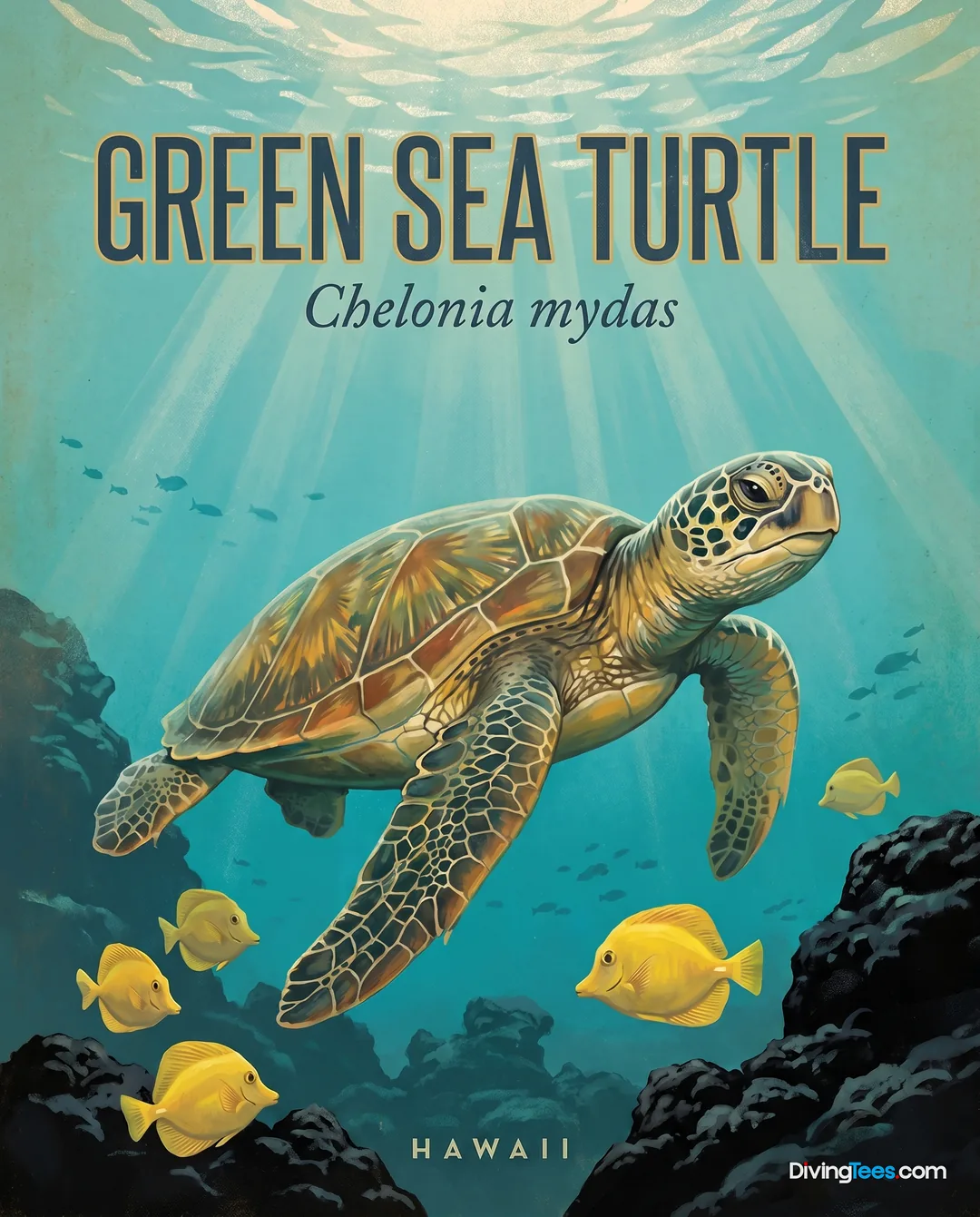
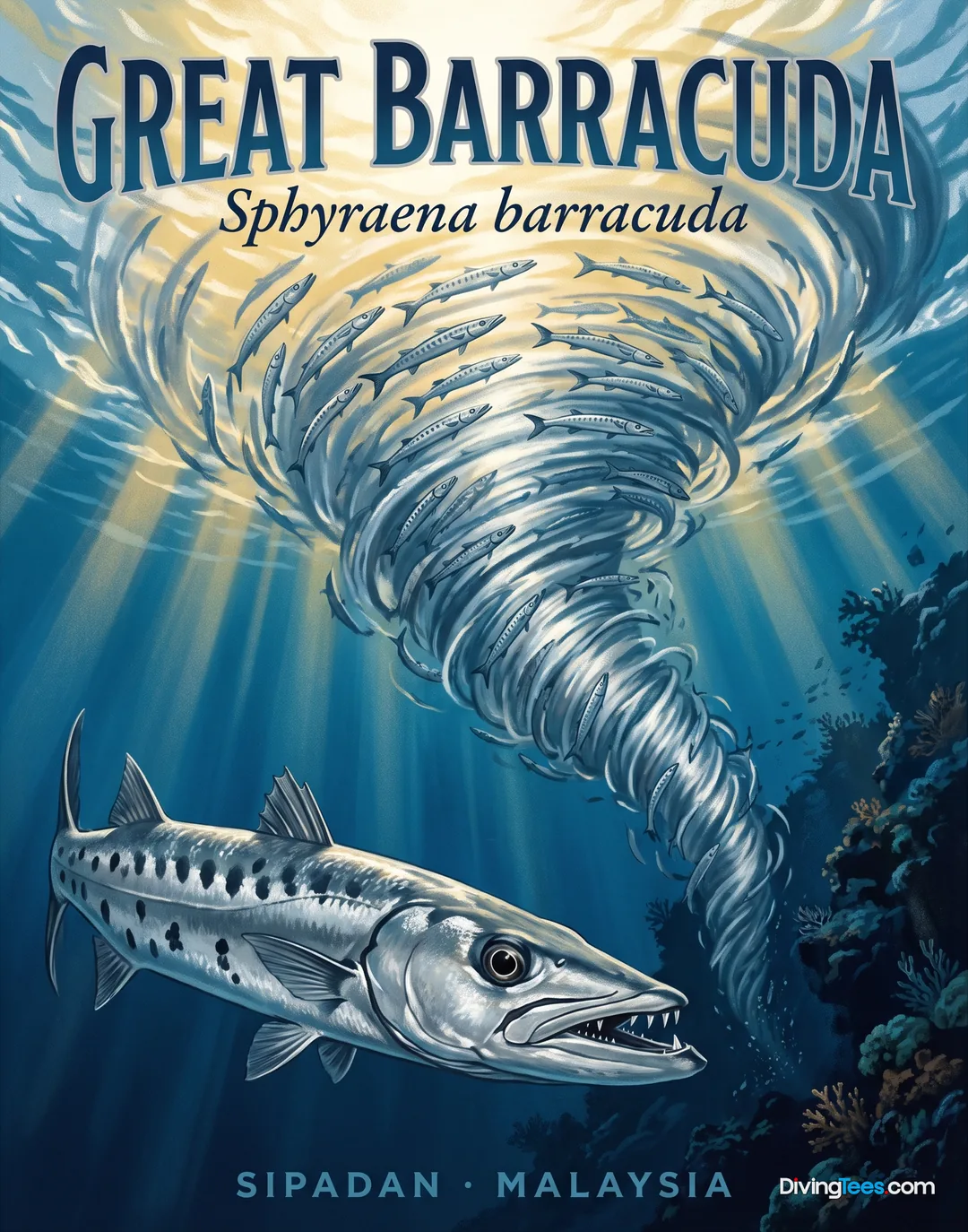
Marine life at the site is concentrated around the various ledges and rock faces. You can observe green turtles (*Chelonia mydas*) moving along the bottom or resting near the rocky outcrops. The presence of eagle rays is common as they glide through the water column, often utilizing the local currents. Larger pelagic species like amberjack and barracuda are frequently seen patrolling the edges of the deeper walls, where the water movement is most consistent.
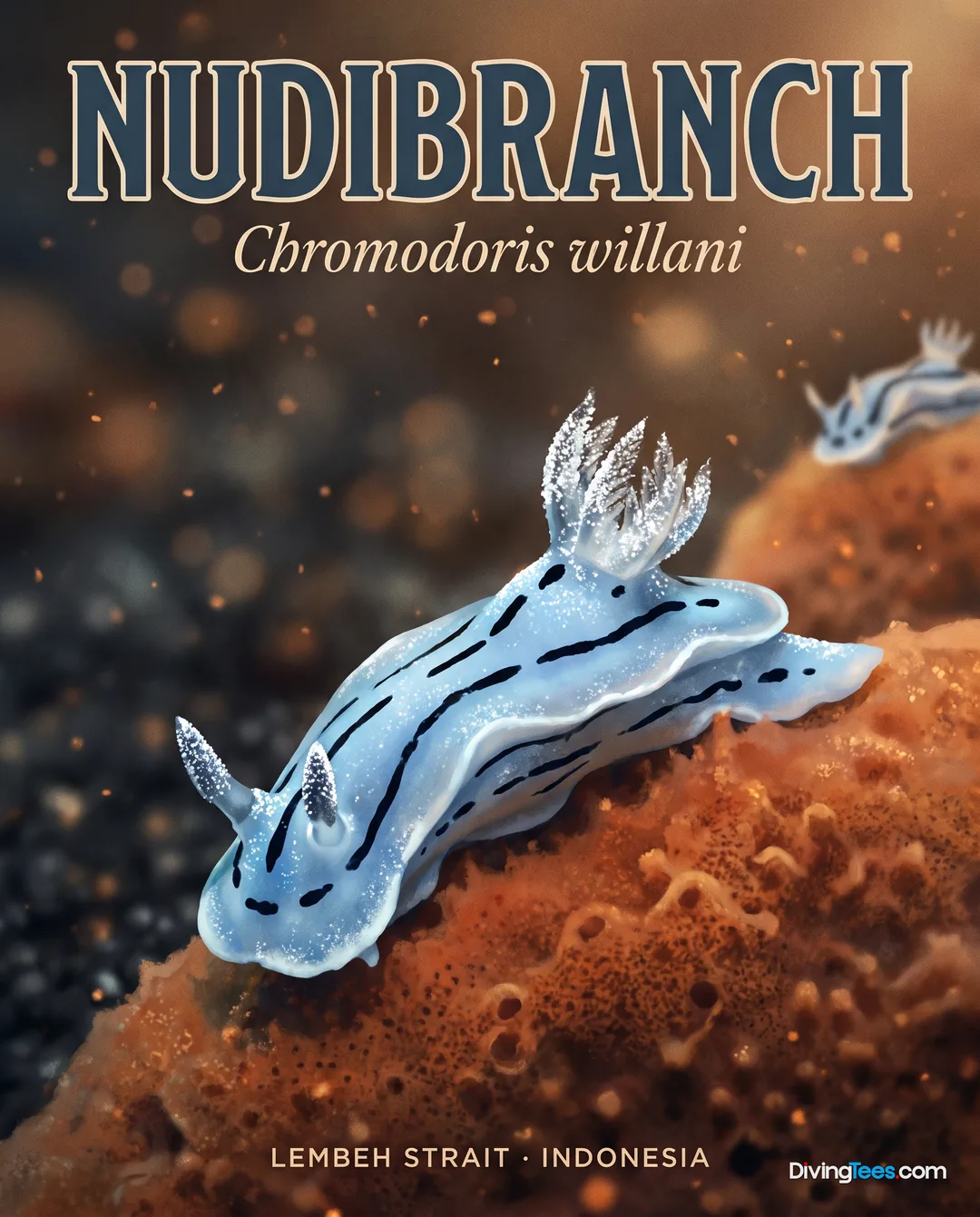
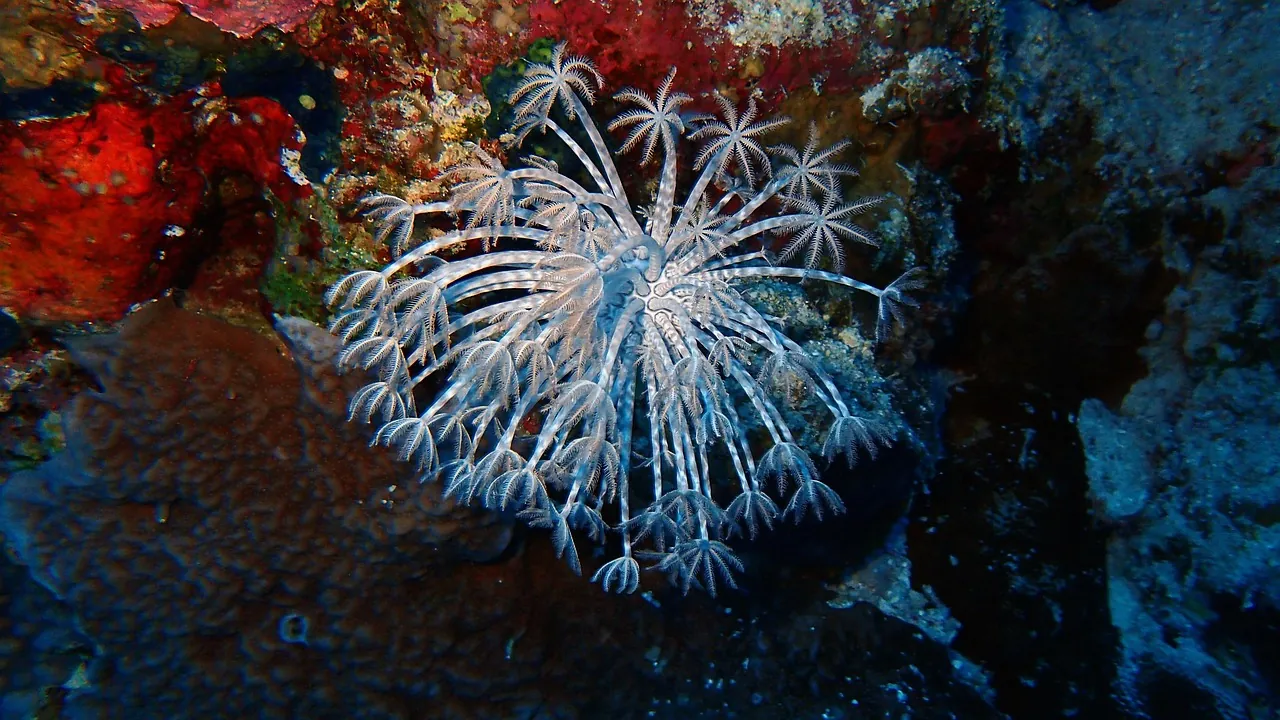
For those observing the smaller details of the reef, the volcanic surfaces provide an ideal substrate for nudibranchs. The various crevices and cracks in the basaltic rock serve as hiding spots for a variety of smaller organisms. Watching the transitions between the sunlight-drenched upper terraces and the darker, deeper sections reveals a shift in the resident species. This diversity of habitat, from shallow platforms to deep walls, is what characterizes the specific character of Punta Negra.
The site has depths ranging from 8 to 30 metres. An Advanced level certification is required, and experience with coastal entries and managing swell is highly recommended. Visibility is typically around 25 metres. Currents are variable due to the site's exposure to southwest currents and potential upwelling. The best time to visit is in May.
May is the best time to visit Punta Negra. You access the site directly from the coast, so you need to time your entry with a lull in the swell. Visibility is typically around 25 metres, although local sea conditions can influence your approach and the dive itself.
Punta Negra requires an Advanced level certification. Experience with coastal entries and managing swell is highly recommended because you enter through shallow rocky channels from the shore. The dive ranges from 8 to 30 metres, with terraces between 15 and 20 metres and deeper walls reaching 30 metres.
Currents at Punta Negra are variable because the site is exposed to southwest currents and potential upwelling. Water movement can change with the sea state and local conditions. You should monitor the current while moving between sheltered terraces and more exposed vertical sections, where conditions may differ.
At Punta Negra, you explore volcanic terraces, rocky passages, ledges and deeper walls. Green turtles may move along the bottom, while eagle rays glide through the water column. Amberjack and barracuda patrol deeper wall edges, and nudibranchs can be found on volcanic rock surfaces.