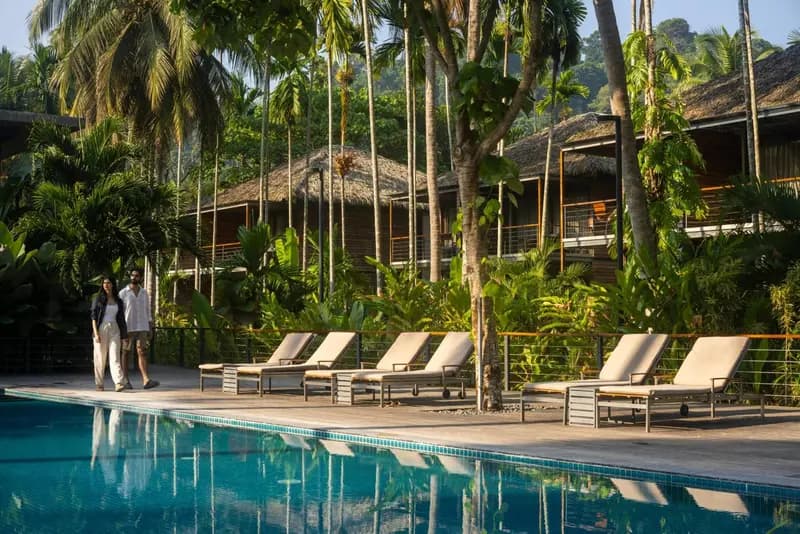
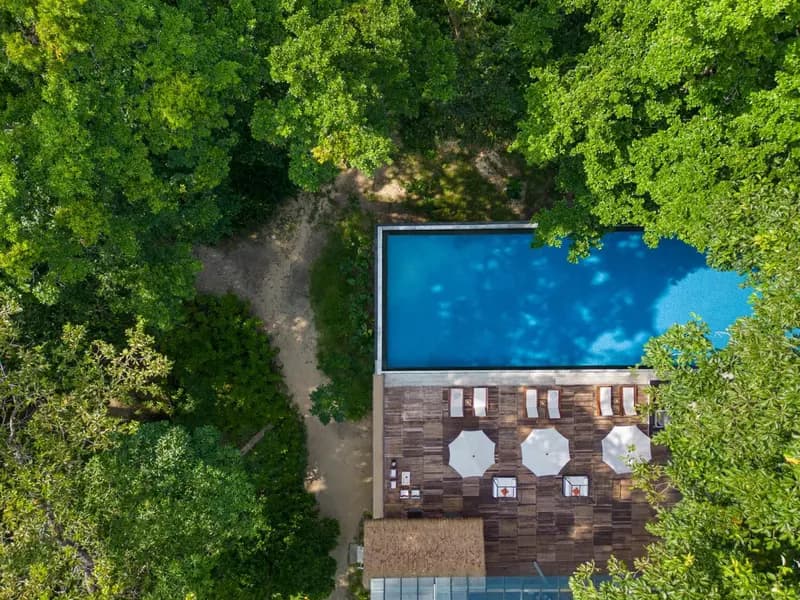
Taj Exotica Resort & Spa, Andamans
★★★★★
★ 9.4/10 (108 reviews)
7.3 km away as the crow flies
Dive centre · Havelock · India
4.9249 Google reviewsExplore the vibrant reefs of the Andaman Sea with a team dedicated to small group sizes and local marine conservation.
For subtitles in English: start the video firstthen click the gearat the top right of the video, select “Subtitles/CC”, then “Auto-translate” and choose “English”.
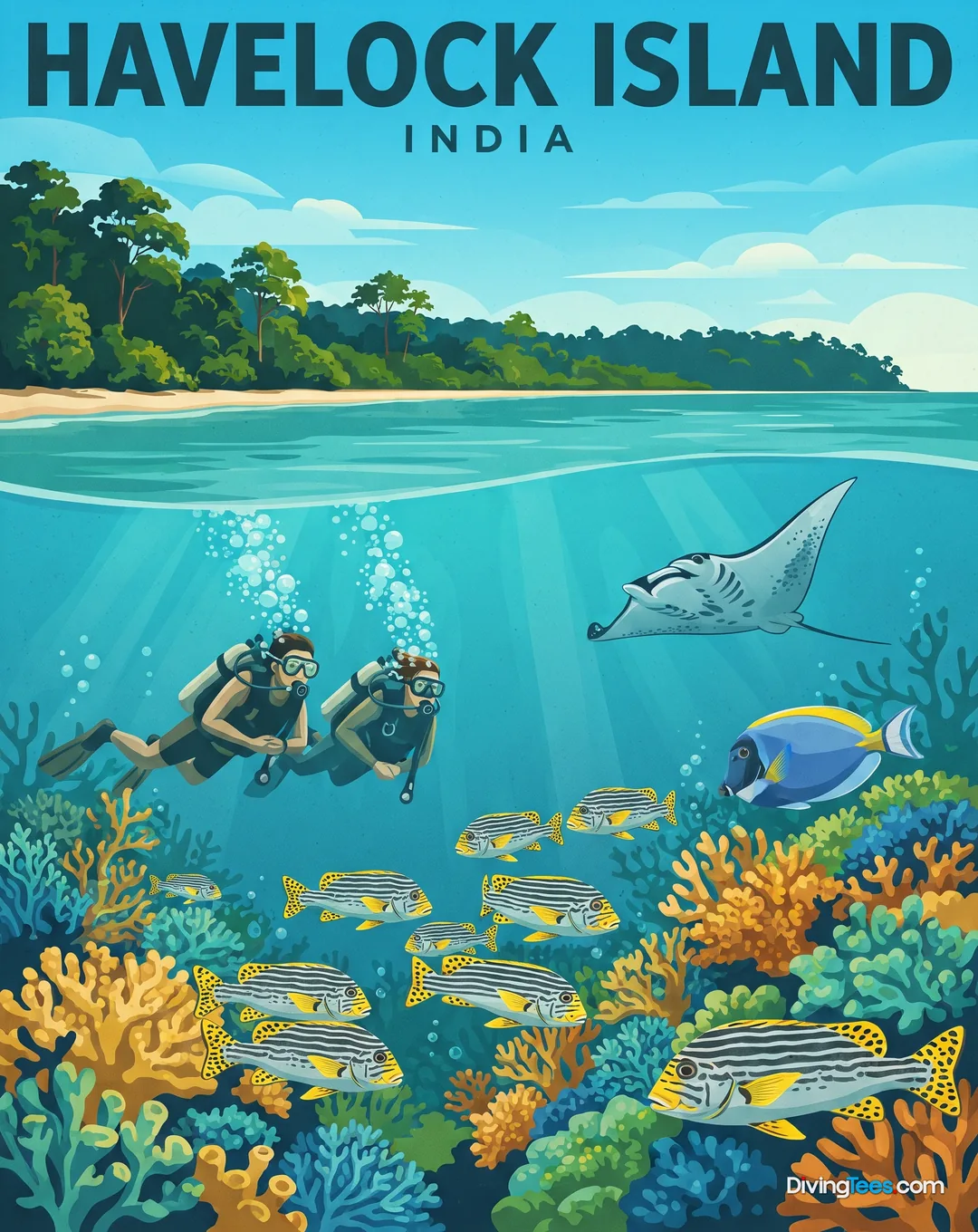
Island Nomads is a PADI Dive Resort situated on Beach No. 05, just in front of the Pellicon Beach Resort on Havelock Island (Swaraj Dweep). The island is accessible from Port Blair via a high-speed catamaran or government ferry, a journey that takes between 1.5 and 2.5 hours across the open sea.
The centre operates with a strong emphasis on environmental stewardship, practicing low-impact diving and contributing to local reef monitoring and clean-up efforts. It serves as a base for exploring the diverse marine ecosystems of the Andaman Sea, from shallow reef flats to dramatic vertical walls.
The team is composed of local residents and long-term ocean stewards who possess intimate knowledge of the Havelock reefs. They operate with a strict focus on safety, employing EFR and Rescue trained staff to manage all dives.
To ensure personalised attention and high training standards, the centre maintains a maximum ratio of four divers per guide or instructor. This approach allows for individual performance-based progression rather than simply rushing through certification requirements.
Island Nomads offers a comprehensive range of PADI courses for every stage of a diver's development. Beginners can start with Discover Scuba Diving or the PADI Scuba Diver course, progressing through Open Water Diver and Advanced Open Water Diver.
For those looking to specialise or advance professionally, the curriculum includes specialties such as Enriched Air Diver, Wreck Diver, Night Diver, Deep Diver, and Sidemount Diver. The centre also provides training for Rescue Diver, Divemaster, and the Instructor Development Course (IDC).
The centre provides full equipment hire for those not travelling with their own kit. On-site facilities include access to oxygen, a first aid kit, a radio, and a satellite phone for communication.
Nitrox is available for divers looking to extend their bottom times. The centre is also equipped to support night diving adventures.
Johnny's Gorge is a canyon-style site for advanced divers, where strong currents bring nutrient-rich water. You can expect to see large schools of trevally and barracuda, with occasional manta ray or reef shark sightings.
The Inket Wreck is a shallow shipwreck located at depths between 25 and 32 metres. It is a favourite for advanced divers and nudibranch enthusiasts, as the structure is now home to groupers, lionfish, and batfish.
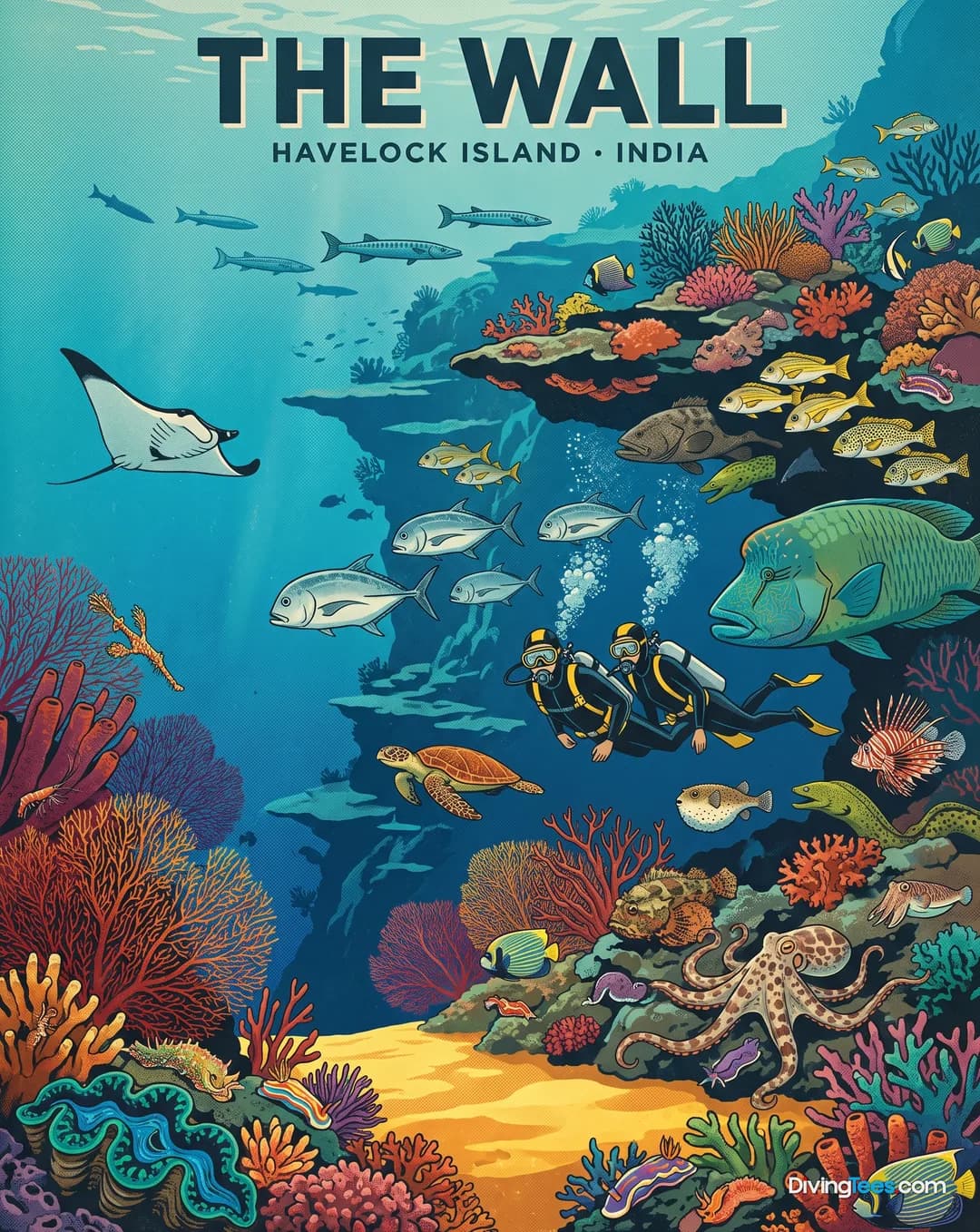
'The Wall' offers a dramatic vertical drop from 5 to 40 metres, covered in colourful corals and sponges. It is suitable for all levels and attracts various pelagic visitors like barracudas and trevally.
Aquarium is a shallow reef site between 3 and 12 metres, ideal for beginners. The waters are calm and the site is teeming with butterflyfish, wrasses, and damselfish weaving through coral gardens.
down to 55 m
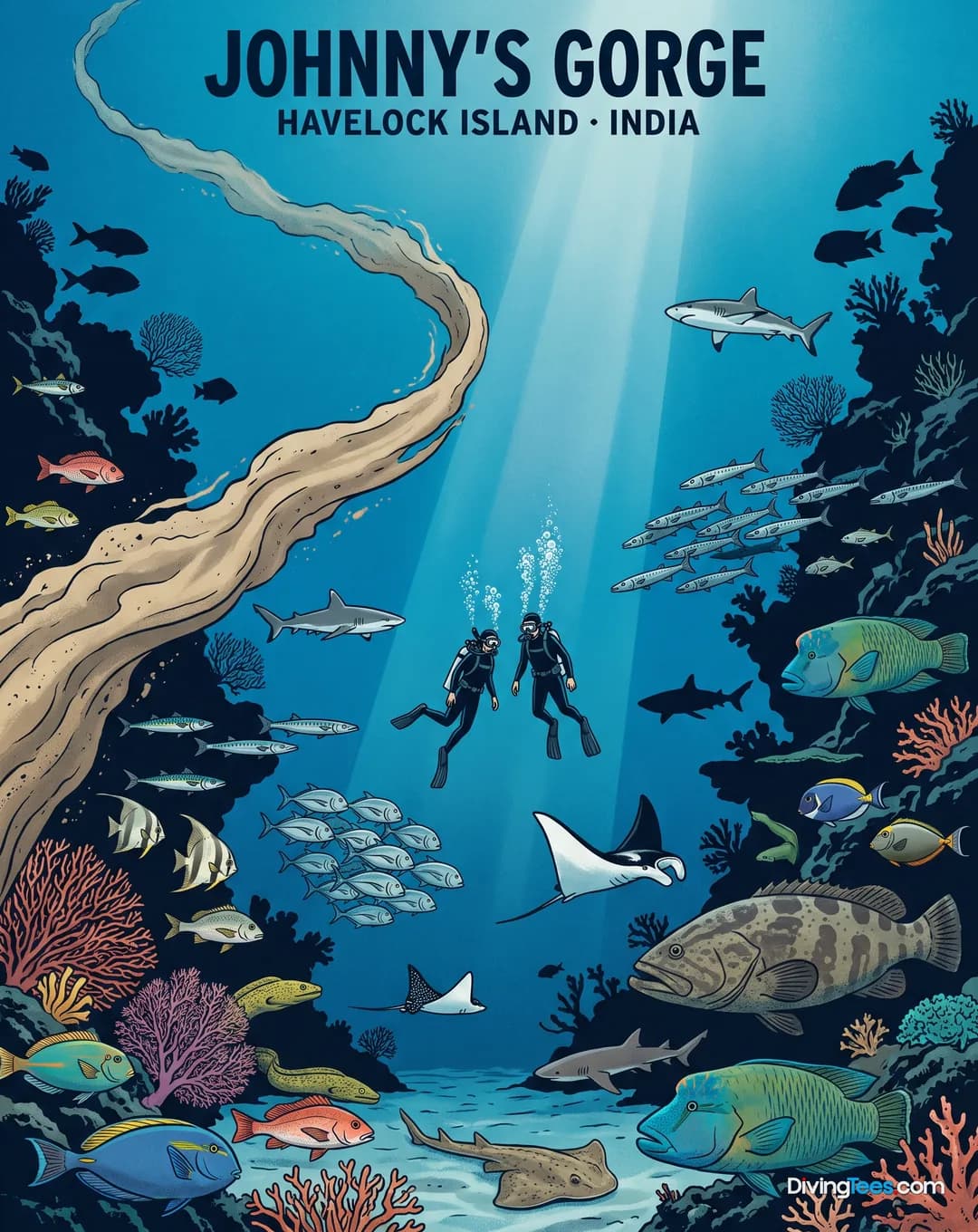
down to 35 m
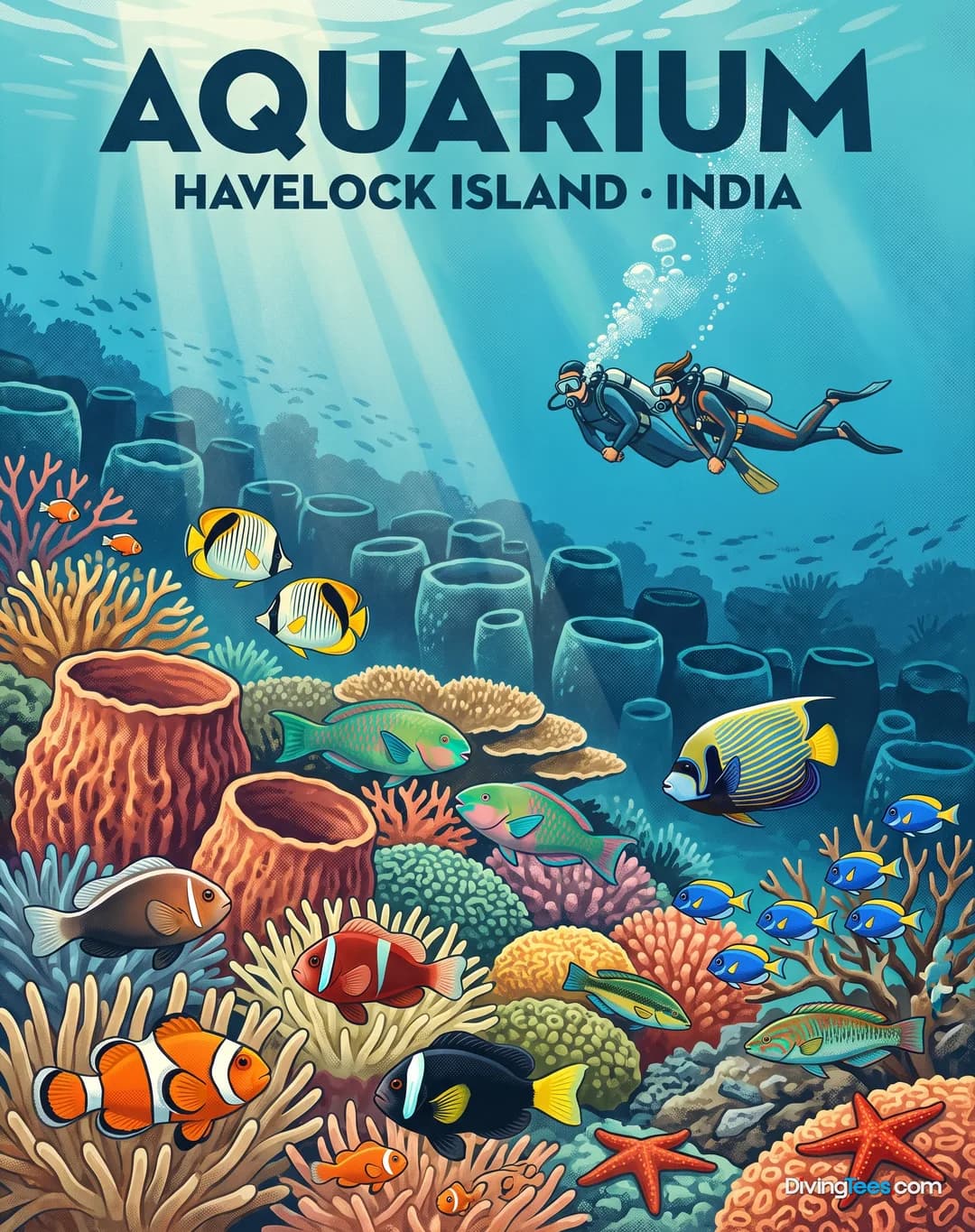
down to 16 m
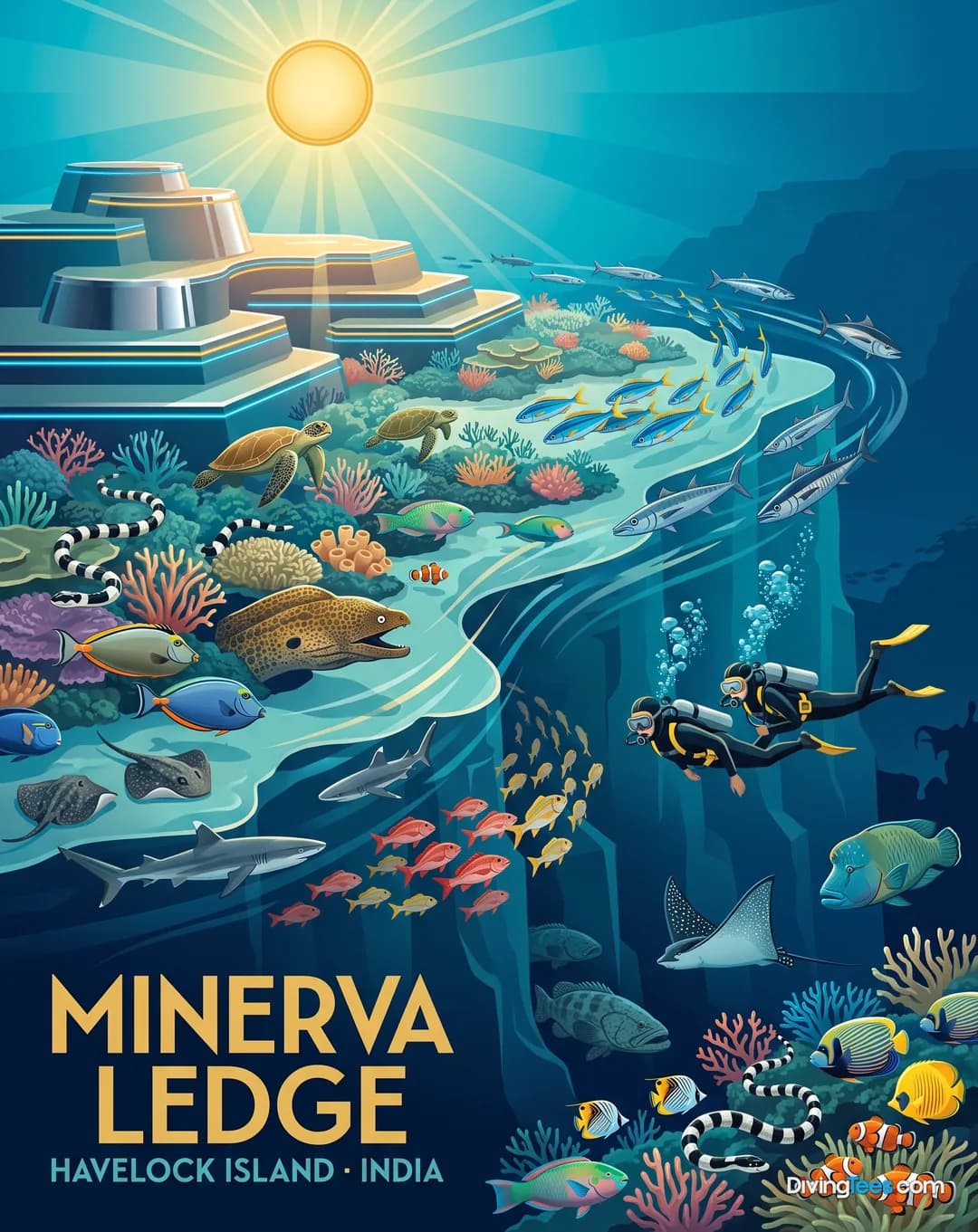
down to 24 m
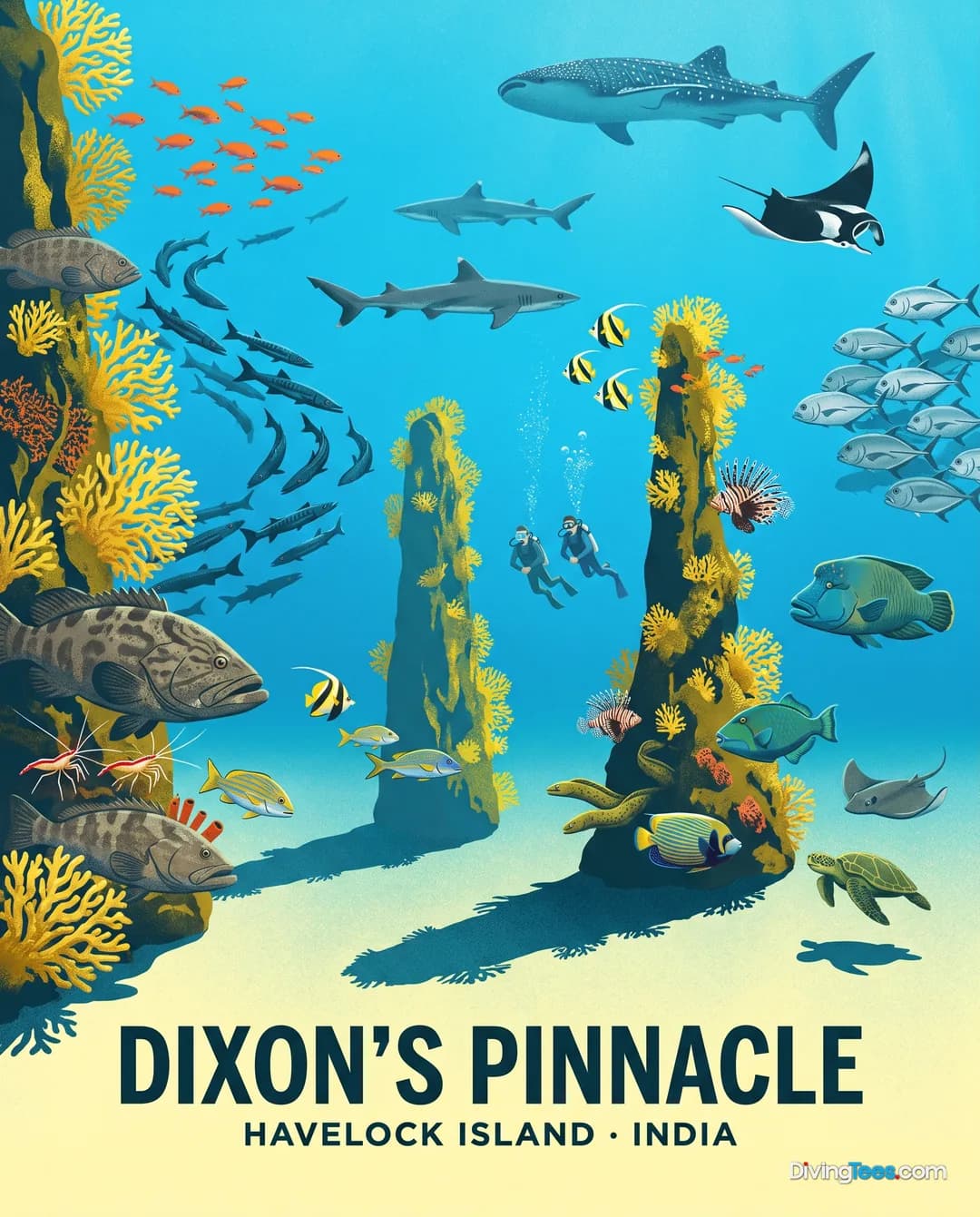
down to 35 m
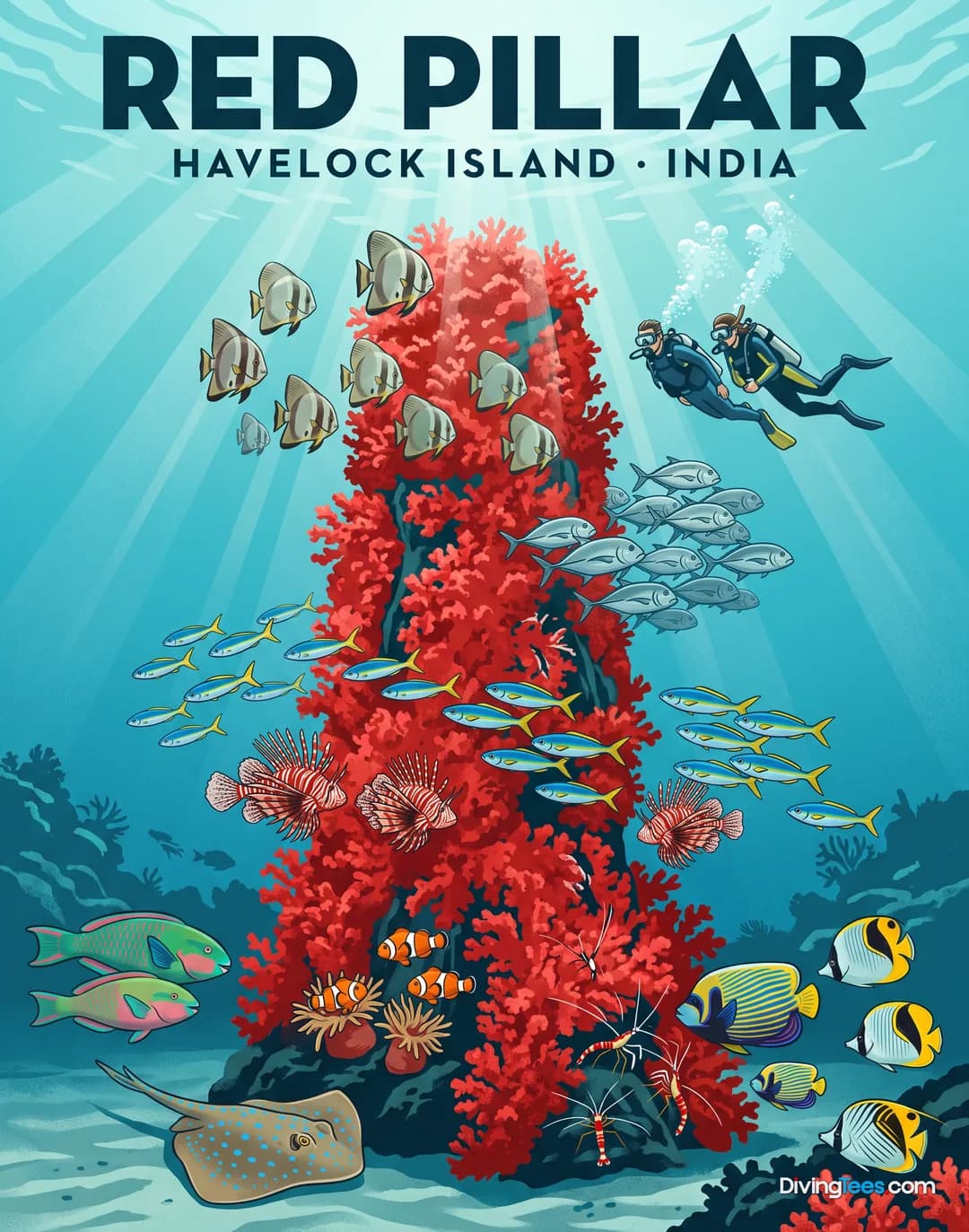
down to 25 m
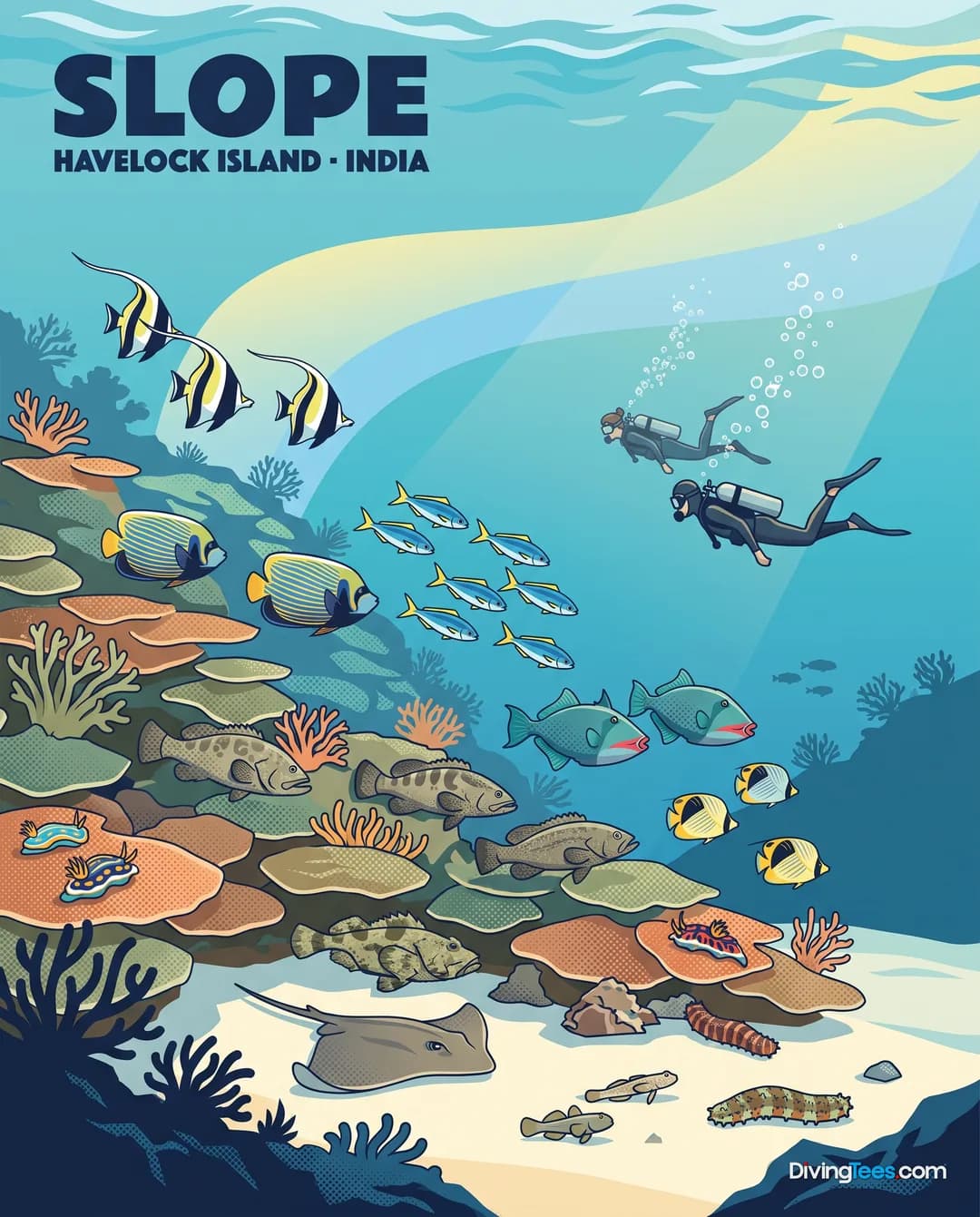
down to 24 m
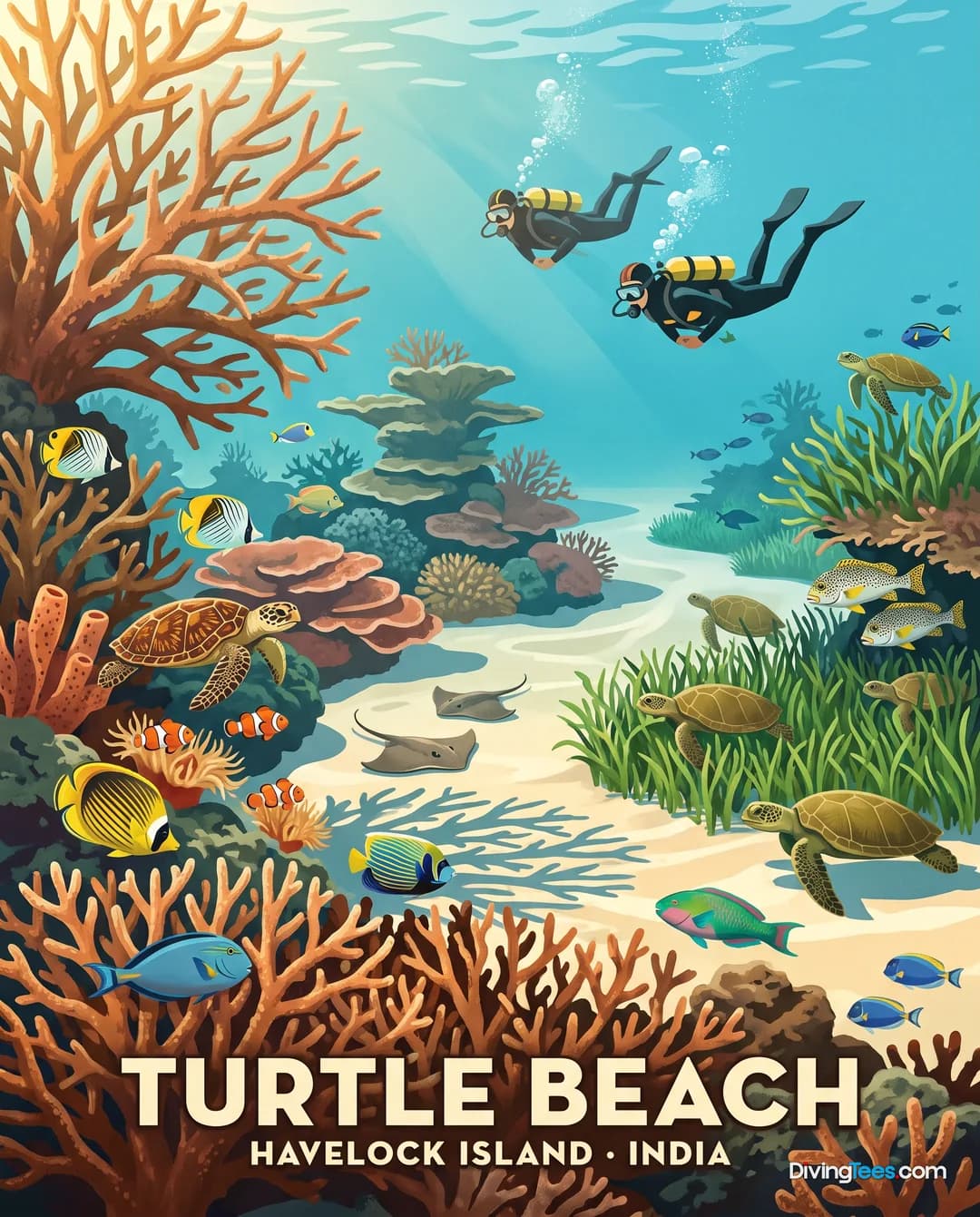
down to 18 m
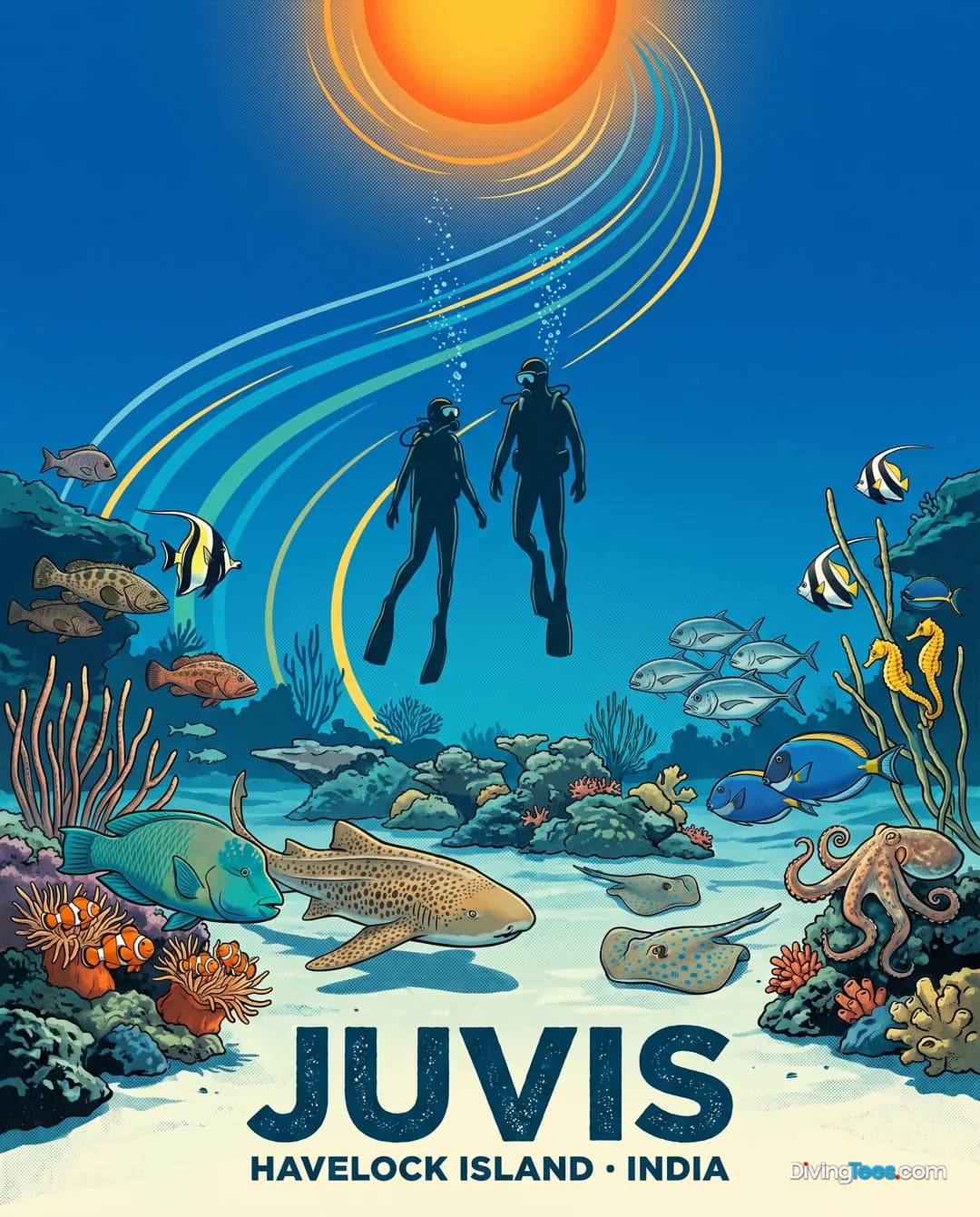
down to 22 m
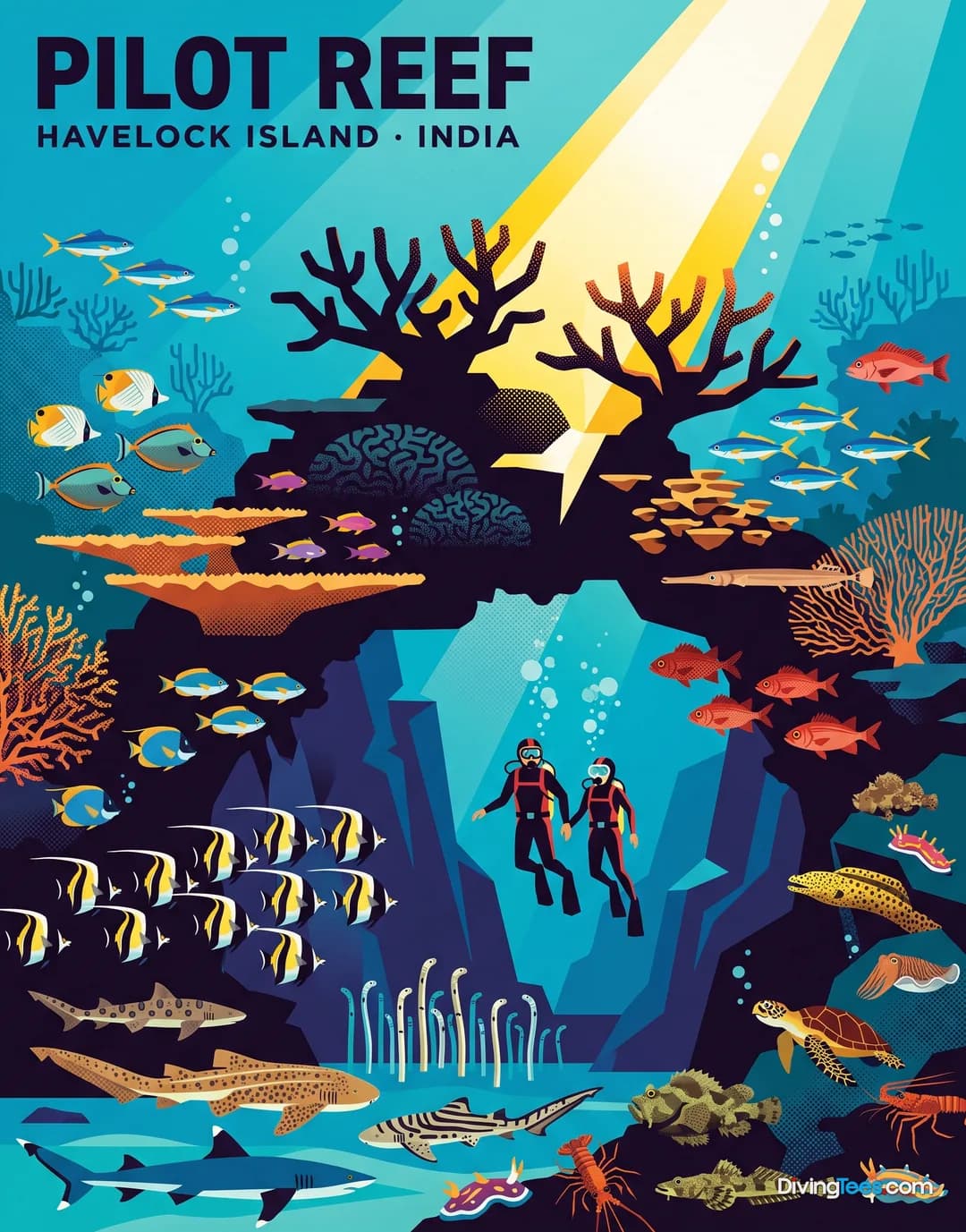
down to 40 m
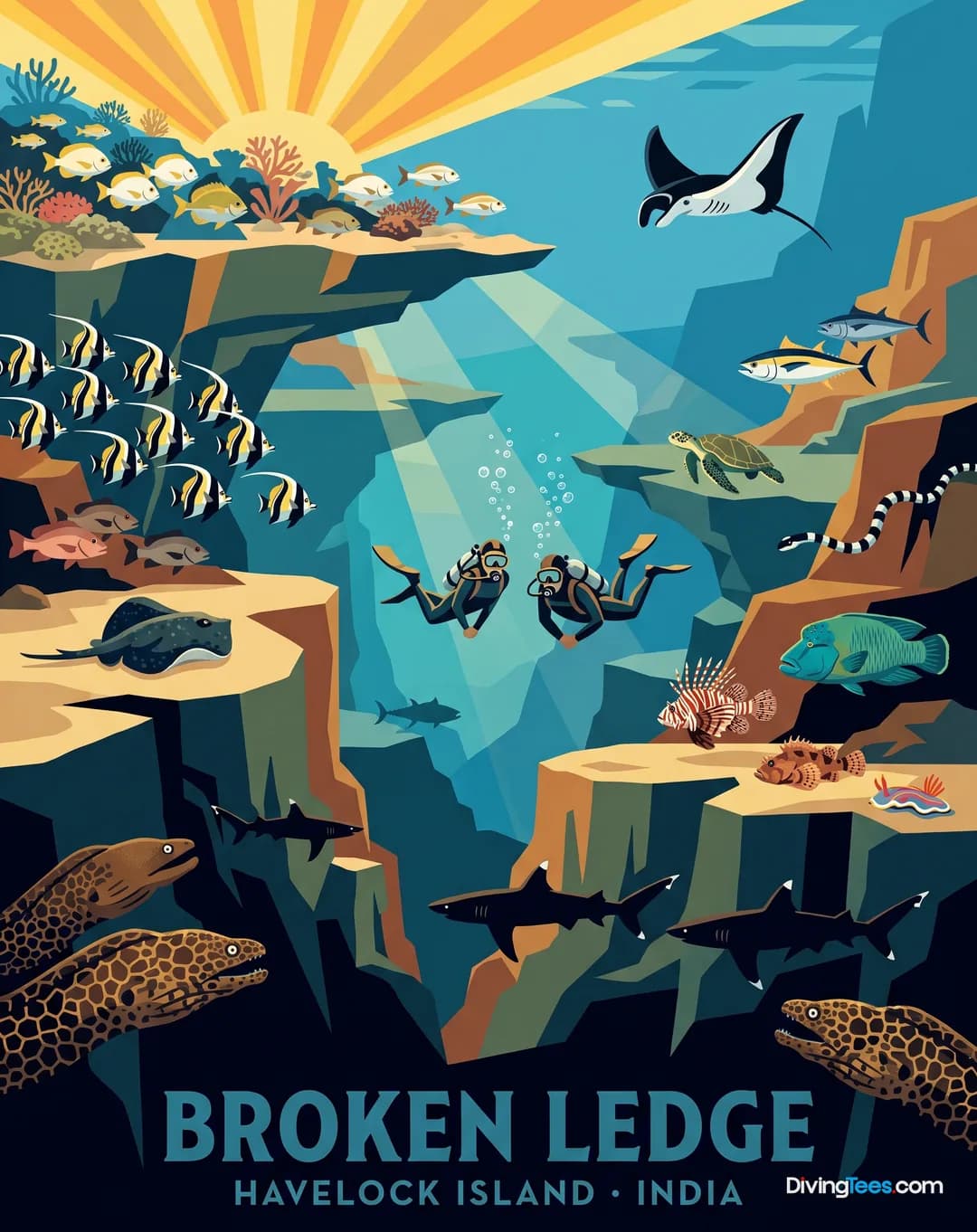
down to 35 m
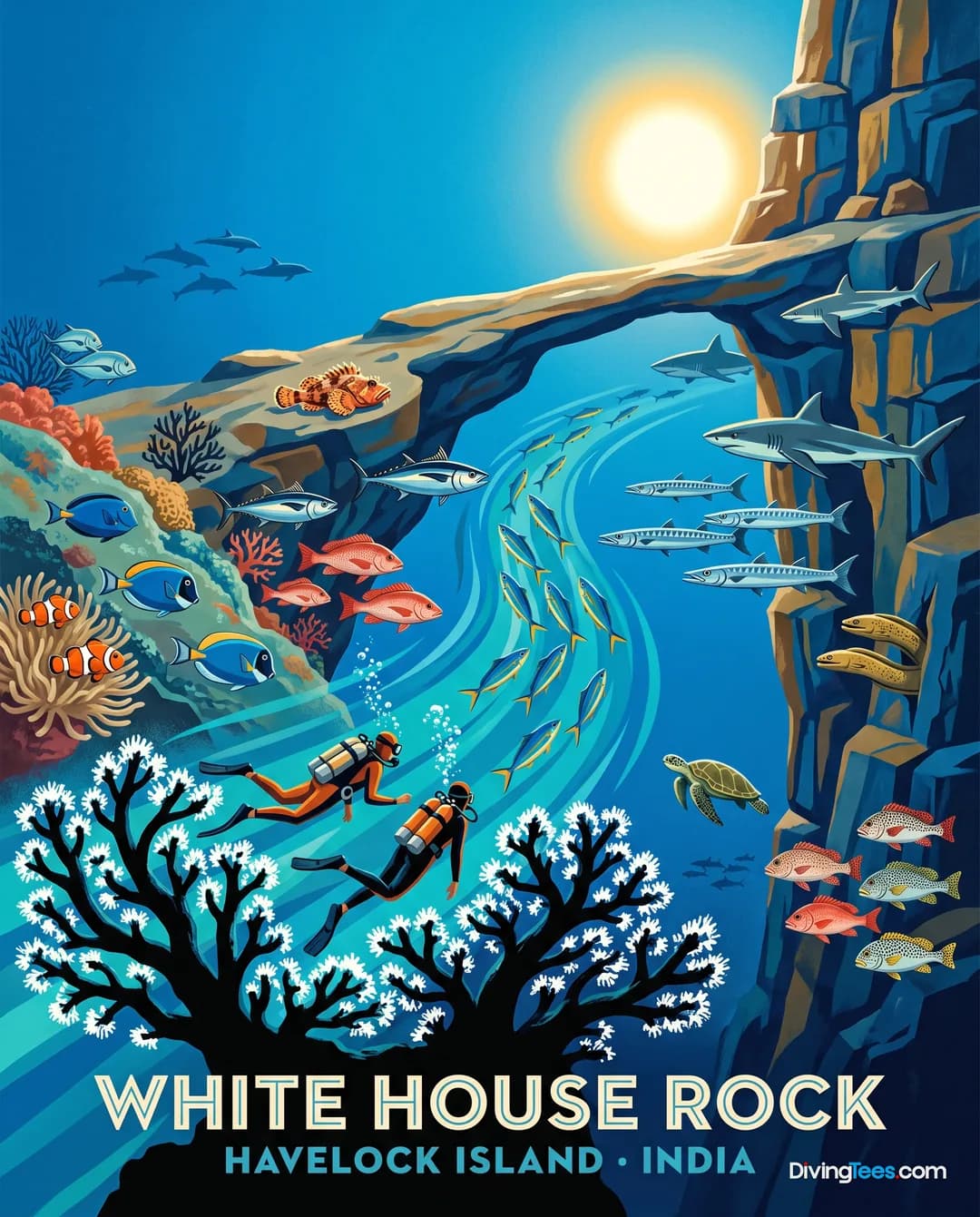
down to 50 m
And some of the dive sites the centre runs.
The reefs are home to a vast array of colourful fish, including parrotfish, angelfish, butterflyfish, and various species of wrasse and damselfish. You will often see schools of fusiliers, snappers, and sweetlips moving around the coral structures.
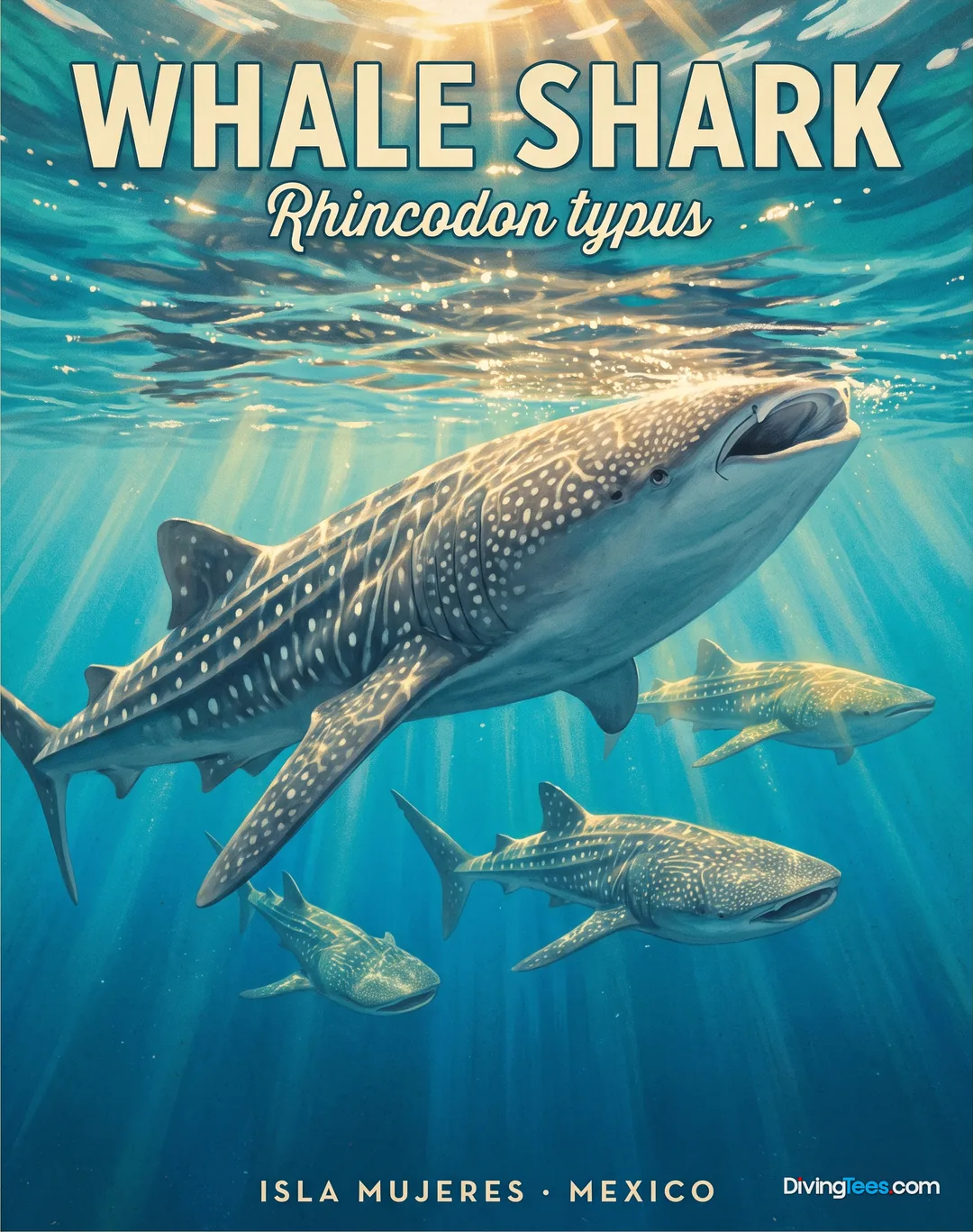
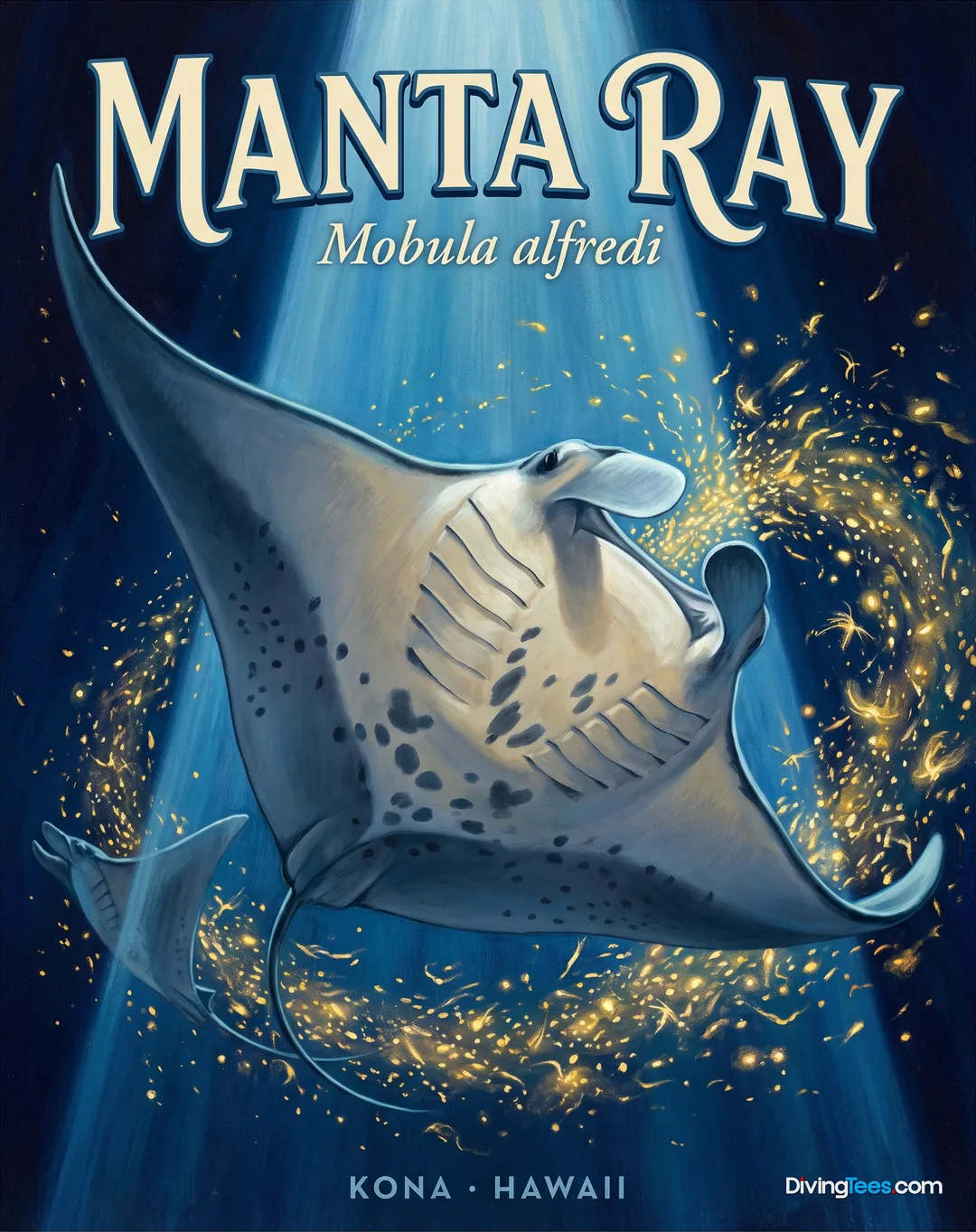
For those interested in larger pelagics, the area offers sightings of reef sharks and trevally. Manta ray (Mobula alfredi) and whale shark (Rhincodon typus) sightings are possible between November and April, while turtles and reef sharks are frequently seen around May and October.
Macro life enthusiasts can find a variety of smaller organisms, such as nudibranchs, octopus (Octopus vulgaris), and various species of shrimp and crabs. Keep an eye out for lionfish (Pterois volitans), boxfish (Ostraciidae), and different types of pipefish or seahorses (Hippocampus kuda) tucked into the reef.
The seabed and reef structures are built from diverse hard coral (Scleractinia) and soft coral (Alcyonacea), alongside sponges (Porifera), sea fans (Gorgoniidae), and various anemones (Actiniaria).
The best time to dive in this region is from October to April. During the monsoon season from May to September, the seas can become rough with increased rainfall.
Dive sites vary significantly in current conditions; while sites like Aquarium and Juvis offer calm waters, others such as Johnny's Gorge, Dixon's Pinnacle, and Jackson Bar are known for strong currents that require more experienced divers.
Hello, I'm Marina, DivingDeal.com's AI assistant. I answer in detail about hotels, dive centres and liveaboards.

Thinking about the whole trip and the flights? Talk it over with Edith →
Marina is an AI. Some links are affiliate links: DivingDeal may earn a commission, at no extra cost to you. Bookings are made with the partner.