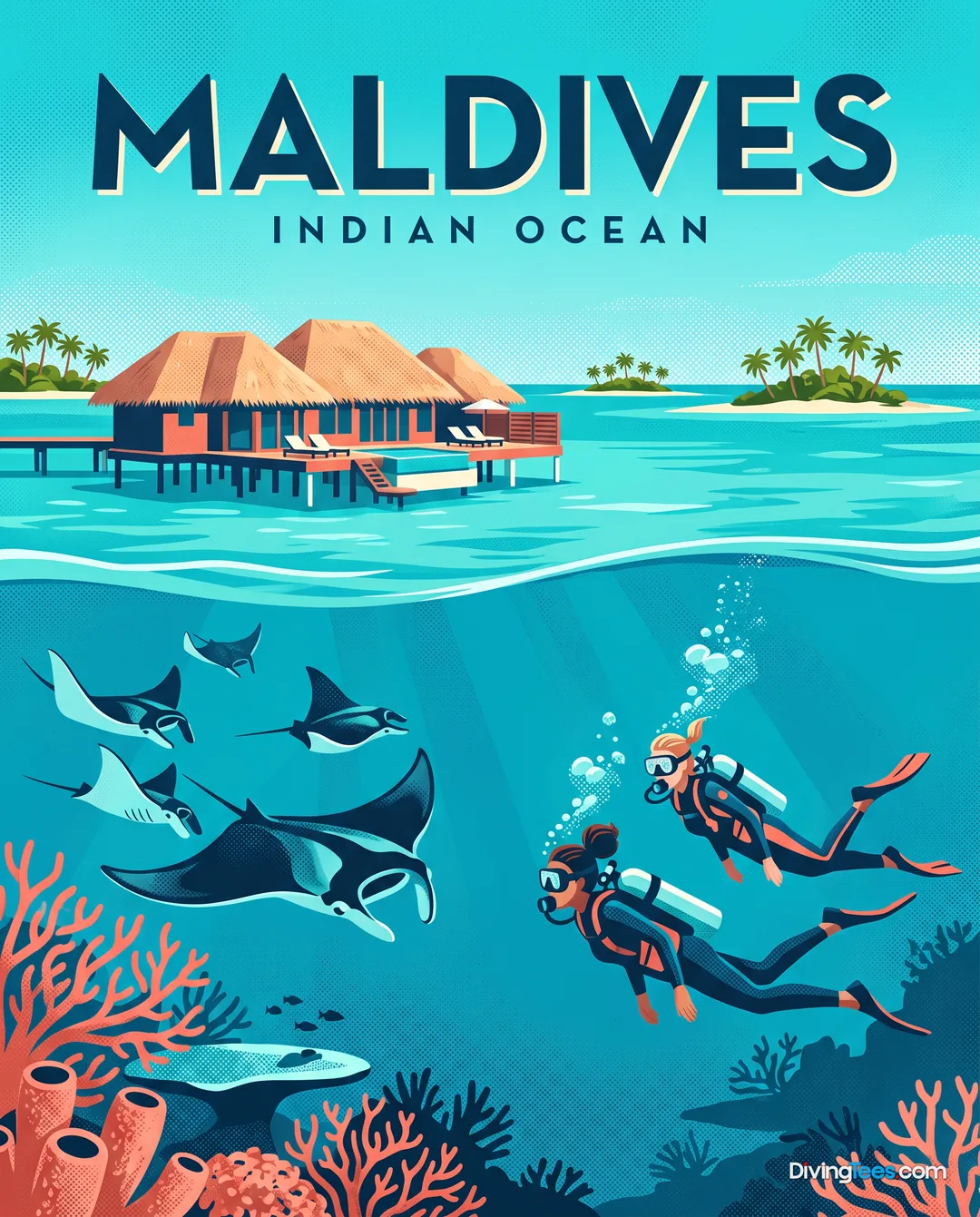
Liveaboards · Maldives
AMBA Liveaboard — a spacious Maldivian dive boat built around the diving
Deal on this boat
Per person
£2,519$3,368€3,009 £1,815$2,427€2,168
Discount calculated by us, against the boat's usual price for a trip of the same length.
See all discounted dates ↓What makes this boat unique
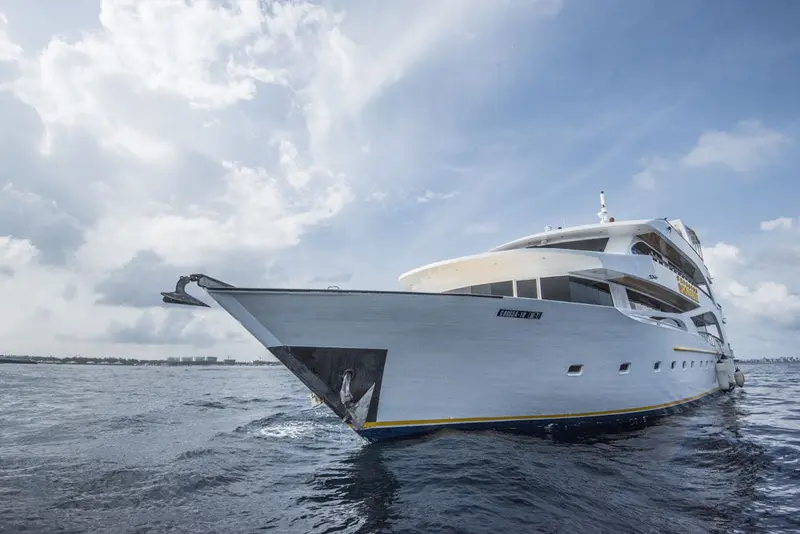
- AMBA is a 32-metre liveaboard for up to 20 guests, with 10 cabins and a private bathroom in every cabin.
- The 18-metre dive dhoni has six wide water exits, two rinse basins, freshwater showers and a western-style toilet.
- Nitrox 32% is included, filled through Bauer compressors with a PureAir-certified system.
- Diving is organised in guided groups of no more than 6–8 divers, with three guides on board.
- Routes cover the central, northern and southern Maldives, with 2–3 dives per day and one night dive on each trip.
For subtitles in English: start the video firstthen click the gearat the top right of the video, select “Subtitles/CC”, then “Auto-translate” and choose “English”.
The invitation
AMBA suits divers who want a serious week in the water without giving up room to live between dives. The boat is built from solid tropical hardwood, its owners live aboard, and the Maldivian core crew knows the vessel as a working home rather than a seasonal workplace. That shows in the operation: the dhoni carries the diving equipment, the hotel vessel stays a quiet place to eat and sleep, and the routes can move between channels, thilas, cleaning stations and pelagic sites. The reason to choose AMBA is not a boutique-cabin promise. It is the combination of a large, comfortable mother ship, a properly equipped dive dhoni, included Nitrox and routes aimed at divers already comfortable in current. The onboard food is a genuine strength, while the boat's machinery can make itself heard at night. For divers who value space, organisation and time underwater over a silent floating hotel, that trade makes sense.
Boarding
AMBA makes a substantial first impression at the dock: a traditional Maldivian liveaboard shaped in tropical hardwood, with enough space across its decks that the group does not feel packed into one corridor. Boarding leads into an air-conditioned salon, cabin areas and open decks rather than a maze of narrow passageways. The dive operation is kept separate on the dhoni, so tanks, wet gear and camera equipment do not take over the living spaces. The boat has been in service since 2004 and is renovated annually, which gives the experience a working-vessel character rather than the blank finish of a new yacht. On departure, airport pickup brings guests directly from Velana to the vessel. Once equipment is assembled on the dhoni, the crew takes divers through the ship and its safety procedures before the first full day begins.
The atmosphere on board
AMBA's atmosphere is made by a crew that stays present without turning every moment into service theatre. The Maldivian core crew handles the vessel and the daily work around it, while the guides keep the diving organised and approachable. Guests describe the result as friendly and family-like, with people feeling welcome from the first day rather than managed from a distance. That matters on a liveaboard because the same crew is securing tanks, serving meals, checking equipment and meeting divers on the dhoni after every entry. Evenings are usually low-key: dinner, conversation in the salon or on deck, and the occasional sunset drink rather than a programme that competes with the next dive. The strong food scores fit this rhythm, as does the repeated praise for organisation and attention to safety. The boat itself is not presented as flawless; machinery noise can intrude at night. The gain is a crew that makes the practical side of the week run cleanly.
The sites you’ll dive
The central routes run for 12 days and 11 nights, with versions through Ari, Rasdhoo, Vaavu, Meemu and Malé; shorter 8-day/7-night and 9-day/8-night trips, plus 14-day/13-night deep-south routes and a 15-day/14-night Christmas itinerary, cover different atolls. At Kurali Kandu in Meemu, the shallow channel reaches -17m and manta rays use cleaning stations above garden eels and reef fish. Hakuraa Express is a channel where grey reef sharks gather as the day ends. Barracuda Giri's three submerged pinnacles drop to -30m, with current pulling barracuda and pelagic fish over the reef. At Mushimasmigili Marine Reserve, the isolated thila reaches -30m and grey reef sharks hold position at the up-current pinnacle. Dhonkalo is a manta cleaning station at -25m. Maamigili, Maamigili Beiyru and Kudarah Thila all reach -30m, combining whale sharks, manta rays, caves, overhangs and schools of batfish. Foththeyo Kandu reaches -40m, where strong current meets caves covered in yellow soft coral. Dhigalhi Haa and Dhonfanu add red coralline algae, acropora, manta cleaning stations and a swim-through to a sheltered pool.
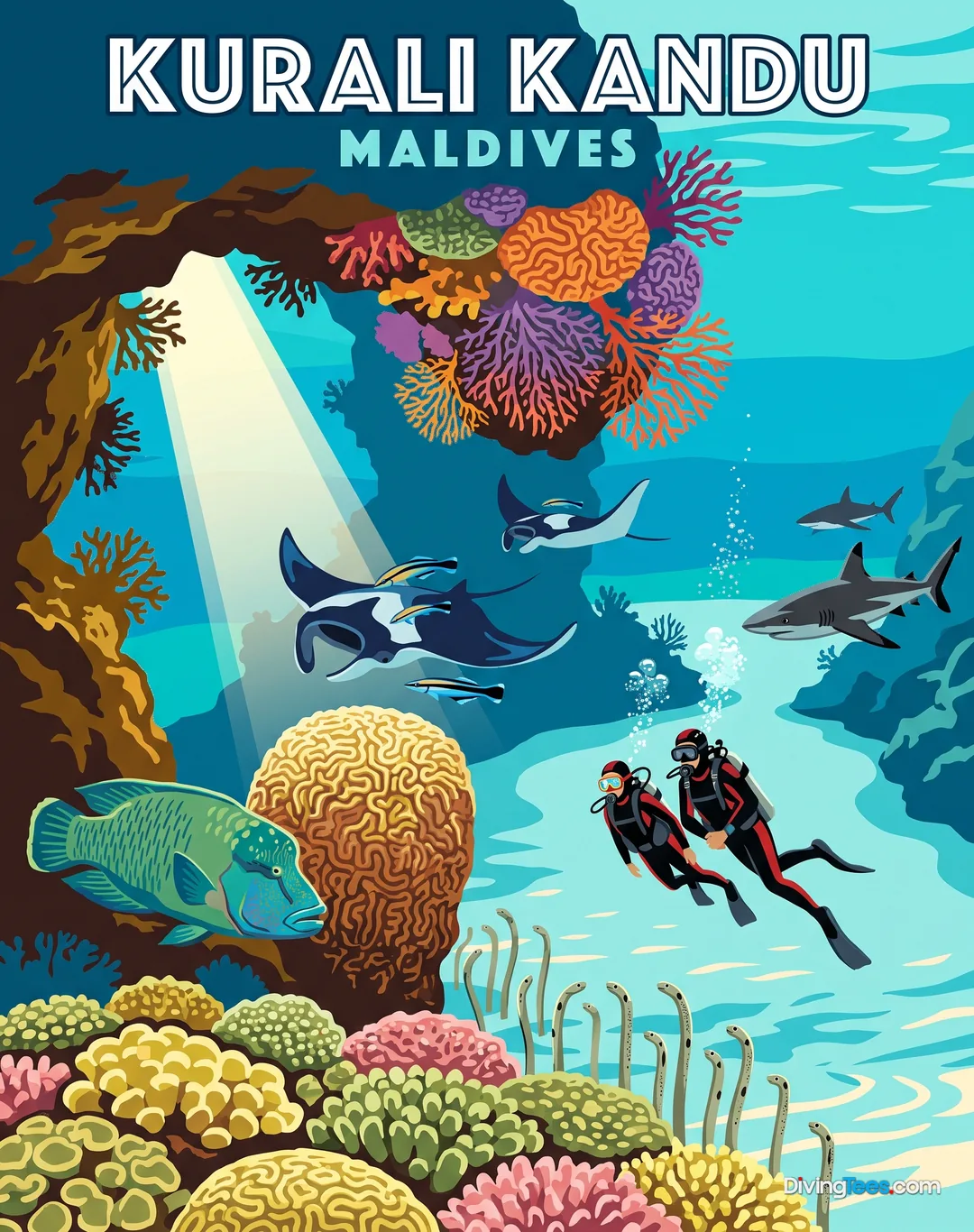
Kurali Kandu →
Max. depth · 17 m
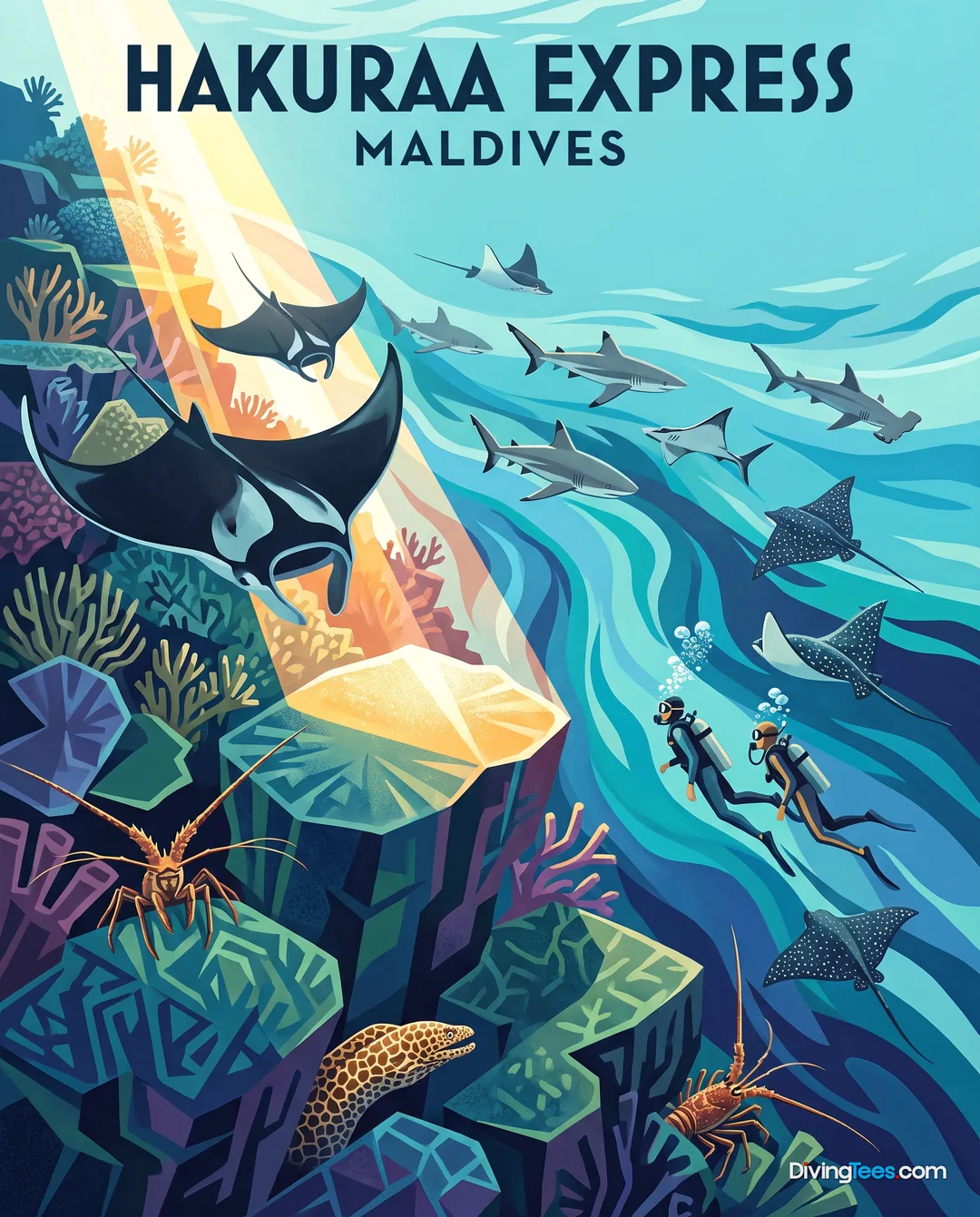
Hakuraa Express →
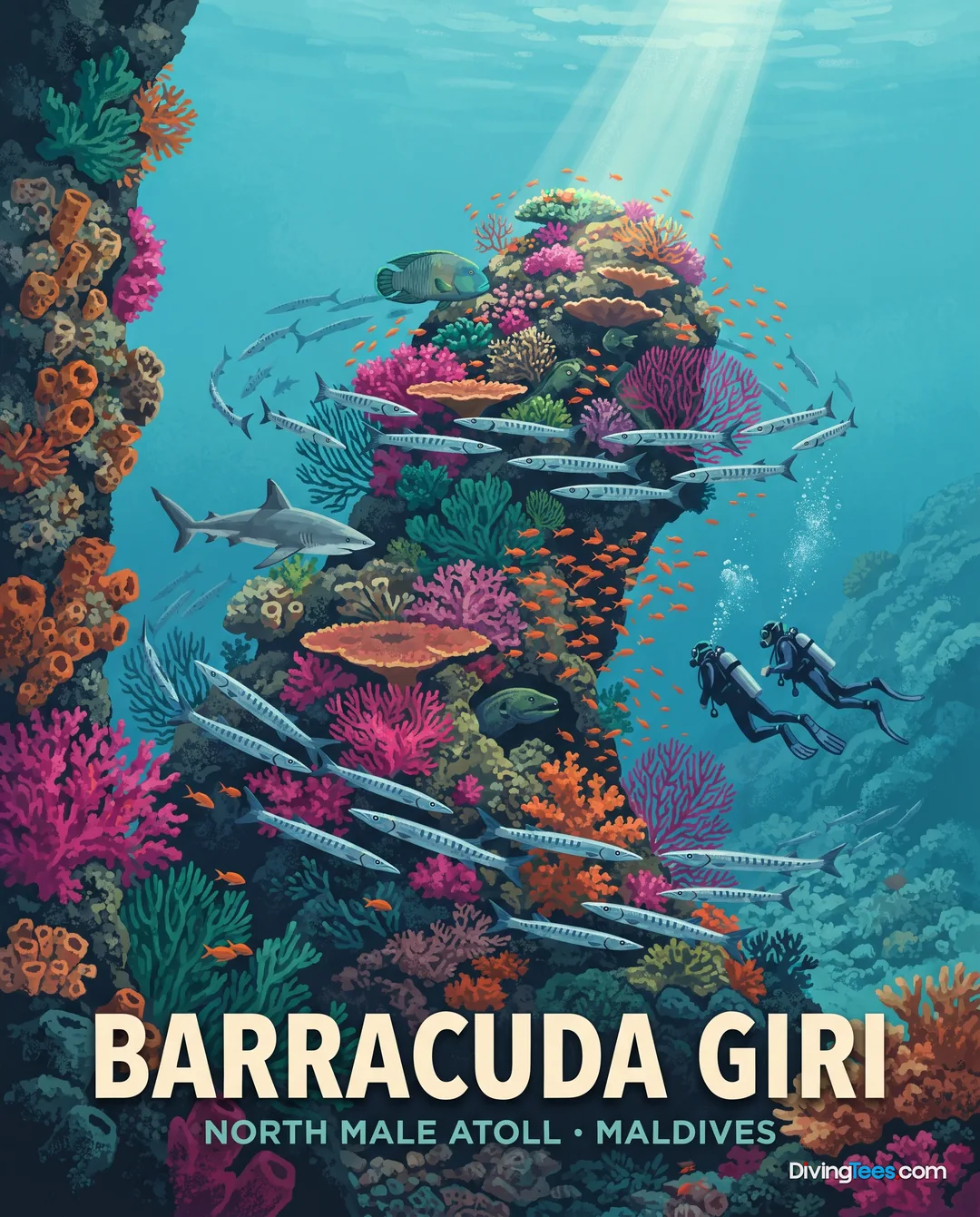
Barracuda Giri →
Max. depth · 30 m
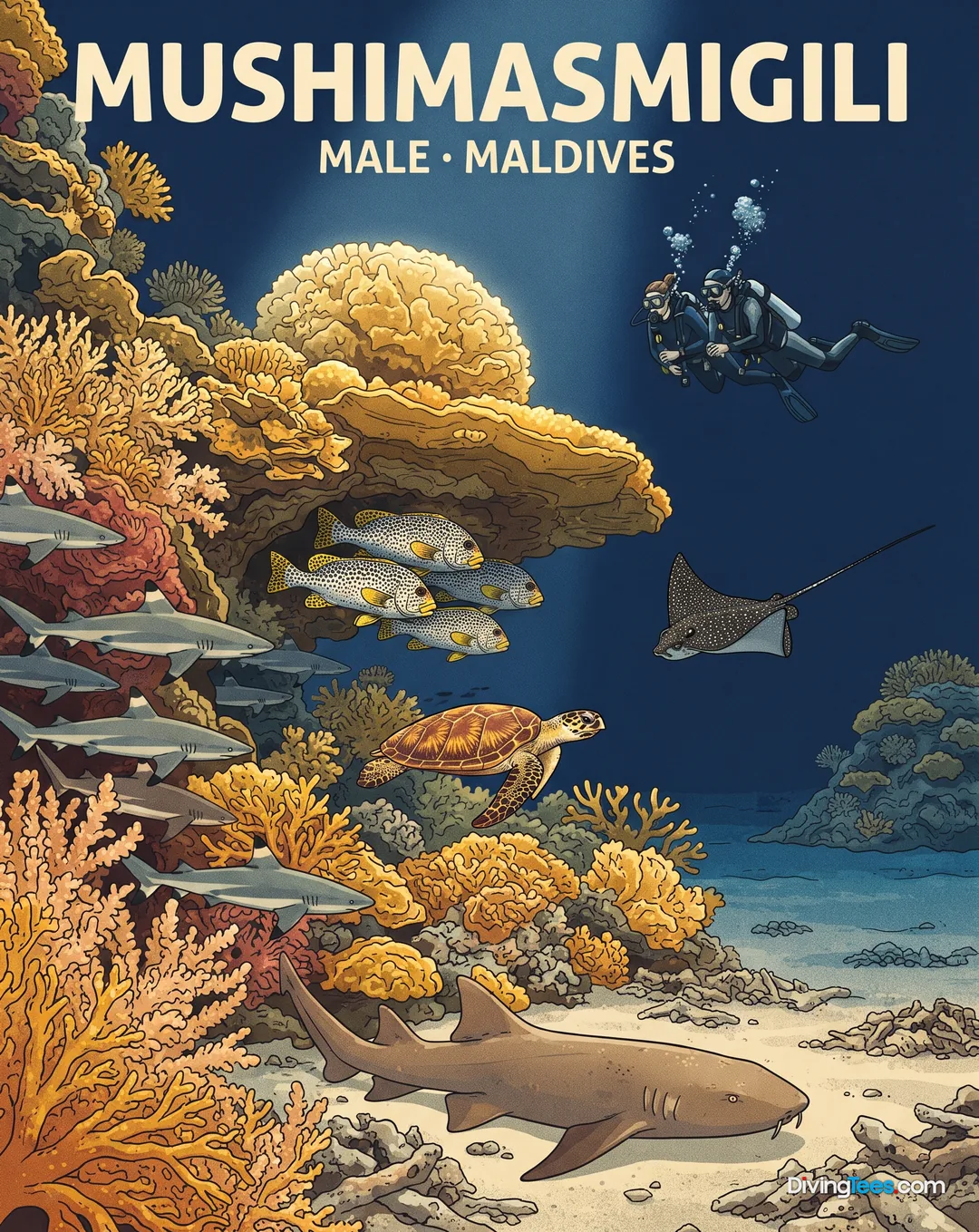
Mushimasmigili Marine Reserve →
Max. depth · 30 m
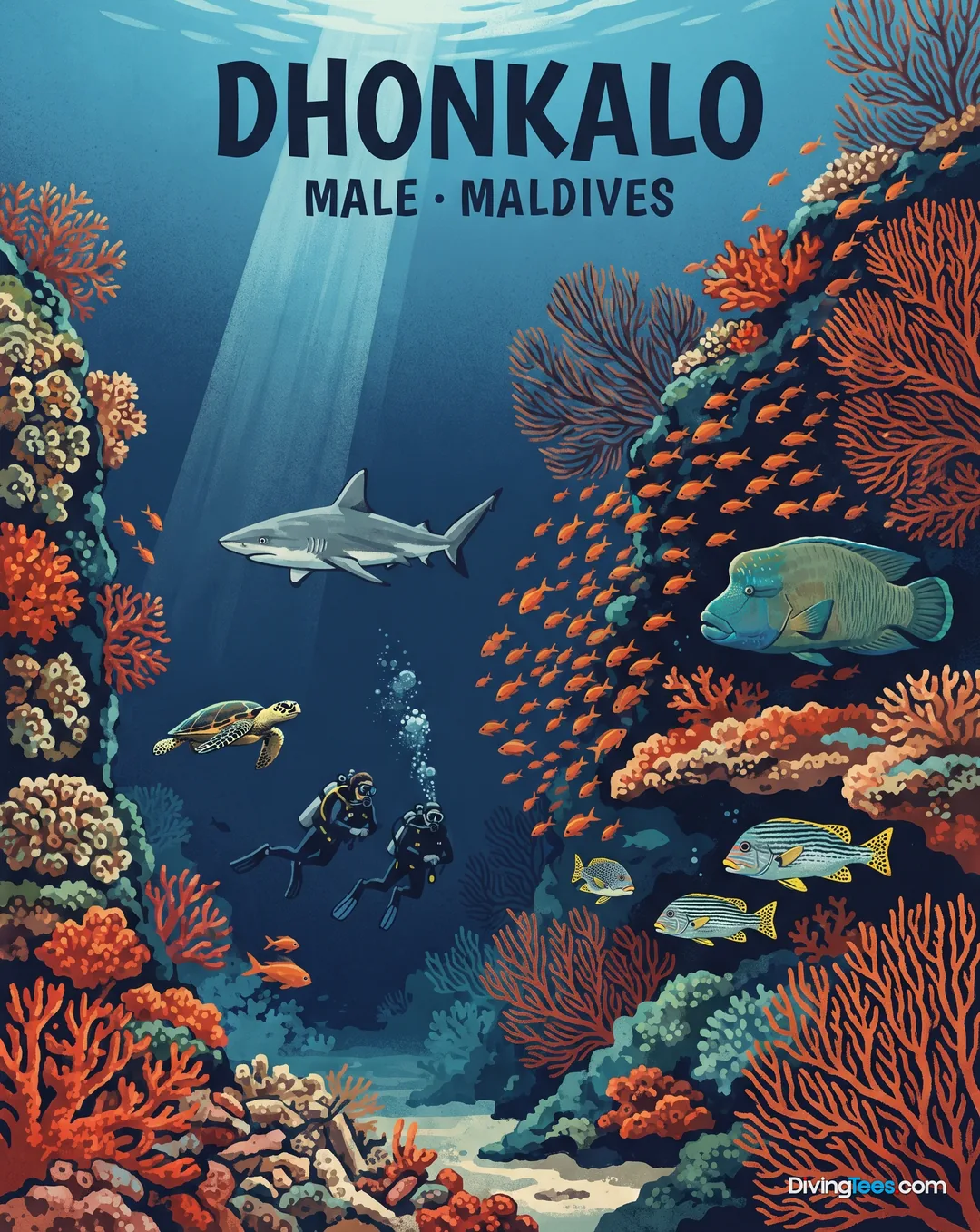
Dhonkalo →
Max. depth · 25 m
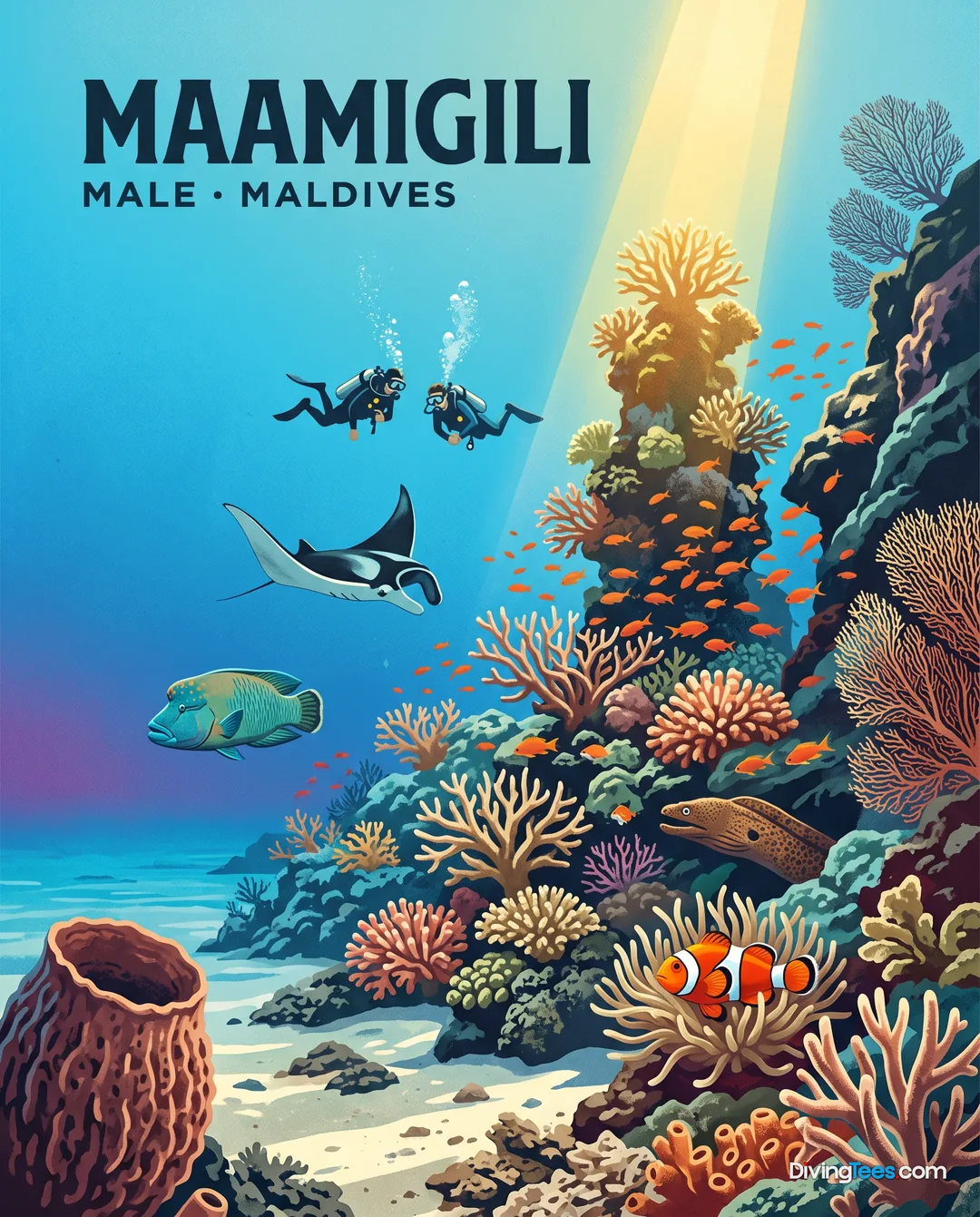
Maamigili →
Max. depth · 30 m
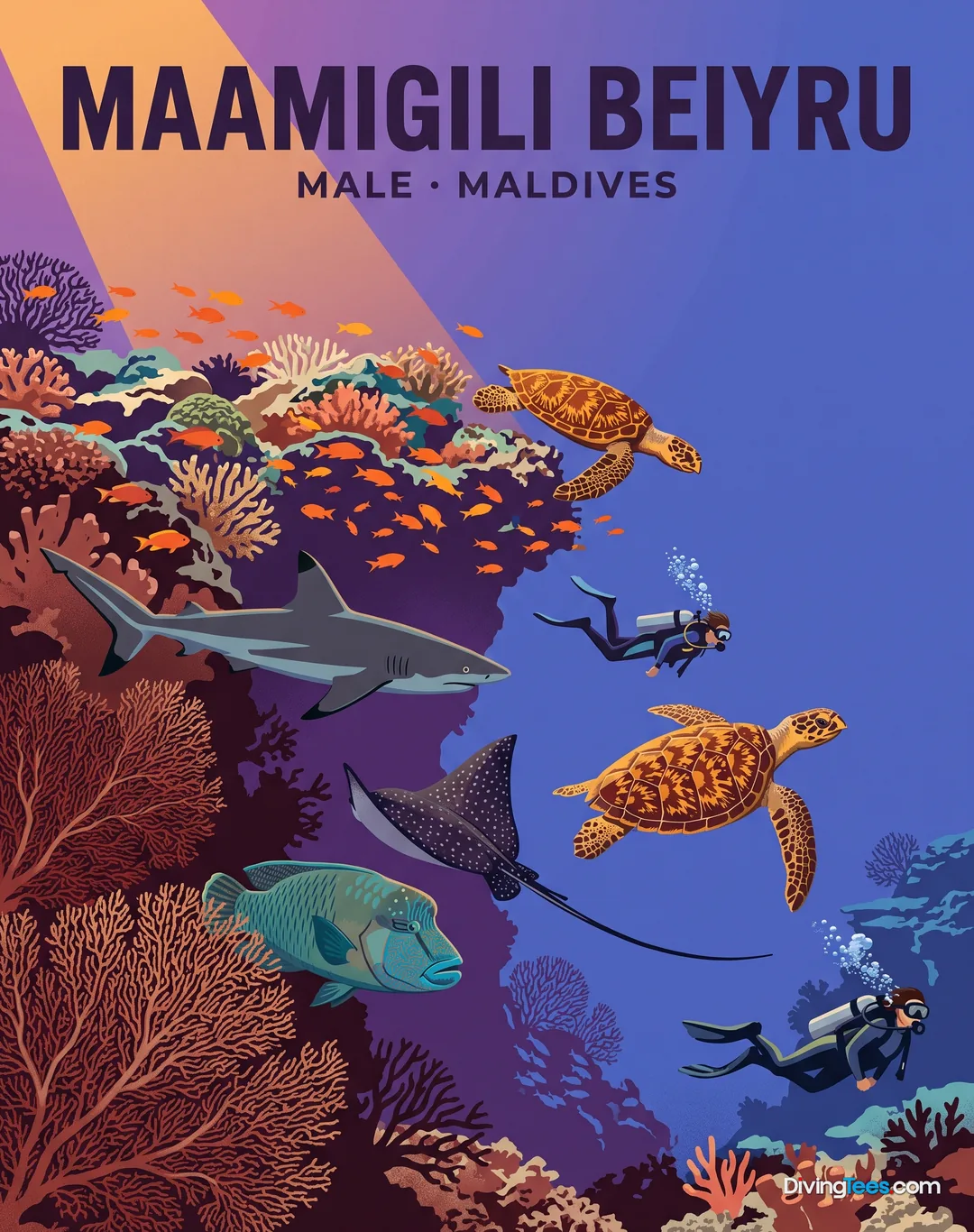
Maamigili Beiyru →
Max. depth · 30 m
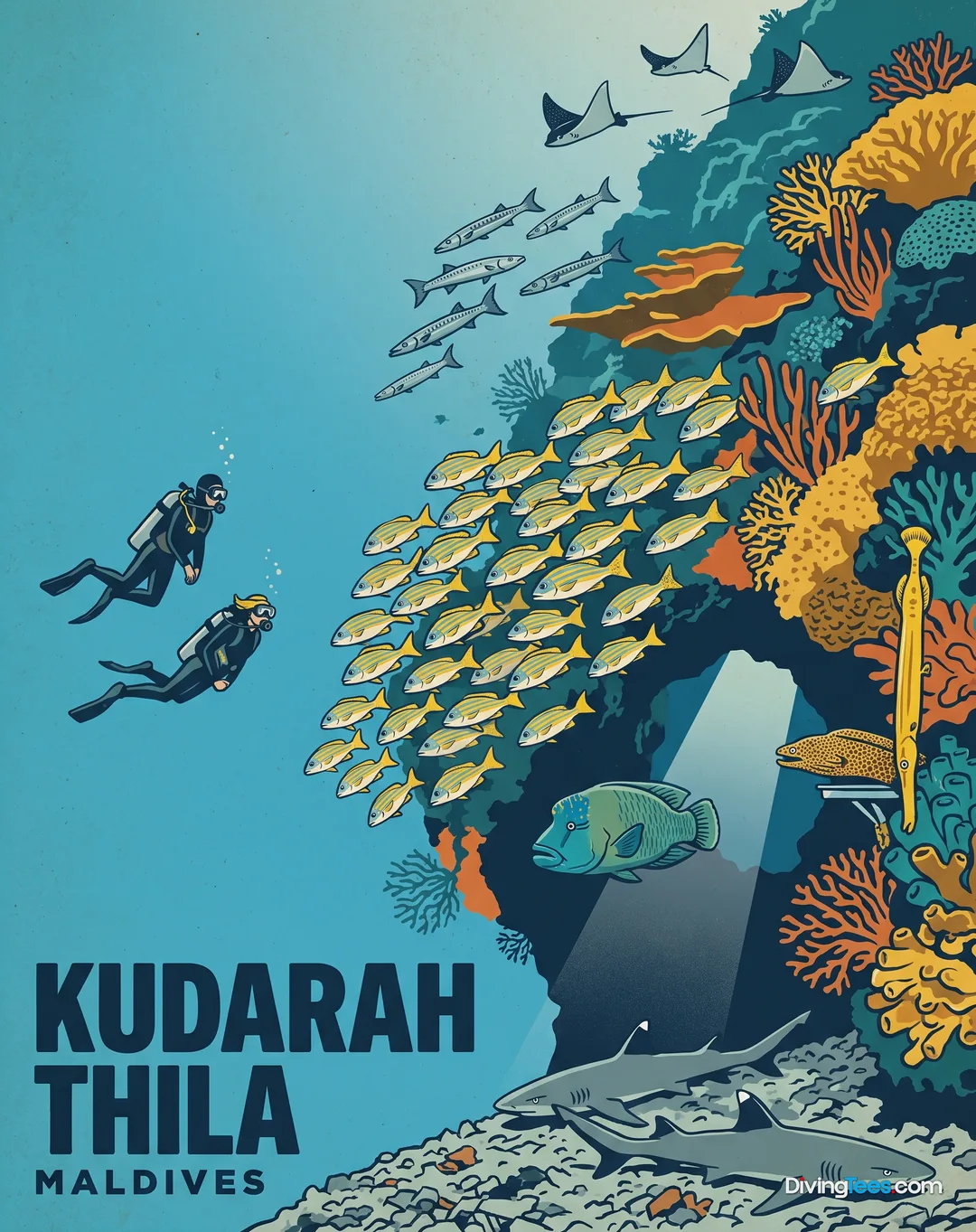
Kudarah Thila →
Max. depth · 25 m
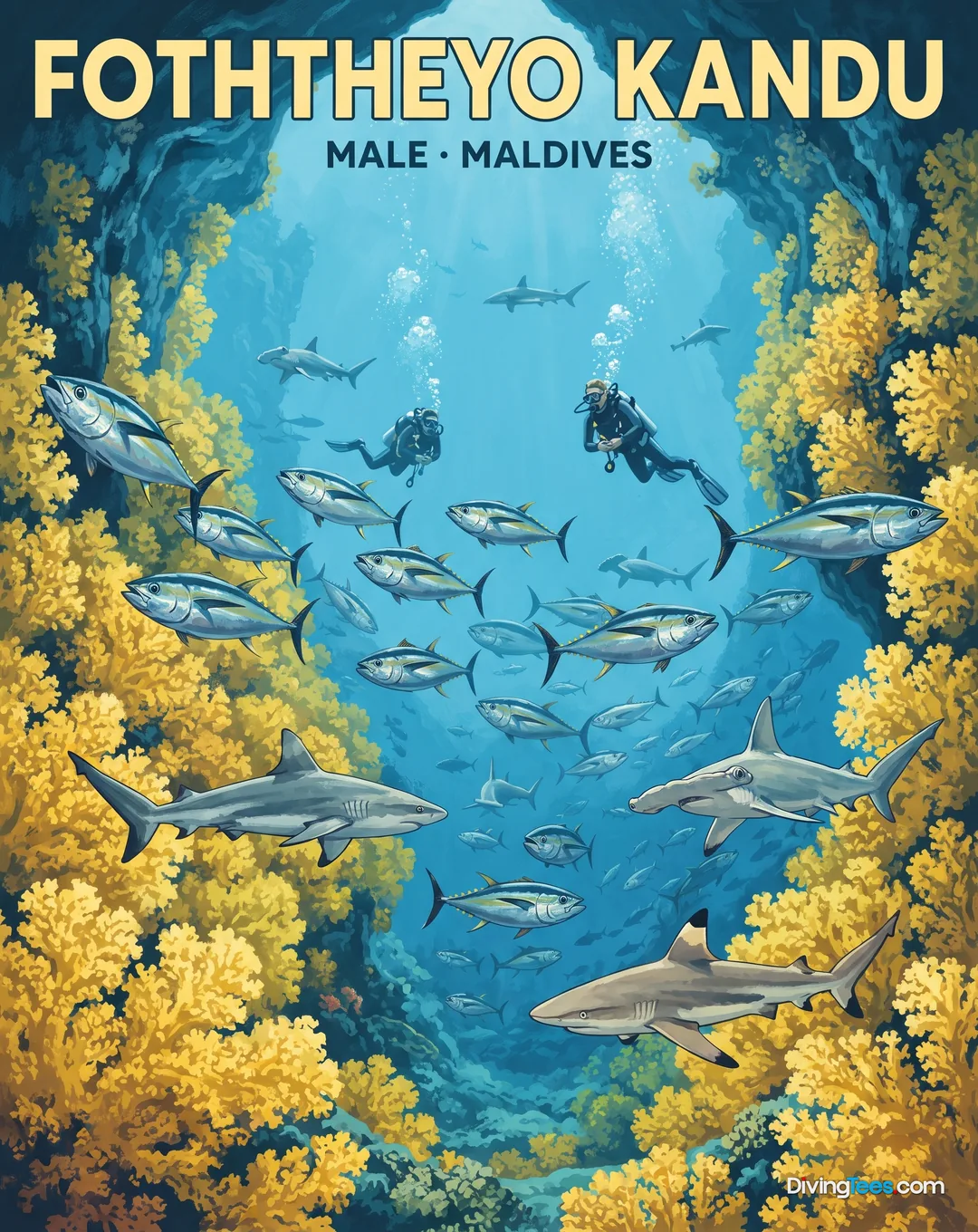
Foththeyo Kandu →
Max. depth · 40 m
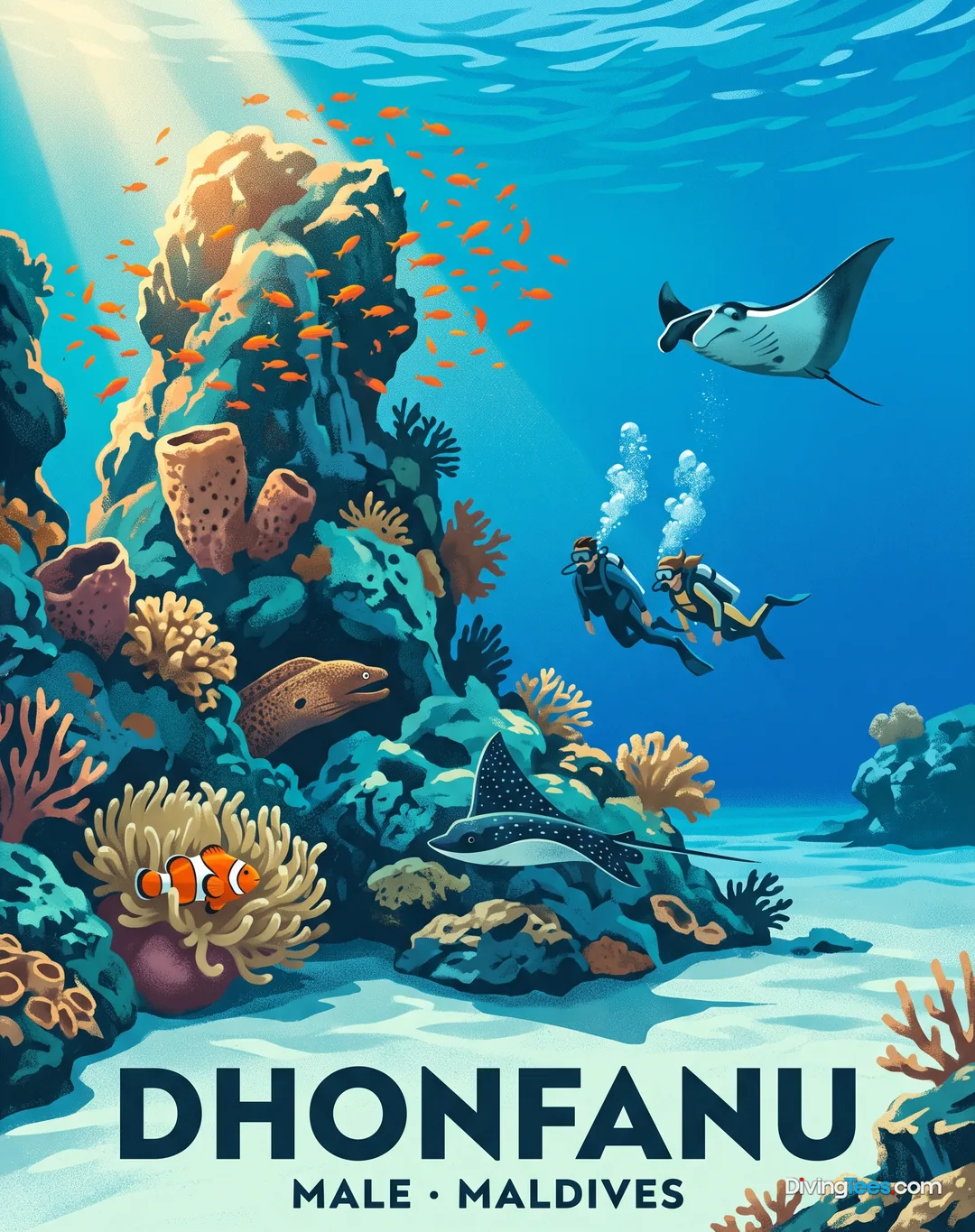
Dhonfanu →
Max. depth · 30 m
Itineraries, dates and prices
Prices per person. Each month shows its lowest price: click a month, or pick an itinerary.
Next departures · 23 departuresfrom £1,306$1,746€1,560
November 2026
January 2027
February 2027
April 2027
Green dot: a discounted departure that month. Discount calculated by us, against the boat's usual price for a trip of the same length.
See dates and prices
If you click these links and make a purchase on the partner site, DivingDeal may earn a commission, at no extra cost to you.
Dates and prices taken from liveaboard.com, updated 25 October 2026
What you’ll meet underwater
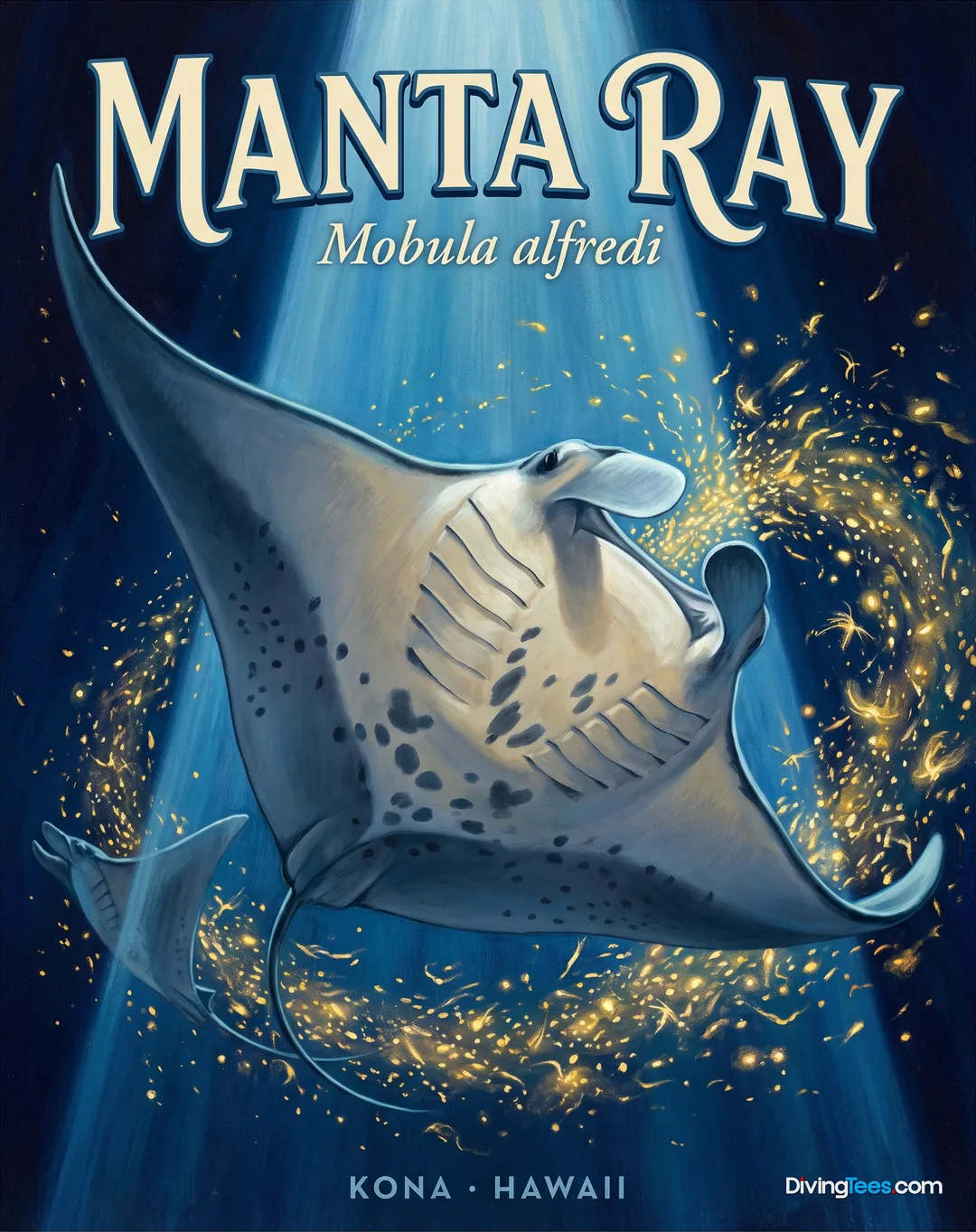
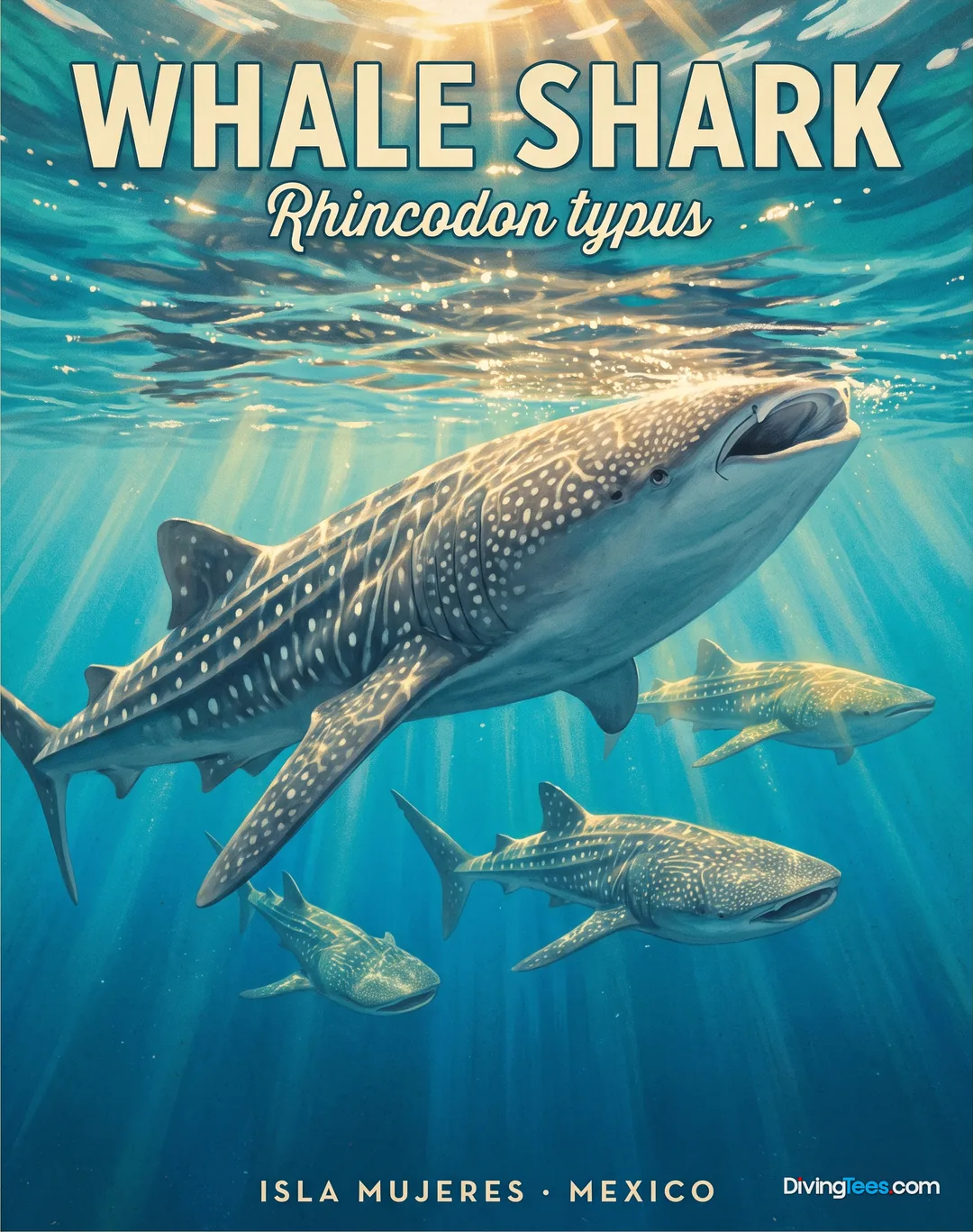
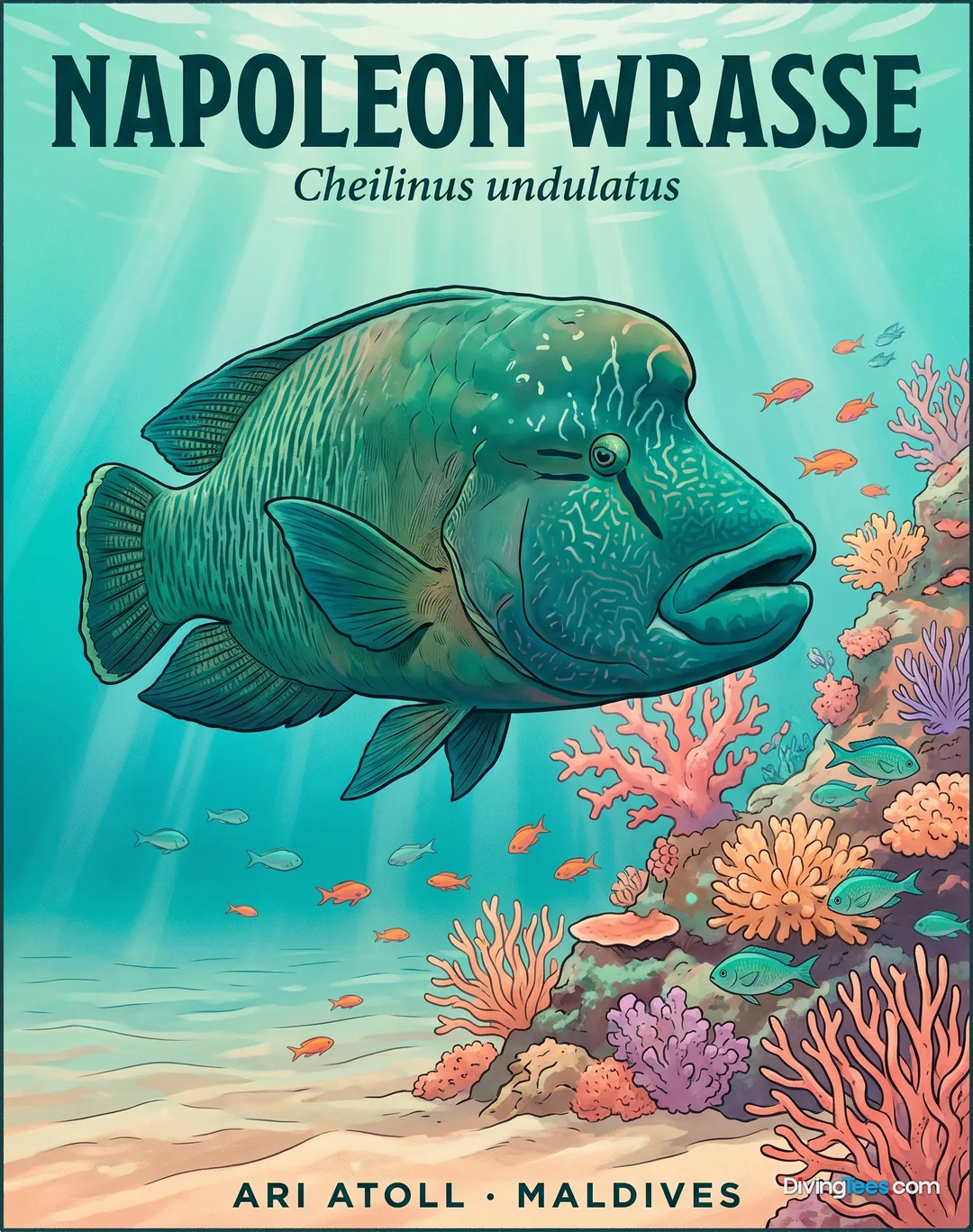
Across this route, the recurring cast is large: Napoleon wrasse, grey reef sharks, manta rays, tuna, sea turtles, fusiliers and eagle rays appear across many of the listed sites, with barracuda, jacks, garden eels, batfish and butterflyfish adding detail to the reef scenes. The reason to stay alert is that each site changes the emphasis. At Kurali Kandu, a cleaning station can bring manta rays close, while garden eels hold in the sand; the same site is the only one on the route where ghost pipefish and garden eels are recorded as particular sightings. Barracuda Giri is the place to look for schooling barracuda, groupers and anthias around the three pinnacles. Banana Reef is the only listed site associated with anemones. Dhigalhi Haa Marine Reserve stands out for soft coral and gorgonians among red coralline algae and acropora. Maamigili is where whale sharks, mantas, porcupinefish and sweetlips may reward a careful search. Kudarah Thila's clefts, caves and overhangs shelter large schools of batfish. None of these encounters is a promise; the channels and cleaning stations are where the conditions give them a chance to happen.
Who puts you in the water
Three experienced guides organise the diving in groups of no more than 6–8 guests, with smaller groups possible when demand allows. Briefings are given in English and can be translated into German; the crew also speaks Italian. The level required is clear: at least 30 logged dives, an Advanced Open Water qualification or equivalent, and Nitrox certification. Divers must be comfortable with moderate current, negative entries and an independent ascent with an SMB in a buddy team. All dives are guided, but the guide is not a substitute for those skills; divers are expected to manage themselves once in the water. Site selection changes with weather, waves, visibility and current, and a diver who is not comfortable with a planned dive can discuss it with the cruise director without pressure. A surface marker buoy, whistle, reef hook, Nitrox-capable computer, alternate air source, cutting tool and torch are required. Oxygen, first-aid kits, ENOS tracking, radios, EPIRBs and trained first-aid crew provide the safety framework.
The dive deck and the gear
The diving happens from AMBA's 18-metre dhoni, not from the mother ship. Six wide exit points and a sturdy boarding ladder make entries and returns less awkward in current, while freshwater showers, a western-style toilet, two rinse basins and towels keep the working deck functional. The dhoni carries 12-litre aluminium cylinders with DIN valves, and 15-litre aluminium cylinders can be pre-ordered as a paid extra; cylinders may be supplied with or without an inlet. Bauer compressors use the PureAir-certified filling system, and Nitrox 32% is included through a membrane system. Adaptors are available for DIN users. Separate rinse facilities protect cameras and equipment, with charging space available aboard. Rental equipment and spare parts can be arranged at extra cost, while sidemount diving is supported. Two tenders support the operation. An ENOS Diver location system, oxygen, first-aid kits, radios and emergency equipment back up the practical layout. The dive deck is shaded, which is a small advantage that becomes important after several entries in Maldivian sun.
Between dives
The shaded deck is the natural place to come back to after a dive: wet towels, a drink from the kiosk and enough air around the seating to avoid crowding the person beside you. The partly covered sun deck takes over when the weather is good, whether the gap calls for a nap, a book or a sunset drink. The air-conditioned salon gives photographers and non-divers a cooler retreat, with a library and audio-visual entertainment for longer crossings. Cameras have a separate rinse area rather than sharing the general gear basins. When there is no dive in the schedule, the extra space matters more than a long list of facilities; guests can spread out, leave the dive deck behind and let the boat cover distance between atolls. Excursions on land and a beach barbecue are also part of the included programme on the relevant routes.
A day on board
A normal diving day is built around two or three guided dives, usually three unless a long channel crossing reduces the programme. The first dive follows the morning preparation and gives divers a chance to settle into the conditions; later dives move through the day's selected channels, thilas and reefs. Breakfast, lunch and afternoon snacks divide the diving, while the boat uses the gaps to shift between atolls or anchorages. One sunset dive and one night dive are included on each trip, with the night dive counted within the daily maximum rather than added on top. The dhoni collects divers after each entry, rinses equipment and returns everyone to the shaded deck or the salon. On the final diving day, the last dive is at 8:00 AM; equipment is then rinsed and left to dry before packing, followed by an afternoon visit to Malé on routes that return there. Dinner and the farewell come after the diving, not before it.
What you eat aboard
Food is one of AMBA's strongest reasons to choose it. The galley serves breakfast, lunch, afternoon snacks and dinner, with Western, Asian, Maldivian and Indian dishes appearing across the trip. Fresh fish may come aboard from the day's catch and is prepared in different ways rather than presented as the same meal repeatedly. Vegetarian and vegan dishes are taken seriously, including their protein content and the avoidance of animal-based sauces in vegan cooking. Guests describe the food as healthy, tasty and consistently excellent, with a special dessert often arriving in the evening. Water, tea, coffee and juice are available throughout the day; beer, wine and other drinks are bought from the onboard kiosk. After a current-heavy dive, the value is practical: a proper meal is ready without anyone needing to leave the boat, and the table becomes the place where the group compares what moved through the channel.
Nights at sea
The cabins are air-conditioned and each has a private bathroom with hot water, a washbasin and a western-style toilet. Upper-deck options include double-bed cabins, while the luxury cabins add a private terrace and ocean view; lower-deck cabins are arranged with single or double beds. The useful difference is not the label but the position: upper-deck cabins give more immediate access to open air, while lower-deck cabins place the bunk closer to the boat's working machinery. Passenger feedback has noted noticeable generator noise at night in at least some cabins. That is worth weighing before choosing a berth. In return, the cabins are spacious for a liveaboard, cleaned daily and supplied with fresh towels and toiletries. Between dives, the air-conditioned salon and broad decks mean the cabin does not have to serve as the only quiet refuge.
Standard Cabin - Lower Deck
Standard Bow Cabin - Lower Deck
Luxury Cabin - Upper Deck
Standard Cabin - Upper Deck
What to know before boarding
AMBA's central and shorter routes depart from and return to Malé. Airport transfers from Velana to the vessel, and back on disembarkation day, are included; pickup is arranged during the 12:00–16:00 arrival window. Check-out in Malé is between 06:30 and 08:30. Arriving in Malé the night before is the sensible choice, so a delayed flight does not consume the boarding window.
Deck plan
- Year built
- 2004
- Year renovated
- Annually
- Length
- 32 m
- Beam
- 10 m
- Maximum number of passengers
- 20
- Number of cabins
- 10
- Number of bathrooms
- 10
- Engines
- heavy-duty Yanmar 370 hp
- Cruising speed
- 8.5 knots
- Tenders
- 2
- Website
- amba-malediven.com ↗
Hello, I'm Marina, DivingDeal.com's AI assistant. I answer in detail about hotels, dive centres and liveaboards.
Thinking about the whole trip and the flights? Talk it over with Edith →
Marina is an AI. Some links are affiliate links: DivingDeal may earn a commission, at no extra cost to you. Bookings are made with the partner.