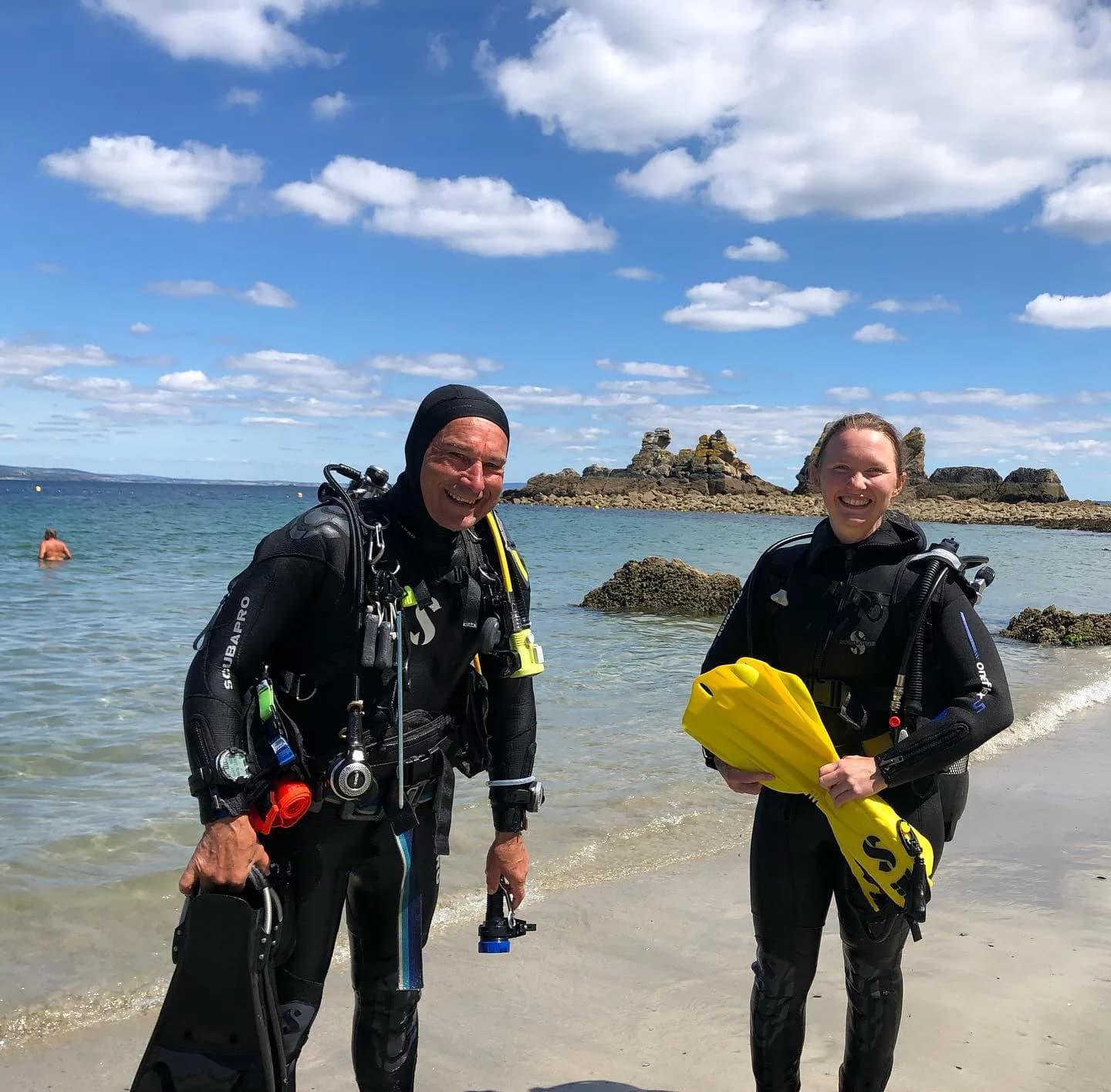
I.S.A Diving Center
★ 4.7/5 (105 reviews)
10 km away as the crow flies
Brittany · France · Mediterranean
Max. depth · 20 mDescend into a unique Breton landscape of granite blocks and kelp forests, a vibrant nursery for a wide array of benthic life and larger fish.
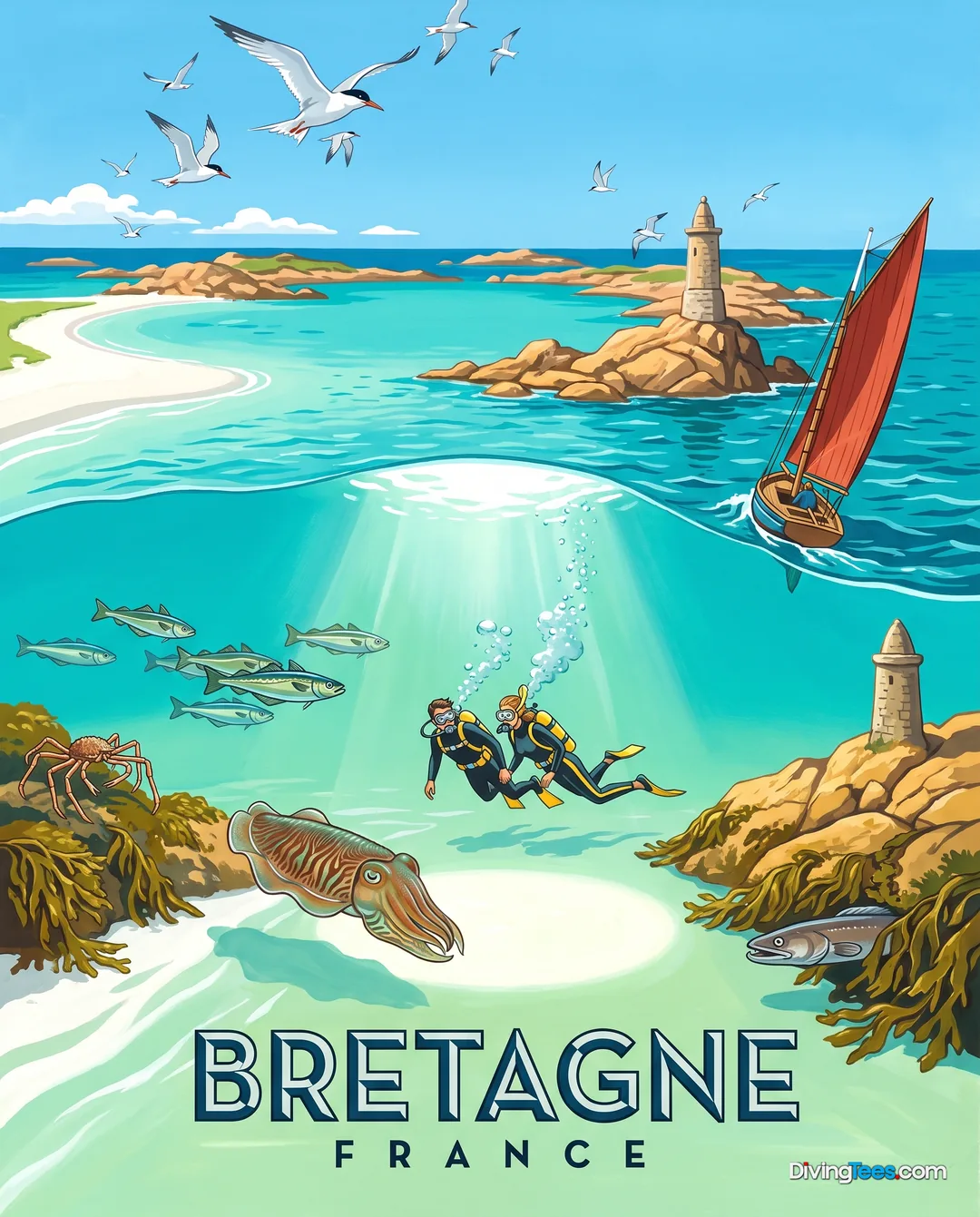
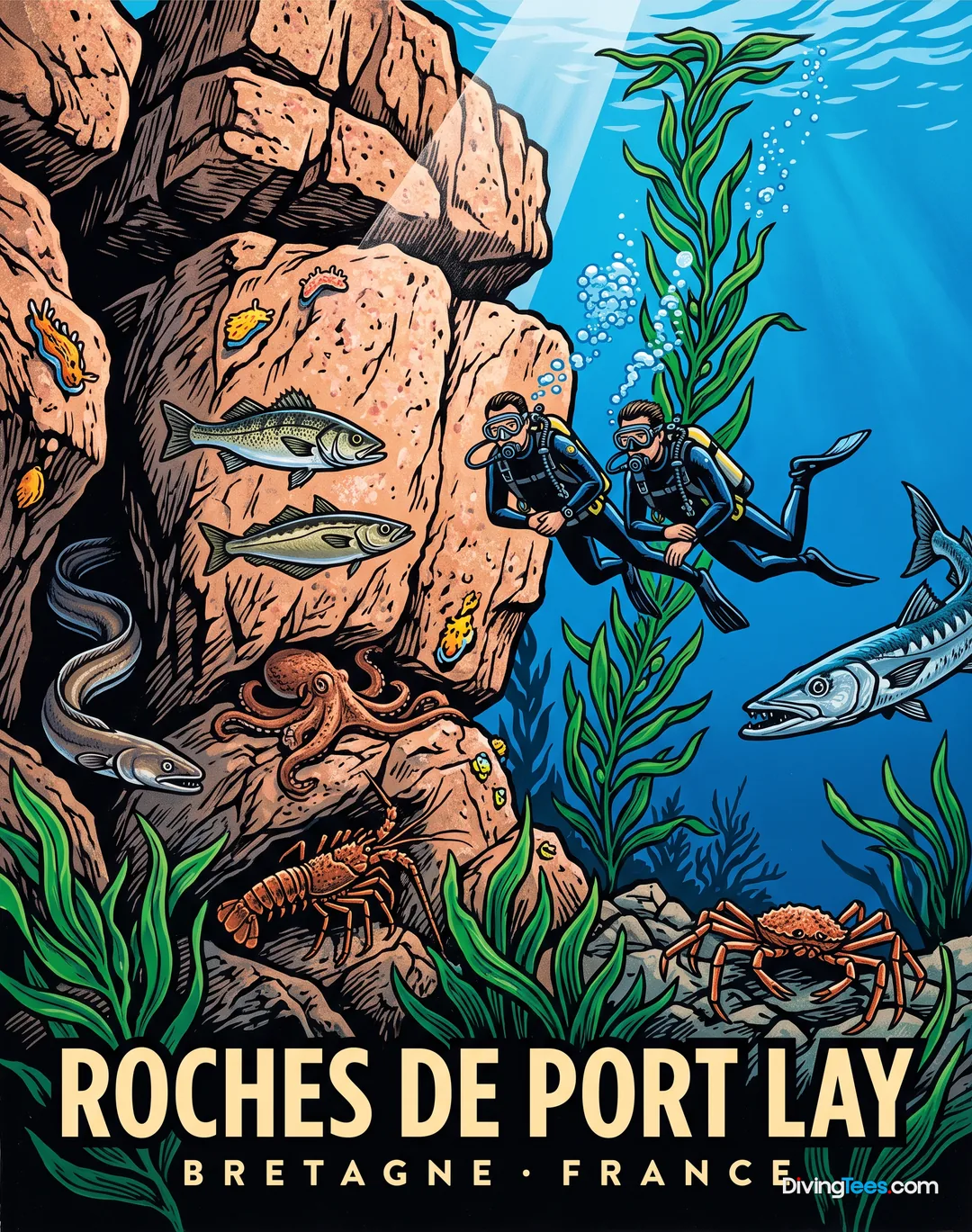
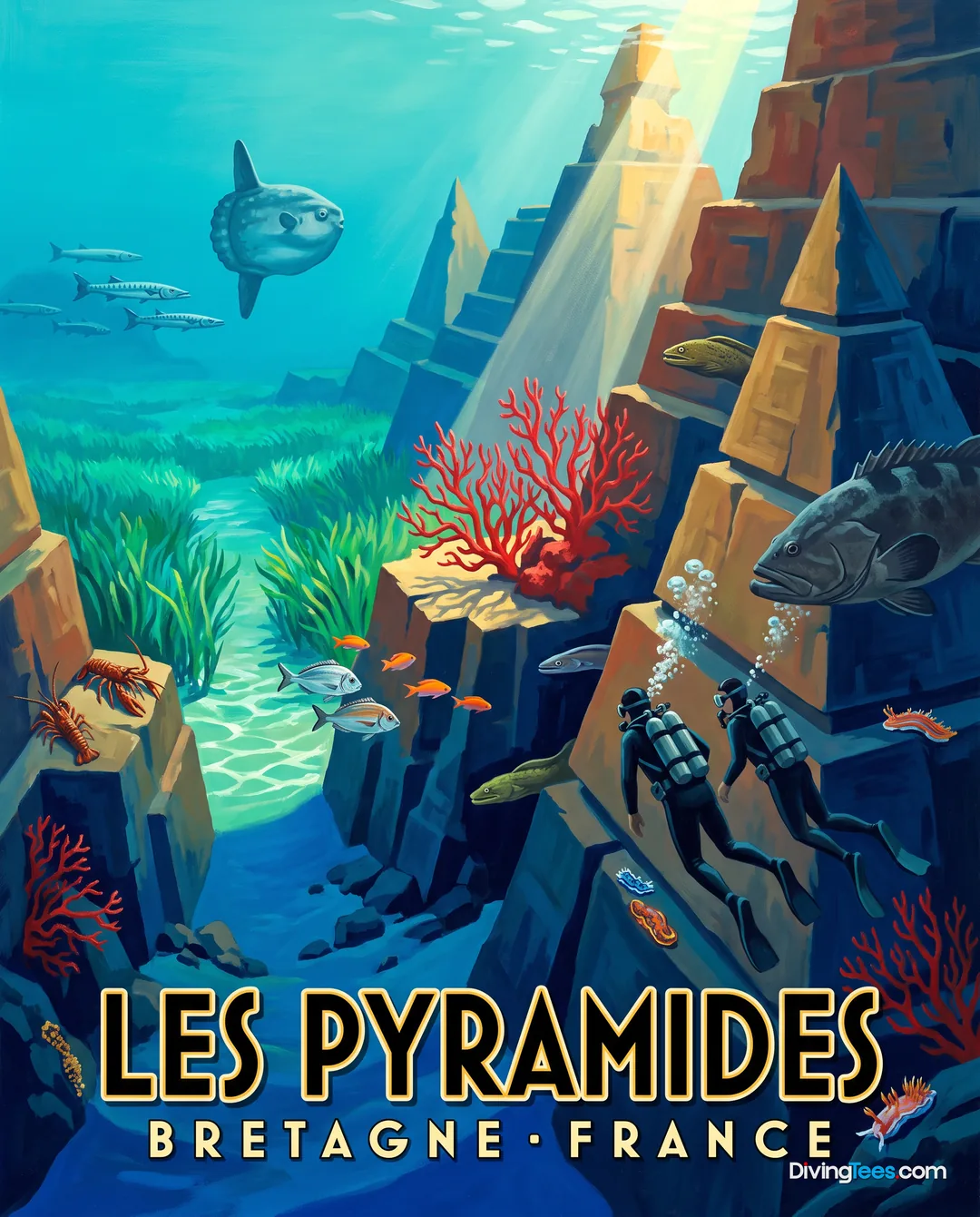
Diving Camaret Le Trez Roux brings you into a distinct granite reef system typical of Brittany, starting in shallow waters and descending to a maximum depth of 20 meters. The topography is dominated by fields of substantial granite blocks, creating a complex underwater labyrinth. You'll navigate through dense kelp forests that sway with the gentle surge, forming a constantly shifting backdrop for the rich macrofauna.
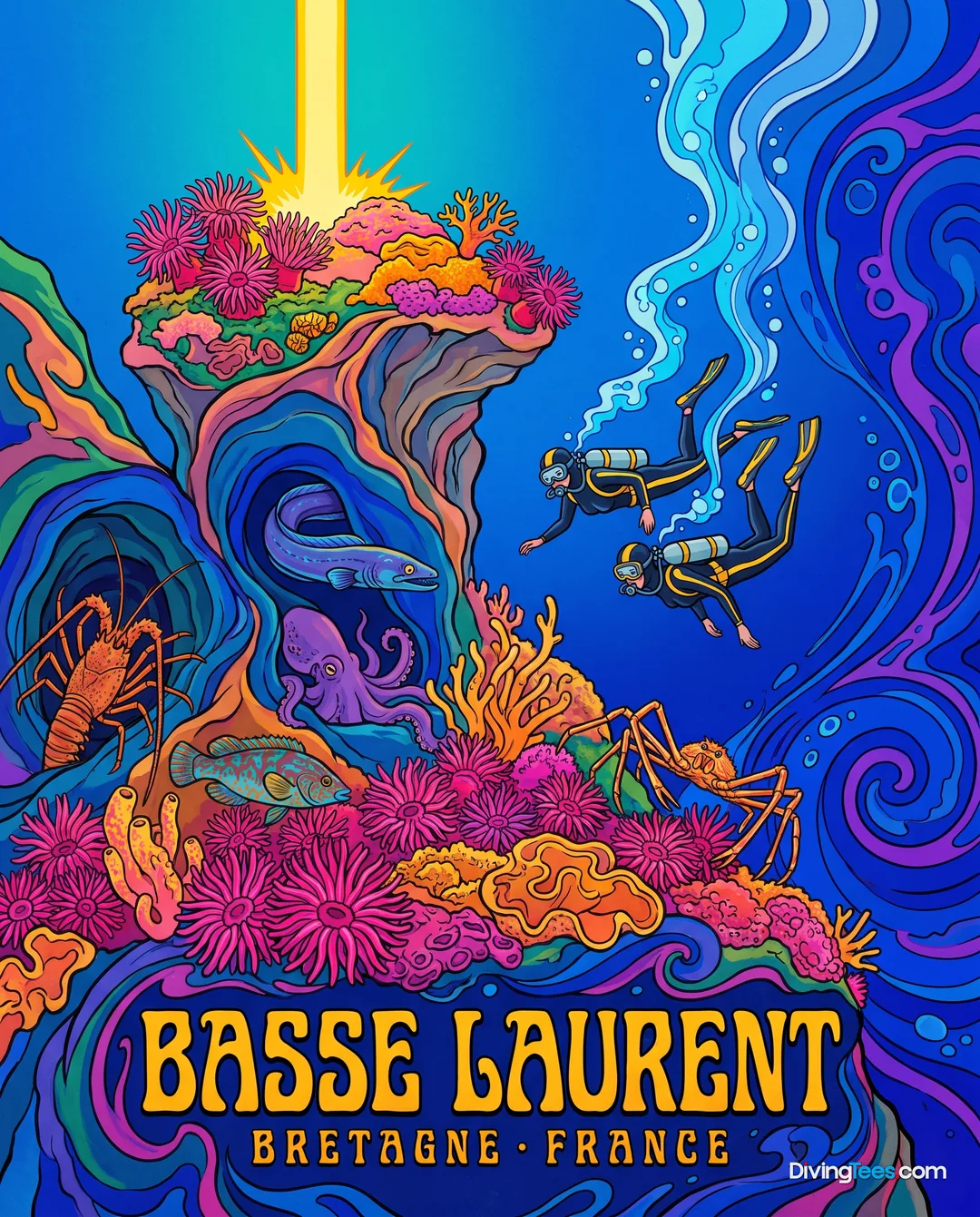
The core of the dive often unfolds between 15 and 18 meters, where the granite blocks are most concentrated and the kelp transitions into a mosaic of rock faces. These surfaces are heavily colonized by an abundant fixed fauna, offering a kaleidoscope of colours. Keep an eye out for the intricate patterns formed by jewel anemones (Corynactis viridis) clinging to the rock, their vibrant hues adding to the visual appeal.
As you explore the site, you'll find numerous small cavities and narrow passages woven into the rock formations. These microhabitats serve as shelters for various species, demanding a close inspection to reveal their occupants. It's in these nooks that you might encounter European lobsters (Homarus gammarus) and spider crabs (Maja brachydactyla), often tucked away in crevices.
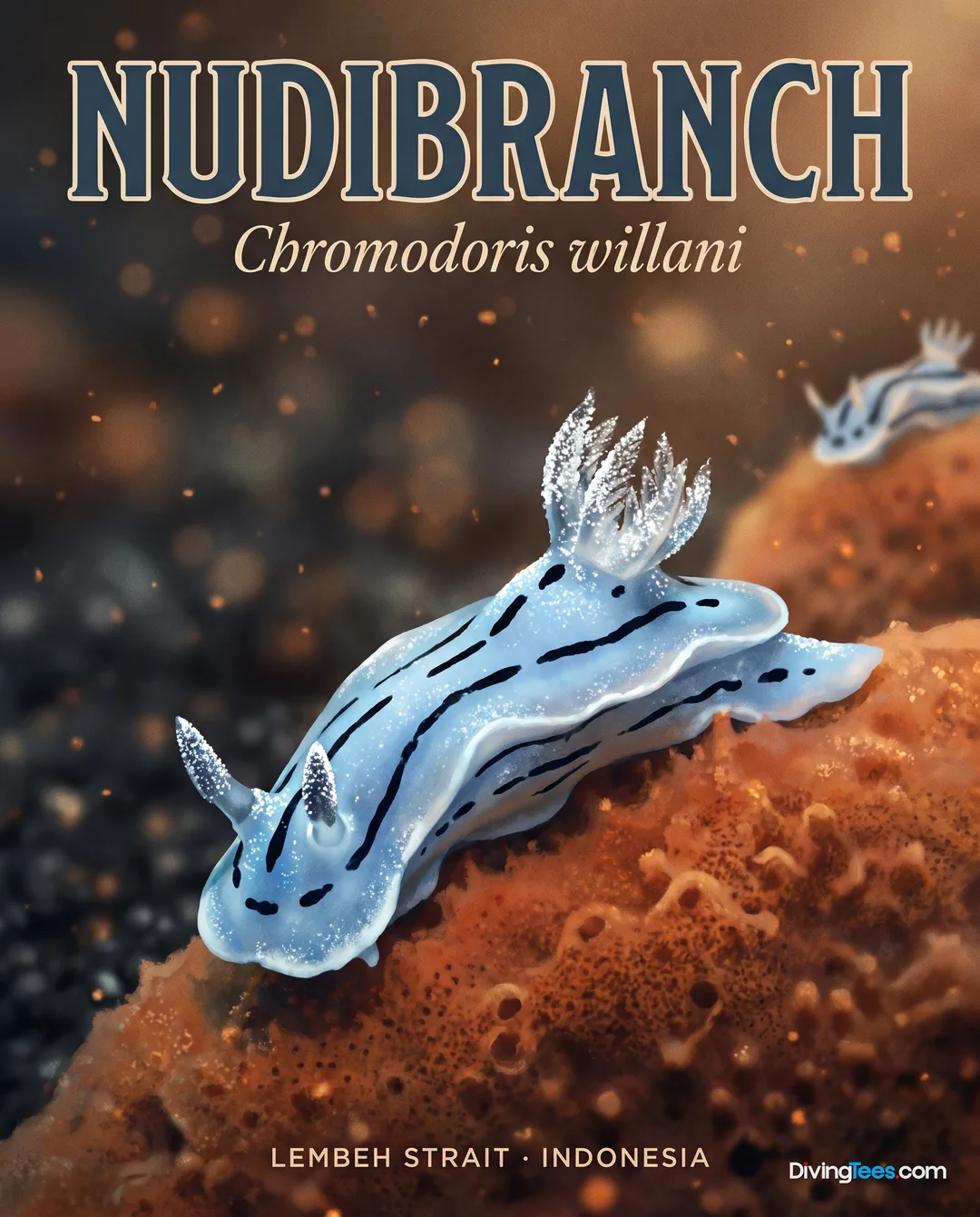
The site stands out for its exceptional nudibranch diversity, making it a prime location for macro enthusiasts. These colourful sea slugs are found across the reef, grazing on hydroids and sponges, and their intricate forms are a constant delight. This concentration of nudibranchs is a hallmark of Le Trez Roux, setting it apart from many other local reefs.
Beyond the macro life, the reef supports a healthy population of larger fish. You'll commonly see ballan wrasse (Labrus bergylta) and cuckoo wrasse (Labrus mixtus darting among the kelp and rocks. Pollack (Pollachius pollachius) and European bass (Dicentrarchus labrax) are also frequent visitors, often patrolling the edges of the deeper sections.
An unusual feature of Camaret Le Trez Roux is the reported presence of larger 'grouper-like' fish in its deeper areas. While less common, these sightings add another layer of interest to the dive, contrasting with the more typical reef inhabitants of the region. This makes the transition from the shallower kelp beds to the deeper block fields particularly rewarding.
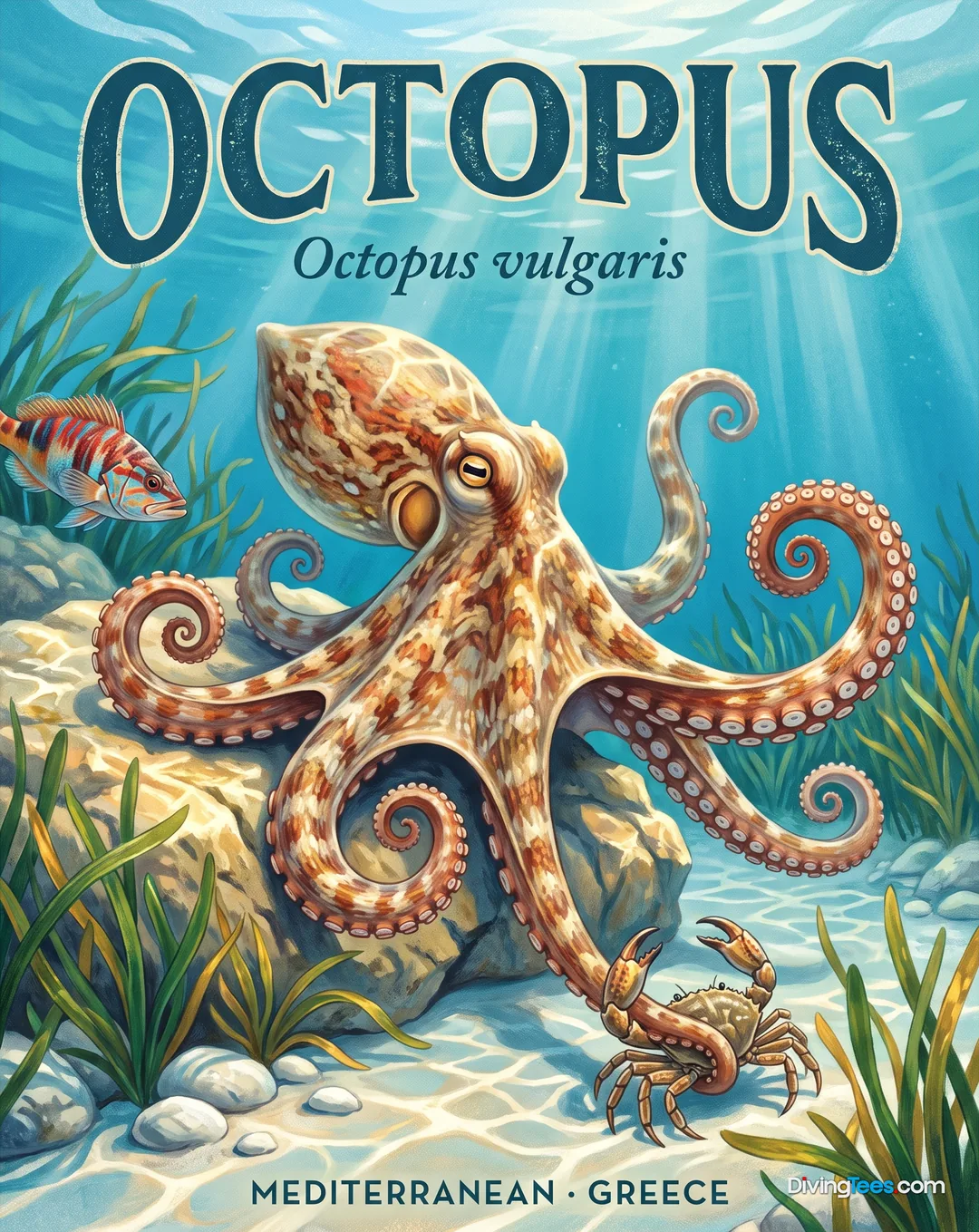
Exploring the complex structure of the reef, you'll also encounter conger eels (Conger conger) peering from their rocky hideaways, and octopuses (Octopus vulgaris) camouflaged against the stone. These encounters underscore the site's role as a rich and productive ecosystem, supporting a wide range of marine life from the smallest nudibranchs to apex predators.
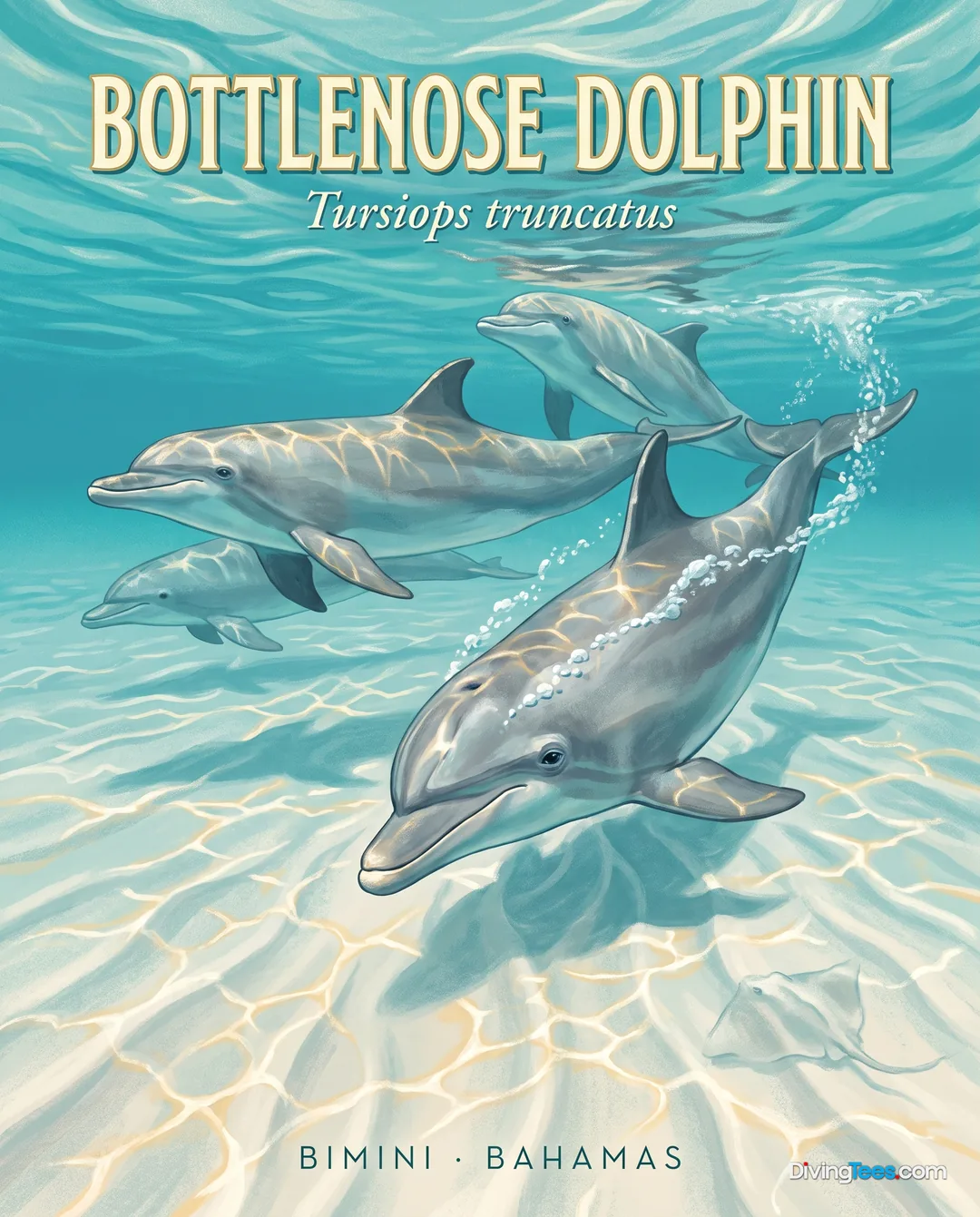
Occasionally, you might be joined by common seals (Phoca vitulina) or even see dolphins (Tursiops truncatus) passing in the distance, especially during the summer months. These pelagic encounters, while not guaranteed, highlight the vibrancy of the surrounding waters and contribute to the dynamic experience of diving this Breton reef.
This site is accessible by boat, with dive depths ranging from a minimum of 8 meters to a maximum of 20 meters. It requires an Advanced certification due to its cold water environment and the need for comfort in navigating rocky reef structures and kelp. While specific current regimes vary, conditions in Brittany are influenced by tidal patterns; expect potentially variable currents and consult local dive centers for daily conditions. The optimal season for diving Camaret Le Trez Roux is during the summer.
★ 8.7/10 (468 reviews)
79 km away as the crow flies
★★★★
★ 8.2/10 (72 reviews)
66 km away as the crow flies
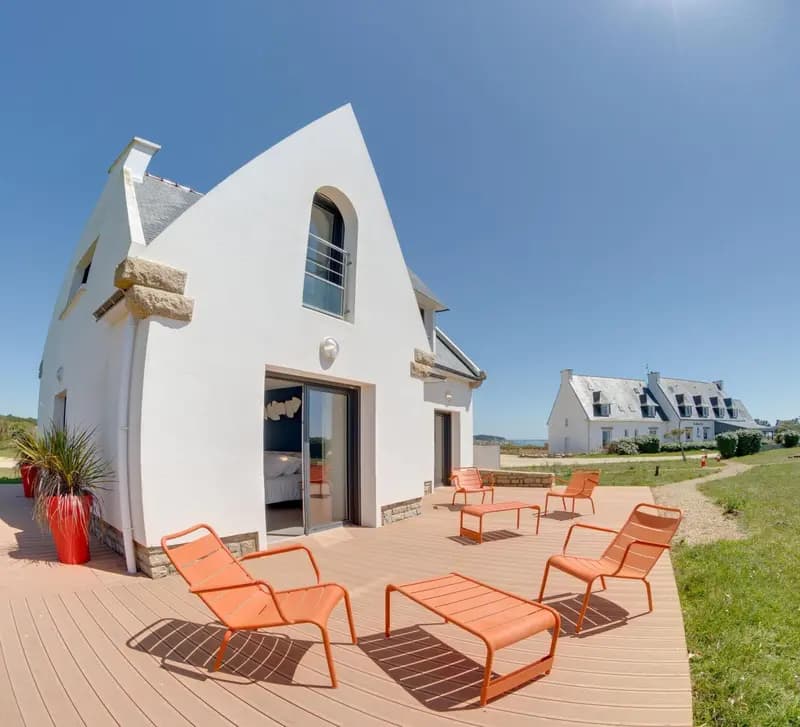
★★★
★ 8.6/10 (129 reviews)
81 km away as the crow flies
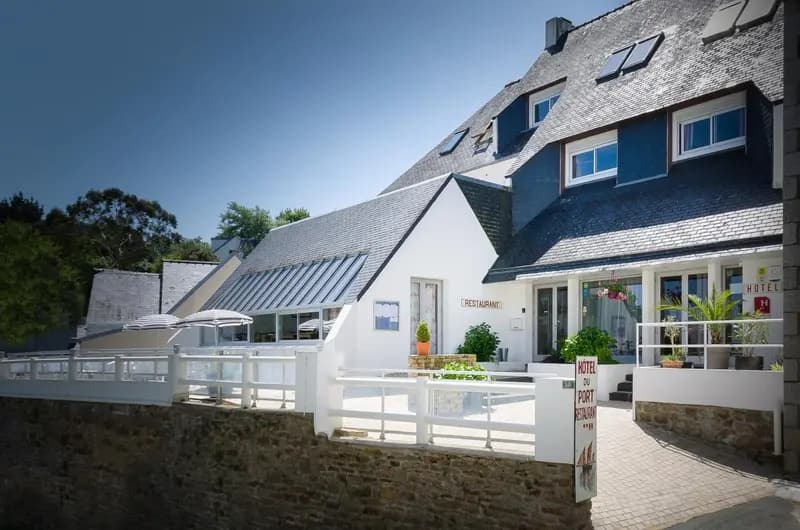
★★
★ 8.7/10 (146 reviews)
83 km away as the crow flies