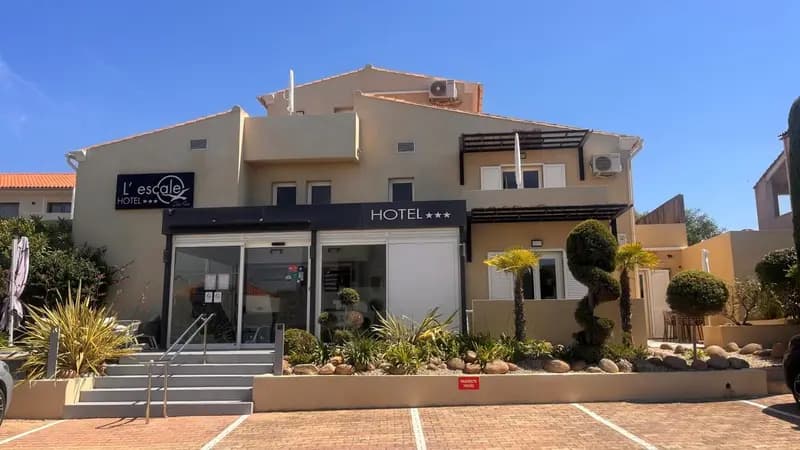
Hôtel L'Escale Coté Port
★★★
★ 9.2/10 (1,315 reviews)
80 km away as the crow flies
Dive centre · Corse · France
5.0373 Google reviewsExplore the diverse marine life of the Ajaccio gulf aboard the semi-rigid Lilou, with access to technical training and rebreather diving.
For subtitles in English: start the video firstthen click the gearat the top right of the video, select “Subtitles/CC”, then “Auto-translate” and choose “English”.
A L'EAU PLONGEE is a dedicated diving club situated in Ajaccio, positioned conveniently near the airport at Plage de Tahiti. The centre provides a gateway to the varied underwater landscapes of the Corsican coast, operating primarily out of the Ajaccio gulf.
Whether you are looking to take your first breath underwater through a discovery dive or you are an experienced diver seeking technical progression, the club offers a structured environment. The centre is affiliated with the FFESSM, ensuring a recognised framework for all training and exploration dives.
The team is composed of state-qualified instructors and passionate professionals who manage everything from guest reception to technical instruction. They are supported by trainee instructors and dive guides, ensuring a professional approach to every outing.
Instruction is available in French, and the team focuses on maintaining a safe, welcoming atmosphere. The club is well-equipped to handle a variety of profiles, including children from age 8 through specific junior certification programmes.
The training catalogue is extensive, following the FFESSM curriculum. Beginners can start with a discovery dive or move through the Niveau 1, Niveau 2, and Niveau 3 progression. For those looking to specialise in depth or technical skills, the centre offers PE12, PE40, and PE60 certifications.
Technical and gas-related training includes Nitrox Élémentaire and Nitrox Confirmé, as well as rebreather initiation. There is also a dedicated programme for younger divers, including Bronze, Silver, and Gold levels.
The centre operates the Lilou, a semi-rigid vessel used for excursions throughout the gulf. The boat provides a stable platform for accessing the various reefs and wrecks that define this stretch of the Mediterranean coast.
Full equipment hire is available on-site, covering essential kit such as wetsuits, fins, masks, BCDs, and regulators. For those who prefer to use their own computer, rental units are also provided.
Technical divers will find Nitrox capabilities on-site, and the centre also supports rebreather diving. Air fills are available, and the centre provides oxygen for safety purposes.
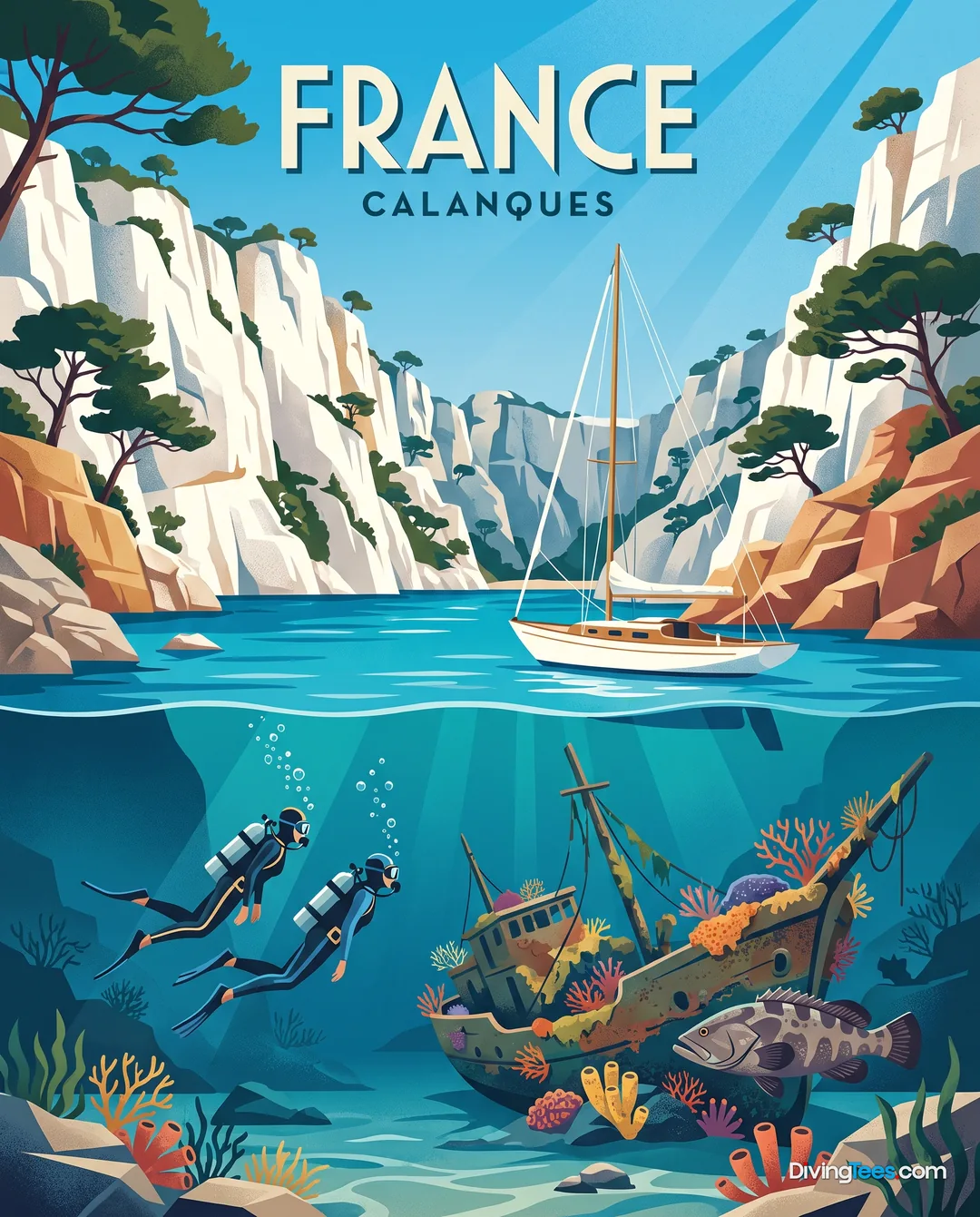
Le Mario is a wreck located at a depth of 8 metres near Pietrosella. This well-preserved site serves as a nursery for local marine life and is accessible to all levels, including those on discovery dives.
L’Épave du Palmer Ort is a tugboat resting at 20 metres near the Ajaccio commercial port. This site is suitable for Niveau 1 divers with some experience and offers a mysterious atmosphere with structures that host various crustaceans and fish.
La Balise de la Citadelle, also known as the first beacon, offers dives down to 20 metres. It is an easy-access site where you can encounter barracuda, octopus, and occasionally a stingray while overlooking the old town of Ajaccio.
Les Sette Nave consists of seven rocky islets known as the Pointe des Sette Nave. This protected site features unique rock formations, small caves, and various drop-offs that are ideal for all levels of divers and snorkelers.
And some of the dive sites the centre runs.
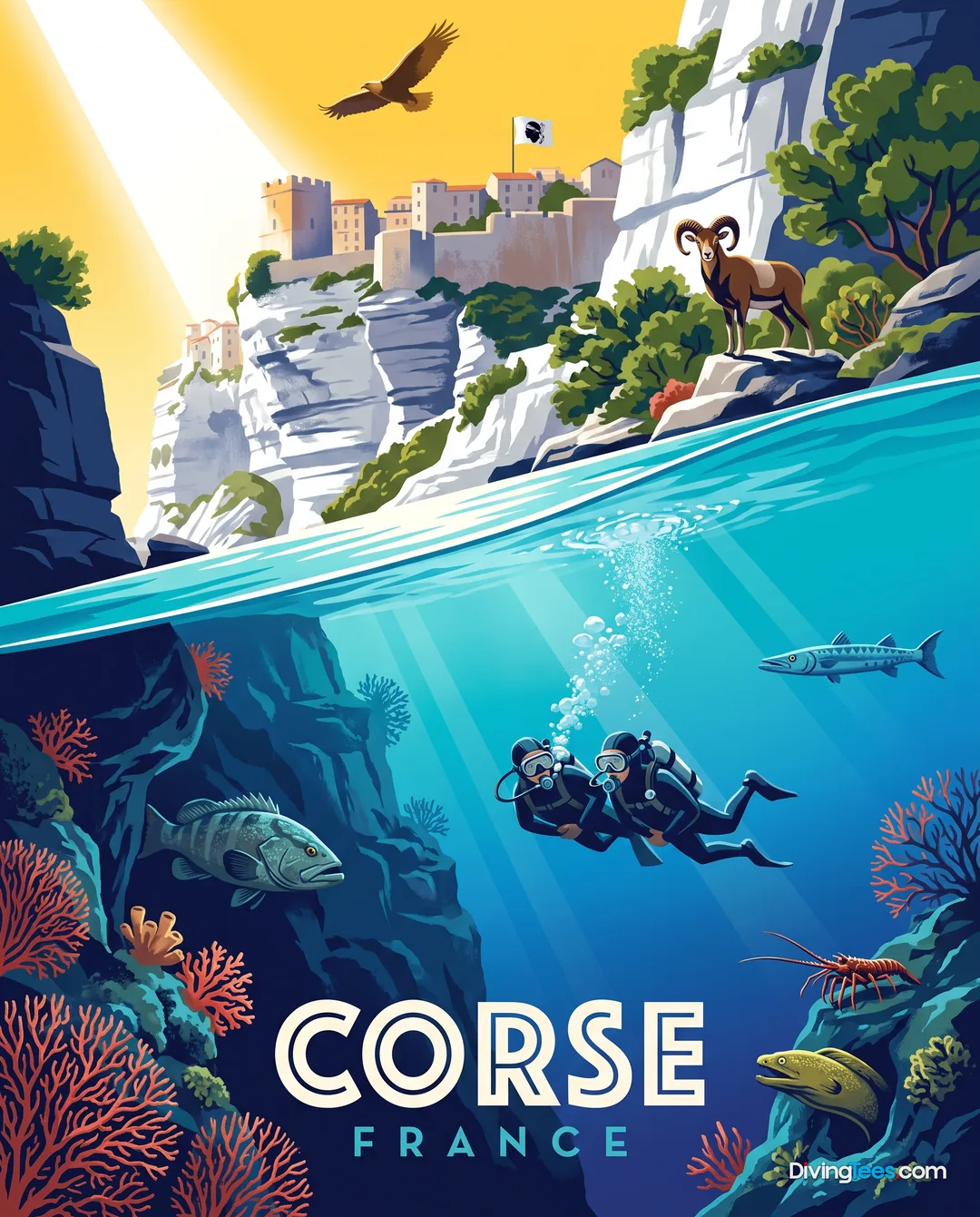
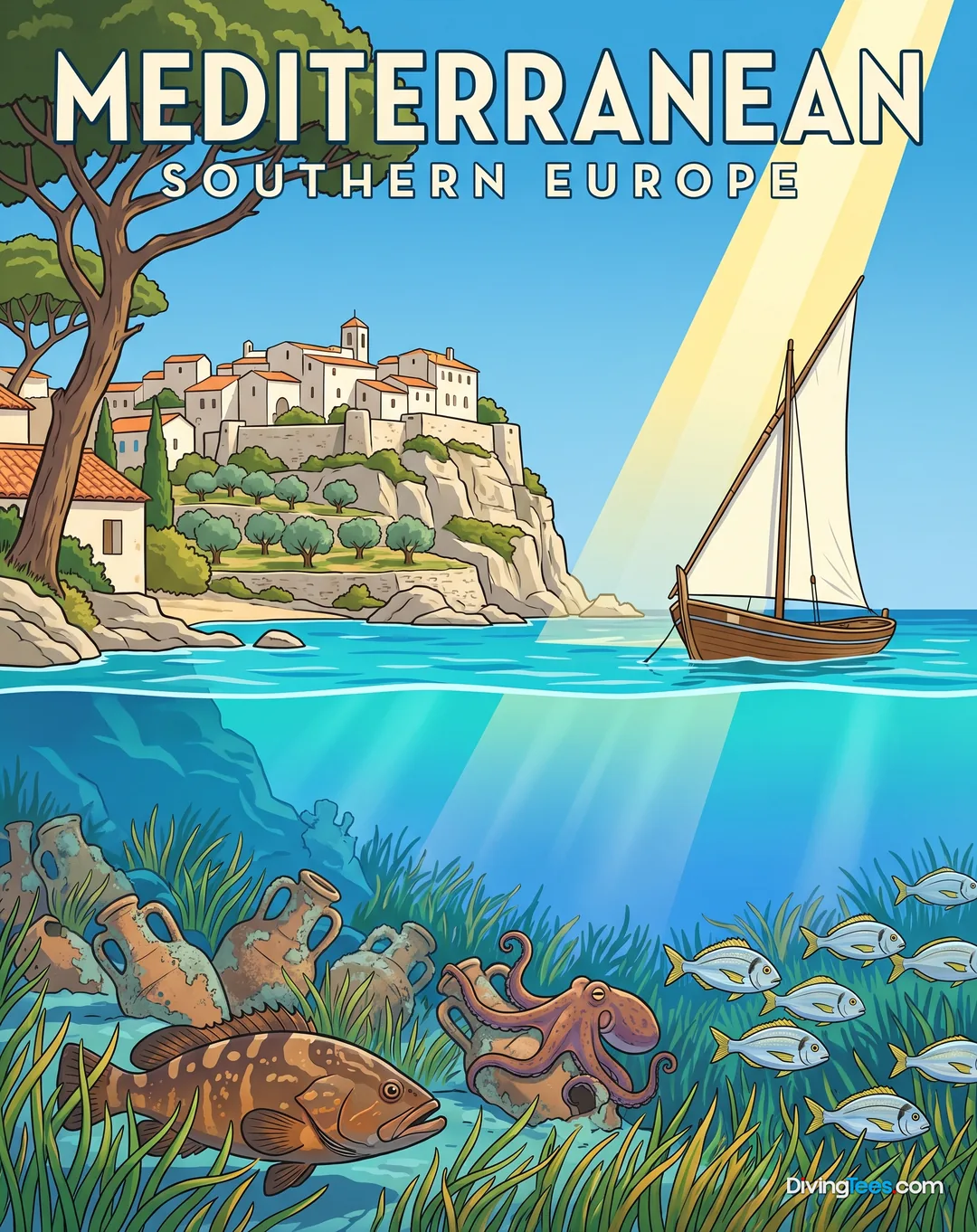
The reefs and rocky structures of the gulf are home to a diverse range of Mediterranean species. You will frequently encounter groupers, moray eels, and various rays, including the Southern stingray. Schools of amberjack and barracuda are also common sights around the drop-offs and rocky outcrops.
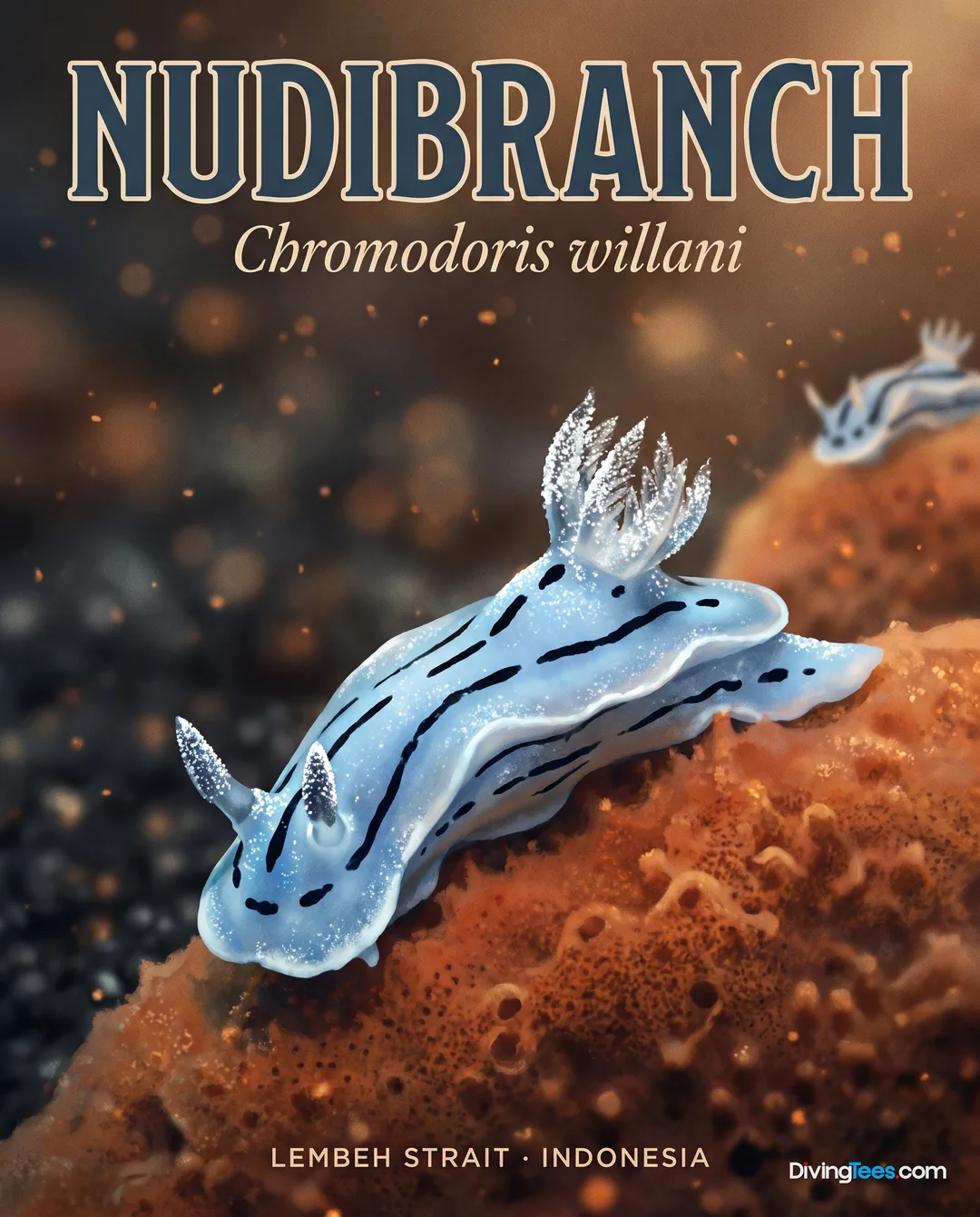
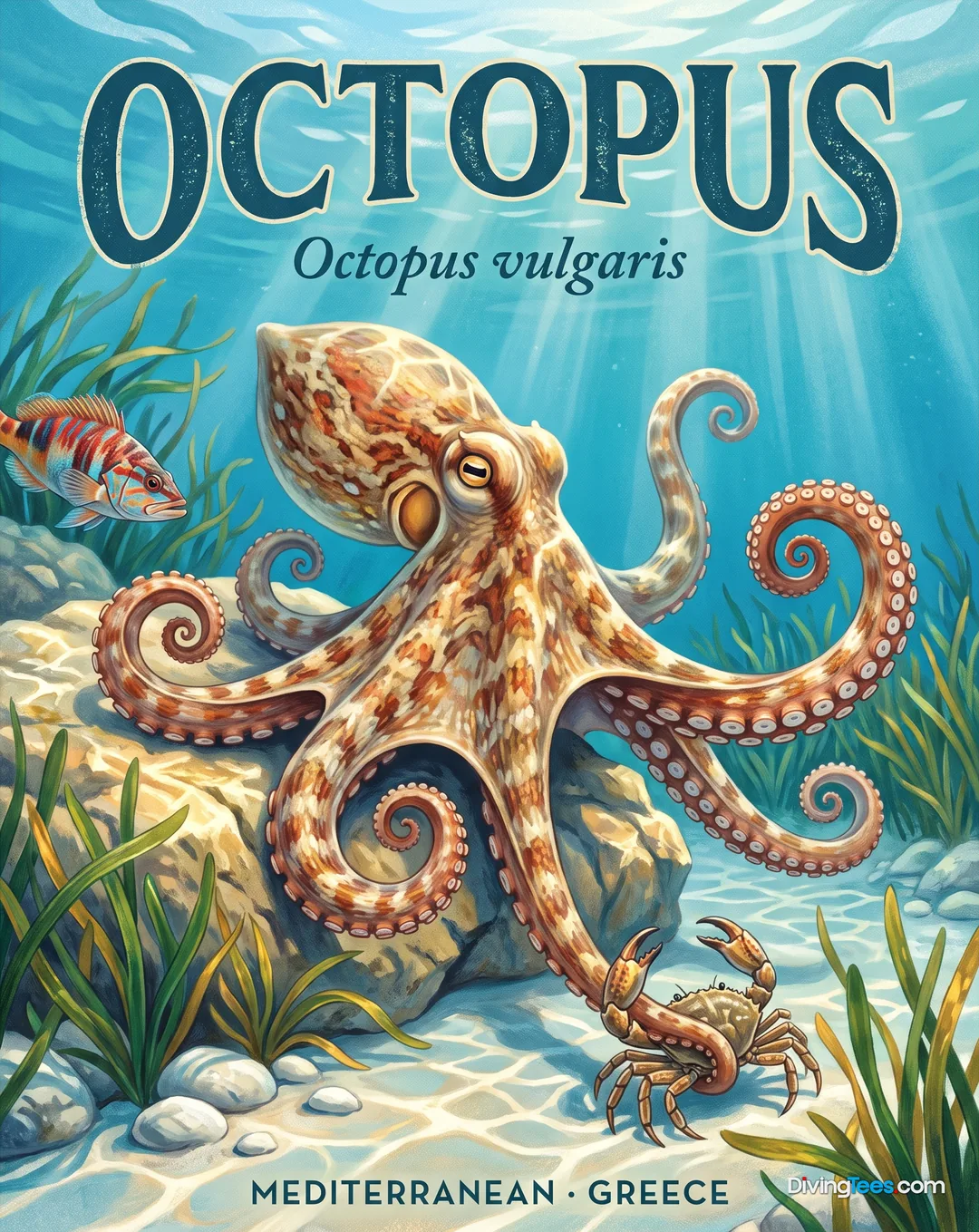
In the more sheltered areas and near the wrecks, you can find octopus, crabs, and various crustaceans. Nudibranchs and smaller marine life are abundant, particularly around the more protected sites like Le Mario.
Fixed life adds significant colour to the underwater landscape, with sea fans and various gorgonians providing structure to the reefs. The rocky passages and small caves are often inhabited by octopuses and various species of crustaceans.
The best period for introductory discovery dives is between April and October. The coastline offers a variety of sites, from shallow reefs to deeper drop-offs, depending on the specific location and weather conditions.
Hello, I'm Marina, DivingDeal.com's AI assistant. I answer in detail about hotels, dive centres and liveaboards.

Thinking about the whole trip and the flights? Talk it over with Edith →
Marina is an AI. Some links are affiliate links: DivingDeal may earn a commission, at no extra cost to you. Bookings are made with the partner.