
Eleuthera Bora Diving Center
Google 4.8/5 (508 reviews)
4.6 km away as the crow flies
Bora Bora · French Polynesia · Pacific
Max. depth · 45 mTransition from a guided shallow reef trail to deep ocean-side slopes reaching 45 metres.
Turiroa is a geographically diverse site that functions as both a shallow reef edge and a deeper ocean-side dive. Near the shore, the topography presents as a gently sloping reef with a structured underwater path designed to guide you through diverse coral formations. This shallower zone is characterized by wide expanses of multicolored coral and sandy patches that facilitate easy navigation. It serves as an ideal entry point for those wanting to observe the reef structure without battling heavy surge.
As you move away from the shoreline towards the ocean side, the profile shifts into a more significant descent. The seabed transitions from the shallower reef flats into deeper territory, with maximum depths reaching 45 metres. This transition zone is where the site gains its character as a true ocean dive, moving away from the protection of the lagoon toward the influence of the open Pacific. The white-sand bottoms provide a stark contrast to the coral fields, creating a clear visual landscape for navigating the descent.
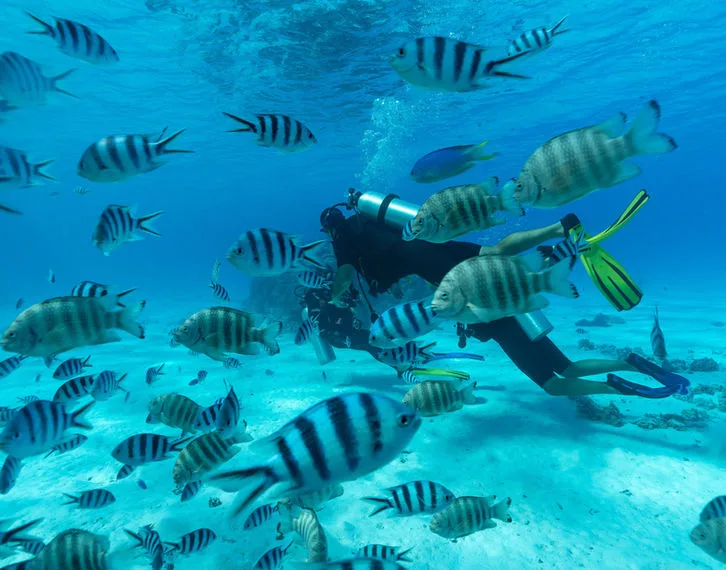
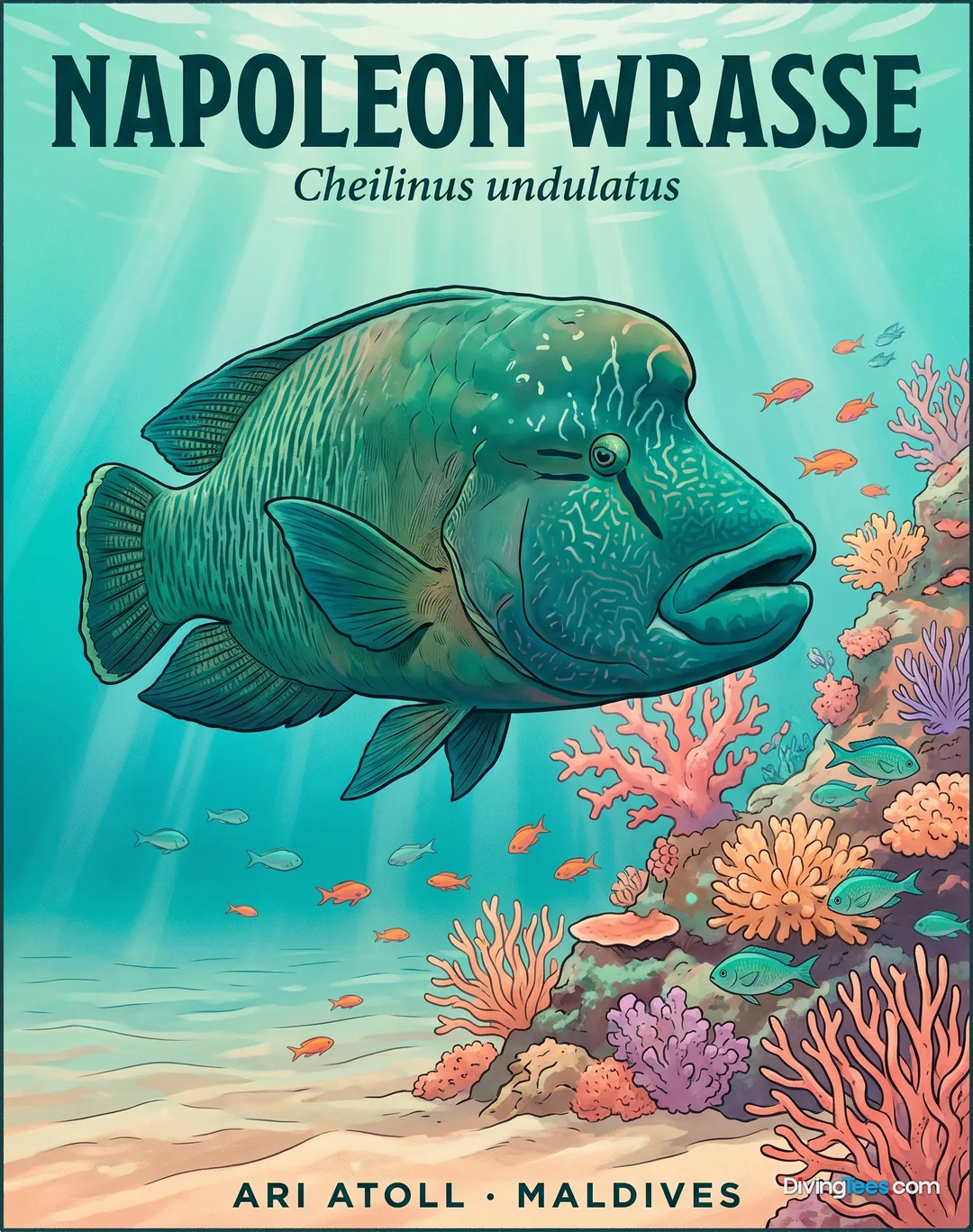
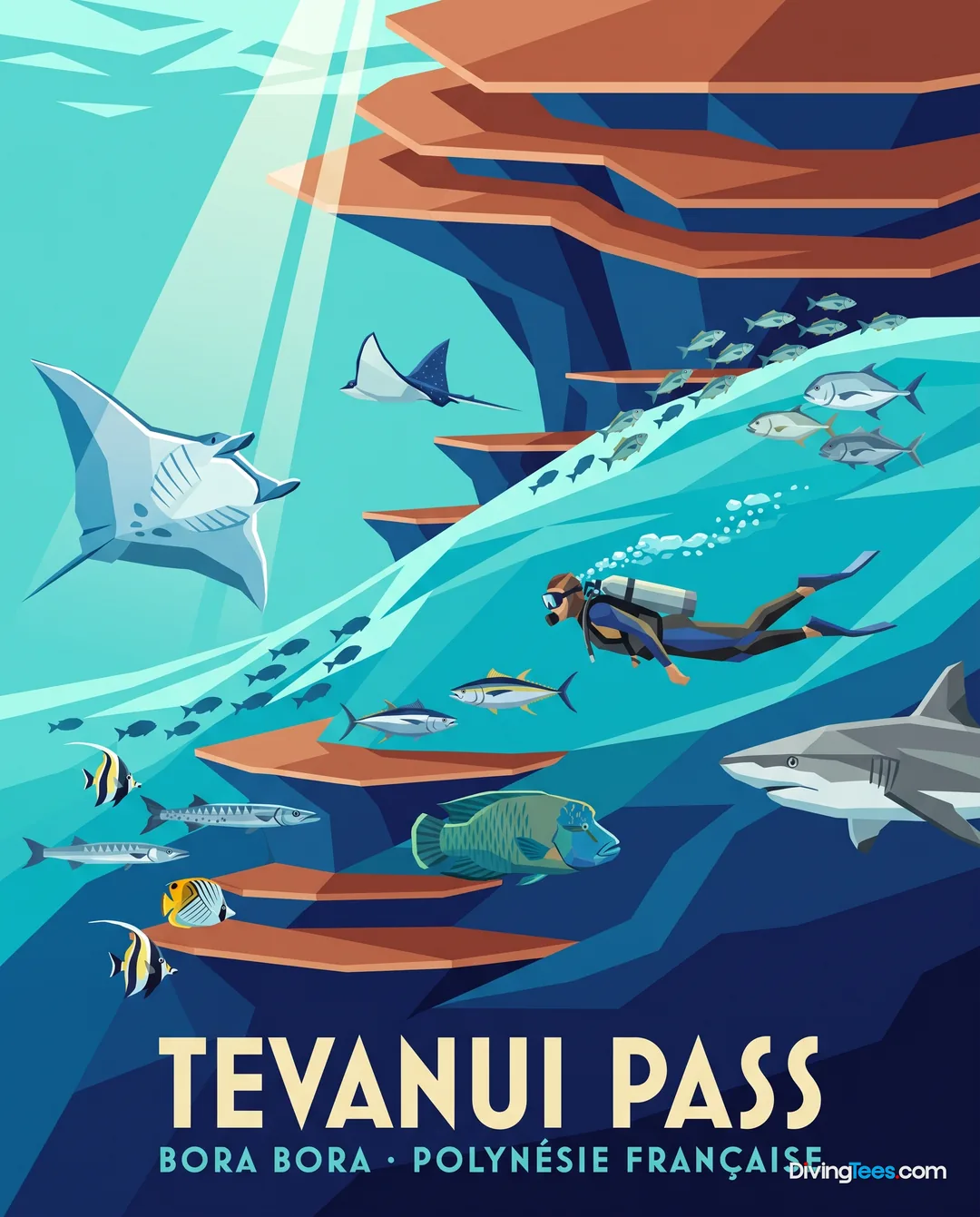
The mid-depth sections of the site are defined by large coral fields that host a high density of resident reef life. You will find significant populations of tropical reef fish moving through the structures, often congregating around the coral heads. This area is a primary habitat for the Napoleon wrasse, which are frequently encountered patrolling the reef edges. The combination of coral complexity and sand transitions creates a varied environment that supports a stable ecosystem of smaller reef dwellers.
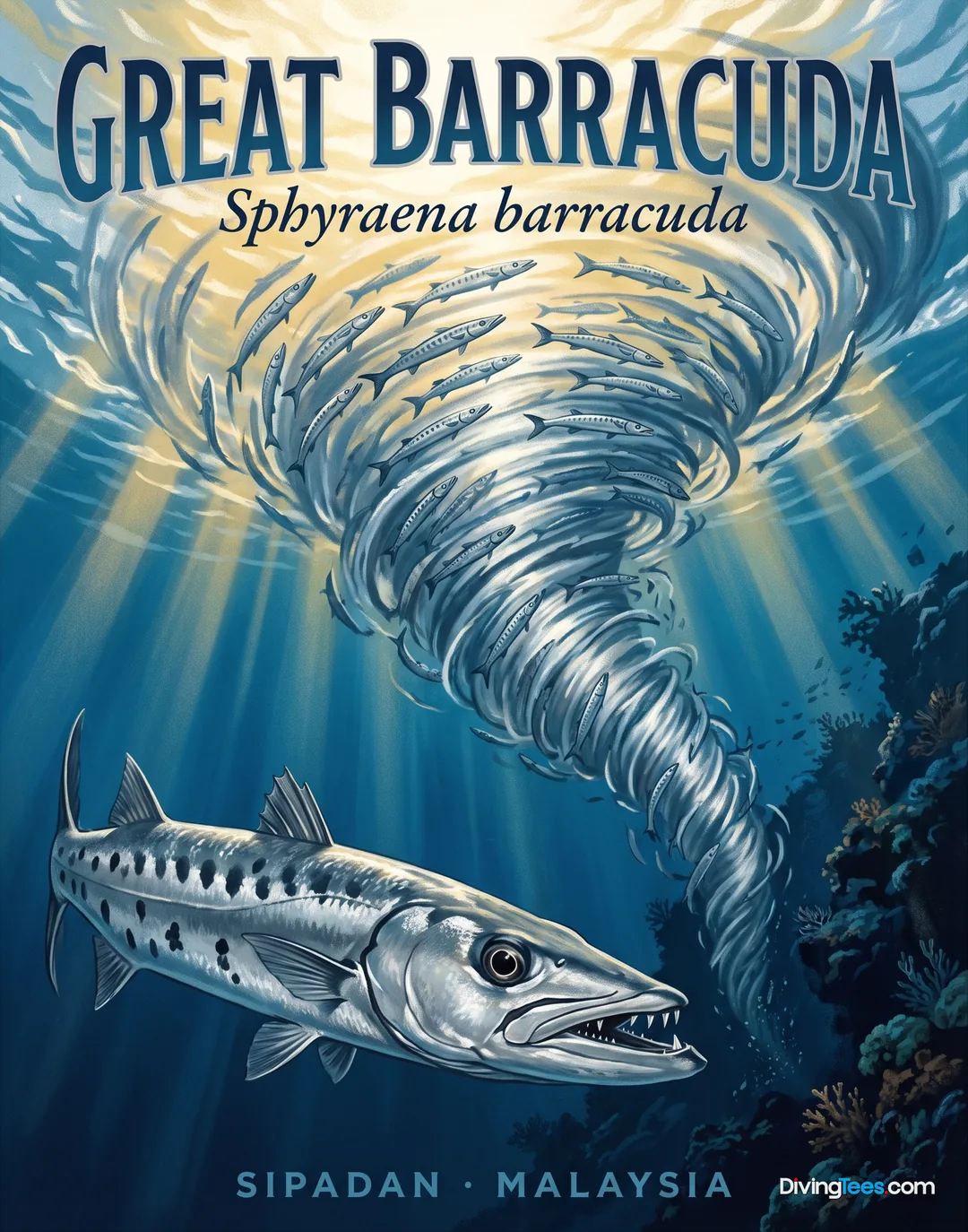
Moving into the deeper reaches, the fauna becomes increasingly pelagic in nature. The open water and the edges of the coral fields attract larger predators that cruise the currents. You can observe barracuda, jacks, and tuna moving through the water column, often appearing in the mid-water layers above the reef. The presence of these species indicates a healthy, nutrient-rich environment where larger predators hunt along the transition between the reef and the deep ocean.
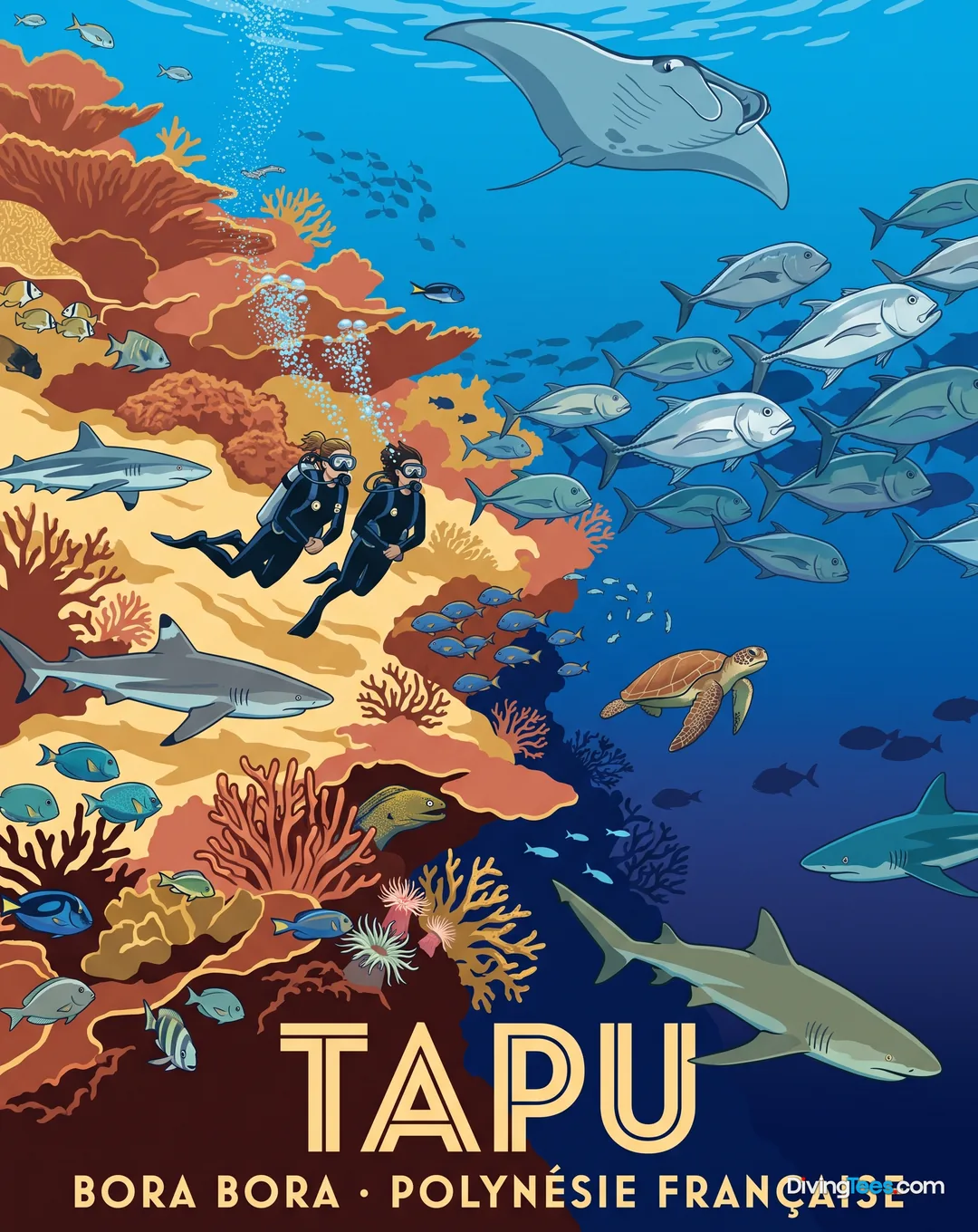
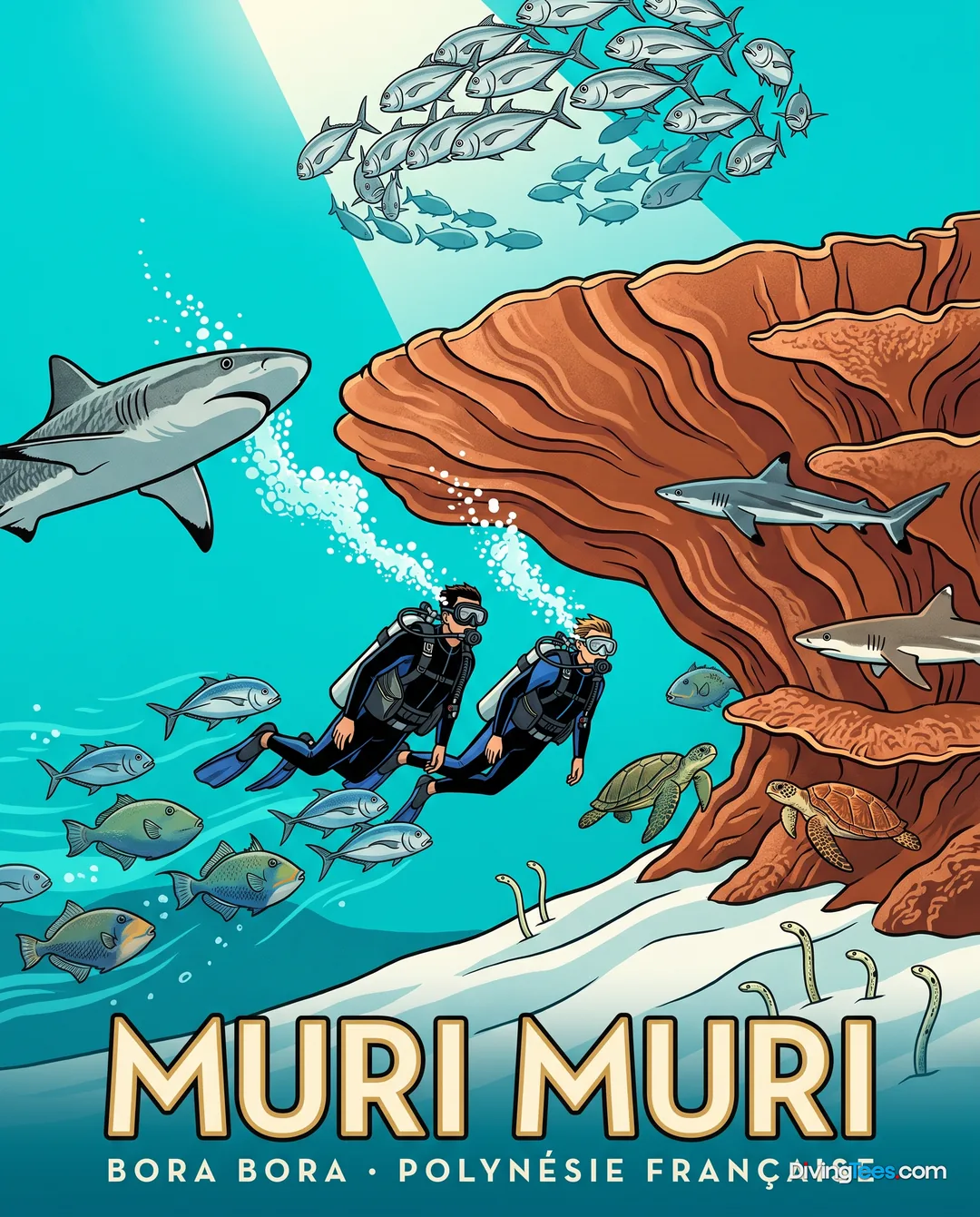
Whitetip reef sharks are a consistent presence at Turiroa, particularly as you move into the deeper, more open sections of the site. They are typically found cruising the sandy areas or resting near the coral edges, behaving naturally within their habitat. Unlike some high-current sites where sharks may appear in frantic motion, the encounters here often involve observing them in their typical patrolling or resting patterns. This makes them a predictable highlight for those watching the reef transitions.
The site's topography allows for a distinct change in light and visibility as you descend. In the shallower sections, the light is bright and direct, illuminating the multicolored coral fields. As you move toward the 45-metre mark, the light shifts, and the environment becomes more dominated by the blue of the open ocean. This depth provides a different perspective on the marine life, as the larger pelagic species become more visible against the deep blue background.
Current conditions at Turiroa are variable and depend heavily on the tide and swell. While the shallower reef sections can remain relatively calm, the ocean-side portions are subject to the influence of the open sea. This variability means that while you might enjoy a drift dive over the white-sand tongues, you must also be prepared for shifts in water movement. Monitoring the local conditions is essential to understanding how the current will affect your buoyancy and navigation during the dive.
The site offers depths ranging from shallow reef sections to a maximum of 45 metres. It is accessible to Open Water Diver level, though comfortable buoyancy and experience with ocean conditions are required. Be aware that currents are variable and can change based on tides and swell. For the deeper ocean-side dives, ensure you are prepared for potential shifts in current. The topography transitions from a gentle slope to a more significant drop-off, making buoyancy control important when moving between the coral fields and the deeper water.
You should monitor local tides and swell before diving Turiroa because current conditions vary with both. The shallow reef sections can remain relatively calm, while the ocean-side areas are more exposed to open-sea movement. Checking conditions helps you understand how water movement may affect buoyancy, navigation, and any drift across the white-sand areas.
Turiroa is accessible to Open Water Diver level, but you need comfortable buoyancy and experience with ocean conditions. Buoyancy control becomes particularly important as you move from the gentle reef slope across coral fields and toward the deeper drop-off. You should also be prepared for variable currents in the ocean-side sections.
Turiroa offers a progression from shallow reef sections to deep ocean-side water reaching a maximum of 45 metres. The seabed changes from gently sloping reef flats to a more significant drop-off, with coral fields, sandy patches, and white-sand bottoms along the route. The deeper sections bring a stronger open-ocean character.
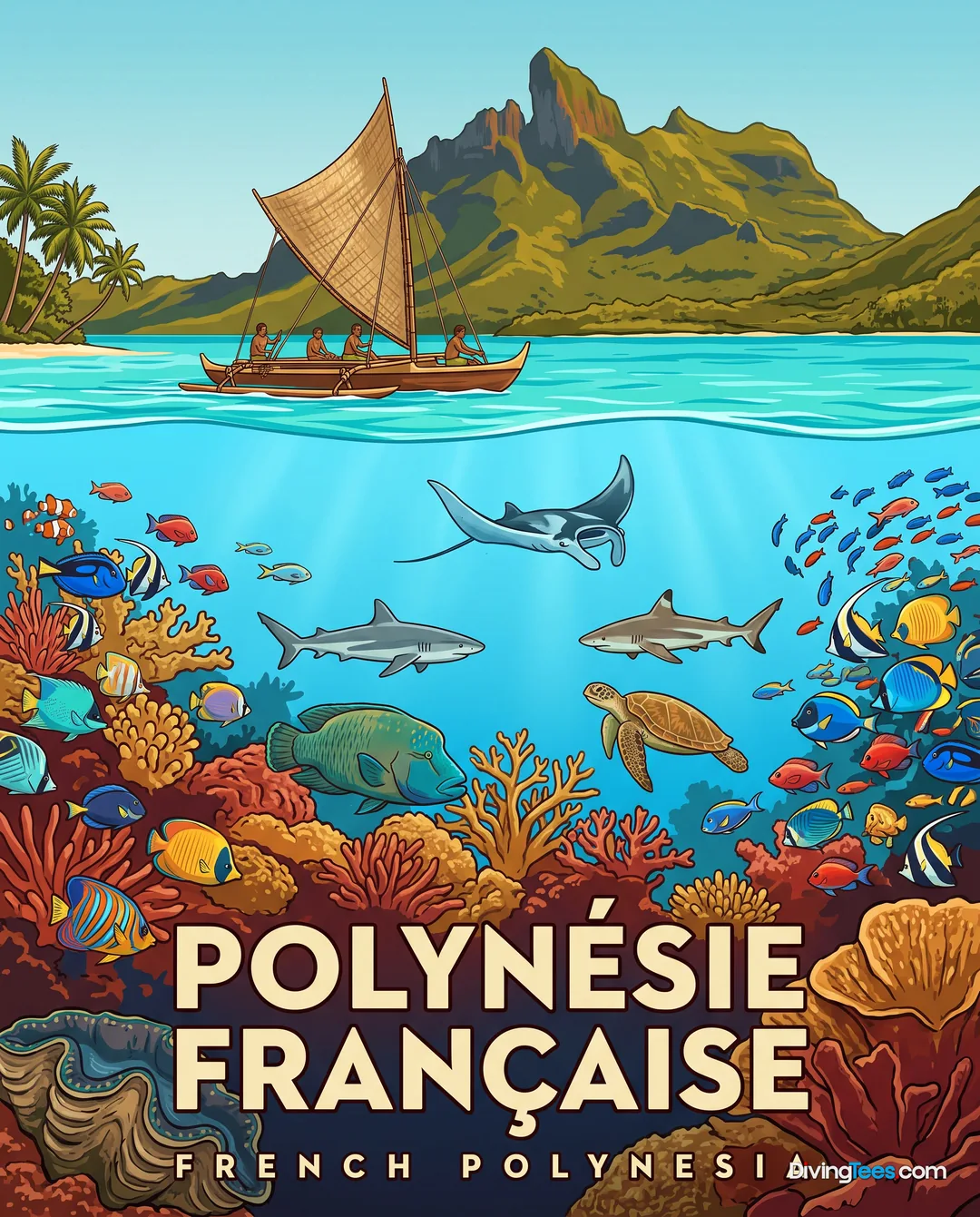
At Turiroa, you can explore extensive multicolored coral fields and encounter tropical reef fish around the coral heads. Napoleon wrasse patrol the reef edges, while whitetip reef sharks cruise or rest near sandy areas and coral transitions. In deeper water, barracuda, jacks, and tuna move through the open water above the reef.