
Bora Ocean Adventures, Remy Crapet
Google 4.8/5 (384 reviews)
7.5 km away as the crow flies
Bora Bora · French Polynesia · Pacific
Max. depth · 30 mExplore a landscape of deep craters and tunnels where multiple shark species patrol the outer reef edge.
Haapiti sits on the northwest outer reef of Bora Bora, presenting a topography that differs significantly from the sheltered lagoon gardens found elsewhere in the region. Instead of a continuous vertical wall, you encounter a gently sloping outer-reef plateau that drops from approximately 10 to 12 metres into a complex field of large craters and canyons. These depressions are carved into the reef face, creating a chain of bowl-shaped formations and mini-caves. The terrain is separated by distinct ridges of hard coral and rock that act as natural barriers between the deeper sections. This structure provides a more three-dimensional environment than a standard reef slope, allowing for diverse navigation paths during a dive.
The dive profile typically begins on this upper plateau before you descend into the deeper canyon system. As you move through the site, you will pass through various tunnels and over the edges of these massive craters that open directly toward the open ocean. The depth varies between 10 and 30 metres, providing enough vertical relief to observe different ecological zones within a single descent. Navigating through the ridges requires an awareness of the terrain, as the topography can shift from wide-open spaces to more confined passages within a few meters. This geological complexity is what gives the site its character, moving away from simple wall diving toward a more rugged, crater-filled landscape.
Current management is a fundamental part of the Haapiti experience, as this is a true open-ocean drift site. The movement of water is driven by tidal exchanges through nearby passes and the influence of the local swell, which can cause conditions to change rapidly. While the site can experience calm periods, it is common to encounter strong currents as water moves across the reef face toward the open sea. Most dives are conducted as a drift, following the natural flow of the water over the reef slope and through the crater field. Planning your ascent and staying aware of your position relative to the boat is essential when the current picks up.
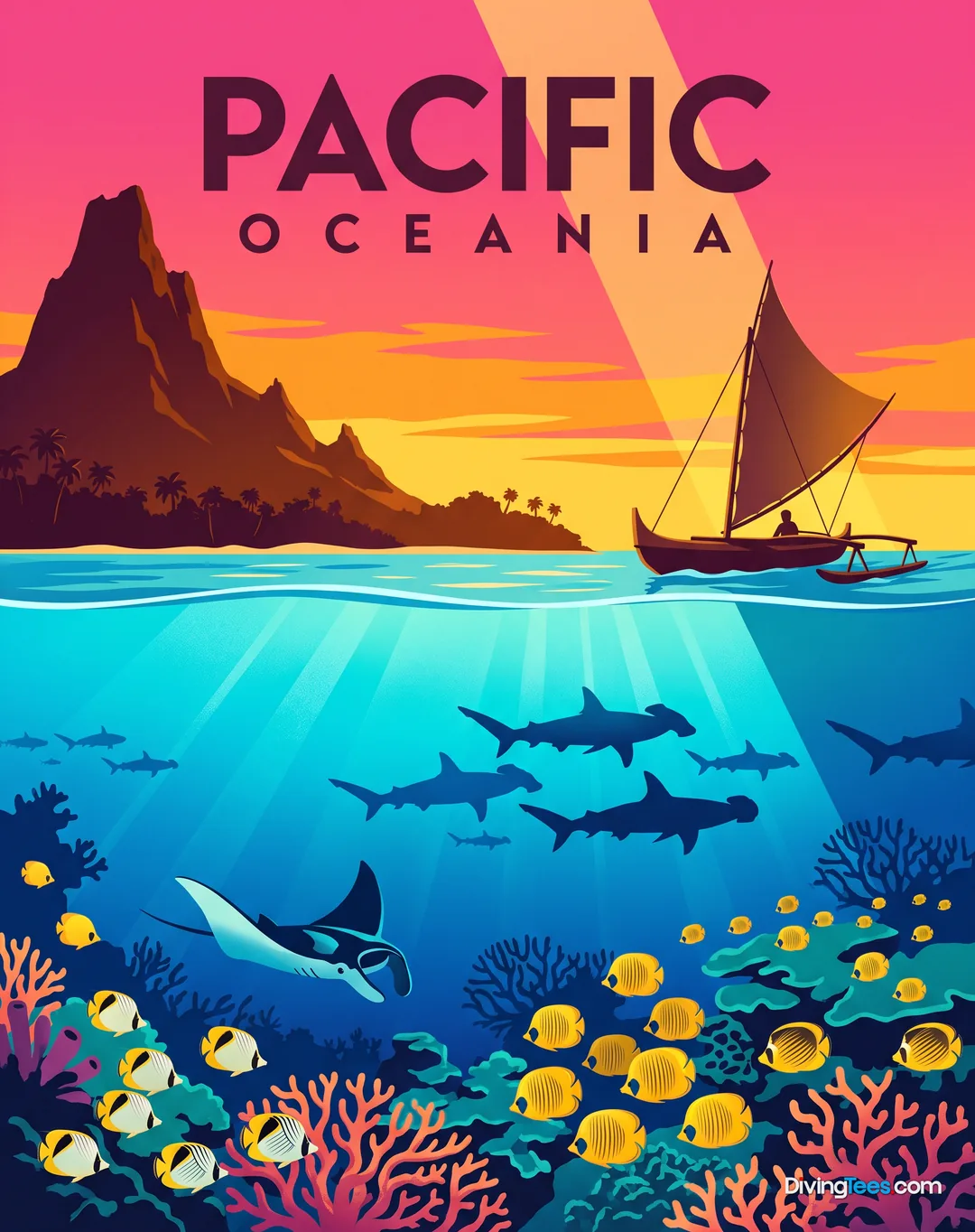
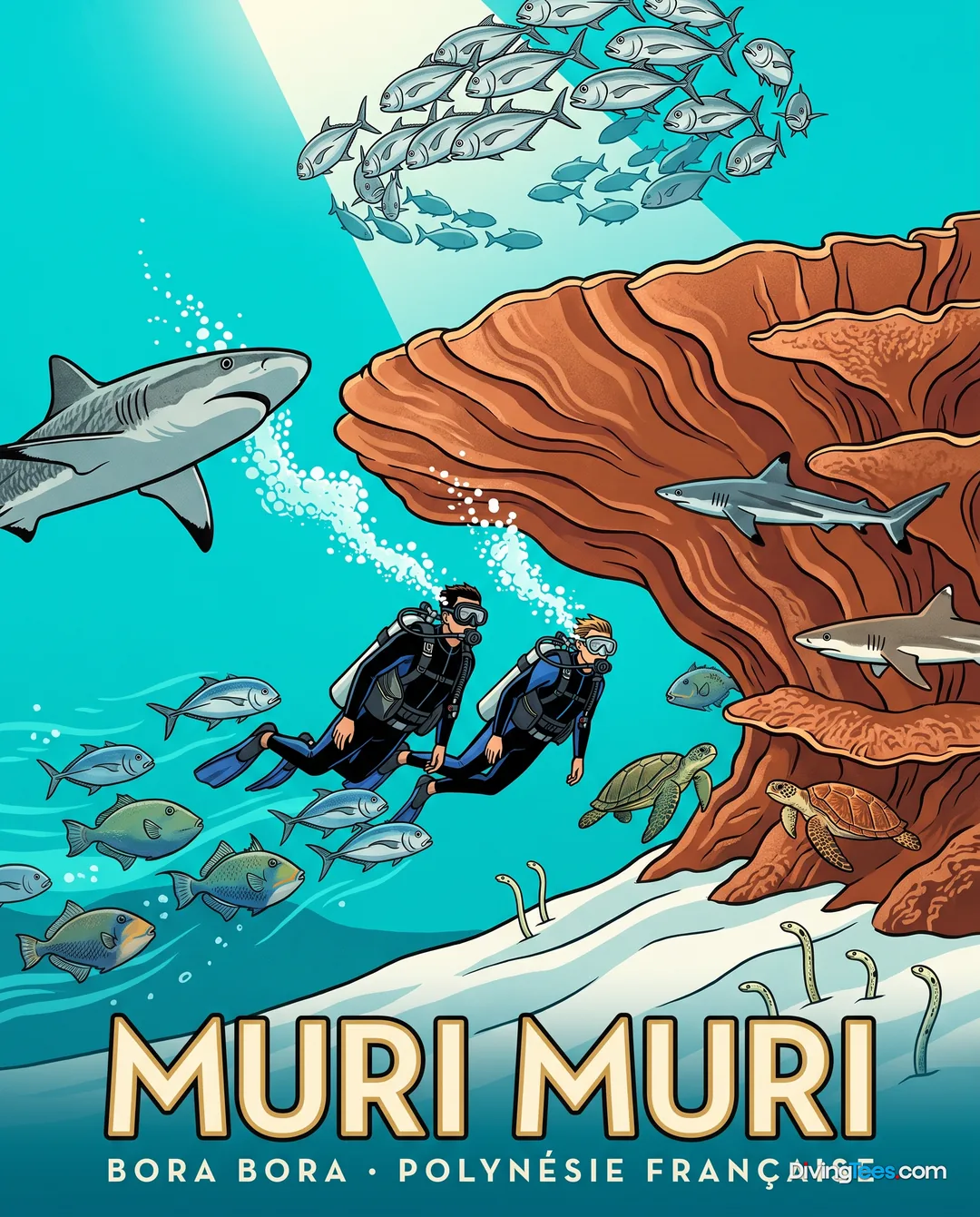
The presence of sharks is one of the primary reasons to dive this specific section of the northwest reef. You will frequently encounter grey reef sharks and lemon sharks patrolling the edges of the canyons and the deeper sections of the craters. Blacktip reef sharks are also common in the shallower areas of the plateau. These predators tend to move with purpose along the reef structure, often appearing as you transition from the shallower ridges into the deeper, more sheltered depressions. Watching their movement through the canyons offers a clear view of how they utilize the site's topography for hunting and cruising.
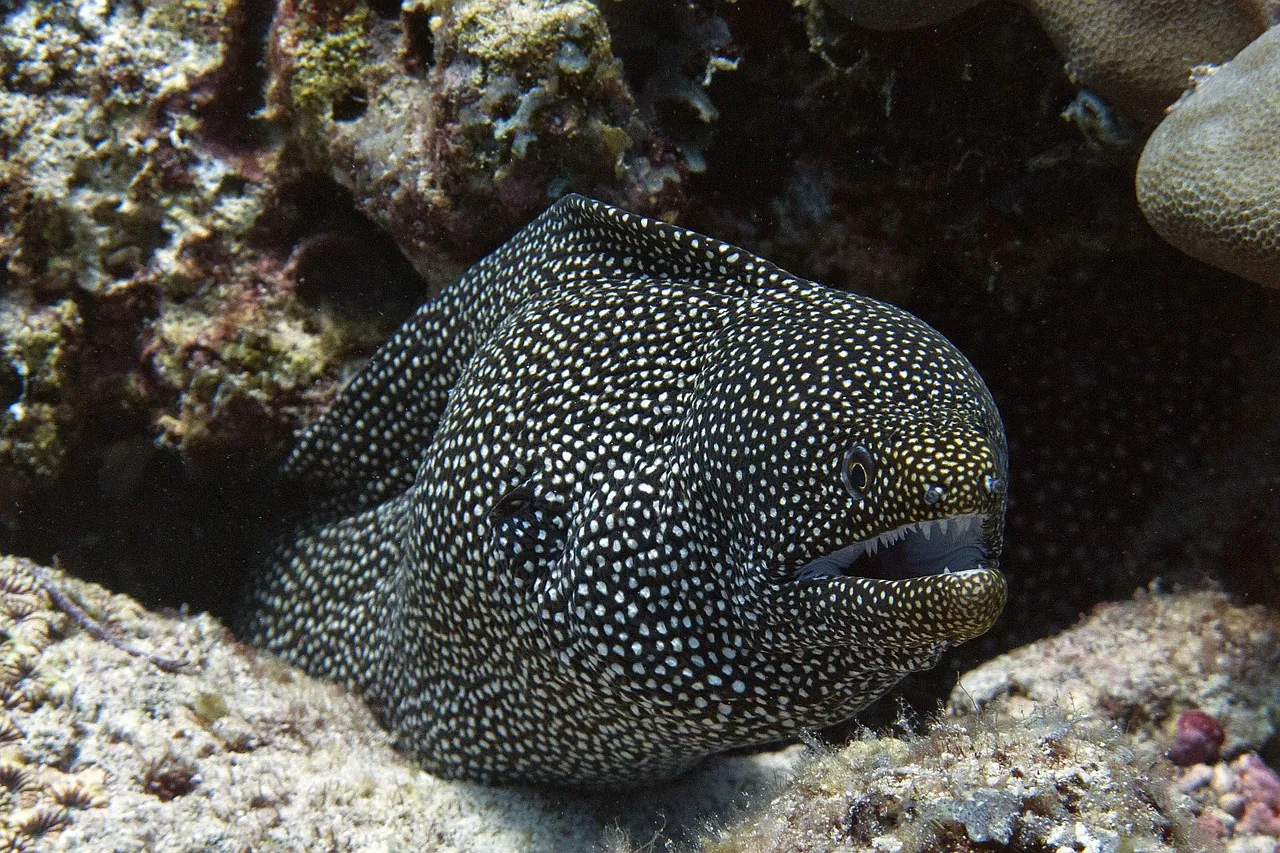
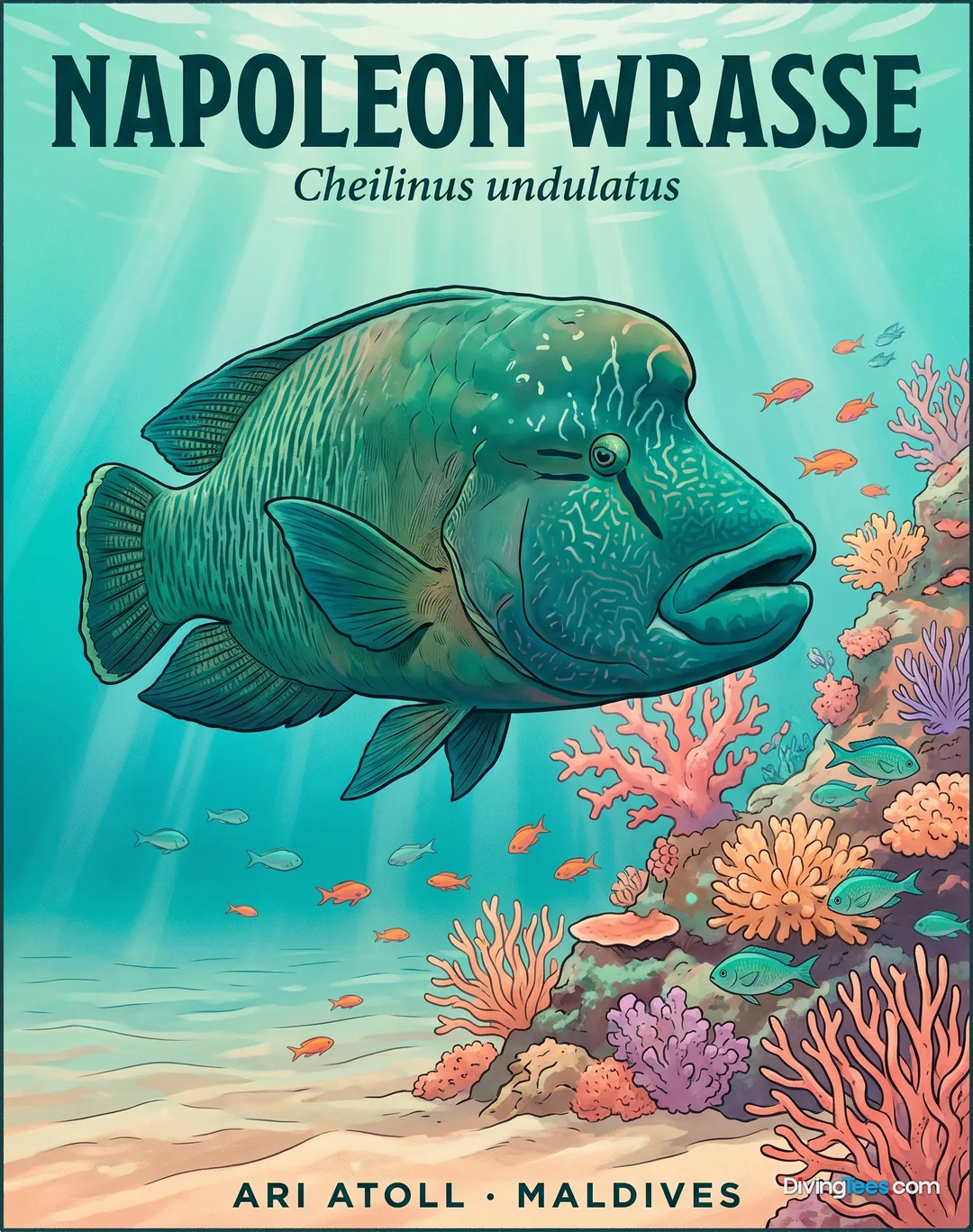
Large resident species add significant scale to the underwater scenery. Napoleon wrasse are a regular sight, often found hovering near the hard coral ridges or patrolling the mid-depth zones. You can also observe various species of jack, grouper, and moray eels integrated into the complex reef structure. The abundance of life extends to smaller reef inhabitants like butterflyfish, triggerfish, and lionfish that occupy the crevices of the craters. These species contribute to a highly active biological environment that remains consistent throughout the dive, regardless of the presence of larger pelagics.
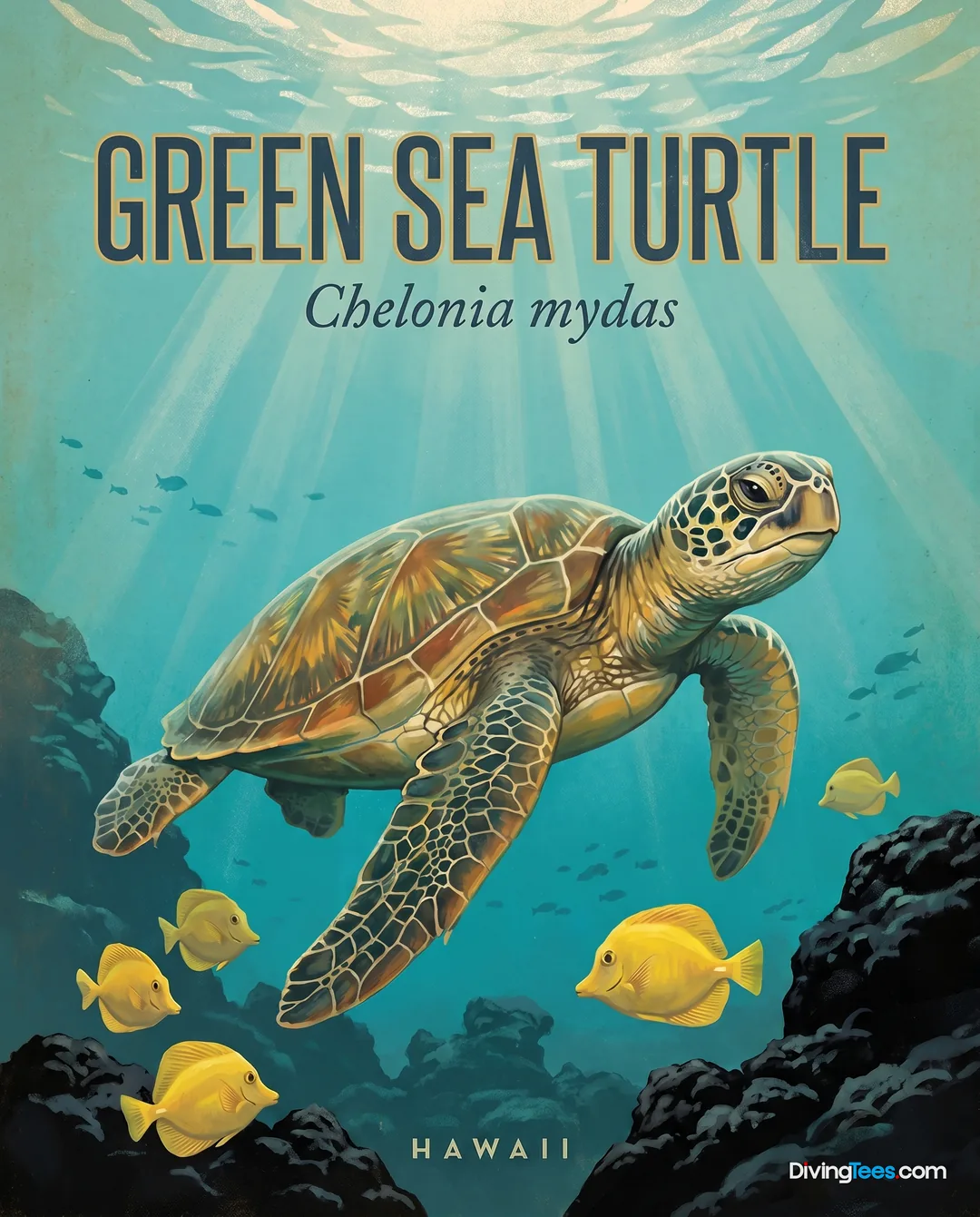
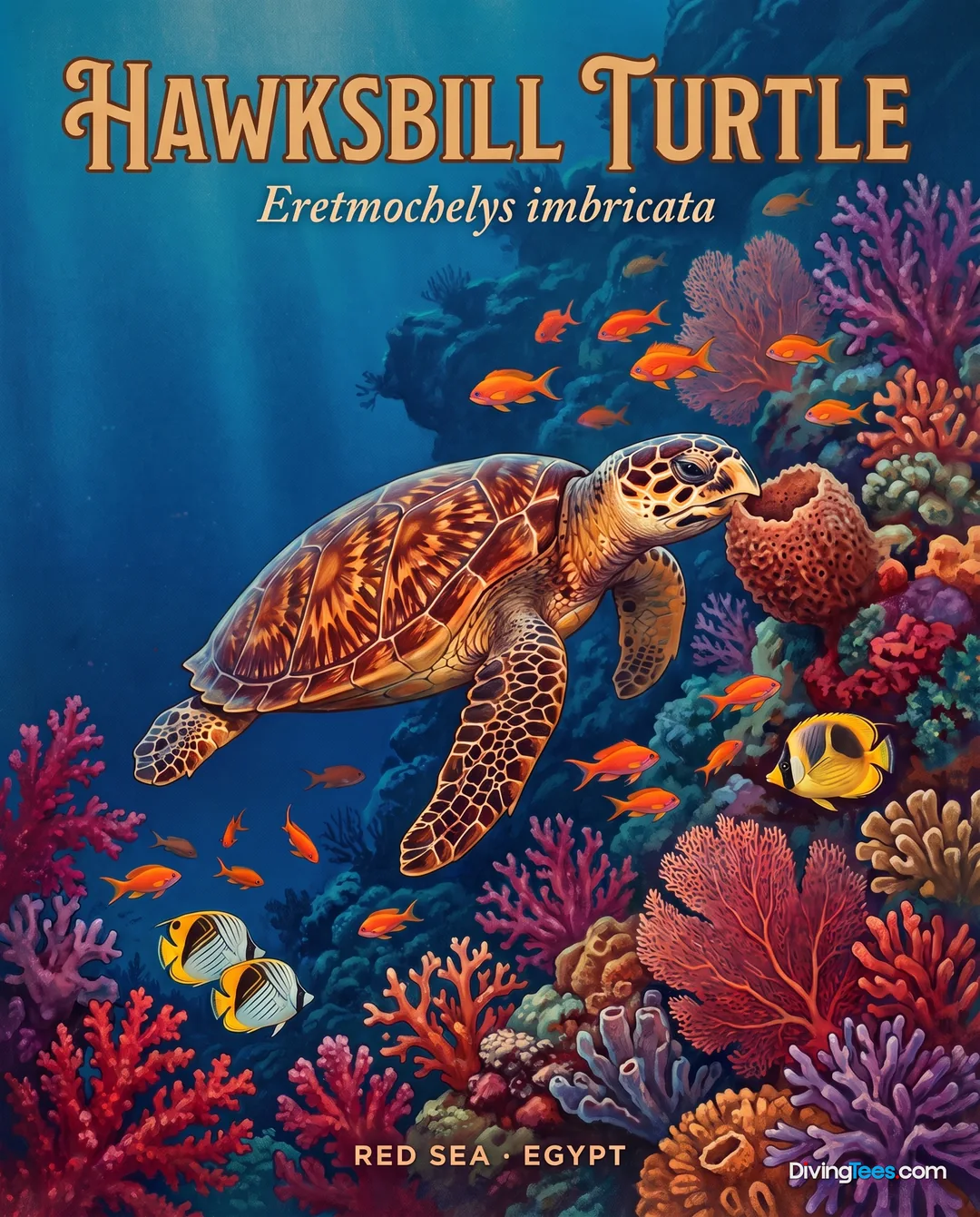
Marine turtles, including both Hawksbill and Green turtle species, are frequently observed navigating the reef slope. They often move between the calmer areas of the plateau and the more protected sections of the mini-caves. Watching them glide through the clear water provides a different pace to the dive, contrasting with the more active movements of the sharks. The visibility at Haapiti is often exceptional, frequently reaching between 30 and 60 metres, which allows you to spot these large reptiles and other approaching life from a significant distance.
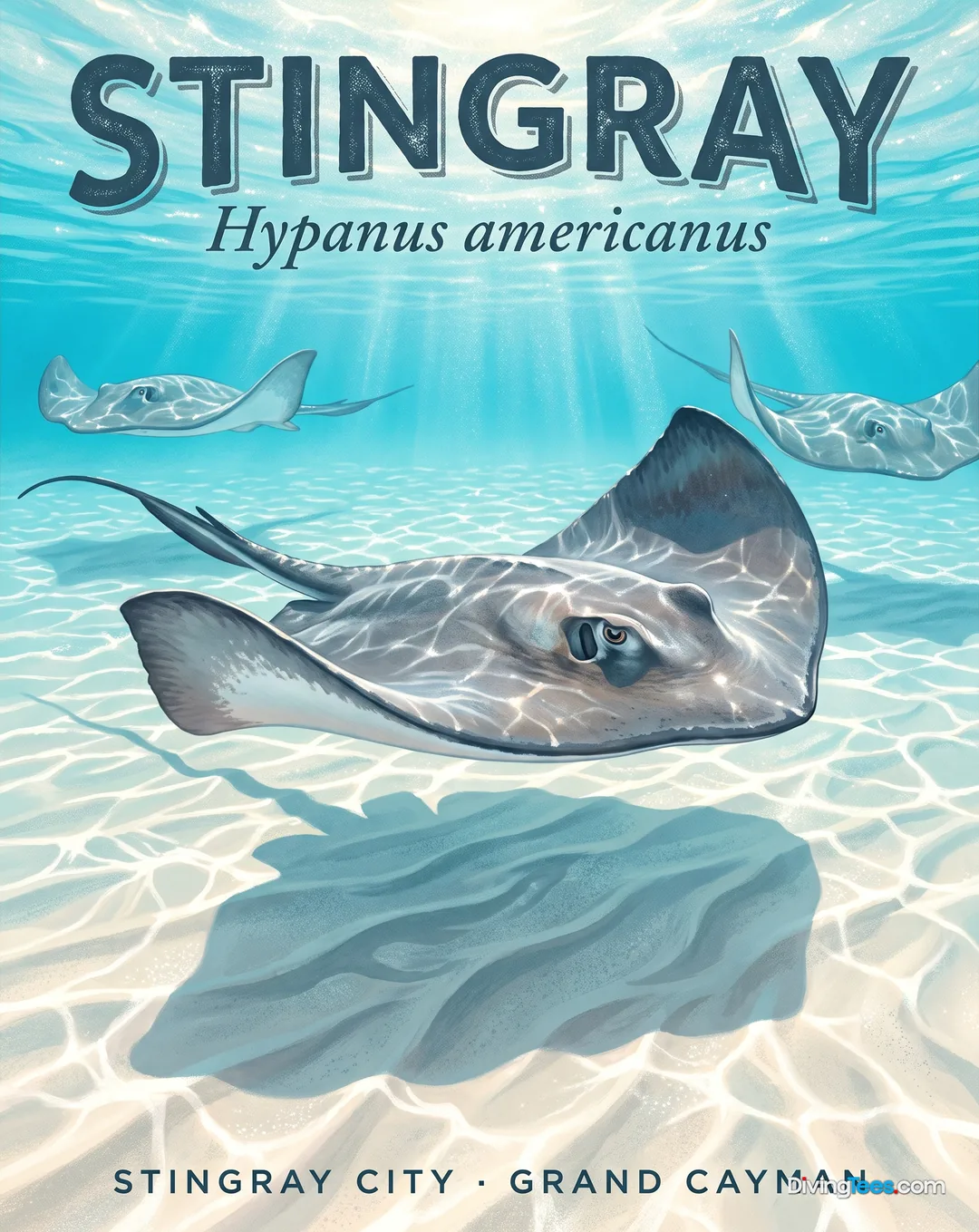
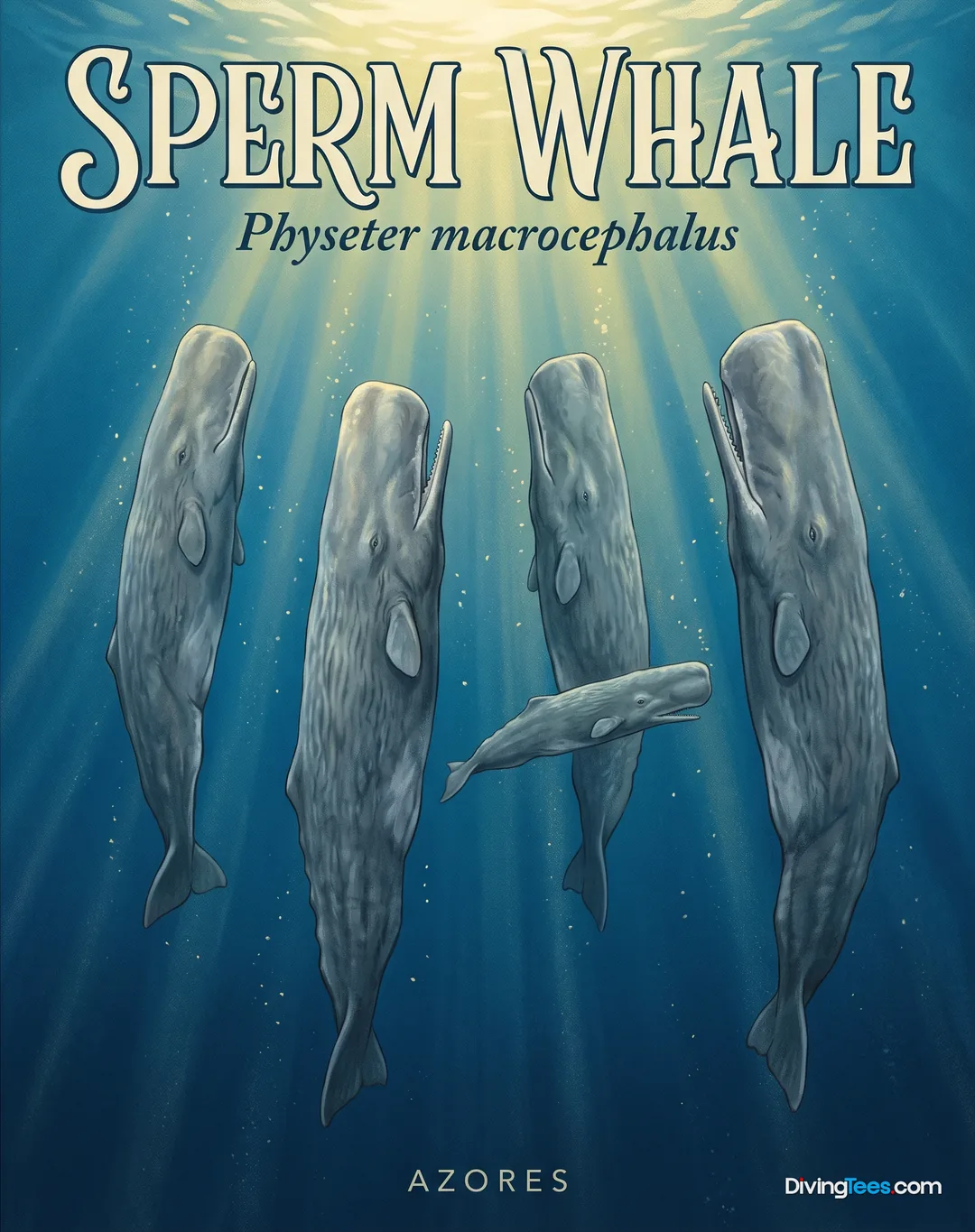
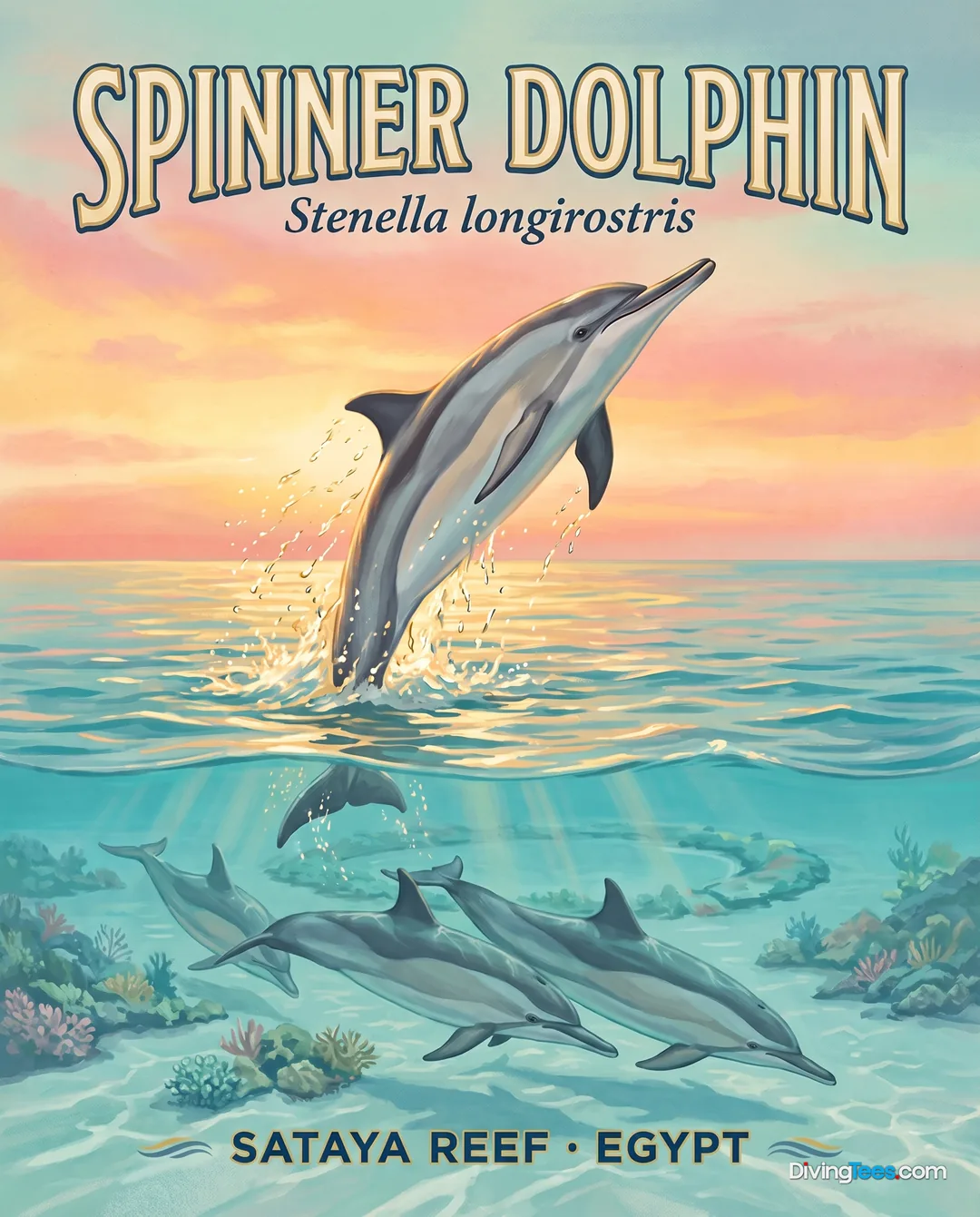
For those looking toward the blue, the proximity to the open ocean brings the possibility of larger pelagic encounters. While not guaranteed on every dive, spinner dolphins and even sperm whales have been documented in the waters offshore from Haapiti. Eagle rays and stingrays are also common, often found cruising the sandy patches or the bottom of the deeper depressions. These encounters are highly dependent on the time of year and the specific ocean conditions on the day of your dive, but the site's position makes it a prime location for such sightings.
The seasonal window for diving Haapiti is most reliable between April and October. During this dry season, the water conditions in Bora Bora are generally more stable, which helps in managing the variability of the currents and the swell. While the site remains challenging due to its open-ocean nature, the predictable seasonal patterns make it easier to time your dives for optimal visibility and manageable drift. Understanding the interplay between the tide and the reef structure is the key to making the most of the site's unique geological and biological features.
The site has a depth range of 10 to 30 metres. It is accessible to Open Water Divers who are comfortable with drift diving and mild currents, though the variable nature of the site means experience with current is highly recommended. Currents can be calm or become strong depending on the swell and tidal exchanges through nearby passes. Visibility is typically between 30 and 60 metres. The best time to dive is during the dry season from April to October.
You can dive Haapiti throughout the year, but the most reliable seasonal window is during the dry season from April to October. Conditions are generally more stable then, helping you manage the site’s variable currents and swell while planning a drift dive over the outer reef, craters, canyons, and tunnels.
Haapiti is accessible to Open Water Divers who are comfortable with drift diving and mild currents, though current experience is highly recommended. Conditions may be calm or become strong as swell and tidal exchanges through nearby passes change. You should remain aware of your position relative to the boat throughout the drift.
Haapiti ranges from 10 to 30 metres. Your dive typically begins on an upper plateau at approximately 10 to 12 metres before descending into large craters and canyons. You can cross ridges, pass through tunnels and mini-caves, and move between open spaces and more confined passages along the reef face.
At Haapiti, you can frequently encounter grey reef sharks, lemon sharks, blacktip reef sharks, Napoleon wrasse, and Hawksbill and Green turtles. The reef also supports jacks, groupers, moray eels, butterflyfish, triggerfish, and lionfish. Eagle rays and stingrays are common, while spinner dolphins and sperm whales may appear offshore.