
Bora Ocean Adventures, Remy Crapet
Google 4.8/5 (384 reviews)
Bora Bora · French Polynesia · Pacific
Max. depth · 40 mA remote, heart-shaped atoll located north of Bora Bora, offering deep blue-water encounters with hammerhead sharks and seasonal humpback whales.
Tupai is a remote, heart-shaped oceanic atoll situated well north of the Bora Bora lagoon. Unlike the sheltered reef environments closer to the main islands, this site is characterized by its exposure to the open Pacific. The topography is defined by a distinct outer reef and a sharp drop-off where the coral structures transition into deep blue water. You will find yourself diving along the outer reef edges and steep slopes, where the lack of landmass allows for a more oceanic environment. This isolation creates a sense of emptiness that is rare in the more frequented parts of the region.
The dive profile typically begins along the reef slope, where the depth ranges from 10 metres down to 40 metres. As you descend, the terrain moves from coral gardens and structured reef walls into more open water. The transition from the reef edge to the abyss is rapid, making the site a classic example of a drop-off dive. You will find that the light penetrates deeply due to the exceptional visibility, often reaching up to 40 metres. This clarity is essential for spotting movement in the blue water well before the animals reach the reef structure itself.
The current at Tupai is a defining feature of the experience and requires careful management. Because the atoll is an isolated structure in the open ocean, it is subject to significant water movement influenced by ocean swells and weather patterns. These currents are often strong and can change quickly, making this a true drift dive. You will need to be comfortable maintaining your position or moving with the flow along the reef wall. The site is treated as a deep-water pelagic environment, meaning you are frequently exposed to the elements of the open sea.
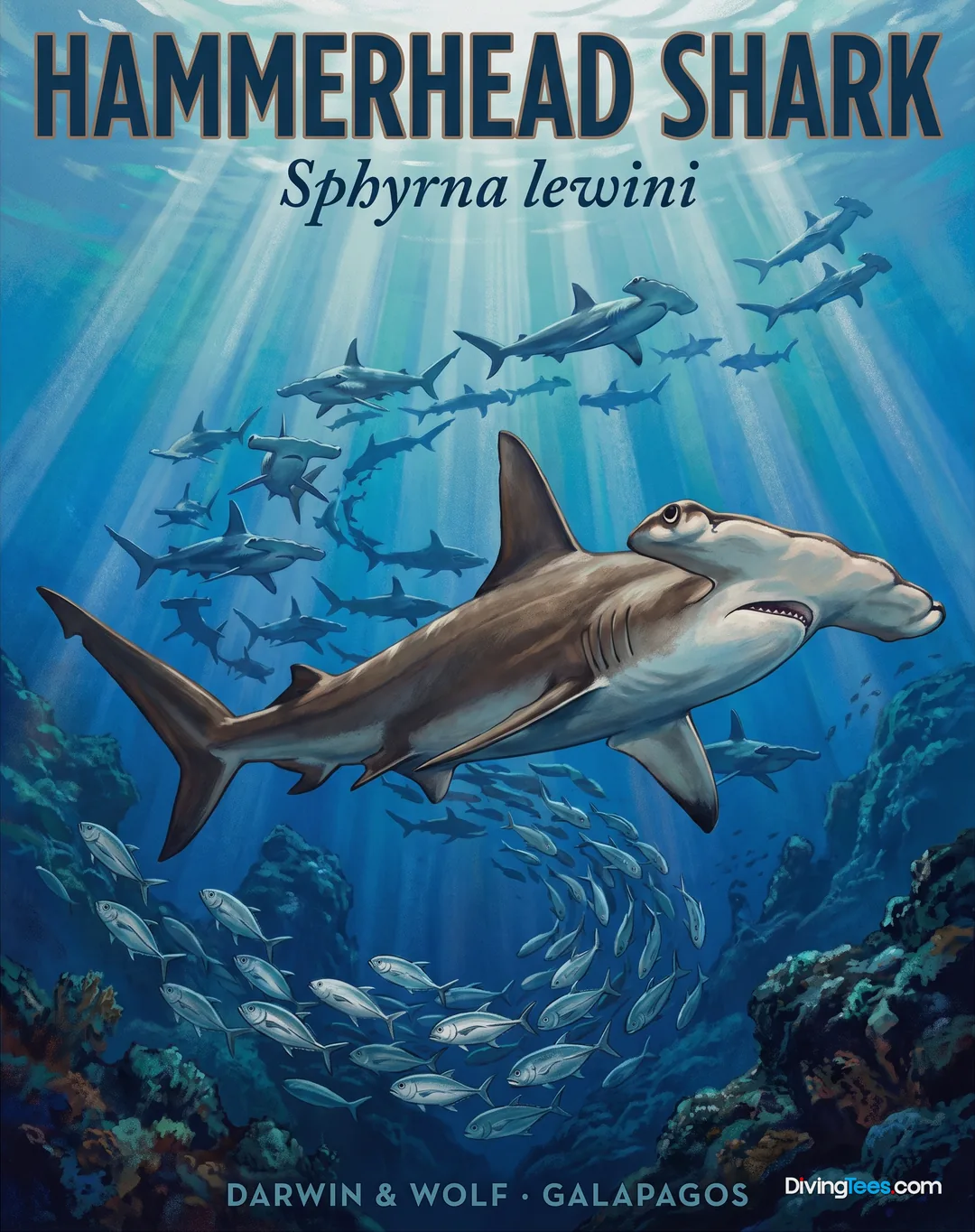
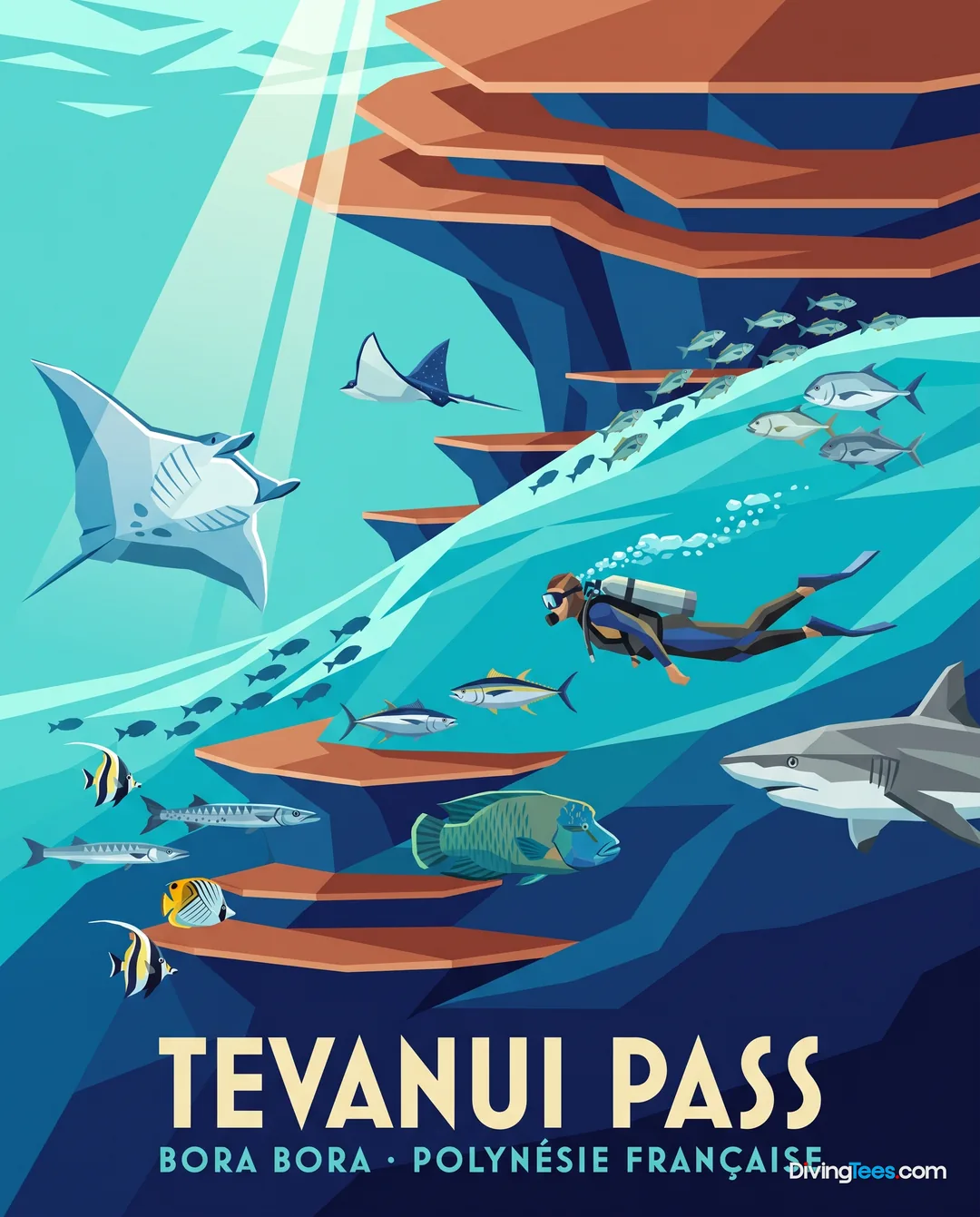
Pelagic life is the primary reason for the distance traveled to reach this atoll. The site is known for encounters with hammerhead sharks that move through the area, often appearing at the edges of the reef. You can also expect to see various reef sharks, including blacktip, whitetip, and lemon sharks, patrolling the deeper sections. Large tuna and barracuda are frequently seen in the water column, moving through the currents. These encounters are driven by the nutrient-rich waters that interact with the atoll's structure, attracting species that prefer the open ocean over the lagoon.
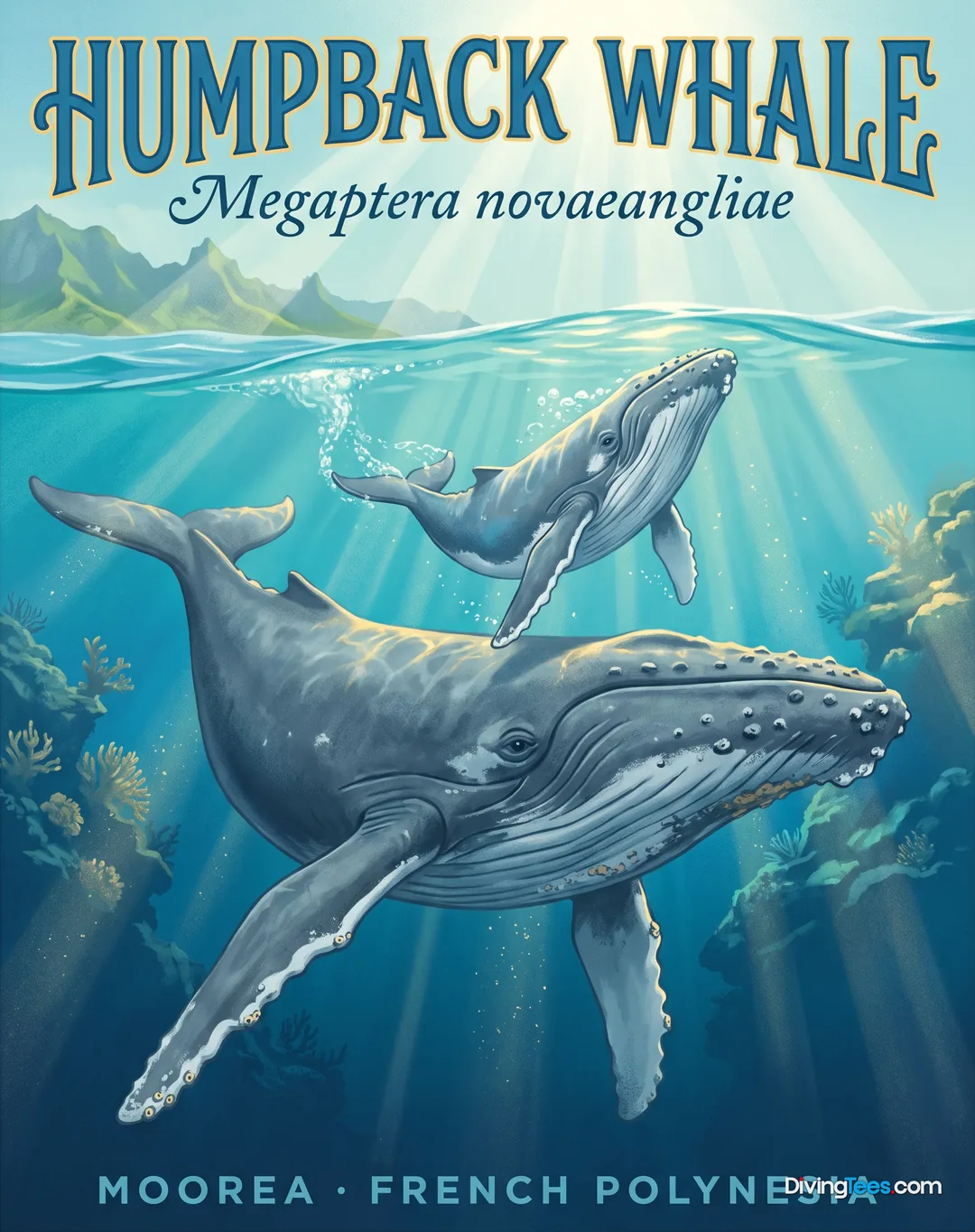
During certain periods, the site offers the opportunity to see even larger marine mammals. From August to November, humpback whales are known to frequent these waters. Seeing these animals in such a remote setting, far from the tourist crowds of the main islands, is a specific characteristic of Tupai. The presence of eagle rays and sea turtles adds to the diversity of the large fauna you might encounter while hovering near the reef slope. The scale of the animals here often requires you to look toward the horizon or the deep blue beyond the drop-off.
The reef itself is not just a backdrop but a complex ecosystem of coral gardens and walls. These structures provide essential shelter for resident species and create the upwellings that attract pelagic visitors. While the focus is often on the large animals in the blue, the reef walls offer significant detail for those who watch the substrate. You will find that the virgin state of the reef is evident in the health of the coral formations. This untouched quality is a direct result of the atoll's remoteness and the challenging conditions that keep it from high-volume tourism.
Navigating Tupai requires a focus on buoyancy and positioning, especially when the current picks up. Because it is a drift dive, your ability to stay close to the reef structure while managing your depth is critical. The combination of deep water and strong movement means that your ascent must be carefully planned, particularly if you are caught in a drift away from the atoll. Divers should be prepared for a dive that is physically demanding and requires constant awareness of their surroundings. It is an adventurous site that rewards those with the technical skill to handle oceanic conditions.
Depths range from 10 to 40 metres. This is an advanced level site requiring experience in deep, current-affected ocean dives. Currents are strong and can vary with ocean swell and weather. Visibility is typically between 30 and 40 metres. The best season for seeing humpback whales is from August to November.
You can dive Tupai from August to November for the seasonal opportunity to see humpback whales. The remote atoll is exposed to the open Pacific, so ocean swells and weather influence the conditions. Visibility is typically between thirty and forty metres, allowing you to look into the blue water beyond the reef.
Tupai is an advanced-level dive site for you if you have experience with deep, current-affected ocean dives. The profile follows reef slopes from ten to forty metres, changing from coral gardens and reef walls to open blue water. Because the drop-off is sharp, you need careful buoyancy and depth management.
Currents at Tupai are often strong and can change quickly with ocean swell and weather. You should be comfortable with drift diving, maintaining your position or moving with the flow along the reef wall. Managing buoyancy, depth, and your ascent is important if the current carries you away from the atoll.
At Tupai, you may encounter hammerhead sharks, reef sharks, large tuna, and barracuda in the blue water. Eagle rays, sea turtles, and seasonal humpback whales also occur. Along the outer reef, you can explore coral gardens, steep walls, and virgin coral structures while watching for pelagic animals beyond the drop-off.