

Bora Ocean Adventures, Remy Crapet
Google 4.8/5 (384 reviews)
Bora Bora · French Polynesia · Pacific
Max. depth · 40 mExperience the intense tidal exchange of Bora Bora's only natural channel between the lagoon and the open ocean.
Tevanui Pass serves as the only natural channel connecting the Bora Bora lagoon to the open ocean. This unique geography creates a stepped underwater landscape, characterized by a series of sloping ledges and terraces that descend through the water column. You will typically begin the dive in the deeper blue-water section, following the natural channel profile before transitioning toward shallower structures. This topography forces a high volume of water through the pass, making it a distinct departure from the calmer, sheltered reefs found elsewhere in the lagoon.
The dive profile is primarily a drift dive dictated by the movement of the tide. You will encounter a sloping, stepped passage where the depth ranges from 5 metres to 40 metres. As you move through the channel, the terrain shifts from a deep channel profile to a shallower coral plateau or wall. This transition provides a diverse range of habitats, from deep-water blue zones to structured reef walls covered in distinctive blue coral formations. Navigating these terraces requires precise buoyancy control to maintain depth while moving with the flow.
The current at Tevanui Pass is the defining element of the experience. Because it is the primary conduit for tidal exchange, the flow can be powerful, especially during the outgoing tide when lagoon water is flushed toward the open ocean. Most dives are carefully scheduled to coincide with manageable tidal cycles to ensure safety and control. When the flow is particularly strong, it can stir up sediment, causing visibility to fluctuate, though it generally remains between 20 and 30 metres. Mastering the drift is essential for navigating the pass effectively.
This site is a concentrated corridor for pelagic activity, acting as a highway for large species moving between the reef and the ocean. You can expect to see large schools of trevally, tuna, and jack moving through the channel. The abundance of prey species in the current attracts various predators, including reef sharks and whitetip reef sharks. Watching these large species navigate the channel current provides a direct look at the biological engine that drives the local marine ecosystem.
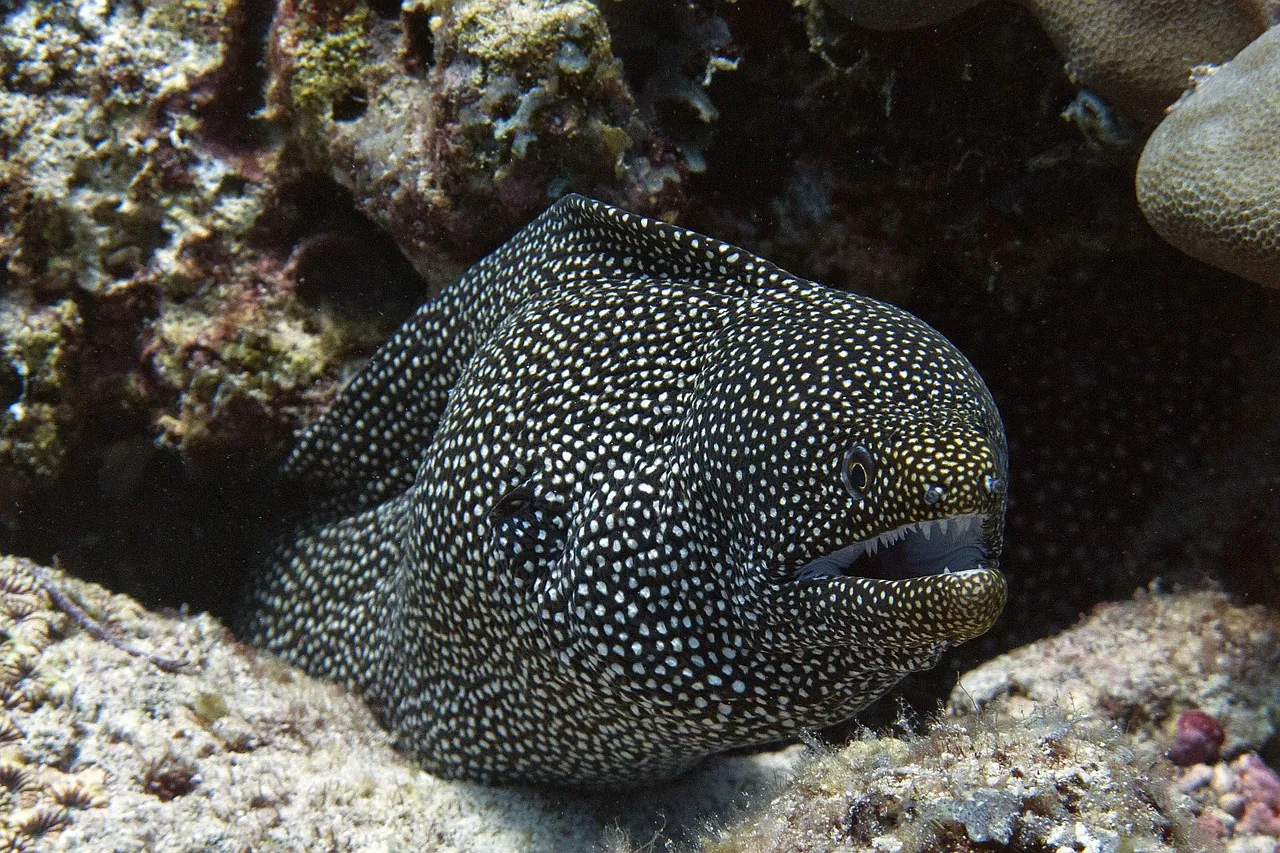
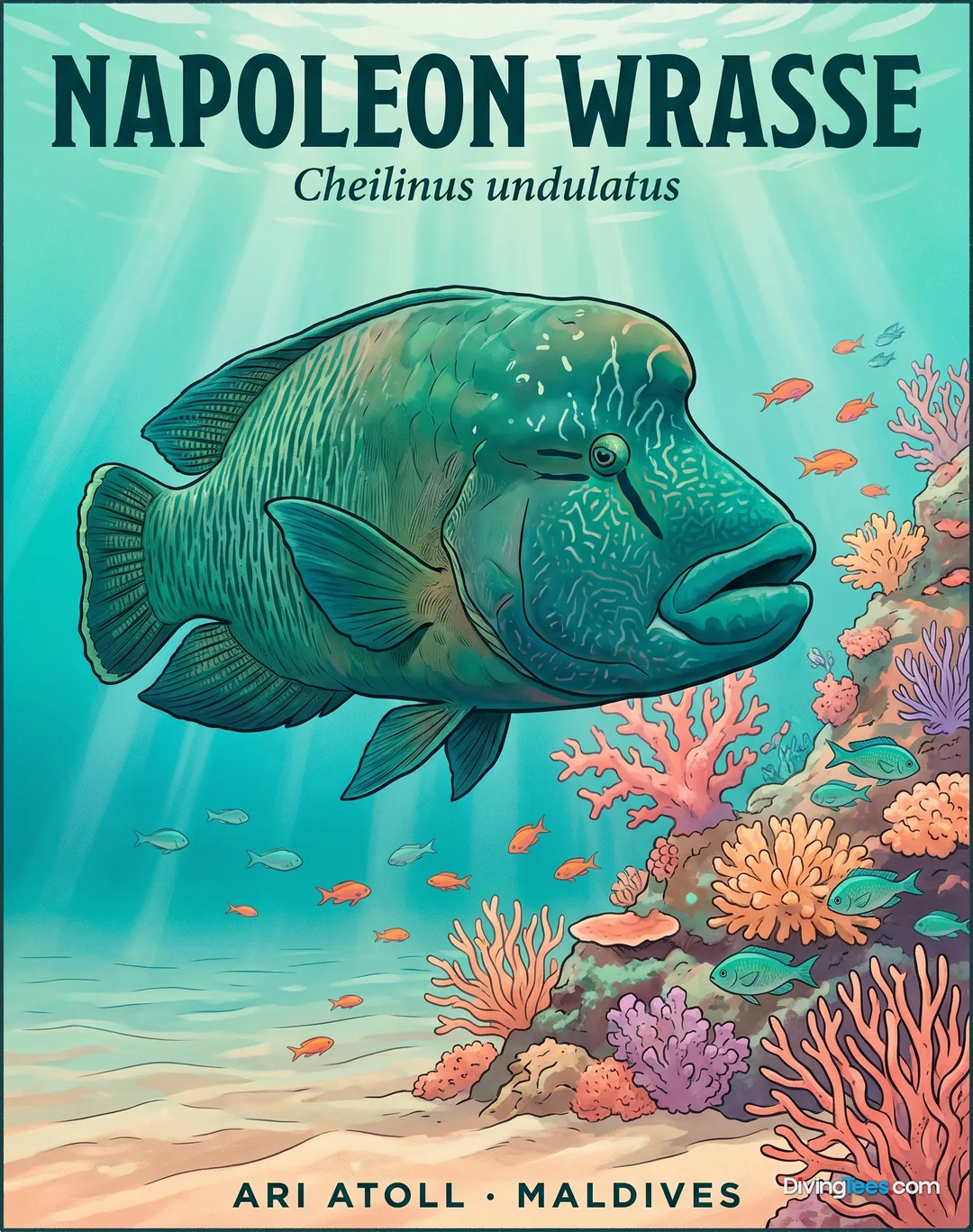
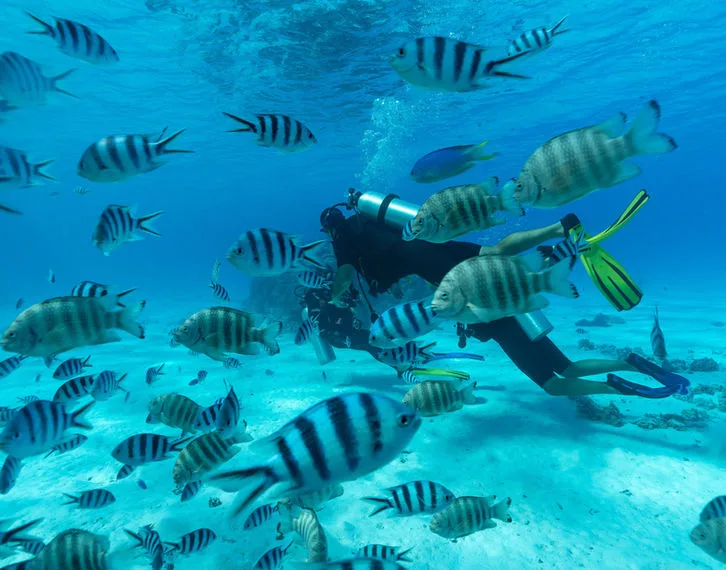
Beyond the pelagic movement, the site supports a variety of resident reef life along the walls and plateaus. You will find several species of damselfish and butterflyfish darting among the coral, alongside larger resident fish like Napoleon wrasse. Moray eels are commonly found seeking shelter in the crevices of the limestone structures. The presence of various angelfish and parrotfish further enriches the reef sections, providing a contrast to the open-water action of the main channel.
The final stages of the dive often take you along the shallower walls and plateaus. These areas are notable for their distinctive blue coral formations, which characterize the upper sections of the site. As you ascend along these structures, the environment shifts from the high-energy channel to a more structured reef environment. This combination of heavy current in the deep sections and detailed reef topography in the shallows makes Tevanui Pass one of the most technically engaging sites in the region.
Timing is critical for a successful dive at Tevanui Pass. The period from May to October generally offers the most stable conditions and the best visibility. During these months, the environmental variables are more predictable, allowing for a smoother drift through the channel. Regardless of the season, however, your dive plan must be tightly coordinated with the local tidal movements to manage the strength and direction of the current safely.
Advanced divers with prior drift-current experience are required due to the strong tidal currents and sloping topography. The depth ranges from 5 to 40 metres. Visibility typically stays between 20 and 30 metres, though it can drop when currents are at their strongest. The best season for diving here is May to October.
You should generally plan to dive Tevanui Pass from May to October, when conditions and visibility are more stable. Your dive still needs to be coordinated with local tidal movements, since current strength and direction affect the drift. Manageable tidal cycles are selected to support safer, more controlled navigation through the channel.
Tevanui Pass requires advanced diving experience and prior experience with drift currents. You need precise buoyancy control to maintain your depth while moving over the sloping ledges and terraces. Comfort with powerful tidal flow is important, particularly when water moves through the channel toward the open ocean during the outgoing tide.
Tevanui Pass ranges from 5 to 40 metres, with a profile that descends from deeper blue water through sloping ledges and terraces toward shallower walls and plateaus. Strong tidal currents define the dive, especially during the outgoing tide. Flow can stir sediment, while visibility generally ranges from 20 to 30 metres.
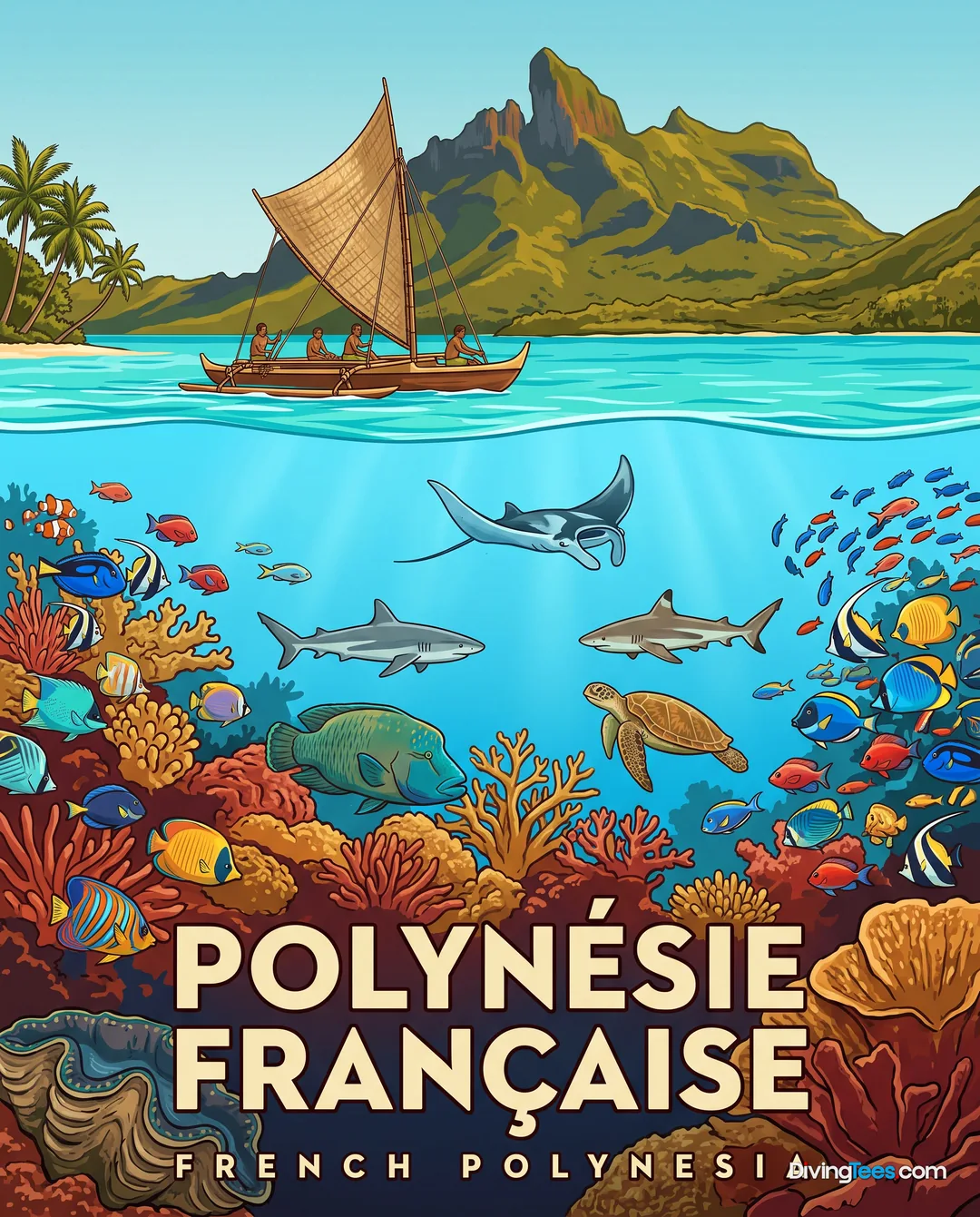
At Tevanui Pass, you can encounter large schools of trevally, tuna, and jack moving through the channel, along with reef sharks and whitetip reef sharks. Reef sections hold damselfish, butterflyfish, Napoleon wrasse, moray eels, angelfish, and parrotfish. Shallow walls and plateaus feature distinctive blue coral formations.