Takava Lodge
★ 9.6/10 (55 reviews)
3.6 km away as the crow flies
Dive centre · Fakarava · French Polynesia
4.8537 Google reviewsExplore the UNESCO Biosphere Reserve of Fakarava aboard a fast 7.50m RIB with Nitrox and rebreather support included.
For subtitles in English: start the video firstthen click the gearat the top right of the video, select “Subtitles/CC”, then “Auto-translate” and choose “English”.
Located just 3km from the village of Rotoava, O2 Fakarava serves as a gateway to the world-renowned marine environments of the Fakarava atoll. This UNESCO Biosphere Reserve is famous for its high-energy passes and immense concentrations of pelagic life, offering everything from calm lagoon gardens to challenging drift dives.
The centre operates with a focus on small groups, ensuring that the unique conditions of the North and South passes are navigated safely. Whether you are looking to explore the wide Garuae Pass or the shark-dense waters of Tumakohua, the setup is designed to handle the specific demands of these sites.
The centre is run by Marion and Thibault, who are both CMAS ** instructors and SSI instructors. They bring a deep local knowledge of the atoll to every outing, guiding divers through the various currents and tidal shifts that define Fakarava.
Instruction is provided by a team of two instructors, with a strict ratio of a maximum of four divers per guide. This ensures close supervision, which is particularly important when navigating the strong incoming currents characteristic of the northern passes.
All instruction and guiding is conducted in French. The centre is affiliated with SSI, CMAS, and PADI, making it a versatile base for divers looking to complete specific certifications or refresh their skills.
A comprehensive range of training is available through SSI, CMAS, and PADI. Beginners can start with the Open Water Diver course, while more experienced divers can progress through Advanced Open Water, Deep Diver, and Drift Diving specialties.
For those looking to refine their skills, the centre offers Buoyancy Mastery and Refresh courses. They also provide specialised training such as AWARE Coral Reef Conservation, Fish Identification, and Emergency Oxygen Provider (EFR). The centre is also equipped to teach N1 (FFESSM/CMAS 1*) certifications.
The primary vessel is a 7.50m BWA semi-rigid, powered by twin 150CV Mariner motors. This setup provides the speed and reliability needed to reach the more distant sites, such as the South Pass or the Toau Atoll, efficiently.
The boat is configured for diver comfort and safety, featuring a forward-facing helm position and raised cylinder racks. On board, you will find an oxygen kit and various safety equipment, with refreshments including hot and cold drinks and homemade cakes provided during the trips.
The centre maintains a high standard of equipment, acting as a Cressi partner. Available for hire is a full range of new kit, including Morea 3.5mm wetsuits, Playa 2.5mm shorties, Start BCDs, and Giotto dive computers. For those needing fins, the Pro Star models are available.
On the shore side, the centre utilises a Bauer-Poseidon PE-MVE compressor to ensure high air quality. Divers can utilise Nitrox, with 12L and 15L aluminium cylinders available for use. The centre also supports technical diving with rebreather capabilities, including dedicated guides and a minimum runtime of 2 hours for these sessions.
Passe de Garuae (Fakarava North) is a massive 1600m wide pass where you will experience drift dives through coral canyons. The site features depths between 20m and 30m and is famous for its incredible concentrations of sharks and tuna.
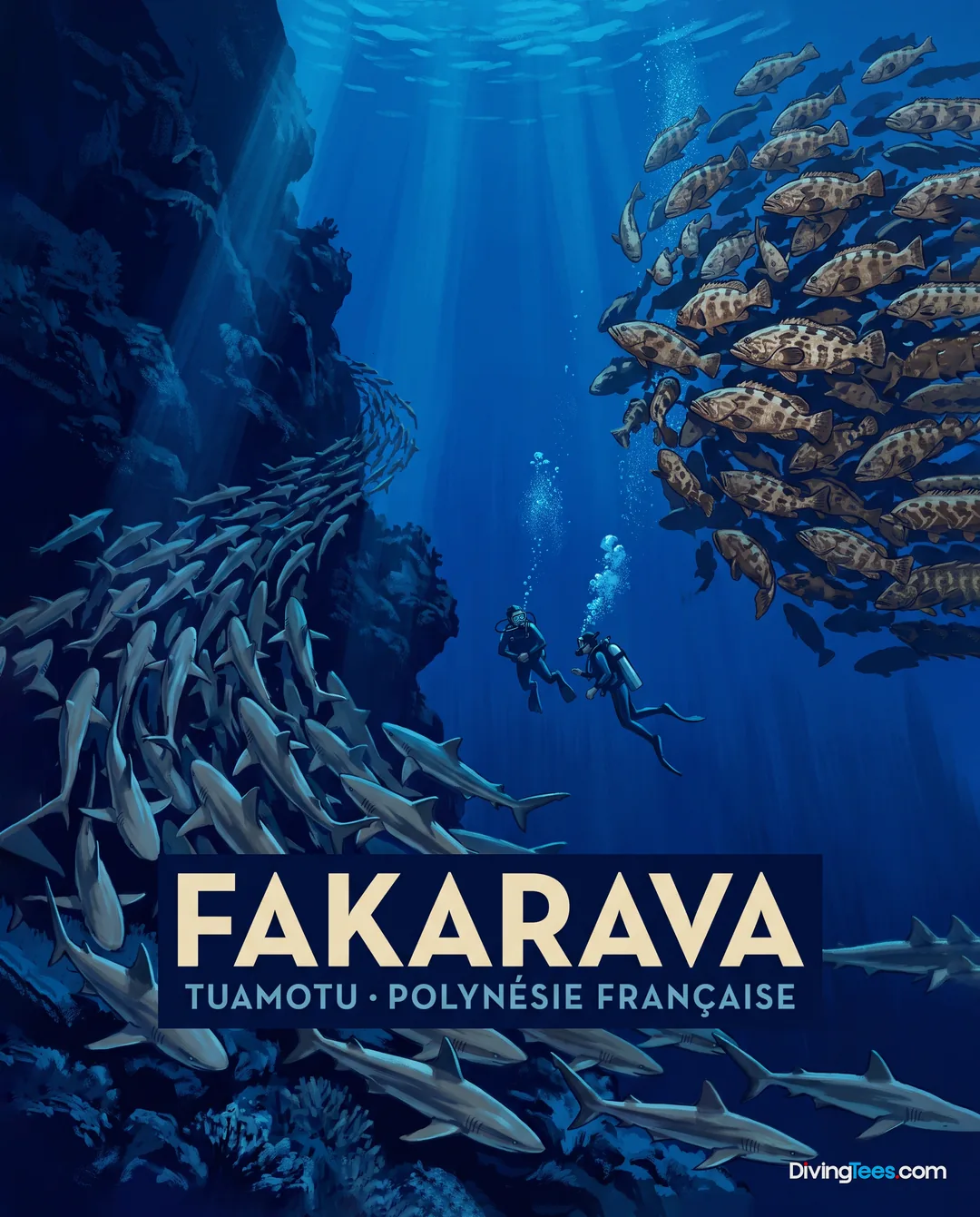
Passe de Tumakohua (Fakarava South) is a narrower 200m pass known for having one of the highest densities of grey sharks in the world. The currents here are generally more moderate than in the North, making it an excellent site for drift diving.
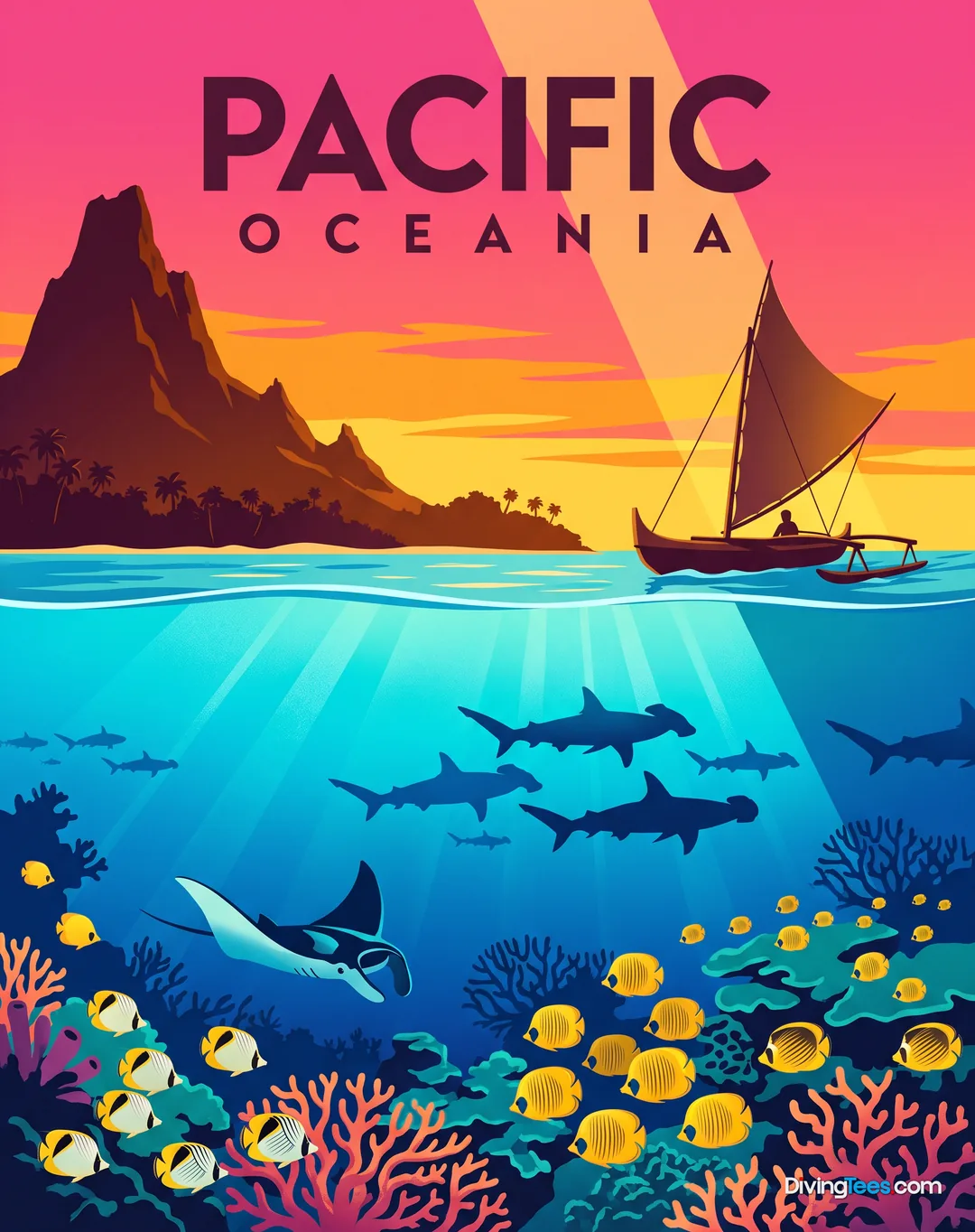
Atoll de Toau is a remote location roughly an hour's boat ride away, offering a truly wild diving experience. The Otugi and Fakatahuna passes provide spectacular sightings of grey sharks, whitetip reef sharks, and occasionally hammerhead sharks or dolphins.
And some of the dive sites the centre runs.
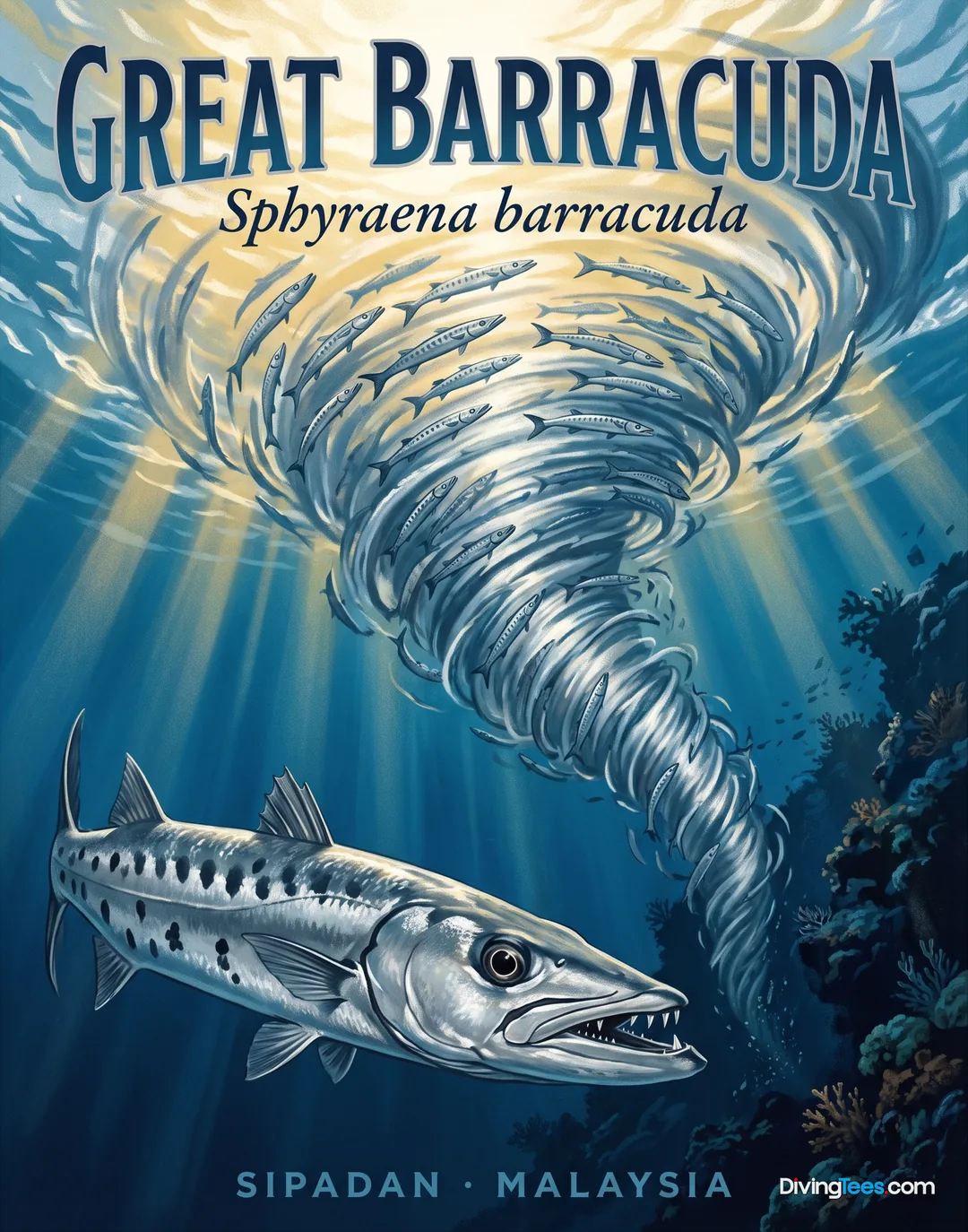
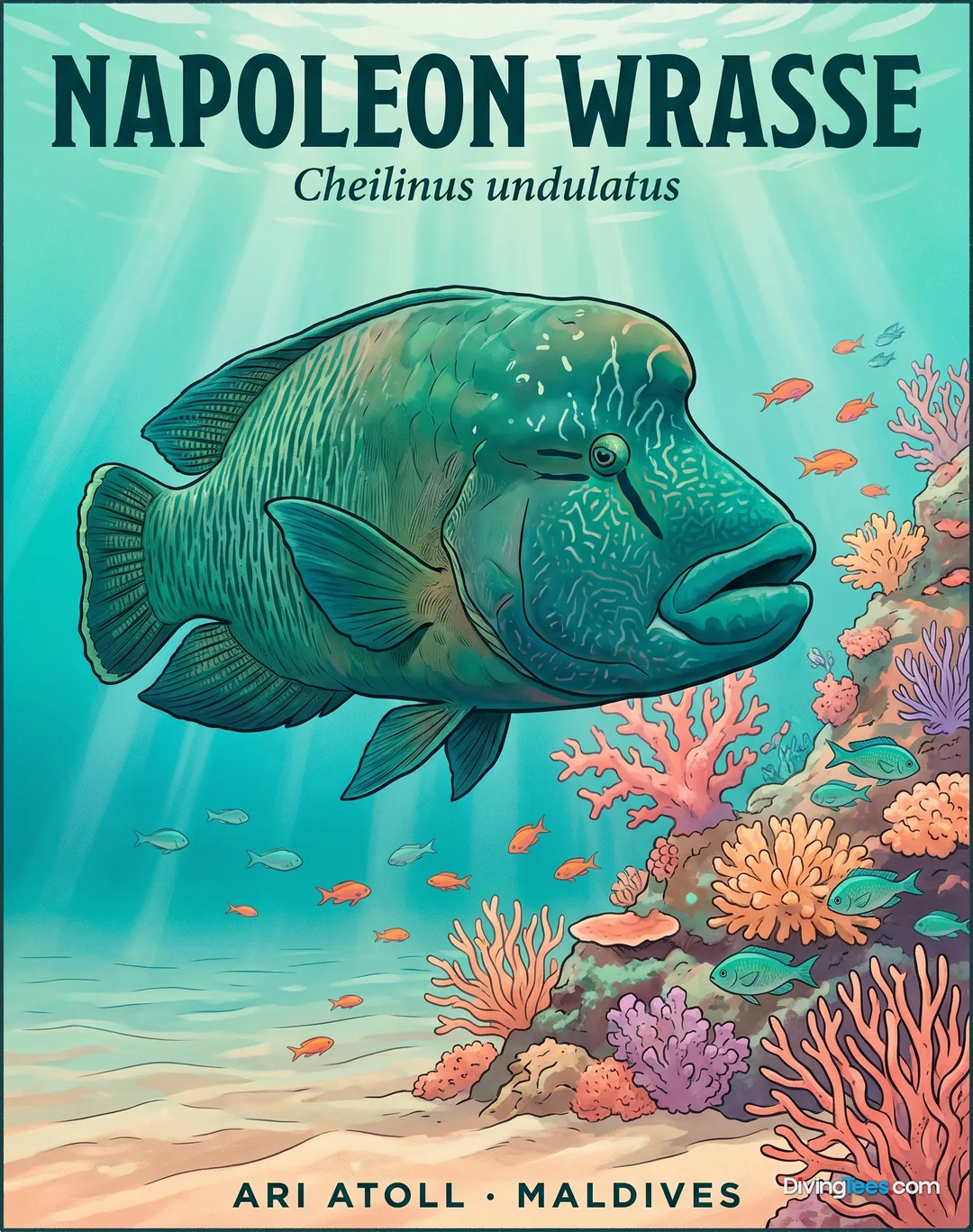
The marine life in the passes is dominated by large pelagics. You will regularly encounter grey sharks (Carcharhinus amblyrhynchos), whitetip reef sharks (Triaenodon obesus), and silky sharks, alongside schools of tuna (Thunnus), barracudas (Sphyraena barracuda), and Napoleon wrasse (Cheilinus undulatus).
The reef structure itself is vibrant, populated by surgeonfish, parrotfish (Calotomus), and various groupers. In the calmer lagoon areas, you can find diverse tropical fish, bigeyes, and red snappers moving amongst the coral gardens.
Seasonality brings specific spectacles to the atoll. Between June and July, during the full moon, you can witness the marbled groupers (loches marbrées) at their reproduction sites. From July to September, the waters may also host humpback whales.
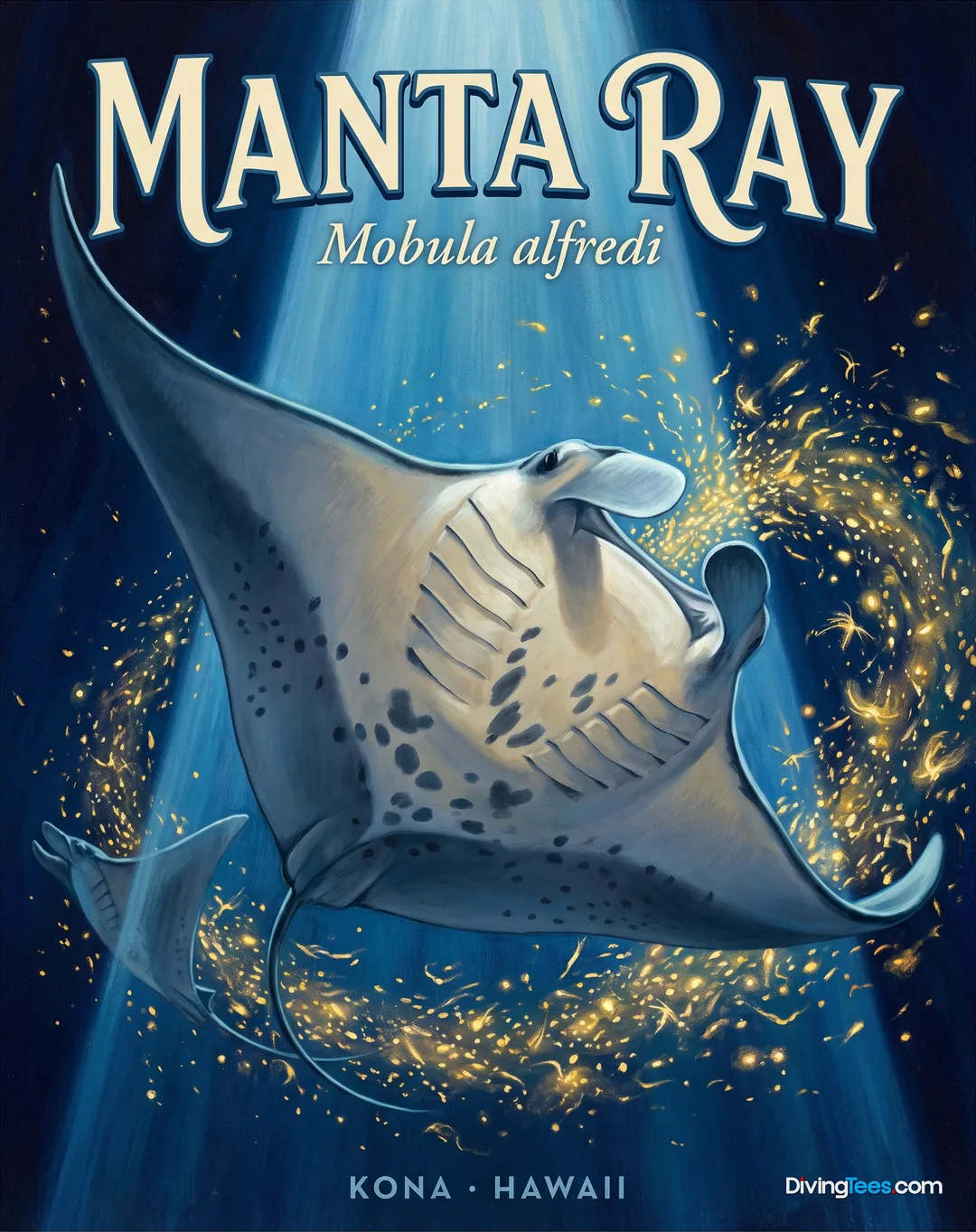
For those interested in rarer sightings, the area can occasionally host manta rays (Mobula alfredi), dolphins (Delphinidae), and even tiger sharks or hammerhead sharks, particularly around the more remote atolls.
Diving in Fakarava is heavily dictated by the tides and the movement of the passes. The North Pass can experience strong incoming currents that require a certain level of experience, while the South Pass generally offers more moderate conditions.
Drift diving is the standard method for exploring the passes, and most dives are timed to coincide with the incoming tide or slack water for safety. Swell conditions are monitored closely, as heavy seas can impact boat access and safety.
Hello, I'm Marina, DivingDeal.com's AI assistant. I answer in detail about hotels, dive centres and liveaboards.

Thinking about the whole trip and the flights? Talk it over with Edith →
Marina is an AI. Some links are affiliate links: DivingDeal may earn a commission, at no extra cost to you. Bookings are made with the partner.