
Takava Lodge
★ 9.6/10 (55 reviews)
5.4 km away as the crow flies
Dive centre · Fakarava · French Polynesia
4.5100 Google reviewsExperience the high-density pelagic life of a UNESCO Biosphere Reserve through the expert guidance of a PADI 5 Star centre.
For subtitles in English: start the video firstthen click the gearat the top right of the video, select “Subtitles/CC”, then “Auto-translate” and choose “English”.
Fakarava is a massive UNESCO Biosphere Reserve, and its status is reflected in the sheer density of life found within its waters. As the second largest atoll in French Polynesia, it is defined by two major openings to the ocean: the northern Garuae Pass and the southern Tumakohua Pass. These channels create unique environments where currents drive massive concentrations of marine life.
TOPDIVE has been an established presence on the atoll since 1998, operating from the main village of Rotoava in the north and also providing access to the southern Motu Penu area. Whether you are looking for the adrenaline of a drift dive through a narrow canyon or the tranquillity of a shallow reef flat, the atoll offers a diverse range of underwater topographies.
As a PADI 5 Star dive centre, TOPDIVE maintains a high standard of professional instruction and technical support. The team is available seven days a week to handle everything from basic training to technical requirements. They place a heavy emphasis on safety and professional guidance, ensuring all dives are conducted under the supervision of qualified instructors.
The centre provides a reliable infrastructure for both recreational and training divers. With a technical team on hand throughout the week, they are well-equipped to manage the specific needs of a busy dive operation in a remote atoll location.
The centre offers a full range of PADI training, starting from the Open Water Diver course for those new to the sport. For those looking to progress, they provide advanced training and specialty courses, including the PADI Shark Specialty course.
Nitrox training is also available on-site for divers who wish to become certified to use enriched air. This is a practical addition for anyone planning to spend significant time exploring the atoll's diverse marine habitats.
The centre operates three dedicated dive boats to move divers to the various sites around the atoll. The fleet includes aluminium open dive boats and semi-rigid boats, with capacities ranging from 10 to 18 divers per vessel.
These boats are used for a variety of trip types, including standard morning and afternoon dives, night dives, and full-day excursions to the southern pass. On full-day trips to the south, the programme includes two dives and a picnic at Sables Roses.
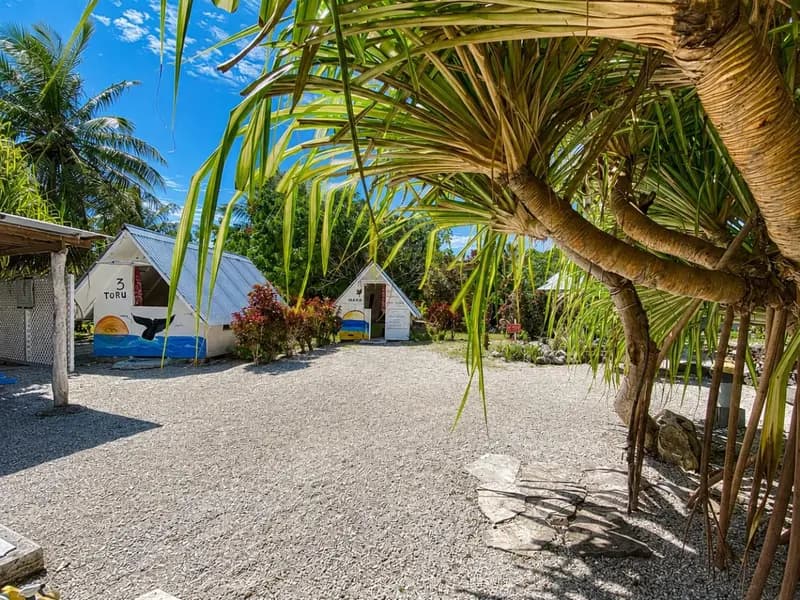
Onshore, the centre is equipped to support divers with full kit hire, using Aqualung equipment. For those who prefer to bring their own, there are dedicated facilities including changing rooms, lockers, and hot showers to rinse off after a dive.
A Nitrox station is available on-site, utilizing membrane compressors to provide enriched air for certified divers. This allows for extended bottom times, which is particularly useful when exploring the deeper sections of the reef or the passes.
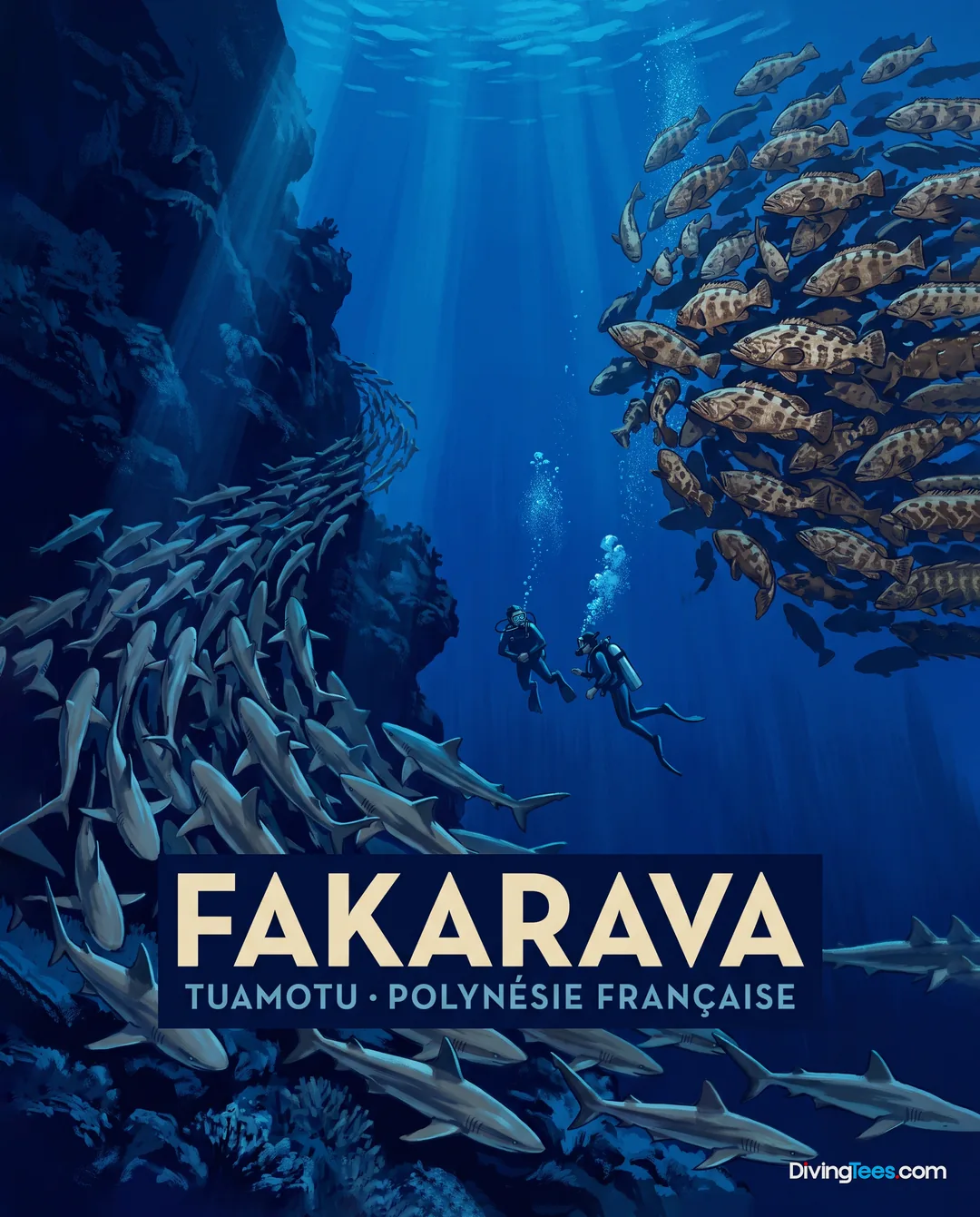
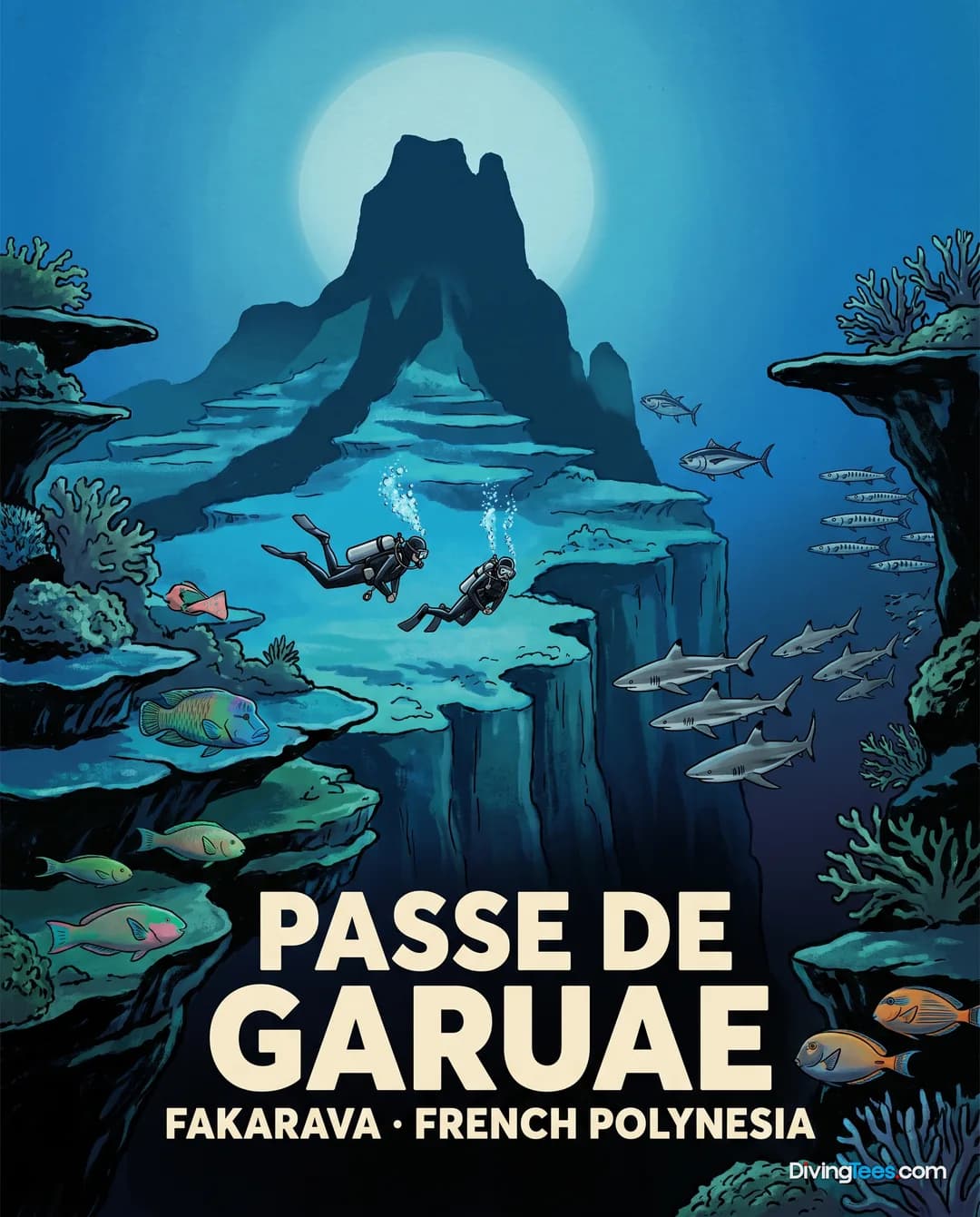
Passe de Garuae is a world-renowned site, a massive channel up to a mile long. It is famous for its high density of Grey reef sharks (Carcharhinus amblyrhynchos) and requires divers to have strong buoyancy control and experience with strong currents.
Récif d'Ohotu offers a more accessible experience, featuring a reef flat that descends to a wall at 30 metres. It is a vibrant site where you can encounter Whitetip reef sharks (Triaenodon obesus), Manta rays (Mobula alfredi), and various species of Tuna (Thunnus) and Jack (Carangidae).
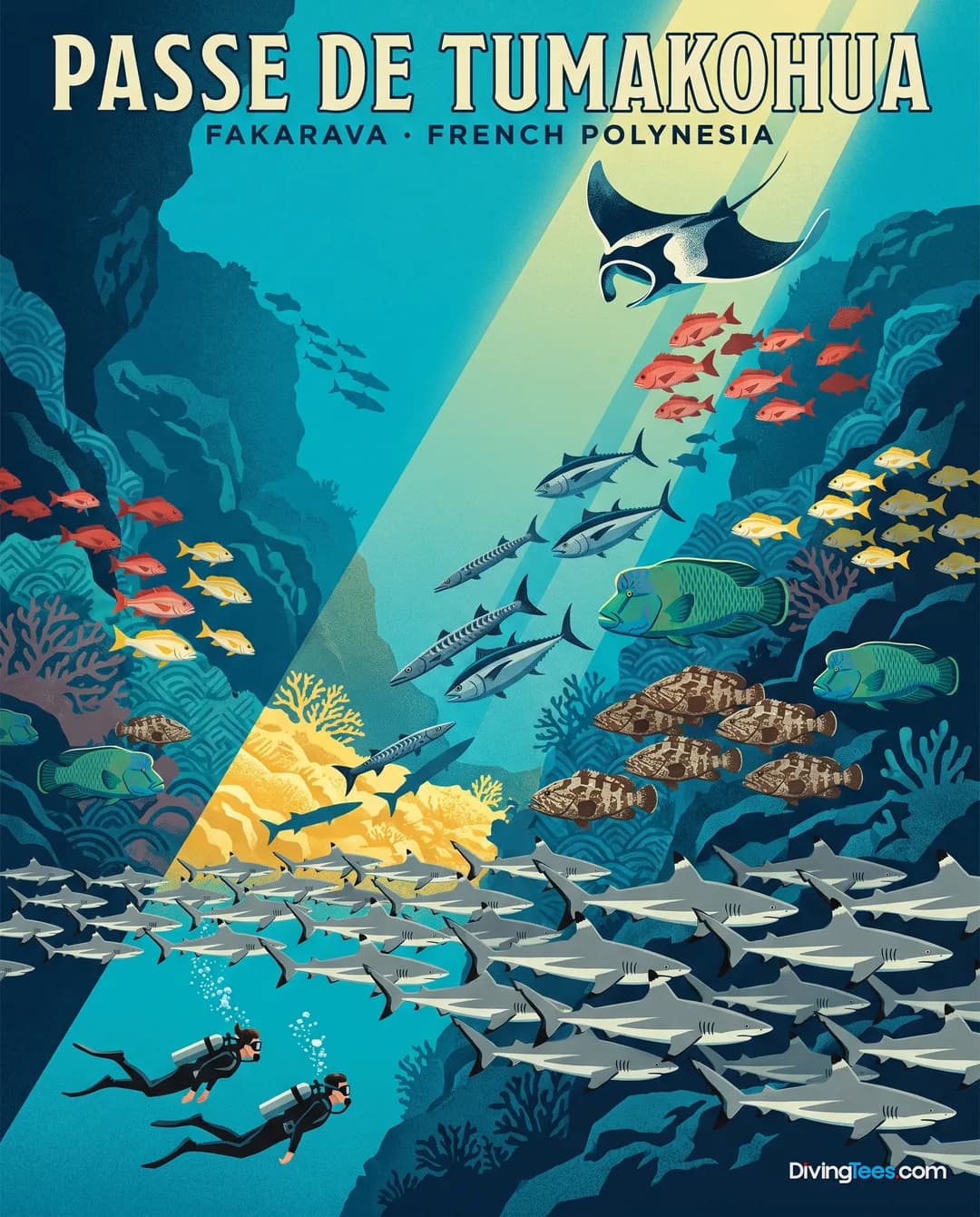
Passe de Tumakohua is located in the south and is generally calmer than the northern pass. It is suitable for all experience levels and offers a high level of biodiversity within a narrower, more manageable channel.
Récif de Pufana is a shallow site located within the lagoon, reaching depths of only 15 metres. It is an ideal location for beginners or photographers seeking calm, well-lit conditions amongst the coral and sand.
And some of the dive sites the centre runs.
The marine life in Fakarava is defined by its incredible pelagic presence. You will regularly encounter Grey reef sharks (Carcharhinus amblyrhynchos), Whitetip reef sharks (Triaenodon obesus), and various other Shark (Selachimorpha) species. Large pelagics such as Manta rays (Mobula alfredi), Tuna (Thunnus), and Jack (Carangidae) are also common sights along the walls and passes.
The reef itself is a thriving habitat of hard and soft corals, including various Acropora species. You will find a wide array of reef fish, including colorful fish, surgeonfish, and various schools of fish that congregate in the canyons to find shelter from the current.
During specific breeding seasons, you may have the opportunity to see marbled groupers. The biodiversity extends to smaller residents like various species of groupers and diverse tropical fish inhabiting the coral gardens.
The diving in Fakarava is heavily influenced by the tidal currents passing through the two main openings. The Garuae Pass is known for its strong currents, making it a site for experienced divers, while the Tumakohua Pass in the south tends to be more moderate.
Divers should be prepared for varying conditions depending on the tide; many dives in the passes are timed to coincide with slack water or specific tidal flows to ensure safety and visibility. The atoll offers everything from calm, sheltered lagoon dives to high-energy drift dives through narrow channels.
Hello, I'm Marina, DivingDeal.com's AI assistant. I answer in detail about hotels, dive centres and liveaboards.

Thinking about the whole trip and the flights? Talk it over with Edith →
Marina is an AI. Some links are affiliate links: DivingDeal may earn a commission, at no extra cost to you. Bookings are made with the partner.