
Jeannine Lodge
★ 9.9/10 (105 reviews)
8 km away as the crow flies
Dive centre · Rangiroa · French Polynesia
5.020 Google reviewsSpecialised technical diving at the edge of the Tiputa Pass, offering full CCR support and Trimix training.
For subtitles in English: start the video firstthen click the gearat the top right of the video, select “Subtitles/CC”, then “Auto-translate” and choose “English”.
Located on the atoll of Rangiroa in French Polynesia, CCR Rangiroa serves as the primary hub for technical divers in the Tuamotu Archipelago. The centre is positioned just five minutes from the Tiputa Pass, providing immediate access to some of the most legendary drift dives in the Pacific.
While the centre welcomes divers of all levels, its identity is firmly rooted in technical exploration. It is the only facility in the area specifically equipped to support Closed Circuit Rebreather (CCR) diving, offering the autonomy and discretion that rebreather divers require when navigating the atoll's complex environments.
The centre is highly accredited, maintaining affiliations with PADI, SSI, TDI, SDI, IANTD, ANMP, FFESSM, and FSGT. This wide range of certifications ensures that divers can progress through various technical and recreational pathways under a single roof.
Instruction is handled by a professional team capable of teaching everything from introductory rebreather experiences to advanced instructor-level courses. The staff covers a broad curriculum, including SDI OWSI, TDI AP diving, and specialised roles such as Nitrox and rebreather instructors.
The training programme is extensive, catering to the progression from recreational to high-level technical diving. For those new to advanced gases, the centre offers Advanced Nitrox, Nitrox Instructor, and various Trimix modules, including Normoxic and Hypoxic training through ANMP and FSGT.
Technical divers can pursue deep exploration through TDI Extended Range, Deco procedures, and Advanced recreational trimix via IANTD or Helitrox TDI. The rebreather curriculum is equally thorough, ranging from an initial Rebreather Experience to advanced modules such as Diluant Air (Modules 1 & 2), Normoxic Diluant Trimix, and specific instructor training for the Inspiration Vision Air.
The shore-based facilities are purpose-built for the technical diver. There is a dedicated area for rebreather operations, including support for bail-out cylinders and the availability of 2L and 3L cylinders. The centre manages its own gas blending, providing oxygen, helium, and enough consumables to support complex Trimix profiles.
For those not travelling with their own kit, a full range of equipment is available for hire, including wetsuits, fins, and masks. The centre also provides specialised rebreather rental, including models such as the ApDiving Evolution and Evolution+, rEvo III Mini, rEvo III Micro, and MCCr Triton. Additionally, they offer a full service for the maintenance, repair, and sale of rEvo rebreathers.
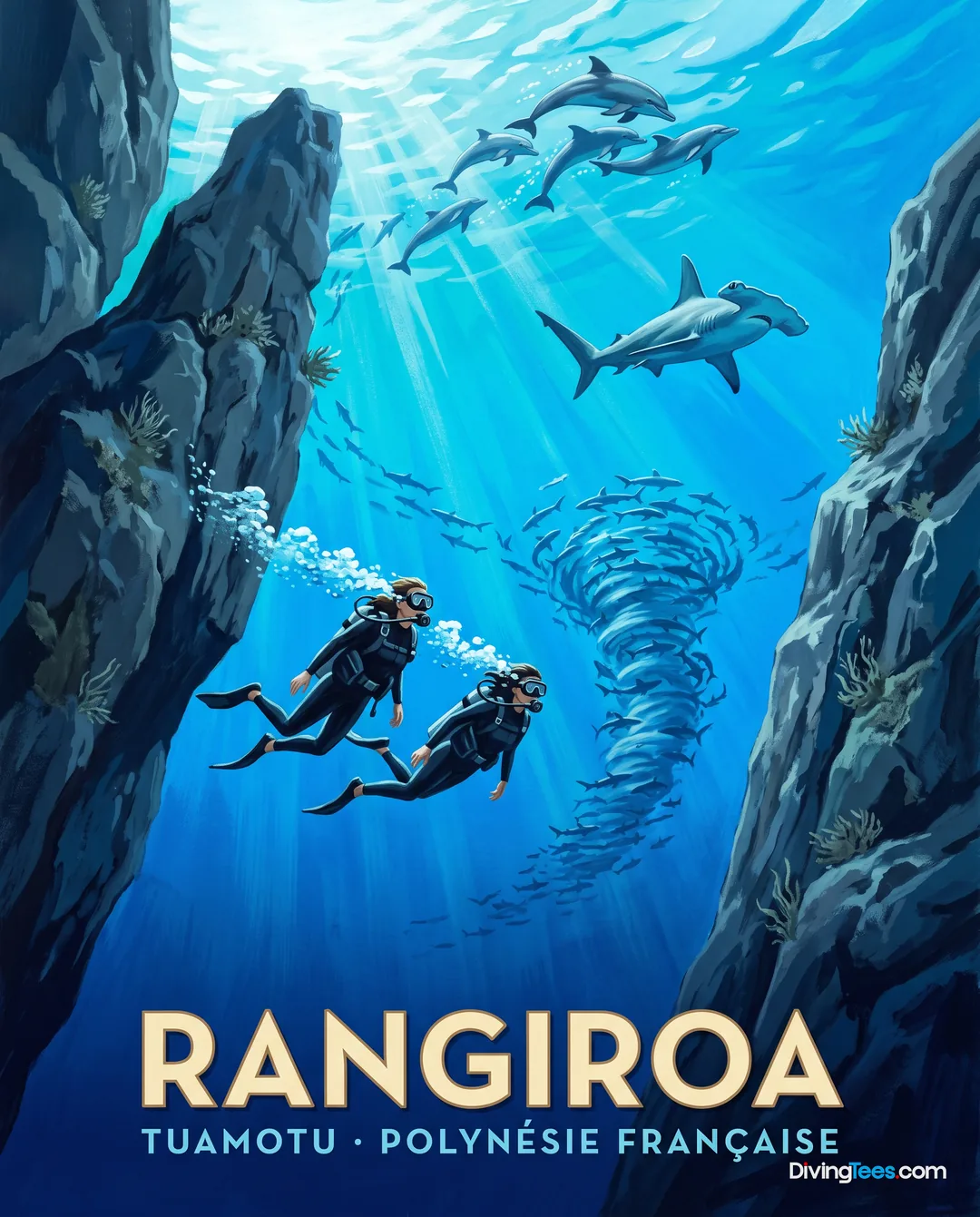
Tiputa Pass: A legendary site known for its powerful currents that create spectacular drift dives. Depending on the tide, you can dive the external slope during an ebb current to encounter dolphins and large pelagics, or enter the pass itself during a flood current to swim through walls of sharks and canyons.
Tiputa Pass (External Slope): During the outgoing current, the dive moves to the outer slope of the atoll. This area is a magnet for large predators and provides opportunities to see Napoleon wrasse, barracudas, and various shark species in a high-energy environment.
And some of the dive sites the centre runs.
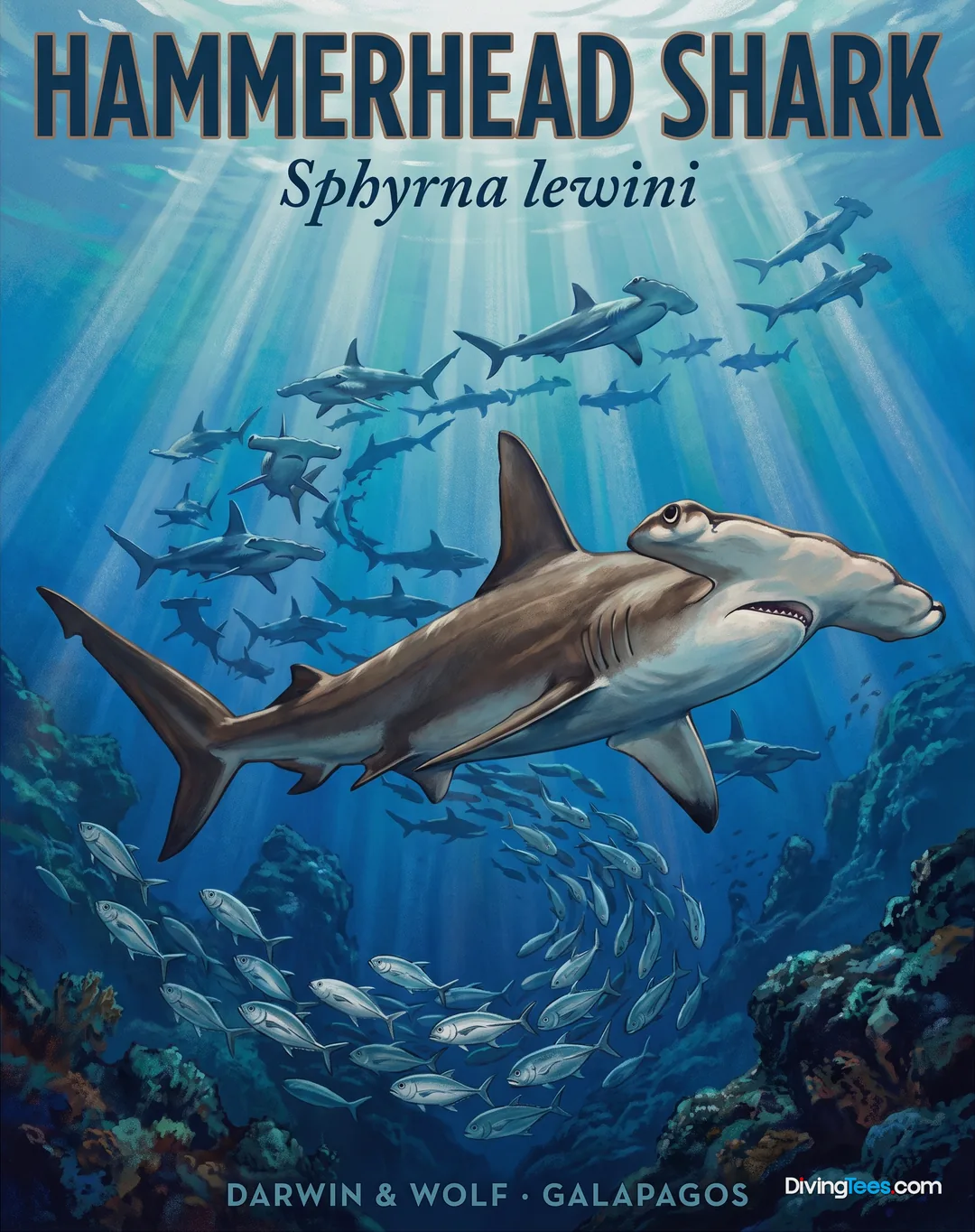
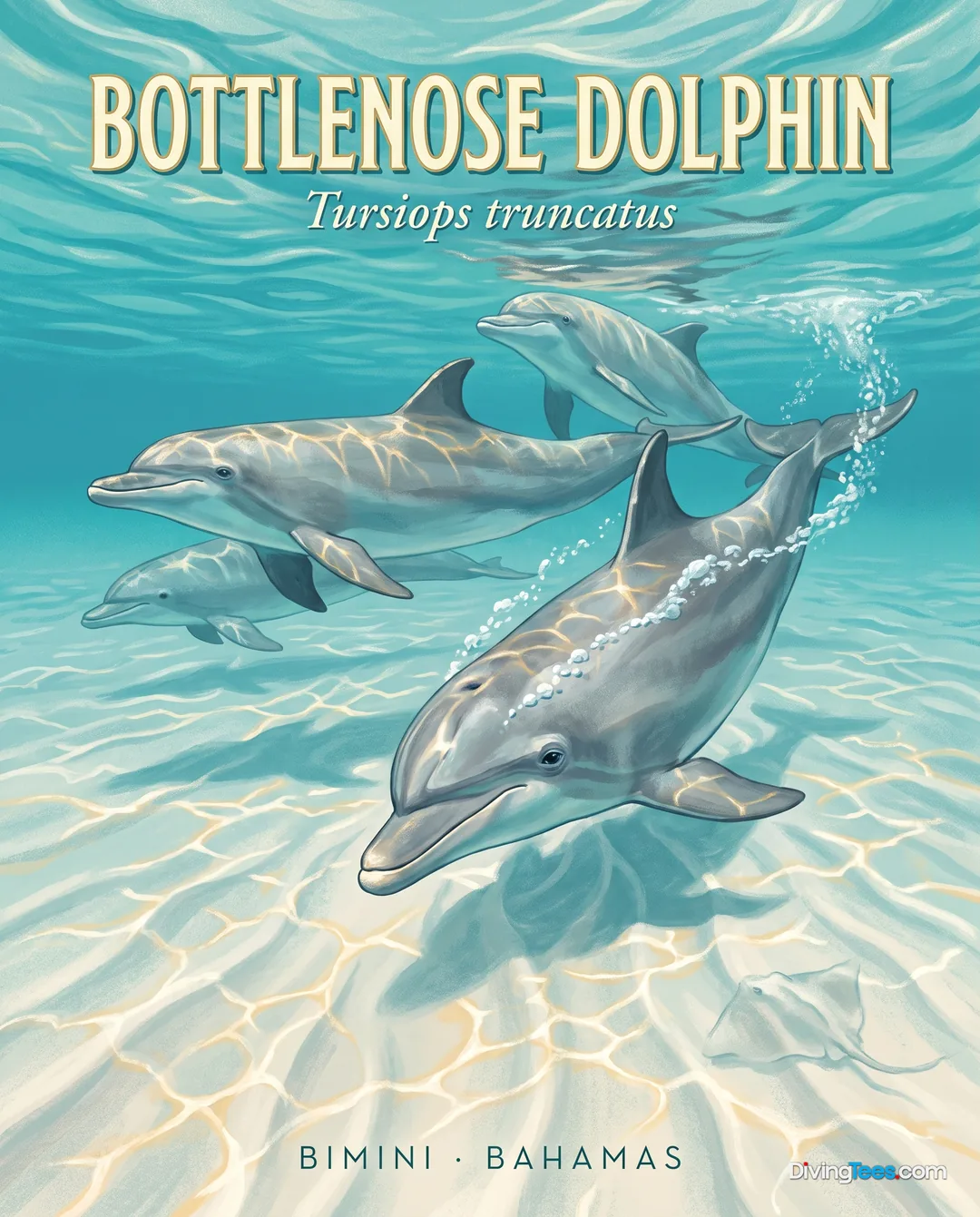
The marine life around the Tiputa Pass is defined by the massive scale of the pelagics. You will frequently encounter Bottlenose dolphin (Delphinidae), Manta ray (Mobula alfredi), and various shark species including Grey reef shark (Carcharhinus amblyrhynchos), Great barracuda (Sphyraena barracuda), and Leopard rays. During certain periods, Hammerhead shark (Sphyrna lewini) may also be present.
In the reef structures and canyons, the biodiversity is immense. Divers regularly see Napoleon wrasse (Cheilinus undulatus), Jack (Carangidae), and various species of Surgeonfish (Acanthuridae) and Parrotfish (Calotomus). Large schools of fish, including various snappers and trevally, move through the pass in response to the shifting currents.
Smaller residents of the reef include Clownfish, various tropical reef fish, and several types of rays. The ecosystem is supported by a healthy population of reef inhabitants that thrive in the nutrient-rich waters moved by the pass.
The Tiputa Pass is characterised by strong and predictable currents that change direction with the tide. Divers must be prepared for both outgoing and incoming flows, which dictate whether you are diving the external slope or navigating the interior of the pass.
These currents make the area a premier destination for drift diving, but they require competent buoyancy control and an understanding of tidal movements. The environment is highly dynamic, making it a site that rewards experienced divers and those with technical training.
Hello, I'm Marina, DivingDeal.com's AI assistant. I answer in detail about hotels, dive centres and liveaboards.

Thinking about the whole trip and the flights? Talk it over with Edith →
Marina is an AI. Some links are affiliate links: DivingDeal may earn a commission, at no extra cost to you. Bookings are made with the partner.