


Rangiroa Diving Center
Google 4.9/5 (378 reviews)
Rangiroa · French Polynesia · Pacific
Max. depth · 35 mExperience a transition from stationary cavern observation to a high-energy drift through the Tiputa Pass channel.
The site is situated at the outer reef wall on the ocean-facing side of the Tiputa Pass entrance in Rangiroa. Its geography is defined by a large cavity or cavern embedded in the reef structure, positioned at a depth of approximately 30 to 35 metres. This entrance acts as a threshold between the deep oceanic waters and the sloping reef that leads into the lagoon. To reach the site, you must perform a controlled, often rapid descent from the boat to reach the cave's opening. This initial phase requires precision to ensure you arrive at the correct depth without overshooting the target.
Once you have established position at the cave mouth, the dive profile shifts from a vertical descent to a stationary observation phase. You will remain at depth, holding your position in the cavern to watch the interface between the cave and the open water. This is where the grey reef sharks often approach the opening, allowing for close-up encounters in a relatively stable environment before the current takes over. The light filtering through the entrance creates a distinct atmosphere, contrasting the dark interior of the cavity with the blue of the outer reef. This period provides a calm window to observe predator behaviour before the high-energy drift begins.
The second half of the dive is defined by a significant change in hydrodynamic conditions as you exit the cave. You will let the current carry you along the channel wall, moving from the deep ocean side through the Tiputa Pass and towards the shallower lagoon. This drift portion is characterized by high energy and constant movement, requiring active buoyancy control to navigate the sloping topography. As you move through the pass, the depth progressively decreases, transitioning you from the deep reef wall into the inner waters of the atoll. The experience is a direct response to the tidal flow moving through the channel.
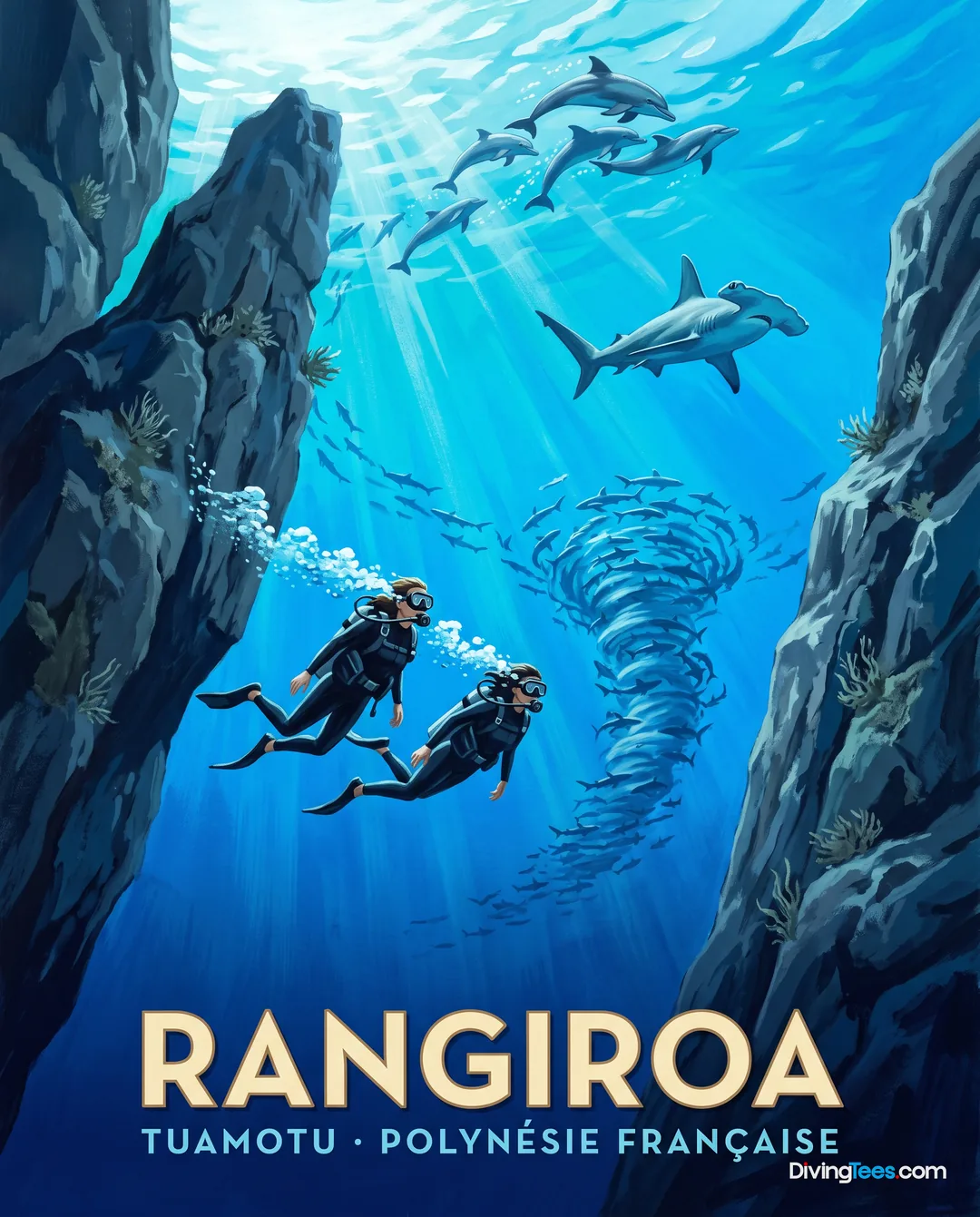
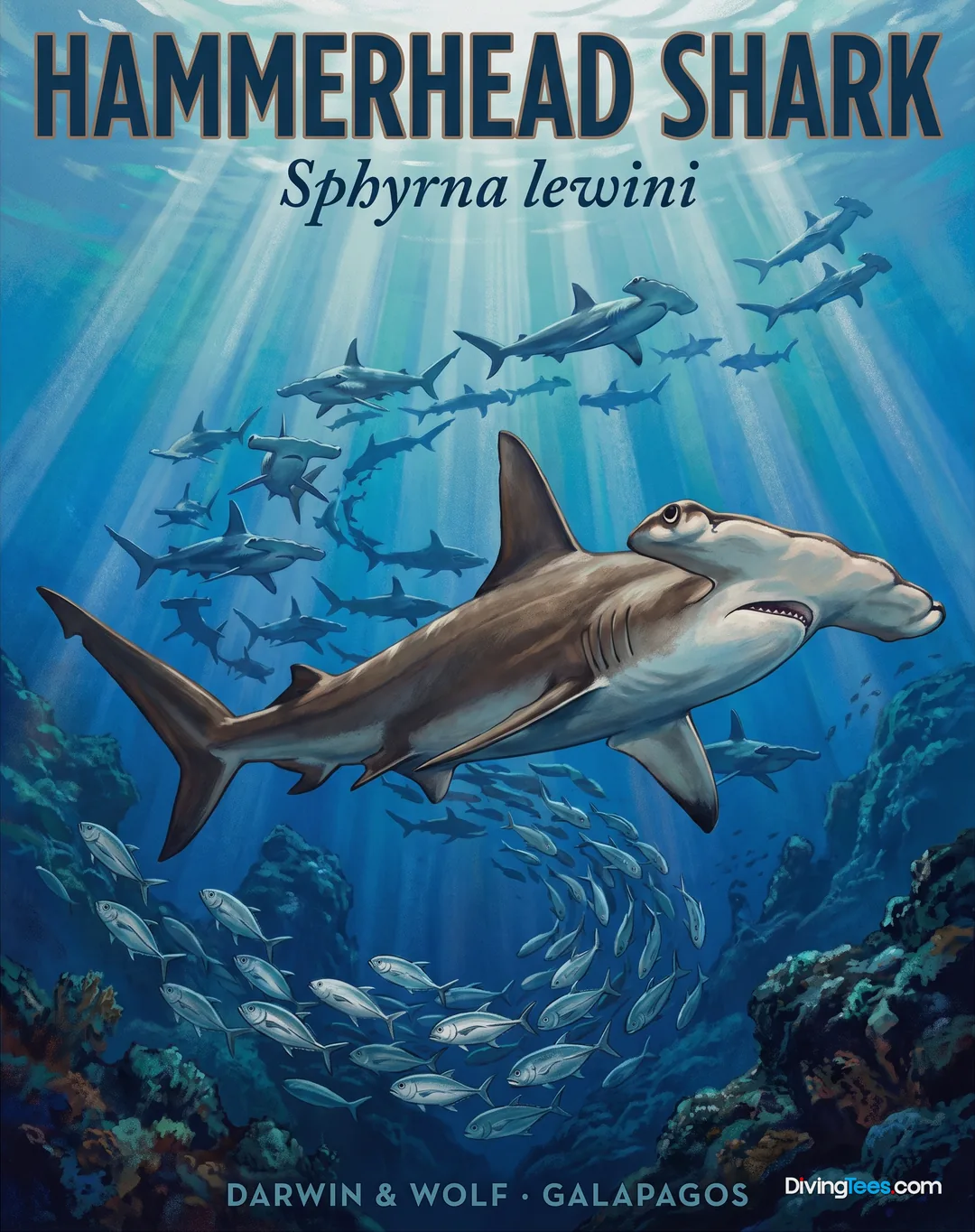
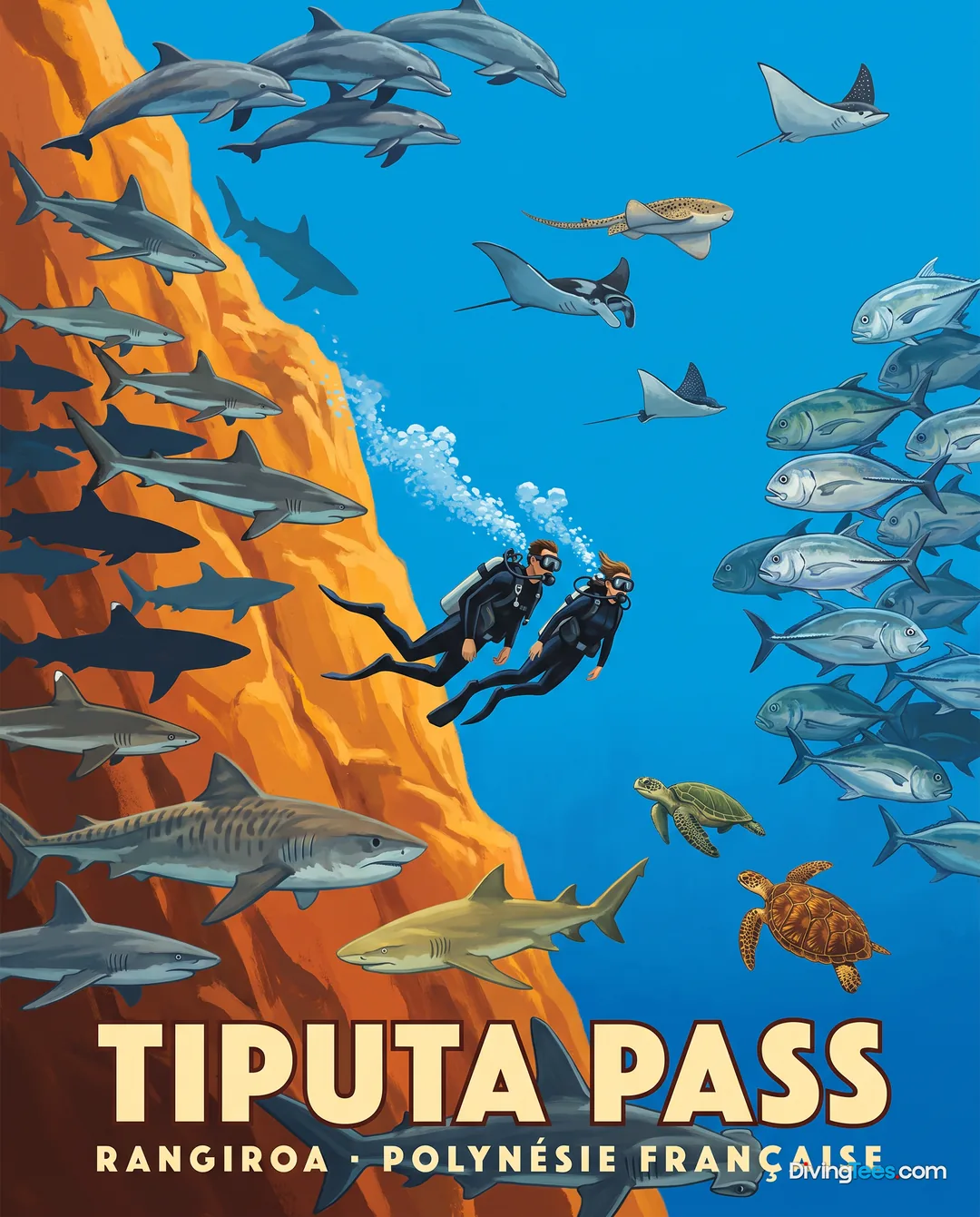
Shark activity is the primary driver of this site's reputation, particularly during the incoming tide. As ocean water is pushed through the pass into the lagoon, large numbers of sharks utilize the current to patrol the area. You can expect to see grey reef sharks approaching the cave, alongside blacktip reef sharks and whitetip reef sharks patrolling the walls. In some instances, hammerhead sharks may be seen in the vicinity of the pass. The movement of these predators is closely linked to the water flow, making the timing of the dive critical for maximizing these encounters.
Beyond the sharks, the site hosts a variety of larger pelagic species that traverse the pass. You may encounter manta rays and leopard rays gliding through the water column or near the reef base. Large predatory fish such as barracuda, tuna, and marlin are frequently seen in the deeper sections or cruising with the current. These species are often drawn to the high-energy environment created by the tidal exchange. Observing these animals in a natural, high-flow context provides a clear view of the ecosystem's productivity within the Rangiroa atoll.
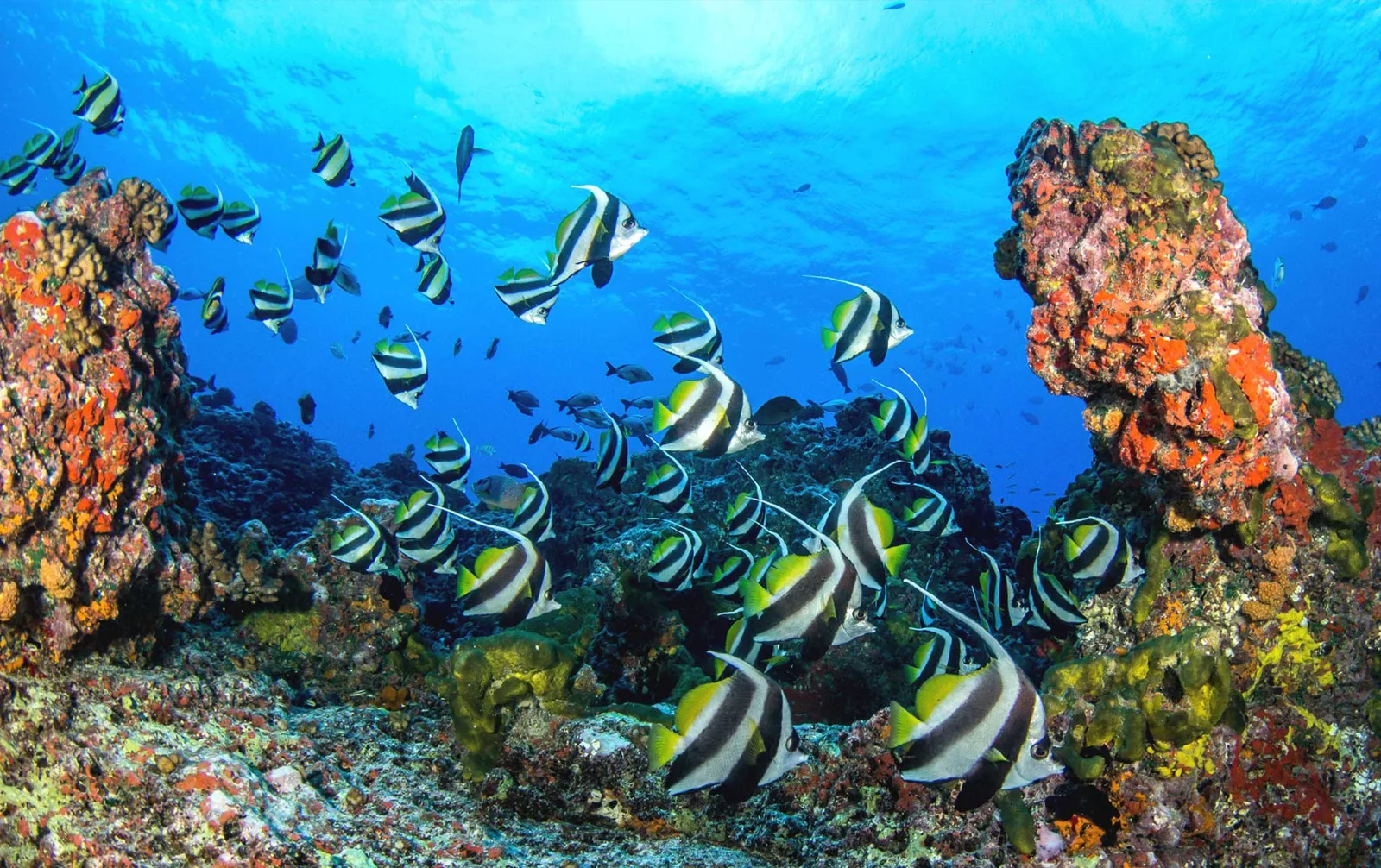
The reef structure itself supports a diverse community of resident fish that inhabit the walls and crevices. Schooling jacks often move in large groups through the channel, adding to the sense of movement during the drift. You will also find various surgeonfish and butterflyfish closer to the reef slopes as you move toward the lagoon. These species provide a constant background of life, even when the larger pelagic animals are less visible. The transition from the deep, shark-dominated cave to the shallower, reef-focused lagoon ensures a high level of biological diversity throughout the dive.
Visibility at Shark Cave is consistently high, frequently ranging between 30 and 40 metres. This clarity is essential for spotting sharks approaching the cave from the distance and for navigating the pass during the drift. The visibility is most reliable during the drier, cooler months from May to October. Such clear conditions allow you to track pelagic species even as they move in and out of the deeper blue. Maintaining a good visual on your buddy and the reef wall is easier under these conditions, though the current remains the primary navigational challenge.
The technical nature of the site is defined by the interplay between depth and tidal strength. Because the dive begins at 35 metres and moves through a high-flow channel, your gas management and ascent planning must be precise. The transition from the stationary cave to the active drift requires a shift in diving mindset, moving from careful observation to managing movement in a current. This site is not a standard reef dive; it is a rhythmic experience that follows the pulse of the tide through the pass. Success on this dive depends on your ability to read the water and respond to the changing flow.
Depth ranges from 20 to 35 metres. This is an Advanced level site requiring good buoyancy and experience with drift diving; a high dive count is strongly recommended due to the rapid transition from a deep stationary position to a strong current. The current is strong during the incoming tide as water rushes through the pass. Expected visibility is 30–40 metres. The best period for diving is the drier season from May to October.
You should plan Shark Cave during the drier season from May to October, when visibility is most reliable and commonly reaches 30 to 40 metres. Timing also matters because shark activity is closely linked to the incoming tide, when ocean water rushes through Tiputa Pass into the lagoon.
Shark Cave is an Advanced level site requiring good buoyancy and experience with drift diving. You should be comfortable with a controlled, often rapid descent, holding position at depth, and then managing a high-energy drift through Tiputa Pass. A high dive count is strongly recommended for this changing profile.
Shark Cave ranges from 20 to 35 metres, with the cavern entrance positioned at approximately 30 to 35 metres. You begin with a controlled descent from the boat to the cave mouth, observe the opening at depth, then follow the channel wall as the drift progressively becomes shallower toward the lagoon.
You encounter a strong current during the incoming tide as water rushes through Tiputa Pass. The drift carries you along the channel wall toward the lagoon, where you may see grey reef, blacktip reef, and whitetip reef sharks, plus manta rays, leopard rays, hammerheads, barracuda, tuna, marlin, and schooling jacks.