


Rangiroa Diving Center
Google 4.9/5 (378 reviews)
Rangiroa · French Polynesia · Pacific
Max. depth · 60 mA deep oceanic ledge at the edge of Tiputa Pass where great hammerhead sharks congregate seasonally.
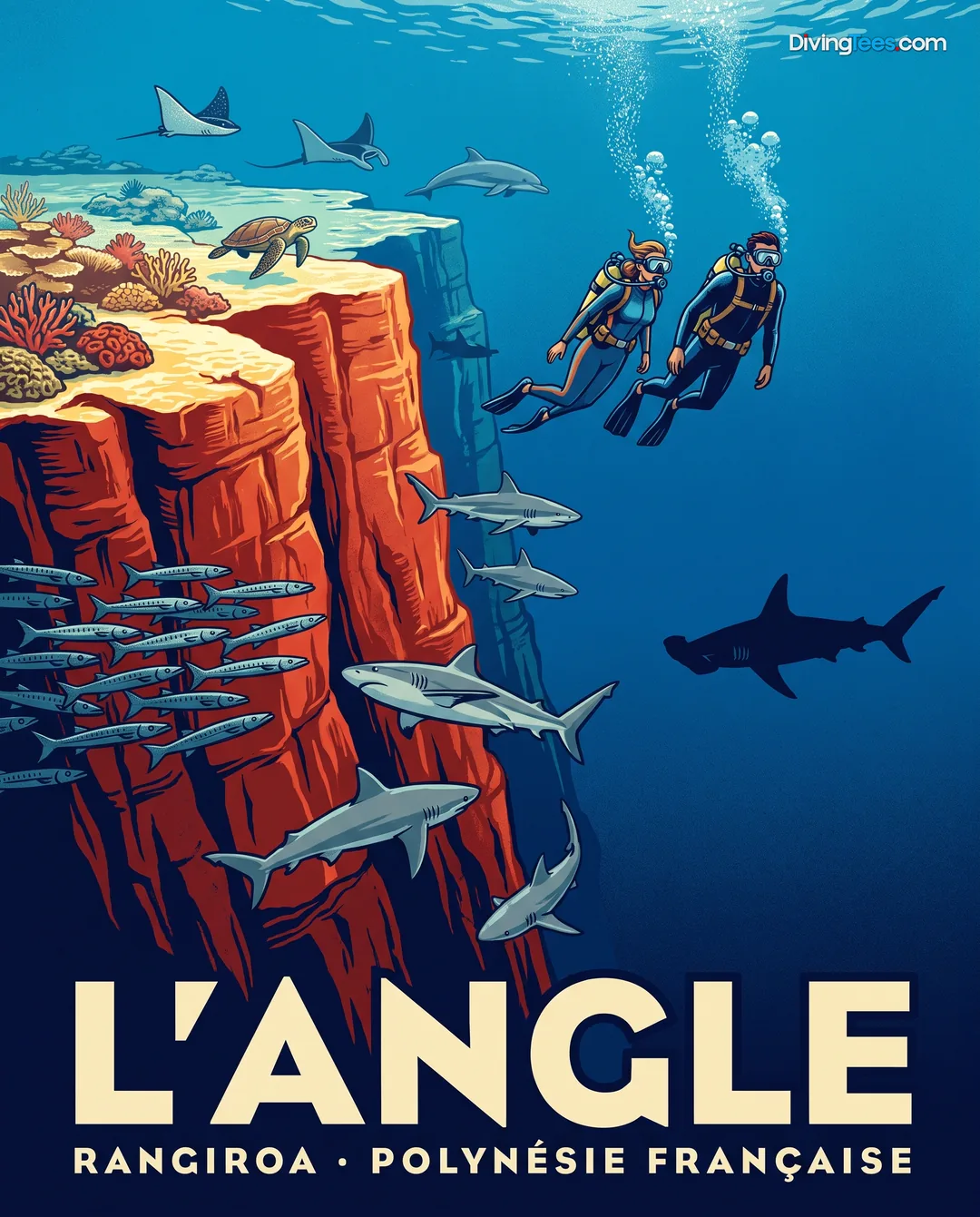
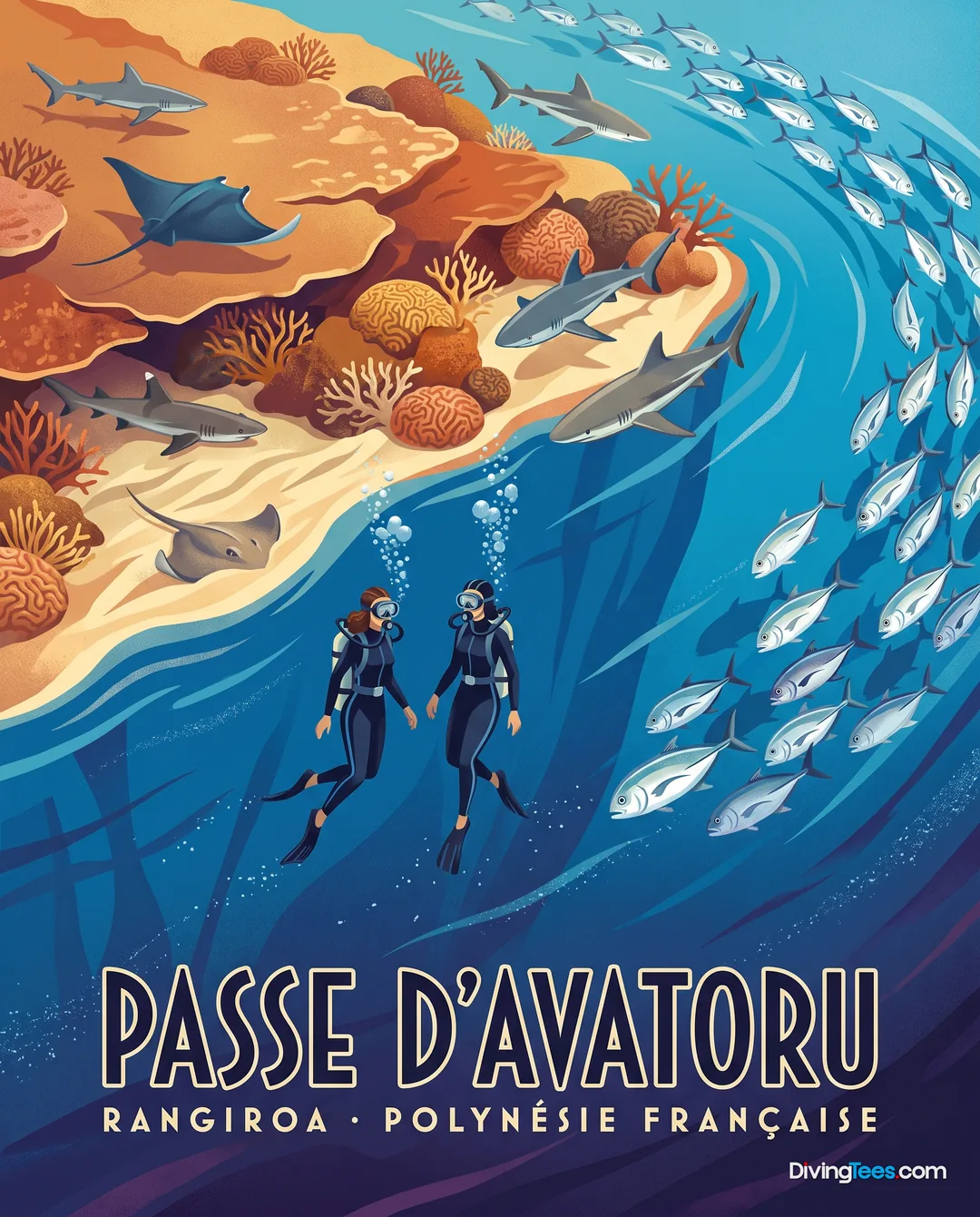
Hammerhead Mesa is a distinct topographical feature situated on the outer edge of the Tiputa Pass in Rangiroa. Unlike the shallower reef structures found closer to the lagoon, this site consists of a deep plateau or mesa-like ledge that sits at the boundary between the pass and the open ocean. The site is positioned on the north-western part of the pass, where the seabed drops away steeply toward the deep sea. This specific placement makes it a primary transit point for large pelagics moving through the channel.
The dive profile typically begins with a descent into the channel, dropping onto the plateau at depths between 40 and 60 metres. Once you reach the ledge, the dive becomes a deep drift along the edge of the mesa. You will navigate the transition zone where the relatively flat plateau meets the steep drop-off into the abyss. Maintaining position near this edge is essential for maximizing your chances of encountering the large species that patrol these currents.
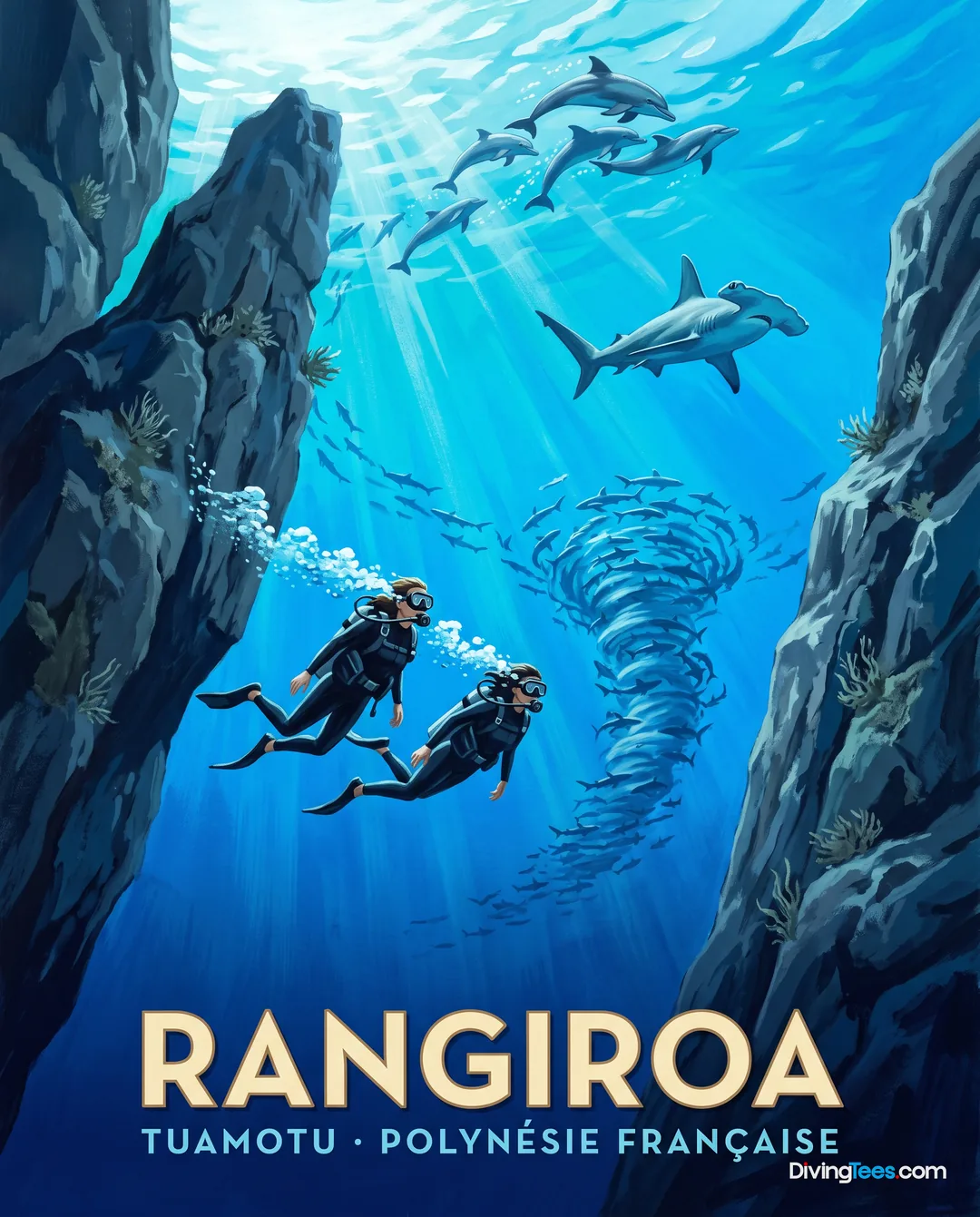
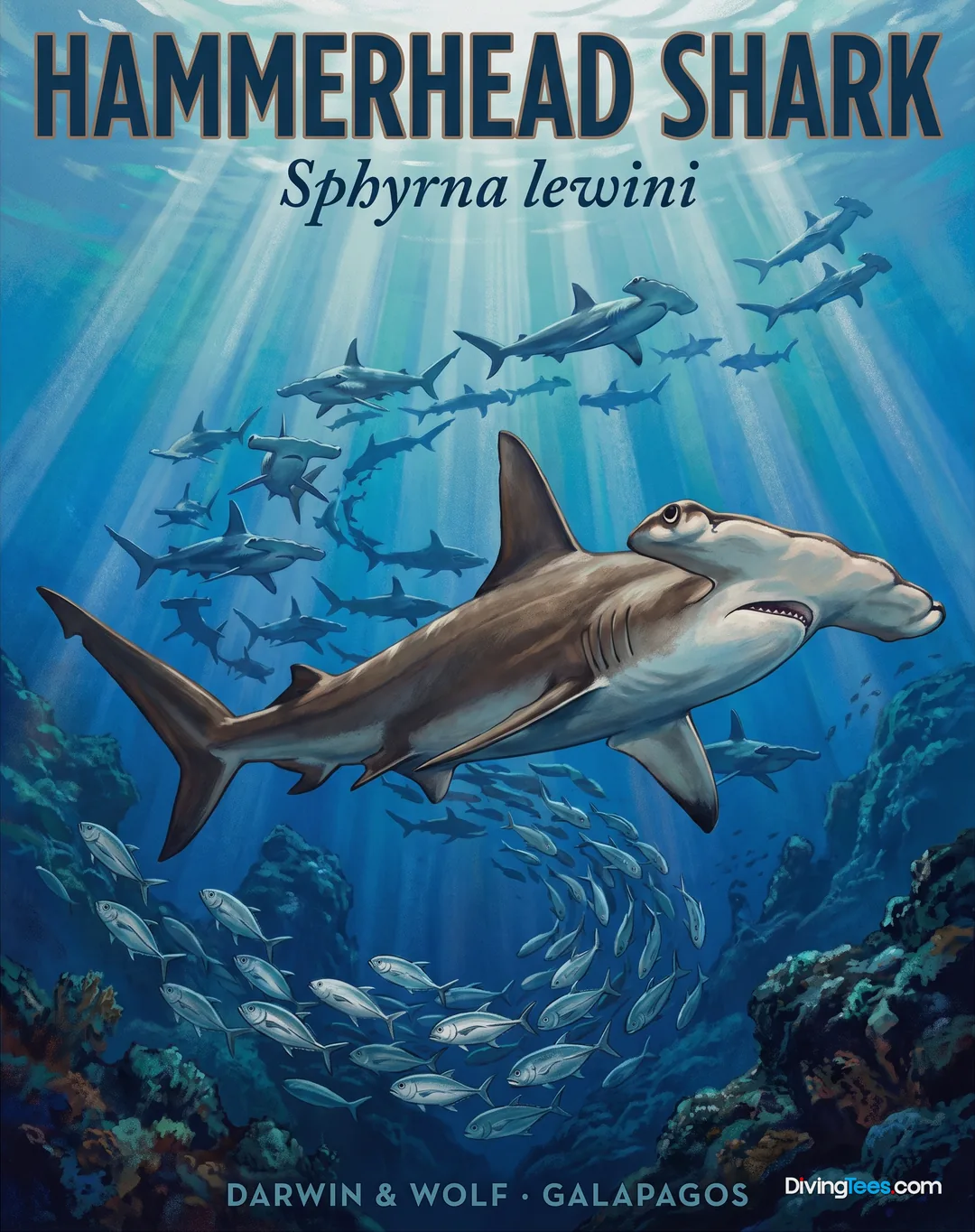
The primary reason divers visit this site is the presence of great hammerhead sharks (Sphyrna lewini). During the austral summer, specifically between December and March, the site becomes a known aggregation point for these sharks. They are often observed hunting spotted eagle rays along the plateau during this period. Seeing these animals in such large numbers, without the use of bait, is a characteristic specific to this particular ledge in the Tiputa Pass.
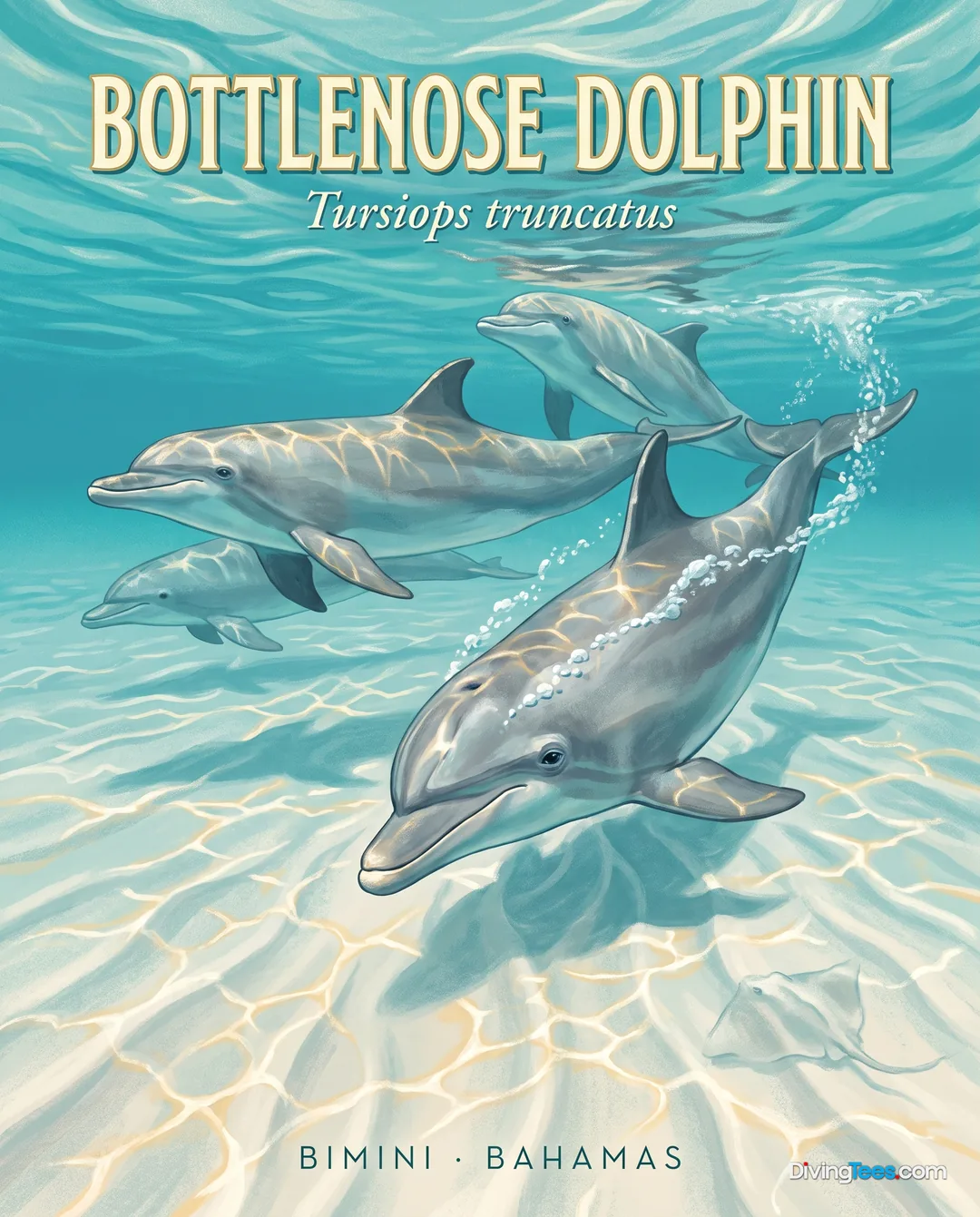
Beyond the hammerheads, the site is a hub for various other pelagic species. You can expect to see grey reef sharks patrolling the edges and spotted eagle rays moving through the water column. Manta rays are also frequent visitors to these deep currents. If the conditions are right, you may encounter bottlenose dolphins passing through the pass, adding to the high level of biological activity found at this depth.
The visibility at Hammerhead Mesa is consistently high, often reaching between 30 and 40 metres. This clarity is vital because much of the action occurs at the deeper limits of the site, where the light begins to fade. The ability to see long distances allows you to spot the silhouettes of sharks and rays approaching from the blue before they are directly overhead. This visual range is a key component of the experience on this deep plateau.
Current management is a critical aspect of diving this site. Because it is part of the Tiputa Pass system, the water movement is dictated by the tides and oceanic conditions. The flow can range from light to strong, requiring divers to be comfortable with drift diving in an open-water environment. Staying on or near the plateau requires precise buoyancy and trim to avoid being swept too far away from the ledge into the open ocean.
The seasonality of the site is a defining factor for planning your dive. The peak period for observing great hammerhead sharks is from December to March. During these months, the seasonal movement of prey species, such as eagle rays, draws the hammerheads to this specific depth and location. While other species remain present year-round, the concentration of hammerheads is much more predictable during this austral summer window.
What differentiates Hammerhead Mesa from other local sites like Shark's Cave or The Canyons is its depth and its role in seasonal aggregations. While other sites in the pass offer different perspectives of the channel, the Mesa provides a deeper, more oceanic experience on a stable plateau. It is a site defined by its relationship to the deep-sea currents and the specific biological rhythms of the large sharks that inhabit the region.
Depth ranges from 40 to 60 metres. This is an Advanced level dive requiring deep drift and pass-diving experience; a high number of logged dives is recommended. Currents are variable depending on the tidal state, ranging from light to strong. Expected visibility is 30 to 40 metres. The best season to visit is between December and March.
Plan your dive between December and March if you want to observe the seasonal aggregation of great hammerhead sharks. During this austral summer period, spotted eagle rays draw hammerheads to the plateau. Other species remain present year-round, but hammerhead sightings are more predictable during these months.
Hammerhead Mesa is an Advanced level dive requiring deep drift and pass-diving experience. You should be comfortable in an open-water environment, with precise buoyancy and trim to remain near the plateau edge. A high number of logged dives is recommended for managing this deep, current-affected profile.
Hammerhead Mesa lies between 40 and 60 metres, on a deep plateau at the edge of Tiputa Pass. The dive involves descending into the channel and drifting along the mesa edge beside a steep drop-off. Currents vary with tides and oceanic conditions, ranging from light to strong.
At Hammerhead Mesa, you may encounter seasonal aggregations of great hammerhead sharks, often hunting spotted eagle rays along the plateau. Grey reef sharks patrol the edges, while manta rays move through the deep currents. With suitable conditions, bottlenose dolphins may pass through, and visibility ranges from 30 to 40 metres.