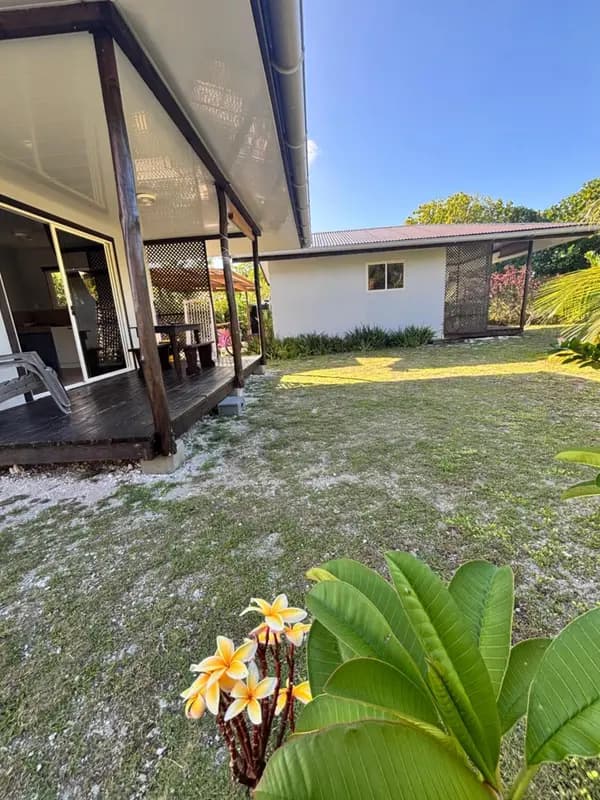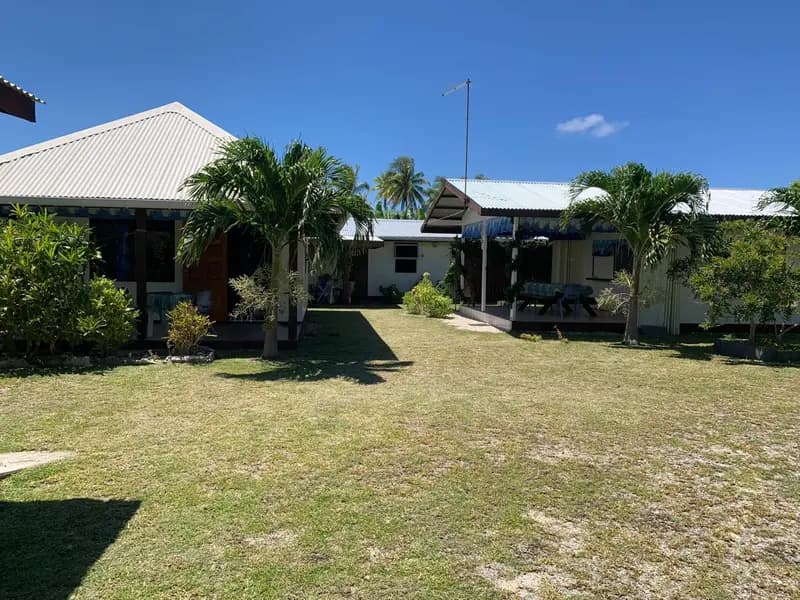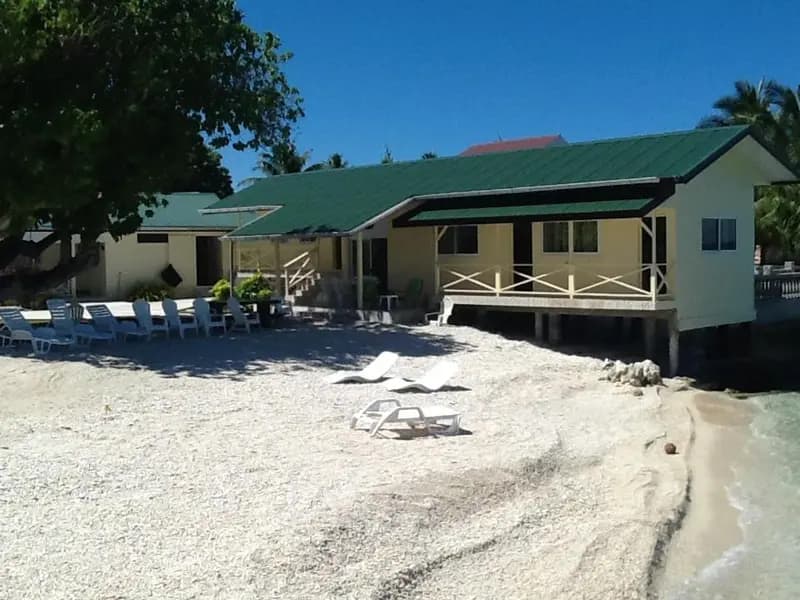

Kahaia Lodge
★ 9.8/10 (90 reviews)
less than 1 km away as the crow flies
Dive centre · Rangiroa · French Polynesia
4.9349 Google reviewsExperience the powerful currents of the Tiputa Pass with a team dedicated to marine conservation and small group diving.
For subtitles in English: start the video firstthen click the gearat the top right of the video, select “Subtitles/CC”, then “Auto-translate” and choose “English”.
Located in close proximity to the quay and the Tiputa Pass, Rangiroa Plongée has been operating on the atoll since 2008. The centre is positioned to take full advantage of the unique hydrological conditions that define this part of French Polynesia, particularly the dramatic water movements within the passes.
The centre operates with a focus on small diving groups, moving away from high-volume 'factory' diving to ensure more attentive supervision. This approach is designed to provide a calm, professional environment for both exploration dives and formal training.
The team consists of experienced instructors who follow FFESSM, CMAS, and ANMP standards. They prioritise a personalised approach, ensuring that whether you are a beginner or an advanced diver, the supervision remains closely tailored to your needs.
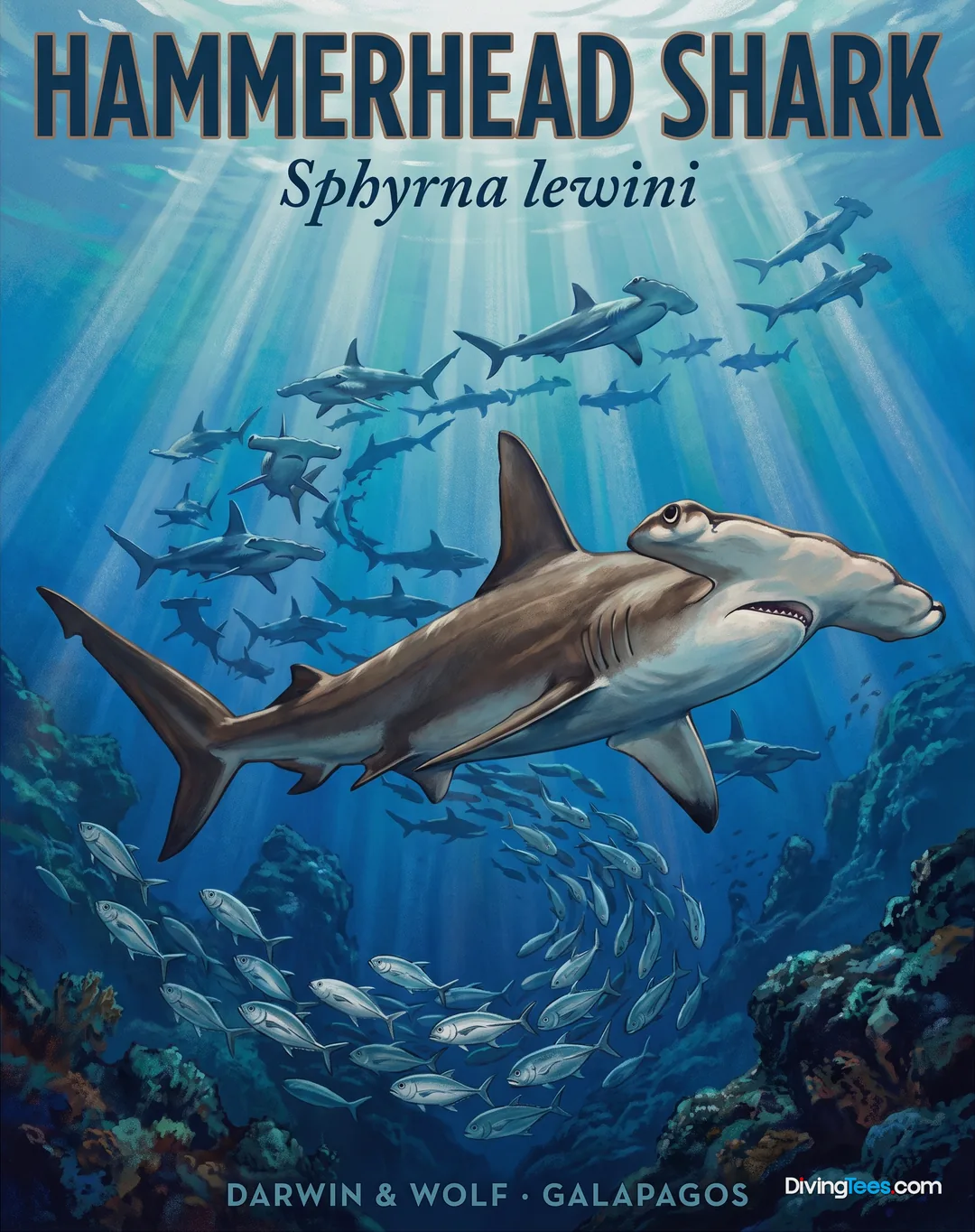
Beyond standard instruction, the centre is deeply committed to ocean conservation. They are official partners of the Mokarran Protection Society, supporting international scientific research into the protection of hammerhead sharks. This commitment extends to their operational style, which emphasises respect for the local marine environment.
A full range of training is available through FFESSM, CMAS, and ANMP affiliations. This includes everything from introductory dives for beginners to more advanced certification levels.
The centre is equipped to handle various training requirements, ensuring that divers can progress through their qualifications in a controlled and professional setting.
The centre provides high-quality kit for hire, featuring Aqualung equipment and Legend regulators. This ensures reliable performance for both recreational and more demanding dives.
For those looking to extend their bottom time or manage decompression-heavy profiles, Nitrox is available and included in the service. The centre also provides support for rebreather divers, catering to those operating in closed-circuit systems.
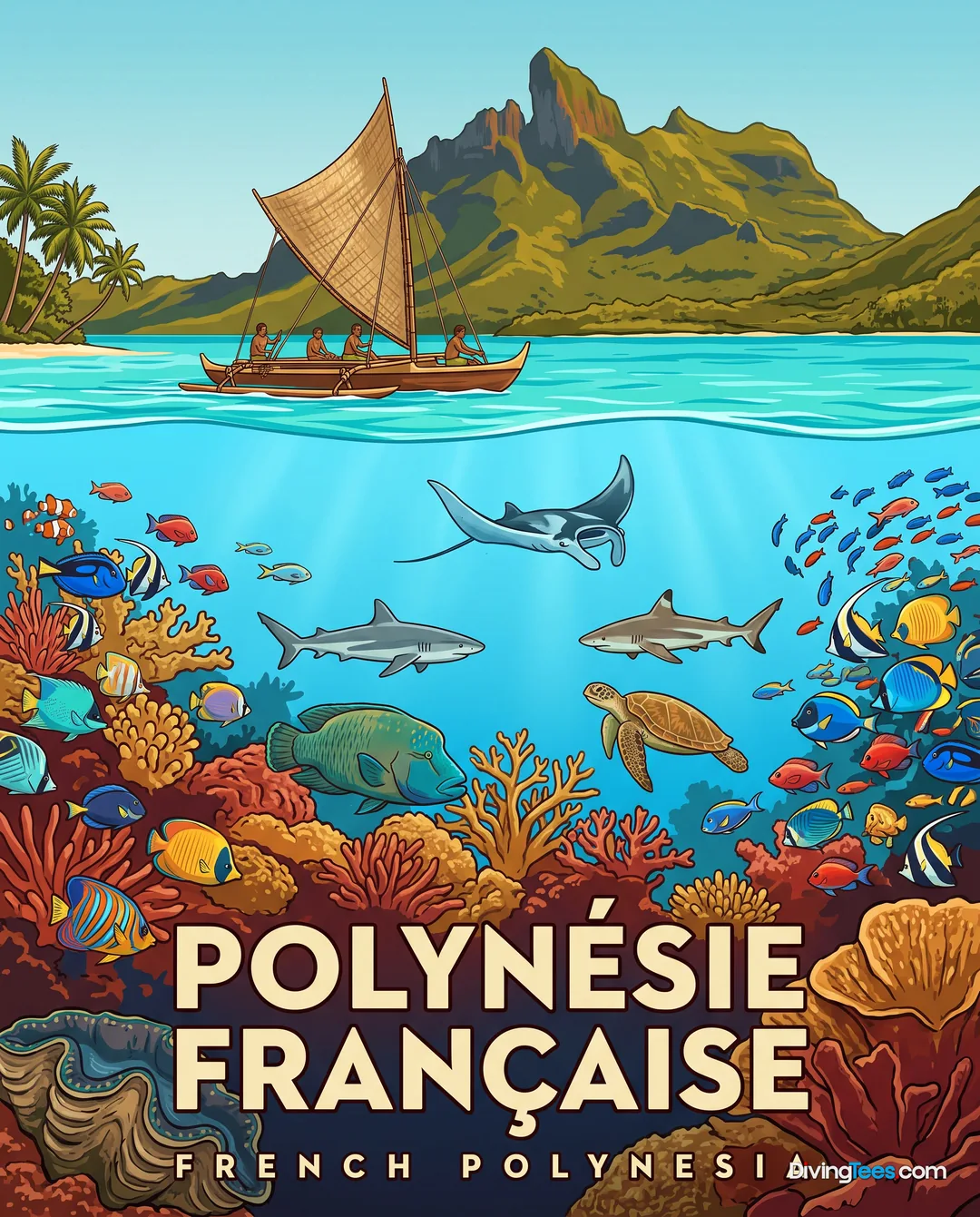
Tiputa Pass is the area's most iconic location, where massive volumes of water move through the channel. Depending on the tide, you will either drift through the pass on an incoming current towards the lagoon or explore the outer reef slope and the drop-off on an outgoing current. This is a high-current environment suitable for all levels with proper guidance.
L'Aquarium is a specialised site designed for beginners and those undertaking their first breaths underwater. With a maximum depth of 6 metres and a calm environment, it allows you to discover the local marine life in a controlled setting for up to 35 minutes.
And some of the dive sites the centre runs.
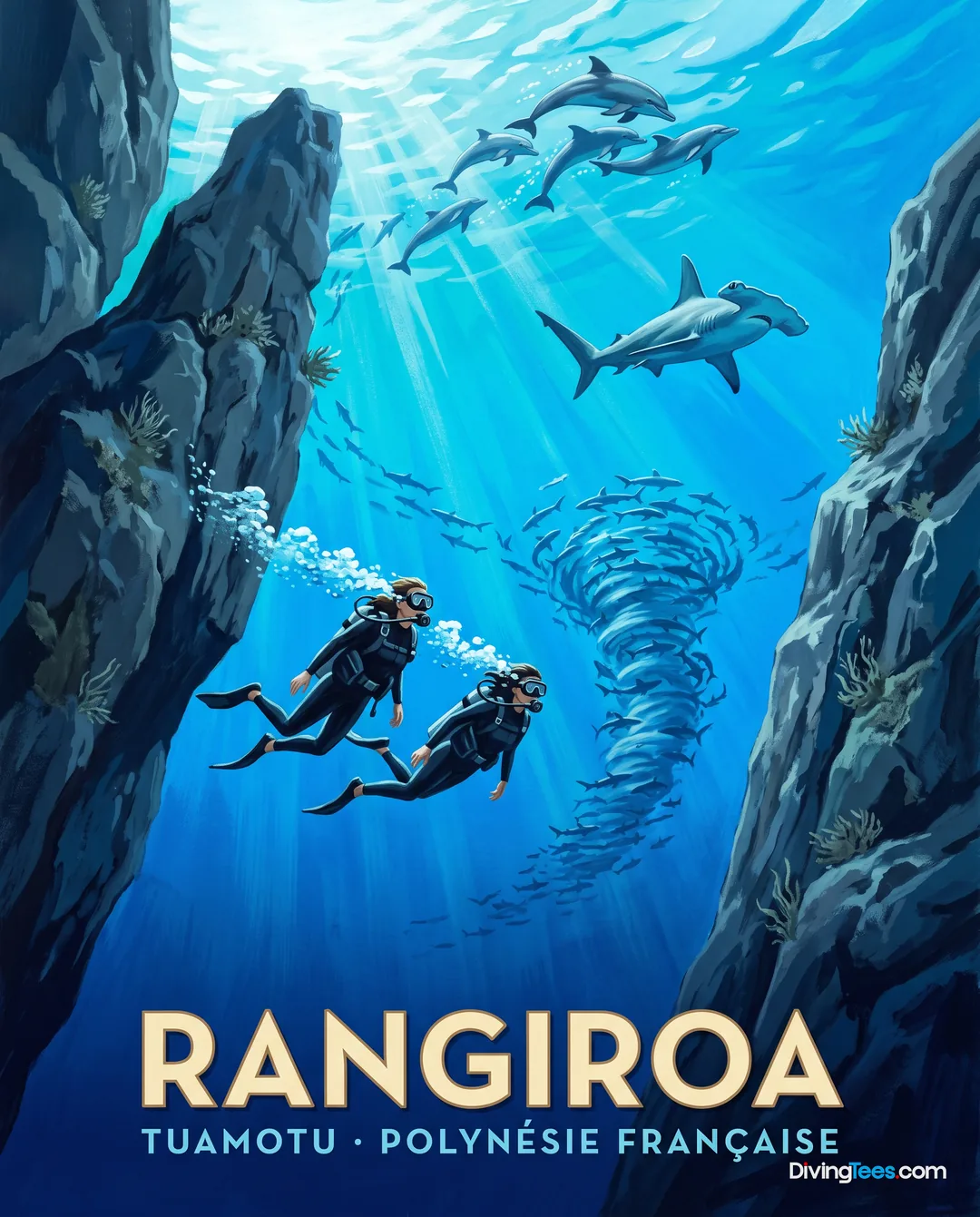
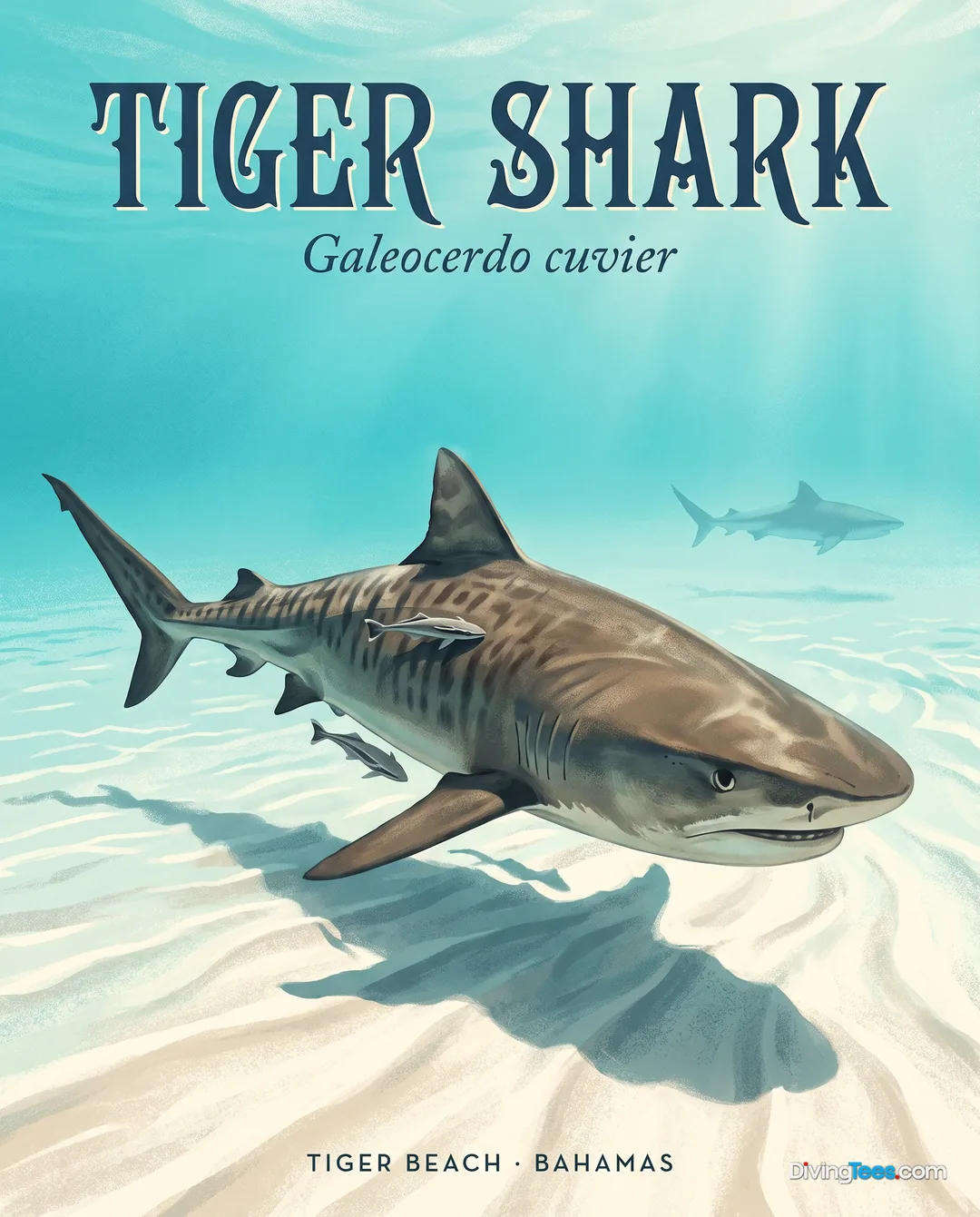
The marine life at the Tiputa Pass is defined by large pelagics. You can expect to encounter various sharks, including Grey reef sharks (Carcharhinus amblyrhynchos), Blacktip reef sharks (Carcharhinus melanopterus), and Silky sharks. The area is particularly renowned for sightings of the great hammerhead shark (Sphyrna lewini).
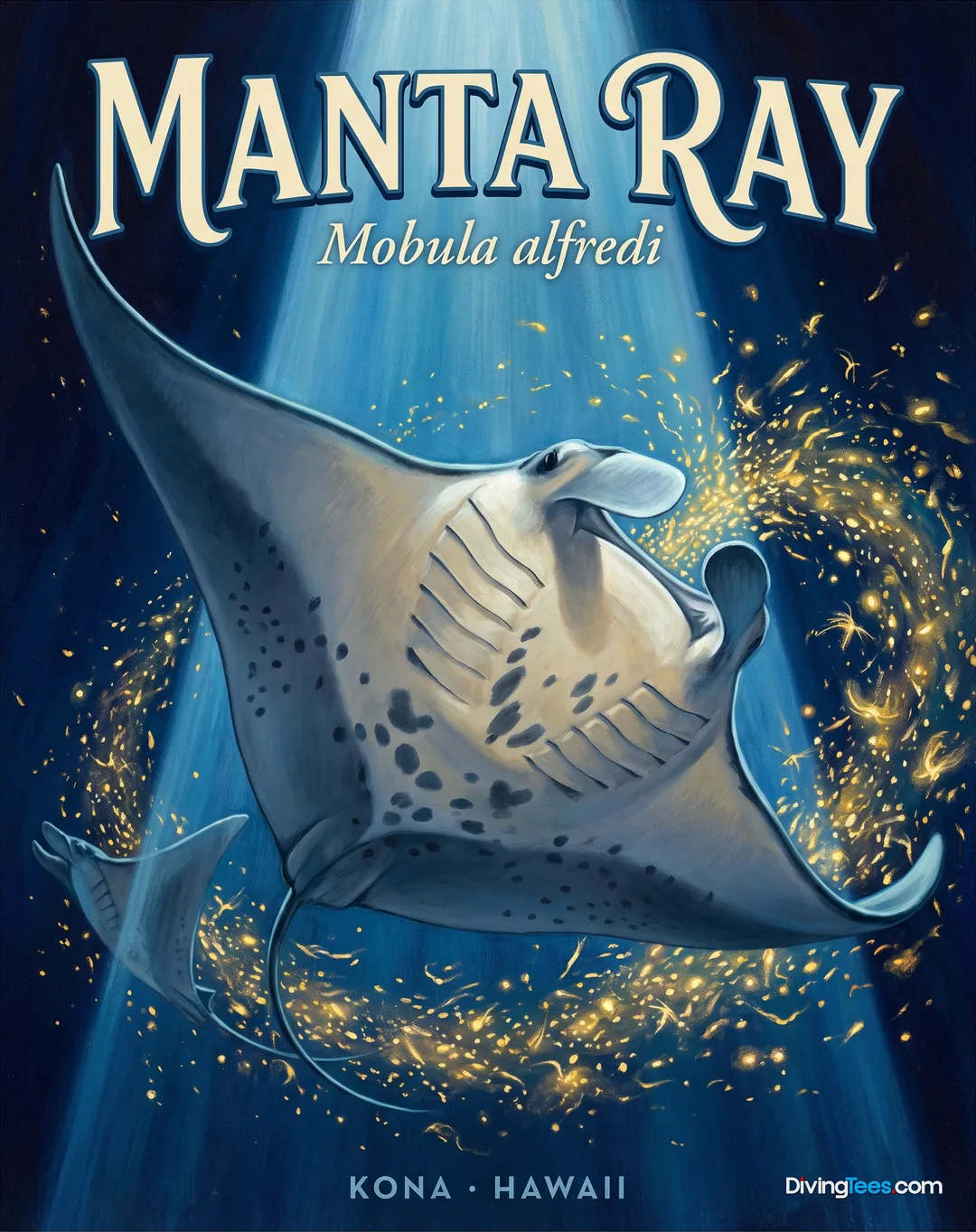
Large rays are a regular feature of the currents, with Manta rays (Mobula alfredi) and Eagle rays (Aetobatus) passing through the pass. You will also see various other species such as sea turtles (Cheloniidae), large barracuda (Sphyraena barracuda), and Bottlenose dolphin (Delphinidae).
The reef itself is populated by a diverse array of tropical reef fish, including various Jacks (Carangidae), Surgeonfish (Acanthuridae), and Napoleon wrasse (Cheilinus undulatus). Schools of fish often move through the area, providing a dynamic backdrop to the dive.
On the seabed and within the reef structure, you can find moray eels, groupers (Epinephelus), and various species of reef fish that inhabit the crevices and coral formations.
The primary characteristic of the diving here is the current within the passes, which can reach speeds of 3 to 6 knots. These currents are tidal-driven; an incoming tide pushes large masses of water through the pass into the lagoon, while an outgoing tide moves water out towards the open ocean.
Because of these significant current shifts, dive planning is essential. The choice between diving the interior of the pass or the outer reef slope depends entirely on the direction of the tide.
Hello, I'm Marina, DivingDeal.com's AI assistant. I answer in detail about hotels, dive centres and liveaboards.

Thinking about the whole trip and the flights? Talk it over with Edith →
Marina is an AI. Some links are affiliate links: DivingDeal may earn a commission, at no extra cost to you. Bookings are made with the partner.