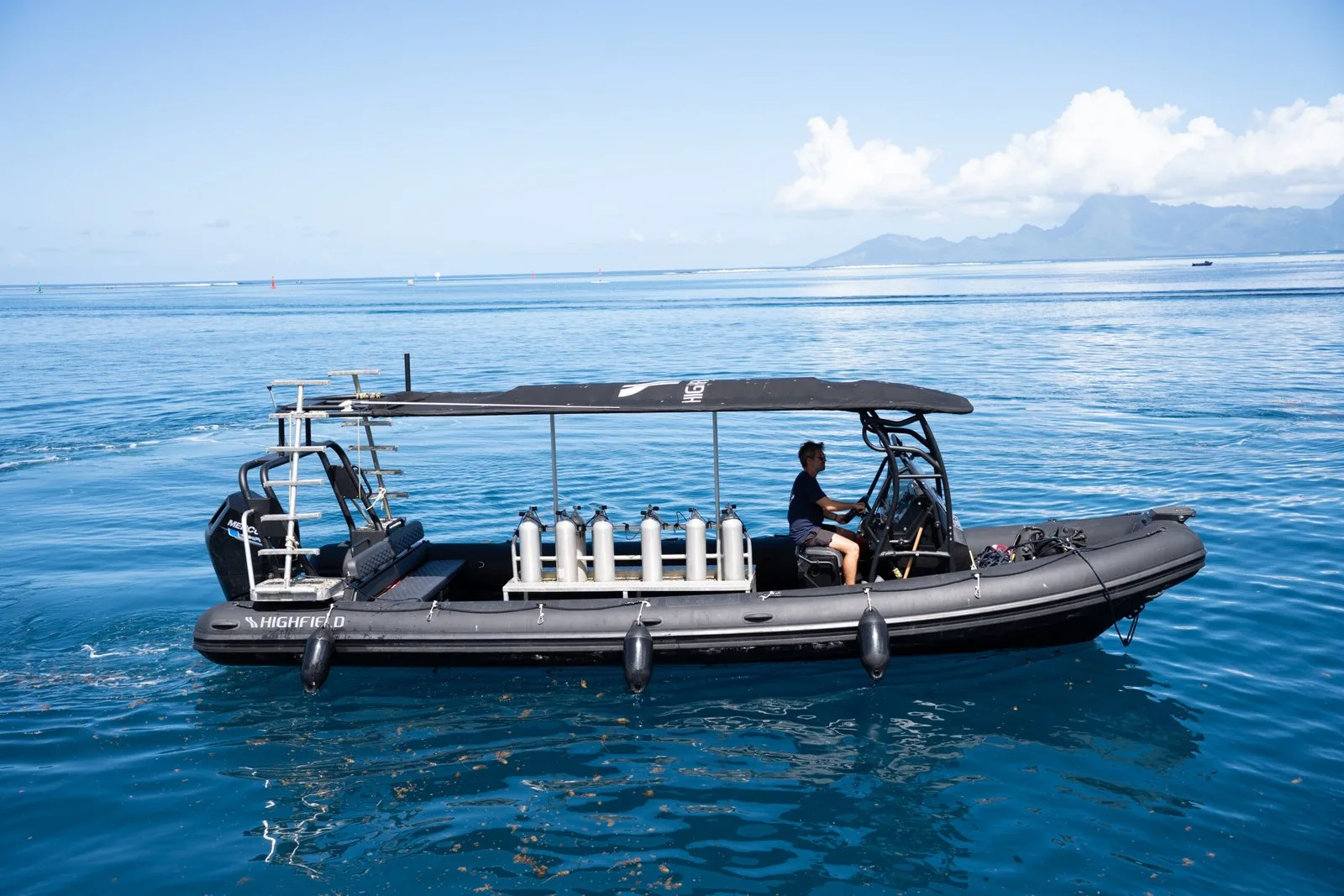

Dive And Sea Tahiti
Google 4.8/5 (308 reviews)
Tahiti · French Polynesia · Pacific
Max. depth · 45 mNavigate sandy channels and deep canyons to find resident moray eels and reef sharks along the western barrier reef.
The Moray Eel Point is defined by a structured coral plateau situated on the western coast of Tahiti. This underwater landscape is not a flat expanse but is heavily sculpted by sandy channels and deep canyons that cut through the reef structure. These topographical features create a varied environment, offering both open, sloping surfaces and more protected crevices where marine life can find shelter. The site orientation allows for a direct transition from the relatively shallow plateau to the steeper drop-offs of the outer barrier reef.
Your dive begins with a descent onto the plateau, typically around 20 metres, where a mooring line is often set. From this entry point, the topography leads you through a series of winding canyons and sandy paths. This layout is ideal for exploring different micro-habitats within a single dive, as the varied terrain creates different current patterns and light conditions. The transition from the shallower sections to the deeper reef edge provides a continuous change in the benthic environment.
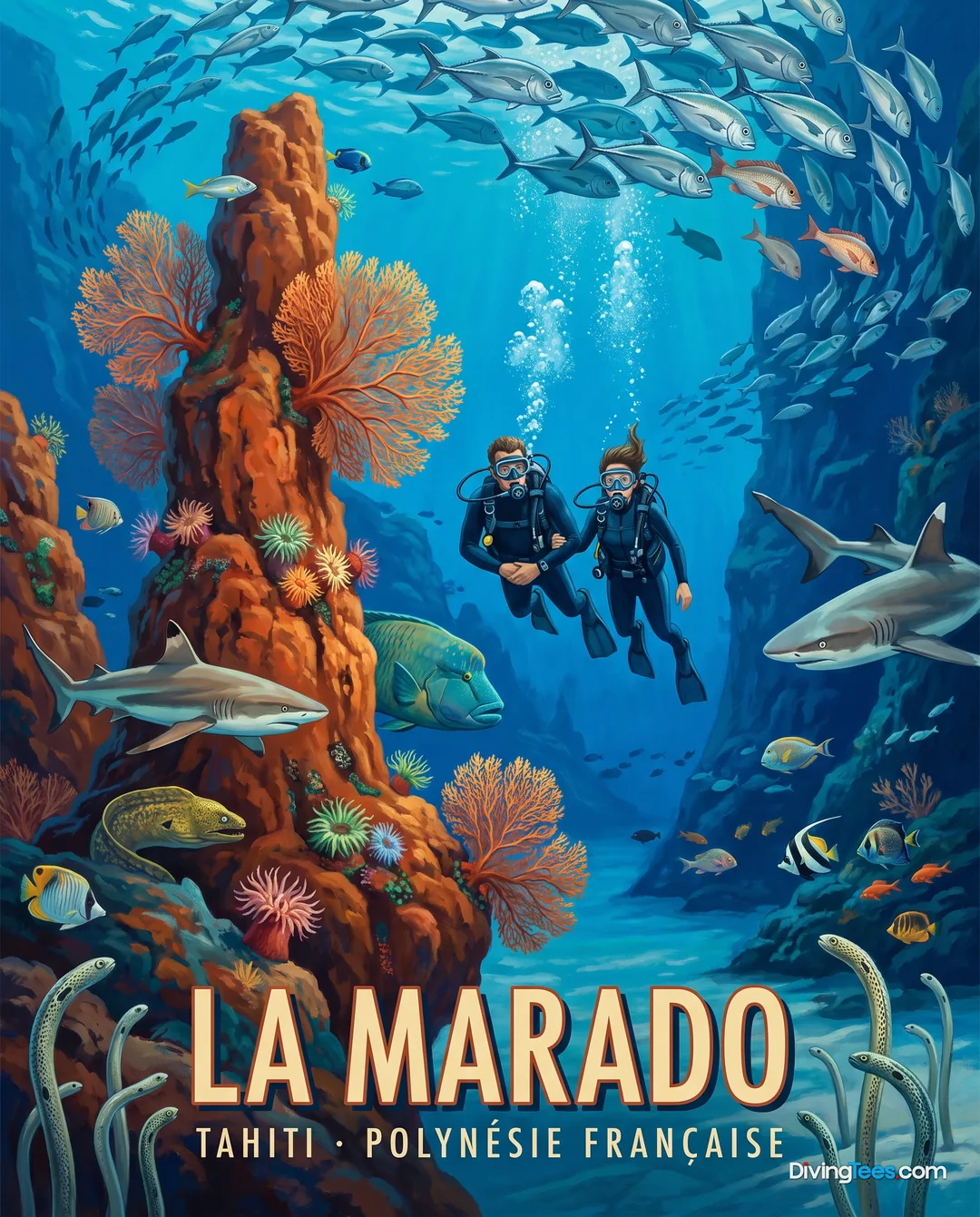
As you navigate the deeper parts of the plateau, the resident fauna becomes more prominent. The site takes its name from the high concentration of moray eels found within the rocky cracks and coral overhangs. These predators are a constant presence, often seen patrolling the edges of the canyons or resting within the crevices of the reef. Observing them in their natural habitat requires a calm approach to avoid startling them into the deeper recesses of the structure.
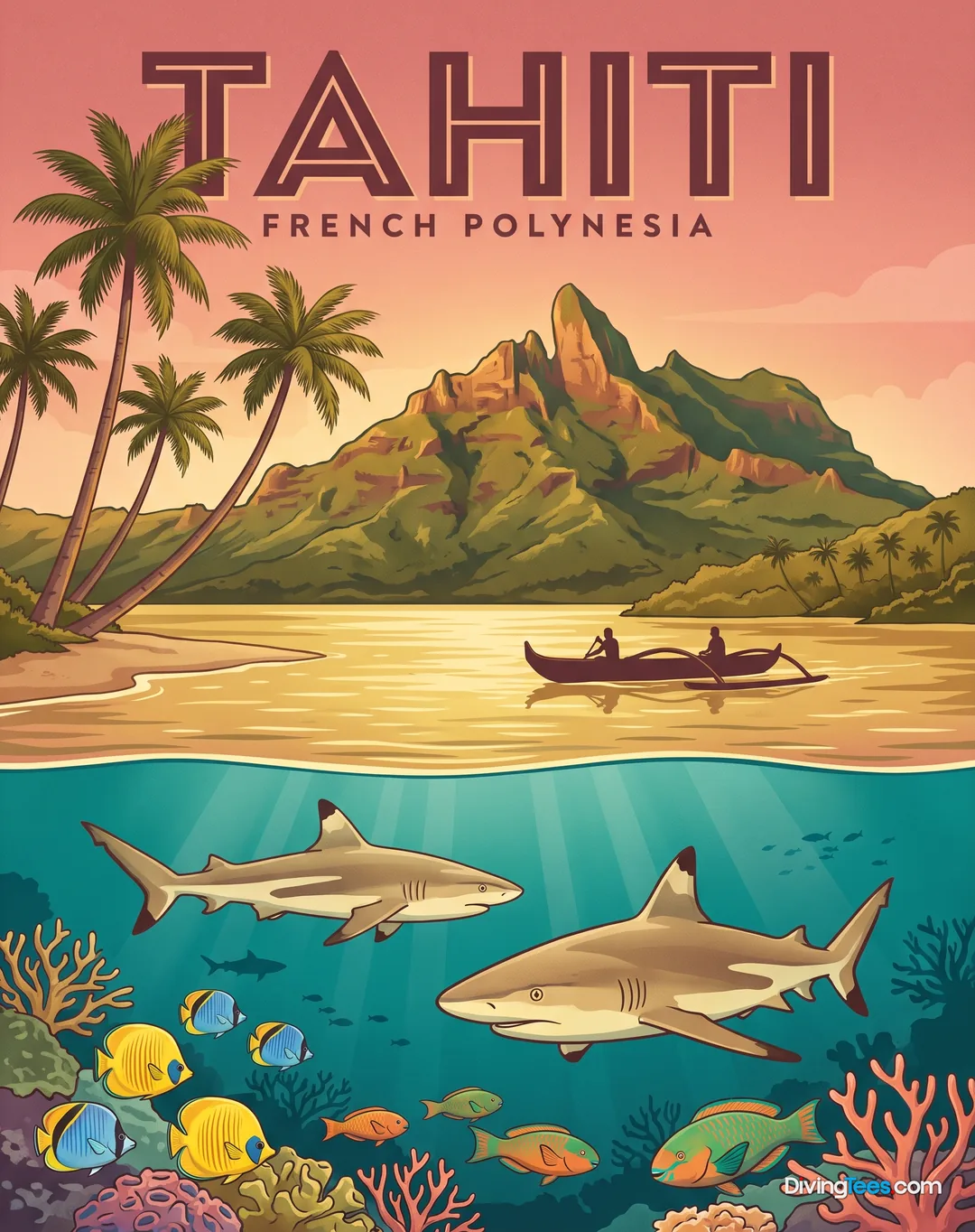
The presence of larger predators is a key feature of this oceanic-facing site. You can expect to encounter blacktip reef sharks (Carcharhinus melanopterus) and whitetip reef sharks (Triaenophthalmus ochraceus) patrolling the reef edges. These sharks are often found near the outer margins of the plateau where the water is more open. Their presence adds a dynamic element to the dive, especially when moving along the boundary between the reef and the deeper blue water.
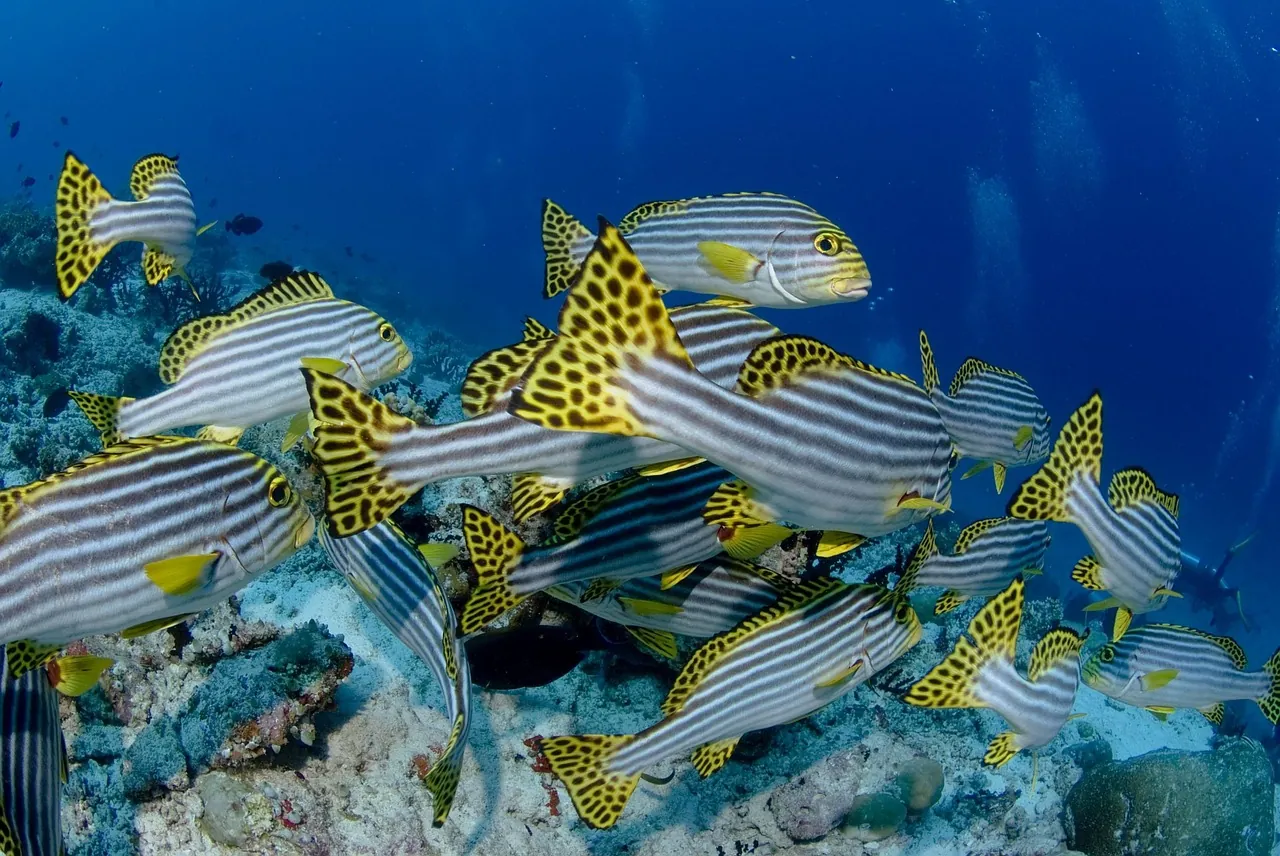
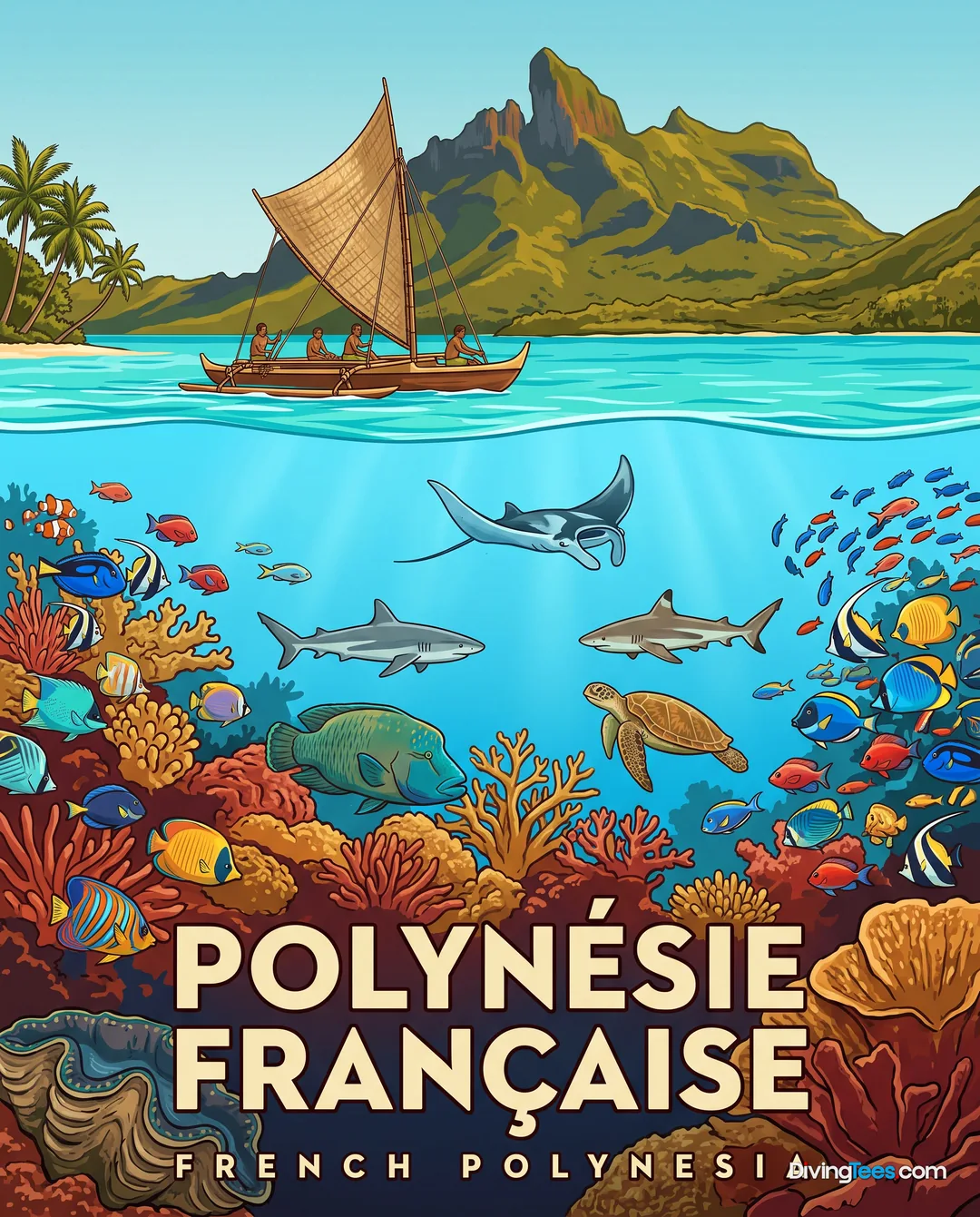
The reef fish community at Moray Eel Point is both diverse and abundant. You will frequently see large schools of surgeonfish, parrotfish, and butterflyfish navigating the coral heads. These species form the backbone of the site's ecosystem, moving through the shallower reef sections and the deeper canyons alike. The interaction between these schooling fish and the resident predators creates a complex, active marine environment that changes as you move through different depth zones.
Visibility at the site typically ranges between 20 and 30 metres, offering a clear view of the canyon structures. This clarity is essential for spotting the moray eels tucked away in their hides and for tracking the movement of sharks along the reef perimeter. The light penetrates well across the plateau, though the deeper canyons and overhangs can create more shadowed, intimate environments for close-up observation. The combination of clear water and complex topography makes for a highly detailed exploration.
Conditions on the west coast of Tahiti are generally stable, though the site can be affected by external factors. While the site is often characterized by light currents, swell and tidal movements can increase the water movement along the outer reef edge. These changes are most noticeable when the prevailing trade winds or heavy swell influence the water flow around the Tapuna pass area. Planning your dive based on local swell conditions will ensure a more controlled experience throughout the canyons.
The dive reaches depths between 20 and 45 metres. It is accessible to Open Water Diver level, provided you are comfortable in mild currents and with blue-water boat entries. Visibility is expected to be between 20 and 30 metres.
Moray Eel Point is accessible to Open Water Divers who are comfortable with mild currents and blue-water boat entries. You should be prepared to descend onto the plateau and navigate sandy channels, winding canyons, and reef edges while managing changing conditions across the site’s varied underwater terrain.
Moray Eel Point ranges from 20 to 45 metres. The dive usually begins on a coral plateau around 20 metres, often near a mooring line, before continuing through canyons and sandy paths toward the steeper drop-offs of the outer barrier reef and deeper plateau areas.
Moray Eel Point is often affected by light currents, but swell and tidal movements can increase water movement along the outer reef edge. Trade winds or heavy swell around Tapuna pass may strengthen the flow, so you should consider local swell conditions when planning a controlled route through the canyons.
At Moray Eel Point, you can look for resident moray eels in rocky crevices and coral overhangs, along with blacktip and whitetip reef sharks near the plateau edges. Schools of surgeonfish, parrotfish, and butterflyfish move through the coral heads, canyons, and shallower reef sections.