
Polyn'easy Dive And Tours
Google 5/5 (112 reviews)
4.1 km away as the crow flies
Tahiti · French Polynesia · Pacific
Max. depth · 43 mA deep reef slope characterized by dramatic canyons and extensive gorgonian coverage along the edge of Tahiti Iti.
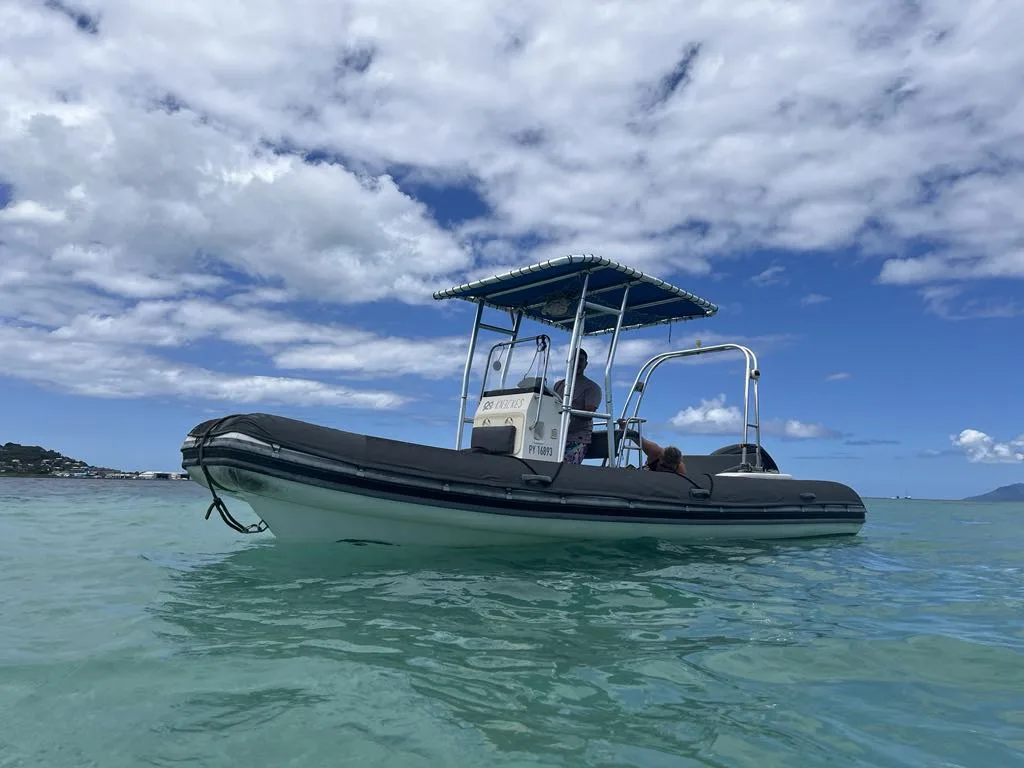
La Marado is situated on the ocean side of Tahiti Iti, representing a classic outer reef wall profile. The site begins at a defined edge where the reef slope transitions into a steep, vertical drop-off that descends toward the open ocean. Divers are typically dropped by boat onto the outer reef slope, which allows for a controlled descent toward the wall. The topography is not a simple, flat plane but is instead highly textured with natural features. You will find various chimneys, small cavities, and deep canyons cut directly into the coral structure, providing complex navigation paths along the reef edge.
As you descend, the depth profile moves from the shallower sections at 18 metres down to a maximum of 43 metres. One of the most recognizable landmarks is a prominent peak, known locally as Oti Point, which serves as a useful reference point during the dive. The transition between the reef slope and the sheer drop-off creates different micro-habitats. You can move from the rugged, vertical faces of the wall to more stable areas of sand at depth. These sandy patches are significant for spotting species that prefer to rest or hunt away from the immediate surge of the reef crest.
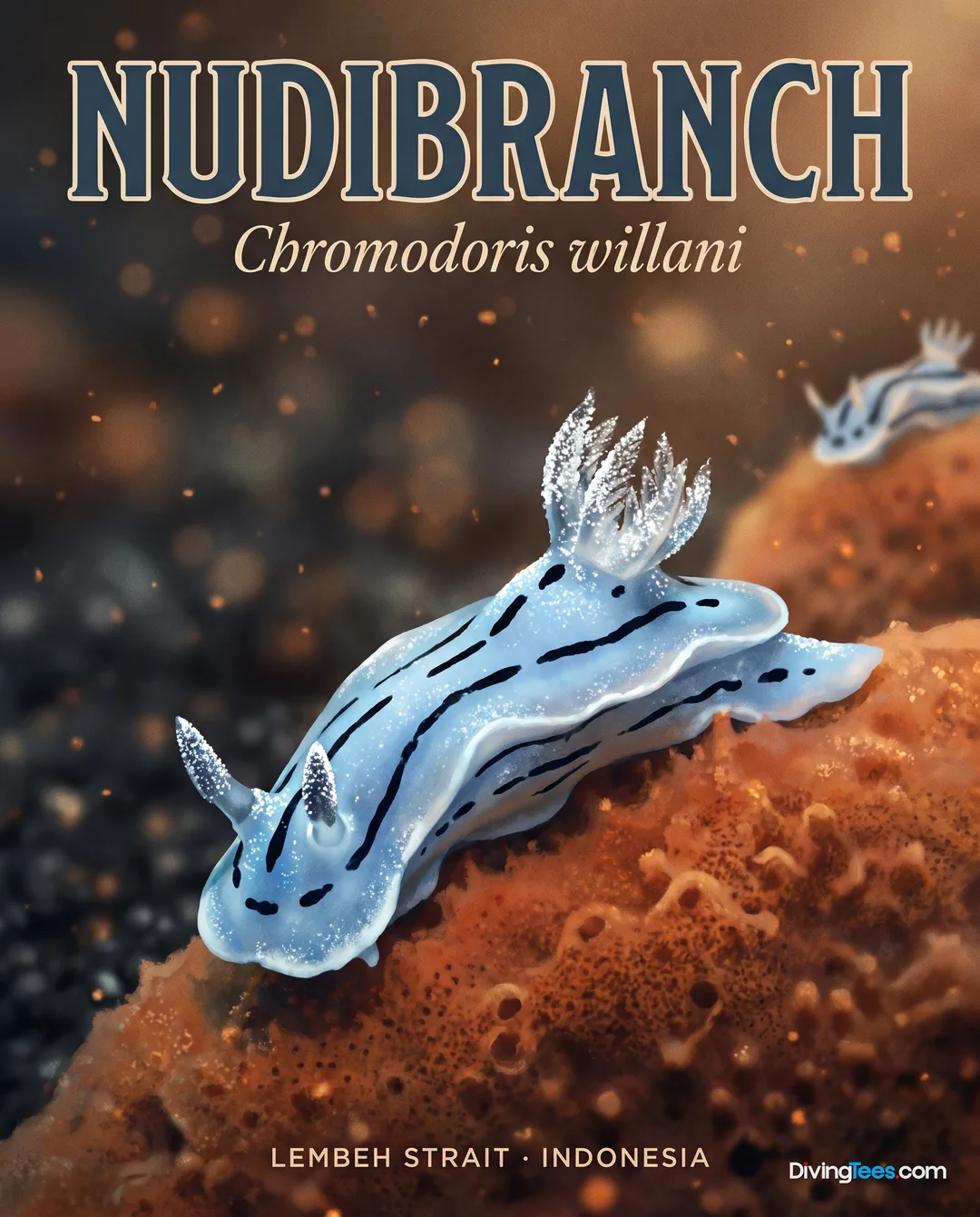
The biological character of the wall is defined by its extensive gorgonian fields. Starting at approximately 20 metres, these sea fans and soft corals colonize the vertical surfaces, creating a dense, colourful landscape. This coverage extends across much of the wall, turning the descent into a walkthrough of diverse marine flora. Interspersed among the gorgonians, you will find various sea anemones and smaller invertebrates such as nudibranchs. These structures provide the necessary anchorage for the reef's complex ecosystem, making the wall a highly productive zone for both resident and passing species.
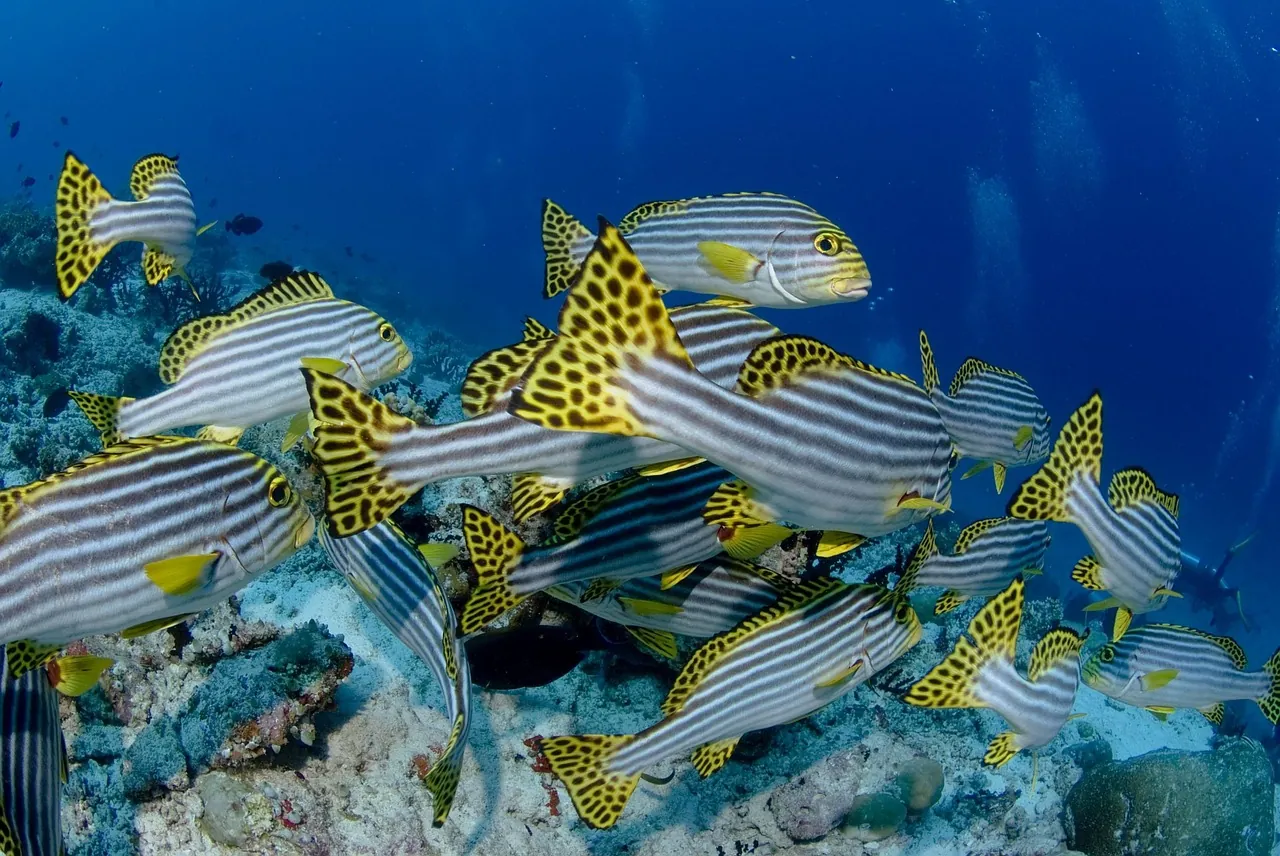
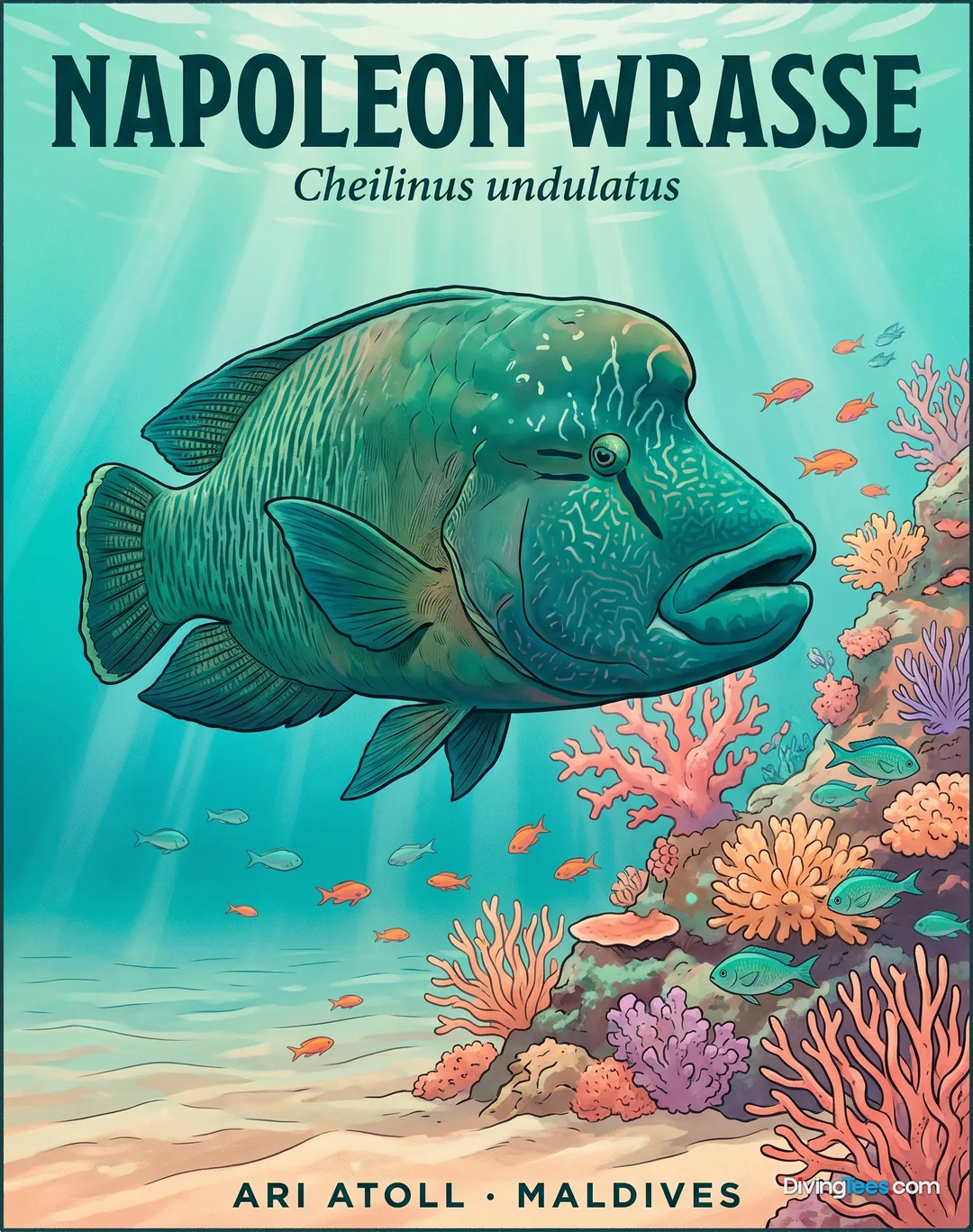
The movement of larger fish at La Marado is often dictated by the wall's structure. You can expect to see frequent sightings of Napoleon wrasse patrolling the deeper sections of the reef. Large schools of snapper and trevally are common, often hovering in the water column just above the reef edge or moving through the canyons. Moray eels are frequently encountered within the small caverns and crevices that characterize the wall's face. For those looking closer at the reef substrate, garden eels are often found in the sandy areas located at the base of the drop-off.
Pelagic activity is a regular feature of this site, particularly along the outer edge where the reef meets the open sea. Blacktip reef sharks and white-tip reef sharks are often present, frequently appearing in the mid-water column or cruising near the bottom. Their presence is usually non-aggressive, as they follow the natural currents that bring nutrients toward the reef. Observing these sharks against the backdrop of the deep blue water and the verticality of the wall is a hallmark of the La Marado experience. The visibility at the site remains high, typically ranging between 20 and 30 metres, which aids in spotting these animals from a distance.
Current conditions at La Marado are generally moderate, making it a predictable site for those with the appropriate experience. However, the site is exposed to the southwest side of Tahiti Iti, meaning it can react to environmental changes. Changes in swell, tides, or wind exposure can influence the strength of the water movement along the wall. During periods of heavier ocean swell, the current can become more demanding, requiring more active buoyancy control. Divers often experience a partial drift along the drop-off, which can be used to move efficiently along the length of the wall.
The timing of your dive can significantly impact the conditions you encounter. The most stable weather and clearest water are typically found during the dry season, from May to October. During this period, the visibility is at its most consistent, allowing for long-range viewing of the deep canyons and the shark activity. Choosing a dive during these months provides the best chance of experiencing the site in its most pristine state. Whether you are focusing on the macro life in the crevices or the large predators in the blue, the dry season offers the most reliable environment.
Depths range from 18 to 43 metres. The site requires an Advanced level of certification and intermediate experience on walls and outer reef slopes due to the potential for varying currents. Visibility is typically between 20 and 30 metres. The best time to dive is during the dry season from May to October.
The dry season, from May to October, generally brings the most stable weather and clearest water at La Marado. Visibility is typically between 20 and 30 metres during this period, helping you view the deep canyons, reef wall, and shark activity across the site.
La Marado requires an Advanced certification. You should also have intermediate experience diving walls and outer reef slopes, because currents can vary along the exposed reef edge. Comfortable buoyancy control is important, particularly when ocean swell increases water movement around the wall.
La Marado ranges from 18 to 43 metres, descending from the outer reef slope to a steep wall and open ocean. Currents are generally moderate, though swell, tides, and wind can strengthen them. You may experience a partial drift along the drop-off, with more demanding movement during heavier swell.
At La Marado, you can explore gorgonian fields beginning at 20 metres, along with canyons, chimneys, cavities, and detailed reef structures around Oti Point. Common sightings include blacktip and white-tip reef sharks, Napoleon wrasse, large snapper and trevally schools, moray eels, garden eels, anemones, and nudibranchs.