
Fluid Tahiti
Google 4.8/5 (307 reviews)
Tahiti · French Polynesia · Pacific
Max. depth · 30 mExplore the remains of a Catalina seaplane and scattered wreckage resting on the sandy floor of the Faa'a lagoon.
The Wrecks is situated in the lagoon on the western side of Tahiti, positioned near the Faa'a airport area. This site consists of a flat, sandy seabed that provides an expansive platform for the various structures resting upon it. You will find that the geography is straightforward, lacking the complex vertical relief of a coral wall or a deep drop-off. This makes navigation simple as you move between the different pieces of debris scattered across the lagoon floor.
The primary feature of this site is the Catalina PBY-5A flying boat, which serves as the main focal point for most divers. Depending on the specific area you explore, you may encounter additional wreckage, such as a wooden schooner or other small aircraft like a Cessna. While the exact inventory of all visible debris is not always documented consistently, the presence of multiple man-made structures creates an engaging underwater landscape. These wrecks act as an artificial reef, providing stable surfaces in an otherwise sandy environment.
As you descend toward the 30-metre limit, the dive profile shifts from shallow sandflats to more significant wreckage. The depth varies from a gentle 5 metres up to 30 metres, allowing for a diverse range of buoyancy challenges and exploration opportunities. Because the terrain is relatively level, you can focus your attention on the details of the metal and wood rather than managing complex depth changes. This makes the site an excellent location for practicing controlled approaches to wreck structures.
The light conditions at this site are generally good, with visibility typically ranging between 15 and 30 metres. Because it is located within a protected lagoon, the water remains relatively calm compared to the open ocean swells found further offshore. This sheltered environment allows for a clear view of the wreckage, especially when the sunlight hits the shallow sections of the lagoon. The clarity is most consistent when you are not directly under heavy boat traffic or tidal surges.
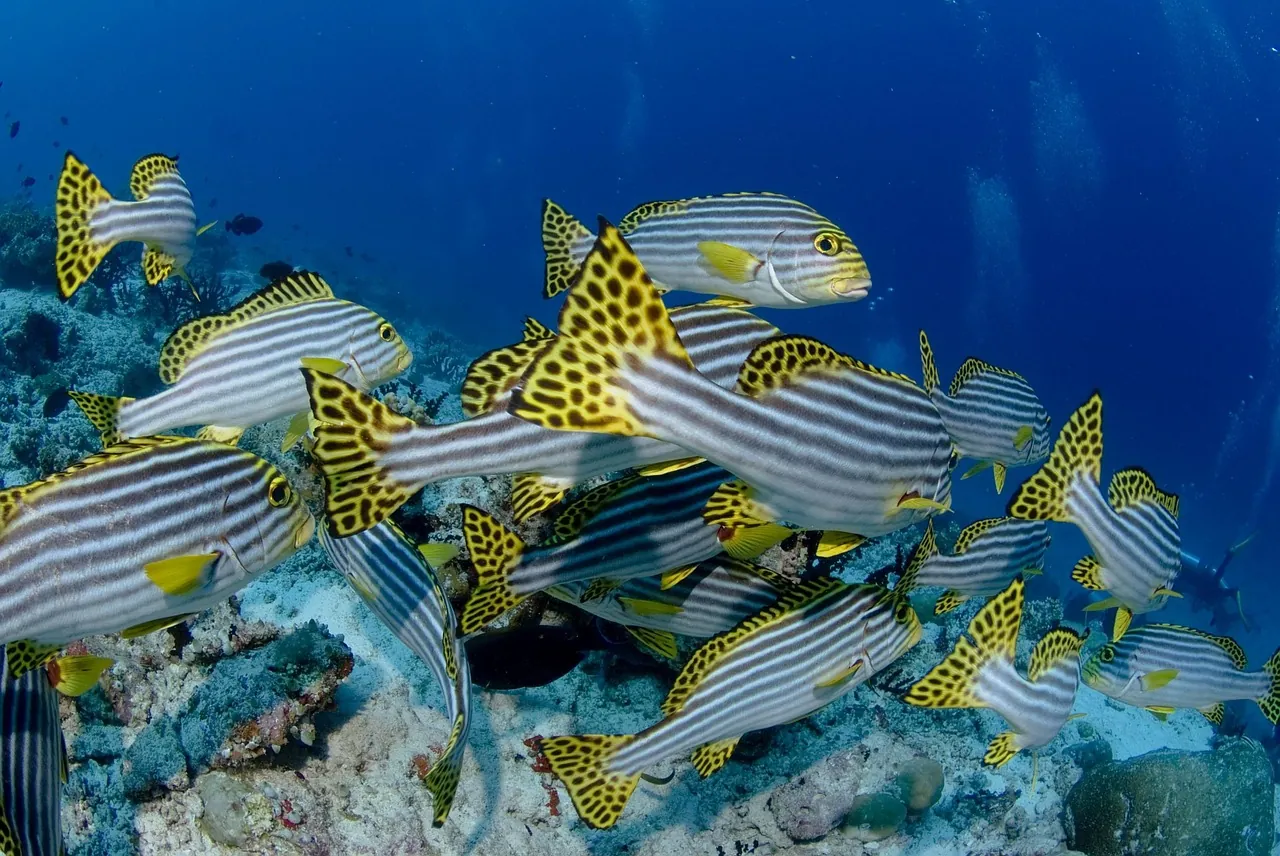
Marine life at The Wrecks is heavily concentrated around the debris, which provides essential shelter for resident species. You will frequently see various types of angelfish, triggerfish, and surgeonfish moving through the structures. The surfaces of the wrecks are also home to moray eels that utilize the crevices for protection. These structures turn a simple sandy bottom into a productive habitat for local reef inhabitants.
While much of the life is resident to the wrecks, you should also keep an eye out for reef sharks patrolling the periphery. The presence of these predators is part of the natural lagoon ecosystem and adds to the atmosphere of the site. Other common sightings include lionfish, parrotfish, and butterflyfish darting between the wreckage. This variety of species makes the site feel more like a busy aquarium than an empty seabed.
The current at The Wrecks is typically light and manageable for most divers. However, you should be aware that conditions can change depending on tidal movements or local lagoon currents. Additionally, boat traffic in the Faa'a area can occasionally create local surges that you might feel while near the surface or the wrecks. It is best to observe how the water is moving before you begin your descent to ensure a calm dive.
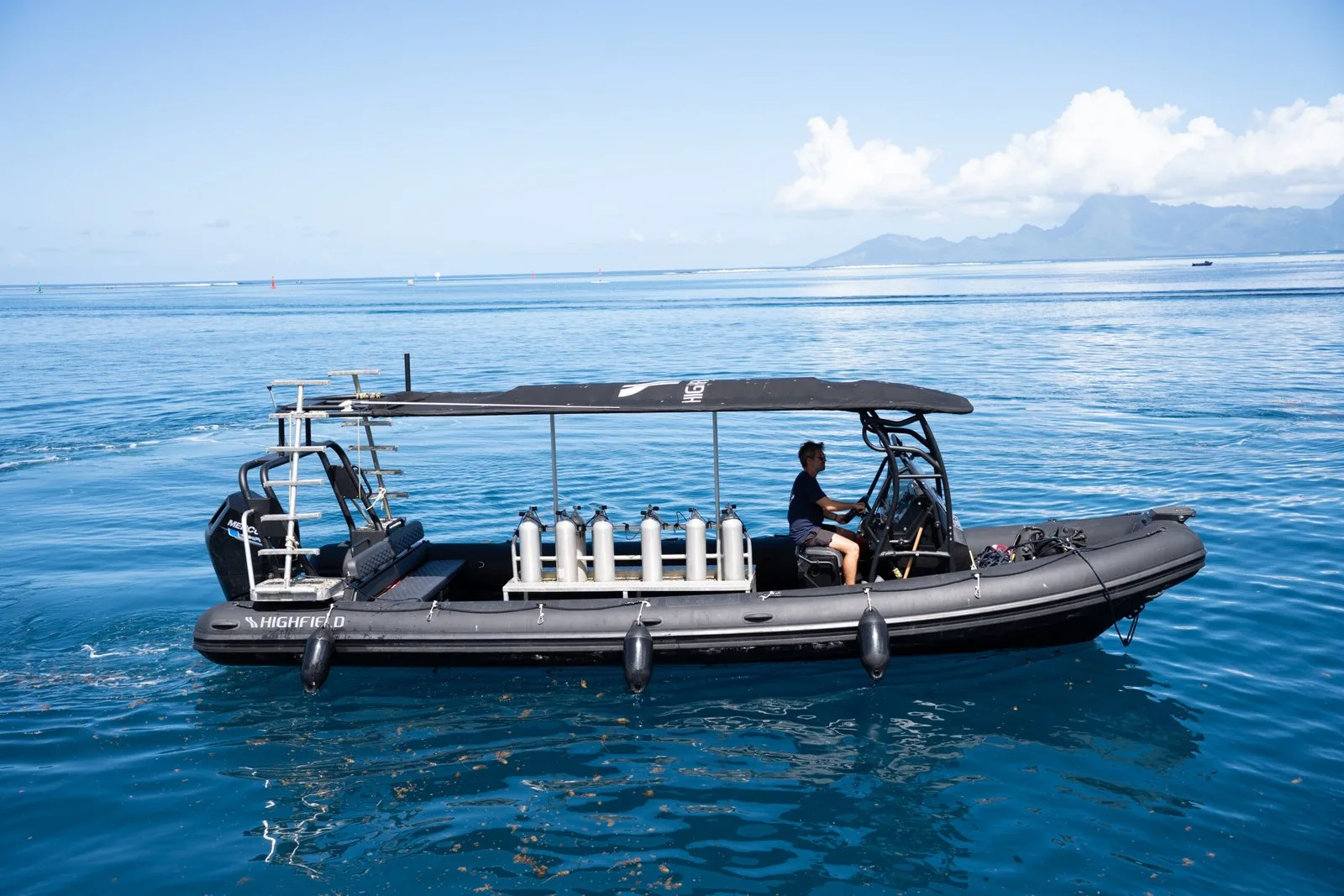
Because the site is primarily a mooring-based dive, you will approach it by boat from the Faa'a or nearby Tahiti departure points. The proximity to the coast means the transit time is usually short, allowing for a more efficient dive schedule. This makes it a practical choice for a lagoon dive that prioritizes exploration over long travel times. The combination of wreck detail and easy access makes it a staple for local divers.
Depths range from 5 to 30 metres. Accessible from Open Water Diver level, though some experience with wreck-style environments is recommended. Currents are typically light, but tidal movement or boat traffic can influence conditions. Visibility is expected between 15 and 30 metres.
The Wrecks is accessible to Open Water Diver level, although some experience with wreck-style environments is recommended. You can encounter a flat, sandy seabed with straightforward navigation, while the depth ranges from shallow lagoon areas to deeper wreckage. The level terrain lets you concentrate on controlled approaches to wreck structures.
At The Wrecks, you can explore depths ranging from five to thirty metres. The profile moves from shallow sandflats toward more significant wreckage as you descend. Because the seabed remains relatively level, you can focus on metal and wood details rather than managing complex depth changes.
Currents at The Wrecks are typically light and manageable. However, tidal movement or local lagoon currents can change conditions, and boat traffic near the Faa'a area may create occasional surges. Observe how the water is moving before descending, particularly near the surface or wrecks.
The Catalina PBY-5A flying boat is the main feature, with possible additional wreckage including a wooden schooner or small aircraft such as a Cessna. Around the structures, you may see moray eels, reef sharks, angelfish, triggerfish, surgeonfish, lionfish, parrotfish, and butterflyfish.