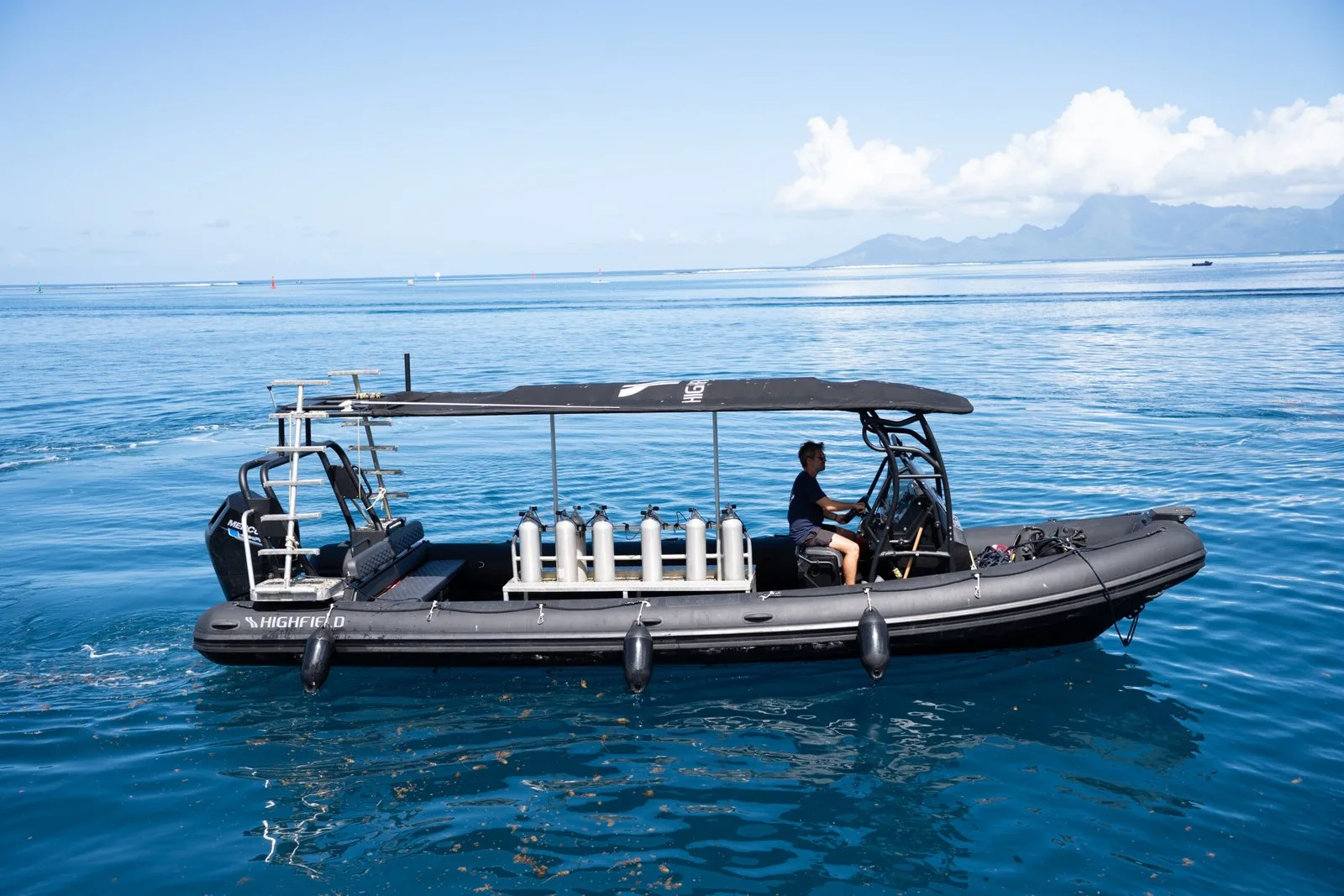

Dive And Sea Tahiti
Google 4.8/5 (308 reviews)
Tahiti · French Polynesia · Pacific
Max. depth · 30 mExplore a rare multi-wreck site within the Faa’a lagoon featuring a WWII flying boat and a large wooden schooner.
The Wrecks site is situated within the lagoon off Faa’a, positioned near the airport of Tahiti. Unlike the deep oceanic walls found further out, this site consists of a sandy floor scattered with coral heads and situated near the local lagoon reef. The topography is defined by the wreckage itself, which serves as the primary structure for exploration. You will find the vessels resting on gently sloping sand, either upright or resting on their sides. This setting provides a stable environment for maneuvering through the different sections of the debris.
The dive profile is relatively shallow and accessible, with depths ranging from 5 metres to a maximum of 30 metres. As you descend, you transition from the open sandy areas into the more complex structures of the wrecks. The shallower sections allow for easy observation of the upper surfaces, while the deeper parts of the vessels provide more shadowed environments. The slope of the seabed ensures that the transition between these depth zones is gradual. This makes it an ideal location for practicing buoyancy control around metallic and wooden structures.
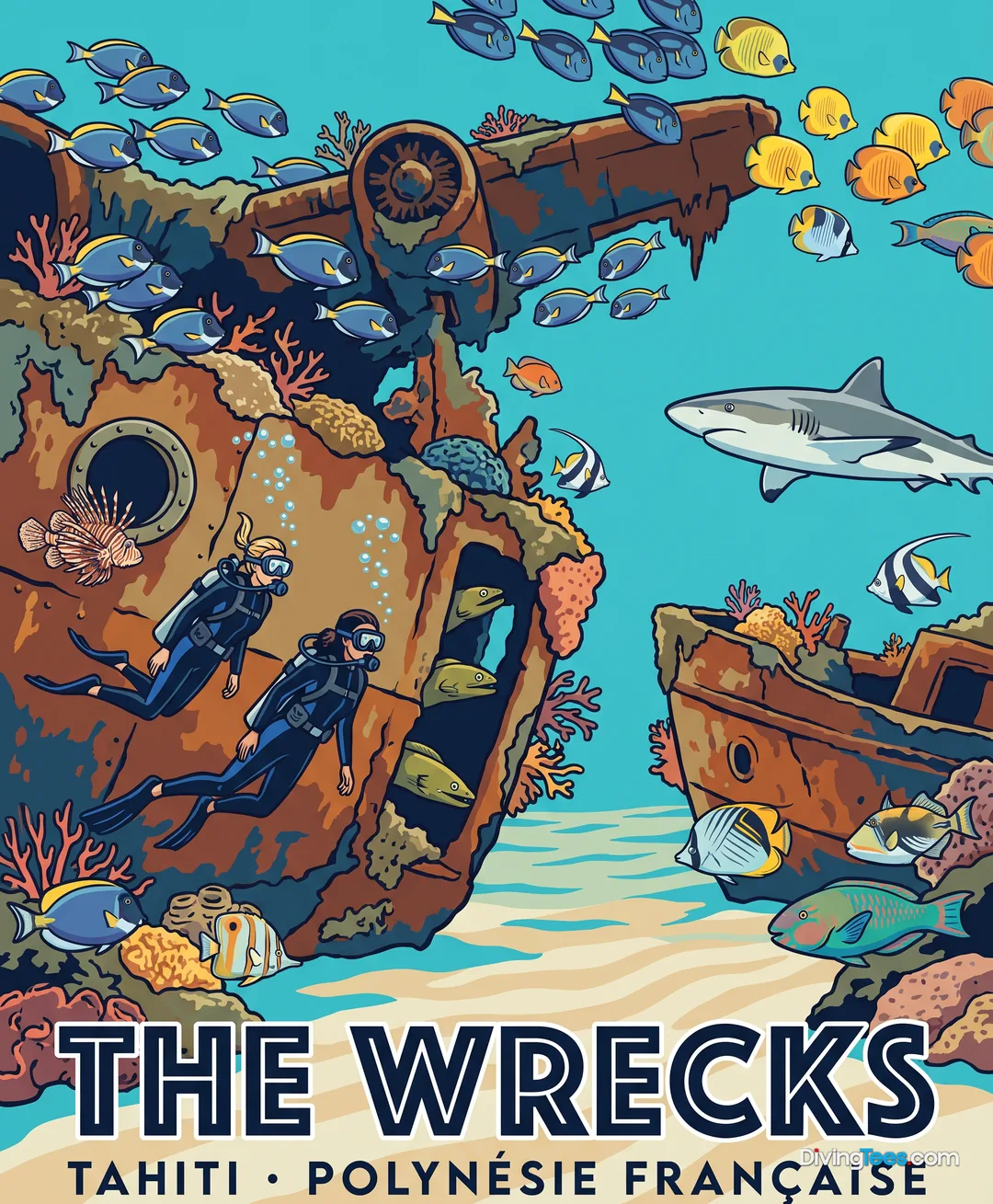
The primary attraction is the presence of two distinct vessels that function as artificial reefs. One is a WWII-era Catalina PBY-5A flying boat, which remains a recognizable piece of aviation history resting on the lagoon floor. Alongside it lies a large wooden schooner, an inter-island vessel that was purposefully sunk to encourage marine growth. These two wrecks offer different textures and structural challenges, from the hollow fuselage of the aircraft to the decaying timber of the schooner. Moving between these two points allows you to experience two very different types of wreck anatomy.
Marine life has heavily colonized these structures, turning the metal and wood into a thriving habitat. You will frequently encounter resident species such as moray eels hiding within the crevices of the wrecks and stonefish resting on the sandy patches nearby. The vertical and horizontal surfaces of the hulls attract schools of fish, including snapper, jack, and trevally. These larger fish often patrol the perimeter of the wrecks, utilizing the structures for cover or hunting opportunities. The combination of wreck geometry and coral heads creates a high density of life.
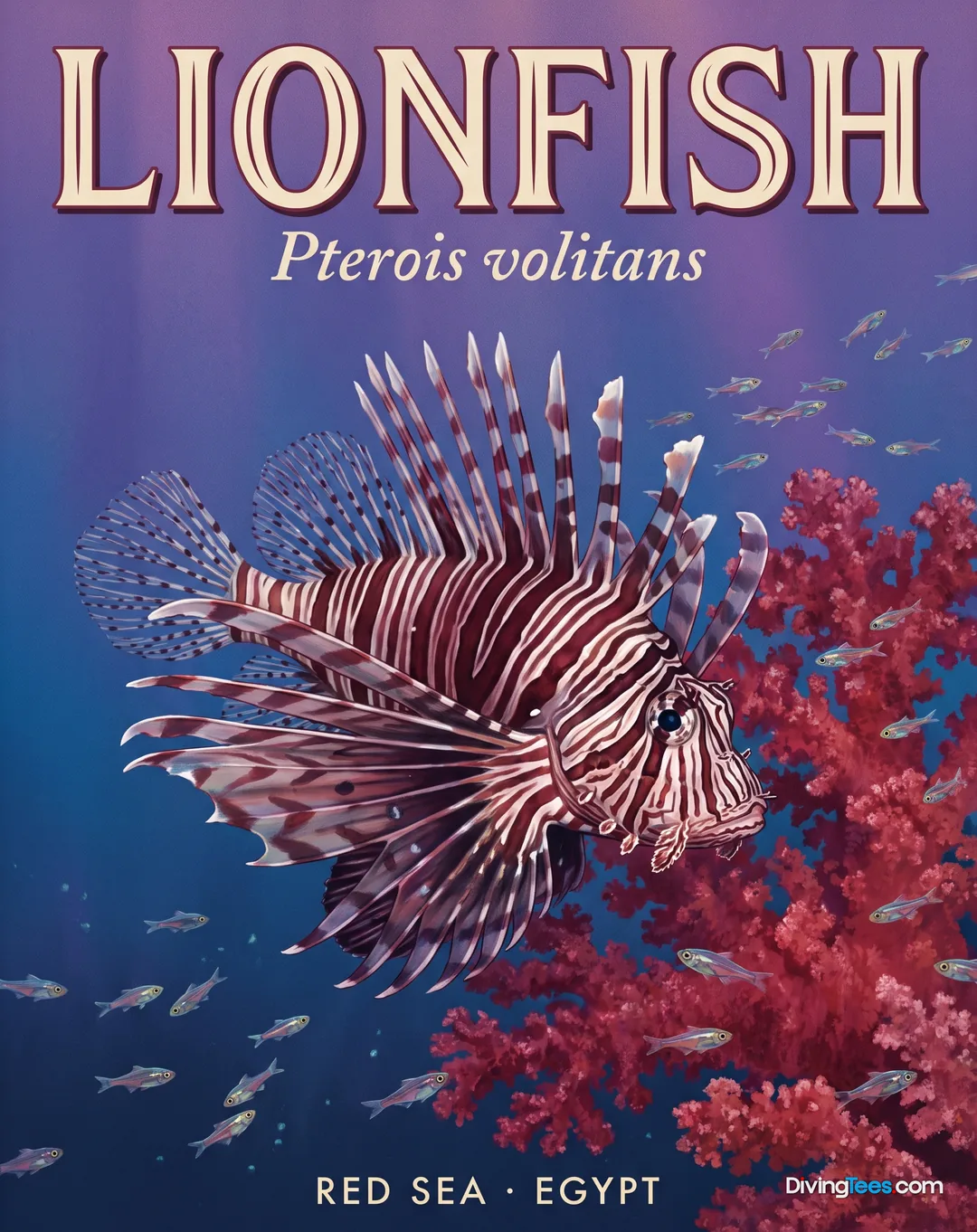
Smaller reef inhabitants are also abundant around the site, particularly among the coral heads and the wreckage itself. You can observe various species of surgeonfish, parrotfish, and butterflyfish navigating the currents near the structures. Triggerfish and damselfish are common residents of the surrounding reef areas, while goatfish and snapper often hover just above the sandy bottom. For those looking closer at the substrate, lionfish and various species of damselfish are frequently spotted near the edges of the hulls. The biodiversity is concentrated heavily around the man-made structures.
Conditions at the site are defined by its location within a protected lagoon, which typically results in light currents. This makes the site significantly calmer than the high-energy pass dives found on the outer reefs of Tahiti. However, the current can increase slightly during tidal exchanges through nearby passes or when strong winds move the surface water. For most dives, the environment remains manageable, allowing for relaxed exploration of the wreck interiors. This stability is a key reason why the site is frequently used for training and photography.
Visibility at The Wrecks is generally good, typically ranging between 15 and 30 metres depending on recent weather and lagoon activity. The light penetration in these relatively shallow waters is excellent, which is a major advantage for underwater photography. The combination of clear water and the distinct silhouettes of the Catalina and the schooner creates high-contrast scenes. Whether you are focusing on the macro details of a stonefish or the wide-angle scale of the flying boat, the visual clarity supports both styles of diving. You can easily track your buddy and maintain orientation relative to the wrecks.
The site has depths ranging from 5 to 30 metres and is accessible from Open Water Diver level. Currents are generally light due to the protected lagoon setting, though they can increase during tidal exchanges or strong winds. Expected visibility is between 15 and 30 metres.
The Wrecks is generally calm because it lies inside a protected lagoon, with visibility typically between 15 and 30 metres. Conditions can change with recent weather, lagoon activity, tidal exchanges, or strong winds. The site remains suitable for relaxed exploration and photography when the water is clear and currents are manageable.
The Wrecks is accessible to Open Water Divers and ranges from 5 to 30 metres deep. You move gradually from shallow sandy areas and upper wreck surfaces toward deeper, more shadowed sections. The sloping seabed provides a stable setting for practicing buoyancy control around both metallic and wooden structures.
Currents at The Wrecks are generally light because the site is within a protected lagoon. They can increase during tidal exchanges through nearby passes or when strong winds move surface water. Most dives remain manageable, providing a calmer environment for exploring wreck interiors, maintaining orientation, and taking photographs.
The Wrecks features a WWII-era Catalina PBY-5A flying boat and a large wooden inter-island schooner resting on sand. Moray eels, stonefish, snapper, jack, trevally, surgeonfish, parrotfish, butterflyfish, triggerfish, damselfish, goatfish, and lionfish inhabit the wrecks, coral heads, and surrounding sandy areas.