
Dive And Sea Tahiti
Google 4.8/5 (308 reviews)
Tahiti · French Polynesia · Pacific
Max. depth · 35 mA freshwater spring vents through the reef at six metres, creating a unique bubble column in a landscape of coral valleys and abundant turtles.
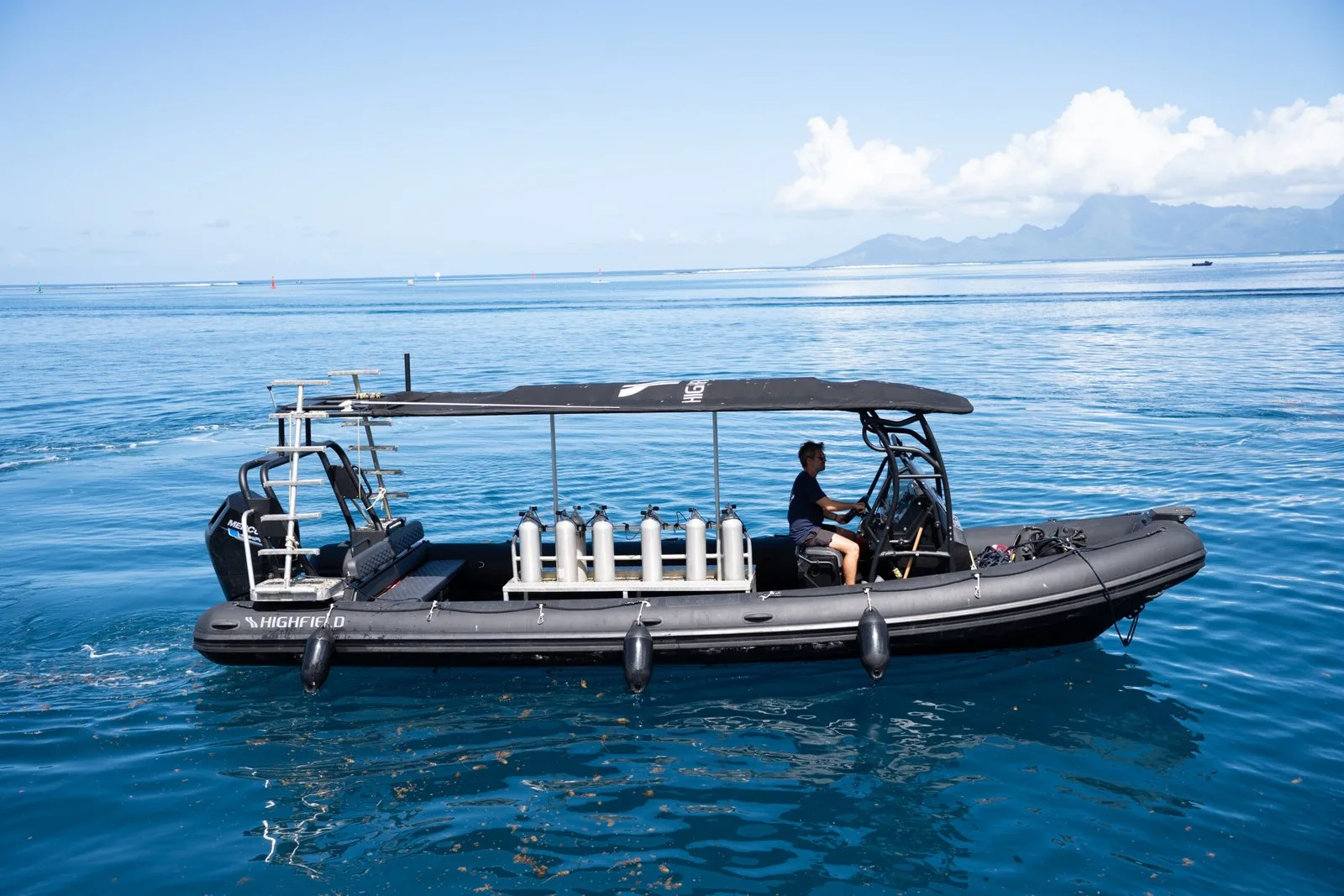
The Spring is a fringing reef located off the west coast of Tahiti, accessible by a short 15-minute boat ride from Punaauia. The site's topography is defined by a relatively shallow coral plateau that serves as a transition zone before the reef drops away. As you descend, the terrain breaks into a series of gently sloping valleys that run parallel to the shoreline. These coral-lined corridors provide natural paths for navigation, leading you from the sunlit shallows down toward the deeper sections of the reef.
The most defining feature of this site is a submarine freshwater spring emerging from the reef at a depth of approximately 6 to 8 metres. This vent produces a continuous, visible column of bubbles that rises through the water column, creating a distinct point of interest. Swimming through or around this bubble plume offers a different sensory experience compared to a standard salt-water reef dive. This phenomenon is the namesake of the site and acts as a central landmark for divers as they begin their descent.
Beyond the immediate area of the spring, the reef profile moves into deeper waters ranging from 18 to 30 metres. The descent takes you through well-defined coral valleys and across sandy patches that transition into more complex reef structures. This depth range allows for a varied dive profile where you can switch between inspecting close-up coral formations and scanning the open water. The topography ensures that even as the depth increases, there are always structural elements to follow.
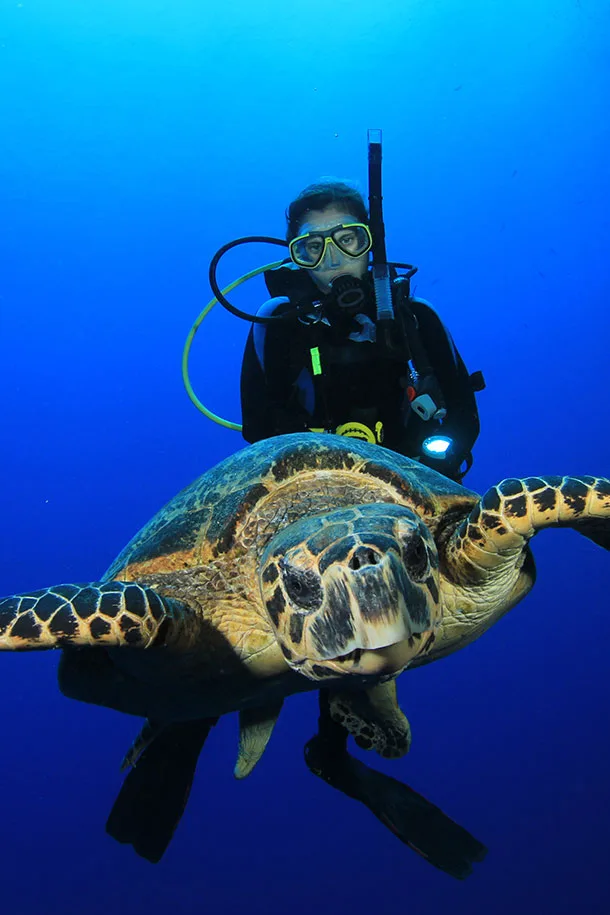
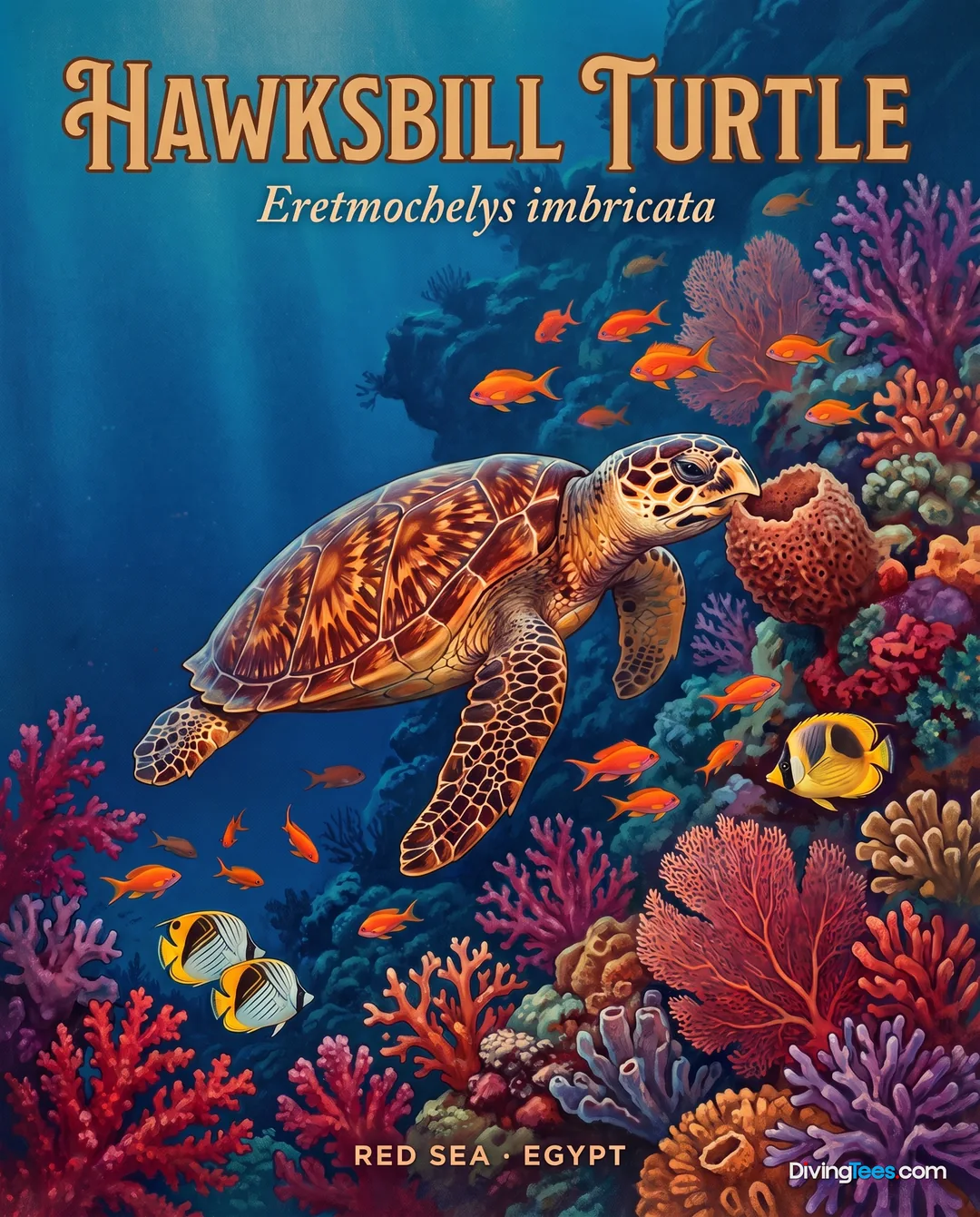
Marine life at The Spring is heavily influenced by the presence of the reef plateau and the surrounding valleys. You will frequently encounter green sea turtles and hawksbill sea turtles resting on the reef or moving through the shallower sections. These turtles are often quite habituated to diver presence, allowing for close observation within the coral structures. The abundance of these reptiles makes the shallower portions of the site particularly engaging for those focused on macro or resident fauna.
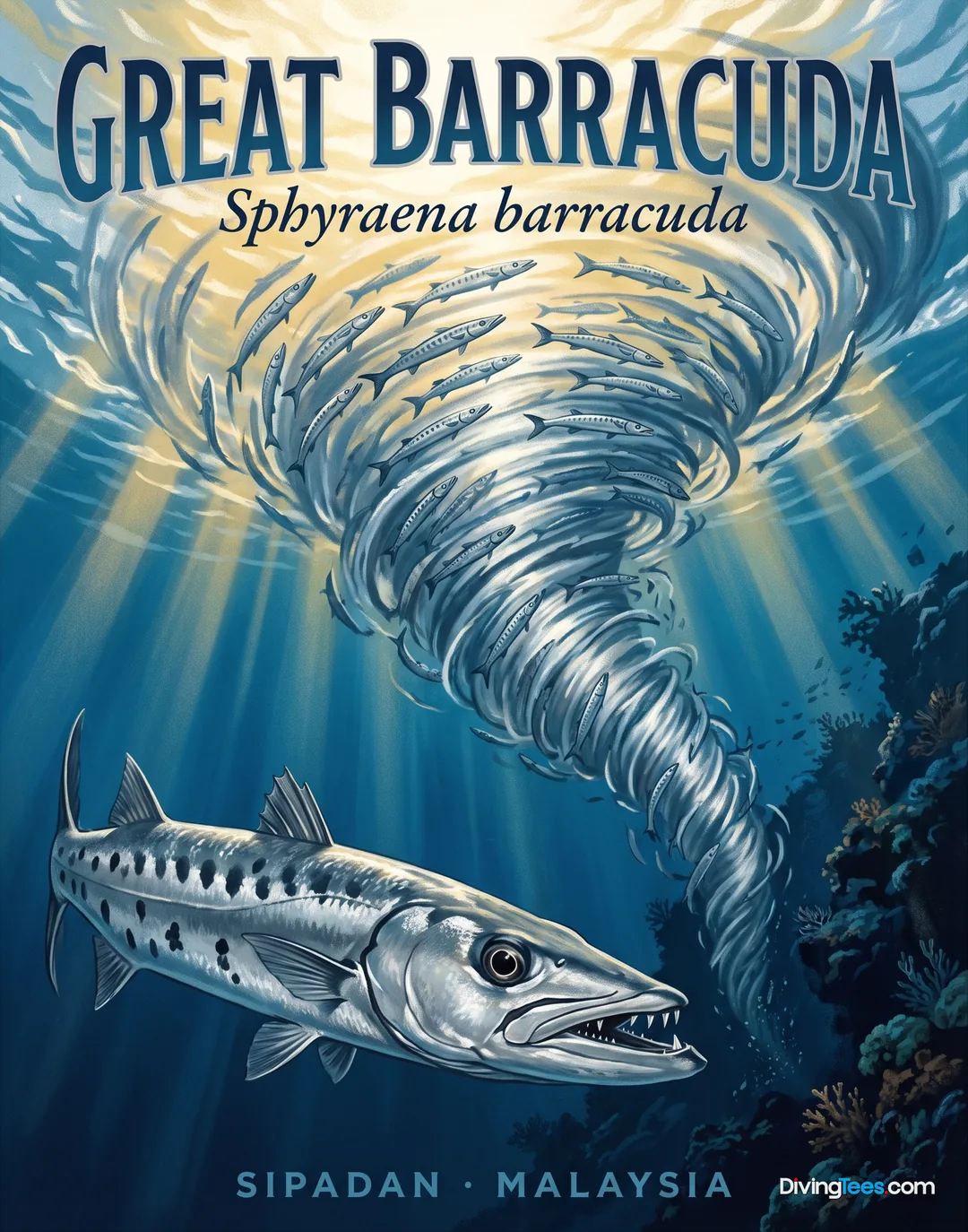
As you move into the deeper valleys and towards the edges of the reef, the fauna shifts toward larger predatory species. It is common to see white-tip reef sharks and black-tip reef sharks patrolling the edges of the coral formations. You may also encounter eagle rays gliding through the water column and chevron barracuda cruising the deeper currents. The presence of these species adds a dynamic element to the dive, especially when they move between the protective cover of the reef and the open water.
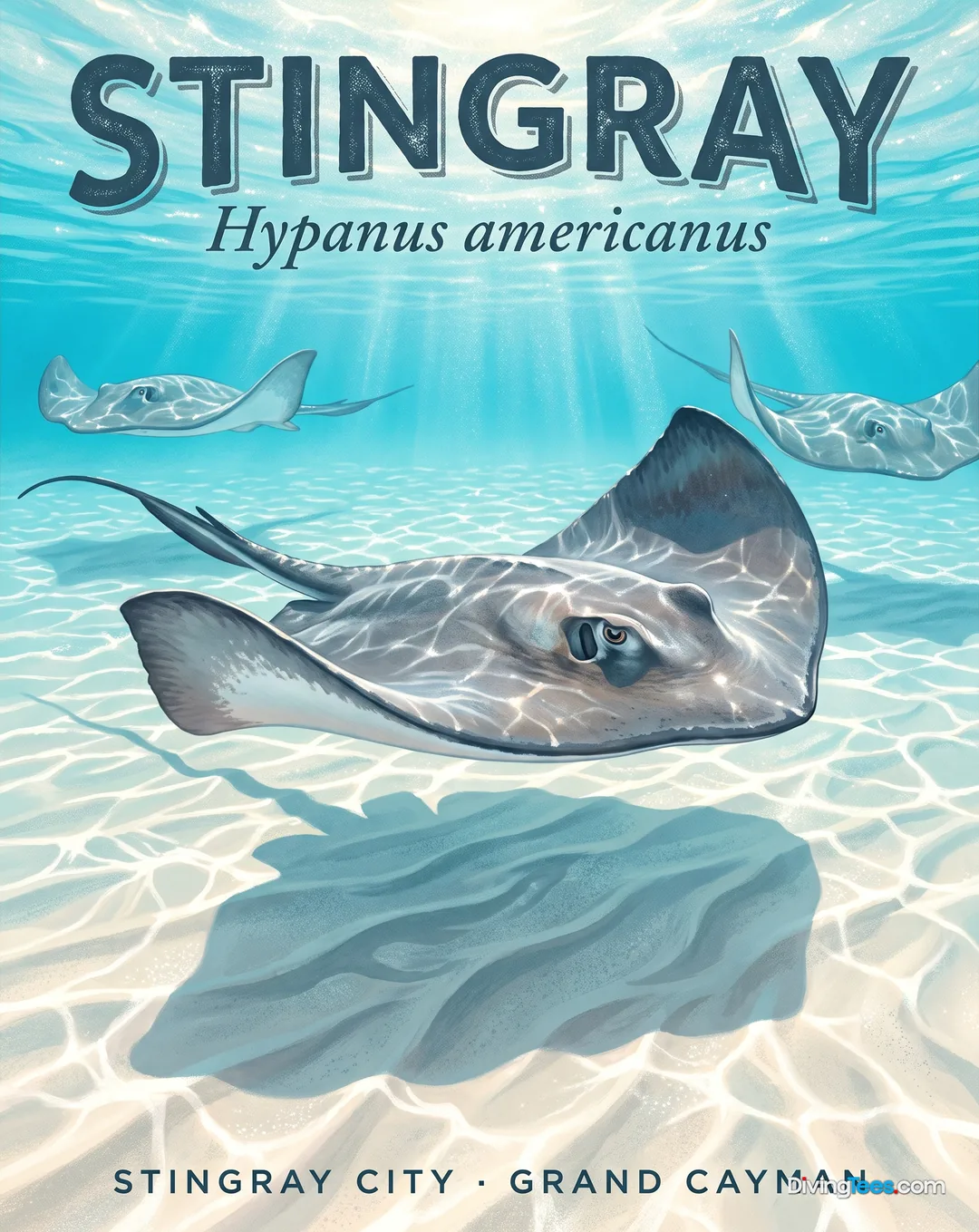
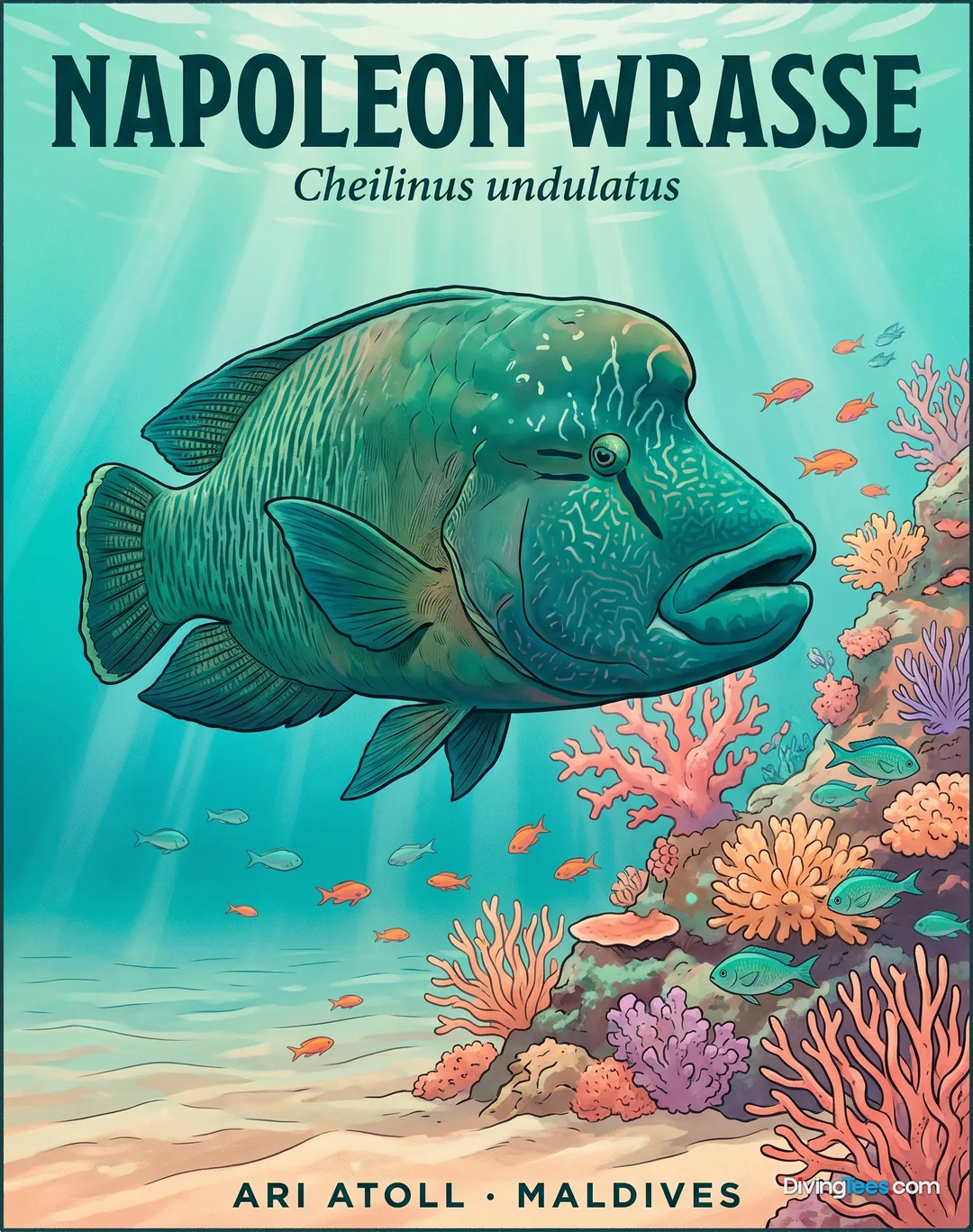
The resident fish population is diverse and provides constant movement throughout the dive. Large humphead wrasse are a regular sight, often hovering near the reef edges where they can be observed in the mid-water column. You will also find various stingrays resting on the sandy patches between the coral valleys. These encounters are integrated into the natural flow of the site, appearing as you navigate the transition from the shallow plateau to the deeper reef slopes.
Visibility at this site is generally good, typically ranging between 10 and 30 metres depending on the day. The light penetration in the shallower sections is excellent, making the freshwater bubble column highly visible and easy to locate. As you descend into the 30-metre range, the light softens, but the clarity remains sufficient to observe the sharks and rays patrolling the deeper contours. The combination of clear water and structured topography makes for a reliable reef experience on Tahiti's west coast.
Depths range from 4 to 35 metres. The site is accessible for Open Water Divers who are comfortable with boat dives and reef navigation. Current is generally light, though it can increase depending on wind, swell, and tide conditions on the west coast. Expected visibility is between 10 and 30 metres.
The Spring is accessible to Open Water Divers who are comfortable with boat dives and reef navigation. A short 15-minute boat ride from Punaauia reaches the fringing reef. Its coral plateau, sloping valleys, sandy patches, and structural reef features provide natural routes for exploring from shallow water into deeper sections.
The Spring ranges from 4 to 35 metres. The submarine freshwater spring is located at approximately 6 to 8 metres, while coral valleys and reef structures extend through deeper water from 18 to 30 metres. This creates a varied profile, combining shallow reef exploration with deeper sections and sandy transitions.
The Spring generally has light current, although it can increase with wind, swell, and tide conditions along Tahiti’s west coast. You should be comfortable with reef navigation while following the coral valleys and reef edges. Visibility typically ranges from 10 to 30 metres, depending on the day.
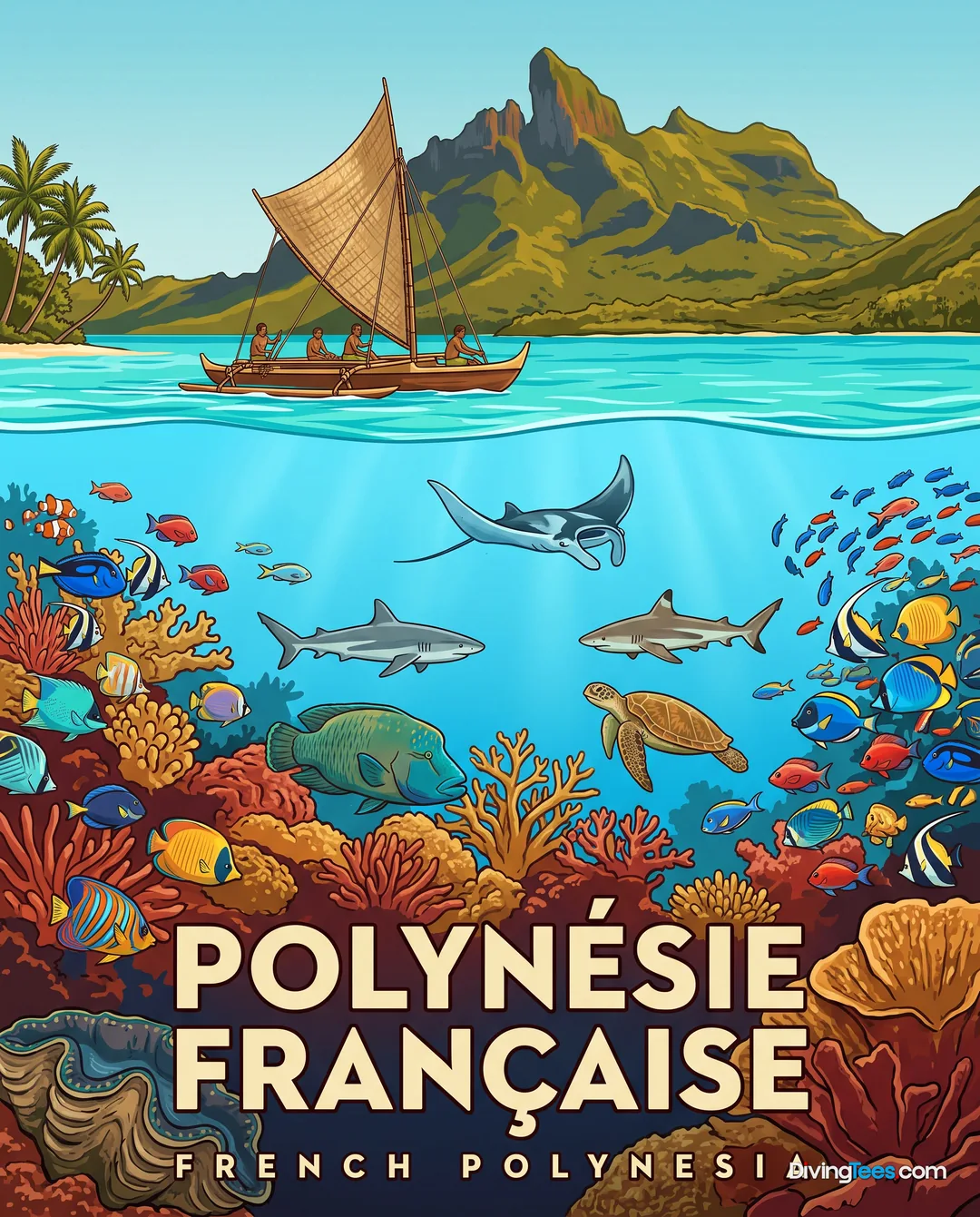
At The Spring, you can see the freshwater spring’s visible bubble column, green and hawksbill turtles, coral valleys, white-tip and black-tip reef sharks, eagle rays, chevron barracuda, humphead wrasse, and stingrays. Turtles frequent the shallower reef, while sharks and other larger animals move around deeper valleys, sandy patches, and reef edges.