
Dive And Sea Tahiti
Google 4.8/5 (308 reviews)
Tahiti · French Polynesia · Pacific
Max. depth · 60 mA dramatic vertical descent from shallow coral ledges into a deep oceanic abyss.
The St. Etienne Drop-Off is defined by its dramatic topography, situated on the outer reef off Taapuna Pass in Punaauia. You begin the dive in relatively shallow water, around 5 to 6 metres, navigating through coral ledges before reaching the edge of the reef. From this point, the terrain transitions into a series of steep to vertical coral walls that plunge into the open ocean. This sudden change in depth creates a strong sense of vertical exposure as the reef drops away into the blue.
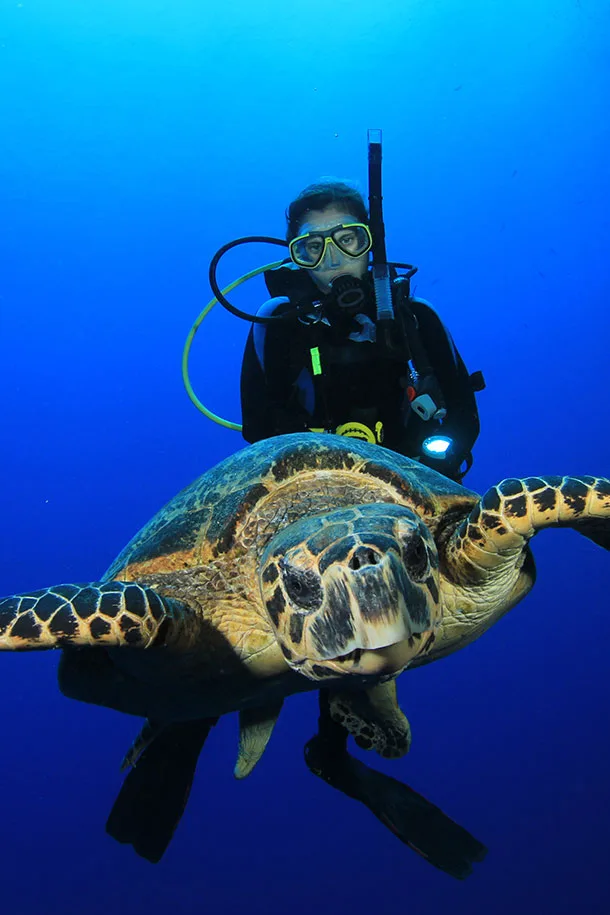
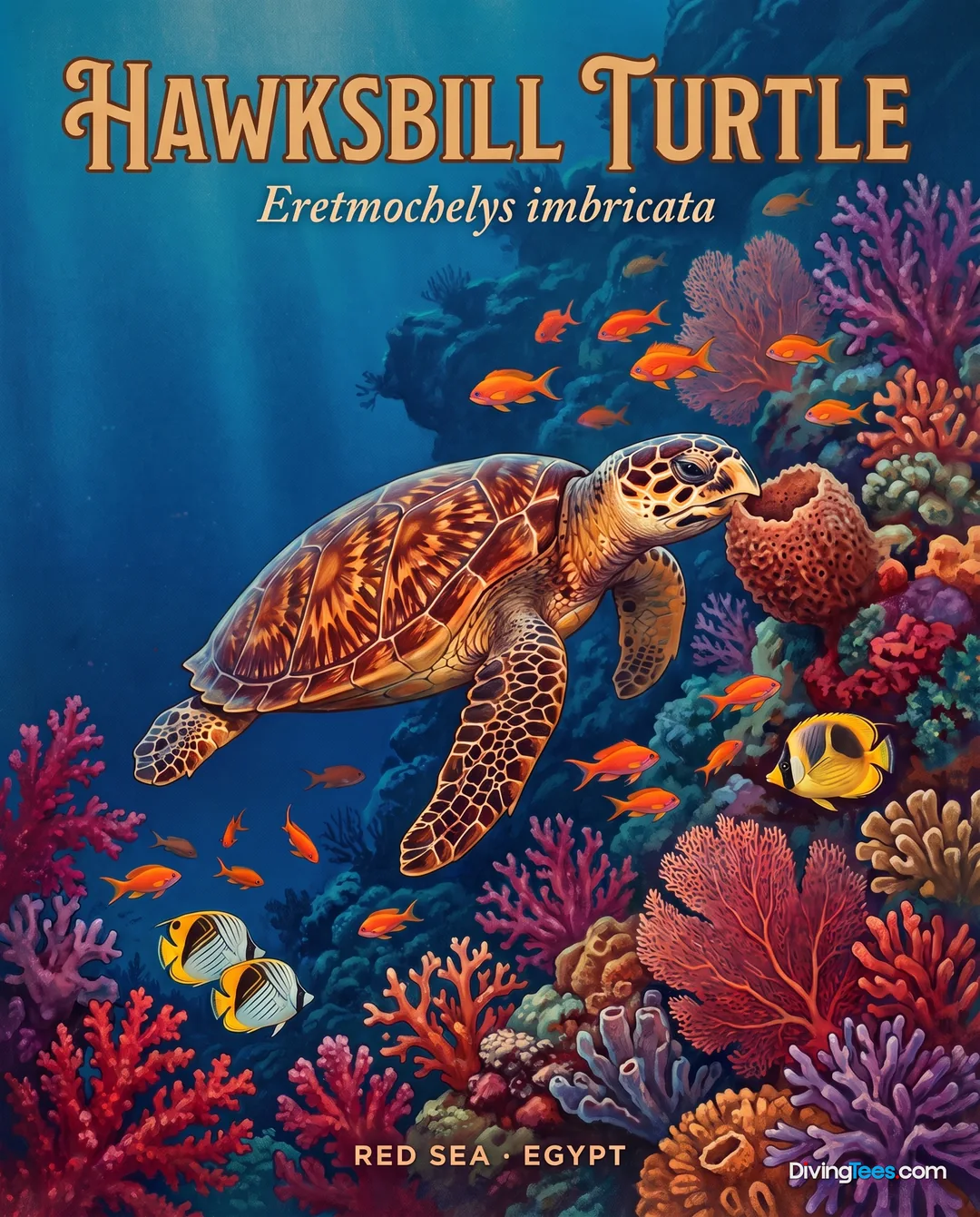
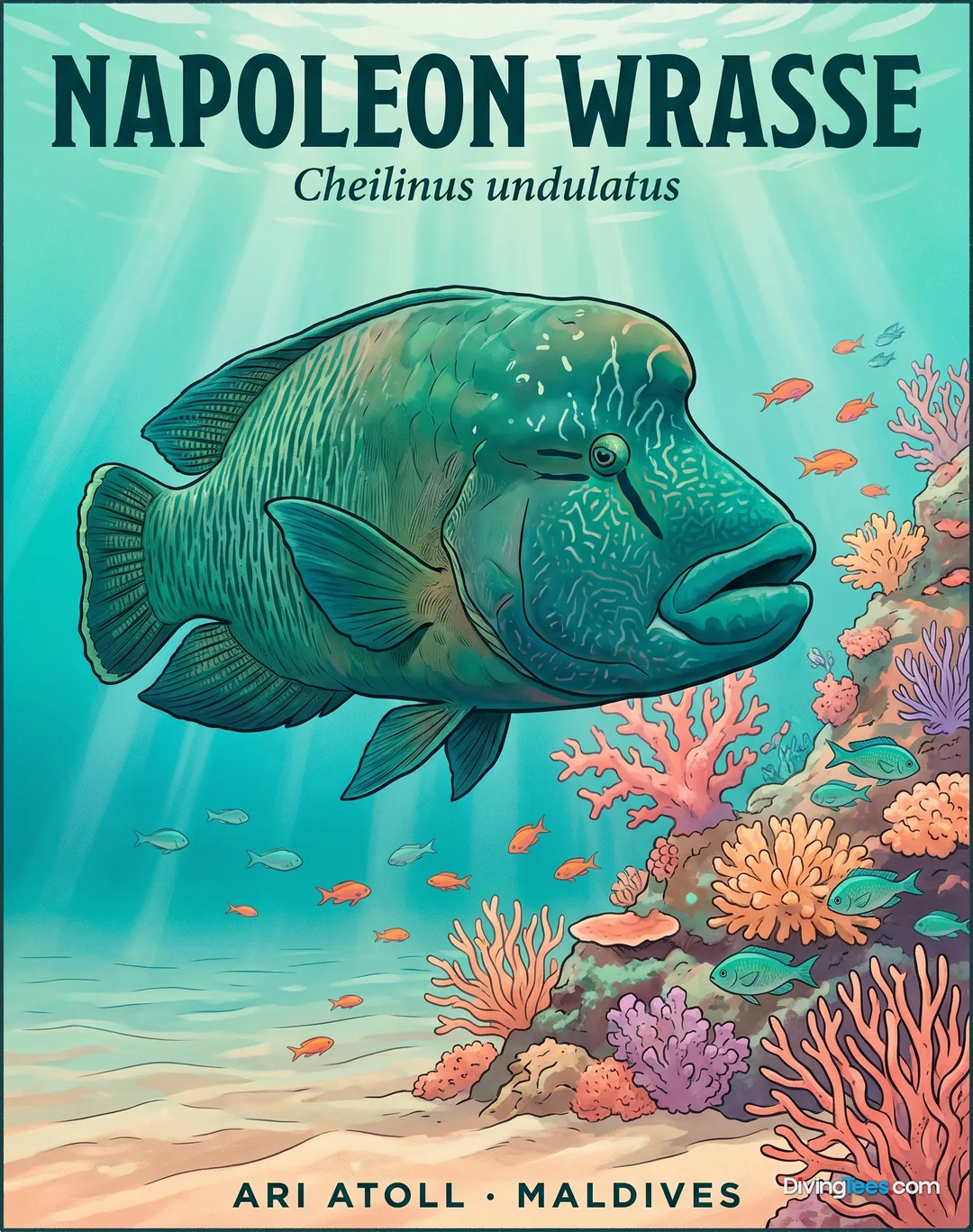
As you follow the descent, the wall becomes particularly lively in the upper section, typically between 15 and 25 metres. This zone is a high-activity area where the reef structure supports a dense population of marine life. You will encounter various reef residents, including Napoleon wrasse and several species of sea turtles. The complexity of the coral formations in this upper zone provides ample hiding spots for moray eels and smaller reef fish like damselfish.
Descending further, the wall continues its steep descent, reaching depths of approximately 50 to 60 metres. The bottom eventually levels out into a sandy floor at the base of the drop-off. For those looking to extend the dive, the site offers the possibility of a drift towards the Saint-Étienne Fault. This movement depends on the local ocean conditions and allows for a longer, more fluid exploration of the outer reef edge.
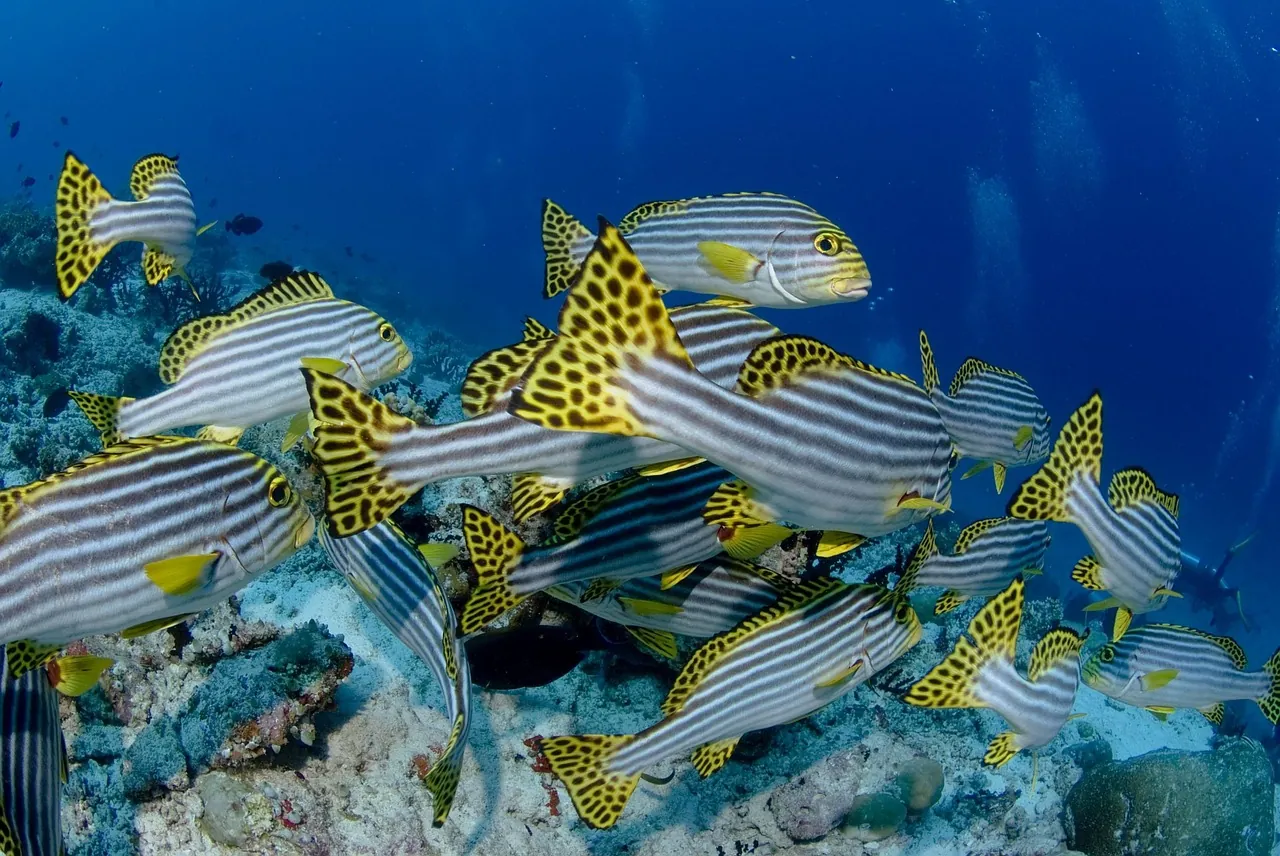
The site is known for a diverse range of resident fauna that inhabit the vertical faces. You will often see schools of jacks and needlefish moving through the water column. Red snapper are common residents along the reef slope, often found near the coral structures. The presence of black coral on the deeper sections adds to the structural complexity of the wall, providing essential habitat for the local ecosystem.
In the deeper, sandier sections of the site, the environment shifts from coral structures to open oceanic territory. It is here, near the bottom, that you may encounter whitetip reef sharks resting on the sand. The visibility at St. Etienne varies depending on ocean swell and weather, but often provides clear views of the steep drop-off. The combination of vertical coral walls and the deep oceanic abyss makes this a distinctively challenging profile.
Navigation at this site requires careful attention to the reef edge and the prevailing ocean conditions. Because the drop-off is located on the outer reef, it is susceptible to the effects of swell and tides. Depending on the time of day and the tide, the site can transition from a calm, moored wall dive to a more active drift dive. Monitoring your position relative to the Saint-Étienne Fault is essential if you choose to follow the current.
Depth ranges from 6 to 60 metres. This site requires an Advanced Open Water (AOW/CMAS**) certification or equivalent; we recommend at least 50 logged dives due to the steep topography and variable currents. Visibility typically ranges between 10 and 30 metres. Currents can vary from calm to strong depending on the tide, swell, and prevailing wind along the outer reef.
St. Etienne Drop-Off can shift between a calm, moored wall dive and a more active drift dive depending on the time of day, tide, swell, and prevailing wind. Visibility varies with ocean swell and weather, typically ranging from 10 to 30 metres, so you should consider local conditions before entering.
St. Etienne Drop-Off requires Advanced Open Water, AOW, CMAS Two Star, or equivalent certification. At least 50 logged dives are recommended because the site has steep topography and variable currents. Careful navigation along the reef edge and attention to prevailing ocean conditions are important throughout the dive.
St. Etienne Drop-Off begins in relatively shallow water around 5 to 6 metres, with coral ledges leading to steep and vertical walls. The lively upper reef lies between 15 and 25 metres, while the wall continues to approximately 50 to 60 metres before reaching a sandy bottom.
At St. Etienne Drop-Off, you may see Napoleon wrasse, green and hawksbill turtles, moray eels, damselfish, jacks, needlefish, red snapper, and black coral. Whitetip reef sharks may rest on the sandy bottom. Currents range from calm to strong and can carry you toward the Saint-Étienne Fault.