

Rangiroa Diving Center
Google 4.9/5 (378 reviews)
Rangiroa · French Polynesia · Pacific
Max. depth · 35 mExperience powerful tidal currents that funnel large schools of jacks and silvertip sharks through a north-west atoll channel.
Avatoru Pass serves as a major natural gateway on the north-west side of the Rangiroa atoll, where the lagoon meets the open ocean. The site is geographically defined by two distinct channels separated by the small islet of motu Fara. This structure creates a complex hydrodynamic environment where ocean water is forced through narrow openings, resulting in predictable but intense tidal shifts. You will typically approach the site via boat, entering the dive either on the relatively stable coral plateau or directly into the channel flow. The topography is dominated by a shallow shelf sitting between 15 and 20 metres, which eventually drops away into the deeper pass and the outer oceanic slope.
The dive profile is shaped by the transition from the shallow plateau to the deeper channel depths, which reach up to 35 metres. Most dives begin by finding a position on the coral plateau to manage the initial entry before the current takes hold. As you move toward the edge of the pass, the terrain falls away, and the water movement increases significantly. This depth range allows for a varied experience, from observing reef-resident species on the shallower sections to tracking larger pelagics as they follow the current lines along the deeper walls. The transition from the calm lagoon side to the high-energy pass is a defining characteristic of the site's layout.
Tidal direction is the primary factor determining the biological activity and the difficulty of the dive. During the incoming tide, the water moves from the ocean into the lagoon, creating a fast drift through the channel. This period is highly regarded for seeing large concentrations of sharks and massive schools of fish being pushed into the atoll. The current during this phase can be quite demanding, requiring precise buoyancy control and strong finning skills to maintain position. Divers should prepare for a continuous movement that follows the flow of the water through the pass, making it a true drift dive.
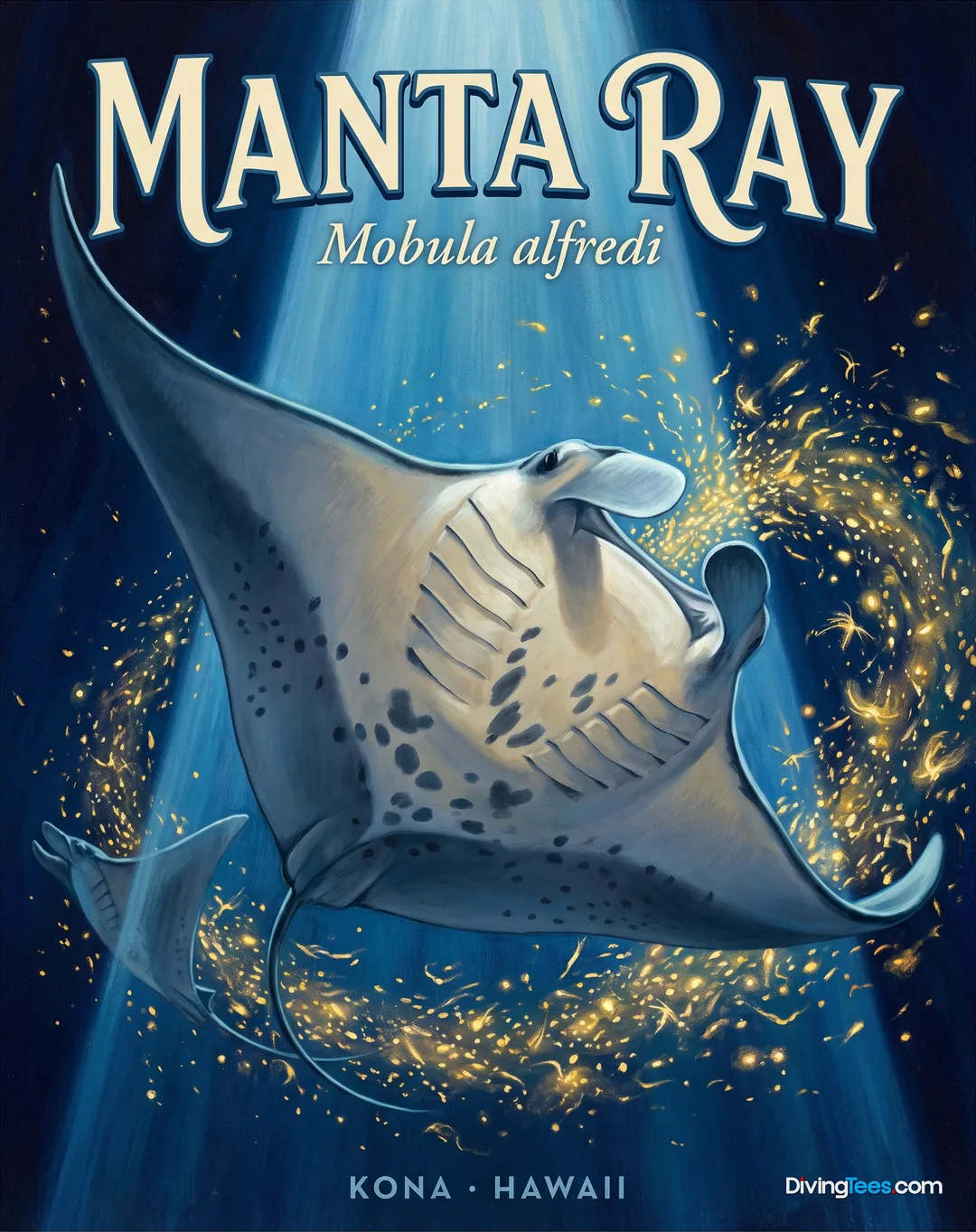
The outgoing tide reverses the flow, pulling water from the lagoon toward the open ocean. This phase often presents a different ecological opportunity, particularly for spotting manta rays. As the tide turns, these rays frequently move over the shallower plateau near the motu to feed on nutrients carried by the current. The conditions on the plateau during an outgoing tide can be noticeably calmer than the main channel, providing a window to observe larger marine life in a more controlled environment. Understanding this cycle is essential for choosing the right moment to dive if you are looking for specific species.
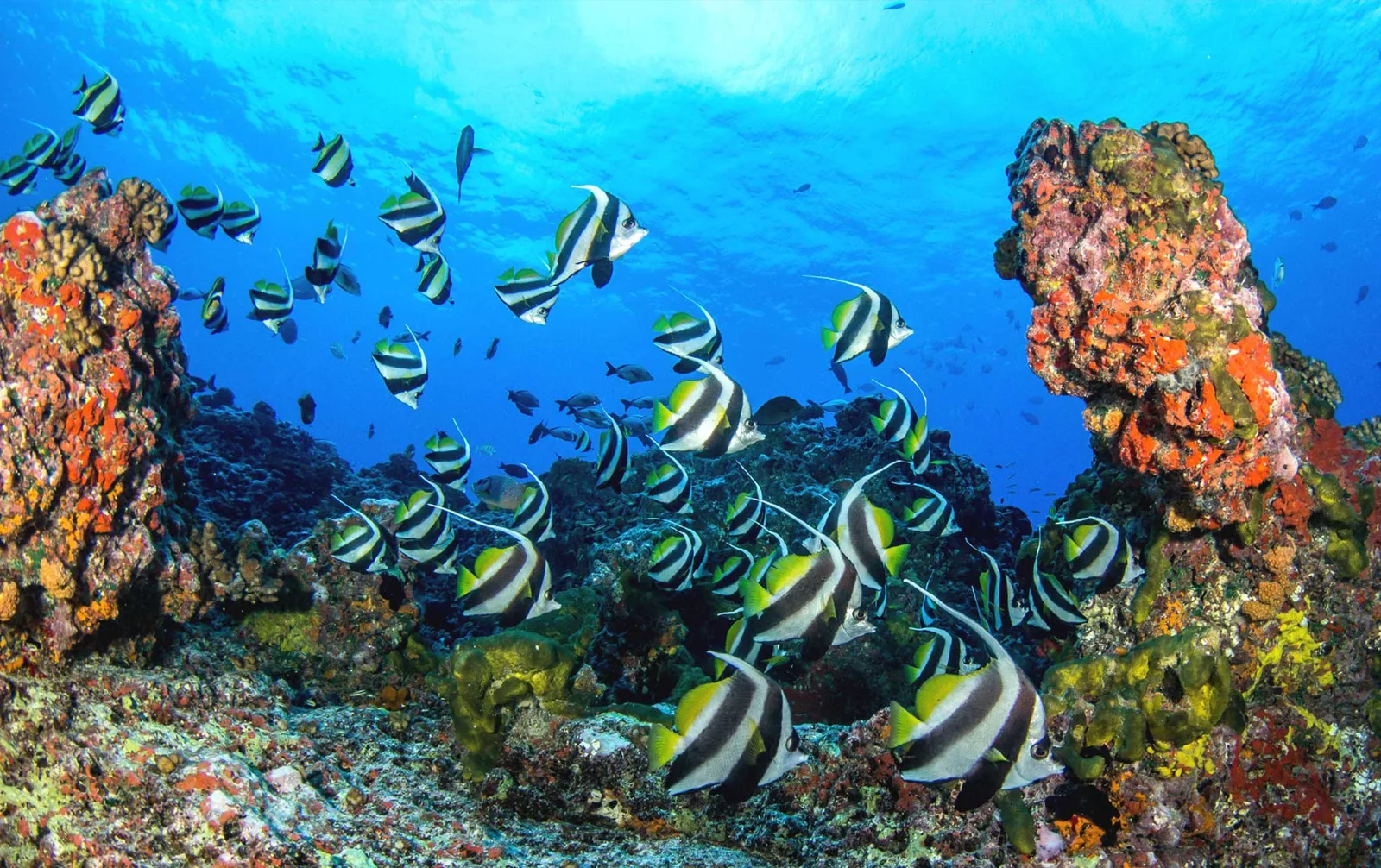
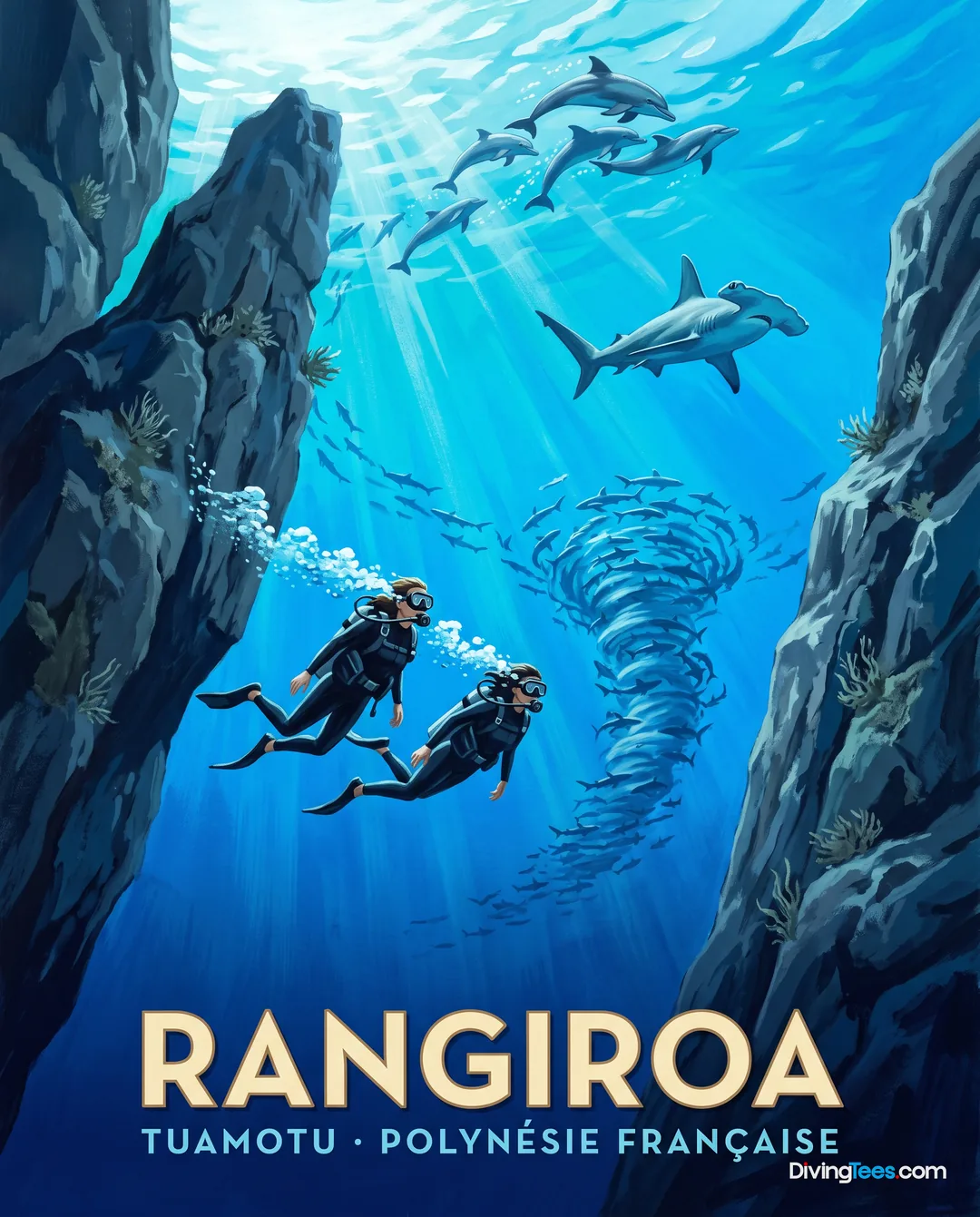
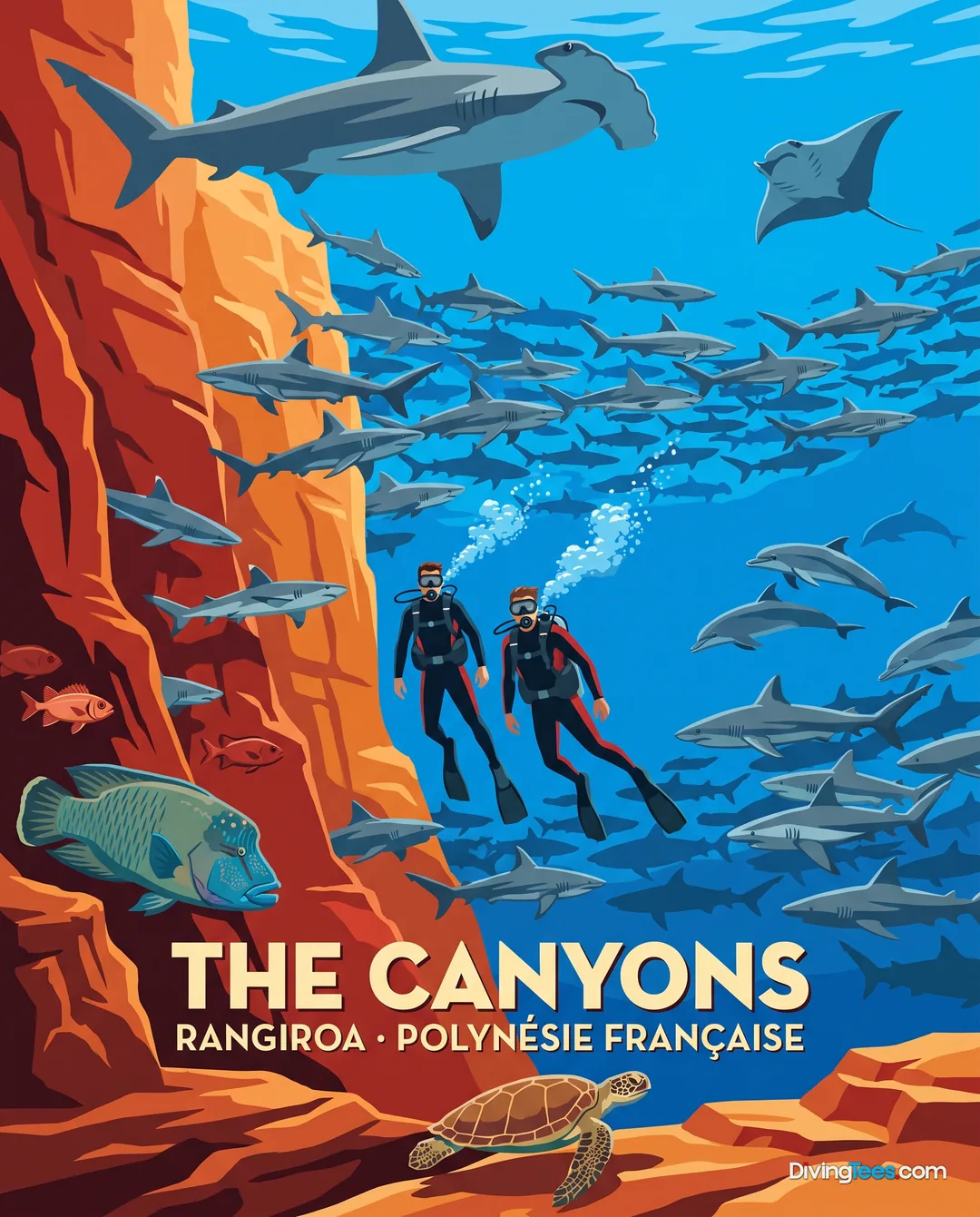
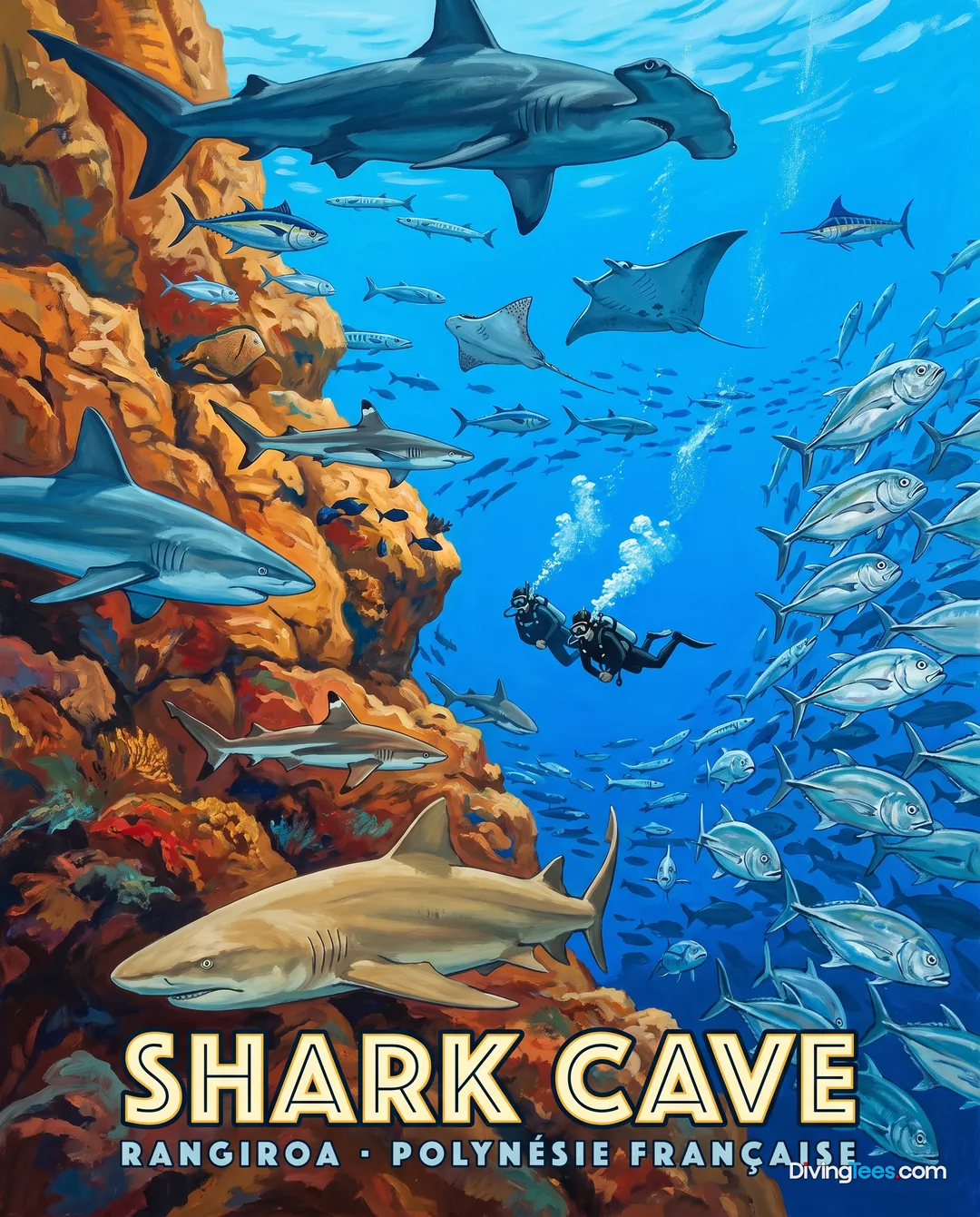
Pelagic encounters are a cornerstone of the Avatoru experience, specifically regarding shark activity. Silvertip sharks are frequently observed patrolling the edges of the pass and the deeper sections of the slope. You may also encounter grey reef sharks, blacktip reef sharks, and whitetip reef sharks as they navigate the currents. These predators often follow the schools of fish that are concentrated by the tidal movement. Seeing these species in such high numbers is a direct result of the nutrient-rich water being forced through the narrow gaps in the atoll rim.
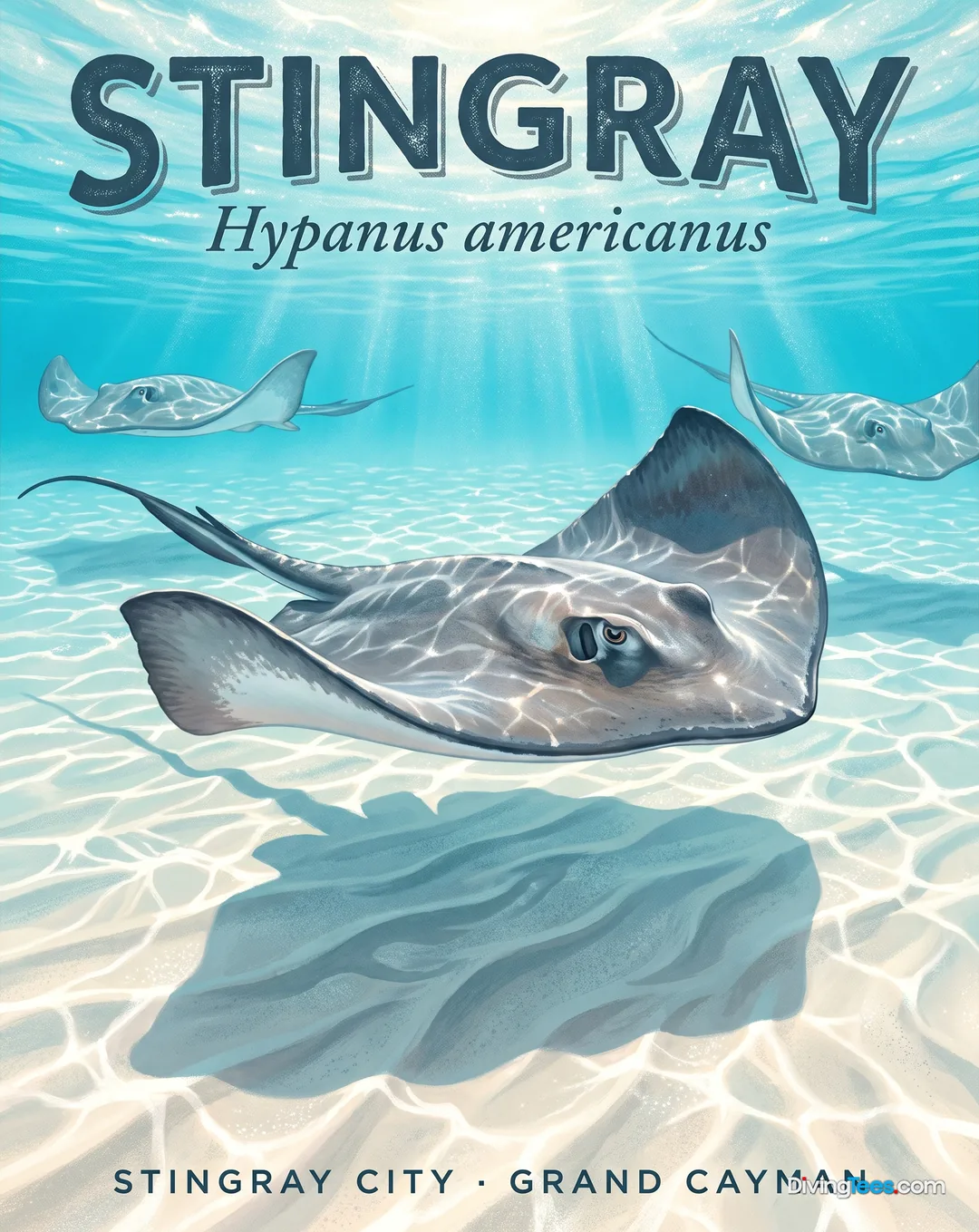
The mid-water column is frequently occupied by massive, organized schools of predatory fish. Bluefin jacks, bigeye jacks, and various species of trevally often form dense groups that move in unison with the current. These schools can be quite large, creating a sense of scale as they pass through the pass. In addition to these schooling fish, stingrays are common residents of the sandy patches and plateau areas. The interaction between the heavy current and the concentrated biomass makes the site a highly active environment for any diver looking to observe natural predatory behaviors.
Visibility at Avatoru Pass is generally high, often ranging between 15 and 35 metres, depending on the surge of water through the channel. This clarity is vital for spotting pelagics that may be hovering at the edge of the visual range or cruising well below the plateau. The light penetrates well even at the 35-metre mark, allowing for clear observations of the reef structure and the movements of the fauna. However, the high energy of the site means that visibility can shift rapidly if heavy surge or sediment is stirred up by extreme tidal flows. Consistent water movement helps maintain the clarity that makes the site so effective for long-range spotting.
While Avatoru is often noted as a slightly more manageable alternative to the Tiputa Pass, it remains a serious dive that requires confidence in moving water. The combination of depth, unpredictable surges, and the potential for sudden shifts in current direction means that buoyancy must be managed actively. It is not a site for passive drifting; you must be prepared to work with the current to stay within the desired depth zones. The site rewards those who can maintain a stable profile while navigating the complex topography of the coral plateau and the descending channel walls.
Depths range from 10 to 35 metres. This is an advanced level site requiring experience with strong tidal currents; an advanced certification and a significant number of logged dives are recommended due to the high-energy drift nature of the pass. Visibility typically ranges from 15 to 35 metres. The best periods to dive are June–August and December–March.
You can dive Avatoru Pass during June to August or December to March, the periods identified as best for this site. Tidal direction also shapes the experience: incoming water concentrates sharks and schooling fish in the channel, while outgoing water can bring manta rays onto the shallower plateau to feed.
Avatoru Pass is an advanced dive requiring experience with strong tidal currents. You should have advanced certification and a significant number of logged dives, along with confident buoyancy control and strong finning skills. The high-energy drift, depth, unpredictable surges, and possible current changes demand active control throughout the dive.
Avatoru Pass ranges from 10 to 35 metres. The dive includes a coral plateau, with a shallow shelf between 15 and 20 metres, followed by a drop into the deeper channel and outer oceanic slope. This profile lets you observe reef residents in shallower areas and pelagics along deeper walls.
Avatoru Pass is shaped by intense tidal drift. Incoming current carries water into the lagoon and can bring silvertip, grey reef, blacktip reef, and whitetip reef sharks, along with large schools of jacks and trevally. Outgoing flow may bring manta rays over the plateau, while stingrays inhabit sandy patches.